Key Takeaways: Environmental protection is vital for safeguarding ecosystems, mitigating climate change, and ensuring human health. Single-use plastic tableware is a major contributor to long-term pollution, microplastic spread, and carbon emissions. As a professional eco utensils manufacturer, Eco Ancheng provides non toxic tableware and biodegradable tableware, using the safest dinnerware material to help foodservice businesses take practical, impactful action for our planet.
Understand the critical importance of environmental protection for our planet. Learn how our actions impact nature and future generations.
Environmental protection is a crucial issue that affects every living being on our planet.
It refers to the practice of preserving and conserving the natural environment, including air, water, land, and all living organisms.
The importance of environmental protection cannot be overstated, as it is directly linked to human health, economic growth, and overall quality of life.
The Earth's natural resources, such as forests, minerals, and fossil fuels, are finite, and if they are not managed sustainably, they can become depleted.
Ancheng has also written about other topics related to environmental protection:

What is Thermal Pollution?
How Does Air Pollution Affect Plants?
How Does Air Pollution Affect Animals?
Why is Plastic Cutlery Bad for the Environment?
What Happens if You Swallow Plastic?
7 Reasons Why You Should Recycle
50 Ways To Reduce Climate Change
How To Reduce the Carbon Footprint of Your Air Conditioner?
Environmental protection is essential for the survival and well-being of all living organisms on Earth.
It involves the preservation of natural resources, the protection of biodiversity, and the mitigation of climate change.
In this section, we will discuss the importance of environmental protection in detail.
Biodiversity refers to the variety of life on Earth, including plants, animals, and microorganisms.
It is essential for maintaining the balance of ecosystems and ensuring their resilience to environmental changes.
Environmental protection plays a crucial role in preserving biodiversity by protecting natural habitats, reducing pollution, and preventing the introduction of invasive species.

Environmental protection is also essential for protecting human health.
Exposure to environmental pollutants can lead to a range of health problems, including respiratory diseases, cancer, and neurological disorders.
Environmental protection measures such as reducing air and water pollution, promoting sustainable agriculture, and improving waste management can help prevent these health problems.
Climate change is one of the greatest environmental challenges facing humanity today.
It is caused by the emission of greenhouse gases such as carbon dioxide and methane, primarily from human activities such as burning fossil fuels and deforestation.
Environmental protection measures such as reducing greenhouse gas emissions, promoting renewable energy, and protecting forests can help mitigate the impacts of climate change and protect the planet for future generations.
In conclusion, environmental protection is essential for preserving biodiversity, protecting human health, and mitigating the impacts of climate change.
It is the responsibility of individuals, businesses, and governments to take action to protect the environment and ensure a sustainable future for all living organisms on Earth.

Single-use plastic tableware is one of the most pervasive and damaging contributors to environmental degradation, directly contradicting global environmental protection efforts. Unlike sustainable alternatives, plastic tableware poses long-term risks to the planet for several reasons:
- Prolonged Decomposition: Most single-use plastic tableware takes 200 to 400 years to decompose, accumulating in landfills, oceans, and soil. Even when it breaks down, it forms microplastics—tiny particles that contaminate water sources, enter the food chain, and harm aquatic and terrestrial life.
- High Carbon Footprint: Plastic production relies on petrochemicals, a non-renewable resource, and requires massive energy input. This process releases significant greenhouse gas emissions, worsening climate change and undermining environmental protection goals.
- Toxic Risks: Low-quality plastic tableware often contains harmful chemicals that leach into food and water when exposed to heat (e.g., hot meals, microwaves). These toxins not only harm human health but also pollute soil and water systems, further degrading the environment.
- Waste Overload: Billions of pieces of plastic tableware are discarded annually, overwhelming waste management systems and leading to littering in natural habitats—from oceans to forests—destroying ecosystems and endangering wildlife.
The good news is that this damage is preventable. By switching to sustainable, eco-friendly alternatives, businesses can significantly reduce their environmental impact and align with global environmental protection efforts.
Protect Our Planet with Eco Ancheng’s Biodegradable Tableware
Ideal for restaurants, catering & global distributors

Biodegradable tableware is a game-changer for environmental protection, offering a practical, effective alternative to single-use plastic. Unlike plastic, these products are designed to break down naturally, returning to the environment without leaving toxic residues or microplastics. Here’s how they support planetary health:
- Renewable Materials: High-quality biodegradable tableware is made from natural, renewable resources such as bamboo, birch wood, and sugarcane fiber. These materials are sustainably harvested, requiring far less energy to produce than plastic and reducing reliance on non-renewable petrochemicals.
- Natural Decomposition: Biodegradable tableware breaks down completely in industrial or home composting systems within 3 to 6 months, eliminating the need for landfills or incineration. This process enriches soil, supporting plant growth and closing the waste loop.
- Non-Toxic & Safe: As the safest dinnerware material, non toxic tableware from trusted manufacturers like Eco Ancheng is free from harmful chemicals, ensuring food safety for consumers while protecting the environment from toxic pollution.
- Lower Carbon Footprint: The production of biodegradable tableware generates significantly fewer greenhouse gas emissions than plastic, helping businesses reduce their carbon footprint and contribute to climate change mitigation.
For foodservice businesses, switching to biodegradable tableware is not just an environmental choice—it’s a way to meet consumer demand for sustainable practices, enhance brand reputation, and align with global environmental protection goals.
Environmental protection policies are crucial for safeguarding the planet's natural resources and ecosystems.
These policies are implemented at the national and international levels, as well as by corporations and businesses.
Here are some of the key areas where environmental protection policies are in place:
Governments around the world have implemented a range of policies to protect the environment.
These policies aim to reduce pollution, conserve natural resources, and promote sustainable development. Some examples of national policies include:
* Environmental Impact Assessments (EIAs) - These assessments are conducted before major projects are approved to ensure that their environmental impact is minimized.
* Carbon pricing - This policy puts a price on carbon emissions to incentivize companies to reduce their greenhouse gas emissions.
* Renewable energy targets - Governments set targets for the percentage of energy that must come from renewable sources, such as wind and solar.

International agreements are another important tool for protecting the environment.
These agreements are designed to promote cooperation between countries and address global environmental challenges. Some examples of international agreements include:
* The Paris Agreement - This agreement aims to limit global warming to well below 2 degrees Celsius above pre-industrial levels and pursue efforts to limit the temperature increase to 1.5 degrees Celsius.
* The Convention on Biological Diversity - This agreement aims to conserve biological diversity, promote sustainable use of its components, and ensure the fair and equitable sharing of benefits arising from the use of genetic resources.
* The Montreal Protocol - This agreement aims to protect the ozone layer by phasing out the production and consumption of ozone-depleting substances.

Businesses also have a role to play in environmental protection.
Many companies have implemented policies to reduce their environmental impact and promote sustainability.
Some examples of corporate responsibility policies include:
* Sustainable supply chain management - This policy ensures that suppliers meet certain environmental standards, such as reducing greenhouse gas emissions and minimizing waste.
* Waste reduction and recycling - Companies implement policies to reduce waste and promote recycling to minimize their environmental impact.
* Environmental reporting - Companies report on their environmental impact to increase transparency and accountability.
ESG is the framework that governs corporate sustainability. If you work in the food service industry, check out this article.
Overall, environmental protection policies are crucial for safeguarding the planet's natural resources and ecosystems.
By implementing these policies at the national and international levels, as well as by corporations and businesses, we can work towards a more sustainable future.
Environmental protection is a collective effort, and businesses have a unique opportunity to lead change. Here are practical steps foodservice businesses can take to reduce their environmental footprint and support planetary health:
1. Replace Single-Use Plastic: Switch to biodegradable tableware from a trusted bamboo utensils manufacturer like Eco Ancheng, eliminating plastic waste and reducing toxic pollution.
2. Choose Non Toxic, Sustainable Materials: Prioritize the safest dinnerware material—natural, biodegradable options that are safe for consumers and the environment.
3. Partner with Sustainable Suppliers: Work with manufacturers like Eco Ancheng that prioritize environmental protection in their production processes, ensuring your supply chain is green and ethical.
4. Educate Customers: Highlight your eco-friendly choices to raise awareness and encourage customers to support sustainable practices.
5. Opt for Bulk Orders: Reduce packaging waste by ordering tableware in bulk, a cost-effective and eco-friendly choice for businesses of all sizes.
Support Environmental Protection with Bulk Eco Tableware
Safest dinnerware material for your green business
Plastic tableware decomposes slowly, creates microplastics, releases greenhouse gases during production, and pollutes land, oceans, and soil—undermining planetary health.
Biodegradable tableware uses renewable materials, breaks down naturally without toxic residues, has a lower carbon footprint, and reduces plastic waste.
Yes—Eco Ancheng has 20+ years of experience, large-scale production capacity, global certifications, and a focus on sustainable, non toxic tableware for wholesale clients.
Natural, biodegradable materials like bamboo and wood are the safest dinnerware material, as they are non-toxic, plastic-free, and environmentally sustainable.
In conclusion, it is evident that environmental protection is crucial for the survival of the planet and all its inhabitants.
The search results show that environmental problems are interrelated, and the need for systematic environmental protection has increased over the past century.
Environmental protection saves lives, and it is essential to fight for it to create a better environment.
The factors that support the argument for environmental protection include air pollution, global warming, natural disasters, polluted air, water, and soil, pesticide use in the fields, species extinction, and crop failures.
The National Academies Press recommends a framework for conducting research that will help alleviate the problems of the moment while providing a basis for solving tomorrow's problems.
In summary, environmental protection has always been practiced by humans in one form or another, but the need for it has never been greater. Single-use plastic tableware is a major barrier to these efforts, but sustainable alternatives offer a clear path forward.
It is everyone's responsibility to protect the environment and ensure that future generations can enjoy a healthy and sustainable planet.
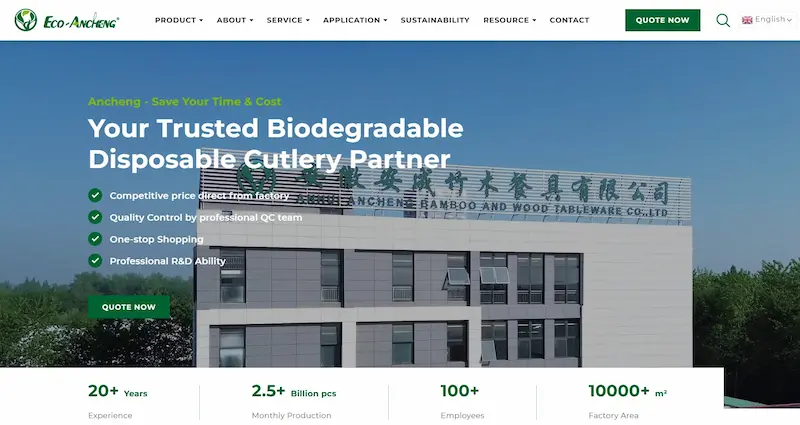
As a leading bamboo utensils manufacturer, Eco Ancheng is committed to empowering businesses with sustainable, high-quality tableware solutions that support environmental protection. With over 20 years of manufacturing experience, we specialize in producing non toxic tableware and biodegradable tableware, using the safest dinnerware material to help our global clients reduce plastic waste and embrace eco-friendly practices.
Our product range is designed to meet the diverse needs of foodservice businesses, including restaurants, catering companies, coffee shops, and wholesale distributors. Key features of our products include:
- 100% Biodegradable & Compostable: All our tableware—from bamboo utensils to bagasse plates and bowls—is fully biodegradable, breaking down naturally without harming the environment.
- Non Toxic & Food-Safe: We use only natural, food-grade materials, ensuring our non toxic tableware meets strict international standards (FDA, LFGB, BRC, ISO9001, SMETA) for safety and quality.
- Sustainable Production: Our manufacturing processes prioritize eco-friendliness, using low-energy techniques and sustainable sourcing to minimize our environmental footprint. We are proud to be a truly “Eco Ancheng” brand, walking the talk on environmental protection.
- Large-Scale Bulk Supply: With a monthly production capacity of 2.5 billion+ pcs, we can meet the needs of global wholesale clients, offering reliable, consistent supply and competitive pricing.
- Customizable Solutions: We offer OEM/ODM services, allowing businesses to customize their tableware with logos, designs, and sizes—perfect for building brand identity while promoting sustainability.
When you partner with Eco Ancheng, you’re not just buying tableware—you’re joining a global movement to protect our planet, one meal at a time.
Eco Ancheng: Tableware That Protects Our Planet
Swap plastics for premium wholesale natural tableware

Hello, I'm Sven Wang, the Manager of Ancheng. With extensive expertise in raw materials and production processes, I'm dedicated to advancing sustainable tableware and constantly improving eco-friendly options for the modern catering industry. You can trust that Ancheng is committed to providing the highest quality. Welcome!

Factory: Qian Renqiao Industrial Park, Shucheng County, Luan City, Anhui Province, China
Office: Building 11, Max Science Park, Shushan Dist, Hefei, Anhui, China
Copyright ©2026 Anhui Ancheng Bamboo and Wood Tableware Co., Ltd. Privacy Policy


 Index
Index Product
 Resources
 About
About