Be it because we’re trying to open something with our teeth or inadvertently when eating, chances are we've all swallowed tiny pieces of plastic.
But how much do we actually swallow and more importantly, is it dangerous?
The average human consumes up to 5 grams of plastic weekly. Aside from the obvious larger pieces of plastic, you might have swallowed some without even realizing it.

By understanding the risks of plastic ingestion, we can take meaningful steps to reduce environmental impact and protect personal health—and for businesses in the food service, catering, aviation, and retail industries, this knowledge is critical to meeting consumer demands, complying with global plastic bans, and building a sustainable brand image.
This blog post breaks down the immediate and long-term health risks of plastic ingestion, and outlines how businesses can lead the change by switching to eco-friendly, biodegradable tableware solutions.
Plastic enters our bodies when we ingest microplastics in food, water, and the air. Products like clothing and packaging materials release tiny particles of plastic every day.
More often than not, they are the result of larger plastics breaking down in the environment.

Swallowing plastic may not cause immediate harm, but the long-term consequences can cause several lethal issues.
If tiny plastic particles go in contact with our brain or blood circuits, they can leach harmful chemicals into our bodies.
When we accidentally eat plastic or consume food contaminated with microplastics, these tiny particles enter our digestive system.
Once inside, the intestines can absorb microplastics and travel to other body parts via blood circulation.
Microplastics can go through cell membranes, potentially causing damage at a cellular level.
Key Immediate Issues for Consumers:
For Businesses:
Consumer awareness of these immediate risks is driving demand for plastic-free alternatives—consumers are increasingly choosing restaurants, brands, and airlines that use biodegradable, non-toxic tableware, and avoiding those that rely on single-use plastic. PwC found that 80% of global consumers are willing to pay a small premium for food and services that use eco-friendly, plastic-free packaging and tableware.

An average person could ingest approximately 5 grams of microplastics per week, equivalent to the weight of a credit card.
This amount varies based on diet, lifestyle choices, geographical location, and exposure levels within living environments. But individuals who frequently eat takeout, use disposable plastic cutlery, or purchase pre-packaged food have a significantly higher exposure rate.
It typically takes about 24-72 hours for ingested plastic to pass through the human digestive system.
However, depending on the type of plastic and the size of it, it will vary.
The person’s metabolism and overall health will also impact how long it takes for the plastic to go through the body.
If you accidentally ate plastic or believe you might have, it’s critical to consult a healthcare professional. Especially if you’re experiencing discomfort.

Currently, there is no proven method for removing microscopic plastic particles once they have entered bodily tissues. The vast majority of microplastics that pass through the digestive system are excreted, but the smallest particles can penetrate organs and the bloodstream, where they accumulate over time.
This reality underscores a critical point: prevention is the only effective solution—and for businesses, this means eliminating single-use plastic tableware and packaging from their operations entirely.
Consuming plastic particles, whether accidentally or through food/drinks contaminated by microplastics from plastic tableware and packaging, poses severe long-term health risks. These dangers stem from harmful chemicals (e.g., phthalates, BPA) released by plastics as they break down in the body—chemicals that are widely used in the production of single-use plastic cutlery, food containers, and wrapping.
Let’s take a closer look at what happens if you swallow plastic and the long-term health risks.

Research shows that consuming plastic constantly, even if inadvertently, has extremely serious health conditions:
a. Premature births: Phthalates is a chemical compound used in plastics to make them more durable. If pregnant women get exposed to it, they will be at a higher risk of a premature birth.
b. Asthma: Unrelated to premature births, children who are in contact with phthalates have a higher risk of developing asthma.
c. Cancer: Breast cancer and prostate cancer are the most common cancers that stem from consuming plastic. That is because phthalates and bisphenol A (BPA) are potential endocrine disrupting chemicals. This means they can interfere with hormone functionality which leads to the development of cancers.
d. Miscarriage: People exposed to high levels of BPA have a higher risk of miscarriage.
e. Male infertility: Research suggests that exposure to plastic-derived chemicals like BPA may contribute to male infertility by reducing sperm quality.
f. Premature breast development in females and abnormal male sexual development: BPA and phthalates have been linked to early puberty in girls and genital abnormalities in boys.
When ingested, BPA can interfere with hormones that regulate essential bodily functions.
Bisphenol A is a chemical that polycarbonate bottles and epoxy resins use to coat products like cans of food.
On the other hand, to increase the flexibility of the plastic, manufacturers add phthalates. Both chemicals are linked with severe hormonal changes.
An increased risk of obesity, diabetes, cardiovascular diseases, and neurodevelopmental disorders has links with BPA, while reproductive issues like decreased sperm count in men and endometriosis in women are more linked with phthalates.

Business Imperative: For food manufacturers, restaurants, caterers, and airlines, using plastic tableware and packaging not only puts consumers at risk—it also exposes your brand to reputational damage, regulatory fines, and lost customers. Switching to biodegradable, chemical-free tableware is no longer a “nice-to-have”—it’s a business necessity.
Eating food packaged in plastic containers or wrapping amplifies plastic exposure risks, as heat, acid, and friction (e.g., stirring hot soup with a plastic spoon) cause plastics to leach chemicals into food more quickly. This is a major concern for takeout restaurants, food manufacturers, and grocery retailers that rely on plastic packaging for their products.
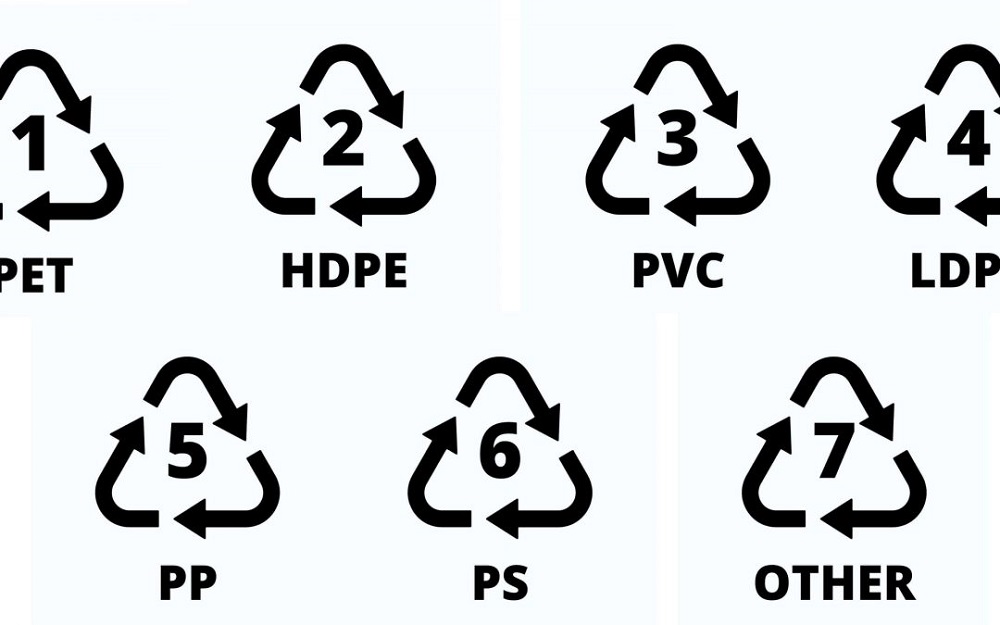
Many of the plastics used for packaging can bring concerns about the leaching of chemicals.
Chemical Contamination From Common Food Packaging Plastics:
Polystyrene: Found in disposable plastic cups, takeout boxes, and foam food containers—releases styrene, a suspected carcinogen, when in contact with hot food.
PVC: Used in food cling wrap and some plastic cutlery—leaches phthalates that disrupt hormones and cause reproductive harm.
Low-quality PE/PP: Cheap plastic cutlery and containers may release microplastics and unregulated additives into food, even at room temperature.
But how can you reduce your risk of exposure to accidentally ingesting plastic? Here are some suggestions:
Eliminate single-use plastic tableware/packaging: Replace with bamboo and wooden biodegradable tableware—a natural, chemical-free alternative that leaches no toxins and breaks down safely in the environment.
Source certified eco-friendly tableware: Ensure your tableware meets international food safety standards (FDA, LFGB, EU 1935/2004) to guarantee consumer safety and regulatory compliance.
Align with global plastic bans: Proactively switch to biodegradable solutions to avoid last-minute compliance issues and capitalize on the growing eco-friendly consumer market.
Ancheng’s bamboo and wooden tableware is manufactured with zero chemicals, zero microplastic release, and passes all international food safety certifications—making it the perfect plastic alternative for food service, aviation, and retail businesses.

In addition to making conscious choices about what we consume directly through our diets, there are steps you can take to minimize your overall exposure to microplastics.
Let’s take a quick look at them.
Taking small actions in your daily routine can significantly reduce the presence of microplastics and other harmful substances in your home.
Here are some practical tips you can follow:
a. Avoid using plastic containers: Opt for glass or stainless steel alternatives when storing food and beverages, as these materials don’t leach chemicals into their contents.
b. Clean fruits and vegetables thoroughly: Washing produce with water removes surface contaminants such as pesticides and microplastic particles. Consider using a vegetable brush for added effectiveness.
c. Vacuum frequently: Regular vacuuming helps remove dust that may contain microscopic plastic particles from carpets, upholstery, and other surfaces around the house. Make sure your vacuum cleaner has a HEPA filter, which is more effective at capturing smaller particles.
d. Choose eco-friendly products: Biodegradable products have less plastic, and the risk of being in contact with harmful chemicals is less. Get yourself an eco-friendly cleaning brush, shopping bag, or even a toothbrush to reduce your exposure to microplastics and also the demand for plastic items. Sustainable tableware and food packaging that is free of BPA and PFAS is a better choice.

a. Switch to biodegradable tableware: Ancheng’s full range of bamboo/wooden cutlery, picks, plates, stirrers, and food containers are 100% natural, biodegradable, and compostable—no microplastics, no harmful chemicals, and fully compliant with global plastic bans.
b. Opt for custom branded biodegradable tableware: Turn your plastic-free switch into a brand-building opportunity with custom engraved/printed bamboo/wooden tableware (Ancheng offers one-stop custom services for businesses, with FDA/LFGB-compliant branding).
c. Source from a trusted, factory-direct supplier: Ancheng has 20+ years of experience manufacturing biodegradable tableware for global brands (Starbucks, Costco, Metro, Bunzl), with a complete production line, scalable capacity (2.5+B pieces monthly), and global shipping capabilities.
d. Train staff on plastic-free operations: Ensure all front/back-of-house teams use only biodegradable tableware and packaging, and communicate your plastic-free commitment to customers (e.g., menu notes, in-store signage) to build brand loyalty.
Swallowing plastic poses severe immediate and long-term health risks, and single-use plastic tableware and packaging are major contributors to this global problem. For businesses, the cost of continuing to use plastic is far higher than the cost of switching to biodegradable alternatives: regulatory fines, reputational damage, lost customers, and missed opportunities to tap into the $100B+ global eco-friendly food service market.
Ancheng is a leading factory-direct manufacturer of bamboo and wooden biodegradable tableware for B2B clients—including distributors, wholesalers, food manufacturers, airlines, restaurants, and global brands. With 20+ years of experience, we offer:
1. 100% natural, chemical-free bamboo/wooden tableware (no microplastics, no leaching chemicals)
2. FDA/LFGB/EU 1935/2004 certification for global compliance
3. One-stop custom branding (engraving, printing, embossing) for businesses
4. Scalable production capacity (2.5+B pieces monthly) for bulk orders
5. Global shipping (long-term partnerships with MSK, APL, DHL, UPS, etc.)
6. Free samples and tailored product/packaging advice for B2B clients
We’re not just a tableware manufacturer—we’re your strategic partner in building a plastic-free business. Our mission is to reduce the ecological and health damage caused by plastics by providing high-quality, cost-effective biodegradable tableware solutions for businesses worldwide.
Contact Our Customization Team for a Personalized Quote. Together, we can build a future with less plastic pollution, healthier consumers, and more sustainable businesses.


Hello, I'm Sven Wang, the Manager of Ancheng. With extensive expertise in raw materials and production processes, I'm dedicated to advancing sustainable tableware and constantly improving eco-friendly options for the modern catering industry. You can trust that Ancheng is committed to providing the highest quality. Welcome!

Factory: Qian Renqiao Industrial Park, Shucheng County, Luan City, Anhui Province, China
Office: Building 11, Max Science Park, Shushan Dist, Hefei, Anhui, China
Copyright ©2026 Anhui Ancheng Bamboo and Wood Tableware Co., Ltd. Privacy Policy


 Index
Index Product
 Resources
 About
About