At Ancheng, our production process doesn't start in the factory; it starts in the forest. As a manufacturer specializing in bamboo, wood, and sugarcane bagasse tableware, we view plants not just as scenery, but as the foundation of our product quality.
Air pollution is often discussed as a threat to public health, but for the sustainable packaging industry, it is a critical variable in raw material integrity. When air quality declines, the very fibers we rely on—bamboo culms, birchwood, and plant pulps—undergo physiological changes. Understanding how air pollution affects plants is essential for any B2B buyer who prioritizes the strength, safety, and purity of their eco-friendly supply chain.
Air pollution has numerous detrimental effects on plants, including interference with resource accumulation, disruption of photosynthesis, destruction of chlorophyll, and more.
Here’s a detailed look at how air pollution disrupts a plant's natural state.
One way air pollution negatively impacts plant life is by interfering with resource accumulation - a process crucial for optimal growth and development.
For example, when matter from carbon emissions clouds the sky, sunlight cannot penetrate the ground as it would.
Meanwhile, excessive greenhouse gas production leads to rapid environmental degradation and soil contamination through events like acid rain – which alters soil pH levels and reduces nutrient availability for uptake by plant roots.
These interferences create an ecological imbalance that leaves plants struggling to adapt and makes it harder to survive in their polluted surroundings.
For Ancheng, this is why we source bamboo and birch only from responsibly managed, low-pollution forests—protecting raw material health and ensuring stable supply for wholesale and OEM partners.

As the cornerstone of a plant's energy production, photosynthesis relies on healthy leaves to absorb sunlight and convert it into energy, allowing for continuous growth.
When ground-level ozone seeps through leaf pores called stomata, it reduces overall photosynthesis efficiency while stunting the development of the plant.
The toxic compounds weaken cells within these critical organs by breaking down chlorophyll molecules which capture light energy during photosynthesis.
This detrimental effect not only deprives the entire ecosystem of precious oxygen but also impairs plants' ability to produce food and protect themselves from pests or diseases.

High exposure to harmful substances in polluted air can limit the size of various plant parts over time.
When this happens, the plant stalls its growth significantly and becomes in danger of yielding its natural process completely.
This not only impacts the aesthetic appeal of the plant but also leads to a decrease in biodiversity because of the wrinkles foliage suffers, and untimely leaf drop-offs.
Long-term exposure to air pollutants can also lead to chronic stress in plants that may impact their ability to fight off pests or diseases.
For a manufacturer, reduced photosynthesis means slower growth and, more importantly, lower fiber density. Bamboo that grows in heavily polluted industrial zones often lacks the structural "toughness" required for high-quality disposable cutlery. Therefore, in addition to strictly sourcing raw materials, Ancheng operates low-emission production lines to prevent further air pollution that could threaten the raw materials.
Air pollution has far-reaching consequences on plants, including the destruction of chlorophyll and disruption of metabolism.
The presence of pollutants like ground-level ozone (O3) and nitrogen oxides (NOx) can significantly alter the metabolic function of leaves, impeding essential processes that keep plants healthy.

The degradation of chlorophyll not only diminishes a plant's vibrant green color but also leads to a decline in rates of photosynthesis.
The inability to carry on photosynthesis properly gives rise to problems such as eutrophication, where excessive nutrients promote harmful algae blooms, leading to poor water quality and critical alterations in aquatic ecosystems.
Air pollution not only disrupts the growth and development of plants but can also lead to delayed blooming.
Plants growing in polluted environments tend to take longer than average to reach their flowering stage.

This delay is a result of harmful substances such as ground-level ozone hindering which prevents trees and flowers from growing and delaying their blooming.
Delayed blooms have ecological implications for plant reproduction since pollinators may not be present at the time when these plants eventually start flowering.
High-Quality Tableware From Pure Sources
Ensure your supply chain meets international standards.
Although there are many types of pollutants, here are the most common ones that harm plants constantly.
Ground-level ozone is formed when emissions from cars, power plants, and factories react with sunlight to produce ozone at ground level.

Increased levels of ground-level ozone can cause damage to cell membranes on plants, making them more vulnerable to disease and pests.
The effects of ground-level ozone go beyond just plants - it also impacts respiratory health in humans and contributes to climate change by being one of the primary greenhouse gases.
Ozone damage can weaken the cellular walls of wood, leading to brittleness. In our manufacturing process, we implement a multi-stage sorting system. We reject any raw timber that shows signs of environmental stress, ensuring that the final products have a clean, consistent, and premium appearance that reflects our clients' brand standards.
When sulfur dioxide (SO2) and nitrogen oxides (NOx) mix with water in the atmosphere, it creates a mixture of sulphuric acid and other pollutants that fall to the ground as rain or snow.

This type of acidic precipitation can have devastating effects on plant growth, leading to damage to plant tissues, premature leaf drop, delayed blooming, and even death.
Not only that, but acid rain also affects soil quality by altering its pH levels and making it more difficult for plants to absorb essential nutrients like calcium and magnesium.
These harmful substances can accumulate in plant tissues, inhibiting growth and metabolism, and even killing off certain species.
For example, lead from industrial activities can fall on the ground and change soil chemistry, negatively affecting plant growth.
Pesticides sprayed into the air also contribute to toxic pollution and can impact not only crop harvest but also wildlife as well.
We can reduce toxic chemicals through eco-friendly practices such as using organic pesticides or switching to renewable energy sources with lower emissions.
Sulfur dioxide is a gas released by human activities such as burning fossil fuels and industrial processes.
When it is absorbed faster than it can be detoxified, it causes injury to plants by oxidizing successively into sulfite, which leads to symptoms like mottled foliage, delayed blooming, and premature leaf drop.

Oxides of sulfur carried long distances in the atmosphere and then precipitated in solution as acid rain can cause serious damage to vegetation.
For instance, sulfur air pollutants from power plants include sulfur dioxide, which is toxic not only to plant life but also to communities near these power plants.
Safety & Compliance Note: Soil health is the first line of defense for Food Contact Material (FCM) safety. When plants grow in acidified soil, they are more likely to absorb heavy metals. As a B2B supplier with international certifications, Ancheng conducts rigorous testing for heavy metal migration. Our commitment to SGS and FDA standards begins with monitoring the environmental conditions of our source forests, ensuring that the soil and air remain pure enough to produce non-toxic, food-safe tableware.
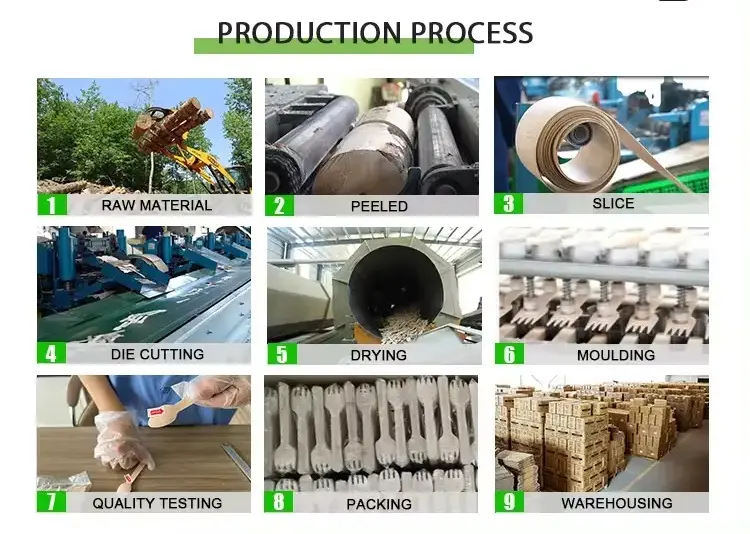
At Ancheng, we manage the full lifecycle of bamboo tableware under our Forest-to-Table Control System to minimize environmental risks and ensure full sustainability from raw material to end use.
We prioritize protected, scientifically managed forests and strictly select FSC-certified bamboo sources. Our harvesting follows ecological principles to preserve forest structure, biodiversity, and soil health—avoiding deforestation and ensuring renewable regeneration.
Bamboo is a powerful carbon capturer that absorbs more CO₂ and releases more oxygen than most trees. By scaling responsible bamboo cultivation and utilization, we enhance carbon sequestration and help reverse air pollution damage to plants and ecosystems.
All bamboo offcuts, shavings, and dust from production are collected, dried, ground, and compressed into biomass fuel. This circular system replaces fossil fuels, lowers emissions, and achieves near-zero waste in our factory.
We run clean, low-emission production lines with no harmful chemicals or bleaches. Our processes avoid air and soil contamination, protecting both ecosystems and the consistent quality of our raw material supply.
In the sustainable packaging industry, the link between air quality and plant health is a vital metric for quality control. For buyers, prioritizing products sourced from clean-air environments is not just an ecological choice, but a technical necessity to ensure material strength, aesthetic consistency, and food safety. Ultimately, securing a reliable, high-standard supply chain begins with recognizing and protecting the health of the raw material source.
As a manufacturer specializing in plant-based disposable tableware, Ancheng integrates environmental protection into every production stage. We source renewable bamboo and wood responsibly, maintain low-emission manufacturing, and provide 100% biodegradable products that reduce plastic-related air pollution. If you’re seeking reliable, eco-friendly wholesale or custom tableware for your business, partner with Ancheng to support healthier plants and a more sustainable future.
Durable Eco-Products From Healthy Forests
Premium quality starts with professional material sourcing.

Hello, I'm Sven Wang, the Manager of Ancheng. With extensive expertise in raw materials and production processes, I'm dedicated to advancing sustainable tableware and constantly improving eco-friendly options for the modern catering industry. You can trust that Ancheng is committed to providing the highest quality. Welcome!

Factory: Qian Renqiao Industrial Park, Shucheng County, Luan City, Anhui Province, China
Office: Building 11, Max Science Park, Shushan Dist, Hefei, Anhui, China
Copyright ©2026 Anhui Ancheng Bamboo and Wood Tableware Co., Ltd. Privacy Policy


 Index
Index Product
 Resources
 About
About