As an eco-friendly disposable tableware manufacturer with over 20 years of experience, Ancheng has long been deeply committed to the environmental sector. We firmly believe that environmental sustainability is not only a core driver of the food service supply chain’s development but also a social responsibility. Air pollution, a global environmental issue, has an even greater impact on animals.
According to data from the United Nations Environment Programme (UNEP), more than 100,000 marine mammals and 1 million seabirds die each year as a result of pollution. As a participant in the eco-friendly industry, we are committed to integrating this cause with sustainable tableware manufacturing practices, doing our part to reduce pollution and protect animal habitats.
Empower Wildlife Protection Through Green Sourcing
Join Ancheng in reducing industrial air pollution today.
Air pollution compromises the chemistry and quality of animal habitats in various ways. For instance, air pollution increases the chances of acid rain falling.
That increases the acidity in water and soil and destabilizes the natural pH levels conducive for the animals living in such habitats.
The high acidity can affect the animals’ typical physiological functions or limit their survival in adverse cases.

The high acidity in rivers and other water bodies makes the water warmer and more transparent.
Thus, the water ceases to be conducive for native fish and other water animals that prefer cooler, darker habitats.
Similarly, acidic rain increases the discharge of heavy metals like mercury and aluminum from the soil into different water bodies.
The high levels of heavy metals in the water column threaten the health of various animals in this habitat, including fish.
Based on Ancheng’s production practices, we have always adhered to a zero-waste production philosophy and never use chemical additives in the manufacturing of our tableware. Raw materials such as bamboo are powerful carbon sinks. This not only ensures the safety of our products but also reduces industrial emissions that contribute to acid rain.
Persistent organic pollutants (POPs), greenhouse gas emissions, and other forms of air pollution also cause significant impacts on the animals’ quality and food supply.
The particles from these pollutants accumulate in various animal tissues after consumption.
As the animals in various levels of the food chain feed on their prey, the pollutants keep accumulating, and their concentration increases, a procedure called bioaccumulation.
This process may not affect the animals at the lower level of the food chain. However, the accumulated air pollutants can intoxicate top predators like eagles and bears.
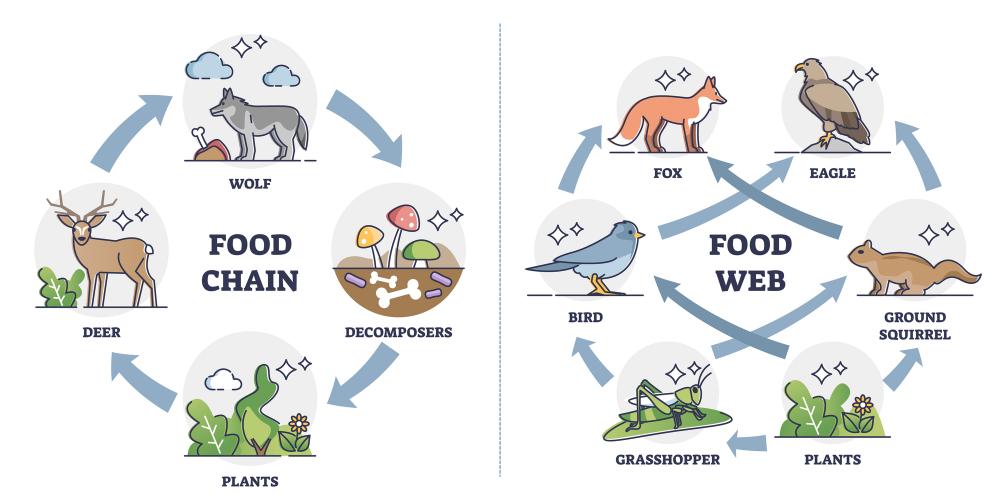
That can lead to various problems in the health of the animals, including organ injury, upsurge in stress levels, susceptibility to diseases, disruption in reproductive success, and sometimes death.
Apart from bioaccumulation, eating particulate-coated plants can cause poisoning in the animals that depend on the vegetation.
For instance, pesticides reportedly lead to various problems in animals, including breathing difficulties, vomiting, drowsiness, poor coordination, and muscular spasms.
The disruption in the population of a particular species of animals at any level of the food chain can cause massive changes in the abundance of the other species depending on them.
As a manufacturer of sustainable tableware, we ensure that our products are 100% compostable and free of any toxic bleaching agents, guaranteeing that when they “return to the earth,” they do not contribute to air or soil pollution, thereby safeguarding the food chain for future generations of wildlife.
While it may take time to manifest, diseases and mortality are significant effects of air pollution in animals.
Respiratory complications and suffocation from breathing contaminated air may show up faster in animals. However, the dangers, like altered biological systems, are typically long-term.
Exposure to polluted air can compromise animals’ endocrine functions, destroy their organs, and impact their reproductive success.
Also, smog and other contaminated fumes can damage pets’ lungs, given that their respiratory systems are more sensitive than those of humans.

Exposure to contaminated air also weakens the animals’ immune systems, leaving them vulnerable to various infections.
Animals exposed to pollutants in the air are also susceptible to allergies, skin irritations, cancer, lung problems, liver complications, bronchitis, and more.
Prolonged exposure to polluted environments can also increase neurodegenerative disease disorders and cause animal deaths.
In the traditional manufacturing of petroleum-based plastics, the high-heat refining process releases significant amounts of Volatile Organic Compounds (VOCs). When these chemicals react in the atmosphere, they create the very smog that causes respiratory distress in avian species. This is exactly why we shifted our focus to the physical mechanical processing of bamboo and wood. By avoiding the volatile chemical reactions inherent in plastic production, we ensure that our manufacturing centers do not contribute to the "respiratory burden" of the local bird populations.
Changes in behavior are a common concern when answering the question, how does air pollution affect animals? Air pollution can significantly affect how animals behave.
For instance, unfavorable air conditions can force bees out of their hives and change different animals’ migrating patterns.
Also, polluted environments can impact how birds sing and reduce their frequency.
Effects from air pollution can also disrupt the animals’ social and mating tendencies.
Biodiversity is at risk, thanks to the various impacts of air pollution. It typically comprises the reproductive success of animals, with some affected species unable to mate and procreate.
Also, pollution in the air is causing stunted growth in most plants, causing alterations in the food chain and stressing the process of biodiversity.
Similarly, some animals can only survive while breathing clean air. Thus, air pollution can also cause their extinction.

On the other hand, increasing levels of pollutants like aluminum in the air can cause an increase in the population of some bug species and the ducks that depend on them in the food chain.
However, the extinction of some animals on the food chain may cause a strain on the others that feed on them.
Ancheng has always adhered to sustainable forestry practices when sourcing bamboo and wood raw materials, protecting the biodiversity of forest ecosystems and ensuring that the harvesting of raw materials does not damage the habitats of wild animals—achieving a win-win situation between industrial production and ecological protection.
As environmental issues have garnered widespread public attention, sustainability goals are no longer a voluntary choice for businesses but have become a responsibility they must shoulder. Choosing eco-friendly and low-pollution production methods and products is an important way to contribute to environmental protection.
As a manufacturer of eco-friendly disposable tableware, we recommend that businesses join us in the following actions to limit the effects of air pollution on animals:
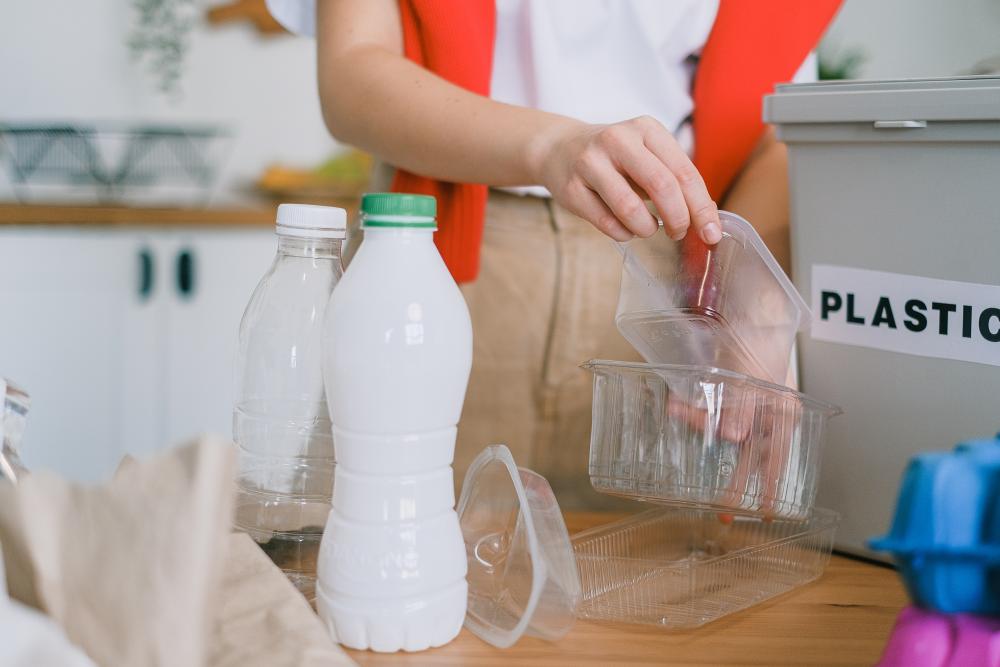
- Replace plastic tableware with biodegradable bamboo and wooden tableware to reduce air pollution caused by plastic incineration and degradation.
- Choose suppliers with strict environmental protection standards—ensure that the products you purchase are produced with zero waste and no chemical additives, avoiding industrial pollution from the source.
- Recycle your trash where possible instead of burning, especially tableware waste that can be composted.
- Join organizations and companies working towards the same initiative, and promote sustainable catering practices in the industry.
- Reduce your use of fossil fuels in daily operations, and advocate for green logistics and production.
Build a Cleaner Supply Chain for Your Brand
wap plastics for plant-based solutions that save habitats
Air pollution impacts animals in several ways. It compromises the quality of their habitat, disrupts their social and mating behaviors, causes diseases, and sometimes can lead to their deaths. While there are natural causes of air pollution, man-made causes make up the majority. Thus, correcting human behaviors and activities can massively save the health of these innocent and defenseless creatures.
For Ancheng, every batch of eco-friendly tableware we produce is a practice of environmental protection. We are providing B-end users worldwide with high-quality, low-pollution alternatives to plastic tableware. We firmly believe that the joint efforts of enterprises in the industry can reduce air pollution, protect animal habitats, and promote ecological balance.

If you’re a catering enterprise, hotel, distributor, or brand looking to reduce your environmental footprint while upholding social responsibility, Ancheng is your reliable partner. Our 20+ years of manufacturing experience, strict quality control, and customizable tableware solutions help you replace plastic, cut down air pollution, and align your business with sustainable development trends. Let’s take part in the initiative to create a safe, clean environment today, work together to protect the biodiversity of our planet, and build a greener, more responsible catering industry.
Low-Emission Manufacturing, High-Quality Tableware
Explore our certified compostable products for B2B.

Hello, I'm Sven Wang, the Manager of Ancheng. With extensive expertise in raw materials and production processes, I'm dedicated to advancing sustainable tableware and constantly improving eco-friendly options for the modern catering industry. You can trust that Ancheng is committed to providing the highest quality. Welcome!

Factory: Qian Renqiao Industrial Park, Shucheng County, Luan City, Anhui Province, China
Office: Building 11, Max Science Park, Shushan Dist, Hefei, Anhui, China
Copyright ©2026 Anhui Ancheng Bamboo and Wood Tableware Co., Ltd. Privacy Policy


 Index
Index Product
 Resources
 About
About