For the modern hospitality, catering, and retail sectors, sustainability is no longer a peripheral concern; it is a core operational mandate. While much of the conversation around environmental responsibility focuses on the energy consumption of large scale systems like heating, ventilation, and air conditioning (HVAC), a truly eco friendly business model requires a broader perspective.
The carbon footprint of an air conditioner is a significant contributor to a brand's operational emissions (Scope 2). However, to achieve net zero targets, procurement managers must look beyond the thermostat. By understanding the link between energy efficiency and sustainable supply chains, businesses can implement a dual strategy that balances cooling needs with the carbon intensity of the materials they use every day.
Before we get into how to reduce your air conditioner's carbon footprint, let's look at why they can have a negative environmental impact in the first place so that you're fully aware of the issue at hand.
Constant use of air conditioners may have various negative consequences, such as:
So, if you want to stay cool while maintaining a smaller carbon footprint, keep reading to find solutions.
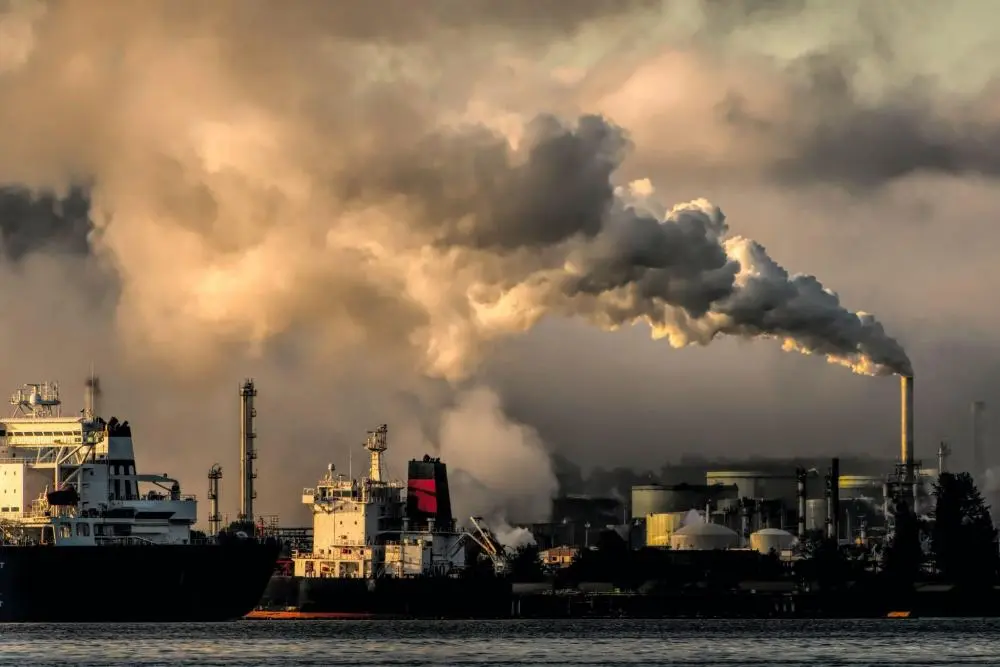
Before addressing the broader supply chain, businesses must ensure their cooling systems are operating at peak efficiency. In a commercial setting, air conditioning can account for up to 40% of total energy expenditure.
Moving away from manual thermostats to automated, IoT-enabled systems allows for real time adjustments based on occupancy and ambient temperature. This prevents the wasteful cooling of empty dining halls or storage facilities.
The carbon footprint of an air conditioner is often a symptom of poor building insulation. By using sustainable building materials and high performance window treatments, businesses can retain cool air longer, reducing the load on the compressor.
For high volume operations, a clogged filter or a slight refrigerant leak can increase energy consumption by 15% or more. Regular professional audits ensure that the system does not work harder than necessary, directly lowering the operational carbon output.
Reducing the energy use of an air conditioner is a vital step, but it only addresses part of the ecological puzzle. In the professional world of ESG (Environmental, Social, and Governance) reporting, carbon footprints are categorized into three scopes. While an air conditioner falls under Scope 2, the products a business purchases—such as disposable packaging and tableware—fall under Scope 3 (Supply Chain Emissions).
For many catering and food service brands, the carbon impact of single-use plastics and non renewable materials can outweigh the energy savings gained from a more efficient HVAC system. This is where the true opportunity for carbon reduction lies: using material choice as a strategic lever.

Achieving a low carbon business requires a "net" approach. If your cooling systems are still transitioning to renewable energy, you can offset that footprint by choosing materials that are naturally carbon neutral or even carbon negative during their growth phase.
1. Bamboo as a Carbon Sink: Unlike plastic, which is derived from carbon intensive petroleum refining, bamboo is a high performance "carbon catcher." It sequesters significantly more CO2 and releases more oxygen than traditional timber. By swapping plastic cutlery for bamboo alternatives, a business is effectively integrating carbon sinks into its daily operations.
2. Sugarcane Bagasse and the Circular Economy: Using bagasse (a byproduct of sugar production) for food containers reduces the need for virgin plastic manufacturing. This not only lowers the waste footprint but also reduces the atmospheric burden associated with industrial chemical processing.
Products made from other materials, such as wood, cornstarch, and wheat, are also reliable solutions. IKEA and Marriott Hotels serve as models for businesses in this regard; plant-based tableware has become an integral part of their sustainability goals and has proven popular with customers.
Align Your Supply Chain With ESG Goals
Professional grade eco friendly solutions for B2B.
A manufacturer’s insight reveals that the "embedded carbon" in a product is just as important as the electricity used to run an office. When evaluating the carbon footprint of your establishment, consider the following lifecycle factors:
1. Raw Material Sourcing: Sourcing materials like birchwood or bamboo from FSC-certified forests ensures that the raw material does not contribute to deforestation, which is a major driver of climate change.
2. Production Energy: High-quality manufacturing centers that prioritize energy-efficient machinery and zero-waste policies further reduce the indirect carbon footprint of your brand.
3. End-of-Life Disposal: An air conditioner’s environmental cost includes its disposal at the end of its life. Similarly, the disposables used in your business should be fully compostable, ensuring they return to the earth without releasing methane in a landfill.
To truly reduce the environmental impact of your establishment, the cooling strategy and the procurement strategy must work in tandem. A professional grade eco friendly business focuses on:
1. Energy Efficient Infrastructure: Upgrading to low emission cooling units.
2. Sustainable Material Sourcing: Transitioning to plant-based, chemical free disposables that meet international safety standards (FDA, SGS).
3. Supply Chain Transparency: Partnering with manufacturers that offer high volume scalability while maintaining a transparent, low carbon footprint.
Reducing the carbon footprint of an air conditioner is a critical component of modern business management. However, the most successful brands are those that view sustainability through a wider lens. By combining energy efficient HVAC operations with the strategic procurement of carbon neutral materials, businesses can create a resilient, high performance supply chain that protects both their bottom line and the planet.
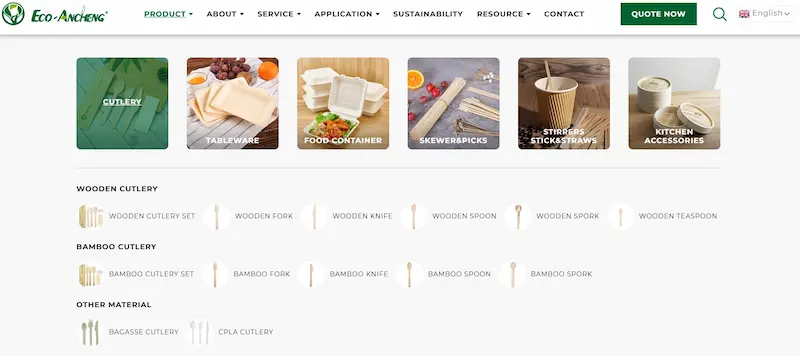
Achieving your brand's sustainability targets requires a dual focus on operational efficiency and professional grade procurement. Ancheng supports global hospitality and catering leaders by providing high volume, sustainable tableware solutions that actively reduce your reliance on carbon heavy materials.
Explore Our Sustainable Catalog – View our range of bamboo, wood, and bagasse products.
Request a Professional Quote – Get competitive wholesale pricing for your green transition.
Order Material Samples – Test the quality and durability of our eco-friendly solutions.
Offset Operational Emissions With Green Materials
Swap plastics for premium wholesale natural tableware

Hello, I'm Sven Wang, the Manager of Ancheng. With extensive expertise in raw materials and production processes, I'm dedicated to advancing sustainable tableware and constantly improving eco-friendly options for the modern catering industry. You can trust that Ancheng is committed to providing the highest quality. Welcome!

Factory: Qian Renqiao Industrial Park, Shucheng County, Luan City, Anhui Province, China
Office: Building 11, Max Science Park, Shushan Dist, Hefei, Anhui, China
Copyright ©2026 Anhui Ancheng Bamboo and Wood Tableware Co., Ltd. Privacy Policy



 Index
 Product
 Resources
 About