Key Takeaways: Thermal pollution is a temperature change in water bodies caused by human activity, especially industrial heat discharge and high-energy plastic production. Foodservice contributes via plastic manufacturing, cooking waste heat, and non-recyclable waste. Ancheng’s compostable bamboo and wooden tableware reduces thermal pollution by using low-energy renewable materials, eliminating plastic’s high heat footprint, and supporting eco-friendly waste cycles.
Explore thermal pollution: its causes, effects, and the impact on ecosystems. Understand the importance of addressing this critical environmental challenge.
Thermal pollution refers to a sudden change in the temperature of a natural body of water, such as an ocean, lake, river, or pond, caused by human activity.

In the following article, the causes, effects, and potential solutions for thermal pollution will be explored in more detail.
Thermal pollution refers to a rapid change in temperature in a natural body of water, caused by human influence.
This type of pollution usually results from heated discharge from industrial facilities, power plants, or other human activities.
Unlike chemical pollution, thermal pollution leads to changes in the physical properties of water.
Natural bodies of water like rivers, lakes, and oceans typically maintain a steady temperature, gaining heat from sources such as sunlight, warm currents, and hot springs.
They then disperse this heat naturally to maintain a balanced ecosystem. However, when human activities interfere with this process, thermal pollution occurs.

One common cause of thermal pollution is the use of water as a coolant in industrial processes and power plants.
These facilities often take water from a natural source, heat it up during the cooling process, and then return it to the source at a higher temperature.
This sudden change in temperature can have significant impacts on the water's ecosystem and aquatic life.
Another source of thermal pollution is the alteration of stream bank vegetation by humans.
When vegetation is removed, it exposes the water to increased solar radiation, which can also raise the water’s temperature.
This form of thermal pollution is less common compared to the impact of industrial activities but still contributes to the overall problem.
It is most commonly associated with industrial processes that discharge heated water, but many industries—including foodservice—contribute indirectly. Plastic production and foodservice waste are hidden contributors to thermal pollution, as the manufacturing and disposal of single-use plastic involve high energy consumption and heat release.
Thermal pollution is primarily caused by industrial processes, particularly in power, manufacturing, and industrial plants.
These plants draw water from nearby sources to keep their machines cool and then release the heated water back into the source at higher temperatures.
This rapid temperature change in natural water bodies can have negative impacts on ecosystems.
- High-energy manufacturing of single-use plastic tableware: Producing plastic cutlery, plates, and containers requires petrochemical processing at high temperatures, releasing excess heat into the environment and nearby water bodies.
- Foodservice waste heat & wastewater: Restaurants, catering companies, and takeaway businesses generate heated wastewater from cooking and cleaning, which can raise the temperature of local water systems when discharged.
- Unsustainable packaging disposal: Burning non-recyclable plastic tableware releases large amounts of heat and toxic fumes, worsening thermal pollution and air quality.
- Deforestation for unsustainable packaging: Clearing forests for plastic raw materials or low-quality packaging reduces natural heat absorption, indirectly contributing to temperature imbalances.
Fight Thermal Pollution with Compostable Tableware
Sustainable tableware to lower heat footprint in foodservice
Urban development and the growth of concrete surfaces also contribute to thermal pollution.

Urban surfaces tend to absorb and retain heat, causing a rise in water temperatures as it passes through concrete structures or stormwater drainage systems.
Consequently, this warmed water enters natural water bodies, leading to thermal pollution.
Deforestation plays a role in thermal pollution by removing trees that provide shade to bodies of water.
When trees are removed, sunlight shining directly on the water can cause increased temperatures.
As trees and vegetation help absorb and reflect sunlight, the loss of tree cover can exacerbate the problem and contribute to more significant temperature fluctuations in water bodies.
Thermal pollution affects aquatic life in various ways, leading to numerous detrimental consequences.
When heat moves rapidly into a water source, it generates direct and indirect environmental effects.

Aquatic organisms, including plants, insects, and amphibians, can be highly sensitive to even small temperature changes.
This sensitivity can cause physical harm or even lethality, disrupting the balance of species composition in the ecosystem.
Some of the other impacts on aquatic organisms include:
Ecosystems, particularly aquatic ones, are delicate and rely on a stable balance of conditions.
The introduction of thermal pollution can have significant consequences that ripple throughout the food chain, affecting not only the organisms directly influenced by the temperature changes but also indirectly impacting those reliant on them for sustenance.
Altered temperature conditions may lead to:
While the contribution of thermal pollution to climate change is still under investigation, it is important to consider its potential implications.
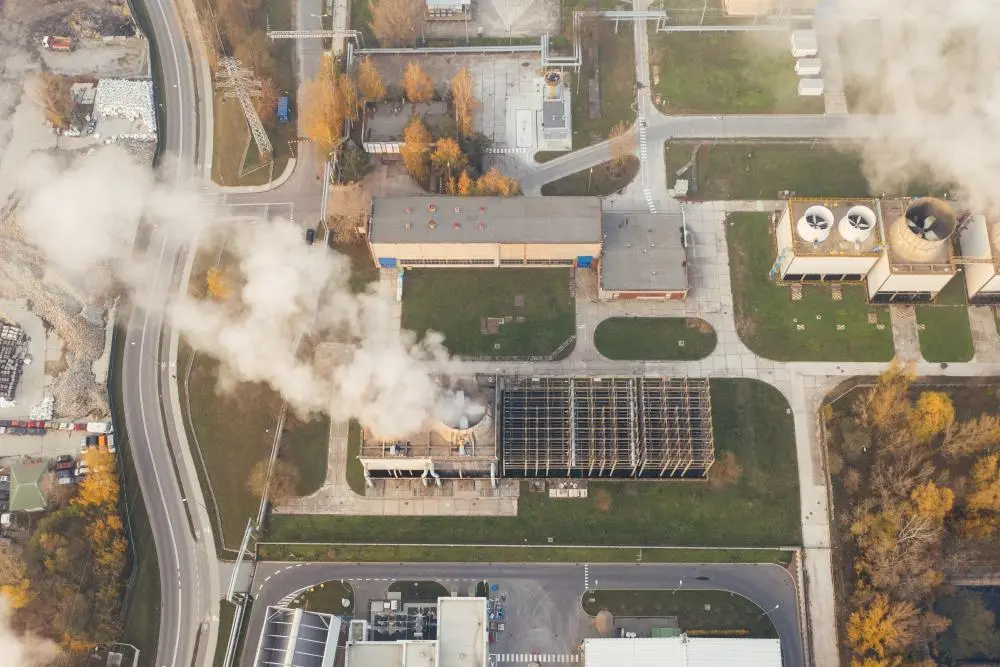
The increased frequency of abnormal heat emissions, particularly from industrial processes like coal-fueled and nuclear power plants, can disrupt natural thermal cycles and contribute to global warming.
This, in turn, exacerbates the broader issue of climate change, which can lead to a vicious cycle of environmental degradation on a global scale.
- Higher operational costs: For foodservice businesses, thermal pollution-related regulations and energy inefficiencies lead to increased compliance and operational costs.
- Toxic risk: When plastic tableware is exposed to high temperatures (above 65℃), it releases harmful chemicals that contaminate food and water, posing health risks to consumers and further damaging the environment.
- Brand reputation risk: As consumers and regulators prioritize sustainability, businesses using plastic tableware face backlash for contributing to environmental harm, including thermal pollution.
Reduce Thermal Pollution with Eco-Friendly Foodservice Solutions
Sustainable tableware to lower heat footprint in foodservice
One of the methods to mitigate thermal pollution is the implementation of cooling techniques.
Cooling ponds or reservoirs help in controlling thermal discharges by dissipating heat from heated effluents into the atmosphere, minimizing the area and volume of water affected.
Additionally, industries can explore technologies that reduce the amount of water released from power plants and other industrial sources.
Afforestation, or tree plantation along shorelines, is an effective method to both prevent thermal pollution and maintain ecosystem stability.
Trees provide shade, reduce the temperature of surrounding waters, and act as a natural barrier against soil erosion.
Furthermore, green cover contributes to the overall reduction of heat in urban areas, as the vegetation acts as a natural cooler and can help in absorbing heat.
Another vital aspect in controlling thermal pollution is the establishment of regulation and monitoring practices.
Authorities should set specific standards for industries to ensure they adequately manage their waste heat emissions.
This may include imposing limitations on water temperature changes, conducting regular inspections, and enforcing compliance.

By actively monitoring and regulating thermal pollution, it becomes possible to protect aquatic ecosystems and reduce the detrimental effects on human welfare.
Overall, by incorporating cooling methods, afforestation, and proper regulation, it is possible to prevent and control thermal pollution.
This benefits not only the environment but also ensures the well-being of all its inhabitants.

The foodservice industry can take practical steps to reduce its contribution to thermal pollution, with tableware choice being one of the most impactful:
1. Use low-energy, renewable tableware: Bamboo, wood, and bagasse tableware require far less energy to produce than plastic, reducing heat emissions during manufacturing.
2. Replace plastic to cut high-heat manufacturing: Eliminating single-use plastic tableware removes the need for high-temperature petrochemical processing, a key contributor to thermal pollution.
3. Adopt compostable products: Compostable tableware decomposes naturally, eliminating the need for incineration and reducing waste-related heat pollution.
4. Partner with certified sustainable suppliers: Working with suppliers that prioritize low-energy production and eco-friendly materials ensures a greener supply chain and lower thermal pollution impact.
As a leading manufacturer of eco-friendly disposable tableware, Ancheng is committed to helping foodservice businesses reduce their thermal pollution footprint with sustainable, high-quality solutions:
- Low-energy production: Our bamboo and birch wood tableware is made using renewable materials and energy-efficient processing, cutting heat emissions compared to plastic manufacturing.
- Compostable & degradable: All Ancheng products are 100% compostable, eliminating the need for incineration and reducing waste-related heat pollution.
- Stable bulk supply: With 20+ years of manufacturing experience, we produce 2.5 billion+ pieces monthly, ensuring reliable supply for restaurants, catering companies, and wholesalers worldwide.
- Global certifications: Our products hold FDA, LFGB, BRCS, ISO9001, and SMETA certifications, meeting international sustainability and food safety standards.
- Customizable solutions: We offer OEM/ODM services, tailoring tableware designs to fit your brand’s needs while maintaining eco-friendly and low-heat production practices.
Thermal pollution is the unnatural change in water temperature caused by human activities (like industrial heat discharge or high-energy manufacturing), harming aquatic life and ecosystems.
Plastic tableware requires high-temperature petrochemical processing to produce, and burning plastic waste releases excess heat—both directly contribute to thermal pollution.
Yes. Compostable tableware uses low-energy renewable materials and decomposes naturally, eliminating plastic’s high-heat manufacturing and incineration-related heat emissions.
Ancheng’s products are certified by the FDA, LFGB, BRCS, ISO9001, and SMETA, ensuring they meet global food safety and sustainability standards.
Switch to Ancheng’s low-energy compostable tableware to reduce energy and compliance costs, while improving brand reputation among eco-conscious consumers.
Eco Tableware That Helps Reduce Thermal Pollution
Bulk compostable tableware for restaurants, catering and global distributors
Thermal pollution is a significant environmental concern resulting from human activities, and it primarily impacts water quality and aquatic ecosystems.
By raising awareness and implementing effective remedies to control thermal pollution, we can protect aquatic ecosystems and ensure the long-term sustainability of our water resources.
Apart from contributing to the global environment, controlling thermal pollution and practicing sustainable practices is good for business and corporations alike. Let's start small by ditching single-use plastic tableware. They consume a lot of fossil resources as well as processed energy and cause pollution that takes centuries to degrade.
We are advocating for the use of biodegradable tableware instead of single-use plastic tableware. Tableware made from wood, bagasse and other environmentally friendly materials is not only stronger than plastic, but also saves energy and time in processing and post-consumer disposal. At the same time, as eco-friendly tableware becomes more popular, its prices are gradually decreasing. Especially in Ancheng, you can purchase directly from factories and get the lowest wholesale price. We care about environmental protection while focusing on the beauty and practicality of our products. We can provide you with professional customization services. Contact us now for quick access to samples that match your needs!
Your One-stop Solution for Compostable Tableware
Start With A Low Minimum Order Quality!

Hello, I'm Sven Wang, the Manager of Ancheng. With extensive expertise in raw materials and production processes, I'm dedicated to advancing sustainable tableware and constantly improving eco-friendly options for the modern catering industry. You can trust that Ancheng is committed to providing the highest quality. Welcome!

Factory: Qian Renqiao Industrial Park, Shucheng County, Luan City, Anhui Province, China
Office: Building 11, Max Science Park, Shushan Dist, Hefei, Anhui, China
Copyright ©2026 Anhui Ancheng Bamboo and Wood Tableware Co., Ltd. Privacy Policy


 Index
Index Product
 Resources
 About
About