Learn how ESG can make your food service business sustainable and successful with insights, case studies, and practical steps.
ESG is all the buzz these days as sustainability continues to take center stage. Yet, there’s plenty of confusion about ESG protocols and how they apply to the food service industry. To clear things up, we’ve put together this guide to break down ESG for the food service sector. From regulatory bodies and ratings to case studies and actionable steps, we’ve covered all the details to help you make your business both sustainable and financially successful.
Let’s start!
ESG is a framework that regulates the sustainability of a company and its societal impact. The Green Business Bureau defines ESG as a company's effort to comply with sustainability and ethical initiatives in three key areas: Environmental(E), Social(S), and Governance(G).

Companies that adopt the ESG framework yield higher profits, business growth, and investment opportunities. Additionally, they benefit the planet and its people with a circular economy.
The higher the company gives importance to ESG aspects, the greater its reliability. The term ESG was first used in a report published by UN Global Impact in 2004, called “ Who Care Wins”, which was aimed at guiding businesses towards environmental, social, and governance issues that can impact the sustainability of their company.
Let’s explore each aspect and its importance in the food industry.
The environmental effect focuses on how efficiently businesses manage natural resources and address climate change.
The following are the environmental factors that make a food business sustainable:
a. Sustainable Sourcing: A company that sources its raw material from organic, local, and sustainable farmed sources is leaps ahead of regular companies. The recent growing trend of biodegradable, eco-friendly tableware is a great example of ethical product consumption and reduction in plastic pollution.
b. Waste Management: Food services are one of the largest waste producers, and restaurants in the U.S. generate an estimated 22-33 billion pounds of food waste annually. Implementing compost programs, recycling processes, and inventory management for disposable cutlery can reduce this.
c. Energy Efficiency: Food businesses can reduce their carbon footprints through energy-efficient equipment and green practices.
Another overlooked way is by designing the restaurant (or any building) in such a way as to allow proper ventilation to reduce cooling and heating costs.
d. Water Conservation: Water-efficient equipment for cleaning and cooking can conserve valuable water resources.
e. Packaging Solution: By adopting compostable and biodegradable packaging, the food industry can have a tremendous positive effect on the environment.
Social factors govern the food company's relationship with its employees, customers, and community. Whether they are prioritizing inclusivity, financial safety, and social responsibility for the people connected with them or not, some important considerations are:
a. Employee Well-Being: Are the employees offered fair wages and safe working conditions? Is the food business an equal-opportunity employer? Such questions determine the social impact of the company.
b. Community Engagement: Supporting local farmers and partnering with charities and development programs for citizens can help build a healthy community.
c. Customer Health and Security: Companies can have a positive social impact by promoting healthy dining options and transparent labeling for their customers.
Governance covers a company’s corporate ethics, adherence to the law, and transparency. Here are a few considerations that can help you identify governance factors in food service.
a. Ethical Practice: A company should comply with food safety standards and have fair supplier relationships. There should be strict policies against corruption and unfair practices. It’s not just about sustainable production; people also want to know whether or not the supply chain adheres to ethical practices.
b. Accountability: Similarly, regular ESG reporting through third-party audits can build consumer trust and brand value.
c. Leadership: Higher management should promote diversity and inclusion at all organizational levels.
However, ESG is not universally standardized, but there are standard frameworks, or in simpler terms, guidelines, that third-party organizations evaluate.
Here is a list of common standards and certifications that help food service businesses adopt and maintain ESG standards.
Table 1: Brief Details of Third-Party Frameworks and Standards that Ensure ESG Accountability
ESG scores are quantitative ratings assigned to companies to measure their performance across environmental, social, and governance criteria. This helps customers, investors, and stakeholders evaluate a company's determination to adopt sustainable and ethical practices.
Some parameters that influence the ESG scores of a company are:
a. Carbon Emissions
b. Resource and Waste Management
c. Employee relations
d. Community Engagement
e. Product Safety
f. Employee Diversity
g. Corporate Transparency
The ESG scores are determined by collecting and analyzing data from company reports, media coverage, and third-party audits. Frameworks like GRI, SASB, TCFD, ISSB, and CDP (details are in the above table) provide the guidelines for metrics.
Any false claims by a company are heavily penalized. However, as we said before, there is a lack of universal standardization, which can lead to inconsistent ratings across the agencies. Also, these frameworks are voluntary. Adopting these can increase a company’s perception, organizational growth, and enterprise value.
Different agencies or frameworks present ESG scores in different formats. Some provide numerical scores on a scale of 0-100 by S&P Global and 1-10 by Sustainalytics. Others provide letter ratings AAA, AA, AA, A, and BBB by MSCI. This may look confusing, but a little research methodology on these scoring criteria can make things easier.
Here are ESG scorecard highlights of top food companies from 2023:
a. Nestlé: Scored 50 out of 100 in the S&P Global ESG rankings.
b. Unilever: ESG evaluation with an overall Governance Profile score of 80/100 by S&P Global.
c. Danone: Has an MSCI ESG rating of AA.
d. PepsiCo: Similarly rated AA by MSCI
For exact year and methodology details, we recommend checking official reports by MSCI, S&P Global, or Sustainalytics.
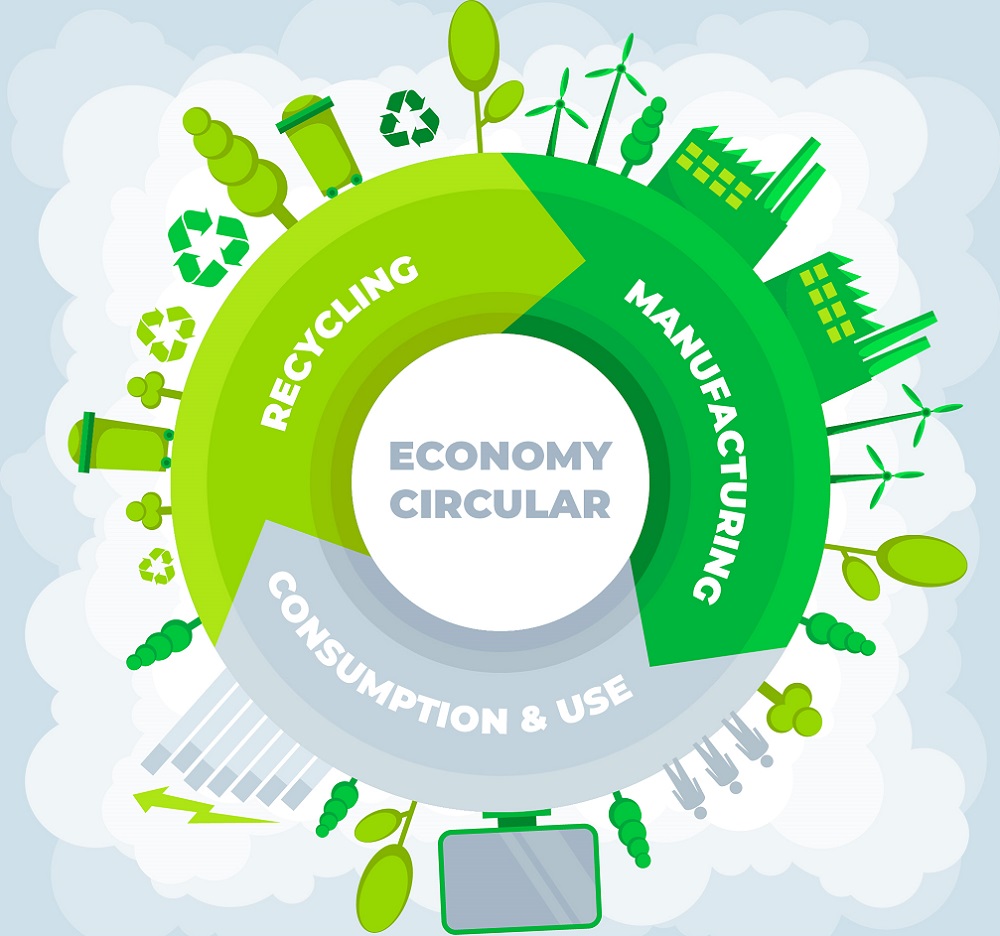
According to the FAO, the ESG framework is important for the food service industry because this sector is one of the largest producers of greenhouse emissions—up to 30%. Moreover, the three biggest food service companies, Nestle, PepsiCo, and Coca-Cola, can alone cause roughly 11% of branded plastic pollution.
That’s not all; less than 10% of plastic ever produced has been recycled. This hugely affects the climate and society as a whole. It is a ticking bomb if it's not controlled in a timely manner.
ESG frameworks encourage companies to address issues like carbon emission, water usage, and plastic pollution and adopt sustainable sourcing practices. Now more than ever, people are demanding sustainable products, which makes it necessary for companies to adopt the change.
ESG compliance also helps food service companies to implement globally sustainable regulations, which attract more foreign investment and ultimately grow the business.
It’s not all about saving the planet and its people. Adopting ESG practices like energy-efficient production and waste reduction cuts long-term expenses and leads to higher profits. It also mitigates legal and reputational risks. All of these advantages result in rapid growth in employee performance, company profits, and overall growth.
ESG is important for small food businesses, contrary to popular belief that only big corporations should consider it. However, adopting ESG at a smaller scale comes with its own unique opportunities and challenges.
1. Energy Efficiency: Install energy-efficient kitchen appliances, such as induction cookers or LED lighting. Using solar panels to power the whole operation makes energy consumption efficient.
2. Environmental Effect: Small businesses should recycle organic waste into compost and partner with food banks to redirect surplus food.
3. Social Responsibility: Small businesses have the advantage of having local connections to the surrounding people due to the more personalized connection with their customers. Leverage this to build social equity. Adopt fair labor practices, diversity in hiring, and local sourcing to enhance your customers' trust.
4. Governance Benefits: By adopting ESG practices and regulatory practices, small businesses can attract ethical investors, which can bring their brand to new heights of success. It helps boost stakeholder’s confidence and makes you eligible for your government’s green initiatives as well.

ESG principles differ when applied to large food businesses due to variances in scale, resources, and operational scope. Here is how big corporations navigate through sustainability challenges and opportunities.
1. Environmental Strategies: Large food service businesses have to monitor complex problems such as global supply chains, labor rights, and outreach programs to ensure fair ESG practices. They often face scrutiny from global watchdogs like KnowTheChain.
2. Governance Practices: Large businesses operate under regulations from frameworks like GRI, SASB, and CDP, as we discussed above. This helps smooth the accountability process. Companies failing to adhere to ESG practices lose reputation with time.
3. Investor Pressure: Big players in the food service industry have a higher responsibility to adopt sustainable practices. They also have to maintain an image in public. This causes larger regulatory and investor pressure to comply with stringent sustainability standards and satisfy ESG rating agencies. Fortunately, adhering to ESG principles attracts large-scale global investors, which boosts the company’s growth.
Table 2: Differences in ESG Application Between Small and Large Food Service Providers
To implement ESG in the food service industry, a well-planned framework surrounding ethical, sustainable, and governance principles is required. Here is how you do it.
The key environmental practices for a sustainable food business are:
a. Reduce Waste:
Start with implementing a food wastage tracking system to minimize losses. Partner with charities to donate surplus food. Build a composting mechanism at the site, and if that’s not feasible, then contact local composting facilities to reduce landfill contribution.
b. Sustainable Sourcing:
Choose suppliers who are certified for ethical sourcing and farming. Always prioritize eco-friendly practices to lower carbon source ingredients and raw materials from local areas. This will also have a positive social impact, which we will go into in detail later.
c. Eco-friendly Packaging:
Even if the cutlery used in your food service business isn’t produced from sustainable materials, you can at least shift to biodegradable, compostable, food-grade packaging to prevent plastic pollution.
The key aspects of social responsibility for food service businesses are:
a. Support Workers
Make sure your employees are paid market-competitive salaries, social benefits, and safe working conditions. Ethical labor practices foster long-term loyalty and community respect.

b. Community Engagement
Food services can collaborate with local farmers to source their materials. Additionally, they can host community events to spread awareness of sustainability and strengthen community ties.
Sourcing from foreign may seem profitable, but by going local, businesses can reduce their carbon footprint, supply chain restrictions, and higher customization options. Also, it shows commitment to the “Social” aspect of ESG.
c. Transparency
Lastly, the public availability of all the ESG audits and initiatives must be ensured. Provide information on ingredient sourcing, allergen labeling, etc., on your website.
Here are three governance principles that can help food service businesses become more sustainable.
a. Develop ESG Policies:
Establish formal sustainability goals tailored to your specific business niche. Ask a third-party auditor to help produce such policies for a smooth transition to sustainability.
b. Leadership Training:
The top brass should be educated to prioritize ESG principles in strategic decision-making, and after that, lower management and staff should also be given awareness.
c. Monitor Impact:
Incorporate the latest technology to track performance in reducing waste, emissions, and energy usage. Techs like cutting-edge software based on AI and blockchain technology are game changers in enhancing the sustainability efforts of any company.
1. Unilever
In 2019, Unilever announced that its purpose-led and sustainable brands, such as Dove, Persil, and Lipton, are growing 69% faster than the rest of its business and are the front runners of the company’s growth.
2. General Mills
In 2023, the Center for Sustainability and Excellence (CSE) conducted research revealing that General Mills, a leading American food brand, saw the highest profit growth between fiscal years 2020 and 2021 due to strong ESG practices.
3. PepsiCo
PepsiCo, a popular beverage company, implemented water-saving technologies and sustainable farming initiatives, which led to operation savings, higher financial profits, and improved ESG scores.
While environmental, social, and governance (ESG) practices are not mandatory or are not legal requirements for any business operation, neglecting them can pose significant risks.
Consumers and investors alike are demanding ESG commitments from companies. Thanks to sustainability awareness, customers favor companies that take eco-friendly initiatives seriously. Ignoring ESG can lead to negative public perception and decrease investments.
Poor ESG practices or greenwashing can result in fines, penalties, and legal action, Not to mention increased operational costs and adverse societal effects. According to research published by McKinsey & Company, there is a direct correlation between a company's efforts to reduce ESG risks and its financial returns.
Avoid damage by using reliable products, especially biodegradable disposable tableware that can save your operation money.

Ignoring ESG practices can lead to higher operational costs, increased carbon footprint, and unexpected supply chain bottlenecks.
Nowadays, investors increasingly include ESG compliances in their decision-making processes. If your company lacks ESG initiatives, it may face divestment or reduced capital access.
The key ESG trends signal a growing need for sustainability and innovation.
People are increasingly demanding plant-based alternatives due to better sustainability. Restaurants and caterers are expanding their menu, crockery, and operations to meet sustainability standards. A study by Bloomberg Intelligence predicts the plant-based food market could reach $162 billion by 2030.
As we’ve discussed, sustainability is becoming central to brand identity and reputation. Businesses are communicating their ESG initiative more openly with the public in order to gain respect. Such efforts include responsible sourcing, waste reduction, and local supplier partnerships. Big corporations also share audit reports by highly respected third-party organizations.
Innovative technologies like AI tools can monitor food waste, measure energy consumption, and ensure supply chain sustainability. This helps streamline processes.
The push to eliminate single-use plastic cutlery and packaging has promoted sustainable catering. Companies are now shifting toward compostable packaging, biodegradable and recyclable materials, and advanced waste management systems to meet environmental goals. EPA to update landfill air emissions rules in 2025.
These trends are driven by customer demand, technology advancement, and regulatory pressure.
Here are key benefits your food service company can gain from adopting sustainable business practices.
A. Attract ESG-focused investors and capital, leading to company growth.
B. Build a loyal customer base with eco-conscious customers and partners.
C. Highlighting opportunities for energy saving and waste reduction can result in cost-efficiency.
D. Helps stay ahead of competitors and evolving sustainability regulations.
E. Retain talent aligned with company values.
F. Get a competitive edge by differentiating your business in the market.
G. Drives long-term success and strengthens resilience and sustainability.
Implementing ESG in the Food and Beverage Industry is not free from challenges. Here are some issues service providers are facing.
Ensuring sustainability while sourcing from different parts of the world is difficult because of complex supply chains spanning different geological locations with their own laws and customs.
Regulating and navigating through diverse ESG regulations across different regions requires considerable financial resources.
Meeting increasing customer demand for green products requires significant changes in the manufacturing process and strategic plan-making. All of this demands a significant budget and time.
Implementing ESG initiatives can involve substantial financial investments. However, there are many government rebate programs worldwide that facilitate and sponsor the transition to green initiatives.
Achieving full transparency in operation is often challenging for experienced companies who have been working with a certain traditional approach. Shifting the entire operation toward sustainability requires a lot of time and effort.
ESG frameworks are becoming mainstream in restaurants and eateries, driven by the public demand for sustainability and ethical practices. We expect the adoption of plant-based manus and single-use cutlery to increase. Similarly, a shift towards localized material sourcing will reduce carbon footprints.
A study done by Trace Grains suggests that more than 60% of food businesses acknowledge the importance of ESG compliance, which is critical to their growth. However, the same study shows that 41% of the surveyed companies actually fell short of achieving their goals.
Restaurants are slowly transitioning towards transparent sourcing as they acknowledge the brand loyalty and competitive advantage that comes with it.
ESG frameworks are here to stay, and if you want your food business to be future-proof, the best time to adopt sustainable initiatives is now. In our guide, we discussed briefly the concept behind ESG in the food industry, regulatory parties, current trends, and case studies. Furthermore, we mentioned tips for small and large-scale industries to incorporate ESG protocols in their business. Our guide will help make your business sustainable and ensure continued growth.
Ancheng is a global hub for ESG-compliant single-use cutlery. We have built a strong portfolio by working with numerous clients worldwide for over two decades. Our unique and sustainable solutions align with the latest trends.
We pride ourselves on delivering premium-quality bamboo and wooden cutlery crafted in cutting-edge manufacturing facilities. And all the raw materials are ethically sourced. Trust in our commitment to excellence, backed by BRC certification and rigorous testing through LFGB, EU, and FDA standards.
That’s not all—We also offer customization, competitive prices, and quick delivery. Contact Us today! For a Free Consultation. And let us take your project to new heights.

Hello, I'm Sven Wang, the Manager of Ancheng. With extensive expertise in raw materials and production processes, I'm dedicated to advancing sustainable tableware and constantly improving eco-friendly options for the modern catering industry. You can trust that Ancheng is committed to providing the highest quality. Welcome!

Factory: Qian Renqiao Industrial Park, Shucheng County, Luan City, Anhui Province, China
Office: Building 11, Max Science Park, Shushan Dist, Hefei, Anhui, China
Copyright ©2026 Anhui Ancheng Bamboo and Wood Tableware Co., Ltd. Privacy Policy


 Index
Index Product
 Resources
 About
About