We can provide wholesale services disposable wooden and bamboo tableware to more than 30 countries
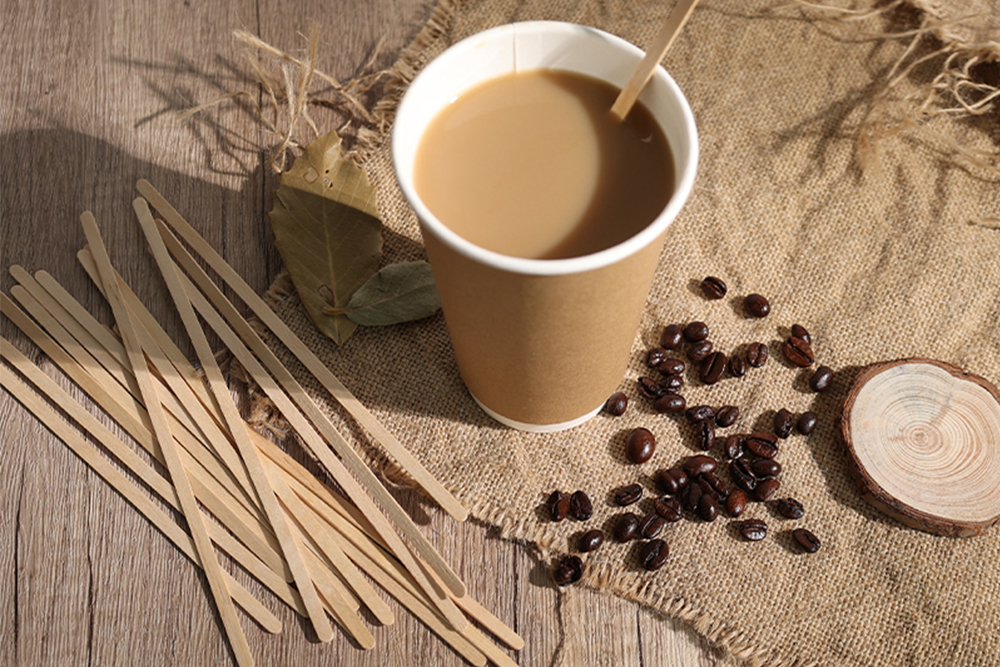
Explore the compostability and recyclability of wooden coffee stirrers, and learn why they are a sustainable choice for eco-conscious consumers. Wooden coffee stirrers have gained popularity as an eco-friendly alternative to plastic stirrers, contributing to a more sustainable coffee-drinking experience. As a reliable disposable wood tableware manufacturer in China, we understand the importance of addressing questions surrounding the compostability and recyclability of our products. In this article, we'll delve into the details to help you make informed choices for your business. What is Wooden Coffee Stirrer? A wooden coffee stirrer, as the name suggests, is a small stick typically made from high-quality wood that is designed to be used for stirring beverages like coffee, tea, or even cocktails. These stirrers are not only functional but also visually appealing, adding a touch of natural elegance to any drink. Are wooden coffee stirrers compostable? One of the primary concerns when choosing coffee stirrers is their impact on the environment after use. Wooden coffee stir sticks are indeed compostable. Composting is the natural process of breaking down organic materials into nutrient-rich soil. Our wood coffee stirrers, made from sustainably sourced wood, are biodegradable and can be added to compost bins. Home Composting vs. Industrial Composting While wooden coffee stir sticks can be composted at home in a backyard compost pile, they can also be processed in industrial composting facilities. These facilities provide controlled conditions that facilitate quicker and more efficient decomposition. Maybe you're confused about the difference between industrial and home composting. Are Wooden Coffee Stirrers Recyclable? Wood coffee stirrers are recyclable. Unlike plastic stirrers that can linger in landfills for centuries, wooden stirrers are sourced from a renewable resource—trees. This makes them inherently more eco-friendly and easily recyclable. Wooden Coffee Stirrers vs. Plastic Stirrers Comparing wooden coffee stirrers to plastic stirrers reveals a stark contrast in terms of environmental impact. Plastic stirrers are notorious for their contribution to plastic pollution, taking hundreds of years to break down and causing harm to marine life and ecosystems. In contrast, wooden coffee stir sticks offer a renewable and biodegradable option that is kinder to the environment. Factor Wooden Coffee Stirrers Plastic Stirrers Material Wood Plastic Sustainability Biodegradable and compostable Generally not biodegradable, cannot be recycled Environmental Impact Lower impact, as they break down naturally Higher impact due to non-biodegradability Strength Generally less sturdy Usually more sturdy Durability don't break or splinter easily can bend easily Texture Natural wood texture Smooth plastic surface Manufacturing Process Generally requires less energy Requires more energy Cost May be slightly more expensive Usually cheaper Heat Resistance Can withstand hot liquids May release harmful elements into hot liquids Aesthetics Rustic and natural appearance Wide range of colors and designs Usage Suitable for stirring hot and cold drinks Suitable for stirring various beverages Disposal Can be composted Often ends up in landfills or oceans, cause pollution Eco-Friendly Packaging Often comes in paper-based packaging May come in excessive plastic packaging Choosing the Best Wooden Coffee Stirrers When considering the best wooden coffee stirrers for your business needs, factors like length and packaging play a role. We offer various options, including 5.5 inch, 7 inch, and 7.5 inch wood coffee stirrers. We also provide wrapped wooden coffee stirrers, ensuring hygiene and convenience, making them suitable for coffee shops and events. Where to Buy Wooden Coffee Stirrers? When it comes to sourcing top-tier wooden coffee stir sticks, Ancheng is a name that stands out in the industry. Here's why you should consider them: 1. Expertise: With years of experience in the food service industry, Ancheng has honed its craft to deliver products of exceptional quality. 2. Quality Control: Ancheng's commitment to quality is unwavering. They source the finest wood, employ skilled artisans, and implement stringent quality control processes to ensure every stirrer meets their high standards. 3. Customization: Ancheng understands that each company has its unique preferences. They offer a range of customization options, from sizes and shapes to packaging, allowing you to showcase your brand identity. 4. Sustainability: Ancheng's dedication to environmental responsibility is reflected in their sustainable sourcing practices and eco-friendly manufacturing processes. Conclusion In conclusion, wooden coffee stirrers are indeed compostable and can contribute positively to compost piles. Their overall environmental benefits make them a superior choice over plastic stirrers. By opting for these elegant and eco-friendly stirrers, you're making a positive contribution to both your business and the planet. FAQs 1.Are these stirrers eco-friendly? Absolutely. Ancheng's commitment to sustainability is evident in their use of biodegradable materials and eco-conscious manufacturing practices. 2.Can wooden coffee stirrers be used for hot beverages? Yes, our wooden stirrers are designed to withstand stirring hot beverages without any issues. 3.How do wooden stirrers compare to plastic stirrers in terms of durability? Wooden stirrers offer sufficient durability for stirring hot beverages and can withstand the rigors of coffee consumption. However, they are designed for single-use purposes and might not be as resilient as plastic stirrers for extended use. 4.Can I personalize wood coffee stirrers with my brand logo? Absolutely! Personalizing wood coffee stirrers with your brand logo is a fantastic way to promote your business while aligning with eco-friendly values. 5.What's the best way to dispose of wooden coffee stirrers? Ideally, you can compost wood coffee stirrers. Ensure your compost pile has the right conditions for effective decomposition. 6.Do you offer bulk quantities for businesses? Yes, we only offer bulk quantities of wood coffee stirrers to cater to business needs. 7.Is there any other repurpose for wooden coffee stirrers? Apart from composting and recycling, consider upcycling wooden coffee stir sticks for various craft and DIY projects.
2023-11-20
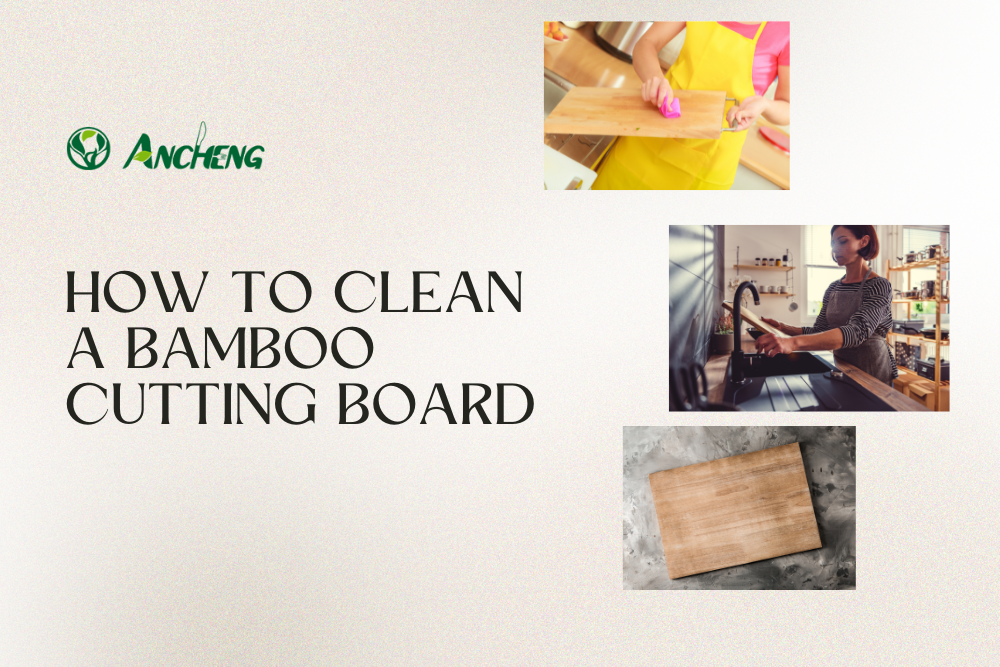
Got a bamboo cutting board with funky stains or odd smells? The quickest fix is to use lemon juice or baking soda to spruce it up, then give it a good scrub using a warm, damp rag. But that’s not the only way to make your board smell fresh and look as good as new. Let’s uncover unconventional, lesser-known methods culinary professionals use to maintain their bamboo cutting boards and other bamboo utensils. But first… Why You Shouldn’t Use a Dishwasher? Putting your wooden, bamboo, plastic, or glass cutting boards into the dishwasher is a no-go. The combination of heat, water, and intense pressure in dishwashers can mess up your bamboo cutting board, making them bend and crack. Worse, these cracks may end up becoming the perfect home for nasty bacteria and mold. Even if bamboo boards handle water better, the intense heat from dishwashers can still take a toll on them. The best thing to do is to go the traditional route and hand-wash them with some warm, soapy water. Dry them straight away and give them a good oiling every so often to keep them in tip-top shape. Let’s go into detail about the actual cleaning process in the next section. Step-by-Step Cleaning Process Step 1: Rinsing and Washing The great thing about bamboo cutting boards is that they don’t soak up liquids as much as other materials. However, that’s not an excuse to leave your board soaking in water, especially with meat juices on it. Once you're done using your board, just wash it with hot, soapy water and give it a good scrub using your regular dishwashing liquid. Make sure to rinse it thoroughly afterward. Step 2: Disinfecting Disinfecting your bamboo chopping board is a breeze with vinegar. After washing it using dish soap and water, wipe down the board with white vinegar using a cloth. Rinse well and dry it off. For extra strength, a mix of one teaspoon bleach with two quarts of water can be used, following the same steps. Remember to disinfect your board after chopping up raw meat or strong-smelling foods like garlic or onions. Step 3: Removing Stains and Deodorizing To remove hard-to-scrub stains, you can use lemon juice and salt. Spread salt generously over the clean board. Then, take a fresh lemon, slice it in half, and use it to rub the salt onto the surface. The salt will get those stubborn stains out of the nooks and crannies, while the lemon leaves a fresh scent. Once again, rinse it well and dry it out. Other than that, activated charcoal or baking soda can be used for deep cleansing. If yours is more sensitive to odors, this is a better way to go. Step 4: Drying After giving your board a quick towel dry to remove any leftover moisture, stand it up to air dry for a few hours or overnight. Once it's completely dry, your board is good to go for storage or the next round of chopping! Maintaining Your Bamboo Cutting Board 1. Seasoning and Oiling Grab some food-grade mineral oil and pour about half a cup into a saucepan. Avoid using cooking oils for seasoning your board as they can make your board go rancid. source: wikihow Warm it up on the stove, but don't make it piping hot—just enough to get into the bamboo's pores. Pour the oil onto your dry cutting board and rub the oil in a circular motion using a clean cloth, making sure you cover all sides of your board. Let the oil soak in for a few hours, or better yet, overnight if you’ve got the time. After that, just grab a cloth and wipe off any leftover oil from the surface. Make sure the board dries out completely before you start using it again. The mineral oil acts like a moisturizer and bodyguard for your bamboo, keeping it hydrated and safe from too much water. If you prefer a more eco-friendly or plant-based option. Then we recommend you use a mineral oil alternative such as beeswax or coconut oil. To keep your board looking fresh and resistant to water, oil it regularly. Once a month works like a charm, but if you’re the type who’s always busy in the kitchen, bump that up to once every two weeks. If you don't chop stuff up on your board all that often, you can get away with oiling it less frequently. 2. Avoiding Deep Cuts If your cutting board is starting to look rough from all the slicing and dicing, you can give it a makeover by removing scratches and knife marks. Start by thoroughly cleaning your board and making sure it's bone dry. Then, grab some coarse grit sandpaper and sand down the surface. For stubborn knife marks, you might need to start with some tough 80-grit sandpaper, going straight up and down the board. Once the cuts fade away, wipe the board down, let it dry, and switch to a finer grain sandpaper. Use this with light pressure until the surface feels as smooth as butter. Give your board a good wash, and don't forget to apply some finishing oil for a brand-new glow. 3. Safety Measures ●It’s handy to have a couple of boards — one for the meaty stuff and another for everything else — to lower the risk of mixing things up since bamboo is porous. ●If you want your bamboo board to last for a long time, try not to chop up super tough, acidic, or rough foods on it to keep it in good shape. ●Bamboo likes a bit of moisture to stay strong and avoid cracks, so steer clear of harsh cleaning products that can dry it out, like bleach or rubbing alcohol. ●If your cutting board gets warped and bent, soak it in hot water for a few hours to make it more flexible. Afterward, take it out, stack a larger board on top, and put something heavy, like a hefty pot or pan, on the upper board to flatten out the one below. ●Keep your bamboo in good shape by not leaving it in hot spots. Too much heat can dry out the board and cause it to split. Find a shady spot away from direct sun for storage to avoid any major cracks. Conclusion Caring for your bamboo cutting board keeps it in tip-top condition. Avoid dishwasher mishaps and hand wash it instead. If your board is emitting bad odors or is stained with various juices, disinfect it with lemon juice and salt. Don’t forget to oil your board at least once a month to keep that bamboo looking fresh. Additionally, always be cautious of intense or rough use and ensure the right sanitization steps are taken. Lastly, prevention is better than cure, so keep multiple boards and maintain those healthy kitchen habits! Your bamboo cutting board will thank you for the attention. Frequently Asked Questions 1. Can a bamboo cutting board be washed in the dishwasher? It's not a great idea to toss your bamboo cutting board in the dishwasher. The heat and moisture can mess up the bamboo, making it warp, crack, or dry out, which can ruin it. To keep your board in good shape, it's smarter to hand wash it with gentle dish soap and warm water, and then dry it off as soon as you're done cleaning it. 2. How do I clean and sanitize a bamboo cutting board? To give your bamboo cutting board a good clean and keep it safe for kitchen use, wash it with mild dish soap and warm water. Make sure to scrub all over the board. After rinsing off the soap, use white vinegar to sanitize the board, leaving it on for a couple of minutes, and then give it a thorough rinse. Once done, ensure the board is totally dry, and every now and then, apply food-grade mineral oil to maintain its quality and protect the wood. These steps will keep your cutting board clean and good to go in the kitchen. 3. What is the best way to remove black stains from a bamboo cutting board? Grab some white vinegar or lemon juice and splash it on the spots with the stains. Let it hang out for a few minutes or so. Then, take a brush or sponge and give those stains a good scrub. Rinse the board well and make sure it's totally dry before using it again. 4. Is it necessary to oil a bamboo cutting board? Oiling your bamboo cutting board is pretty important. It helps keep your cutting board in good shape and prevents it from getting too dry or cracking. This oil layer acts as a barrier, giving the board some moisture and helping it look good for longer. It's all about giving your board a longer life and ensuring it stays in tip-top condition. 5. How do I remove mold from a bamboo cutting board? If you find mold on your bamboo cutting board, try a mix of water and white vinegar or hydrogen peroxide to get rid of it. Just put that mix on the moldy spots, give it a good scrub with a brush or sponge, and make sure to rinse it off and dry the board completely. 6. What is the best way to treat a bamboo cutting board with oil? To give your bamboo cutting board an oil treatment, wash it first and make sure it's totally dry. Then, grab some food-grade mineral oil or a specific cutting board oil. Put a bit on the board and use a clean cloth to spread it around. Massage it all over the surface, let it soak in, and wipe off any extra oil. Let the board dry completely before you use it. Discover Quality Bamboo Solutions at Ancheng – Durable, Stylish, and Eco-Friendly! Now that you know the best ways to care for your bamboo cutting board, why not take it a step further with Ancheng’s premium bamboo products? Whether you're looking for high-quality utensils or other kitchen essentials, we’ve got you covered! Get in touch with Ancheng today and explore our wide range of sustainable wooden and bamboo products designed for longevity and style.
2023-10-31

While silicone utensils are easier to maintain, wooden utensils are safer and more sustainable. Do you think wooden utensils are obsolete? Think again- we’ll explore the dynamics of wooden vs silicone utensils in this article, and show you how they outperform their silicone counterparts in ways you’d never expect! Wooden Utensils These utensils are purely made from wood. People love wooden utensils in their kitchen because they’re long-lasting, can handle any food, don’t damage cookware surfaces, are safe for use, and, most importantly, are environmentally friendly. What types of wood are popularly used to make wooden utensils? Let's find out. I. Types of Wood For Making Wooden Utensils Two types of wood exist- softwood and hardwood, and no, you can’t determine which is softwood or hardwood by simply touching it. Softwood is derived from gymnosperm trees with evergreen needle-like leaves, like pine, cedar, and redwood. Such trees produce cones with enclosed seeds. They are super easy to find and cultivate but aren’t long-lasting and less dense than their hardwood counterparts. Hardwood, on the other hand, is derived from angiosperm trees. Such trees produce fruits with enclosed seeds. They are not as easy to find, take a longer time to cultivate, and are more expensive than softwood. However, they are perfect for making disposable wooden utensils because they’re stronger, have high density, and can easily resist scratches. The best examples are birchwood, bloodwood, and jatoba. II. Pros Here are the pros of wooden utensils. 1. Environmentally-Friendly Plantware is biodegradable and compostable. As a homeowner looking for safe products, going for wooden utensils is a no-brainer because they are natural. Even when you buy disposable wooden utensils, they easily decompose and nourish the soil. 2. Highly Resistant to Heat Such utensils are fantastic because wood poorly conducts heat, so you don’t have to worry about extreme temperatures or burn risk. 3. Long-Lasting You will never regret investing in wooden utensils because they can serve you for a long time with no defects. 4. Non-Reactive Wooden utensils don’t necessarily react with acidic foods like their metal counterparts, so you don’t have to worry about the food’s taste or color changing. 5. Aesthetic Appeal Wooden utensils have this natural beauty that complements any space. Even if you have a contemporary design in your kitchen, these utensils can provide a nice blend. III. Cons Yes, wooden utensils are very beneficial, but they also have downsides. Let’s find out. 1. Not Safe for Dishwasher Use You shouldn’t clean wooden utensils with a dishwasher because it can warp or crack them due to high heat. If you must wash them, handwash and dry them quickly. 2. Not Good for High-Heat Cooking Unless treated, most wooden utensils can’t withstand high-heat cooking methods like frying. They will scorch or chip over time. 3. Easy Cracking Wooden utensils can crack when exposed to high temperatures or soaked in water for long periods. How to Care and Maintain Wooden Utensils? How do you care for your wooden utensils? Let’s find out. 1. Don’t Soak Wooden Utensils in Dishwasher Dishwashers and wooden utensils are incompatible because the dishwasher’s high heat, turbulent motion, and detergent will split or crack the wood. If you must clean it, pour mild soap on a soft sponge and gently clean it. Rinse off immediately. 2. Store Appropriately Always store your wooden utensils in a well-ventilated area after drying. Storing the utensil with moisture in a tight place can destroy its integrity. 3. Oil Your Utensils Regularly Oiling your utensils with food-grade coconut oil (or any mineral oil) can hinder cracking or splitting. 4. Dispose Safely If you buy disposable wooden utensils and want to discard them, always look for a safe space where they can decompose and add nutrients to the soil. It takes between 84 to 180 days for this process to occur. Popular wooden utensils include wooden spoons, knives, plates, forks, cutlery sets, teaspoons, and coffee stirrers. Silicone Utensils A lot of people use silicone utensils in their homes, and it’s not hard to see why. As the name implies, these utensils are produced from silicone. This material is incredibly flexible and can resist high temperatures. Even though it’s made from synthetic material, it’s not toxic. Plus, it’s sturdy enough to handle food from pots and pans without breaking or scratching the surface. Popular silicone utensils often include spatulas, brushes, and tongs because of their flexibility. For instance, you can easily use silicone spatulas to scrape burned food from pots or pans without damaging it. I. Pros Why are silicone utensils popular? Let’s find out. 1. Resistant to Heat Silicone is a fantastic heat-resistant material because of its low thermal conductivity; that’s why people typically buy silicone utensils for high-temperature cooking recipes that involve frying or boiling. 2. Dishwasher Safe Are you looking for utensils that are dishwasher safe? Silicone utensils are your best bet. They won’t chip or break with prolonged exposure to water or rough handling. It is also microwave safe. 3. Versatile Design Since silicone utensils are flexible, they can be manufactured and carved into different designs and serve almost any function. Kitchen uses for food grade silicone also include pans and ice cream molds. However, care needs to be taken to clean it properly. 4. Fairly Surface Friendly Good silicone utensils don’t scratch or damage non-stick cookware. II. Cons Here are the top reasons why silicone utensils aren’t good in the long term: 1. Not Biodegradable Silicone utensils are made from synthetic materials. Such materials take hundreds of years to decompose, so they are not biodegradable. If you throw them away, you will contribute to environmental pollution. 2. Less Rigid While the flexibility of silicone utensils might be a good thing, it may disqualify them from specific cooking techniques. 3. Quality Concerns As a homemaker who cares about the quality of food, silicone utensils usually have some quality concerns. Most of these utensils don’t meet the needed food-grade safety standards, especially if you consider the manufacturing process it goes through, the material purity, and possible health risks. When purchasing, choose products with the words “food grade” or “FDA approved” on the label. 4. Poor Aesthetic Appeal Silicone utensils have little to no aesthetic appeal. You might not want them in your kitchen if you want the space to be visually enticing. How to Care for Silicone Utensils? Here’s how to make your silicone utensils last for you: 1. Hand-wash as Much as Possible Yes, you can wash your silicone utensils in a dishwasher, but you should stick to handwashing as much as possible as it improves their durability. Don’t use harsh cleaners. Mild dish soap and runny water will do. 2. Rinse and Dry Immediately After washing, ensure you rinse your utensils properly to eradicate any soapy remains, and leave them to dry. You can also use a clean towel to dry them. 3. Inspect for Damages Always check for damages on your silicone utensils, even down to the tiniest cut or deep stain. If you notice anything unusual, replace them immediately. 4. Store Appropriately Keep your silicone utensils in a dry, well-ventilated environment. Ensure you don’t stack them, as you will shorten their lifespan by doing so. Wooden vs Silicone Utensils: Are they Comparable? When considering wooden vs silicone utensils, here are some things to consider 1. Durability and Sustainability Silicone utensils typically last longer than wooden utensils because they’re made from synthetic material, but the issue is that they’re non-biodegradable. However, our wooden utensils are more sustainable and eco-friendly because they decompose into the environment in no more than 180 days. You can safely dispose of it without worrying about the environmental consequences. 2. Heat Resistance Yes, silicone utensils resist heating better than wooden utensils because they can condone higher temperatures. However, our disposable wooden utensils have been treated to withstand high temperatures, making them perfect for high-temperature cooking techniques like frying. 3. Versatility and Comfort Wooden utensils are obviously more versatile and comfortable. You can use them for any type of utensil you can think of, unlike silicone utensils that people mostly use for cooking, like tongs, spatulas, and serving spoons. Also, they’re lightweight. Here’s a summary of the differences between wooden vs. silicone utensils in tabular form: Wooden Utensils Silicone Utensils Not safe for dishwasher use Safe for dishwasher Rigid Flexible Biodegradable Non-biodegradable Excellent aesthetic appeal Little to no aesthetic appeal Might crack Doesn’t easily crack Possibility of bacterial growth under moisture exposure No possibility Other Types of Utensils Aside from wooden and silicone utensils, what other types exist? 1. Metal Utensils Are Silicone Utensils More Durable than Wooden Utensils? imagine that they’re solid, resist extreme temperatures, and handle heavy-duty cooking. Some people fear metal utensils because of scratched or damaged cookware, but it largely depends on usage. Of course, it’s non-biodegradable. 2. Nylon Utensils If you thought nylon materials were only for clothing, fabric, or food packaging, you’re wrong. Nylon utensils are made of thermoplastics and are often cheaper than their metal or silicone counterparts. Plus, they’re flexible and easy to clean. But they are not good for use. At their core, they are toxic, synthetic materials that ooze chemicals into your food when used. Silicone vs. nylon is a concern, especially in utensils applications where several factors need to be considered before deciding. 3. Specialty Utensils These types of utensils are designed for a ‘special’ purpose. Everything about them is designed with intention. Such utensils are often metallic, but it usually depends on what they’re made for. Excellent examples are pasta forks, avocado slicers, pizza cutters, oyster knives, and fish spatulas. Final Words If you’ve been hooked on the wooden vs silicone utensils debate for so long, you must realize that both have pros and cons. Wooden utensils are more sustainable and eco-friendly, while silicone ones are more flexible and easy to clean. As a homeowner concerned with food safety and better life quality, not just for you but for those around you, your top priority should be getting long-lasting, functional, and sustainable products. Wooden utensils fit the bill perfectly. We manufacture wooden utensils that pose no risk to your health or the environment. Frequently Asked Questions Here are some questions people commonly ask: 1. What are the Benefits of Using Silicone Utensils? Several benefits of silicone utensils exist, but here are some of them: ●They are incredibly heat-resistant ●Silicone utensils are durable and efficient ●They are lightweight and flexible ●Super easy to clean or maintain 2. What are the Benefits of Using Wooden Utensils? Wooden utensils have several benefits, which include: ●Super eco-friendly and decomposes in days ●Improves your home’s aesthetic appeal ●They don’t react with acidic foods ●Typically long-lasting, even the disposable ones ●Low purchase and maintenance costs ●They won’t scratch or damage cookware 3. Are Silicone Utensils More Durable than Wooden Utensils? Silicone utensils are typically more durable than wooden utensils because they are manufactured from synthetic materials, but not to worry! We manufacture high-quality wooden utensil products that are durable and super efficient. 4. What are the Disadvantages of Using Silicone Utensils? While silicone utensils have incredible benefits, the disadvantages definitely outweigh the advantages. Here are some of them: ●Limited heat-resistant ability, especially with hot oil ●Little to no aesthetic appeal ●Such utensils can easily discolor ●Not as rigid as their wooden or metallic counterparts ●Non-biodegradable ●Negative quality concerns 5. What are the Disadvantages of Using Wooden Utensils? Wooden utensils might be eco-friendly and sustainable, but they also come with some disadvantages. ●Not safe for dishwasher use ●Possibility of bacterial growth when not properly washed and dried ●Can crack if inappropriately handled ●Might damage under prolonged exposure to water 6. Which Type of Utensil is More Hygienic: Silicone or Wood? Silicone utensils might have a hygienic edge over wooden utensils because of their non-porous surface. They don’t easily absorb liquids or bacteria, compared to wooden utensils. Discover the Perfect Accessory for Your Kitchen! Now that you know the difference between wood and silicone utensils, it's time to enhance your cooking and dining experience with the best tools for your needs. Whether you're looking for durability, heat resistance, or a stylish kitchen upgrade, Ancheng has the perfect solution for you. Our bamboo and wooden tableware is of the highest quality. Contact us today and make the right choice for your meals!
2023-10-30

Birchwood often takes the award for the best wood for cooking utensils. A delicious, well-cooked meal requires ideal Birchwood cutlery. Birchwood is sustainable, aesthetic, and cost-effective. It is heat resistant with a smooth texture to achieve culinary perfection. Discover the best types of wood for cooking utensils, their benefits, and how to choose the perfect one for your kitchen needs. Birchwood wooden utensils use little energy during production. You will find many product ranges for Birchwood because of its sustainable properties. It makes birchwood a brilliant choice for the environment. It is full of nutrients without any toxins. What an ideal, healthy choice for your family. Pick the best wood for utensils for your cooking experience to reach new heights. Let's dive deeper into the charm of disposable wooden utensils. It is time to choose the most practical wood for the best cooking utensils for yourself. Bamboo Pros: Bamboo is one of the most popular choices amongst disposable wooden cooking utensils. It has natural aesthetics that add a subtle beauty to your kitchen. It is a versatile form of wood that takes on many shapes, be it spoons, forks, or knives. This flexible cutlery wood also offers convenience. You do not have to have rigorous care routines for it. Just use it and dispose of it without any worry. It is compostable and biodegradable! Cons: Bamboo is quite prone to odor and stains from food. It impacts the visual appeal and hygiene. Additionally, most bamboo utensils do not have sharp edges so bamboo knives will not be much of a pleasant experience. Cherry Pros: When you hear cherry, you can imagine the reddish brown, smooth grain of wood. Cherry wood adds a hint of luxury and elegance to your kitchen utensils. Cherry wood is very durable and is famous for its resistance to splintering. It is a brilliant investment because it offers comfort while cooking. The wood is firm and smooth. You can effortlessly swirl it around in strews, soups, and other meals as you cook. Cons: However, cherrywood is often heavy compared to other utensils. It makes the cooking process a bit more challenging. Cherrywood is also prone to staining so you have to regularly oil and reseal the utensils. Beech Pros: Beechwood is quite famous for its organic composition. So, the wood naturally decomposes in the soil. It adds many rich nutrients and fosters plant growth. It calmly returns to nature without leaving any toxins behind. You will never contribute to long-lasting waste issues if you rely on Beechwood. Beechwood is a sustainable and safe option for many homemakers. The reason is simple: the tactile experience. It is gentle to the touch, enhancing the cooking experience. It is a practical option for many because it withstands pressure. You can use it for flipping, stirring, and even serving! Cons: Nevertheless, Beechwood has a short lifespan because of its low resistance to heat. You will find yourself replacing beechwood utensils which adds to extra cost. It is quite sensitive to moisture and wraps after a couple of uses. Maple Pros: We all love the sweet-smelling maple syrup, don't we? Well, the syrup isn't the only benefit of maple trees. Maple trees have durable wood that can add exceptional beauty to your kitchen. The resilient wood withstands tough kitchen uses like chopping, cutting, and slicing. The utensils are odorless, so your food items will not come out smelling of maple. It is an excellent environmental choice as it comes from sustainable forests. Cons: You must note that maple utensils often chip and dent easily. So, you have to be careful with heavy heat cooking. It isn’t as heat tolerant as Birchwood and requires heavy maintenance. Olive Wood Pros: While most wood comes with a smooth texture, olive wood is a mixture of smoothness and graininess. It helps homemakers feel safer while cooking. Other than the beauty of the rich colors of olive wood, it is also robust. It is durable and long-lasting. You will not find yourself replacing olive wood utensils every other day. It saves you money and time! When you expose olive wood to warm foods, it will not react. Olive wood is safe, without any chemicals or unwanted flavor. Cons: Olivewood is comparatively more expensive than other wooden utensils. The reason is that it is limited in nature. Olive trees take plenty of time to grow which is why it isn’t always the best option. It also has a unique odor that some people don’t like. You will have to wash the utensils plenty of times to get rid of the odor. Teak Pros: Teak wood is flexible and versatile. Homemakers love it because of the wide teak wood product range. There are plenty of safe utensil designs to choose from. Many people don't know, but teak has its natural oils. These oils work like a wonder to protect teak from moisture, decay, and mold. It enhances the teak's durability in the kitchen. It is highly resistant to heat. You will not find teak utensils melting or warping as you cook. Cons: Many times teak comes from rainforests. It means it is not a sustainable choice. Yes, it is biodegradable which reduces the impact on the environment, but re-growing teak isn’t as easy. It is also costly because of the limited availability and is often heavier than other wood types. You will not find yourself using teakwood easily in the kitchen. Walnut Pros: Just like walnuts, the tree itself has versatile properties. The wood ages gracefully and is a part of culinary traditions. Walnut wood is airy and light. It feels warm when you touch it. That makes it easier for homemakers to use it while cooking. If the unique patterns on the wood aren't enough to draw your attention, get ready to fall in love with its durability. It is heat and moisture-resistant. Cons: Walnut wood easily gets stained. You will find yourself spending extra time re-oiling the utensils if you do not plan on immediately disposing of them. Acacia Pros: Acacia wooden utensils add the hint of luxury your kitchen needs. It is reliable when working with food items as it does not have harmful toxins. Furthermore, Acacia wood is strong and can resist heat. The dense wood will allow you to cook many meals without warping and breaking. It is a low-maintenance wood item because it can withstand stains! Cons: It is not ideal for people who want consistent designs. Acacia changes color and odor over time in air and light. Some people are also allergic to acacia wood so it might not be the best option for wooden utensils. Pine Pros: Pine is, without a doubt, an abundant source of wood. It is more affordable and sustainable than other choices. The beautiful pale color with grainy patterns is enough to turn heads around. You will love using such aesthetically pleasing utensils in your kitchen. It is not as dense as other woods. So, you can experiment with different cooking techniques using pine wood. Oh, and the pine sap protects it from instant decay. Cons: Pinewood is prone to insects. You have to work properly on storing pinewood utensils in the kitchen. The wood also starts fading and will lose its original beauty. Alder Pros: Alder is the best for smoking and grilling food items. Homemakers who look for pocket-friendly utensils should rely on Alder wood. It is more affordable than woods like walnut or teak. You can also use it for different themes in your kitchen since it has a wide product range. Cons: It is outstanding for short-term kitchen use because alder wood is moderately moist and high temperature. You can mainly use it for serving and eating once or twice. It is soft and intricate. Birchwood Pros: Birchwood is grown in sustainable forests, making it a great environmental choice. Ancheng swears by Birchwood for manufacturing its utensils. It is a fast-growing tree that reduces its impact on the environment. Every homemaker looks for durability in cooking utensils. Birchwood lasts long and stays in shape even when in contact with some heat. It will not splinter on use and offers a firm grip while cooking. But how? The texture is smooth, and the wood has a fine grain. Not only is it great for cooking, but it also enhances the dining experience. It offers much comfort because of its lightweight properties. After using it, break the utensil down and add it to your compost. It is highly biodegradable and enriches the soil. Cons: Birchwood is widely known to absorb moisture which can weaken the utensil. Ancheng’s Ideal Wooden Choice After reviewing the pros and cons for each wood, it is no surprise that Ancheng loves Birchwood. Most of Ancheng’s disposable wooden cutlery is made of birchwood. It is cost-effective and durable. Our customers love birchwood items as they do not stain or leave any bad odor in the food. Ancheng knows Birchwood is sourced through sustainable forests. That way, the company remains honest to its commitment to the environment and reduces its carbon footprint. Long-lasting, biodegradable, and comforting; Birchwood remains Ancheng’s top choice!
2023-10-23

The Canton Fair is right around the corner, and businesses from all over the world will be flocking to Guangzhou, the heart of trade and commerce in China. The world is increasingly turning its gaze towards eco-friendly alternatives, and the Canton Fair is no exception. As global awareness of environmental issues continues to rise, consumers and businesses alike are seeking sustainable alternatives to traditional plastic and non-biodegradable products. One of the leading regions for biodegradable tableware production in China is Guangzhou, which boasts a host of manufacturers committed to creating top-quality, sustainable products. In this article, we've compiled a list of the "Top 10 Biodegradable Tableware Manufacturers in Guangzhou" to help you make an informed decision when sourcing eco-friendly tableware for your business. Top 10 Biodegradable Tableware Manufacturers in Guangzhou Now, let's delve into the list of the top 10 biodegradable tableware manufacturers in Guangzhou. 1. Ancheng Ancheng, established two decades ago in Anhui Province, China, is a leading manufacturer of disposable bamboo and wooden tableware. Ancheng offers free samples, expert packaging advice, and customized logos. They stand out for their commitment to quality, innovation, and sustainability. All their items boast BRC, BSCI, SGS, and FDA food safety certifications. Their distinct advantages include competitive factory-direct pricing, substantial material inventory for pricing stability, and swift delivery through fully automated production lines. Rigorous quality control safeguards their commitment to excellence. Through continuous research and development in the biodegradable tableware sector, Ancheng now also manufactures premium sugarcane bagasse and paper packaging to meet the diverse needs of various customers. Ancheng's agile team swiftly transforms ideas into design drawings and molds, ensuring client satisfaction. Whether you're a wholesaler or retailer, they have adaptable packaging solutions to meet your needs. They have an office in Guangzhou now, near the Canton Fair, only 10 mins walk from the Canton Fair. Website: https://www.anchenggy.com/ Guangzhou Address: Room 1707, Building C, Poly World Trade Center, Xingang East Road, Haizhu District, Guangzhou (10 mins walk from Canton Fair) Certification: iso; fsc; sedex; lfgb; fda; brc; bsci; sgs Products range: .Disposable Wooden Cutlery .Bamboo Disposable Cutlery .Wooden Fork .Wooden Spoon .Wooden Knife .Bamboo Spoon .Bamboo Fork .Bamboo Knife .Wooden Coffee Stirrer .Bamboo Coffee Stirrer .Disposable Wooden Plates .Disposable Bamboo Plates .Other Eco Wood and Bamboo Tableware One-Stop Shop for Custom Biodegradable Products Expert OEM services for plates, cutlery, and chopsticks. Explore Our Eco-Catalog 2. GUANGZHOU ECO TABLEWARE CO., LTD Guangzhou Eco Tableware CO.,LTD, a seasoned leader in disposable food packaging and tableware manufacturing, boasts a rich history of serving the industry. Formerly a supplier to trading companies, they transitioned in 2021 to establish our own global sales force, now directly catering to customers worldwide. They eagerly embrace customization to meet your specific needs. Website: http://www.eco-tableware.com/ Address: Room 1714, Block 1, Nansha Jinhuan No.1 Street, Nansha District, Guangzhou, China Products range: .kraft sushi tray .kraft salad bowl .soup cup .kraft catering tray .boat tray .sugarcane tableware .paper straw .cakeboard .wood cutlery .bamboo cutlery 3. Guangzhou Gorlandoi Commodity Co., Ltd. Guangzhou Gorlando Co., Ltd, established in 2010, is a reliable manufacturer with a 20,000 square meter factory. Their dedicated team comprises 700 skilled employees. They're committed to eco-friendliness, using original biodegradable materials for processing. Their premium offerings encompass wooden knives, forks, spoons, bamboo sticks, toothpicks, chopsticks, paper straws, and high-end disposable catering products. They ensure the highest quality, with every batch undergoing rigorous inspection. Website: https://www.gorlandosupply.com/ Address: 1st Floor, No. 1 Industrial Road, Lianhu Village, Yushanxi Road, Panyu District, Guangzhou Products range: .Wooden Cutlery .Bamboo Cutlery .Bagasse Cutlery .Bamboo Skewers .Bamboo Toothpick .Bio Cocktail Picks .Bamboo Chopsticks .Bamboo Coffee Stick 4. Guangzhou Seehome Trading Co., Ltd. Guangzhou Seehome Trading Co., Ltd., based in Guangzhou, China, specializes in manufacturing and exporting disposable daily essentials, encompassing paper products, paper straws, paper and wooden tableware, bamboo sticks, toothpicks, cake cups, and more. In harmony with the evolving era, their commitment to environmental preservation is unwavering. Their products are crafted from eco-friendly, biodegradable materials. Website: http://seehomexh.com/ Address: Guangzhou, China Products range: .Wooden cutlery .Cake picks .Coffee stirrer .Paper straw .Paper food bag .Cake Cup .Bamboo skewer .Toothpick .Chopstick .Cocktail stirrer 5. GuangZhou Hukang Protective Products Co., Ltd GuangZhou Hukang Protective Products Co., Ltd boasts over a decade of expertise as a premier manufacturer and wholesaler of Bamboo Eco-Friendly Products. They specialize in crafting sustainable, organic bamboo items that prioritize environmental responsibility. Their extensive product line encompasses a wide array of bamboo solutions, including bamboo straws, cutlery, fencing, hair brushes, skewers, and coffee stirrers. Committed to promoting a greener planet, they pride themselves on delivering eco-conscious, high-quality solutions. Website: https://www.hukangprotective.com/ Address: 1010, Rishun Building, No. 24 Qilin Road, Baiyun District, Guangzhou Products range: .Biodegradable Straws .Bamboo Skewers .Bamboo Coffee Stirrers .Bamboo Hair Brush .Bamboo Scalp Massager .Eco Friendly Cups .Natural Bamboo Fence .Bamboo Cutlery .Bamboo Plates .Kids Bamboo Dinnerware .Biodegradable Lunch Box .Twisted Paper Cord 6. Guangzhou Nvhuan Import And Export Trade Co., Ltd. Guangzhou Nvhuan Import And Export Trade Co., Ltd., established in Guangdong, China in 2012, is a leading manufacturer of bamboo-based products. Their diverse range includes disposable bamboo skewer sticks, toothpicks, chopsticks, tableware, and incense sticks. They offer customizable packaging and patterns for their tableware. Since 2013, they've been exporting their products, with their own brand "NVHUAN," and in 2017, they established a trading company in Guangzhou. Their exports span Southeast Asia, South America, and Africa. Website: https://www.nhbamboo.com/ Address: Room 212, Junli Building, No.13, Chayuan South Road, Huadu District, Guangzhou Products range: .Toothpick .Bamboo Chopsticks .Bamboo Sticks .Bamboo Skewer 7. GUANGZHOU JIURONG PACKAGING CO., LTD Guangzhou Jiurong Packaging Co., Ltd, established in 2006, is a leading provider of eco-friendly food packaging solutions. Committed to a circular economy, Jiurong specializes in designing, researching, and manufacturing sustainable food packaging. With a 26,000-square-meter international production facility, state-of-the-art equipment, and global certifications like ISO9001, BSCI, Jiurong meets international industry standards. Over 15 years of dedication transformed the company into a comprehensive service provider, offering R&D, design, production, and global service. Website: https://www.paperfoodpackaging.com/ Address: ROOM 09, FLOOR B15, ANHUAHUI NORTH TOWER, NO. 888, BAIYUN NORTH AVENUE , BAIYUN DISTRICT, GUANGZHOU CITY Products range: .Paper Straw .Paper Plates .Paper Bowl .Wooden cutlery .Paper Container .Paper Bag .Paper Cups .Eco Friendly Takeaway Packaging .Sugarcane Food Container .Disposable Cake Board 8. Guangzhou Rosen Packaging Co., LTD. Guangzhou Rosen Packaging Products Co., Ltd. is a well-established paper plate manufacturer with over 25 years of experience in producing environmentally friendly and reliable food packaging. Based in Guangzhou, with a production facility in Hebei, they offer a wide range of products, including paper plates, cups, and lids. Rosenpack's commitment to quality and innovation has earned them the trust of both domestic and international customers. With a fully equipped production process and advanced equipment, they efficiently control production costs and meet customer needs. Their products are exported globally. Website: https://rosenpack.com/ Address: No. 20, Jungong Road, Guangzhou Economic and Technological Certification: TUV Development Zone Products range: .Paper Cup .Paper Bowl .Paper Box .Paper Plates 9. Guangzhou Maibao Package Co., Ltd. Maibao, established in 2008, aspires to be a world-class packaging solution provider, dedicated to delivering exceptional service on a global scale. With over 12 years of rapid growth, Maibao has evolved into a leading one-stop packaging solution provider in China. Headquartered in Guangzhou, China, they operate 2 Rapid-Reaction service centers and 3 production bases, employing over 600 individuals. Committed to lowering costs and delivering superior quality, their passion lies in helping our customers achieve business success by offering tailored packaging solutions that stand out in the competitive market. Website: https://mbgpak.com/ Address: Room 3201&3214, 180 Middle of Jiangnan Avenue, Haizhu District, Guangzhou, Guangdong Certification: iso; brc; bsci; sedex; fda; fsc; en 13432; astm d6400; ok compost; bpi Products range: .Paper Bags .Paper Boxes .Paper Cups & Accessories .Paper Bowls & Plates .Paper Food Containers 10. Guangzhou SMI Company Limited Guangzhou SMI Company Limited Co., LTD is a modern, eco-conscious company specializing in manufacturing sugarcane bagasse pulp products and other biodegradable packaging. They create a wide range of solutions, including disposable food containers for fast-food chains, compostable shopping bags for stores, and biodegradable hotel amenities. Their mission is to provide innovative, eco-friendly packaging solutions with competitive prices, excellent service, and premium quality. Website: https://smibiopack.com/ Address: Room 706, Happy land building, No.350 Tancun Road, Tianhe District, Guangzhou Products range: .Tableware For Sushi .Bagasse + PLA Food Container .Food packaging .Biodegradable Bags .PLA Compostable Straw Conclusion When you visit the Canton Fair, don't miss the opportunity to explore the top 10 biodegradable tableware manufacturers in Guangzhou, with a special invitation to our office in Guangzhou. By choosing biodegradable tableware, you're not just making a business decision; you're making a sustainable choice that benefits the environment and resonates with conscious consumers. Why Ancheng Stands Out Among Guangzhou Manufacturers? While there are many suppliers in Guangzhou, Ancheng has carved a niche as a global leader in the sustainable tableware industry. Choosing the right partner is about more than just products; it’s about reliability, quality, and shared values. Here is why top-tier brands across Europe, North America, and Southeast Asia choose Ancheng: 1. 20+ Years of Manufacturing Excellence: We aren't just a trading company. Our own state-of-the-art facility ensures we control the quality from raw material to finished product. 2. Certified Sustainability: Our products aren't just "eco-friendly" in name. We hold FSC, FDA, and BRC certifications, ensuring your business stays compliant with international environmental standards. 3. Global Export Expertise: With over 100 countries worldwide as our partners, we understand the logistical and customs requirements of different regions, ensuring a smooth delivery process. 4. Customization (OEM/ODM): From logo embossing to custom packaging design, we help you build your own brand identity in the green market. 5. Competitive Factory-Direct Pricing: By eliminating middlemen, we provide premium compostable solutions at prices that keep your margins healthy. Ready to Go Green with a Trusted Partner? Don't settle for average. Partner with an industry leader to elevate your brand's sustainability profile. Get in touch with Ancheng TODAY! Direct From Source: Premium Eco-Tableware Solutions Competitive factory pricing from China's bamboo heartland. Request Shipping Quote
2023-10-19
Environmental sustainability has become the top concern in the world today. Over the past three decades, many companies have emerged to serve people and the planet. They try to eliminate the use of plastics by replacing them with wooden, disposable items. The processes they follow use minimum energy, water, and chemicals. The aim is to provide mass users of disposable items with safe, high-quality, and reliable on-the-go cutlery. Let’s learn more about the world’s top 15 biodegradable cutlery manufacturers. 1. Ancheng Ancheng is the brainchild of Jack Wang, who started Ancheng in 1998 to provide customers with disposable wooden cutlery. The biodegradable cutlery manufacturer reduces the cutlery manufacturing on the environment. Ancheng uses Birchwood and Bamboo to manufacture unique, safe, and convenient cutlery items. It is a great way to bid farewell to plastic pollution. The company’s manufacturing process has eight brilliant steps to reduce energy use. The company has an efficient team of 200 employees. They all focus on refinement and research. It made Jack Wang the owner of one of China’s most trusted disposable wooden cutlery companies. Here are some of their best Cutlery items: ●Disposable wooden spoons; (MOQ: 50,000pcs) ●Disposable wooden plates; (MOQ: 30,000pcs each size) ●Disposable knives; ●Disposable wooden sporks; ●Disposable coffee stirrers. (MOQ: 1,000,000pcs) They shape, cut, and pack the wood carefully to keep all nutritious values for them to enjoy. Ancheng works for people and the planet. The biodegradable and compostable items decompose within six months to enrich the soil, reduce landfills, and prevent carbon emissions. Ancheng serves mass users like ●Supermarkets; ●Food packaging chains; ●Government organizations; ●Airlines. The company further enhances environmental awareness through its blog, website, and social media platforms. It is not just about money; It is about sustainability and the provision of the safest products to the people. ●Location: 71, Tianda Road, Shushan District, Hefei, Anhui, China(Mainland) ●Contact: +86-0551-68992937 Contact Ancheng now for biodegradable solutions! 2. World Centric World Centric has had an incredible journey from fair trade to green packaging. Aseem Das started this company in 2004. It had an outstanding mission to protect the Earth and fight environmental injustice. World Centric introduced its compostable cutlery to the market in 2004. World Centric works against traditional disposable plastic items. It uses natural wood to make compostable items. In 2009, World Centric shifted its status to a for-profit company. Right now, it is a California Benefit Corporation. It aims to use its products to improve other people’s lives. World Centric has 54 employees. World Centric is serious about its corporate social responsibility. It donates 25% of its profits to environmental and social companies. It has an impactful business model to reduce waste and raise environmental concerns. It is also the pioneer of the world’s first sustainability report. ●Location: 1400 Valley House Drive, Rohnert Park, California, 94928, United States. ●Contact: 707-241-9190 3. Be Green Packaging Be Green Packaging is a compostable food manufacturing company located in California. The company started in 2007 and has grown since then. It has 51 employees with a revenue reaching $50 million. Be Green aims to make our planet more sustainable and protect the environment. It follows the cradle-to-cradle techniques for production. Their team endorses clean energy on their social media platforms. Take a look at their secret recipe to success: ●Food packaging; ●Green packaging; ●Container manufacturing. The company ensures all purchasable items remain affordable and convenient. The company tries to reduce our dependence on trees and petroleum fuels. It does it through its impressive production and manufacturing processes. ●Location: Thousand Oaks, California, United States. ●Contact: (805) 456-6088 4. Ecoware Ecoware is an Indian company turning crop waste into disposable cutlery. It is a unique idea that reduces landfills. Disposable items are a brilliant alternative to plastic. They decompose within 100 days to enrich your soil. Ecoware works endlessly to provide these backyard biodegradable items to consumers. The owner, Rhea Mazumdar, brings a smile to your face with customized items. Get your cutlery with your brand name stickers on them. The products are light, convenient, and rigid to give you a better experience. You can even use their products for microwaving your food. Here are some of their best products: ●Disposable compartment trays; ●Disposable cups; ●Disposable cutlery; ●Disposable plates; ●Disposable bowls. Sugarcane, wheat straw, and bamboo are some of the raw materials the company uses. The company holds 19+ certificates to establish credibility in the packaging world. ●Location: M-58 Market Greater Kailash 2 New Delhi 110048 INDIA ●Contact: +91 70422 33605 5. Better Earth Better Earth is a company located in Chicago that promotes disposable packaging. It has a strong from field to food to field principle. The company has a firm team of workers that ensures sustainable procedures. The company has sustainable methods for farmers working in sustainable fields to chefs cooking and packaging food. Better Earth has a strong product portfolio to meet all cutlery and packaging needs of its customers. These products include: ●Two-piece collections; ●Bamboo cutlery collections; ●Hot and cold beverage collections; ●CPLA cutlery collections; ●Clarion collections; ●Sugarcane collections. These are some of their most popular disposable, compostable packaging options that you can avail. ●Location: 715 Park North Boulevard, Chicago, Illinois, United States. ●Contact: (844) 243-6333 6. TIPA® Compostable Packaging Daphna Nissenbaum and Tal Neuman took inspiration from nature to produce compostable packaging items. They brought their dream to life in 2010. TIPA only uses organic matter for flexible packaging. It is non-toxic, safe, and durable. They focus on the circular economy to revive the biosphere and use these disposable items for multiple things like meeting our food needs and even providing nutrients to the soil as compost. Their main target markets are the fashion and food industries. Let’s have a look at their products for the food industry: ●Dry foods; ●Spice; ●Meat; ●Fresh fruits; ●Supplements; ●Coffee. Now, let’s see what they have for the fashion industry: ●Garment bags; ●Zippers; ●Compostable polybags. You can find more compostable items in their portfolio. ●Location: Hod HaSharon, Center District, Israel. ●Contact: (973) 993-3135 7. Vegware Vegware is a private entity that works to achieve environmental solutions to package food items. Compostable food packaging and catering products are their strong suit. Most of their items stem from sustainable and renewable sources. Most of these are plant-based. They use sugarcane, cornstarch, and recycled paper to make brilliant items. All of these are renewable and disposable. Vegware aims to create a plastic-free space with the best ways to return to the environment. The company is in the heart of Edinburgh, Scotland. Since 2008 Vegware have employed 200 people. The company benefits the food and packaging industries while thinking about social welfare. ●Location: City of Edinburgh, Scotland, United Kingdom. 8. Pactiv Pactive’s evergreen and sustainable solutions set it apart in the market. The company caters to several industries to ensure environmental awareness reaches all these markets. Here are the four markets they cater to: ●Supermarkets; ●Foodservice; ●Convenience stores; ●Food processors. Pactiv aims to achieve sustainability in all their products by 2030. What an impressive target for a business started in 1999! Pactiv protects the planet’s resources by reducing water usage, relying on sustainable forests, and reducing waste. Moreover, it also uses minimum energy during the production of packaging products. Pactiv believes in transparency, so you can review their sustainability report before buying from them. ●Location: Lake Forest, Illinois, United States. ●Contact: (847) 482-2000 9. Eco Guardian If plant-based compostable solutions draw you to themselves, you will love Eco Guardian. Their team of experts specializes in zero wastage. They have two categories of products: Greenstripe: These products come from plants. Every bit of these disposable items is compostable. It allows the company to minimize waste. You can wave those landfills goodbye and contribute to a healthier, sustainable world. However, be cautious while using these items with hot food. Bluestripe: These products emerge from post-consumer recycling. That way, the company does not produce plastic but provides durable, recycled plastic items. Recycling these items reduces waste and keeps our surroundings eco-friendly. The company started its operations in Ontario, Canada. ●Location: Ontario 10. Natural Tableware Natural tableware holds to its name. The company started in 2013 to eliminate the use of plastic disposables. After all, plastic production and consumption are damaging our ecosystem. The company produces natural tableware for its customers. These paper and forest products decompose easily compared to plastic. They are healthy to use and quite strong. You can enjoy your salads, soups, and on-the-go meals without hassle. The bowls and plates have a convenient, minimalistic design for all occasions. They come in various designs to make your food presentation skyrocket and stand out. The company has around ten employees and holds operations in Amsterdam. These experts diligently research and find ways to create high-quality, disposable, biodegradable tableware. ●Location: Amsterdam, North Holland, Netherlands 11. Papstar Papstar is a famous European company. It aims to produce disposable tableware to reduce environmental impact. The firm also makes catering supplies for its customers. You can get items for both personal and professional use. Their designs are sleek, modern, and convenient. Have a look at some of their best products: ●Cutlery; ●Napkins; ●Disposable plates; ●Tablecloths. Papstar is committed to the environment and uses bamboo and paper to produce all these items. All these come from renewable resources, and some are even compostable. Papstar serves different markets like event planners, restaurants, caterers, and consumers who desire disposable tableware regularly. They work on increasing environmental awareness on their social media pages. ●Contact: +49 2441 83-0 12. Biotrem Wheat bran lovers will love the idea of Biotrem. The company uses wheat bran for tableware production. Bran tableware is biodegradable and safe to use. The Polish company has found an ideal alternative to plastic production. The tableware gives a beautiful aesthetic look. Not only can you use these items, but also show them off. Along with wheat bran, the manufacturing process uses a bit of water. The firm efficiently reduces its carbon footprint and reduces landfills daily. The most amazing part is that 1 ton of wheat bran can produce 10,000 cutlery units! So, it is sustainable and beneficial for the environment. Pure wheat bran is nutritious. So, if you add it to the soil, it helps other plants grow. ●Location: Poland, Europe 13. Dart Container Dart Container has around 4270 employees. Their website receives about 10,000 visits every month. But why? Let us explain. The company not only helps you serve food but also solutions. Their disposable tableware and food packaging items are popular. Their employees focus on what the customers want. To save our plant, Dart Container has a wide product range, including disposable cups to disposable bowls and containers. With experience ranging from 70 years and beyond, Dart Container has a large customer base because the quality is consistent, reliable, and exceptional. The Michigan company is known for its red solo cup. Their Eco-Forward® Design Approach to sustainable food packaging sets them apart. ●Location: Mason, Michigan, United States. 14. DOpla Spa Imagine a company that caters to brewery, vending, food packaging, and dairy markets. Yup, DOpla Spa it is! This dependable company values sustainability to provide its customers with exactly what they want. The Italian company has a product portfolio that covers it all: ●Reusables; ●Biopolymers; ●Paper; ●Fiber. Their plates, spoons, trays, and glasses come in various designs and sustainable materials. Their green tableware can be disposed of as compost instead of burning it to release carbon. DOpla Spa ensures the products are safe for use with the best possible quality. The Italian company works every day for the environment and you. Their cellulose products enrich our surroundings. These products are cost-efficient, so you can easily purchase them for a single-time use. ●Location: Via Nuova Trevigiana 126 Casale sul Sile (TV) ITALY ●Contact: +39 0422 3885 15. Huhtamaki Huhtamaki is known for hygienic and sustainable disposable products. It is a global leader in packaging food and drinks. It aims to make the products disposable and affordable for the world. Huhtamaki wants to return everything they take from the environment. TIt has fiber, flexible, and paperboard technologies to produce disposable items regularly. This giant is operating in 39 countries with 19000 employees. Huhtamaki further enhances their credibility by generating net sales worth 4.4 billion euros annually. Huhtamaki Chinet cutlery is the most popular disposable tableware it has introduced yet. The company uses pre-consumer recycled materials. It even offers disposable items to feed your pets! Huhtamaki is trying to bring us all towards sustainable disposable products and love the environment. ●Location: Espoo, Southern Finland, Europe. ●Contact: +358 106 867000 Why Choose Ancheng as Your No.1 Partner? When choosing a reliable supplier for biodegradable cutlery, Ancheng stands out as the leading choice for brands, distributors, wholesalers, and food-service companies looking to embrace sustainable packaging solutions. 1. Over 20 Years of Manufacturing Expertise Founded in 1998, Ancheng has developed deep industry experience in producing biodegradable bamboo and wooden cutlery. With decades of continuous improvement and global market presence, Ancheng provides stable quality, mature craftsmanship, and trusted reliability. 2. Sustainable Materials & International Certifications All products are made from responsibly sourced, renewable materials such as bamboo and birch wood. Ancheng’s factories meet internationally recognized standards, including FSC, FDA, BRC, BSCI, and ISO9001, ensuring food-safe, eco-friendly, and compliant products for global markets. 3. Full OEM/ODM Customization Ancheng delivers complete customization options—from product size and shape to logo printing, packaging design, and bulk order solutions. Whether you need retail-ready packaging or food-service bundles, Ancheng helps build your brand with tailored manufacturing support. 4. Factory-Direct Pricing & Stable Supply Capacity With large-scale production facilities and strong monthly output, Ancheng provides competitive factory-direct pricing without compromising quality. This ensures consistent supply for both small businesses and large international chains. 5. Global Shipping & Professional Service Ancheng serves customers in more than 30 countries and offers flexible shipping options. Their professional support team ensures smooth communication from sample development to mass production and delivery. Ready to Upgrade to Sustainable Cutlery? Partner with Ancheng to enjoy high-quality biodegradable products, competitive pricing, and dependable service. Whether you're launching a new eco-friendly product line or replacing plastic cutlery in your business, Ancheng is here to support your transition. Contact us today to get free samples!
2023-10-08
Discover the environmental benefits of composting. Learn how this sustainable practice reduces waste, enriches soil, and supports a healthier planet. Composting is an environmentally-friendly practice that has been gaining popularity in recent years. It involves breaking down organic waste such as food scraps and yard trimmings into a nutrient-rich soil amendment. Composting has numerous benefits for the environment, including reducing waste, conserving water, and improving soil health. One of the biggest advantages of composting is that it diverts organic waste from landfills. When organic waste is sent to landfills, it decomposes anaerobically and produces methane, a potent greenhouse gas that contributes to climate change. Composting instead allows organic waste to decompose aerobically, which produces carbon dioxide but at a much slower rate and without the harmful effects of methane emissions. Moreover, composting can help conserve water by improving soil structure and water-holding capacity. When compost is added to soil, it creates a sponge-like structure that can hold up to 10 times its weight in water. This means that less water is needed for plants to grow, which can be especially beneficial in areas experiencing drought or water shortages. The Basics of Composting What is Composting? Composting is the process of breaking down organic materials, such as food scraps and yard waste, into a nutrient-rich soil amendment. This process is done by microorganisms, such as bacteria and fungi, that break down the organic matter into a substance that can be used to improve soil quality. How is Composting Done? Composting can be done in a variety of ways, from backyard composting to large-scale industrial composting. Composting and Soil Health Composting is a natural process that transforms organic waste into a nutrient-rich soil amendment. The resulting compost is beneficial for soil health in several ways. 1. Nutrient Enrichment Composting is an excellent way to enrich soil with essential nutrients. As organic matter decomposes, it releases nutrients such as nitrogen, phosphorus, and potassium, which are essential for plant growth. These nutrients are often lacking in soil, especially in urban areas where the soil has been depleted by development and pollution. Compost is an excellent source of these nutrients because it contains a balanced mix of organic matter. In addition to the primary macronutrients, compost also contains micronutrients such as calcium, magnesium, and sulfur, which are essential for healthy plant growth. 2. Soil Structure Improvement Composting also improves soil structure, which is essential for healthy plant growth. Soil structure refers to the arrangement of soil particles and the spaces between them. A healthy soil structure allows air, water, and nutrients to move freely through the soil, promoting healthy root growth and plant development. Composting and Climate Change 1. Carbon Sequestration Composting is an effective way to reduce carbon emissions and combat climate change. When organic waste such as food scraps and yard trimmings is sent to landfills, it decomposes and releases methane, a greenhouse gas that is 25 times more potent than carbon dioxide. However, when organic waste is composted, it is broken down aerobically, which means that it does not produce methane. Instead, the carbon in the organic waste is converted into stable organic matter that can be used to enrich soil. Composting helps to sequester carbon by storing it in the soil. When organic matter is added to soil, it increases the soil's ability to retain water and nutrients, which in turn supports the growth of plants. Plants absorb carbon dioxide from the atmosphere during photosynthesis and store it in their tissues. When plants die, the carbon they have stored is released back into the soil, where it can be stored for long periods of time. 2. Reducing Methane Emissions Composting also helps to reduce methane emissions from landfills. When organic waste is sent to landfills, it is buried under layers of garbage and other waste. As the organic waste decomposes anaerobically, it produces methane, which is released into the atmosphere. Methane is a potent greenhouse gas that contributes to climate change. By composting organic waste instead of sending it to landfills, methane emissions can be significantly reduced. In fact, according to the journal Nature, composting emissions are 38-84% lower than equivalent landfill flows. In addition to reducing methane emissions, composting also has other environmental benefits. Composting and Waste Reduction 1. Landfill Diversion Composting is an effective way to divert organic waste from landfills. When food waste and other organic materials are sent to landfills, they decompose in the absence of oxygen and produce methane, a potent greenhouse gas that contributes to climate change. By composting these materials, such as disposable wooden and bamboo cutlery, instead, methane emissions are reduced, and valuable organic matter is returned to the soil. 2. Recycling Organic Waste Composting is a form of recycling that turns organic waste into a valuable resource. Instead of sending organic waste to a landfill, where it decomposes and creates methane, composting allows these materials to break down in a controlled environment, producing a nutrient-rich soil amendment that can be used to improve soil health and plant growth. Composting also reduces the need for chemical fertilizers, which can be harmful to the environment. By using compost instead, gardeners and farmers can improve soil structure, increase water retention, and promote healthy microbial activity in the soil. In addition to reducing waste and improving soil health, composting can also save money. By diverting organic waste from landfills, municipalities can reduce their waste disposal costs. Conclusion Composting is an easy and effective way to reduce waste, improve soil health, and combat climate change. By diverting organic matter from landfills, composting reduces methane emissions and helps to slow the progression of global warming. Compost also enriches soil, making it more fertile and better able to support plant life. Furthermore, composting can help to reduce the use of harmful chemical fertilizers and pesticides, which can damage ecosystems and contribute to pollution. Instead, compost provides a natural source of nutrients and helps to maintain a healthy balance of soil microorganisms. Composting is also a great way to support local agriculture and food systems. By using compost to nourish crops, farmers can reduce their reliance on synthetic fertilizers and improve the overall health of their soil. This, in turn, can lead to higher crop yields, better food quality, and a more sustainable approach to agriculture. Get Compostable Products From Ancheng! With the widespread implementation of single-use plastic bans, more compostable products are emerging in business operations and daily life. They reduce the environmental and health hazards caused by plastics. Plant-based tableware like bamboo plates, sugarcane fiber cups, or wood cutlery sets makes daily dining safer. Ancheng is committed to providing sustainable tableware solutions for businesses, helping your restaurant comply with local regulations. Contact our experts to learn about biodegradable tableware details and factory pricing!
2023-08-15
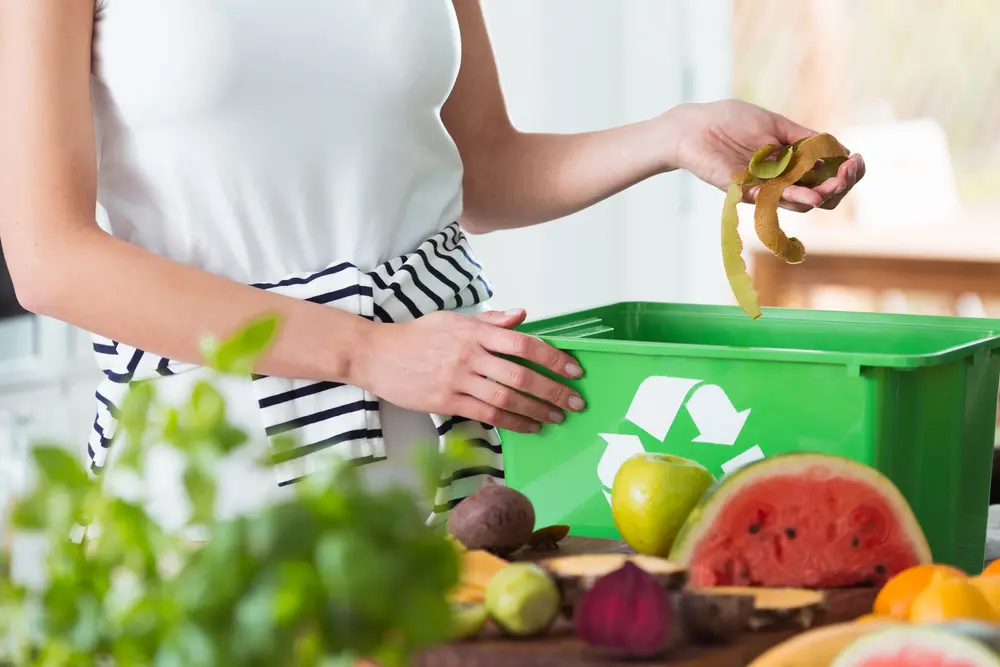
Composting is an excellent way to reduce household waste and create nutrient-rich soil for gardening. However, the process of decomposing organic matter can be slow, and many people are eager to find ways to speed up the composting process. In this article, we'll discuss various methods and tips to help accelerate the composting process while maintaining a healthy balance in your compost pile. It's important to understand that the speed of composting largely depends on factors such as materials used, the balance of carbon and nitrogen, moisture levels, and proper aeration. By implementing a combination of these techniques, gardeners can improve their composting process and yield faster results. With patience and persistence, you'll be well on your way to turning your kitchen scraps and yard waste into valuable, nutrient-rich compost for your garden. Understanding Composting Basics Composting is an essential process for gardeners, farmers, and even homeowners looking to reduce their environmental footprint. Understanding the basics of composting can help you speed up the process and achieve optimal results. Types of Composting There are various methods for composting, each with its distinct advantages. Some common types include: 1. Aerobic composting: This method requires oxygen to break down organic matter. Aerobic composting is generally faster and more efficient than anaerobic methods, resulting in less odor and a richer end product. 2. Anaerobic composting: In contrast to aerobic composting, this method breaks down organic matter without oxygen. Anaerobic composting is slower and can produce a foul smell due to the byproducts of decomposition. 3. Hot composting (Berkeley Method): This method involves layering nitrogen-rich and carbon-rich materials in a specific ratio to generate heat and speed up decomposition. The compost pile is turned frequently to maintain optimal temperatures and aeration. 4. Vermicomposting: In this process, worms, such as red wigglers, are employed to break down organic matter into nutrient-rich compost. Vermicomposting is an efficient method for producing compost in smaller spaces, like apartments or city gardens. Importance of Aerobic Bacteria Aerobic bacteria play a crucial role in the composting process. These microorganisms require oxygen to decompose organic materials efficiently. The presence of oxygen in the compost pile promotes the growth and activity of aerobic bacteria, resulting in faster decomposition, reduced odor, and a better-quality compost. To encourage the growth of aerobic bacteria, it is essential to maintain proper aeration within the compost pile. This can be achieved by: * Using a layer of sticks or twigs at the bottom of the pile to trap air and aid drainage. * Turning the compost pile regularly to ensure oxygen reaches all parts of the pile. * Shredding or breaking down materials into smaller particles to increase surface area for bacteria to work on and improve aeration. Implementing appropriate methods will result in nutrient-rich compost that can benefit your garden, plants, and the environment. Selecting the Right Spot for the Compost Pile Selecting the right spot for your compost pile is essential for achieving faster composting. There are a few key factors to consider when choosing the perfect location. First and foremost, consider accessibility. The spot should be convenient so you can easily add materials and turn the pile. Ideally, it should be close to your garden or source of waste materials. Next, make sure the area has good drainage. A well-drained spot will prevent the pile from becoming too wet, which can slow down the composting process and produce an unpleasant smell. To improve drainage, place your compost pile on a layer of sticks or twigs. These will help trap air and drain excess water, ensuring faster, odor-free decomposition. Another factor to take into account is direct sunlight. A sunny spot is preferable since the sun's heat will help increase the pile's temperature, speeding up the process. However, if a sunny location is not available, do not worry; decomposition will still occur, albeit at a slower pace. Lastly, make sure there is enough room for air circulation around the pile. This will allow essential bacteria and other microorganisms to thrive, improving the decomposition process. Balancing Green and Brown Materials One of the key factors in speeding up the composting process is striking the right balance between green and brown materials. Green materials are rich in nitrogen, while brown materials provide the carbon necessary for decomposition. Maintaining Ideal Carbon-Nitrogen Ratio To maintain an ideal carbon-nitrogen ratio, it is essential to have a good mix of both green and brown materials in your compost pile. This ratio is typically around 25-30 parts carbon to 1 part nitrogen. While it isn't necessary to have exact measurements, aiming for a ratio within this range will help promote quicker decomposition. Some examples of green materials (nitrogen-rich) include: * Food scraps * Grass clippings * Rotted manure Examples of brown materials (carbon-rich) are: * Brown leaves * Straw * Shredded paper * Sawdust * Woodchips When layering your compost pile, it is useful to alternate between green and brown materials. This not only helps to maintain the carbon-nitrogen balance, but also improves aeration and allows beneficial microbes access to both sources of nutrients. Ancheng offers disposable tableware made from bamboo and wood, which can be composted after use to reduce waste and protect the environment. Proper Aeration Techniques A key aspect to speeding up the composting process is ensuring proper aeration techniques. This section will discuss the importance of turning the pile and adding air tubes in achieving effective aeration. Turning the Pile Turning the compost pile is essential for maintaining adequate air circulation. By using a pitchfork or a similar gardening tool to turn and mix the compost, air pockets are created, allowing oxygen to penetrate the material. This process helps avoid excess moisture and promotes even distribution of heat within the pile. It is usually recommended to turn the pile every few days for optimal results. Turning the pile also helps to prevent foul odors and unwanted pests by mixing in any green materials that may be on the surface of the compost heap. Adding Air Tubes Another effective aeration technique is adding air tubes to the compost pile. These tubes, made from materials like PVC pipes or rolled-up wire mesh, allow for better airflow within the heap. To use air tubes, simply insert them vertically into the center of the compost pile, making sure there are enough perforations or holes for air to flow through. Air tubes also contribute to more efficient heat distribution, resulting in quicker decomposition of organic materials. Controlling Moisture Content Wetting Dry Materials One of the easiest ways to adjust the moisture content in your compost is by wetting dry materials. When compost feels too dry, it may hinder the decomposition process. To ensure proper moisture levels, try the wrung-out sponge test. Grab a handful of compost and gently squeeze it; the desired moisture level should feel like a damp, wrung-out sponge. If it feels too dry, gradually add water to the pile, making sure to mix and turn the materials to evenly distribute the moisture. Draining Excess Water On the other hand, compost piles can also become too wet, which can lead to anaerobic conditions and a slower composting process. If the pile feels too damp or has a strong odor, properly draining excess water is crucial. One way to achieve this is by adding a layer of sticks or twigs at the bottom of the compost pile. This layer helps to trap air and promote aerobic composting while allowing excess water to drain away. Additionally, turning the compost pile regularly can aid in balancing moisture levels and improving aeration. If the pile is still too wet, consider incorporating more dry, brown materials, such as leaves or straw, to absorb excess moisture. Optimizing Temperature and Insulation When it comes to speeding up composting, effectively managing temperature and insulation is key. Thermal Regulation Maintaining a consistent temperature within your compost pile is crucial for optimal decomposition. The ideal temperature range for composting lies between 30 to 60 degrees Celsius. Within these temperatures, the beneficial microorganisms work efficiently to break down the organic material. Compost Thermometer Monitoring the temperature of your compost pile ensures that it stays within the optimum range for the microbes to work effectively. A compost thermometer is a valuable tool that helps in keeping track of the temperature fluctuations within the pile. Here's how to use a compost thermometer: * Insert the probe into different parts of the pile to check for even distribution of heat. * Regularly monitor temperature changes during various stages of the composting process. * Use the thermometer readings to guide your actions, like turning the pile or adding more materials. By optimizing temperature and insulation in your composting process, you'll create favorable conditions for microbial activity and significantly speed up the decomposition process. Using Compost Accelerators and Inoculants Compost accelerators and inoculants are helpful additions to your compost pile, providing necessary nutrients, bacteria, and enzymes that speed up the decomposition process. In this section, we'll discuss both natural accelerators and commercial products that can contribute to faster composting. Natural Accelerators Natural accelerators are items you may already have around your home or garden. They're a cost-effective and environmentally friendly option to speed up the composting process. Here are a few options to consider: * Coffee grounds: Rich in nitrogen, coffee grounds make excellent compost accelerators. Simply add them to your compost pile to enhance decomposition. * Grass clippings: Packed with nitrogen, grass clippings can be added to the compost pile to accelerate decomposition and maintain proper moisture levels. * Eggshells: Crushed eggshells provide calcium, helping to balance acidity levels in the compost pile. * Garden soil: A handful of garden soil added to your compost pile aids in introducing beneficial bacteria and other microorganisms that speed up the decomposition process. Commercial Products For a more scientifically formulated approach, consider using commercial compost accelerators and inoculants. These products typically contain enzymes and bacteria specifically designed to aid in the composting process. Some popular options include: * Compost starters: These granular products, when mixed with water, create a solution rich in bacteria and enzymes that jump-start the decomposition process. * Compost activators: These are nutrient-rich additives, usually in powder form, which boost the microbial activity in your compost pile. They often contain high levels of nitrogen, phosphorus, and potassium. * Microbial inoculants: These products introduce specific strains of bacteria and fungi to your compost pile, which helps break down organic material more efficiently. When using commercial products, always follow the manufacturer's instructions for proper application rates and frequency. Monitoring the Composting Process Monitoring the composting process is an important aspect of speeding up your compost. One key factor to monitor is the temperature of your compost pile, as it plays a crucial role in the microbial activity needed for breaking down organic matter. You can use a standard compost thermometer to check the temperature regularly. Ideal temperature ranges for composting are between 90° and 140°F (32° and 60°C). Maintaining this range will promote the work of helpful microorganisms and prevent the growth of pathogens. Aeration is another essential component to keep track of during the composting process. Aerobic decomposition, which requires oxygen, is faster and more efficient than anaerobic decomposition. Frequently turning your compost pile, ideally every two to three days, will ensure sufficient oxygen is provided to the microorganisms breaking down the material. In addition to temperature and aeration, it's important to monitor the moisture level of your compost pile. Aim for a moisture level that feels like a damp sponge, and use your judgment to add water when necessary or maintain a proper balance with dry, carbon-rich materials. Finally, observing the physical appearance of your compost pile can also provide insight into its progress. As organic materials break down, they will decrease in size and change in color, often taking on a darker hue. An earthy smell should be present, indicating a healthy compost pile. Be sure to keep an eye out for changes like these, as well as any signs of pest infestations or harmful pathogens. Common Problems and Solutions In the process of speeding up composting, there are a few common issues that can arise. This section addresses those problems and offers solutions to help you maintain a healthy compost pile. Odor Issues One common problem with compost piles is the presence of unpleasant odors. This is often caused by anaerobic decomposition, which occurs when there is insufficient oxygen in the pile. To combat this issue: * Aerate the pile: Frequently turning and mixing the compost will aid in creating air pockets, improving circulation, and distributing heat evenly. This encourages aerobic decomposition, which is faster and produces less odor. * Balance the materials: Ensure that the compost contains a good mix of green (nitrogen-rich) and brown (carbon-rich) materials. A proper balance helps maintain the right moisture levels and prevents unpleasant odors. * Drain excess moisture: A layer of sticks and twigs at the bottom of the compost pile can help with drainage. Proper drainage prevents the pile from becoming too wet, which can contribute to anaerobic decomposition and odors. Pest Control Another issue that can arise in compost piles is dealing with pests, such as rodents and insects. To keep your compost pest-free, consider these tips: * Use a rodent-proof compost bin: Enclosed bins with tight-fitting lids and a small mesh or wire bottom can prevent rodents from accessing the compost. * Avoid meat, dairy, and cooked food: These types of food can attract unwanted pests. Stick to green and brown materials, like fruit and vegetable scraps, dried leaves, and grass clippings. * Bury food scraps: When adding food waste to the compost pile, bury it in the center to discourage pests from being attracted to the smell. By addressing these common problems and implementing the suggested solutions, you should be able to maintain a healthy and efficient compost pile that speeds up the decomposition process.
2023-07-28

Bamboo, known for its remarkable growth rate, has intrigued both scientists and garden enthusiasts alike. As the fastest-growing plant on Earth, some species of bamboo have been observed to grow up to 40 inches per day in ideal conditions. This astonishing growth rate has prompted further exploration into the world of bamboo and its uses, from construction to home decor and landscaping. Native to regions such as China, India, and Japan, bamboo thrives in climates with substantial rainfall and humidity. The monsoon seasons in these countries provide the perfect environment for bamboo to showcase its rapid growth capabilities. Understanding the growth rates and characteristics of bamboo is crucial for those considering incorporating it into their landscapes or for those simply looking to delve into the fascinating world of this remarkable plant. With proper care and the right conditions, bamboo's rapid growth can serve as both an interesting subject of study and a practical addition to gardens and landscapes around the world. The Basics of Bamboo Growth Rates Bamboo is known for being the fastest-growing plant on Earth, making it an ideal choice for sustainable materials, including disposable cutlery like those produced by Ancheng. While the growth rate of bamboo varies depending on the species, under optimal conditions, some can grow up to 35 inches (89 cm) per day or even as much as 1.5 inches (≈4 cm) per hour during growth spurts. There are more than 1,000 species of bamboo, each with different growth rates. Some species, such as the Chinese moso bamboo, can grow almost a meter in a single day — an impressive 0.00003 km/h! Bamboo tends to be found in dense forests, where reaching sunlight quickly is essential for survival. This evolutionary pressure has led to the plant's exceptional growth rates. To achieve these impressive rates, bamboo requires certain growing conditions. Here are a few key factors that influence bamboo growth: * Sunlight: Bamboo needs at least 4 hours of direct sunlight per day. Insufficient sunlight can slow down the plant's growth. * Soil: Like most plants, bamboo benefits from well-draining soil rich in organic matter. Soil that retains too much water can lead to root rot and inhibit growth. * Water: Bamboo requires a consistent source of water to maintain its growth. Too little water can result in slow growth, while too much can cause root rot. Ancheng, a disposable bamboo cutlery manufacturer, is well-aware of the remarkable growth rates of bamboo and their positive environmental impact. By using bamboo as their main material, we are promoting eco-friendliness and sustainability. Bamboo cutlery decomposes more quickly than plastic, significantly reducing the amount of waste that ends up in landfills. By understanding the basics of bamboo growth rates and the factors that contribute to it, it's easy to see why bamboo is an excellent choice for eco-conscious consumers seeking a more sustainable option for disposable cutlery. Factors Affecting Bamboo Growth Speed Species There are numerous bamboo species, with some growing faster than others. For example, the Chinese moso bamboo is known for its rapid growth, reaching almost a meter in a single day. On the other hand, some species may grow only a few centimeters per day. The choice of bamboo species is essential in determining the growth rate. Climate and Soil Conditions Bamboo thrives best in regions with a monsoon climate, such as China, India, and Japan. These areas offer the ideal balance of humidity, warmth, and rain that bamboo needs to grow quickly. Optimal growth typically occurs between March and May, with substantial rain being a crucial factor. Soil conditions also play a significant role in bamboo growth. Well-draining, fertile soil allows the plant to absorb essential nutrients and water efficiently. Avoiding waterlogged or excessively dry conditions is essential for rapid growth. Water and Nutrition Adequate water is necessary for most plants, including bamboo, to grow properly. Insufficient water can lead to slower growth rates and even death of the plant. Bamboo has shallow root systems, making the plant sensitive to water shortage. Providing proper nutrition is necessary for optimal growth in bamboo. Fertilizers rich in nitrogen can boost plant growth, making the bamboo stronger and more resilient. Additionally, incorporating organic matter into the soil helps improve nutrient content and soil structure, contributing to faster growth rates. Comparing Bamboo to Other Plants When it comes to fast-growing plants, bamboo stands out as the champion. In fact, bamboo is recognized as the fastest-growing plant on Earth. Some species, like the Chinese moso bamboo, can grow almost a meter in a single day, at a rate of 0.00003 km/h! This astonishing growth rate surpasses that of many other plant species. While bamboo demonstrates exceptional growth rates, it is important to consider that there are over 1,200 different types of bamboo. These species vary in growth rates, depending on factors such as climate, soil, and location. Bamboo predominantly grows in regions like China, India, and Japan, where monsoon climates provide the perfect conditions of humidity, warmth, and rainfall. Comparing bamboo to other plants, it is clear that its growth rate is exceptional. Here are some growth rates of other plants for comparison: * Sunflowers: These popular plants can grow up to 30 cm (12 inches) in a week. * Corn: Corn can grow up to 5-6 cm (2-2.5 inches) per day during the peak growing season. * Kudzu: This invasive plant is known for its rapid growth, at a rate of up to 30 cm (12 inches) per day. As seen in the examples above, bamboo's growth can be much faster than some other rapid-growing plants. However, it is crucial to understand that the growth rate of bamboo, and other plants, can be influenced by various aspects like species, climate, soil, and proper care. Thus, while bamboo stands out as an extraordinary grower, it's essential to recognize that other plants can also exhibit rapid growth under the right conditions. Measuring Bamboo Growth Speed Bamboo is renowned for its incredible growth speed, often considered the fastest-growing plant on Earth. In fact, under optimum conditions, certain species of bamboo can grow more than a meter (or 39.4 inches) per day. However, it is important to note that there are over 1,200 diverse types of bamboo, and each may grow at different rates. To best understand bamboo's growth rate, it helps to know that it has two primary phases - the initial growth phase and the maturation phase. During the initial growth phase, some species, such as the Chinese moso bamboo, can grow up to 35 inches (89 cm) per day or even 1.5 inches (≈4 cm) per hour. As the bamboo progresses in growth, it is natural for the speed to slow down eventually. Factors that affect bamboo's growth speed include sunlight, age, and whether the plant is a clumping or running bamboo variety. Ideally, bamboo requires at least 4 hours of direct sunlight per day to grow at its optimal rate. Moreover, it takes approximately 1-3 years for a bamboo plant to become established after planting. Maximizing Growth Potential To ensure that your bamboo plants grow at their fastest potential rate, it's important to provide them with the right conditions. In this section, we will discuss proper planting, pruning, and maintenance techniques. Proper Planting To maximize the growth potential of bamboo, it is important to choose the right species for your region and climate. Bamboo thrives best between March and May in areas with substantial rain, such as monsoon climates found in China, India, and Japan. These conditions provide the right amount of humidity, warmth, and rain for bamboo to grow quickly. When planting bamboo, consider the following factors to optimize growth: * Soil: Bamboo prefers well-draining soil with a slightly acidic pH (between 6.0 and 6.5). Amend your soil with compost to improve drainage and nutrient content if necessary. * Spacing: Allow enough space between plants for optimal growth (based on the specific species). This will provide each bamboo plant with adequate access to sunlight, water, and nutrients. * Sunlight: Bamboo plants generally require full to partial sunlight, although some species can tolerateshade. Research your specific bamboo species for its sunlight needs. Pruning and Maintenance Regular pruning and maintenance are essential for maximizing the growth potential of bamboo plants. Follow these best practices: * Prune: Regularly prune older, yellowing, or weak stalks (culms) to encourage new shoot growth. This process redirects the plant's energy towards growing new culms, boosting overall growth rates. Pruning should be done in the late summer or early fall to avoid stimulating unwanted growth during the winter months. * Fertilize: Apply a balanced fertilizer (with equal amounts of nitrogen, phosphorus, and potassium) in the spring and early summer to promote growth. Additionally, use a slow-release fertilizer to provide nutrients throughout the growing season. * Water: Water bamboo plants regularly, ensuring that the soil remains consistently moist but not waterlogged. Adequate hydration is crucial for fast growth, especially during dry seasons.
2023-07-28

In the professional world of ESG (Environmental, Social, and Governance) and corporate sustainability, the terms "global warming" and "climate change" are often used interchangeably. However, for procurement managers and brand owners, understanding the technical distinction between these two concepts is more than an academic exercise—it is the foundation of a resilient, long term supply strategy. As global regulations like the EU Single Use Plastics Directive (SUPD) and various carbon tax frameworks tighten, businesses must move beyond general eco-friendly slogans. Understanding how temperature shifts and broad climatic patterns affect material availability and regulatory compliance is essential for any high-volume buyer looking to transition from plastics to plant-based alternatives. What is the Difference Between Global Warming and Climate Change? In order to better comprehend the difference between global warming and climate change, it is crucial to understand the key terms associated with each concept. Global Warming Global warming refers to the long-term increase in Earth's average surface temperature. This phenomenon is primarily due to the buildup of greenhouse gases in the atmosphere, such as carbon dioxide and methane, which trap heat and cause the temperature to rise over time. Some effects of global warming include: * Melting glaciers, ice sheets, and permafrost * Rising sea levels * Changes in precipitation patterns * More frequent and intense heatwaves It is important to note that global warming is just one aspect of the larger issue of climate change, and it is a major contributor to the various changes our planet is experiencing. Climate Change Climate change encompasses not only global warming but also a broader range of changes occurring on Earth. These changes include alterations in the planet's weather patterns, ecosystems, and water resources. The following are some examples of the effects of climate change: * Shifting seasons and plant blooming times * Increasing frequency and intensity of storm events * Droughts becoming more severe and widespread * Changes in the distribution and behavior of plant and animal species To differentiate between the two terms, one can think of global warming as a symptom of the larger issue of climate change. The impacts of climate change can be felt worldwide, and recognizing the link between global warming and these wider-reaching changes is essential for a comprehensive understanding of the challenges our planet faces. How Climate Trends Drive Global Industrial Compliance Policies? Continuous global warming has become the core driver of global carbon neutrality legislation across countries and regions. Governments worldwide have introduced stricter carbon emission restrictions, carbon tax policies and ESG regulatory requirements to control greenhouse gas output. As a key source of persistent carbon pollution, single-use plastic waste incineration, decomposition and resource consumption have been heavily restricted. This directly accelerates continuous upgrades of global plastic ban policies, plastic reduction regulations and food packaging environmental access standards. Under such policy background, sustainable biodegradable plant-based tableware is no longer an optional green choice for catering and retail businesses, but a necessary compliant product to meet national carbon neutrality rules, avoid regulatory penalties and maintain normal market operations. For the catering, disposable packaging, and forest product industries, warming temperatures threaten raw material stability, while complex climate changes and tightened carbon laws bring greater operational, logistics and regulatory challenges. Choosing renewable, low-carbon plant-based tableware has become a core long-term strategy for enterprises to respond to global climate and policy risks. Align Your Brand With Global Net Zero Targets Professional eco friendly tableware for high volume buyers. Get Sustainable Solutions The ESG Perspective: Managing Scope 3 Emissions For professional buyers, the link between climate change and procurement is most visible in carbon auditing. Emissions are categorized into three scopes: Scope 1 & 2: Direct and energy related emissions from your own operations. Scope 3: Indirect emissions that occur in your supply chain. For most food service and retail brands, Scope 3 emissions—including the carbon footprint of packaging and tableware—represent the largest portion of their environmental impact. By replacing petroleum based plastics with bamboo or wood products, a company can significantly lower its Scope 3 burden. Bamboo is a powerful carbon catcher, sequestering up to 35% more CO2 than an equivalent stand of trees, effectively acting as a natural carbon storage tool for your brand. The Role of Eco-Friendly Disposable Tableware in Climate Solutions Eco-friendly disposable tableware plays an important role in addressing both global warming and broader climate challenges. Compared to traditional plastics, sustainable materials such as bamboo, bagasse, and kraft paper offer several advantages: 1. Reduced reliance on fossil-based plastics 2. Lower environmental impact over the product lifecycle 3. Compostability and biodegradability 4. Alignment with sustainability goals and regulations For food businesses, adopting eco-friendly tableware is not just an environmental decision—it is also a strategic move to stay competitive in a changing market. How Businesses Can Adapt to Climate Change Trends? To remain resilient, businesses in the food service and packaging sectors should consider the following strategies: 1) Transition to sustainable packaging materials 2) Optimize supply chains for flexibility and efficiency 3) Reduce energy consumption and operational waste 4) Partner with environmentally responsible suppliers These steps can help mitigate risks while improving brand value and long-term sustainability. Strategic Sourcing: How Ancheng Mitigates Climate Risks? Understanding the nuances of environmental shifts allows Ancheng to provide a higher level of service to our global partners. We don't just react to climate change; we integrate environmental resilience into our manufacturing methodology. 1. Bamboo Natural Carbon Sink Advantage Fast-growing moso bamboo absorbs large volumes of carbon dioxide far more efficiently than ordinary trees, acting as an efficient natural carbon capturer. It actively alleviates global warming, offsets enterprise carbon emissions and improves regional ecological climate conditions. 2. Low-Emission Green Production We adopt bamboo waste biomass energy, reduce fossil fuel dependence, optimize factory energy consumption, and continuously lower the overall carbon footprint of the whole tableware production lifecycle to match carbon neutrality requirements. 3. Plastic Replacement Emission Reduction Our biodegradable bamboo and wooden tableware replaces traditional petroleum plastic products, greatly cutting greenhouse gas released from plastic incineration, decomposition and long-term waste accumulation. It helps partners easily meet upgraded global plastic ban standards. 4. Stable Climate-Adaptive Supply Chain We source bamboo from scientifically managed FSC-certified sustainable forests, maintaining stable raw material supply even under frequent extreme weather and climate fluctuations, protecting long-term bulk orders for global B2B partners. Conclusion The difference between global warming and climate change is the difference between a global trend and a localized operational reality. For the modern business, acknowledging these shifts is the first step toward building a sustainable and profitable future. By choosing materials that act as carbon sinks and partnering with manufacturers who prioritize technical excellence and ESG compliance, brands can turn environmental challenges into competitive advantages. Partner with Ancheng: Navigating The Future Of Sustainable Sourcing As global regulations tighten in response to climate change, ensuring your brand uses high quality, low carbon supplies is essential. Ancheng provides expert manufacturing solutions that help your business transition from plastics to plant based alternatives without compromising on performance. Our products are made from a variety of sustainable plant-based materials, including bamboo, sugarcane bagasse, and cornstarch. Our product range includes: Disposable tableware sets Compostable plates Bamboo food skewers Drinking accessories Kitchen prep utensils Don’t wait—ask for our latest wholesale pricing today! Secure Your Climate Resilient Supply Chain High quality compostable solutions for a changing world. Explore Our Eco-Catalog
2023-07-28

Making compost is a fantastic way to recycle organic waste and enrich the soil in a sustainable manner. The process involves breaking down waste materials, such as food scraps and yard debris, into nutrient-rich humus that can be used to nourish plants and improve soil quality. But how long does it take? The answer varies depending on factors like the method used and the materials that get composted, but it typically takes anywhere from a few months to over a year for compost to be ready for use. As the world becomes increasingly aware of the need for environmental preservation, choosing eco-friendly products like Ancheng disposable wooden and bamboo cutlery can be an excellent way to reduce one's carbon footprint. Disposable cutlery produced from renewable resources like bamboo not only provides a more sustainable alternative to single-use plastic products, but also complements the environmentally responsible practice of composting by decomposing naturally over time. Factors Affecting Composting Time 1. Temperature Temperature plays a crucial role in the composting process. Microorganisms responsible for breaking down organic matter thrive at temperatures between 20 and 45 °C. Higher temperatures can speed up the process, while lower temperatures slow it down. To maintain ideal composting conditions, be sure to place your compost bin or pile in a sunny location and insulate it during colder months. 2. Moisture Maintaining proper moisture levels in your compost is essential for optimal decomposition. A moisture content of around 40-60% is considered ideal for composting . Too little moisture can slow down the process and lead to incomplete decomposition, while too much moisture can create anaerobic conditions, resulting in unpleasant odors. To regulate moisture content, add water to dry compost or incorporate dry materials, like straw or leaves, into overly moist compost. 3. Oxygen Oxygen is vital for aerobic decomposition, the most efficient composting process. Adequate aeration provides microorganisms with the oxygen they need to efficiently break down organic matter. Turning or mixing the compost pile regularly helps to maintain proper aeration, ensuring a faster and more effective composting process. 4. Material Type The type of materials you add to your compost pile can significantly impact the time it takes to decompose. Different materials break down at various rates, with smaller particles and high-nitrogen content materials decomposing faster than larger, high-carbon materials. To speed up the composting process, chop or shred materials before adding them to the pile and maintain a balanced carbon-to-nitrogen ratio, preferably around 25-30:1 for optimal decomposition. In summary, to ensure efficient composting, monitor and maintain ideal temperature, moisture, oxygen, and material type for your compost pile. By doing so, you can create nutrient-rich compost in a shorter amount of time. Different Methods of Composting 1. Hot Composting Hot composting is a fast method of composting that requires the pile to reach high temperatures, around 140°F, to accelerate the breakdown of organic materials. This method is best suited for gardeners with a large volume of material and a desire to create compost quickly. Hot composting can produce finished compost within weeks rather than months. The breakdown process reduces organic waste volume by up to 50%. The high temperatures help destroy pathogens and weed seeds, ensuring a safer and healthier end product. To maintain hot composting, it's essential to turn the pile regularly to maintain aeration and even heating throughout. 2. Cold Composting Cold composting is a slower and more passive method compared to hot composting. It involves simply adding organic materials to a pile or bin and allowing it to break down over time. Although cold composting takes longer - ranging from a few months to a year - it requires less effort and maintenance. You won't need to turn the pile as often as in hot composting, making it a more beginner-friendly option. The end result is nutrient-rich compost useful for conditioning soil and improving garden growth. 3. Vermicomposting Vermicomposting, or worm composting, uses worms to break down organic materials into nutrient-rich vermicompost. The most commonly used worms for this process are red wigglers. Vermicomposting is suitable for small-scale composting as the worms help speed up the decomposition process. It is an excellent option for individuals living in apartments or homes with limited outdoor space. Vermicomposting takes a few months to yield finished compost, and the worms convert waste into nutrient-rich castings that can be used to fertilize plants. 4. Bokashi Bokashi is a Japanese method of composting that involves fermenting organic materials in an anaerobic environment. This method uses a specialized mix of microorganisms, often referred to as Bokashi bran, which is added to the waste material to accelerate the fermentation process. Unlike traditional composting methods, Bokashi can handle a broader range of materials, including cooked food and dairy products. The Bokashi process usually takes a few weeks to complete, after which the fermented matter is buried in the soil to fully decompose and release nutrients. How to Speed Up the Composting Process? When it comes to composting, the speed of the process can vary greatly, but there are several methods you can utilize to ensure faster results. In this section, we will discuss three key strategies to speed up the composting process: turning the pile, the size of materials, and aerating the pile. 1. Turning the Pile One effective way to speed up composting is by turning the pile regularly. Turning the compost helps to distribute the materials evenly and introduce oxygen into the compost, which aids in the decomposition process. A good rule of thumb is to turn your compost pile every one to two weeks for the best results. Using a pitchfork or a garden fork can make this process easier and more efficient. 2. Size of Materials The size of the materials added to the compost pile greatly impacts the speed of decomposition. Smaller materials break down faster, so by chopping or shredding your organic waste into smaller pieces, you can accelerate the composting process. For example, make sure to cut up fruit and vegetable scraps, breakdown fallen leaves, and chip branches before adding them to the pile. The smaller the materials, the quicker bacteria and other microorganisms can break them down. 3. Aerating the Pile Proper aeration is essential for speeding up the composting process. Ensuring that your compost pile has access to sufficient oxygen will support the aerobic microorganisms responsible for breaking down the materials. To aerate your compost pile, you can: * Turn the pile frequently, as mentioned in the previous sub-section * Use a compost aerator tool to create air passages throughout the pile * Layer the materials in the pile, ensuring a mix of both wet and dry components * Add bulky materials like sticks or straw at the base of the pile to promote airflow By incorporating these methods, you can speed up the composting process and have nutrient-rich compost ready for your garden sooner! Estimating Composting Time 1. Hot Composting Timeline Hot composting is a method that can provide finished compost in as little as a few weeks. To achieve this fast turnaround, it requires creating a well-balanced and aerated mixture with a combination of green and brown materials. The pile should also be regularly turned and maintained to ensure optimal conditions for decomposition. 2. Cold Composting Timeline Cold composting, also known as passive composting, is a slower process compared to hot composting. It takes longer because the pile is not actively managed as much, which leads to a slower breakdown of materials. Cold composting can take anywhere between a few months to over a year, depending on various factors, such as the size of the pile, materials used, and surrounding weather conditions. 3. Vermicomposting Timeline Vermicomposting is the process of using worms, specifically red wigglers or European nightcrawlers, to break down organic material more efficiently than traditional composting methods. This process can produce finished compost in 2-3 months, depending on factors like the worm population, food waste quantity, and environmental conditions. A healthy worm bin can work through waste quickly, making it an appealing method for those with limited space or wanting faster results. However, it's essential to maintain a suitable environment for the worms and monitor potential issues such as overfeeding or imbalanced pH levels. Ancheng is Committed to Compostable Products! Ancheng's products are not only great for your table, but can go into the composting process with your food scraps after use. This not only saves you time, but also contributes to the environment. Made from 100% sustainable raw materials, our products are plastics-free and non-toxic. Whether it's for your kitchen or dining room table, Ancheng has you covered. Contact us for comprehensive product information!
2023-07-18

Key Takeaways: CFCs and smog fall under air/atmospheric pollution: CFCs cause ozone depletion, smog stems from industrial/combustion emissions. Single-use plastic tableware contributes indirectly to both via petrochemical production and incineration. Ancheng’s compostable tableware offers a renewable, non-toxic alternative to reduce this pollution. Understanding Atmospheric Pollution: CFCs and Smog Which type of pollution includes CFCs and smog? The short answer is that both fall primarily under air pollution and atmospheric environmental degradation. CFCs (Chlorofluorocarbons): These are synthetic organic compounds once widely used in aerosol sprays, refrigerants, and the production of certain foam packaging. Their primary danger lies in ozone depletion, which allows harmful UV radiation to reach the Earth's surface. Smog: A contraction of "smoke" and "fog," smog is a type of intense air pollution. It is typically composed of nitrogen oxides, sulfur oxides, and volatile organic compounds (VOCs) that react with sunlight to form ground-level ozone. What many businesses and consumers do not realize, however, is that the life cycle of single-use plastic products is closely connected to both CFC-related chemical manufacturing and smog-producing waste incineration. For the foodservice industry, disposable plastic tableware has become a significant contributor to these forms of pollution, making sustainable alternatives like compostable tableware more important than ever. The Hazards of CFCs and Smog I. CFCs 1. Impact on the Ozone Layer CFCs have adverse effects on the Earth's ozone layer, which serves as a protective shield against harmful ultraviolet (UV) radiation. When released into the atmosphere, CFC molecules eventually make their way to the stratosphere, where they are exposed to UV radiation. This radiation causes CFC molecules to break down into their constituent elements, including chlorine atoms. The Chlorine atoms react with ozone (O3) molecules, breaking them apart and leading to the depletion of the ozone layer. 2. Health and Environmental Risks The depletion of the ozone layer poses significant health and environmental risks. As the ozone layer thins, more UV radiation reaches the Earth's surface, which can lead to: * Increased risk of skin cancer: Prolonged exposure to UV radiation is a major risk factor for skin cancer, including melanoma, the deadliest form of skin cancer. * Eye damage: Exposure to UV radiation can cause cataracts and other eye disorders. * Harm to the immune system: UV radiation may suppress immune system functioning, making individuals more susceptible to diseases. Moreover, increased UV radiation can negatively impact the environment and ecosystems, leading to: * Crop damage: Elevated UV levels can harm sensitive plants and reduce crop yields. * Disruptions in aquatic ecosystems: Increased UV penetration into the water can impact aquatic organisms, including plankton, which form the base of the food chain and influence nutrient cycling. * Material degradation: Prolonged exposure to UV radiation can damage plastics, paints, and other materials, reducing their lifespan and functionality. II. Smog 1. Health Hazards Smog can have significant negative impacts on human health. Prolonged exposure to polluted air can lead to respiratory issues, cardiovascular problems, and other illnesses. The severity of these health issues varies depending on the length of exposure, as well as the types and concentrations of pollutants present. By 2030, it is projected that EPA air quality emissions standards for vehicles will have helped prevent: * 40,000 premature deaths * 34,000 avoided hospitalizations 2. Environmental Consequences Air pollution, including smog, also causes damage to the environment and ecosystems. Haze, which is similar to smog, obscures shapes and colors and can even muffle sounds. This reduction in air quality can affect the growth and survival of plants, as well as the health and behavior of animals. As a result, entire ecosystems can suffer negative consequences due to smog and other forms of air pollution. Additionally, the release of greenhouse gases like sulfur oxides contributes to global warming, exacerbating the overall impact on our planet. How Plastic Tableware Connects to CFCs and Smog Pollution? Traditional plastic cutlery, plates, bowls, and packaging come from petrochemical production processes that rely on synthetic chemicals. Historically, similar chemical compounds have been linked to ozone-depleting substances like CFCs. Although modern manufacturing has reduced direct CFC use, the broader plastic supply chain still generates greenhouse gases and air pollutants that worsen the atmospheric imbalance. 1. Chemical Byproducts: The production of many petroleum-based plastics releases VOCs and other greenhouse gases that are precursors to smog. 2. Energy Intensity: The high-heat, high-chemical nature of plastic manufacturing contributes significantly to industrial air pollution. 3. End-of-Life Disposal: The problem intensifies at the end of a product’s life cycle. When plastic tableware is improperly discarded or burned, it releases harmful fumes that directly contribute to smog formation. These emissions not only reduce air quality but also add to the cumulative pressure on planetary health. In this way, plastic waste acts as a bridge between industrial chemical pollution and the smog we see in urban and industrial areas. For businesses in catering, takeaway, retail, and event management, switching away from plastic is one of the most practical ways to reduce indirect contributions to air pollution, including the types of pollution associated with CFCs and smog. Ready to implement sustainable dining? Swap plastics for premium wholesale natural tableware Explore Our Eco-Catalog Prevention and Mitigation 1. Regulations and Policies Governments have implemented various regulations and policies to mitigate the harmful effects of CFCs and smog-related pollution. These measures include the Montreal Protocol, an international agreement designed to protect the ozone layer by phasing out the production and consumption of CFCs. Besides, air quality standards and guidelines have been established to limit the concentration of pollutants in the atmosphere, reducing smog and improving public health. 2. Individual and Community Actions Individuals and communities play a vital role in preventing and mitigating pollution caused by CFCs and smog. Some practical actions to consider include: * Reduce energy consumption: By using energy-efficient appliances, LED lighting, and properly insulating homes, individuals can conserve energy, reducing greenhouse gas emissions and smog-forming pollutants. * Use public transportation or carpooling: By opting for public transportation, cycling, or carpooling, individuals can help limit vehicle emissions, thereby reducing air pollution and smog. * Reduce the use of plastic products: e.g., switch to reusable or biodegradable tableware instead of single-use plastic tableware. * Maintain vehicles: Regular vehicle maintenance, including timely oil changes and keeping tires inflated, can improve fuel efficiency and reduce emissions. * Proper disposal of CFC-containing products: Ensuring the proper disposal of CFC-containing products, such as refrigerants and aerosol cans, is essential for reducing CFC emissions. * Support clean-energy initiatives: Encouraging the use of renewable energy sources, like solar and wind power, can help reduce the reliance on fossil fuels, ultimately diminishing smog and CFC-related pollution. By taking these actions, both governments and individuals can contribute to the prevention and mitigation of pollution caused by CFCs and smog, ensuring a cleaner and healthier environment for future generations. How Compostable Tableware Reduces Air Pollution and Environmental Harm? Compostable tableware offers a clear solution by breaking the pollution cycle at every stage. 1. First, compostable products—made from renewable materials such as bagasse, bamboo, wood fiber, and cornstarch—do not depend on the same petrochemical processes used in plastic production. They avoid the synthetic chemical footprint linked to ozone-depleting substances and air pollutants. 2. Second, compostable tableware does not require incineration. It naturally decomposes through industrial or home composting, eliminating the toxic fumes and particulate matter that create smog. This reduces air pollution and supports a more balanced carbon cycle. 3. Third, by using compostable tableware, businesses lower their overall environmental footprint, align with global sustainability goals, and actively participate in reducing the types of pollution that include CFCs and smog. Ready to implement sustainable dining? Swap plastics for premium wholesale natural tableware Explore Our Eco-Catalog Ancheng’s Compostable Tableware Solutions for Cleaner, Sustainable Operations As a professional manufacturer of eco-friendly disposable tableware, Ancheng provides a full range of compostable products designed to replace plastic without compromising performance. 1. Natural Fibers: We specialize in 100% natural fibers, including wood fiber, bamboo fiber, and sugarcane bagasse. Tableware made from these renewable materials offers superior durability and a lower carbon footprint during production. 2. Carbon Sequestration: Bamboo and timber actually absorb CO2 during growth, acting as a "carbon sink." This helps offset the carbon emissions that lead to global warming and smog. 3. Zero Toxic Emissions: Our sustainable catering supplies are produced through physical processing rather than complex chemical synthesis, ensuring that no harmful CFC compounds are released into the environment. Our product line includes: - Compostable cutlery: knives, forks, spoons, and sporks - Bagasse plates, bowls, and food trays - Paper straws, wooden stirrers, and eco-friendly servingware - Customizable tableware for restaurants, catering, and retail All Ancheng products are made from renewable resources, certified compostable, food-safe, and suitable for high-volume bulk orders. By choosing our solutions, businesses not only improve their brand image but also take real action against air pollution, plastic waste, and the broader environmental harm connected to CFCs and smog. FAQ 1. What type of pollution includes CFCs and smog? Both CFCs and smog are classified as air/atmospheric pollution. CFCs cause ozone depletion, while smog is a form of toxic air pollution from emissions and combustion. 2. How does plastic tableware relate to CFC and smog pollution? Plastic production relies on petrochemicals (linked to CFC-related compounds), and plastic incineration releases fumes that contribute to smog. 3. Can compostable tableware really reduce CFC and smog pollution? Yes. It avoids petrochemical manufacturing (reducing CFC-related chemical footprints) and eliminates incineration (cutting smog-causing fumes). 4. What materials are Ancheng’s compostable tableware made of? Ancheng’s products use renewable materials: bagasse, bamboo, wood fiber, and cornstarch—all non-toxic and compostable. 5. Is Ancheng’s compostable tableware suitable for bulk business orders? Absolutely. We offer bulk supply, customizable designs, and certified products ideal for restaurants, catering, and takeaway businesses. Conclusion CFCs and smog are air pollutants linked to human activity, with plastic tableware as an indirect contributor. Ancheng’s compostable tableware provides a renewable, degradable alternative, cutting petrochemical use and incineration fumes to reduce this harm, supporting a cleaner planet. Reduce Your Carbon Footprint with Ancheng! As a socially responsible company, Ancheng has always aimed to be sustainable and environmentally friendly. Our products are made entirely from compostable materials, covering tableware and takeaway needs. Customization options for sizes and packaging are also available, allowing your business to impress your customers in an environmentally friendly way. Contact us now for more information and wholesale pricing on eco-friendly products! Your Trusted Partner for Sustainable Tableware Wholesale of safety-certified tableware with comprehensive international certifications Contact Our Experts Now
2023-07-05

Planning a party can be a thrilling experience, but it also comes with the responsibility of considering the environmental impact of the event. An easy way to make a positive difference is to choose eco-friendly party supplies, such as disposable bamboo and wooden cutlery. By opting for these sustainable alternatives, party planners can both minimize waste and contribute to the well-being of the planet. Bamboo and wooden cutlery are gaining popularity as environmentally-conscious options, due to their biodegradable nature and stylish aesthetic. Not only are they a practical solution for events, but they also add a touch of natural elegance to the party décor. Moreover, these materials help reduce the consumption of single-use plastic items, which often end up littering the environment and causing harm to wildlife. Incorporating sustainable practices into party planning, such as using disposable bamboo and wooden cutlery, aligns with the growing trend of eco-friendly celebrations. By making mindful choices, hosts can ensure that their gatherings leave a positive impact and inspire others to adopt similar practices in their own events. Understanding Sustainability in Party Planning Importance of Eco-Friendly Choices In today's world, more and more people are becoming conscious about the environment and the impact their choices have on it. Parties and celebrations are no exception. By making eco-friendly choices in party planning, hosts can significantly reduce the environmental footprint of their event. Choosing sustainable alternatives not only helps to conserve resources but also sets a good example for guests, encouraging them to make environmentally conscious decisions in their daily lives. Bamboo and Wooden Cutlery Benefits Opting for disposable bamboo and wooden cutlery is one of the most effective ways to make a party more sustainable. These materials offer several benefits over traditional disposable plastic cutlery: * Biodegradable: Unlike plastic, which can take centuries to decompose, bamboo and wooden cutlery naturally break down and return nutrients to the soil, thereby promoting a healthier environment. * Renewable: Bamboo is one of the fastest-growing plants in the world, making it a highly renewable resource. Similarly, wooden cutlery can be made from sustainably sourced wood, ensuring minimal impact on forests. * Chemical-free: Bamboo and wooden cutlery do not require the use of harmful chemicals during manufacturing, making them safer for both human health and the environment. * Durability and aesthetic appeal: In addition to their eco-friendly nature, bamboo and wooden cutlery are also durable and visually pleasing. Their natural, rustic appearance can add a charming touch to any party setting. By choosing disposable bamboo and wooden cutlery for a party, hosts not only contribute to a sustainable event but also demonstrate their commitment to environmental responsibility. These small choices can make a big difference in promoting a greener, healthier planet. A Guide to Sustainable Party Planning: Using Disposable Bamboo and Wooden Cutlery Sourcing Sustainable Materials When planning for a sustainable party, it is crucial to carefully source materials that minimize environmental impact. This includes selecting disposable bamboo and wooden cutlery that are eco-friendly and biodegradable. Two essential aspects to consider are finding reputable suppliers and ensuring forest stewardship. Finding Reputable Suppliers In order to find reliable suppliers of disposable bamboo and wooden cutlery, it is essential to conduct thorough research and pay attention to company certifications and reviews. Look for suppliers that focus on sustainable production methods and prioritize eco-friendly practices. One such supplier is Ancheng, which has a reputation for producing quality disposable bamboo and wooden cutlery. By choosing trustworthy suppliers, the host ensures that the materials used at their party align with their sustainability goals. Ensuring Forest Stewardship Aiming for sustainability also means considering the journey of the materials used, from their source to the party table. Make sure to verify if the suppliers practice responsible forest management. This can be demonstrated by certifications like the Forest Stewardship Council (FSC) or Programme for the Endorsement of Forest Certification (PEFC). Supporting suppliers that adhere to sustainable forestry practices ensures that the disposable bamboo and wooden cutlery used at the party are derived from responsibly managed sources. This not only reduces the environmental impact of the celebration but also contributes to global efforts to preserve forests and promote sustainability. Eco-Friendly Cutlery Options Planning a sustainable party requires considering every aspect, including the cutlery. Disposable bamboo and wooden cutlery are excellent eco-friendly alternatives to single-use plastic utensils. Let's explore the benefits of each and how they can contribute to a greener party environment. Bamboo Cutlery Bamboo cutlery is a popular choice for eco-conscious consumers because of its numerous environmental advantages. Bamboo is a highly renewable resource, as it grows rapidly and can be harvested every three to five years. This fast growth rate allows for a sustainable supply of bamboo, reducing the need for other materials like plastic or non-renewable woods. Using bamboo cutlery comes with benefits, such as: * Biodegradable: Bamboo utensils decompose naturally in the environment, contributing to reduced waste and pollution. * Chemical-free: No harmful chemicals are used during the production process, making them safe for both humans and the environment. * Durable: Bamboo cutlery is surprisingly strong and can withstand regular use at your event. Wooden Cutlery Wooden cutlery, made from sustainably sourced wood, is another eco-friendly alternative to plastic. As with bamboo, wooden cutlery is biodegradable and decomposes naturally in the environment. However, it's essential to choose wooden utensils made from wood harvested through responsible forest management practices. Some benefits of wooden cutlery include: * Reusability: While intended for single-use, wooden utensils can be washed and reused a few times before breaking down. * Versatility: Wooden cutlery can withstand both hot and cold temperatures, making them suitable for various types of dishes. * Aesthetic appeal: The natural textures and colors of wooden cutlery offer a charming, rustic appearance to your party setup. With these eco-friendly cutlery options, you can create a more sustainable party atmosphere while still providing convenience to your guests. Bamboo and wooden utensils are environmentally responsible choices that can aid in reducing plastic waste at your event. Creative and Aesthetic Table Settings Pairing with Tableware Incorporating disposable bamboo and wooden cutlery into your table setting can create a pleasant and sustainable environment at your party. Choosing the right tableware to complement these eco-friendly utensils is essential for achieving a cohesive look. Using materials like bamboo plates and biodegradable cups can seamlessly blend with your wooden cutlery, making your event both inviting and environmentally friendly. If you'd like to add more color and variety to your table, consider selecting cloth napkins with patterns that match your party's theme. Additionally, you can opt for colorful table runners and natural centerpieces that complement the tones and textures found in your bamboo and wooden cutlery. Customizing Cutlery Designs One way to make your party stand out is by customizing the design of your disposable bamboo and wooden cutlery. You can personalize your utensils by: * Engraving: Add names, initials, or a special message to the handles of your cutlery to create a memorable keepsake for your guests. * Adding charms or decorations: Attach small, eco-friendly charms or decorations to the cutlery to match your event's theme. For example, you could tie a small woven heart or seashell to each utensil with a piece of twine for a beach-inspired party. * Using different types of wood: Bamboo and other types of wooden cutlery can create a unique look for your table setting. Experimenting with various wood finishes and colors can add a touch of personalization to your event. By focusing on pairing your disposable bamboo and wooden cutlery with complementary tableware and customizing the cutlery designs, you can create an aesthetically pleasing and sustainable table setting for your next party. Keep these ideas in mind as you plan your eco-friendly event. Responsible Disposal and Recycling When planning a sustainable party, it's important to consider how to properly dispose of and recycle the disposable bamboo and wooden cutlery used during the event. This section will guide you through some environmentally friendly solutions. Composting Solutions One of the best methods for disposing of bamboo and wooden cutlery is composting, which helps return nutrients to the soil and reduce waste in landfills. Bamboo and wooden cutlery are both biodegradable and can be composted in home compost bins or through commercial composting facilities. To ensure efficient composting, follow these steps: * Break down the used cutlery into smaller pieces to increase the surface area and speed up decomposition. * Mix the cutlery pieces with other compostable materials like fruit and vegetable scraps, leaves, or grass clippings to create a balanced compost mixture. * Turn the compost pile regularly to help aerate the pile and encourage faster decomposition. Educating Guests To help your guests make environmentally conscious decisions during and after the event, it's important to educate them about responsible disposal and recycling practices. Here are a few tips: * Inform guests about the sustainable materials used, such as bamboo and wooden cutlery. This can be done through party invitations, signage at the event, or a brief announcement during the festivities. * Provide clear instructions for disposing of used cutlery in designated compost bins or bags. Make sure they are easily accessible and well-marked. * Encourage guests to take home any unused cutlery and continue using it in their own homes, which can help reduce waste and promote the use of eco-friendly alternatives. Helping your guests understand the importance of responsible disposal and recycling can go a long way in making your sustainable party a success and fostering a greener mindset in the community. A Guide to Sustainable Party Planning: Using Disposable Bamboo and Wooden Cutlery Expanding Sustainability to Other Party Elements In addition to using disposable bamboo and wooden cutlery, there are other aspects of party planning that can be made eco-friendly. This section will briefly discuss ideas related to Eco-Friendly Decor and Environmentally Conscious Food Choices. Eco-Friendly Decor Creating a sustainable ambiance for your party can be achieved by considering eco-friendly alternatives in decoration. Consider the following tips: * Reuse and repurpose: Use existing items and decorations instead of buying new ones. Get creative and transform everyday objects into party decor. * Choose biodegradable items: Opt for biodegradable decorations such as paper or natural materials like dried flowers, leaves, and branches. * Avoid single-use plastic: Stay away from plastic balloons, streamers, or tableware; instead, choose fabric or recyclable material options. Environmentally Conscious Food Choices Serving sustainable food not only lessens the environmental impact but also helps spread awareness about eco-friendly practices among your guests. Keep the following in mind when planning your menu: * Seasonal produce: Incorporate locally grown, seasonal fruits and vegetables, which helps reduce transportation and storage-related emissions. * Less meat consumption: Focus on plant-based dishes and, if possible, choose sustainably sourced meat and seafood options. This helps decrease the carbon footprint associated with your meal. * Reduce food waste: Try to have an accurate estimate of servings required and use sustainable menu ideas to minimize food wastage. By integrating these eco-friendly tips into the decor and food choices, you'll be well on your way to hosting a sustainable party that your guests will remember fondly, all while doing your part to preserve the environment. Conclusion Incorporating disposable bamboo and wooden cutlery into your sustainable party planning is a great step towards reducing plastic waste. Bamboo utensils are reusable, long-lasting, and durable, making them an excellent alternative to traditional plastic options. In fact, bamboo has been proven to be up to 2-3 times stronger than traditional timber. By swapping out plastic cutlery for more Earth-friendly options, you're not only making a statement for the environment but also creating a memorable and unique experience for your guests. There are many other ways to incorporate sustainability into your party planning, such as opting for DIY decorations and using biodegradable tableware. By combining these elements with disposable bamboo and wooden cutlery, you can make a positive impact on the planet and set an example for others to follow.
2023-07-04

In recent years, there has been a growing awareness of the environmental impact of single-use plastic products, including cutlery. As a result, more people are seeking eco-friendly alternatives that are gentle on the planet. Disposable bamboo and wooden cutlery have QWAas viable options that offer benefits over traditional plastic cutlery. Both bamboo and wooden cutlery have a natural composition, making them biodegradable and able to break down without leaving behind harmful toxins or pollutants. As a bonus, these materials are renewable resources, ensuring sustainability and a smaller carbon footprint. Choosing disposable bamboo or wooden cutlery not only helps reduce plastic waste but also supports a greener and cleaner environment. Bamboo and Wooden Cutlery: A Sustainable Alternative Renewable Resources Bamboo and wooden cutlery are eco-friendly alternatives to plastic or metal utensils, mainly because they come from renewable resources. Bamboo, in particular, is an incredibly fast-growing grass that can be harvested within 3-5 years of planting, making it an ideal renewable material for various products,including cutlery. Wood, on the other hand, particularly from responsibly managed forests, can also be considered a sustainable alternative to non-renewable sources. Both bamboo and wooden cutlery offer an excellent opportunity to reduce reliance on fossil fuels and protect the environment, as they are made from materials that can be grown and harvested sustainably, with less impact on natural ecosystems. Biodegradable Materials One of the most significant advantages of bamboo and wooden cutlery is their ability to biodegrade. After use, these utensils can break down naturally in the environment without leaving behind harmful toxins or pollutants. This is in stark contrast to plastic cutlery, which can take hundreds of years to decompose and causes significant harm to wildlife and ecosystems due to microplastics. Choosing biodegradable materials like bamboo and wood encourages a healthier planet, as it supports a reduction of waste in landfills, lowers carbon emissions, and safeguards wildlife from plastic pollution. By integrating sustainable and eco-friendly disposable cutlery into everyday life, we can take a step forward in preserving our environment for future generations. Environmental Impact Reducing Plastic Waste Disposable bamboo and wooden cutlery are biodegradable options that help in reducing plastic waste in the environment. Unlike plastic, they break down naturally without leaving harmful toxins or pollutants. The shift from disposable plastic cutlery to these eco-friendly alternatives reduces the amount of non-biodegradable waste that ends up in landfills and our oceans. Adopting bamboo and wooden cutlery also helps in reducing our reliance on plastics, particularly in the restaurant industry. As these materials are from renewable sources and have a lower environmental impact, their use can be an effective step in addressing the global plastic pollution crisis. Lower Carbon Footprint Another key advantage of using disposable bamboo and wooden cutlery is their lower carbon footprint compared to plastic. Producing these items requires fewer resources and produces less byproducts, resulting in a smaller carbon footprint. Additionally, bamboo and other fast-growing plants used for making disposable cutlery can effectively sequester carbon from the atmosphere, further reducing the overall environmental impact. By choosing these eco-friendly alternatives, individuals and businesses can contribute to a greener, more sustainable planet. In summary, disposable bamboo and wooden cutlery offer a variety of environmental benefits, from reducing plastic waste to lowering carbon footprints. While both options are not perfect, they present a practical and Earth-friendly alternative to traditional single-use plastics. Their growing popularity and adoption can lead to a positive shift towards a greener and more sustainable future. Health Benefits Non-Toxic Disposable bamboo and wooden cutlery provide a healthier alternative to plastic utensils. They are made from natural materials, and unlike plastic counterparts, they do not release harmful chemicals or toxins. They are considered safer, particularly when exposed to heat, as plastic cutlery often releases BPA and phthalates when heated. By using disposable bamboo and wooden cutlery, one can enjoy a more environmentally friendly and non-toxic dining experience. Allergen-Free Another advantage of disposable bamboo and wooden cutlery is the decreased risk of allergies. Some people have sensitivities or allergies to certain metals, causing discomfort when using metal utensils. By choosing bamboo or wooden alternatives, allergy sufferers can have peace of mind knowing that they are free from common allergens found in metal utensils. Bamboo and wooden cutlery are kinder to sensitive skin, making them a great option for individuals with allergies or eczema. The natural materials are gentle and less likely to exacerbate skin irritation. In summary, disposable bamboo and wooden cutlery have various health benefits, including being non-toxic and allergen-free. By opting for these eco-friendly utensils, one can contribute to a healthier, more sustainable dining experience. Economic Benefits Supporting Local Economy Disposable bamboo and wooden cutlery provide economic benefits, starting with supporting the local economy. Many bamboo and wooden utensil manufacturers use sustainable materials sourced from local farmers and artisans. By choosing these types of cutlery, consumers can directly contribute to their communities and support small businesses that focus on eco-friendly practices. This, in turn, promotes local economic growth and green job opportunities. Additionally, bamboo is a renewable resource that grows rapidly, making it a great alternative to single-use plastic cutlery. The use of bamboo cutlery not only reduces plastic waste but also supports the economies of bamboo-producing regions. Less Dependency on Petrochemicals Another significant economic benefit of using disposable bamboo and wooden cutlery is the reduced dependency on petrochemicals. Traditional disposable plastic cutlery is petroleum-based, which means that its production and disposal contribute to nonrenewable resource depletion and environmental pollution. In contrast, sustainable disposable wooden utensils have a much lower carbon footprint and require fewer resources to produce. By promoting the use and production of environmentally-friendly alternatives like disposable bamboo and wooden cutlery, it's possible to reduce the demand for petrochemicals and limit the negative environmental impacts associated with their extraction and production. How to Make the Switch Choosing Sustainable Cutlery Switching to disposable bamboo and wooden cutlery is a simple step to take in reducing your ecological footprint. These eco-friendly alternatives are biodegradable and decompose much faster than plastic, taking as little as forty-five days. To start making the change, look for stores that sell bamboo or wooden cutlery sets. When shopping for sustainable cutlery, consider the following: * Materials: Look for products made from biodegradable, compostable materials like bamboo or wood. * Durability: Choose cutlery that is strong and can withstand everyday use. * Design: Find options that are both aesthetically pleasing and functional. * Storage: Select sets that come with a convenient carrying case or pouch, making it easy to bring your own cutlery while on the go. Spreading Awareness Raising awareness about the environmental benefits of disposable bamboo and wooden cutlery is essential to encourage more people to make the switch. By sharing your knowledge and experiences, you can inspire others to adopt eco-friendly habits. Here are a few ways to spread awareness: * Educate: Inform friends, family, and colleagues about the environmental impact of plastic cutlery and the benefits of using sustainable alternatives. * Share: Use social media platforms to share your experiences with eco-friendly cutlery and any tips or recommendations. * Organize: Host workshops or events that teach people how to make the switch and provide information about the variety of sustainable cutlery options available. * Advocate: Encourage local restaurants and event venues to consider using disposable bamboo or wooden cutlery instead of traditional plastic. By choosing sustainable cutlery and spreading awareness, you can contribute to a more environmentally conscious world where disposable bamboo and wooden cutlery become the norm over plastic alternatives. Conclusion In summary, disposable bamboo and wooden cutlery prove to be eco-friendly alternatives to traditional plastic utensils. Bamboo cutlery, in particular, has several benefits, such as being reusable and saving money in the long run. Wooden cutlery also presents a sustainable option, helping consumers and businesses significantly reduce their reliance on single-use plastics. The wholesale market offers various options for disposable wooden cutlery. Ancheng, a leading manufacturer of disposable wooden and bamboo tableware, provides customization to meet clients' specific requirements and welcomes inquiries from customers. By opting for sustainable alternatives like bamboo and wooden cutlery, individuals and businesses show their support for a greener future.
2023-07-04

When sourcing bamboo tableware in bulk, buyers often focus on product shape, size, packaging and price. However, for bamboo cutlery, bamboo skewers, bamboo plates and other natural bamboo products, moisture control is just as important. Because bamboo is rich in nutrients, such as sugar, protein and starch, it is vulnerable to fungi, bacteria and pests, causing it to be prone to mold, decay and deformation, which limits the application of bamboo to a certain extent. At present, in order to improve the biological durability and dimensional stability of bamboo products, heat treatment technology has been widely used in the bamboo processing industry. The method mainly degrades the hemicellulose in the bamboo through high-temperature heat treatment, reduces the content of free hydroxyl groups and some nutrients in the bamboo, and finally achieves the purpose of improving the dimensional stability and corrosion resistance of the bamboo. At Ancheng, we translate academic findings on high temperature heat treatment into a standardized manufacturing process. By applying precise thermal modification, we fundamentally alter the bamboo’s chemical composition to ensure that our tableware—from skewers to cutlery—remains mold resistant and structurally sound during long distance shipping and storage. Why Mold Prevention Matters for Bamboo Tableware Buyers? Bamboo tableware is widely used as an eco-friendly alternative to plastic disposable utensils. It is suitable for many foodservice and takeaway applications, including bamboo forks, knives, spoons, sporks, cutlery sets, skewers, picks and plates. For B2B buyers, mold prevention is not only about product appearance. It also affects: Warehouse storage stability Container shipping safety Retail packaging presentation Customer complaints and returns Brand trust in foodservice supply chains Because bamboo products are often shipped in large cartons and stored for weeks or months before use, moisture control must be considered throughout production and packaging. Why Bamboo Products Are Prone to Mold Growth? Bamboo contains natural nutrients such as starches, sugars, and hemicellulose, which can serve as a food source for mold and microorganisms. In environments with: High humidity Warm temperatures Poor ventilation these factors can accelerate mold growth on untreated bamboo products. If bamboo products are not dried and stored properly, moisture may remain inside the material or packaging. In humid climates, this can create conditions where mold is more likely to appear. Common risk factors include: Incomplete drying before packing Long storage in humid warehouses Poor carton ventilation or moisture protection Container shipping through humid routes Direct contact with water before use Damaged outer cartons during transport This is why bamboo tableware quality control should not rely on one single step. Heat treatment can help, but it must work together with drying, inspection and proper packaging. How Heat Treatment Improves Bamboo Tableware Performance? Heat treatment modifies the internal chemical structure of bamboo without the use of harmful chemicals. At elevated temperatures, several changes occur: 1) Reduction of hemicellulose and sugars limits nutrients available for mold 2) Decrease in moisture absorption capacity. The processing reduces the internal moisture content, making the bamboo less susceptible to moisture 3) Structural stabilization improves durability and resistance to environmental changes In simple terms, heat treatment makes bamboo drier, more stable, and less “friendly” to mold growth. High Performance Heat Treated Bamboo Durable, food safe, and mold resistant B2B solutions. Explore Our Eco-Catalog 1. Thermal Degradation of Hemicellulose: Starving the Fungus Scientific analysis shows that the anti mold efficacy of heat treatment is primarily driven by the degradation of hemicellulose. Among the three main components of bamboo (cellulose, lignin, and hemicellulose), hemicellulose is the most thermally sensitive. At temperatures between 180°C and 210°C, hemicellulose undergoes significant dehydration and decomposition. This process reduces the concentration of free sugars and starches which serve as the primary "food source" for mold species like Aspergillus niger. In Ancheng’s actual bamboo tableware production, precise high-temperature baking reduces residual soluble nutrients in bamboo raw materials. This greatly improves anti-mold stability of finished products, especially suitable for long sea freight, humid tropical environments and long-term warehouse storage of bulk wholesale goods. 2. Reduction in Equilibrium Moisture Content (EMC) One of the most critical factors highlighted in heat treatment studies is the change in hygroscopicity (water absorption). High temperature treatment reduces the number of hydroxyl groups (—OH) in the bamboo cell wall. This leads to a significant decrease in Equilibrium Moisture Content (EMC). A lower EMC means the bamboo is less likely to absorb moisture from the atmosphere. Optimized hydrophobic property also makes Ancheng bamboo tableware more resistant to deformation, cracking and damp damage when contacting hot soup, oily food and wet catering scenarios, perfectly matching daily use demands of restaurants, hotels and food service businesses. 3. Changes in the pH Value of Bamboo Substrate High temperature heat treatment regulates and stabilizes the pH value of the bamboo internal structure. A reasonable pH environment is not conducive to the reproduction and colonization of mold microorganisms, and effectively delays the occurrence of mildew spots. We strictly control heat treatment temperature and duration to maintain optimal pH stability of bamboo. No chemical preservatives are used, keeping our bamboo tableware food-safe, compliant with FDA & LFGB standards, while achieving long-lasting anti-mold effects. Experimental data show that reasonably high-temperature parameters can significantly improve the mold resistance of moso bamboo. Proper temperature and treatment time maximize anti-mold effect, while excessive heating will damage bamboo fiber strength and product appearance. For B2B procurement, the practical question is not only whether bamboo is heat-treated, but whether the supplier controls the full process from raw material handling to final carton packing. Ancheng summarizes mature industrial parameters through long-term production verification. We balance bamboo structural strength, appearance quality, and anti-mold performance at the same time, providing high-quality, stable bamboo products for bulk wholesale and customized orders. Ancheng’s Optimized Heat Treatment Process for Food-Grade Bamboo Tableware Research proves that physical heat treatment offers a cleaner alternative to traditional chemical preservation. Here is how Ancheng applies this logic to ensure food safety compliance. Physical Mold Prevention vs. Chemical Mold Prevention Chemical Treatment (Sulfur/Fungicides) Ancheng Physical Heat Treatment Material Purity May leave chemical residues or "bleached" odors. 100% Chemical Free; preserves natural bamboo scent. Food Safety Risks of leaching during contact with hot food. Fully compliant with FDA and LFGB standards. Environmental Impact High wastewater toxicity during processing. Low carbon footprint; no harmful discharge. Anti Mold Depth Often limited to surface protection. Deep Core Protection via structural fiber change. The whole physical treatment process ensures green safety, environmental protection and reliable quality, matching global export food contact safety requirements. The "Carbonized" Quality Indicator As lignin is redistributed and hemicellulose decomposes, the bamboo naturally shifts from a pale yellow to a rich, dark amber. This is known as carbonization. We use this color change as a natural quality indicator. Our Carbonized Bamboo Collection is treated at specific temperature intervals to achieve a consistent, premium dark finish. This aesthetic is not achieved through dyes or stains but is a byproduct of the bamboo’s increased density and durability. Applications in Food Service and Packaging Combined with verified academic research on bamboo thermal modification, high-temperature heat-treated moso bamboo has become the mainstream raw material for safe food-contact disposable products. It is widely applied in professional catering and food packaging scenarios: 1. Disposable Cutlery (Forks, Knives, Spoons): Heat treatment ensures that the cutlery does not snap or splinter, providing a smooth and safe user experience. 2. Plates and Trays for Takeaway or Catering: The reduced moisture absorption prevents plates from becoming soggy or losing their shape when holding oily or hot meals. 3. Food Packaging Accessories: Items like bamboo boats, cones, and skewers benefit from the natural amber aesthetic and anti mold properties, enhancing food presentation. 4. Outdoor Dining and Event Catering Supplies: Its durability and resistance to environmental fluctuations make it a practical, eco friendly solution for large-scale outdoor events. Food-Contact and Factory Documentation For disposable bamboo tableware, buyers often need documents for food-contact compliance, factory audits or customer approval. Depending on the product and order requirement, Ancheng can support relevant documentation such as FDA, LFGB and DGCCRF-related food-contact documents where applicable. Ancheng also holds BRCGS Packaging Materials certification, which supports factory quality management and packaging-related production control. For buyers serving chain restaurants, distributors or import markets, these documents can help with supplier evaluation and internal approval. Because documentation requirements may vary by product and destination market, buyers should confirm the required files before placing bulk orders. Choosing a Reliable Bamboo Tableware Manufacturer The effectiveness of high temperature heat treatment depends heavily on manufacturing expertise and rigorous process control. When sourcing bulk bamboo tableware for catering and retail brands, business partners should prioritize core supplier strengths: 1. Production Consistency and Quality Control: A reliable partner must use precision-controlled kilns to ensure every batch reaches the required thermal threshold for anti mold efficacy. 2. Food Safety Compliance: Ensure the manufacturer holds international certifications such as FDA, LFGB, or SGS, proving the process is 100% chemical free. 3. Experience in Bamboo Processing: Deep knowledge of Moso bamboo’s specific density and moisture curve is essential for optimizing the heat treatment cycle. 4. Ability to Handle Bulk Orders: High volume production capacity ensures that your supply chain remains resilient during peak seasons. 5. Customization Capabilities: The ability to offer laser engraving or custom packaging adds significant brand value to your sustainable product line. 6. Reliable Packaging: Packaging is an important part of bamboo mold prevention. We offer a variety of moisture-proof packaging options for our disposable bamboo products, including inner bags, individual packaging, custom retail packaging, and bulk cartons. Cooperating with an experienced professional manufacturer like Ancheng allows brands to fully leverage the advantages of heat-modified bamboo, avoid mold deterioration risks in humid environments and maritime transportation, and maintain stable, high-quality, sustainable food service supplies. Practical Storage Tips for Bamboo Tableware Buyers After receiving bamboo tableware, buyers should also manage storage conditions carefully. Good warehouse practices can help protect product quality before distribution or use. Recommended storage practices include: Store cartons in a dry and ventilated area Avoid direct contact with floors or walls Keep products away from rain, water and strong humidity Do not store cartons near strong odors or chemicals Use first-in, first-out warehouse rotation Check outer cartons if goods are stored for a long period These simple steps are especially useful for importers, wholesalers and distributors that hold inventory before selling to restaurants, retailers or foodservice operators. FAQ 1. Does heat treatment make bamboo tableware completely mold-proof? No. Heat treatment helps improve bamboo stability and moisture control, but mold prevention also depends on drying, packaging, storage and shipping conditions. Buyers should treat mold control as a full supply chain process. 2. Why can bamboo products develop mold during shipping? Bamboo is a natural plant-based material. If moisture remains in the product, carton or storage environment, mold risk may increase during long-distance shipping or humid warehouse storage. 3. What should buyers check before ordering bamboo tableware in bulk? Buyers should check product quality, packaging method, carton condition, food-contact documentation, factory audit documents and whether the supplier has routine quality inspection before shipment. 4. Are bamboo cutlery and bamboo skewers suitable for foodservice use? Yes. Bamboo cutlery and bamboo skewers are widely used in takeaway meals, catering, events, airline catering, restaurants and retail foodservice packs. Buyers should choose the right size, packaging and product type for their application. 5. Can bamboo tableware be custom packaged? Yes. Ancheng supports custom packaging, wrapped cutlery sets, paper sleeves, kraft packaging and OEM options for bamboo tableware orders. Conclusion High-temperature heat treatment plays a critical role in improving the anti-mold properties of moso bamboo. By altering its internal structure, this process enhances durability, reduces moisture absorption, and creates a safer, more reliable material for food contact applications. For businesses in the food service and packaging industry, choosing heat-treated bamboo tableware means better product performance, improved hygiene, and greater confidence in supply quality. As demand for sustainable solutions continues to grow, advanced material processing techniques like heat treatment will remain essential in delivering high-quality eco-friendly tableware. Partner with Ancheng: Your Specialist in Engineered Bamboo Are you looking for high-quality, mold-resistant bamboo solutions for your B2B supply chain? Ancheng combines scientific material research with large scale manufacturing to deliver the most reliable bamboo tableware on the market. View Our Carbonized Collection – Discover the durability of heat-treated bamboo. Request Technical Data – Learn more about our moisture control and safety testing. Get a Custom Quote – Competitive wholesale pricing for professional orders. High Performance Heat Treated Bamboo Durable, food safe, and mold resistant B2B solutions. Get in touch wirth us
2023-07-04
A short description of related information goes in here ...
A short description of related information goes in here ...

Factory: Qian Renqiao Industrial Park, Shucheng County, Luan City, Anhui Province, China
Office: Building 11, Max Science Park, Shushan Dist, Hefei, Anhui, China
Copyright ©2026 Anhui Ancheng Bamboo and Wood Tableware Co., Ltd. Privacy Policy


 Index
Index Product
 Resources
 About
About