We can provide wholesale services disposable wooden and bamboo tableware to more than 30 countries

Explore the top 10 global manufacturers of eco-friendly disposable cutlery, offering sustainable solutions for businesses worldwide. In today's fast-paced world, sustainability and convenience go hand in hand. As the demand for eco-friendly disposable tableware continues to rise, the market has witnessed a surge in manufacturers who are dedicated to providing innovative and sustainable solutions. In this blog, we present the "Top 10 Disposable Cutlery Manufacturers in the World" to help you make informed decisions for your business. Top 10 Disposable Cutlery Manufacturers in the World 1. Ancheng With a two-decade legacy, Ancheng, hailing from Anhui Province, China, is the premier bamboo and wood cutlery manufacturer. Their commitment to excellence is underscored by BRC, BSCI, SGS, and FDA food safety certifications, a testament to their quality, innovation, and sustainability. Setting them apart is their competitive factory-direct pricing, ample material reserves ensuring pricing stability, and expedited delivery facilitated by automated production lines. Stringent quality control measures underscore their dedication to perfection. At Ancheng, their professional team rapidly translates concepts into design blueprints and molds, ensuring client contentment. Whether you're a wholesaler or retailer, they provide custom packaging solutions tailored to your unique business requirements. Website: https://www.anchenggy.com/ Founded Year: 1998 Hefei Address: Building 11, Max Science Park, Intersection Of Tianshi Road And Duxianqiao Road, Shushan Dist, Hefei City, Anhui Guangzhou Address: Room 1707, Building C, Poly World Trade Center, Xingang East Road, Haizhu District, Guangzhou (10 mins walk from Canton Fair) MOQ: 50,000pcs Product range: Wooden Disposable Cutlery Bamboo Disposable Cutlery Wooden Fork Wooden Spoon Wooden Knife Bamboo Spoon Bamboo Fork Bamboo Knife Wooden Coffee Stirrer Bamboo Coffee Stirrer Disposable Wooden Plates Disposable Bamboo Plates Other Eco Wood and Bamboo Tableware 2. Packnwood PacknWood, a subsidiary of the family-owned French company First Pack, is a prominent American and British brand with over 35 years of experience in crafting innovative food service products. Based in Midtown Manhattan, they have a global supply network spanning Asia, Africa, Europe, and North America. Their commitment to eco-friendliness is evident in the use of natural, organic, and recyclable materials. Their mission is to provide superior products while prioritizing environmental sustainability. Explore their range of eco-friendly utensils, including natural wood, bamboo, and compostable cornstarch options for various dining needs, from take-out to upscale entertaining. Website: https://www.packnwood.com Founded Year: over 35 years of experience Address: 213 W 35Th St, New York, NY 10001, US Product range: Paper Straws Cupcake Boxes Wood Trays Disposable Plates Wood Serving Tray Wooden Tray Cake Pop Sticks Coffee Stirrers Wooden Cutlery Bamboo Cutlery 3. SmartPack USA, Inc. SmartPack USA, headquartered in New York, is a leading wholesale manufacturer and distributor of catering supplies and foodservice products. Their product range includes eco-friendly, disposable, compostable, and recyclable items, catering to domestic and international markets. They excel in custom printed restaurant supplies, offering food picks, beverage stirrers, and wooden cutlery. SmartPack USA emphasizes the importance of food and beverage presentation for marketing and brand awareness, offering full color and single color custom printed items. Website: https://smartpackusa.com/ Founded Year: 2014 Address: 80 Air Park Drive, Unit A Ronkonkoma, NY 11779 Product range: bamboo skewers wooden picks bamboo picks wooden stirrers bamboo stirrers wooden cutlery bamboo cutlery disposable plates paper straw event & party accessories take-out containers 4. Ibambo Ibambo, formerly known as BIKO Bamboo, is a Cape Coral, Florida-based eco-friendly company established in 2018. They are committed to producing high-quality and affordable bamboo products, starting with straws and cutlery. Their mission is to combat environmental issues such as plastic pollution and deforestation. Their bamboo is sustainably sourced, taking only a few months to mature, making it a more eco-friendly option than traditional wood. Additionally, they use plastic-free packaging, employing recyclable cardboard and natural hemp ties to reduce waste. Website: https://ibambo.com/ Founded Year: 2018 Address: Cape Coral, Florida Product range: Bamboo Cutlery Sets Bamboo To-Go Cutlery Sets Bamboo Reusable Straws Bamboo Disposable Straws Bamboo Cocktail Napkins Bamboo Everyday Napkins Bamboo Entertainment Napkins 5. Wow Plastics, Inc. WOW PLASTICS Inc., a Texas-based corporation just south of Houston, is a leading manufacturer of plastic disposables in North America. They offer quick, flexible distribution, catering to clients with one case, multiple cases, less than truckload, or full trailer orders in less than 7 days. From appetizer to full meal cutlery, WOW Plastics offers a range of plastic utensils suitable for various needs. Their mission is to lead in national and international markets through innovation and continuous improvement. They aim to reduce costs for our customers with competitive pricing, eco-friendly recyclable products, and a commitment to global competitiveness. Website: https://www.wowplastics.com/ Founded Year: over 35 years of experience Address: 1125 Ave G. Rosenberg, TX 77471 USA Product range: PLASTIC CUTLERY DRINKING STRAWS FOOD & COCKTAIL PICKS DELUXE PLATES FOOD & CAKE CONTAINERS 6. Kimecopak KimEcopak is a Canadian sustainable packaging company founded by entrepreneur Kim Vu, driven by her passion for environmental conservation. Inspired by a restaurant partner's struggles in sourcing eco-friendly packaging, Kim recognized the need for reliable and affordable sustainable solutions in the market. KimEcopak offers an extensive range of eco-friendly products, including compostable, biodegradable, and sustainable food packaging, wood cutlery, and bamboo utensils at an impressive price point. KimEcopak supports restaurant owners across Canada, from large cities like Toronto and Montreal to small towns, and offers custom logo design services to help businesses stand out. Website: https://www.kimecopak.ca/ Founded Year: over 35 years of experience Address: St James Winnipeg, MB, Canada Product range: Wooden Cutlery Bamboo Utensils Take Qut Box Bubble Tea Straws Ice Cream Cup Soup Container Clamshell Containers Reusable Bag 7. Eco-Packaging Eco-Packaging is dedicated to making a positive environmental impact through its range of eco-friendly products. Their compostable food service wares are designed to address growing concerns about global warming and its consequences. They believe in taking small, meaningful steps to reduce environmental harm. They mainly produce wood & bamboo utensils, paper straws, trays & plates, cups, napkins & towels. Website: https://ecopackaging.ca/ Address: Unit 150 - 10050 River Way, Delta BC V4G1M9 Product range: Clear Containers Cold Cups Hot Cups Napkins & Towels Paper Containers Portion Cup Sugarcane Containers Supermarket Trays Trays & Plates Wood Utensils & Straws Bamboo Cutlery 8. Pakplast International Pty Ltd Pakplast, established in 1982, is a leading Australian-based supplier of high-quality sugarcane and wooden cutlery. Specializing in sustainable and eco-friendly options, they offer a diverse range of products, including wooden cutlery, sugarcane Chinese spoons, and bamboo chopsticks. With a strong commitment to environmental responsibility, they meticulously craft their products, emphasizing quality and durability. Their extensive selection is complemented by customizability, allowing you to tailor your cutlery to meet specific needs. Website: https://pakplast.com.au/ Founded Year: 1982 Address: 74 Long Street, Smithfield NSW, 2164 Product range: Paper Cups Sugarcane Food Containers wooden cutlery sugarcane Chinese spoon bamboo / wooden chopsticks Straws&Napkins 9. EcoTensil EcoTensil, a leading innovator in sustainable paperboard utensils, offers a superior alternative to plastic sampling tools. With a decade of experience and hundreds of millions of units sold, EcoTensil is renowned for its functional, sturdy, and eco-friendly paperboard utensils. In response to the EU's impending ban on single-use plastics, EcoTensil has expanded into Europe with a dedicated sales team and a distribution center in Rotterdam. Their folding multi-functional paper utensils are designed to replace plastic cutlery in grab-and-go packaging, aligning with sustainability goals. Website: https://ecotensil.eu/ Founded Year: 2010 Address: California Product range: Paper Cutlery 10. TRILINE LLC TRILINE LLC is dedicated to revolutionizing the way businesses and consumers embrace sustainability. Their core mission is to create eco-conscious products that drive environmental transformation. With a commitment to both exceptional design and environmental responsibility, they are a prominent manufacturer of Palm Leaf Plates and Cutlery. Website: https://www.leafnfiber.com/ Founded Year: 2011 Address: 19833 Cabot Blvd, Hayward, California 94545 Product range: Plant Starch Cutlery Wooden Cutlery Palm Leaf Bowls, Plates, Cutlery Bagasse Tableware Napkins Hot Cup Conclusion In conclusion, the demand for eco-friendly disposable cutlery is growing, and as a business, it's essential to partner with trusted manufacturers who prioritize sustainability and quality. If you're ready to take your business to the next level and offer your customers top-tier disposable cutlery, consider partnering with Ancheng. Their dedication to sustainability, quality, and customer satisfaction makes them a top choice for businesses. Why is Ancheng the Best Supplier of Disposable Tableware? Ancheng's products are manufactured using high quality raw materials, and have obtained many international certifications such as FDA, BRC, ISO9001 and so on. Our products are sold to more than 100 countries around the world and meet the regulations and requirements of different regions. Sourcing our sustainable tableware will help you achieve your sustainability goals, and customization options can increase your brand awareness. Contact our expert designers for exclusive branded dinnerware.
2023-12-15
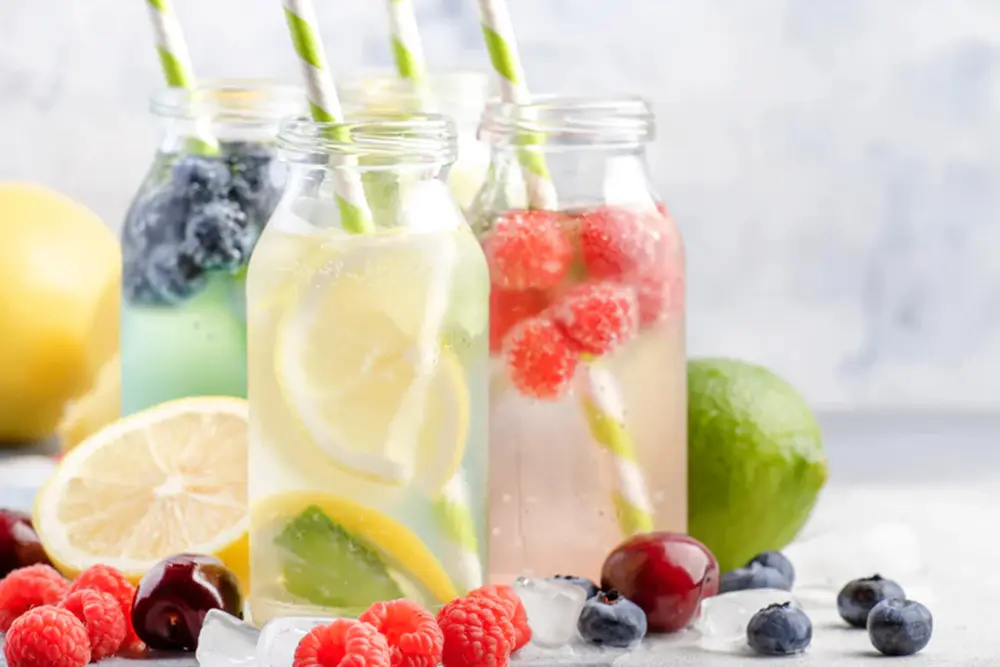
Are you planning picnic experiences for customers, corporate events, retail sets, or large outdoor gatherings? Picnics remain one of the most popular outdoor activities for families and groups. For business owners, event planners, and hospitality procurement managers, a "picnic" is no longer just a casual meal—it is a brand touchpoint that requires high quality, functional, and eco friendly solutions. As a specialist manufacturer in the sustainable tableware sector, Ancheng understands that professional outdoor dining demands more than just aesthetic appeal. It requires materials that can withstand logistics, varying temperatures, and the rigorous standards of global plastic ban regulations. This guide outlines the 20 best picnic essentials from a supply chain perspective, helping you build a resilient and attractive outdoor dining inventory. What Type of Food to Bring on a Picnic? For both personal picnics and commercial picnic kits, catering boxes, and pre-packaged meals, choose portable, transport-friendly foods that perform well without on-site heating or cooling. These options are widely used by picnic brands, food trucks, and catering services: Sandwiches Salads Finger Foods Fresh Fruit Chips and Snacks Desserts Beverages Condiments Using parchment paper, bamboo food picks, and compostable containers improves food presentation, hygiene, and sustainability for commercial picnic sets. Key Considerations When Choosing Picnic Tableware for Business Use Before selecting picnic supplies, businesses should evaluate both sustainability and operational efficiency. Material sustainability: compostable, biodegradable, or recyclable Durability: suitable for hot, cold, or oily foods Portability: lightweight and easy to transport Bulk availability: stable supply for large events Customization: branding options such as logo printing Cost efficiency: balance between price and environmental value Professional Eco Friendly Picnic Supplies Swap plastics for premium wholesale natural tableware Explore Our Eco-Catalog 20 Eco-Friendly Picnic Essentials for Catering & Outdoor Events Below is a practical checklist of essential items optimized for food service businesses operating in outdoor environments. I. High Performance Tableware 1. Bamboo Cutlery Sets Unlike lightweight plastic, bamboo offers superior tensile strength. For large scale outdoor events, providing sturdy knives and forks is essential for handling various food textures without the risk of snapping. 2. Sugarcane Bagasse Plates Sugarcane fiber plates are a staple for eco friendly picnics. Their primary advantage is their thermal stability and grease resistance, making them ideal for both cold salads and hot grilled items. 3. Biodegradable Food Boats Shaped for convenience and style, food boats are perfect for serving finger foods. From a manufacturing standpoint, their stackable design optimizes storage space and reduces shipping costs. 4. Compostable Drinking Straws As the EU SUPD and other regional bans tighten, switching to high quality paper or bamboo straws is a non-negotiable step for any professional picnic kit. 5. Heavy Duty Paper Napkins Source FSC-certified napkins that offer high absorbency. In outdoor settings, durability is key to reducing overall waste per guest. Logistics and Presentation Essentials How products are transported and presented reflects the professional standards of a catering brand. 6. Stackable Bento Boxes For premium picnic catering, bento boxes with secure lids prevent leaks during transit. Look for bagasse or kraft paper options that maintain structural integrity under humidity. 7. Natural Wood Serving Cones Ideal for appetizers, wooden cones add a rustic, high end feel to corporate picnic events. 8. Recycled Kraft Paper Bags A durable, eco-friendly way to package individual meal kits for easy distribution at large scale gatherings. 9. Insulated Food Carriers Critical for food safety, ensuring that temperature sensitive items remain in the "safe zone" during delivery. 10. Lightweight Bamboo Trays Reusable or high end disposable trays help organizers manage food service across uneven outdoor terrain. Comfort and Environmental Protection Beyond the plate, the surrounding environment dictates the choice of supplies. 11. FSC Certified Wooden Skewers Essential for kabobs or fruit platters. Professional-grade skewers must be splinter-free and heat resistant. 12. Portable Compost Bins For event planners, providing a clear disposal path for compostable tableware reinforces the brand’s commitment to a circular economy. 13. Eco-Friendly Cup Carriers eco-friendly Efficient logistics for beverage service, reducing the risk of spills in outdoor settings. 14. Natural Fiber Picnic Blankets For retail distributors, offering blankets made from organic cotton or recycled wool completes the sustainable picnic set. 15. Biodegradable Trash Bags Ensuring that even the cleanup process adheres to sustainable standards. 16. Salt and Pepper Sachets in Paper Packaging Moving away from plastic sachets to small, compostable paper alternatives. 17. Bamboo Toothpicks (Individually Wrapped) Toothpicks are a small but vital detail for hygiene in public dining scenarios. 18. Reusable Silicone Lids For "zero waste" picnic kits, these provide a versatile solution for sealing various container sizes. 19. Water-Based (Aqueous) Coated Cups Eco cups offer a plastic free barrier against liquids, making them fully repulpable and compostable. 20. Custom Branded Glass Mason Jars For high end hospitality brands, jars offer a reusable, premium aesthetic for desserts or drinks. Professional Eco Friendly Picnic Supplies High quality sustainable tableware for bulk procurement. Explore Our Eco-Catalog Why Eco-Friendly Picnic Supplies Matter for Outdoor Dining Businesses? Outdoor dining scenarios such as picnics, festivals, and pop-up catering events present unique operational and environmental challenges. 1. Limited Waste Management in Outdoor Settings Unlike indoor venues, parks and outdoor locations often lack proper recycling or waste sorting systems. Conventional plastic tableware is more likely to end up in landfills or natural environments. Using biodegradable and compostable alternatives helps reduce environmental impact even in uncontrolled waste conditions. 2. Event Regulations and Plastic Restrictions Many cities, parks, and event organizers now impose restrictions on single-use plastics—especially for outdoor gatherings. For catering companies and vendors, eco-friendly picnic supplies are essential to: Meet event compliance requirements Avoid penalties or restrictions Qualify for eco-conscious events and partnerships 3. High Visibility of Brand and Packaging Outdoor environments make your packaging and tableware highly visible to customers. Eco-friendly tableware helps businesses: Strengthen brand perception Demonstrate sustainability commitments Stand out at festivals, markets, and catering events 4. Environmentally Conscious Consumers Customers choosing outdoor dining experiences are often more eco-aware. They actively prefer: Plastic-free packaging Compostable containers Natural materials like bamboo and bagasse Meeting these expectations can directly influence customer satisfaction and brand loyalty. How to Source Eco Friendly Picnic Supplies in Bulk? For large scale procurement, sourcing eco friendly picnic supplies requires a strategic approach that balances cost efficiency with uncompromising quality and compliance. When buying in bulk, the stakes are higher; a single shipment of non compliant or low quality items can disrupt an entire supply chain. Here is a professional roadmap for sourcing sustainable outdoor dining products at scale. 1. Verify Material Authenticity and Certifications The term "eco friendly" is broad. Professional buyers must demand specific certifications to ensure the products meet global safety and environmental standards. FSC Certification: Ensures that wood and bamboo products are sourced from responsibly managed forests. FDA and LFGB Compliance: Critical for food contact safety, ensuring no harmful chemicals migrate from the tableware to the food. Biodegradability Standards: Look for certifications like EN 13432 or ASTM D6400 to guarantee the products are truly compostable in industrial or home settings. 2. Evaluate Manufacturing Capacity and Scalability A reliable B2B partner must demonstrate the ability to handle high volume orders without compromising on lead times. Monthly Output: Ask about the factory’s production capacity. Quality Consistency: In bulk orders, consistency is key. Ensure the manufacturer has a robust Quality Control (QC) process to minimize defects across large batches. 3. Prioritize Customization and Branding Options For distributors and hospitality brands, the picnic kit is a marketing tool. Sourcing from a manufacturer that offers in-house customization adds significant value. Laser Engraving: A sustainable way to add logos to bamboo or wood cutlery without using synthetic inks. Custom Packaging: Options for bulk packaging or individual meal kits that reflect your brand’s aesthetic and sustainability goals. 4. Confirm Compliance with Regional Plastic Bans Different markets have different regulations, such as the EU Single Use Plastics Directive (SUPD) or various bans across Oceania and North America. Material Suitability: Ensure the products (such as aqueous coated cups or bagasse plates) are legally compliant in the destination country. Documentation: A professional supplier should provide all necessary testing reports and declarations of conformity to streamline the customs clearance process. 5. Optimize Logistics and Shipping Costs Shipping bulk disposables can be costly due to their volume. Efficient sourcing involves optimizing how products are packed and transported. High Density Packing: Choose products designed to stack tightly, reducing the overall shipping volume. FOB and CIF Expertise: Work with a manufacturer experienced in international trade terms to ensure smooth logistics from the factory floor to your warehouse. Conclusion Eco-friendly picnic supplies are no longer just a trend—they are a practical solution for modern outdoor dining and catering businesses. By choosing sustainable materials, optimizing your supply chain, and aligning with customer expectations, your business can deliver better experiences while reducing environmental impact. If you are looking for reliable, bulk eco-friendly picnic tableware, partnering with an experienced manufacturer is the first step toward long-term success. Partner with a Reliable Eco-Friendly Tableware Manufacturer! For catering companies, food brands, and distributors, working directly with a manufacturer ensures better pricing, customization, and supply stability. Ancheng specializes in the production and supply of eco-friendly disposable tableware, offering: A wide range of biodegradable and compostable products Custom branding and packaging solutions Bulk supply for global B2B clients Consistent quality and international compliance Whether you are planning outdoor catering events, supplying picnic-ready meal kits, or scaling your food service operations, choosing the right eco-friendly tableware partner can make a significant difference. Custom Brand Your Eco Picnic Essentials Expert manufacturing for global hospitality brands. View Custom Solutions
2023-12-14

In the realm of disposable cutlery, one exceptional and eco-conscious utensil reigns supreme - the spork. As a business owner, it's imperative to stay at the forefront of emerging trends and comprehend the significance of wooden sporks in the context of environmentally conscious consumer choices. In this blog, we will delve deep into the world of sporks, examining their origins, types, advantages, and the positive impact they can bring to your business. Exploring the Spork What is a Spork? The spork, a clever fusion of 'spoon' and 'fork,' represents a utensil that seamlessly combines the best attributes of both. Its multifunctional design has earned it a favored spot across various dining settings, from fast-food establishments to outdoor escapades. Who invented the spork? The concept of a utensil harmonizing the functions of a spoon and a fork is not a recent revelation. Hybrid utensils of this nature have existed in various incarnations around the world for numerous years. However, the specific term "spork" and its modern design likely trace their roots back to the early 20th century. Samuel W. Francis secured one of the earliest patents for a spork-like utensil in 1874. While he didn't coin the term "spork" and didn't distribute it widely, others continued to refine these hybrid utensils. In 1951, Hyde W. Ballard trademarked the word "spork." Subsequently, the Van Broad Milling Company patented plastic forks, marking a significant turning point. KFC was the pioneering restaurant to introduce sporks to its customers. 9 Types of Best Sporks Sporks come in an array of materials to cater to diverse preferences and applications. Here are 9 varieties of best sporks you might encounter: 1. Stainless Steel Spork Material: Stainless steel sporks are renowned for their durability and resistance to rust and corrosion, making them ideal for extended use. Usage: These sporks excel in heavy-duty situations such as camping, outdoor events, and industrial settings. Their sleek appearance also suits upscale dining. 2. Silver Spork Material: Silver sporks exude elegance and luxury, often crafted from sterling silver and adorned with intricate designs. Usage: Silver sporks find their place at formal occasions, fine dining establishments, and upscale restaurants, symbolizing sophistication and style. 3. Aluminum Spork Material: Aluminum sporks are lightweight and corrosion-resistant, catering to on-the-go customers. Usage: Popular among hikers, campers, and travelers due to their portability, aluminum sporks are also common in school cafeterias and casual dining establishments. 4. Titanium Spork Material: Titanium sporks are incredibly lightweight, strong, and durable, known for their exceptional strength-to-weight ratio. Usage: Backpackers and outdoor enthusiasts find titanium sporks indispensable, offering reliability in rugged conditions. Minimalist adventurers also favor them. 5. Copper Spork Material: Copper sporks boast excellent heat conductivity and antimicrobial properties, developing a unique patina over time. Usage: Often used for specialty dishes and unique culinary experiences, copper sporks's elegant appearance appeals to food enthusiasts. 6. Plastic Spork Material: Plastic sporks are cost-effective, available in various colors and designs, and are lightweight and disposable. Usage: Widely employed in fast-food eateries, schools, and catering events, plastic sporks prove practical for serving a broad range of dishes without the need for cleaning. 7. Wooden Spork Material: Wooden sporks, typically crafted from sustainable birchwood, align with eco-conscious materials. Usage: Suitable for a wide range of food items, from salads to desserts, wooden sporks contribute a rustic and natural aesthetic, making them a hit for eco-friendly and organic-themed events. 8. Bamboo Spork Material: Bamboo sporks represent another eco-friendly option, praised for their biodegradability and sustainability. Usage: Ideal for eco-conscious consumers and businesses, bamboo sporks frequently grace eco-friendly catering and outdoor events, breaking down naturally to reduce environmental impact. Looking for a Sustainable Cutlery Partner? Ancheng provides high-quality, bulk-sale wooden & bamboo sporks with custom logo options. Perfect for eco-conscious brands. 9. Cornstarch or Potato Starch Spork Material: Sporks made from cornstarch or potato starch are fully biodegradable and compostable, aligning perfectly with sustainability goals. Usage: Suitable for businesses and events prioritizing sustainability, these sporks accommodate a wide array of foods, from hot soups to cold desserts. While plastic sporks have been the industry standard for decades, global plastic bans and the rise of conscious consumerism make disposable wooden sporks the smarter choice for businesses today. Our birchwood sporks offer a splinter-free, heat-resistant experience without harming the environment. Wooden Sporks vs. Traditional Alternatives Feature Wooden Spork Plastic Spork Stainless Steel Spork Eco-Friendliness 100% Biodegradable Non-degradable High Carbon Footprint Cost-Effectiveness High (Bulk Pricing) Low High Initial Investment Brand Image Sustainable & Premium Cheap & Polluting Industrial Best For Takeaway, Events, Cafes Fast Food Home, Fine Dining Fork vs. Spork: Which One is Right for Your Business? When setting the table or packing a takeaway bag, the choice between a traditional fork and a versatile spork can impact both your operational costs and customer experience. Here is a breakdown of how they compare: 1. Functionality and Versatility The Fork: Best for solid foods that require piercing, such as steaks, salads, or pasta. However, it fails when it comes to scooping liquid-based sides like mashed potatoes or small grains. The Spork: The ultimate multi-tasker. Its shallow bowl allows users to scoop like a spoon, while the short tines can still pierce soft to medium-firm foods. It’s the "one-size-fits-all" solution for diverse menus. 2. Space and Cost Efficiency For restaurants and catering businesses, the spork offers a significant logistical advantage: 1) Reduced Inventory: Instead of buying and storing separate stocks of forks and spoons, you only need to manage one SKU (Stock Keeping Unit). 2) Lower Shipping Costs: Ordering 50,000 sporks is more compact and cost-effective than ordering 25,000 forks and 25,000 spoons. 3) Faster Service: Your staff spends less time sorting cutlery and more time serving customers. 3. User Experience in Takeaway Services In the "Grab-and-Go" industry, convenience is king. A spork is often preferred for: Poke Bowls & Salads: Where you need to both stab greens and scoop up dressing or rice. School Lunches & Quick Service Restaurants: Where simplicity and safety are priorities. Quick Comparison Table Feature Traditional Fork Versatile Spork Primary Use Piercing / Stabbing Piercing + Scooping Best Paired With Knives / Fine Dining Takeaway / Casual Dining Storage Space Higher (Needs two bins) Lower (One tool fits all) Sustainability Varies by material Eco-friendly wood available Why Choose Wooden Sporks for Your Business? Choosing wooden sporks for your business can have several advantages, depending on your specific needs and target audience. Here are some reasons why you might consider using wooden sporks: 1. Eco-Friendly: Crafted from natural and sustainable materials, wooden sporks represent an excellent choice for businesses committed to environmental responsibility. They naturally decompose, mitigating the harmful impact of plastic pollution on land and sea. 2. Sturdy and Durable: Contrary to the misconception that wooden cutlery is flimsy, modern wooden sporks are designed to be robust and reliable, capable of handling a wide range of foods without breakage or splintering. 3. Versatility: Wooden sporks are versatile tools that serve as both spoons and forks, making them suitable for various dishes, including salads, pasta, desserts, and more. 4. Safe and Chemical-Free: Unlike some disposable plastic cutlery, wooden sporks are free from harmful chemicals and toxins, ensuring the safety of your customers' health. 5. Enhanced Brand Image: By offering wooden sporks, your business underscores a commitment to sustainability and responsible practices, potentially elevating your brand image and attracting eco-conscious consumers. Essential Guide for B2B Buyers: Selecting and Ordering Wooden Sporks Choosing a supplier for disposable cutlery involves more than just finding a low price. As a professional manufacturer, we address the most common concerns of restaurant owners, event planners, and wholesalers. 1. Performance in Hot and Cold Foods One of the most frequent questions we receive is: "Do wooden sporks affect the taste or break when used with hot soup?" Heat Resistance: Our premium birchwood sporks are naturally heat-resistant and do not soften or release chemicals like plastic does when exposed to temperatures up to 100°C. Neutral Taste: Through a specialized polishing and high-temperature drying process, we ensure a smooth, splinter-free finish that remains tasteless, preserving the original flavor of your cuisine. 2. Customization and Branding In a competitive market, your cutlery is a marketing tool. We offer OEM/ODM services to help you stand out: Logo Engraving: We can laser-burn your brand logo onto the handle of the wooden spork. Custom Packaging: Options range from bulk cartons to individual paper wrapping (which is more hygienic for takeaway services). 3. Compliance and Sustainability Certifications For international buyers, compliance is non-negotiable. Ancheng’s wooden sporks meet global standards: FSC Certified: Ensuring the wood is sourced from responsibly managed forests. Food Safety: Our products pass FDA and LFGB testing, ensuring they are 100% food-safe and compostable. 4. How to Order Wooden Sporks in Bulk? Ordering from Ancheng is a streamlined process designed for efficiency: 1) Inquiry: Send us your required quantity, size (standard 160mm or custom), and packaging preference. 2) Sample Testing: We provide free samples so you can test the quality and strength firsthand. 3) Production: Once the deposit is confirmed, we utilize our high-capacity production lines to ensure timely delivery, even for large-scale orders. 4) Global Logistics: We offer various shipping terms (FOB, CIF, DDP) to deliver directly to your warehouse or port. In Conclusion The wooden spork, a seemingly simple yet revolutionary solution, addresses the challenges posed by disposable plastic cutlery. By integrating these eco-friendly utensils into your product offerings, you not only contribute to a cleaner planet but also position your business as a responsible and forward-thinking entity. FAQs 1. Are wooden sporks durable? Wooden sporks are surprisingly durable and can handle most types of food without splintering or breaking. 2. Can I reuse wooden sporks? While they are designed for single-use purposes, some people do reuse them after thorough cleaning. 3. Do wooden sporks have a taste or odor? No, wooden sporks are odorless and do not impart any taste to your food. 4. Are wooden sporks safe for the environment? Yes, wooden sporks are eco-friendly and biodegradable, making them a sustainable choice. 5. How long does it take for wooden sporks to biodegrade? Wooden sporks typically biodegrade within a few months, depending on environmental conditions. 6. Can I brand wooden sporks with my company logo? Yes, many manufacturers, including Ancheng, offer customization options for wooden sporks to showcase your brand. 7. Where can I purchase wooden sporks in bulk for my business? You can find wooden sporks in bulk from reputable manufacturers like Ancheng. Access Now: Ancheng Wooden Sporks. Get the Spork That Combines Creativity and Sustainability from Ancheng! Ancheng has more than 20 years of experience in the field of sustainable tableware, and we continue to develop new product styles every year. Here, you can find and customize any catering item that meets your needs. Contact us now for more styles and sourcing information!
2023-12-12

Discover the impact of FSC certification on responsible forestry. Learn about the rigorous process, and how it addresses challenges for a sustainable future. As a buyer and consumer, you have the power to create positive change through your purchases. Read on to understand an eco-friendly certification system that is transforming forestry across the globe. Introduction to FSC Certification The Forest Stewardship Council (FSC) is an international nonprofit founded in 1993 to promote environmentally sound, socially beneficial, and economically viable management of the world's forests. This is achieved through a voluntary forest certification program with strict standards for sustainable practices. FSC Certification Process The FSC certification scheme follows a rigorous multi-step system: 1. Forest Management Evaluation ●On-site audits by accredited certification bodies assess if forest practices adhere to over 70 strict FSC criteria. ●Covers the protection of biodiversity, waterways, soils, rare ecosystems, and high conservation value forests. ●Checks on sustainable harvesting limits, monitoring processes, community relations, worker’s rights, and more. ●Audit reports detail any non-conformities to be addressed and become publicly available. 2. Chain of Custody Tracking ●Ensures certified wood is identified and segregated from non-certified sources. ●Detailed record-keeping tracks the flow of timber through transport, processing, and manufacturing chains with regular audits. ●Allows the final retailers of products to accurately label FSC claims like “ ” or “Mix” without greenwashing concerns. 3. Label Use Approval ●Manufacturers and secondary producers must gain Chain of Custody certification permitting them to use the FSC on-product labels. ●Labels indicate level of certified content from virgin fiber from FSC forests down to more mixed sources with both recycled and virgin components. In summary, FSC takes great care to substantiate all sustainability claims by monitoring flows through the entire supply pipeline. This prevents dilution from unsustainable sources and provides the end consumer with a credible eco-friendly choice. The Wide-Ranging Benefits Pursuing FSC certification improves forests in myriad impactful ways: 1. Environment Biodiversity thrives thanks to conservation efforts. Deforestation and chemical use are prevented through the required best practices. 2. Economic FSC certification opens up market access and creates demand for certified wood products. For example, many retailers, home builders, contractors, and other large buyers have commitments to use FSC-certified wood for their supply needs or products like tableware, furniture, and lumber. This creates financial incentives for forest managers to get FSC approval. Once certified, forestry operations often gain price premiums for their wood over non-certified sources. By one estimate, FSC-certified timber garners on average 5-15% higher prices globally. When these profits trickle down to local communities, they provide sustainable jobs and income to support schools, health clinics, and small businesses. For industrial-scale logging focused on exports, certification can maintain access to eco-sensitive markets like the EU and the U.S. Small forestry groups can access FSC Small and Community Label programs to streamline certification requirements and lower auditing costs, enabling participation in global supply chains and generating social benefits. 3. Social The rights of indigenous people and forest workers are respected. Strict health and safety rules also apply which provide proper facilities, equipment, training, and procedures that prevent workplace injuries. In short, FSC certification enables environmentally-conscious choices for consumers, while creating higher standards for responsible forest management around the world. The economic gains it produces can transform local communities when properly implemented. Addressing Complexities and Critiques Admittedly, FSC faces challenges: Complexity and costs The accessibility for smaller, community-based forestry operations is being threatened. Moreover, there are questions about the consistency in auditing rigor across various certification bodies, and there is competition from alternative schemes. FSC is taking measures to address these challenges by continually tightening standards and expanding certification accessibility tools. They are also making efforts to educate consumers to make eco-labeling more impactful and reliable by providing important distinctions such as FSC, FSC Mix, and FSC Recycled. Meeting the Future's Demands As climate change and social justice issues intensify, the FSC must respond with robust, adaptable standards centered on environmental protection, worker welfare, and indigenous rights. Meanwhile, market demand and recognition of FSC-certified products will continue growing. Eco-conscious consumers should seek the FSC logo when making wood-product purchases. This directs support to responsible forestry globally while creating market incentives that compel further adoption of sustainable practices industry-wide. With strengthened standards and increased adoption, the FSC promises a brighter future for the world's forests. Conclusion FSC forest certification stands as one of the most credible and impactful sustainability systems guiding the forestry industry toward more responsible practices. By setting strict standards around environmental protection, ethical treatment of workers and indigenous communities, and long-term economic viability, FSC aims to transform forest management around the globe. While the certification process requires commitment, determination, and investment to pursue, the benefits outweigh the costs. Certified operations gain competitive advantages through price premiums, market access, and supply chain efficiency. Local communities reap more sustainable jobs and socio-economic stability. Society and future generations benefit as biodiversity thrives thanks to conserved high conservation value forest areas. FSC still faces critiques and challenges when it comes to assessor consistency, accessibility limitations, navigating complex lumber supply chains, and addressing unique regional forest issues. However, through continual improvement, FSC has earned the support of major environmental NGOs like the World Wildlife Fund and Greenpeace. With growing market recognition and stricter standards, FSC promises to play an integral role in revolutionizing forestry towards a greener future that values both environmental and social responsibility along with economic prosperity. Ancheng Responds Positively to All Certifications! Ancheng is a manufacturer of wooden and bamboo disposable tableware. In order to provide our customers with safe and high quality products, we use the best raw materials and comply with many international certifications such as ISO, BRC and others. The whole process from raw material to packaging is strictly supervised and tested, and our products are recognized in various countries. Contact our customer service now to know more about these high quality products!
2023-11-30
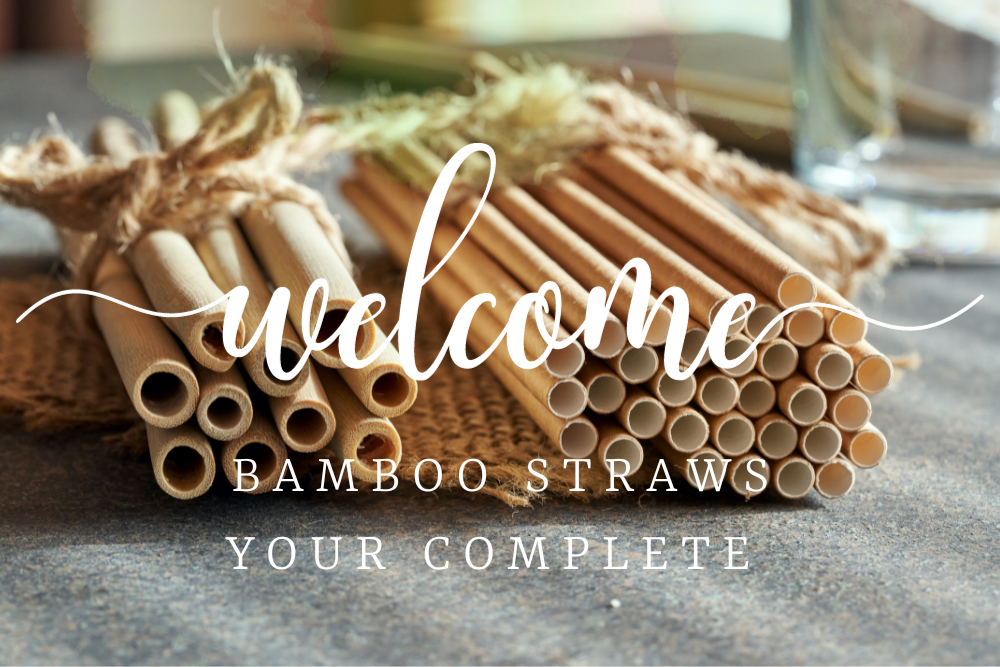
Learn how to clean and maintain bamboo straws to extend their longevity. Discover the best types of bamboo straws for cold drinks and storage methods. Tired of flimsy plastic straws? I'm excited to walk you through the wonderful world of reusable bamboo straws! Read on to become a bamboo straw master - I'll equip you with pro tips for selection, cleaning, maintenance and more so these eco-friendly sippers can gracefully guzzle your cold bevvies to the last drop. Choosing Your Bamboo Straws Looking to make the eco-switch from plastic to reusable bamboo straws? Before sipping, consider what drink types and personal preferences should guide your straw selection for optimization: a. Size Options - Standard bamboo straw diameters range from 5-10mm wide, so decide if you want a skinny stirring-style straw for cocktails or margaritas, or prefer a wider straw for smoothies. Lengths span 7 to over 10 inches. b. Bend Styles - Some bamboo straws angle with curved elbow bends while others stay straight. Bent straws are great for cups with narrow openings, while straight designs facilitate easy cleaning. c. Smooth Texture - Not all bamboo straws offer the same mouthfeel. Higher quality ones will process and cure the bamboo for removing splinters and achieving glass-smooth polished touch. This optimizes drink flavor delivery. Using Your Bamboo Straws Properly You chose reusable materials over single-use plastic - the environment thanks you! But without following best usage practices, bamboo straws won't last past a handful of cocktails before getting musty and cracked. Set your straws up for sustainable sipping success by implementing these expert care protocols: Cold Beverages Only While the smooth bamboo surface glides nicely over tastebuds, hot liquids above 100°F can severely weaken structural integrity leading to cracks and splits. Iced teas? Yes. Boiling coffee? Sadly no. Keep things chill. Gentle Handwashing Resist abrasively attacking leftover smoothie residues stuck inside straw walls. Warm water and a touch of mild soap prevents surface damage seen with aggressive scrubbing which causes micro-fissures. Thorough Drying Moisture breeding bacteria can make straws moldy and smelly without drying fully tip to tip. Stand uprights in a dish rack or use a narrow bottle brush to gently pull out lingering water drops hiding within the straw cavity. Soft Chew Protection Ask friends not to bite down on bamboo straw ends which protect the structural stability. Accidental nibbles can damage the finely-crafted external lining and expose the inner wall to faster degradation. Just explain it helps keep waste out of landfills longer! Using Your Bamboo Straws Properly You've made a thoughtful purchase - bamboo over plastic for durability and sustainability. But without proper usage technique, your straws won't last long enough to make an environmental impact. Avoid rookie mistakes and maximize bamboo straw enjoyment by following these expert-recommend best practices: Cold Beverages Only While those smooth bamboo surfaces glide nicely over the tongue, hot liquids can damage the straw's structural integrity. Save these reusable sippers for icy drinks, lemonades, and cold brews. Temperatures over 100°F start risking cracks that shorten straw life. Gentle Handwashing Those spots leftover from a frosty shake may be tempting to aggressively scrub, but take care to wash bamboo straws gently by hand using mild soap and warm (not hot!) water. This prevents chipping the surface while still sanitizing effectively. Thorough Drying Trapped moisture breeds bacteria, even in naturally antimicrobial bamboo. Ensure straws completely air dry after each wash before storing for next refreshing use. I recommend using a slender bottle brush to clear out lingering liquid drops hiding within. Cleaning and Maintenance With proper routine cleaning and storage, your bamboo straws can last ages while keeping plastic pollution at bay one sip at a time. Here are my top professional recommendations for keeping these sustainable sippers in tip-top shape: 1. Disinfecting Soaks While bamboo resists bacteria naturally, occasional disinfecting is smart. Create a sanitizing bath from white vinegar or lemon juice diluted in water. Submerge straws to kill germs and deodorize without leaving soapy residue tastes. 2. Skip Harsh Soaps Standard dish soaps often impart unpleasant fragrances or chemical tastes to straws and then transfer to your beverage. Stick to gentle, residue-free cleaners instead. 3. Protective Storage Let fully dried straws rest in a padded pouch or carrying case between uses to prevent bending and cracks from cramming them loose into bags. Proper storage means a longer lifespan. Extending the Life of Your Straws Your reusable bamboo straws represent an investment towards slaying plastic waste one drink at a time. Follow these pro tips to enjoy their services to the fullest: 1. Limit Acid Exposure While a brief lemon water soak disinfects, leaving straws for hours in citric juices erodes integrity. Enjoy that Aperol spritz then promptly wash straws instead of letting them marinate. 2. Inspect for Cracks Over time, small cracks in the surface can harbor lurking bacteria. Routinely check along straw walls and discard any with deep fissures. Surface knife marks from cutting bamboo stalks are normal. 3. Inspect for Cracks Over time, small cracks in the surface can harbor lurking bacteria. Routinely check along straw walls and discard any with deep fissures. Surface knife marks from cutting bamboo stalks are normal. 4. No Biting Allowed You'll want to show off these sustainable sippers to friends, but ask them not to bite the ends which can damage structural integrity and cause splits or cracks shortening lifespan. 5. Limit Impacts While made of resilient material, bamboo still cracks under hard force. Be gentle setting down drinks with straws inserted rather than letting glasses harshly hit tables. Reduce the dropping of loose straws as well. When To Replace Your Bamboo Straws? With routine care and maintenance, expect 6-12 months of service before bamboo straws naturally start degrading. But certain clues signal when it's time to recycle old straws and purchase fresh replacements: 1. Fraying Watch for stringy frayed ends that catch and snag on lips indicating integral breakdown. Ditch straws once the mouthfeel goes hairy. 2. Brittleness Healthy supple straws should keep structural strength. If you notice splintering or brittle sections liable to snap from folds, it's retirement time. 3. Performance Decline Do drinks start tasting funny despite cleaning attempts? That's the decay you're detecting. Flagging performance means new straws are due. Conclusion The tide is turning against wasteful plastic straws, but disposable sippers still have a place in convenience-driven modern life. As an eco-friendly reusable alternative, bamboo straws shine - naturally antimicrobial, biodegradable and endlessly renewable. By correctly selecting the right size and style while following professional care and maintenance best practices, your set of bamboo straws can slay plastic pollution one cold drink at a time for months on end. Stay refreshed and sustainability-minded with nature’s greatest raw materials in your cup holder instead of crude oil. The planet thanks you for making the switch!
2023-11-29

Discover why disposable bamboo plates are the eco-friendly, sturdy, and stylish alternative to plastic. Here are 16 solid reasons why, and the comparison to other materials. Single-use dinnerware keeps convenience high for serving guests at events, outdoors, or on the go. But plastic, paper, and Styrofoam products generate massive waste. Bamboo plates offer an eco-wise alternative - naturally biodegradable and compostable while keeping food visually appealing and safely held. Make The Eco-Friendly Choice: 16 Reasons to Use Disposable Bamboo Plates Tired of excess trash overflowing bins after big events? Cut down waste without losing convenience by swapping to disposable bamboo plates. Crafted from organic bamboo these landfill-friendly plates check all the boxes: biodegradable, compostable, and sustainably sourced from renewable forests. Next picnic, serve up tasty eats without environmental guilt thanks to bamboo's green benefits! 1. Keep Food Safe From Bacteria While porcelain looks fancy, hiding microscopic nooks that harbor bacteria isn't so appetizing. Bamboo stops germs in their tracks with natural antimicrobial properties in the fibers—no heavy chemical sanitizers are required! Research shows that bamboo round plates display significant bacteria-fighting properties. This prevents pathogens lingering on surfaces from festering, allowing the spread of fewer microbes between guests. Serve up Grandma’s secret potato salad without reservations using bamboo’s clean protection. 2. Enjoy Sturdier Plates That Won’t Sag Droopy plates that spill their contents are no fun, especially when Aunt Maggie brings her bean dip. Bamboo offers durable strength that won’t quit - it can even hold an entire Thanksgiving spread's weight! Crafted using rigid, resilient bamboo fibers shaped under high pressure, these disposable plates maintain impressive structural integrity for the stable serving of anything from lobster to burgers to chili without depressing sag. Go for carefree seconds and fear no splatter fail. 3. Indulge In Visually Appealing Dinnerware Tired of boring white paper plates or kitschy plastic? Class up any outdoor get-together with bamboo's natural artisanal looks - warm woodsy tones swirled with amber hues that complement foods. Unlike sterile materials that remind one of hospitals and cafeterias, bamboo offers a polished yet organic patterned aesthetic that feels relaxed, welcoming guests to enjoy the bounty you provide with appreciation. Dress up tables for special events without going too stiff - find the sweet spot between fine dining and casual fun with bamboo's style. 4. Say No To Leaching Chemicals Why let petroleum-derived synthetics leach into tasty vittles? Unlike certain plastic serving tools, bamboo plate production skips scary BPA, phthalates, and other nasty chemicals found in some petroleum-based processes. Keep things clean with all-natural organically grown bamboo, processed responsibly without toxins that could migrate into food or the earth post-meal. Healthy plates, healthy guests, healthy planet! 5. Save Trees By Using Renewably-Sourced Materials Rather than felling forests to produce wood pulp paper plates destined for landfill shortly, renewable bamboo offers ethical sourcing - rapidly regrowing 3-5 years to maturity versus trees taking decades. Help reduce logging impacts threatening precious ecosystems by choosing bamboo for your temporary serving needs. Enjoy the disposable perks without sacrificing sustainability for future generations. 6. Get The Convenience of Disposability Part of what makes single-use dinnerware so desirable is the fuss-free cleanup - throw away when done, no scrubbing messy sauces necessary! Bamboo brings that same convenience benefit over reusable wares, only embedding it in a material naturally inclined towards biodegradation versus sitting wastefully in a landfill for eons. Get all the ease of disposables with bamboo’s added environmental ethics for quick, responsible cleanup! 7. Reduce Waste With Compostable Products Unlike plastic goods that can linger for centuries after a single picnic use, bamboo offers biodegradability by design. Made entirely from organic bamboo fibers and natural glues, these disposable plates easily break down much faster than conventional oil-based counterparts when responsibly composted after events finish. Reduce your clean-up crew’s leftover load while keeping waste out of crowded landfills by making bamboo a tasty sustainable choice. 8. Serve Hot Dishes Without Melting Plates Steamy soups and fresh-from-the-oven casseroles require a disposable plate that won’t warp or dissolve mid-meal. Bamboo steps up to the challenge - built sturdy enough for holding heaping pot pie helpings straight from a 210°F oven without buckling or melting despite the heat. While flimsy paper or foam options fail as temporary tureens for piping hot fare, trust bamboo’s reinforced composition to firmly cradle very hot servings all meal long, with no fussy trivets required! 9. Quickly Prepare Meals With Microwave-Safe Items In a rush to reheat leftover party piles the next day? Skip extra dishes by popping bamboo plates straight into the microwave for fast reheating anytime. Unlike some low-quality paper plates containing hidden metal components that can disastrously spark when radiated, lab-tested bamboo plates contain no metals and reliably handle microwave energy across various wattage models. Want to simply refresh beans, meats, and veggies without the fuss? Bamboo withstands microwave zapping for the win. 10. Promote Your Branding on Customizable Plates Unlike generic white paper plates, compostable bamboo plates offer expansive decorative customization abilities with artisanal visual flair diners adore. Have an event, party, or special function coming up? Consider ordering bamboo plates stamped or imprinted along the rim or surface with your unique logo, patterns, or text in custom colors/fonts to prominently match any theme and subtly market brands guests see repeatedly. It’s inexpensive exposure certain to be noticed and remembered! 11. Rely on Resilient Plates With Decent Moisture-Resistance The backyard barbecue was not canceled because of a little rain! While soggy paper plates turn flimsy fast, lightweight bamboo holds its own longer when moisture attacks thanks to tightly-packed fiber composition reinforced with natural water-resistant polymer coatings. Don’t let random sprinkles spoil the fun - keep food aloft on bamboo with enough wet strength to outlast sudden surprise showers. Sturdy structure and smart sealing fend off light rains so guests stay happily chowing. 12. Host Large Events Affordably Planning gigantic gatherings or organizing frequent smaller functions throughout the year? Costs add up fast when using premium disposable dinnerware only meant for special occasions. Bamboo brings that upscale disposable feel without the painful per-plate prices - typically priced very affordably in bulk cases around a dollar per plate or less in basic round or square shapes. Keep budgets friendly even by hosting Hundred-guest events by scoring sturdy yet inexpensive bamboo plates perfect for repeat large-scale catering without cutting hospitality corners. 13. Recycle Your Bamboo Plates Responsibly While most disposable dinnerware heads straight for trash bags bound to landfills after just a single event use, new options allow easy bamboo plate recycling in many municipal programs accepting the mixed paper. Check locally to see if those leftover plates from your big shindig can be recycled rather than dumped! Alternatively, unsoiled bamboo plate waste makes excellent compost fodder supporting new soil nutrients for future plant growth. 14. Prevent Transport Breakage Planning an outdoor picnic potluck or need to truck stacks of disposable plates to an off-site venue? Flimsy options tend to tear, crack and shatter easily inflating event costs. Sturdy smooth-edged bamboo plates built uniformly thick with durable compressed fibers mean fewer accidental cracks or splits in transit over bumpy roads. Trust strength designed to withstand rugged shipping from factories can certainly handle local transport without excess waste from premature plate damage en route. 15. Avoid Plastic Waste Entirely Global plastic pollution remains an epic crisis filling land and sea with forever chemicals leaching toxins, entangling creatures who mistake it for food, and threatening the entire circle of life. Bamboo biodegrades naturally without leaving long-lasting litter containing extracted fossil-fuel sources, just as single-use plastic dinnerware still does. Be part of stemming the tide of our plastic crisis one event at a time by making eco-wise bamboo dining decisions that benefit all living beings. 16. Supply Guests With Non-Toxic Servingware Why serve savory sauces, sweet confections, and mouthwatering meals on plates produced using materials known to leach unhealthful chemicals later? Unlike some cost-saving plastics made using hormone-disrupting phthalates or bisphenols, bamboo skips concerning synthetics in favor of pure organically-grown renewable wood pulp and non-toxic natural binders. Give guests added peace of mind knowing their health isn’t compromised by unseen toxins hiding in servings. Environmental Impact Comparison of Bamboo and Other Materials How do bamboo plates stack up against paper, plastic, and Styrofoam disposable dinnerware alternatives from an environmental standpoint? Bamboo leaves competitors in the dust with key sustainable advantages: biodegrades quickly rather than sitting in landfills indefinitely, renewable/regrows rapidly without deforesting at the rate of tree pulp paper production, and avoids plastic pollution crisis from petrochemical-derived products. Bamboo also generally consumes less water and energy to manufacture versus plastics and has greater strength properties allowing reliably reusable servings. For eco-friendly single-use dishware, bamboo checks all the boxes. Future Outlook With the disposable dinnerware industry expected to reach a global valuation of $13B in the coming years, bamboo is poised to take increasing market share thanks to its ethical and environmental advantages that appeal to ever more sustainability-focused consumers. Manufacturing innovations to enhance durability through natural water resistance coatings and customized decorative printing abilities provide additional growth opportunities as more venues embrace bamboo. New options allowing disposable bamboo waste to enter recycling streams or nutrient-rich compost could further improve waste mitigation, making this segment a promising eco-champion worldwide. Conclusion Disposable dinnerware stays popular for convenience, but traditional materials have taken a toll on the planet’s health and waste overload. As an all-natural, responsibly renewable/biodegradable alternative, bamboo plates present the ideal eco-friendly upgrade - avoiding deforestation and plastic while keeping budget-friendly bulk pricing. Thanks to resilient construction, visual appeal, antimicrobial properties, and custom branding potential to add value for hosts, disposable bamboo plates simply offer too many benefits to overlook for your next event’s serving needs. The future is brightly sustainable with nature’s gift of keeping meals both delicious and disposable in a guilt-free way. Discover the Perfect Blend of Elegance and Sustainability with Ancheng! Transform your dining experience with Ancheng’s premium bamboo plates—where eco-consciousness meets style and durability. Whether you're hosting a chic wedding, a sustainable event, or simply upgrading your tableware, our biodegradable and compostable plates make every meal memorable. Ready to embrace a greener future with Ancheng? Explore our collection now and make a lasting impression at your next event!
2023-11-28

In recent years, the environmental impact of single-use plastics has become a major concern for consumers and businesses alike. One of the most significant culprits contributing to this issue is disposable plastic straws, which often end up in landfills and oceans, harming wildlife and ecosystems. As a result, many people are turning to reusable straws as a more sustainable alternative, with options made from materials like stainless steel, silicone, and glass. The benefits of using reusable straws extend beyond the environment, as they also offer cost savings and improved hygiene when compared to their disposable counterparts. With a plethora of reusable straw options available on the market, finding the best one to suit your needs can be a daunting task. This article aims to provide a comprehensive guide on the best reusable straws, highlighting their features, the materials they are made from, and the benefits of each. By making the switch to reusable straws, individuals can decrease their carbon footprint and play a part in combating the growing issue of plastic pollution. A wide range of options ensures that there is a perfect reusable straw for every person, whether they prioritize practicality, style, or eco-friendliness. Read on to discover the top picks for the best reusable straws, and make an informed decision on which one is right for you. Why Choose Reusable Straws The use of reusable straws has become increasingly popular as society recognizes the negative impact of single-use plastic straws on the environment. Reusable straws offer a sustainable and eco-friendly alternative to their plastic counterparts, making them a desirable choice for those seeking to reduce their environmental footprint. Environmental impact is the primary reason why many people opt for reusable straws. Single-use plastic straws are known as one of the most common litter items found in beaches and oceans, causing harm to marine life and adding to the growing problem of plastic pollution. By choosing a reusable straw, one can significantly reduce their contribution to this issue and support environmentally friendly initiatives. There are several types of reusable straws available in the market made from various materials like stainless steel, silicone, glass, and bamboo. Each of these materials has its own set of benefits: Stainless steel: Durable, long-lasting, and unbreakable. Silicone: Soft, flexible, and heat-resistant. Glass: Elegant, easy to clean, and see-through. Bamboo: Plant-based, biodegradable, and lightweight. Furthermore, reusable straws are cost-effective in the long run. While there may be an initial investment when purchasing a reusable straw, the expense is offset by the savings accrued over time from not having to buy single-use plastic straws. In terms of convenience, many reusable straws come with their own cases or pouches, making them easy to carry around. Some even include cleaning brushes to ensure that the straws remain hygienic and functional over numerous uses. Finally, using a reusable straw contributes to raising awareness about the importance of sustainability and environmental responsibility. By making a conscious choice to use a reusable straw instead of a single-use plastic one, individuals can encourage others to join the eco-friendly movement and promote positive change. Overall, reusable straws offer numerous advantages, from reducing environmental impact and promoting sustainability to being cost-effective and convenient. By choosing a reusable straw, individuals can align their daily habits with their environmental values and make a meaningful difference. Different Types of Reusable Straws Stainless Steel Straws Stainless steel straws are a popular reusable option, known for their durability and resistance to rust. Many stainless steel straws, such as Klean Kanteen and Sipwell Stainless Steel Drinking Straws, are dishwasher safe, making them easy to maintain. Due to their metal material, these straws can conduct temperature, which may add to the temperature experience of your drink. Material Taste Design Length Size Shape Temperature Stainless steel Neutral Straight Varies Varies Varies Conductive Silicone Straws Silicone straws are known for their flexibility and comfortable mouthfeel, making them great for children. Many silicone straws come with a silicone tip for added comfort. Some of the best silicone reusable straws are made by GoSili. These straws come in various lengths, sizes, and shapes. Material Taste Design Length Size Shape Temperature Silicone Neutral Flexible Varies Varies Varies Non-conductive Glass Straws Glass straws are made of borosilicate glass, ensuring durability and resistance to breakage. With their smooth and comfortable design, glass straws are ideal for enjoying smoothies and thicker beverages. These straws are available in multiple sizes and lengths. Material Taste Design Length Size Shape Temperature Glass Neutral Smooth Varies Varies Varies Non-conductive Bamboo Straws An eco-friendly alternative, bamboo straws are made from a renewable resource and are compostable after they've reached the end of their life. These straws offer a unique design and are often handcrafted, adding to their charm. Material Taste Design Length Size Shape Temperature Bamboo Neutral Natural Varies Varies Varies Non-conductive Collapsible Straws Collapsible straws, such as the FinalStraw, come in a compact case with a carabiner or keychain, making them incredibly portable. These straws unfold and connect seamlessly, making them perfect for on-the-go use with travel mugs. Material Taste Design Length Size Shape Temperature Metal (collapsible) Neutral Foldable Varies Varies Varies Conductive Plastic Reusable Straws Lastly, plastic reusable straws are a durable and affordable alternative to disposable straws. Look for BPA-free options to ensure they're safe for daily use. These straws come in a variety of lengths, sizes, and shapes, making them versatile for various beverages. Material Taste Design Length Size Shape Temperature BPA-free plastic Neutral Straight Varies Varies Varies Non-conductive Cleaning and Maintenance Regular cleaning is essential for maintaining the quality and longevity of reusable straws. Most reusable straws are easy to clean, ensuring optimal hygiene and preventing any buildup of mold or bacteria. This section covers the common cleaning methods, as well as proper maintenance practices for reusable straws. To effectively clean reusable straws, it's best to utilize a cleaning brush specifically designed for this purpose. These brushes often come with the straws in a set, or they can be purchased separately. They have long handles and flexible bristles, allowing users to easily reach and scrub the interior of the straws. It is important to clean the straw after each use to avoid accumulation of residue. Many reusable straws are also dishwasher-safe. Simply place the straws in the utensil basket or lay them horizontally on the top rack of the dishwasher. Be sure to check the manufacturer's instructions for guidance on whether the specific materials used for the straws are safe for dishwasher cleaning. Here are some general maintenance tips for reusable straws to ensure they remain in good condition and last for an extended period: Choose a suitable cleaning brush: Select a brush with bristles that can effectively clean the interior of the straw without damaging it. Brushes with nylon or silicone bristles are often recommended. Clean immediately after use: To prevent build-up or stains, it's best to clean the straws as soon as possible after use. Inspect for damage: Check for any signs of wear or damage such as cracks or bends, as these can affect the integrity and lifespan of the straws. Store in a clean, dry place: Proper storage is essential for preventing mold growth and maintaining overall cleanliness. By following these cleaning and maintenance guidelines, reusable straws will not only contribute to environmental sustainability but also provide a safe and hygienic option for enjoying various beverages. Drinky and Use Cases Hot and Cold Beverages Drinky reusable straws are designed to cater for both hot and cold beverages. As such, they are compatible with water bottles, tumblers, and coffee cups. Manufactured using durable and temperature-resistant materials, they can withstand varying degrees of heat without warping or deteriorating. A few examples of hot and cold beverages include: Coffee Tea Iced beverages Smoothies and Boba Tea When it comes to enjoying smoothies and boba tea, the diameter of the straw plays a crucial role. Drinky straws come in various sizes to accommodate different types of drinks. The wider straws are perfect for thicker beverages, while the standard-sized ones are suitable for regular drinks. Below is a summary of straw diameters and their ideal uses: Straw Diameter Best for 6mm Regular drinks 10mm Smoothies 12mm Boba tea Cocktails Drinky reusable straws have also gained popularity for use in cocktails, thanks to their sleek design and assortment of colors. They come in different lengths, so they can easily fit into various types of cocktail glasses. These eco-friendly reusable straws are perfect for anyone who enjoys a stylish and sustainable drinking experience. Best Brands and Their Offerings When it comes to reusable straws, there are a variety of brands that stand out with their quality products and innovative features. In this section, we will discuss some of the best brands and their offerings in the reusable straws market. OXO Good Grips is a prominent brand that offers a range of reusable straws to cater to different needs. Their silicone straws are not only flexible, but they also come with a cleaning brush and a carrying case, making it convenient for users to maintain hygiene while on the go. Another well-known name in the reusable straws industry is Starbucks. They offer both stainless steel and reusable plastic straws, which are perfect for enjoying cold beverages like iced coffee and smoothies. Their straws come in various sizes, ensuring that they can accommodate different cup sizes and drink types. FinalStraw is a popular brand that has gained traction for its collapsible stainless steel straw. This unique design allows users to fold the straw into a small case, making it easy to carry and store. With an accompanying cleaning brush, the FinalStraw is an ideal option for eco-conscious individuals who want a convenient and portable solution. For those who prefer a metal option, SipWell Stainless Steel Drinking Straws offers a set of straight and bent straws with a cleaning brush. These straws are durable, resistant to rust, and dishwasher safe, making them a versatile choice for everyday use. GoSili is a brand that focuses on creating silicone-based reusable alternatives, and their reusable straws are no exception. Soft and flexible, these straws can be trimmed to fit your desired length, making them suitable for various types of containers and beverages. Klean Kanteen provides a selection of stainless steel straws with removable silicone tips. The silicone tip not only offers a comfortable drinking experience but also makes cleaning much easier. These straws are compatible with Klean Kanteen's insulated tumblers and cups, but can also be used with other containers. Koffie Straw is another excellent choice for those who prefer a silicone option. Their straws are specifically designed for use with hot drinks like coffee and tea, as they can withstand high temperatures without releasing harmful chemicals. The straws are available in different sizes to accommodate various cup sizes. Alink offers a variety of reusable straw options, including stainless steel, glass, and silicone straws. Their sets often come with different colors, lengths, and thicknesses, ensuring that there is something to suit every preference. Finally, for fans of beloved characters, both Disney and Kynup offer reusable straws featuring popular designs like Mickey Mouse and other animated characters. These straws are not only environmentally friendly but also provide a fun touch to your drinkware collection. In conclusion, the reusable straw market has diverse options to cater to various preferences and needs. By exploring the offerings from these top brands, you can find the perfect reusable straw for your lifestyle and make a positive impact on the environment. Conclusion When it comes to finding the best reusable straws on the market, the ultimate choice will often come down to personal preference and value. As each individual has unique needs and priorities, there is no one-size-fits-all option. The most crucial factors to consider are: Cost: Look for a balance between affordability and quality. Material: Based on your budget and preferences, choose between stainless steel, silicone, glass, or bamboo. Ease of cleaning: Many straws come with cleaning brushes, while others can be conveniently cleaned in the dishwasher. Portability: Some straws are collapsible or come with travel cases, making them suitable for school or work. For those searching for an eco-friendly gift, a set of reusable straws can make for a thoughtful, practical choice. They demonstrate the recipient's commitment to reducing plastic waste and promoting a greener lifestyle. A sustainable present like this will be appreciated not only by friends and family but also by the environment. In conclusion, the process of selecting the best reusable straw is all about understanding one's own needs and values. By carefully considering the factors outlined above, anyone can find the right balance between convenience, cost, and environmental responsibility, making it easier to incorporate these reusable items into daily life.
2023-11-27
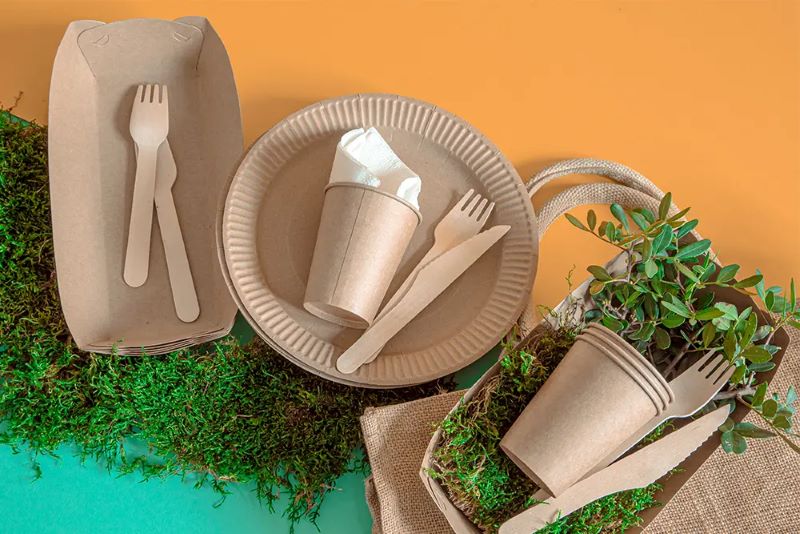
Discover the difference between disposable and compostable plates! Choose greener tableware for a sustainable future with our eco-friendly guide. When it comes to hosting events or simply planning our daily meals, choosing a sustainable option for our dining experience has become more important than ever. A popular debate that has emerged is whether we should use disposable plates or compostable plates and utensils. Both options offer convenience to users, but they differ significantly in their environmental impact and disposal methods. Disposable plates, often made from materials such as plastic or Styrofoam, are widely used due to their affordability and ease of use. However, they pose a significant challenge to the environment as they can take hundreds of years to degrade and often end up in landfills or our oceans. This has led to a rapidly growing pollution crisis, affecting both wildlife and ecosystems. Compostable plates, on the other hand, are made from renewable resources like bamboo, sugarcane, or paper and are designed to break down in a matter of months. This eco-friendly alternative has become more popular as individuals and companies strive to transition to a more circular economy, reducing our waste output and overall environmental footprint. Understanding Disposable Plates Disposable plates come in a variety of materials, each with its own set of benefits and drawbacks. These convenient dinnerware options are commonly used for parties, picnics, and other events where reusable tableware is not practical. In this section, we will briefly explore the various types of disposable plates and their impact on the environment. A. Plastic Plates: Disposable plastic dinner plates are a popular choice for many events due to their affordable price and durable nature. They can be made from lightweight or heavy-duty material, depending on the intended use. Some types of plastic plates are even recyclable, but many end up in landfills due to improper disposal. It is important to be mindful of the type of plastic used in these plates, as some can release harmful chemicals when heated. B. Styrofoam Plates: Styrofoam plates are another common option for disposable tableware. They are lightweight, inexpensive, and insulate food from heat or cold. However, Styrofoam is a form of single-use plastic that is not recyclable in most areas and can take hundreds of years to decompose. This can lead to environmental concerns and is a factor to consider when choosing disposable plates for your event. C. Other Materials: In addition to plastic and Styrofoam, there are alternative materials for disposable plates: a. Paper Plates: These are lightweight, biodegradable, and often more eco-friendly than plastic or Styrofoam options. However, disposable paper plates are not as sturdy as other materials and may not hold up well with heavy or liquid foods. b. Compostable Plates: Made from plant-based materials such as sugarcane, cornstarch, or bamboo, compostable plates are generally considered better for the environment. They can be composted in commercial facilities and break down faster than traditional disposable plates. For the above materials, we have prepared comparison articles so that you can understand their differences more clearly: bagasse vs paper products, bagasse vs. plastic, and bagasse vs cornstarch. Of the various disposable plate materials, it is essential to consider the ecological impact and the needs of your event. While some materials may be recyclable, others contribute to waste and pollution over time. Making informed choices about the dinnerware you use can help minimize harm to the environment and promote a more sustainable future. Understanding Compostable Plates Compostable plates are a fantastic alternative to traditional disposable plates as they offer a more eco-friendly solution for serving food. They are made from natural materials, such as bamboo, bagasse (sugarcane fiber), palm leaf, corn, and plant fibers, which decompose into compost when disposed of correctly. Variety of Materials There are various materials used to create compostable plates: A. Bagasse plates: These plates are made from sugarcane fibers, a byproduct of sugarcane processing. This material is biodegradable and compostable, making it an environmentally friendly option. B. Palm leaf plates: As the name suggests, these plates are created from fallen palm leaves. They are naturally compostable and provide a beautiful, rustic look for serving food. C. Bamboo plates: Bamboo is a sustainable and renewable resource, making it an ideal material for compostable plates. Bamboo plates are sturdy and biodegradable, offering an eco-conscious choice for events. D. PLA plates: Made from corn and other plant fibers, these plates are both compostable and recyclable. PLA stands for polylactic acid, which is a bioplastic derived from plants. While they are both compostable and biodegradable disposable plates, they also differ due to the raw materials: bamboo vs sugarcane, and bamboo vs. palm leaf plates. Benefits of Compostable Plates Compostable plates come with several benefits that make them a superior option to traditional disposable plates: 1. Eco-friendly: Compostable plates are made from renewable resources that can decompose naturally without causing harm to the environment. 2. Biodegradable: Unlike conventional disposable plates made from plastic or non-recyclable materials, compostable plates break down and decompose into compost. You can learn about the disposal process of disposable bamboo plates. 3. Sustainable: Using compostable plates supports sustainability efforts by reducing the consumption of non-renewable resources and lowering our carbon footprint. 4. Recyclable: Some compostable plates, like PLA plates, are also recyclable, further reducing waste and environmental impact. Proper Composting To ensure that compostable plates decompose properly, it is essential to dispose of them in a compost pile or an appropriate composting facility. This allows the plates to break down over time, providing valuable nutrients to the soil and supporting plant growth. While compostable plates can still break down in a landfill, the process is slower and less efficient than proper composting. Overall, compostable plates provide an excellent alternative to traditional disposable plates by offering a more eco-friendly, sustainable, and biodegradable solution. By choosing compostable plates, we can help protect our environment and promote a greener future. Production & Transportation Process When comparing disposable plates to compostable plates, it's important to consider the manufacturing process, transportation, and their environmental impacts such as greenhouse gas emissions and plastic pollution. Disposable Plates Production & Transportation: Disposable plates are typically made from materials like plastic, foam, or paper. These materials derive from non-renewable resources such as fossil fuels and trees. The production process for disposable plates involves: 1. Extraction of raw materials 2. Refining the materials 3. Production of the plates 4. Transportation to distribution centers and then to consumers A significant amount of energy is consumed during the manufacturing process, which in turn generates greenhouse gases, such as carbon dioxide. Moreover, the transportation of these products contributes to global warming since it requires the usage of fossil fuels. Compostable Plates Production & Transportation: Compostable plates, on the other hand, are created using renewable resources like corn, potato, or sugarcane. These biomaterials are converted into bioplastics, which are used to make the plates. The production process for compostable plates is as follows: 1. Growing and harvesting biomass materials like corn or sugarcane 2. Processing the materials to create bioplastics 3. Manufacturing the plates 4. Transportation to distribution centers and then to consumers Although compostable plates are made from renewable resources, their production process is not entirely carbon neutral. It still results in greenhouse gas emissions, but at a much lower rate compared to disposable plates. The transportation process also consumes fossil fuels, which can lead to greenhouse gas emissions. Disposable Plates Compostable Plates Raw Materials Fossil fuels, trees Biomass (corn, sugarcane) Greenhouse Gases Higher emissions Lower emissions Transportation Fossil fuel consumption Fossil fuel consumption Environmental Impact Plastic pollution, higher emissions Biodegradable, lower emissions In summary, both disposable and compostable plates involve the consumption of resources and the production of greenhouse gas emissions during their manufacturing and transportation processes. However, compostable plates exhibit a smaller environmental footprint, primarily due to their renewable materials and reduced emissions. Environmental Impact When it comes to environmental impact, comparing disposable plates to compostable plates is essential in making an informed decision. This section will highlight the major differences in terms of their effects on the environment, including aspects such as landfills, climate change, and carbon footprint. Disposable plates are often made from materials such as plastic, Styrofoam, and non-recyclable paper. These materials contribute to various environmental issues: a. Landfills: Disposable plates take hundreds of years to decompose, leading to an increased amount of waste in landfills. b. Climate change: The production of disposable plates, especially plastic ones, requires the use of fossil fuels, thus contributing to greenhouse gas emissions. c. Microplastics: As plastic disposable plates break down, they release microplastics into the environment, posing a threat to aquatic life and entering our food chain. On the other hand, compostable plates are made from biodegradable materials like sugarcane fiber, palm leaves, and other plant-based sources. They offer considerable benefits for the environment: a. Environmentally friendly: Compostable plates decompose into organic matter within a few months, reducing their impact on landfills. b. Carbon footprint: Since compostable plates are made from renewable resources, their production requires fewer fossil fuels and results in lower greenhouse gas emissions. c. Recyclable: Some compostable plates can be processed in industrial composting facilities where they break down into nutrient-rich soil. Here's a quick comparison between the two: Environmental Aspect Disposable Plates Compostable Plates Landfill Impact High, long decomposition time Low, decompose in a few months Climate Change Contribute to greenhouse gas emissions Lower emissions due to renewable resources Pollution Release microplastics into the environment None, decompose into organic matter It's important to note that not all compostable plates are the same; some may still have a minimal impact on deforestation depending on the sourcing of the plant fibers. However, overall, compostable plates provide a more environmentally friendly option compared to disposable plates. Durability & Functionality Comparison When it comes to durability and functionality, both disposable and compostable plates have their own advantages and drawbacks. In this section, we will be comparing these two types of plates based on different factors such as: A. Durability B. Microwave compatibility C. Grease resistance D. Suitability for hot and cold foods E. Heavy duty A. Durability When it comes to durability, disposable plates usually win. They are made of materials like plastic and foam, which give them a sturdier structure. On the other hand, compostable plates are made from materials like bagasse, palm leaf, and bamboo, which are less sturdy but more environmentally friendly. Disposable Plates Compostable Plates Durability Stronger Less sturdy B. Microwave Compatibility Microwave compatibility is an important factor to consider when choosing plates. Most compostable plates can handle a trip to the microwave as they are made from natural materials like bagasse or bamboo. However, not all disposable plates are microwave safe. Disposable foam plates can release harmful chemicals if microwaved, while some plastic plates may not be suitable for high temperatures. Disposable Plates Compostable Plates Microwave Safe Varies Generally safe C. Grease Resistance A greasy plate might not be the most pleasant thing to hold in a party. Disposable plastic plates tend to have better grease resistance, while foam plates might absorb some grease. Compostable plates made from materials like bagasse have decent grease-resistance, but may not be as effective as plastic. Disposable Plates Compostable Plates Grease Resistance Better Decent D. Suitability for Hot and Cold Foods Both disposable and compostable plates can handle hot and cold foods. Disposable plastic plates and compostable plates are generally safe to use with both hot and cold food items. However, foam plates might not be the best option for hot foods, as they can potentially leach chemicals. Disposable Plates Compostable Plates Hot and Cold Foods Generally Safe Safe E. Heavy Duty If you are hosting a party with heavy food items, the strength of the plate is crucial. Disposable plastic plates are likely the best option for heavy duty use, while compostable plates can handle moderate weight, but may bend or break under very heavy loads. Foam plates tend to have the least strength when compared to the other two types. Disposable Plates Compostable Plates Heavy Duty Great Moderate Cost Analysis When comparing disposable plates to compostable plates, it's crucial to consider the cost analysis to better understand the affordability of each option. Let's break down the expenses by comparing the prices per pack and case. Disposable Plates: Pack: On average, a pack of 50 disposable plates generally costs around $5 to $10, depending on the brand and material. Case: A case of disposable plates, which typically includes 1000 plates, ranges from $50 to $100, again varying based on quality. Compostable Plates: Pack: If you want to purchase a pack of 50 compostable plates, expect to pay between $10 and $15, a slightly elevated price compared to disposables. Case: For a case of compostable plates containing 1000 units, allocated expenses are from $100 to $200, reflecting their environmentally friendly nature. Purchasing decisions often come down to budgets, and numerous customers seek the best deals available. Amazon has emerged as a popular platform to find affordable pricing and compare products. Moreover, bulk orders can bring down the cost per plate, making it more budget-friendly. To further ease the decision-making process, customers are encouraged to monitor stock availability and subscribe to email notifications for price drops and deals. If compostable plates prove to be a financial stretch, consider purchasing them at discounted rates or as promotional offers. This approach makes both disposable and compostable plates more accessible and affordable for all consumers. Ideal Usage Scenarios Disposable plates and compostable plates each have their own favorable usage scenarios. Let's explore where each type of plate may serve you better. Disposable Plates: These can be a perfect choice for low-key gatherings like parties, picnics, or casual barbecues. They're lightweight, affordable, and often found in various colors and designs to match your event's theme. Disposable plates are typically made of paper, plastic, or foam, and can handle light to medium-weight foods. Below are some events where disposable plates may be convenient: a. Children's birthday parties b. Neighborhood potlucks c. Family reunions d. Informal office events However, keep in mind that disposable plates may not be the most eco-friendly option, as they can contribute to waste in landfills. Compostable Plates: When hosting an environmentally conscious gathering or a more formal event, compostable plates could be the choice for your backyard barbecue or outdoor gathering. Made from naturally biodegradable materials—like palm leaves, sugarcane fiber, or bamboo—compostable plates provide an eco-friendly alternative to disposable ones. They're also sturdier than paper plates, making them suitable for a wider variety of foods. Here are some scenarios where compostable plates may be ideal: a. Garden weddings b. Green business events c. Environmental awareness campaigns d. Earth Day celebrations Although compostable plates are eco-friendly, it's essential to remember that they may be slightly more expensive than disposable ones, and proper disposal is crucial to ensure their intended positive impact on the environment. So, when deciding between disposable plates and compostable plates, carefully consider the type of event you're hosting, your budget, and your environmental preferences. Choose the option that best suits your needs and happily enjoy your gathering! Cleaning and Disposal Methods When it comes to cleaning and disposal, disposable plates and compostable plates have different methods that we should consider. Let's explore how these two types of plates handle the cleaning and disposal processes, and to what extent these processes impact the environment. 1. Disposable Plates: Disposable plates are designed for single-use, and as such, they don't require cleaning. After use, they are typically thrown away with regular trash. Depending on the material of the disposable plate (such as plastic or styrofoam), it might take hundreds of years for these plates to break down, potentially causing harm to the environment. In some cases, disposable plates can be recycled if they are made from specific materials. However, recycling facilities might not accept all types of disposable plates due to issues like contamination from food residue. 2. Compostable Plates: Compostable plates, on the other hand, are made from organic materials that break down in a more environmentally friendly way. Cleaning compostable plates might be possible in some cases, but as they are designed for single-use, durability could be an issue for multiple uses. Disposing of compostable plates is much simpler and more eco-friendly than for disposable plates because they can be: 3. Composted: These plates can be added to a home compost pile, where they'll break down alongside other organic materials like food scraps and yard waste. 4. Recycled in Commercial Compost Facilities: Compostable plates can also be taken to commercial compost facilities, where they'll be processed in an industrial setting, resulting in faster decomposition. 5. Disposed of in Industrial Composting Facilities: If a commercial compost facility is not available, compostable plates can be sent to industrial composting facilities. These facilities use high heat and specific conditions to break down organic materials quickly and efficiently. In summary, the cleaning and disposal process for disposable plates can pose challenges to recycling and may contribute to environmental harm. Meanwhile, compostable plates offer a more eco-friendly option for disposal, as they can be composted or processed in commercial and industrial composting facilities. Eco-friendly Alternatives There are a variety of eco-friendly alternatives to traditional disposable plates, which can reduce waste and promote sustainability. These options are made from natural materials, ensuring that they are non-toxic and have a lower environmental impact. In this section, we will discuss a few popular options that are worth considering. Reusable plates come out as the top sustainable choice over disposable or compostable alternatives. Made from materials such as ceramic, glass, or stainless steel, these plates can be washed and used multiple times, reducing waste in landfills. Additionally, the production of reusable plates typically has a lower carbon footprint compared to disposable options. Detailed differences between washable and disposable dishes can be found here. Another alternative to consider is plates made from natural materials. Banana leaves, for example, are an excellent option as they are biodegradable and can be easily composted. Palm leaves are another option as they are sturdy, can handle hot or cold food, and decompose naturally. Besides being eco-friendly, these plates also offer a unique aesthetic for your table setting. Compostable plates have gained popularity in recent years as a greener option compared to traditional disposable plates. Made from renewable sources such as wheat straw, bagasse (a byproduct of sugarcane), or bamboo, they break down in a composting environment within a few months. As these materials are renewable and do not contribute to deforestation, they support sustainable living. Here is a comparison of the discussed eco-friendly alternatives: Plate Type Material Reusability Compostability Reusable Plates Ceramic, Glass, Stainless Steel High Not Applicable Natural Material Banana Leaves, Palm Leaves Low High Compostable Wheat Straw, Bagasse, Bamboo Low High In conclusion, depending on your needs and environmental concerns, there are several sustainable alternatives to disposable plates. The most eco-friendly option is to use reusable plates, followed by natural material options such as banana or palm leaf plates, and finally, compostable plates made from renewable resources. Ultimately, choosing an eco-friendly plate alternative will not only reduce your carbon footprint but also contribute to a healthier planet. Make the Eco-Friendly Switch with Ancheng Today! Choosing between disposable and compostable plates is crucial for a greener future. At Ancheng, we specialize in manufacturing and selling high-quality, eco-friendly disposable tableware to help you make sustainable choices while being convenient and stylish. Don't hesitate! Contact us today to complete the eco-friendly transition of your business!
2023-11-26

Discover sustainable kitchenware that combines style and eco-friendliness. Make conscious choices for your cooking with our curated selection of eco-friendly products. Sustainable kitchenware is becoming increasingly popular as consumers grow more environmentally conscious. This movement aims to minimize waste, reduce carbon emissions, and promote ethical production practices in the creation of kitchen utensils and appliances. By choosing sustainable options, individuals can significantly lessen their environmental footprint and contribute to a healthier planet. A variety of materials and production methods contribute to making kitchenware more sustainable. These may include the use of biodegradable, recycled, or renewable materials, as well as adopting energy-efficient manufacturing processes. Some well-known sustainable kitchenware options are bamboo utensils, silicone food storage containers, and appliances made from recycled metals or ethically sourced materials. By incorporating sustainable kitchenware into households, the collective impact on Earth's resources is significantly reduced. It is essential for individuals to actively participate in the shift towards sustainability, as this encourages companies to invest in eco-friendly products and prioritize responsible manufacturing. As demand increases for green alternatives, the future of kitchenware is poised for more sustainable innovations. Understanding Sustainable Kitchenware Sustainable kitchenware is becoming increasingly popular as consumers seek eco-friendly options to minimize their environmental impact. These products are designed to be durable, reusable, and recyclable, contributing to a more sustainable lifestyle. Eco-friendly materials play a vital role in sustainable kitchenware. Manufacturers often use materials such as bamboo, stainless steel, glass, and eco-friendly plastics to create long-lasting, recyclable products. Bamboo, for example, is a renewable resource that grows quickly and requires minimal water and resources. Stainless steel, on the other hand, is highly durable and can be recycled indefinitely without losing its quality. There are several key factors that contribute to the sustainability of kitchenware: Durability: Sustainable kitchenware should be built to last, minimizing the need for frequent replacements and thereby reducing waste production. Reusable: Many eco-friendly products can be used multiple times, such as reusable food storage containers and beeswax wraps, replacing single-use plastics that pollute our environment. Recyclable: Once a product has reached the end of its life cycle, it should be recyclable to minimize waste and promote a circular economy. Sustainable kitchenware can also significantly reduce energy consumption and carbon emissions. For example, using energy-efficient cookware, such as pressure cookers, can reduce cooking time and energy by up to 70%. Furthermore, choosing products with low-impact manufacturing processes and materials helps to decrease the overall environmental footprint. To introduce sustainable kitchenware into your daily routine, consider the following tips: 1. Begin by replacing single-use items with reusable alternatives, such as cloth napkins or silicone food storage bags. 2. Opt for energy-efficient cookware to save on energy costs and reduce your overall environmental impact. 3. Look for sustainably sourced materials, such as certified wooden utensils, to promote responsible forest management practices. 4. Properly dispose of old kitchenware like knives by donating it or recycling it through appropriate channels. 5. By carefully selecting sustainable kitchenware, you can greatly reduce your environmental impact, promote a more eco-friendly lifestyle, and showcase a commitment to creating a healthier planet. Impact of Kitchenware on Health and the Environment I. Health Risks Associated with Cookware 1. Nonstick Cookware and Materials: Nonstick cookware, such as Teflon, is popular for its ease of use and clean up. However, it has certain health risks associated with it. Teflon contains polytetrafluoroethylene (PTFE), which, when overheated, can produce toxic fumes that can cause short-term flu-like symptoms known as "Teflon flu." Moreover, many nonstick products could contain Per- and polyfluoroalkyl substances (PFAS), which are also known as "forever chemicals" due to their persistence in the environment and in our bodies. Possible health risks: Exposure to toxic fumes from overheated PTFE Possible ingestion of PFAS, which can lead to developmental, reproductive, and immune system issues 2. Microplastics in Cookware: Microplastics are tiny plastic particles that can enter our bodies through various means, including ingestion. Usages of plastic kitchenware such as cutting boards, spatulas, and food containers increase the likelihood of microplastic contamination in our food. Possible health risks: Ingestion of microplastics, which may lead to gastrointestinal issues and potential long-term health impacts II. Impact on the Environment 1. Carbon Footprint and Emissions: Kitchenware production and usage contribute to carbon emissions and the overall carbon footprint of households. The manufacturing process of cookware and kitchenware materials, such as steel, aluminum, and plastic, involves energy-intensive steps and often generates significant greenhouse gas emissions. Environmental impacts: Increased carbon emissions from the manufacturing process Increased overall carbon footprint for households 2. Environmental Impact of Nonstick Cookware: As mentioned above, nonstick cookware contains PFAS, which are "forever chemicals" that persist in the environment. PFAS can contaminate soil, water, and air, posing significant threats to ecosystems and wildlife. Environmental impacts: Contamination of soil, water, and air with PFAS Potential harm to ecosystems and wildlife due to PFAS exposure 3. Microplastics: Microplastics not only pose harm to human health but also contribute to the growing global plastic pollution crisis. They can enter the environment through the breakdown of plastic kitchenware and can accumulate in our oceans, soils, and even in the air. Environmental impacts: Increasing plastic pollution globally Accumulation of microplastics in oceans, soils, and air Harm to marine life and other wildlife through contamination and ingestion of microplastics Sustainable Materials I. Overview of Materials In the quest for a sustainable kitchen, choosing the right materials for kitchenware is crucial. A wide range of materials is available to help reduce the environmental impact and improve the overall eco-friendliness of your kitchen. Some of these materials include bamboo, stainless steel, cotton, and paper products made from recycled materials. II. Plastic and Its Alternatives Plastic kitchenware often contains harmful chemicals, like BPA, and contributes to pollution when discarded. Fortunately, several eco-friendly alternatives can replace plastic in the kitchen: Bamboo utensils: Bamboo is a fast-growing, renewable resource making it an excellent choice for sustainable kitchenware. Bamboo utensils are durable, lightweight, and biodegradable. Beeswax wraps: These reusable wraps made from beeswax-coated cotton fabric are a great alternative to single-use plastic wrap. Beeswax wraps are washable, and when they wear out, they can be composted. BPA-free plastic: If you must use plastic, opt for BPA-free products to avoid exposing your food to harmful chemicals. Bamboo straws: Ditch single-use plastic straws for reusable and biodegradable bamboo straws, which are perfect for smoothies and other beverages. III. Metal Cookware Metal cookware tends to be more durable and long-lasting compared to its plastic counterparts. Here are some common types of metal cookware and their eco-friendly characteristics: Stainless steel: This durable and corrosion-resistant material is an excellent choice for cookware. Stainless steel is non-toxic, easy to clean, and recyclable. Aluminum: Lightweight and affordable, aluminum cookware conducts heat well, but it may leach into food during cooking. Opt for anodized aluminum, which has a non-reactive surface, to avoid this issue. Cast iron: Considered one of the most sustainable cookware materials, cast iron has excellent heat retention and can last for decades if properly maintained. Copper: Although copper is an excellent heat conductor, it requires a tin or stainless steel lining to prevent copper from leaching into food. Copper cookware can be quite expensive and requires regular polishing. Ensure the lining is recycled to maximize sustainability. IV. Ceramic Cookware Ceramic cookware is another eco-friendly option that offers excellent non-stick cooking surfaces. Some benefits and features of ceramic cookware include: Ceramic coatings: Often found on top of aluminum, stainless steel, or cast iron base materials, ceramic coatings are free of PTFE and PFOA, ensuring a toxin-free cooking experience. Heat resistance: Ceramic cookware can withstand high heat levels, making it suitable for various cooking applications. Low maintenance: Ceramic-coated cookware is easy to clean and typically dishwasher safe, reducing water and energy consumption during cleaning. Making proactive choices in selecting sustainable kitchenware materials helps reduce the environmental footprint of your home. By opting for eco-friendly alternatives, like bamboo utensils, beeswax wraps, and ceramic cookware, you're not only contributing to a healthier kitchen but also promoting a healthier planet. Aligning Sustainability with Performance I. Durability and Function When it comes to sustainable kitchenware, durability and function are vital factors to consider. Choosing products made from high-quality, long-lasting materials not only reduces waste but also ensures a satisfying cooking experience. Many durable options include stainless steel, cast iron, and ceramic cookware. These materials are oven safe, allowing for versatility in cooking techniques, and able to withstand everyday use. For increased convenience, selecting kitchenware that is dishwasher safe can save time and energy. Understanding the care requirements of your cookware will contribute to its longevity. Here is a brief overview of some common materials: Material Dishwasher Safe Oven Safe Stainless Steel Yes Yes Cast Iron No Yes Ceramic Yes Yes II. Eco-Friendly Cookware One major concern in sustainable kitchenware is the environmental impact of the products used. Eco-friendly cookware should be made from materials that are responsibly sourced, energy-efficient, and have a low environmental impact. When shopping for sustainable options, it's important to keep in mind that not all "green" products are created equal. A popular option for sustainable cooking is non-stick cookware. Many non-stick pans are made with ceramic or other eco-friendly materials that reduce the need for chemical coatings. These coatings are free of toxic substances, such as polytetrafluoroethylene (PTFE) and perfluorooctanoic acid (PFOA), which can be harmful to the environment and human health. In summary, a sustainable kitchenware selection should prioritize: a. Durability and functionality for long-lasting and versatile use b. Responsibly sourced materials c. Low impact on the environment d. Safe and non-toxic coatings By making informed choices, you can align sustainability with performance in your kitchenware, creating a positive impact on the environment while enjoying an efficient and functional cooking experience. Reducing Kitchen Waste I. Replacing Disposable Items One of the key ways to reduce waste in the kitchen is by replacing disposable items. Instead of using paper towels for cleaning, switch to reusable cloths or kitchen towels. These can be washed and used repeatedly, cutting down on the amount of waste generated by single-use paper towels. Another great alternative is to use food huggers. These are reusable silicone covers that can be used to cover cut fruits and vegetables, reducing the need for plastic wrap. Food huggers help keep food fresher for longer, making them an eco-friendly and efficient choice. II. Food Storage and Waste Proper food storage is another essential aspect of reducing kitchen waste. Storing food in glass containers is not only more sustainable, but it also helps keep food fresh and can be used in the microwave or oven. Below is a simple comparison between glass containers and their plastic counterparts: Material Sustainability Freshness Microwave/Oven Safe Glass High High Yes Plastic Low Moderate No In addition to proper storage, utilizing a compost bin in your kitchen is another step towards waste reduction. Composting provides an environment-friendly way to dispose of food waste by turning it into nutrient-rich compost for plants. This practice not only reduces the amount of waste sent to landfills but also adds valuable nutrients to your garden or plants. In conclusion, incorporating these sustainable kitchenware practices helps reduce waste, minimize the use of single-use plastics and contribute to a greener environment. By making these simple changes, any home or kitchen can be transformed into a more sustainable space. On Market Brands and Options I. Affordable Alternatives In the realm of sustainable kitchenware, finding affordable alternatives is quite possible. For instance, reusable coffee cups made of bamboo or stainless steel are a cost-effective option compared to their single-use counterparts. Furthermore, Swedish dishcloths provide an eco-friendly and budget-friendly alternative to traditional paper towels; their long-lasting and highly absorbent properties make them a wise investment. Another affordable sustainable kitchen item to consider is a trivet. Silicone trivets are durable, heat-resistant, and environmentally friendly, thus preventing damage to countertops and tables while being cost-efficient. Lastly, while high-quality Dutch ovens can be expensive, there are affordable options available from various brands, with some even made in countries known for their craftsmanship. II. Product-Quality Assurance When investing in sustainable kitchenware, ensuring product-quality assurance is essential. To accomplish this, opt for items that have been certified or produced under ethical and eco-conscious conditions. For instance: a. REACH compliance should be sought to ensure that products are produced with environmentally safe materials. b. Purchasing from brands that offer warranties or guarantees on their products, indicating a commitment to quality and customer satisfaction. c. Opting for made in countries known for their higher manufacturing standards and labor laws, ensuring a higher product quality. Product Type Sustainable Material Feature Coffee Cups Bamboo or Stainless Steel Reusable Dutch Oven Cast Iron or Ceramic Durable Swedish Dishcloths Cellulose and Cotton Blend Absorbent Trivet Silicone Heat-Resistant By keeping these factors in mind, consumers can make informed decisions regarding sustainable kitchenware. Thus, they can confidently equip their kitchens with environmentally friendly and long-lasting products. The Aesthetics of Sustainable Kitchenware Sustainable kitchenware is more than just an eco-friendly choice; it's also a stylish and versatile addition to your cooking space. Striking the perfect balance between functionality and design, these products are crafted with beauty and sustainability in mind. When it comes to materials, sustainable kitchenware is often made from natural, renewable sources. Bamboo, for example, is a popular choice for utensils and cutting boards, thanks to its rapid growth rate and elegant appearance. Its neutral tone and minimalist design allow it to blend seamlessly into any kitchen. Another visually appealing and sustainable material is recycled glass. With a wide range of colors and patterns, it elevates everyday items like drinking glasses and storage containers to an art form. Besides being eco-friendly, environmentally conscious kitchenware can also be a conversation starter, showcasing the user's commitment to sustainability. Some popular sustainable kitchenware includes: Bamboo cutting boards and utensils Stainless steel cookware and straws Ceramic bowls and plates Recycled glass containers. The aesthetics of sustainable kitchenware encourage users to display these items proudly rather than hiding them away. Many sustainable kitchen products boast minimalistic designs, allowing them to act as versatile pieces that can be used for various occasions. For example, ceramic bowls and plates can be dressed up for a dinner party or used for everyday family meals with ease. In summary, the aesthetics of sustainable kitchenware are characterized by: 1. Natural, renewable materials 2. Minimalistic design 3. Versatility 4. Emphasis on combining beauty and function. Kitchenware made with sustainability in mind not only benefits the environment but also enhances the visual appeal of your cooking space. By choosing eco-friendly and stylish options, you can make a positive impact on the planet while enjoying a beautiful kitchen. Ancheng Combines Sustainability and Factory Prices! With over 20 years of experience in bamboo and wood tableware, Ancheng offers eco-friendly bamboo cooking sets. Our products are durable and antimicrobial, and the non-toxic properties keep your food worry-free. We also offer other tableware for table or takeout needs. Contact us now to see more of our products. Our professional team will provide free samples and the lowest wholesale prices.
2023-11-25

When it comes to indulging in a delightful scoop of ice cream, the choice of spoon can make a surprising difference in enhancing the experience. The perfect ice cream spoon not only enhances the dining experience but also aligns with your sustainability goals. In this blog, we'll delve into the world of ice cream spoons and explore the factors that make a spoon perfect for this frozen treat. Types of Ice Cream Spoon When it comes to enjoying ice cream, the type of spoon you use can make a significant difference in your overall experience. Let's dive into the various options and discuss the qualities that make each spoon type unique. two cups of ice cream Traditional Metal Spoons Traditional metal spoons are a classic choice for consuming ice cream. These sturdy and durable spoons can easily cut through frozen ice cream, making it effortless to create perfect scoops. The cold temperature of the ice cream doesn't affect metal spoons, ensuring a smooth and enjoyable eating experience. Plastic Spoons Plastic spoons are a convenient option commonly provided by ice cream shops and takeout joints. They are lightweight and disposable, making them ideal for on-the-go indulgence. However, there are growing environmental concerns about plastic waste. Consider opting for biodegradable or reusable plastic spoons to enjoy your ice cream while minimizing your ecological footprint. Wooden Spoons for a Rustic Charm Wooden spoons offer a unique and rustic charm to your ice cream experience. They are gentle on the mouth and can add a touch of nostalgia to your dessert time. While wooden spoons might not be as sharp as metal ones, they provide a natural and eco-friendly option that's perfect for savoring your frozen treat. Spork: The Hybrid Solution The spork, a hybrid of a spoon and a fork, is an interesting choice for ice cream lovers. With its prongs, the spork can help you break down chunks of mix-ins or nuts that are often found in premium ice creams. It's a versatile option that combines the features of both utensils, offering a well-rounded ice cream experience. Gelato Spoons for Authenticity Gelato spoons, with their flat and wide design, are specially crafted for enjoying gelato—an Italian frozen dessert. These spoons are designed to capture the essence of gelato, allowing you to experience its creamy texture and rich flavors. If you're a fan of gelato, using a gelato spoon can enhance your tasting adventure. Long-Handled Spoons for Deep Tubs For those who prefer indulging in ice cream from deep containers or tubs, long-handled spoons are the perfect solution. These spoons have extended handles that can reach the bottom of larger containers, ensuring you can enjoy every last bit of your favorite flavor without getting your hands messy. Exploring Ice Cream Spoon Materials: Which One to Choose? The material of the spoon can greatly influence your ice cream experience. Choosing the right material for ice cream spoons involves considering factors such as durability, sustainability, cost, and user experience. Here are some common materials used for ice cream spoons, along with their pros and cons: Plastic Pros: Plastic spoons are inexpensive, lightweight, and disposable, making them convenient for large gatherings or events. They come in various colors and designs. Cons: Plastic is not environmentally friendly, as it contributes to plastic pollution and takes a long time to degrade. It may also not provide the best user experience due to its relatively lower quality compared to other materials. Wood Pros: Wooden spoons are biodegradable, providing a more eco-friendly option. They can also have a rustic and natural appearance that appeals to some customers. Cons: Wood can splinter or break more easily than other materials, potentially affecting the user experience. It only has a natural wood color. Bamboo Pros: Bamboo is a sustainable and renewable resource that grows quickly. Bamboo spoons are sturdy and can have an appealing natural aesthetic. Cons: Similar to wooden spoons, bamboo spoons might have limitations in terms of design and customization. While more durable than some woods, they may still not be as durable as other materials like stainless steel. Stainless Steel Pros: Stainless steel spoons are highly durable, corrosion-resistant, and have a modern and sleek appearance. They can withstand repeated use and washing without degrading. Cons: Stainless steel spoons can be more expensive than disposable options. They may also conduct cold temperatures quickly, which could make holding them uncomfortable when eating cold ice cream. Compostable Materials (PLA, CPLA, etc.) Pros: Compostable materials, such as polylactic acid (PLA) or crystallized polylactic acid (CPLA), offer an eco-friendly alternative to plastic. They can break down in commercial composting facilities. Cons: While more environmentally friendly than traditional plastics, the compostable nature of these materials might still require specific conditions to degrade properly. They could also be more expensive than conventional plastic. The choice of material ultimately depends on your priorities and the image you want to convey with your ice cream spoons. If sustainability is a key concern, you can choose wood, bamboo, or compostable materials. If durability and long-term use are more important, stainless steel could be a better option. Matching Spoon to Occasion: What's Your Style? The occasion can play a role in determining the ideal spoon for your ice cream. Consider these scenarios: 1.Casual Indulgence: For everyday ice cream enjoyment, a traditional metal spoon can be a practical choice. 2.Elegant Affairs: If you're serving ice cream at a formal event or dinner party, consider using stainless steel or high-quality plastic spoons that reflect the sophistication of the occasion. 3.Outdoor Adventures: When enjoying ice cream on picnics or outdoor gatherings, opt for lightweight and easily disposable wood or bamboo spoons for added convenience. In Conclusion Choosing the right spoon for your ice cream can have a surprisingly significant impact on your overall enjoyment. From traditional metal spoons to eco-friendly wooden spoons, each option offers a unique way to savor your frozen treat. Consider the occasion, your environmental concerns, and the type of ice cream you're indulging in when selecting the perfect spoon. By doing so, you'll elevate your ice cream experience to new levels of delight. FAQs about Ice Cream Spoons Q1: Can disposable wood and bamboo ice cream spoons be as durable as plastic or metal ones? Absolutely! Our disposable wood and bamboo ice cream spoons are designed to be not only eco-friendly but also sturdy and durable. They can handle the texture of ice cream without any issue, offering a sustainable and elegant solution. Q2: Are there any specific benefits to using bamboo ice cream spoons? Certainly. Bamboo ice cream spoons are not only biodegradable but also have a natural charm and warmth that can enhance the ice cream experience. They are also resistant to heat and won't easily absorb flavors, making them a great choice for frozen desserts. Q3: Can I customize ice cream spoons with our brand logo? Of course! As a professional disposable cutlery manufacturer, we offer customization options that include adding your brand logo to the ice cream spoons. This adds a personalized touch to your offerings and promotes brand awareness. Q4: Can I use a fork instead of a spoon for ice cream? While you can technically use a fork for ice cream, it's not the most optimal choice. Forks may not handle the texture of ice cream well and could potentially create a mess. Wooden spoons and sporks will be better.
2023-11-24
As climate change and resource depletion loom large, individuals and businesses alike are recognizing the importance of sustainability. In this blog, we delve into the significance of sustainability in the business world. As a reliable manufacturer of eco friendly disposable tableware in China, we understand the responsibility we hold in promoting eco-friendly alternatives. Let's explore why sustainability is vital for businesses and how our products can make a difference. Sustainable Tableware in the Food Industry The food industry, known for its significant environmental impact, is gradually embracing sustainable practices. Many restaurants, cafes, and food businesses are now switching to disposable wood and bamboo tableware. Moreover, consumers are becoming increasingly conscious of their choices, demanding eco-friendly alternatives. Why Sustainability Matters 1.Environmental Impact The foremost reason why sustainability is crucial in business is its impact on the environment. Traditional single-use plastic tableware contributes significantly to pollution, filling landfills and oceans with non-biodegradable waste. By opting for eco-friendly alternatives like wood and bamboo tableware, businesses can reduce their carbon footprint and help combat environmental degradation. 2.Consumer Preference Consumers are increasingly favoring eco-conscious brands and products. A recent shift in consumer behavior reveals a growing preference for sustainable, biodegradable, and responsibly sourced goods. Businesses that prioritize sustainability gain a competitive advantage and foster stronger relationships with environmentally conscious customers. 3.Corporate Social Responsibility (CSR) Integrating sustainability into business practices showcases a commitment to corporate social responsibility. Demonstrating concern for the environment and society at large can enhance a company's reputation and build trust with stakeholders, including customers, investors, and employees. 4.Resource Conservation Sustainable practices involve efficient resource management. By utilizing renewable resources like bamboo and wood for disposable tableware, businesses can help conserve precious natural resources and minimize waste generation. 5.Regulatory Compliance Governments worldwide are increasingly implementing regulations to address environmental issues. Embracing sustainable practices proactively ensures businesses stay compliant with evolving environmental standards, reducing the risk of fines or penalties. The Future of Sustainable Tableware As sustainability continues to gain momentum, the future of disposable wood and bamboo tableware looks promising. Advancements in technology and manufacturing processes will likely make these products more accessible and cost-effective. The market for sustainable tableware is expected to grow, with more businesses recognizing its importance. FAQs About Sustainable Disposable Tableware Q: Are wood and bamboo tableware truly biodegradable? A: Yes, wood and bamboo tableware are both biodegradable. These materials decompose naturally over time, returning to the earth without causing harm to the environment. Q: How long does it take for wood and bamboo tableware to biodegrade? A: The time it takes for wood and bamboo tableware to biodegrade depends on various factors like environmental conditions and product thickness. Generally, these materials take several months to a few years to break down completely. Q: Are there any chemical treatments used in the production of your disposable tableware? A: As a responsible manufacturer, Ancheng prioritizes safety and sustainability. Our wood and bamboo tableware undergo minimal and natural treatments to ensure they meet food-grade standards without compromising on eco-friendliness. Q: Can wood and bamboo tableware withstand hot and cold temperatures? A: Yes, our wood and bamboo tableware are designed to withstand both hot and cold temperatures, making them suitable for a wide range of food service applications. Q: Are these products suitable for both indoor and outdoor events? A: Absolutely! Sustainable tableware is versatile and can be used in any setting. Q: Can businesses customize their sustainable tableware with logos or branding? A: Yes, many manufacturers like Ancheng offer the option to customize tableware to suit a company's branding needs. Conclusion Sustainability is more than just a buzzword; it's a critical aspect of responsible business practices. Embracing eco-friendly disposable tableware solutions made from renewable resources like wood and bamboo showcases a commitment to the environment, consumers, and society as a whole. As a China-based manufacturer, Ancheng takes pride in offering reliable, biodegradable alternatives that contribute to a greener future. By choosing sustainability, businesses can not only reduce their environmental impact but also foster a positive brand image and drive positive change in the world.
2023-11-24
Biodegradable plates, in particular, have gained popularity as a more eco-friendly alternative to traditional plastic or paper plates. These eco-friendly plates are not only helping to reduce the burden on our planet but are also setting a new standard for eco-conscious dining. In this blog, we will explore the top 10 biodegradable plate manufacturers in the world. Criteria for Ranking Biodegradable Plate Manufacturers We have selected the top 10 most sourced biodegradable plate manufacturers based on each company's performance in the global market and specific guidelines. a. Commitment to Eco-Friendly Practices: Companies are selected based on their dedication to sustainability, including the use of renewable resources and reduction of environmental impact. Their manufacturing processes are evaluated for eco-conscious methods that minimize waste and pollution. b. Product Range and Customization: The diversity of products offered, including various sizes, shapes, and materials of biodegradable plates, is a key factor. Companies that provide extensive customization options to meet specific customer needs are given higher consideration. c. Market Presence and Experience: Manufacturers with a long-standing history in the industry and a strong market presence are ranked higher. Their experience and reputation for reliable and high-quality products play a significant role in their selection. d. Innovative Solutions: Innovation in product development, such as new materials or improved biodegradability, is crucial. Companies that continuously invest in research and development to offer cutting-edge solutions are preferred. Top 10 Biodegradable Plates Manufacturers in the World Now, let's delve into the list of the top 10 biodegradable plate manufacturers in the World. 1. Ancheng Ancheng is a leading biodegradable plate manufacturer with a strong commitment to eco-friendly practices. Their biodegradable wood & bamboo plates are a testament to their dedication to sustainability and quality. They offer a range of customization options, including different sizes, shapes, and designs to suit your brand identity. They provide cost-effective solutions, so you can increase your profit margins while offering sustainable tableware. MOQs vary across different products at Ancheng, but can be flexibly adjusted based on actual circumstances. Website: https://www.anchenggy.com/ Founded Year: 1998 Hefei Address: Building 11, Max Science Park, Intersection Of Tianshi Road And Duxianqiao Road, Shushan Dist, Hefei City, Anhui Factory Address: Qianrenqiao Town, Shucheng County, Lu'an City, Anhui Province, China Certification: iso; fsc; sedex; lfgb; fda; brc; bsci; sgs Products range: Disposable Wooden Cutlery Bamboo Disposable Cutlery Wooden Fork Wooden Spoon Wooden Knife Bamboo Spoon Bamboo Fork Bamboo Knife Wooden Coffee Stirrer Bamboo Coffee Stirrer Disposable Wooden Plates Disposable Bamboo Plates Other Eco Wood and Bamboo Tableware Global Leader in Bulk Biodegradable Plate Supply High-volume manufacturing for airlines and hotel chains. Explore Our Eco-Catalog 2. SOLIA SOLIA, a leading French company founded in 1995, has rapidly emerged as a premier brand for disposable tableware and food plates in Europe. Renowned for its original designs, top-notch production quality, and dedicated research and development department, SOLIA boasts 18 years of invaluable experience, making it the preferred partner for catering, event management, and the food service industry. Their forte lies in packaging development, offering a diverse array of materials such as plastic, cardboard, glass, metals, PLA, sugar cane pulp, and bamboo. They excel in meeting technical requirements, including sealable, microwaveable, deep-freezable, biodegradable, and compostable products. Website: https://www.solia-usa.com/ Founded Year: 1995 Address: 1821 W Hubbard St, Suite 209, Chicago, IL 60622 Products range: Sugarcane Pulp Plates Glass Mini Dishes Eco-Friendly Catering Tableware Take-Out Containers Catering Cups & Mini Dishes Bamboo & Wooden Disposables Wine & Champagne Cups Catering Cutlery and Skewers Palm Leaf Products Paper Straws 3. Green Paper Products, LLC. Green Paper Products is a dedicated provider of top-tier disposable plates and paper products designed to be environmentally superior to conventional foam and plastic alternatives. With a strong commitment to sustainability, they offer a range of items crafted from plant-based or recycled materials, ensuring that their products are either compostable or recyclable. Founded in 2009 by Steve Saks and Harry Goodfriend, this small business hails from Cleveland, Ohio, and proudly supports numerous other small enterprises. Their dedicated team of 12 employees, from Customer Service to Warehouse, Social Media, Inventory, Sales, and General Management, collectively works to deliver the highest level of service to their customers. Website: https://greenpaperproducts.com/ Founded Year: 2009 Address: 225 Alpha Park, Highland Heights, OH 44143 Certification: bpi; astm d6400 Products range: Rectangular Plates Square Plates Round Plates Platters Plant Fiber Bowls Compostable Coffee Cups Paper Food Trays Compostable Takeout Containers Wooden Cutlery 4. CHUK CHUK, a biodegradable plates manufacturer in India, is driven by a passionate team dedicated to creating a positive impact on our environment and society. The company embraces self-organized structures, prioritizes hiring disadvantaged populations, and champions innovation to tackle environmental challenges. Notably, CHUK's commitment extends to subsidizing children's education and adopting eco-conscious production practices that eschew fossil fuels. As part of its mission to reduce waste and replace plastics with non-toxic alternatives, CHUK offers a range of versatile and eco-friendly tableware. Their products, including biodegradable bowls, plates, and wooden cutlery, cater to various dining needs and occasions. Moreover, these items are ovenable, microwaveable, and freezable while being made from natural fibers, ensuring toxin-free dining experiences. Website: https://chuk.in/ Founded Year: 2009 Address: 91 springboard, C-2, Sector-1, Noida – 201301, UP, India Certification: tuv; fda Products range: Little Bowls Biodegradable Plates Food Containers Wooden Cutlery 5. Hotpack Packaging Industries LLC Hotpack, the top manufacturer of Food Packaging Products in the Middle East, boasts an impressive 27-year journey dedicated to providing innovative food packaging solutions. Established in 1995, this industry leader has achieved unparalleled success in manufacturing and distributing an array of packaging products, including paper, aluminum, and plastic. Their commitment to quality and sustainability is evident in their foray into eco-friendly and biodegradable categories, making them a prominent figure in the eco-conscious movement. With 15 state-of-the-art manufacturing plants spanning over 2 million square feet, Hotpack serves various sectors such as consumer packaged goods, Retail, Hospitality, Healthcare, Pharma, and Construction. Operating in over 28 locations worldwide, they offer a diverse range of products, from cups, bowls, plates, and trays to biodegradable options, adhering to the highest standards of quality. Website: https://www.hotpackglobal.com/ Founded Year: 1995 Address: Plot 598-1624, Dubai Investment Park -1, Jebal Ali, Dubai Certification: fsc; iso; haccp; fda; brc; sedex Products range: Paper Cups&Lids Paper Straws Biodegradable Plates Aluminium Platter Aluminium Container Wooden Cutlery Bamboo Skewer Bio Hinged Container Advanced Bagasse & Bamboo Plates: Leak-Proof Tech Microwave-safe, sturdy, and certified. Explore Our Eco-Catalog 6. JENPAK LIMITED Jenpak Limited stands as a prominent player in the food-to-go and disposable tableware industry. Renowned for its commitment to quality, punctuality, integrity, and value for money, Jenpak caters to diverse customers, from independent businesses to multinational corporations. Their impressive product range includes takeaway containers and boxes, paper trays, plates, sandwich packaging, napkins, bagasse food containers, and palm leaf dinnerware. Jenpak Limited remains dedicated to eco-friendly and biodegradable solutions in the world of disposable tableware, making it a top choice for environmentally-conscious consumers and businesses. Website: https://www.jenpak.co.uk/ Founded Year: 1995 Address: 3rd Floor Sovereign House, 1 Albert Place, London, N3 1QB Products range: Take Away Containers and Boxes Paper Trays and Scoops Souffle / Sauce Pots Paper Plates Sandwich Packaging Napkins and Wipes Paper Takeaway Bags Bagasse Food Containers Palm Leaf Dinnerware Wood&Bamboo Tableware 7. Aspen Products, Inc. Aspen Products, Inc., a Kansas City-based company established in 1977, is a renowned family-owned manufacturer specializing in biodegradable disposable paper plates, cups, bowls, and lunch bags. Their commitment to creativity and customer-focused program development has positioned them as one of North America's largest providers of private label tabletop products. They pride themselves on delivering top-tier service, offering a wide range of national brand equivalent biodegradable design paper tableware in various styles and pack sizes, tailored to meet the unique needs of their clientele. Website: https://www.aspenpro.com/ Founded Year: 1977 Address: 4231 Clary Blvd. | Kansas City, MO 64130 Products range: Paper Plates Paper Cups Paper Bowls 8. Bonson Industrial Company Limited Founded in 1984 by the Tsui family in Auckland, New Zealand, Bonson has grown into a leading food packaging supplier and manufacturer in Australia. With a team of 60 "family" members, Bonson remains a family-run business, prioritizing core values in service, innovation, and sustainability. They serve Australasia's food companies, striving to help them create advantages through innovative packaging. They specialize in Sugarcane Packaging like sugarcane clamshells, plates, cups, and bowls, offering fully compostable and FDA-approved disposable packaging made from natural sugarcane pulp. Their products are robust, flexible, and water/grease-resistant, ideal for serving hot or cold food. Website: https://bonsonpackaging.com.au/ Founded Year: 1984 Address: 50 Activity Street, Acacia Ridge, QLD 4110, Australia Certification: FDA Products range: Containers Bowls Plates & Trays Cups & Cup Accessories Cutlery Bags Food Storage 9. Fresh Tableware Fresh Tableware is a prominent Biodegradable Product Manufacturer in India, leading the charge in the shift towards eco-friendly alternatives to traditional plastics. With a rising interest in sustainable products in India, Fresh Tableware offers a range of eco-friendly items, including plates, bowls, cups, and clamshells made from plant-based materials like cornstarch, sugarcane fiber, and bamboo. These products effectively combat India's alarming plastic waste crisis by naturally breaking down and reducing pollution. They are not only environmentally friendly but also affordable and durable. Website: https://www.freshtableware.in/ Founded Year: 2015 Address: Regd Office - E - 43/1, 91Springboad, Okhla Phase II, New Delhi, India - 110020 Products range: Bagasse Plates Compostable Bowls 10. Good Start Packaging Good Start Packaging, a prominent biodegradable tableware manufacturer in the sustainable food service industry since 2009, is dedicated to encouraging environmentally conscious choices while helping foodservice operators thrive sustainably. Switch to their durable and attractive compostable tableware, including plates, bowls, and utensils made from fiber, PLA, bamboo, and sugarcane. These products are favored by eco-conscious caterers and restaurants. Website: https://www.goodstartpackaging.com/ Founded Year: 2009 Address: 10 Corporate Dr. Ste 201, Bedford, NH 03110 Certification: ok compost; bpi; fsc Products range: Utensils Bowls Plates Napkins Skewers & Picks Boats, Cones & Cups Food Containers Cups&Straws Conclusion The world is waking up to the environmental challenges posed by single-use plastic products, and the demand for biodegradable plates is higher than ever. The top 10 biodegradable plate manufacturers mentioned in this blog post are contributing significantly to this global movement. Among them, Ancheng, a Chinese manufacturer, is dedicated to producing high-quality eco wood&bamboo disposable plates and playing a crucial role in promoting sustainability. By choosing products from these manufacturers, consumers can make a conscious effort to reduce their environmental footprint while enjoying the convenience of disposable tableware. Together, we can move towards a more sustainable and eco-friendly future. Custom Sustainable Plates: Tailored for Your Brand Eco-friendly shapes and custom embossing for B2B clients. Contact Ancheng Now!
2023-11-23

Explore 33 fascinating facts about bamboo, nature's super plant! Discover its sustainability, versatility, and unique benefits for eco-friendly living. Bamboo, with its remarkable characteristics and multifaceted uses, has captivated human interest for centuries. This incredibly versatile plant offers a plethora of benefits, from its rapid growth to its ecological sustainability. In this blog, we'll explore 35 intriguing facts about bamboo, shedding light on its growth patterns, cultivation, nutritional value, application, and environmental impact. 33 Interesting Facts About Bamboo 1. Bamboo Rapid Growth: Bamboo holds the record as one of the fastest-growing plants on Earth, with some species capable of growing up to 35 inches (90 cm) per day under optimal conditions. 2. Growing Bamboo: To cultivate bamboo, begin by selecting a suitable species based on your climate and soil conditions. Plant bamboo in well-drained soil, ensuring it receives ample sunlight. 3. Bamboo Flavor: Bamboo shoots have a mild and subtly sweet flavor. Their taste can vary slightly depending on the species and preparation method. 4. Growth Speed: Depending on the species and environmental conditions, bamboo can take anywhere from a few months to several years to reach maturity. On average, bamboo culms can be harvested as a perennial crop without deforestation within three to five years. 5. Bamboo's Maximum Height: The maximum height bamboo can attain depends on the species. Certain giant bamboo species can reach impressive heights exceeding 130 feet (40 meters). The actual height depends on factors such as species, climate, and growing conditions. 6. Bamboo Root Depth: Bamboo roots generally extend to a depth of 3 to 4 feet (90 to 120 cm). However, the depth can vary depending on the species and soil conditions. 7. Bamboo Harvesting: Bamboo can be harvested continuously for more than 40 years. Once it begins to grow, its roots extend deep into the soil, producing new shoots each year. 8. Bamboo: Tree or Not?: Despite its tree-like appearance, bamboo is technically not classified as a tree. It is a member of the grass family (Poaceae) and belongs to the subfamily Bambusoideae. 9. Bamboo Wood: Although bamboo is not classified as wood, it possesses properties akin to timber. Its sturdy culms (stems) are commonly used as a sustainable alternative in construction, furniture-making, and flooring. 10. Bamboo as Grass: Bamboo is classified as a grass due to its botanical characteristics. Its rapid growth, hollow stems, and jointed nodes are typical features of grasses. 11. Bamboo Plant Care: Maintain a healthy bamboo plant by watering it regularly, providing sufficient sunlight, and applying organic fertilizers. Avoid overwatering, as bamboo prefers moist but well-drained soil. 12. Propagating Bamboo: Bamboo can be propagated through methods such as division, rhizome cuttings, or by growing them from seeds. Dividing established clumps is the most common and effective way to propagate bamboo. 13. Sunlight Requirements: Bamboo plants generally require full or partial sunlight to thrive. While some species tolerate shade, providing ample sunlight promotes healthier growth and stronger culms. 14. Watering Frequency: Bamboo requires regular watering to maintain optimal growth. Generally, watering once or twice a week, depending on rainfall and climate, should be sufficient. Adjust watering based on the soil's moisture level. 15. Bamboo species: There are many kinds of bamboo, about 1,700 species in the world, and two major bamboo distribution centers in the world are formed in the Asia-Pacific region and Central and South America. 16. Moso Bamboo: The most famous of all bamboo is Moso bamboo, which is most closely related to our lives, because the bamboo chopsticks we use every day and the bamboo shoots we eat (mostly) come from it. Bamboo is an excellent renewable resource and is environmentally friendly. 17. Invasive Bamboo: Some bamboo species are considered invasive due to their vigorous growth and ability to spread quickly. It's important to select non-invasive bamboo species or plant them in contained areas to avoid ecological disruptions. 18. Limitation of Bamboo Application Fields: Bamboo has been widely used in many fields of social life, such as furniture manufacturing, building materials, craft supplies, etc., due to its fast growth rate, renewable, high strength, and easy processing. However, because bamboo is rich in nutrients, such as sugar, protein and starch, it is vulnerable to fungi, bacteria and pests, causing it to be prone to mold, decay and deformation, which limits the application of bamboo to a certain extent. 19. Transplanting Bamboo: To transplant bamboo, carefully dig around the rhizome clump and lift it with as many roots intact as possible. Replant it in a prepared hole, ensuring the proper depth and backfilling with soil. 20. Panda's Bamboo Diet: Pandas have evolved to subsist almost exclusively on bamboo. They primarily consume bamboo leaves, stems, and shoots, owing to their high nutritional content and abundance in their natural habitat. 21. Bamboo and Cats: Bamboo is generally considered non-toxic to cats. However, it's always a good idea to keep an eye on your feline friend's interactions with plants to prevent any potential issues. 22. Edible Bamboo: Yes, bamboo is edible! Certain species of bamboo shoots are commonly used in Asian cuisine. These tender shoots offer a mild, slightly sweet flavor and are often used in stir-fries, soups, and salads. 23. Bamboo and Toxicity: Bamboo is generally non-toxic to humans and animals. However, some rare species may contain small amounts of cyanide, so it's crucial to ensure you are planting and consuming non-toxic varieties. 24. Bamboo and Dogs: Bamboo is generally non-toxic to dogs. If you've heard that bamboo can poison your dog, chances are it's referring to "heavenly bamboo" or "sacred bamboo," but they're not bamboo at all. Heavenly bamboo is a beautiful and easy-care shrub. 25. Bamboo and Animal Consumption: Apart from pandas, various other animals consume bamboo, including elephants, gorillas, bamboo rat, lemurs, and certain species of monkeys. These animals utilize bamboo as a significant source of food and shelter. 26. Koalas and Bamboo: While koalas are known for their association with eucalyptus trees, bamboo is not a part of their natural diet. Koalas primarily rely on eucalyptus leaves for sustenance. 27. Pandas' Bamboo Preference: While pandas are predominantly herbivores, bamboo constitutes about 99% of their diet. They have specialized adaptations, including broad teeth and powerful jaws, to efficiently process and digest bamboo. 28. Bamboo Growth Process: Bamboo grows into bamboo shoots through root germination, and then the bamboo shoots will be unearthed in spring, and bamboo branches will be drawn from the bamboo shoots. When the vigorous growth stage is reached, the bamboo will begin to joint and continue to grow. 29. Bamboo in Water: Certain bamboo species can grow in water, making them suitable for aquatic gardens or containers filled with water. Ensure the water is fresh and not stagnant to prevent any negative impacts on plant health. 30. Bamboo's Strength: Despite its lightweight appearance, bamboo is incredibly strong. It possesses a tensile strength superior to many traditional construction materials and is even stronger than some types of steel. 31. Bamboo's Spreading Mechanism: Bamboo spreads through underground rhizomes, which allow it to rapidly extend into new areas. The rhizomes produce new shoots, culms, and roots, aiding in the plant's expansion. 32. Replanting Bamboo in a Pot: To replant bamboo in a pot, select a suitable container with drainage holes. Prepare the potting mix with well-drained soil and ensure the bamboo's rhizome clump is placed at the appropriate depth. 33. Sustainability of Bamboo: Bamboo is widely regarded as a sustainable resource due to its rapid growth, low carbon footprint, and minimal need for pesticides or fertilizers. It replenishes itself quickly and helps combat deforestation. Therefore, it is also an important raw material for eco-friendly disposable tableware. Conclusion Bamboo's versatility, rapid growth, and sustainable qualities make it a remarkable plant with countless applications. Whether used for construction, culinary purposes, or environmental benefits, bamboo continues to captivate our interest. Understanding the interesting facts surrounding bamboo allows us to appreciate its significance and explore innovative ways to harness its potential sustainably. Discover the Wonders of Bamboo – Eco-Friendly Solutions with Ancheng! Inspired by these amazing bamboo facts? Bamboo isn’t just fascinating—it’s one of the most sustainable materials on the planet, offering strength, versatility, and eco-friendly benefits for countless products. At Ancheng, we harness bamboo’s incredible potential to bring you sustainable tableware and cutlery that makes a difference for our planet. Explore our disposable bamboo products here and join the movement toward a greener lifestyle with eco-friendly choices that matter. Get in touch with us Now! Discover the power of bamboo and transform your everyday essentials, one sustainable choice at a time!
2023-11-22

In a world grappling with environmental concerns, sustainable choices are no longer an option but a responsibility. As the global community recognizes the urgent need to reduce plastic waste, businesses are taking strides towards more eco-friendly alternatives. One such alternative that has been gaining traction is bamboo cutlery. In this article, we'll delve into why an increasing number of companies are making the switch from plastic to bamboo cutlery, and why you should too. The Environmental Toll of Plastic Cutlery Plastic cutlery, once hailed for its convenience, has turned into a symbol of environmental degradation. Single-use plastic cutlery, often used for mere minutes, takes centuries to decompose. This results in plastic pollution in our oceans, soil, and air, wreaking havoc on delicate ecosystems and wildlife. The production of plastic cutlery contributes significantly to greenhouse gas emissions and depletes fossil fuels, further exacerbating climate change. Enter Bamboo Cutlery: A Sustainable Solution What is Bamboo? Bamboo, often referred to as "nature's wonder grass," is a renewable and fast-growing resource. Unlike hardwood trees that take decades to mature, bamboo reaches maturity in just a few years. This rapid growth rate makes bamboo a sustainable choice that doesn't deplete valuable forest resources. As a member of the grass family, bamboo also has a unique ability to regenerate after harvesting, further enhancing its eco-friendliness. Why is Bamboo Better than Plastic? Bamboo, a rapidly renewable resource, has emerged as a compelling alternative to plastic. Here's why companies are opting for bamboo cutlery: 1.Eco-Friendly and Biodegradable: Bamboo cutlery is biodegradable, breaking down naturally without leaving harmful residues. This minimizes landfill accumulation and marine pollution. 2.Renewable Resource: Bamboo is one of the fastest-growing plants on Earth, making it an abundant and easily replenished resource. Its growth rate far exceeds that of traditional trees used for wood. 3.Low Carbon Footprint: Bamboo requires minimal water and no pesticides to grow, reducing its overall environmental impact. Its growth even helps to absorb carbon dioxide from the atmosphere. 4.Strength and Durability: Bamboo's natural fibers lend it impressive strength and durability, making bamboo cutlery a reliable choice for various food types. 5.Aesthetic Appeal: Bamboo cutlery exudes a rustic and elegant aesthetic that can enhance the dining experience for consumers, making it an attractive option for businesses. How Long Does it Take for Bamboo Cutlery to Decompose? The decomposition time of bamboo cutlery depends on various factors, including environmental conditions and the specific product's thickness. However, compared to plastic's hundreds of years, most bamboo disposable cutlery typically decomposes around 3 months, leaving behind minimal ecological impact. Where Can You Buy Disposable Bamboo Utensils? As a leading disposable bamboo cutlery manufacturer in China, Ancheng offers a range of high-quality bamboo utensils. Their products are crafted with precision, ensuring durability and functionality while upholding our commitment to sustainability. You can explore their catalog on the website to discover the various options available, from bamboo forks and knives to spoons, plates and stirrers. FAQs About Bamboo Cutlery 1.Are bamboo products as durable as plastic? Absolutely. Bamboo's natural strength makes it highly durable, suitable for a variety of food types without compromising on quality. 2.Can bamboo cutlery be used for hot and cold foods? Yes, bamboo cutlery handles both hot and cold foods effectively. It retains its structure and integrity even when exposed to varying temperatures. 3.How do I dispose of bamboo cutlery? Bamboo disposable cutlery is biodegradable. You can dispose of it in composting facilities or natural environments, where it will break down harmlessly. 4.Is bamboo cutlery reusable? While bamboo cutlery is designed for single-use scenarios, it can be reused if cleaned and maintained properly. However, it's important to note that prolonged use might affect its integrity. 5.Is bamboo harvesting sustainable? Absolutely. Bamboo is considered one of the most sustainable materials due to its rapid growth rate. It doesn't require replanting; new shoots grow from the existing root system, reducing the need for land clearance. 6.Are bamboo utensils more expensive than traditional plastic utensils? While the initial cost of bamboo utensils might be slightly higher, their durability and positive environmental impact make them a cost-effective choice in the long run. 7.Can I customize bamboo cutlery for my brand? Absolutely. Many manufacturers, including us, offer customization options, allowing you to imprint your brand's logo or design on the cutlery. We can also custom packaging for your business. 8.How do I ensure a steady supply for my business? Reputable manufacturers like Ancheng offer consistent supply chains to meet your business needs. Ordering in bulk ensures a steady inventory of bamboo cutlery. You can contact us for detail communication. Embrace Sustainability with Bamboo Cutlery The choice between bamboo and plastic cutlery goes beyond business considerations; it's a conscious step towards a greener future. By making the switch to bamboo cutlery, your company not only aligns with eco-conscious values but also contributes to the preservation of our planet for generations to come. Join the movement of companies that are saying goodbye to plastic and embracing the natural elegance of bamboo.
2023-11-21

Discover 15 sustainable practices for businesses to reduce environmental impact, save resources, and promote eco-friendly operations. Nowadays, businesses face the dual challenge of profitability and sustainability. Consumers are increasingly demanding environmentally responsible practices, and companies must adapt to stay competitive. Here, we delve into 15 distinct sustainable practices that companies can readily adopt, reducing their ecological impact while driving long-term success. What are sustainable use practices? Sustainable use practices refer to the responsible and ethical utilization of natural resources, goods, and services in a manner that maintains or enhances their availability for present and future generations while minimizing negative impacts on the environment, society, and economy. These practices are designed to promote long-term ecological balance, social equity, and economic viability. 15 Examples of Sustainable Business Practices 1. Sustainable Energy As energy consumption is a significant contributor to greenhouse gas emissions, adopting sustainable energy practices is crucial for businesses. Embrace renewable energy sources such as solar or wind power to reduce your carbon footprint and lower energy costs. Install energy-efficient lighting and equipment, and consider energy management systems to optimize energy use. 2. Resource Efficiency Maximizing resource efficiency is key to sustainable business practices. Conduct a comprehensive audit to identify areas where you can minimize resource consumption. Implement measures like recycling, reusing materials, and optimizing production processes. By reducing waste and optimizing resource use, businesses can reduce costs and minimize their impact on the environment. 3. Waste Management Implementing effective waste management strategies is essential for sustainable business operations. Establish recycling programs, encourage composting, and minimize single-use plastic items. Additionally, explore innovative waste reduction techniques such as upcycling and waste-to-energy conversion. These practices not only reduce environmental harm but can also generate new revenue streams. For several terms related to waste treatment, you can click on the following articles to distinguish: recycling vs. composting,and compostable vs. biodegradable. 4. Supply Chain Optimization Optimizing the supply chain is critical to sustainability. Evaluate your suppliers' environmental practices and prioritize those committed to sustainable sourcing and manufacturing. Streamline logistics to minimize transportation-related emissions and choose eco-friendly packaging options. Collaborate with suppliers and customers to promote sustainability throughout the entire supply chain. 5. Green Procurement Adopting green procurement practices involves selecting environmentally friendly products and services. Look for suppliers with eco-certifications and prioritize sustainable materials. Consider the lifecycle impacts of products and choose those with minimal environmental footprints. Green procurement not only benefits the planet but also enhances your brand reputation and attracts eco-conscious customers. 6. Water Conservation Water scarcity is a global concern, making water conservation a vital practice for businesses. Implement water-efficient technologies and fixtures to minimize consumption. Reuse and recycle water whenever possible, and educate employees on the importance of water conservation. By reducing water usage, businesses can contribute to sustainable water management and reduce operational costs. 7. Renewable Materials Switching to renewable materials is a key sustainable practice. Replace traditional materials with renewable alternatives such as bagasse, bamboo, or wood. Choose materials with low carbon footprints and support responsible sourcing practices. By embracing renewable materials, businesses can minimize their reliance on finite resources and reduce their environmental impact. 8. Circular Economy Transitioning to a circular economy model is a game-changer for sustainable business practices. Emphasize product durability, repairability, and recyclability. Implement take-back programs for products at the end of their lifecycle. By keeping resources in use for as long as possible, businesses can reduce waste, conserve resources, and foster a more sustainable economy. 9. Emissions Reduction Reducing greenhouse gas emissions is crucial to combat climate change. Conduct an emissions audit to identify major sources and develop strategies to mitigate them. Implement energy-efficient technologies, encourage telecommuting, and support carbon offset projects. By prioritizing emissions reduction, businesses demonstrate their commitment to sustainability and contribute to a cleaner future. 10. Stakeholder Engagement Engaging stakeholders is essential for sustainable business practices. Collaborate with employees, customers, suppliers, and local communities to develop sustainability initiatives. Encourage feedback and suggestions to continuously improve your environmental performance. By involving stakeholders, businesses can build trust, enhance their reputation, and create a positive social impact. 11. Sustainable Transportation Transportation plays a significant role in a business's carbon footprint. Promote sustainable transportation options like carpooling, cycling, or public transit for employees. Optimize logistics to minimize delivery distances and explore electric or hybrid vehicle fleets. By prioritizing sustainable transportation, businesses can reduce emissions and contribute to cleaner air quality. 12. Eco-Friendly Packaging Packaging is a significant source of waste and pollution. Opt for eco-friendly packaging materials such as biodegradable or recyclable alternatives. Minimize packaging size and use recycled content whenever possible. Educate customers on proper disposal methods to encourage recycling. By adopting eco-friendly packaging practices, businesses can reduce waste and promote a circular economy. 13. Employee Engagement Engaged employees are crucial for successful sustainability initiatives. Foster a culture of environmental responsibility by providing training and awareness programs. Encourage employee suggestions for sustainable improvements and recognize their contributions. By engaging employees, businesses create a motivated workforce that actively supports sustainability goals. 14. Social Responsibility Sustainable business practices go beyond environmental considerations; they also encompass social responsibility. Support local communities through philanthropy and volunteer programs. Embrace diversity and inclusivity within your organization. Ensure ethical labor practices throughout the supply chain. By demonstrating social responsibility, businesses create positive social impacts and build stronger relationships with stakeholders. You can refer to our ESG guide to see how it affects the food service industry. 15. Sustainable Innovation Embracing sustainable innovation allows businesses to find creative solutions to environmental challenges. Invest in research and development for sustainable technologies and products. Foster collaboration with external stakeholders, such as universities or research institutions. By promoting sustainable innovation, businesses can drive positive change and gain a competitive edge. Why Is Sustainability Important in Business? Embracing sustainability in business is no longer a choice; it is a necessity. Here are some key reasons why sustainability is essential for businesses: 1. Risk Mitigation: Sustainable practices can help businesses adapt to changing regulations, market demands, and resource availability, reducing risks associated with non-compliance. 2. Cost Savings: Energy efficiency, waste reduction, and responsible resource management can lead to significant cost savings over time. 3. Brand Reputation: Consumers are increasingly conscious of environmental and social issues. Embracing sustainability enhances a company's reputation and attracts environmentally-conscious customers. 4. Competitive Advantage: Sustainable practices can differentiate businesses from competitors, attracting investors and partners who prioritize ethical and responsible operations. 5. Long-Term Viability: Sustainable practices ensure the long-term viability of resources and markets, providing businesses with stability and resilience. What Companies Should Use Sustainable Business Practices? In truth, all companies, regardless of size or industry, should integrate sustainable business practices. Whether a small startup or a multinational corporation, sustainability is a shared responsibility that contributes to the greater good. Embracing sustainable practices allows businesses to thrive in a changing world and become responsible global citizens. Conclusion In conclusion, sustainable use practices are not merely a trend but a necessity for businesses seeking long-term success and environmental preservation. By integrating sustainable initiatives into their operations, companies can simultaneously reduce their ecological footprint, attract conscious consumers, and achieve economic benefits. Ready to Revolutionize Your Business with Sustainable Solutions? At Ancheng, we believe sustainability is the key to long-term success. Partner with us to discover cutting-edge, eco-friendly practices that reduce your environmental impact, boost efficiency, and position your business as a leader in the green economy. Explore our solutions for disposable tableware today and take the first step toward a brighter, sustainable future! Together, we can make a difference.
2023-11-20
A short description of related information goes in here ...
A short description of related information goes in here ...

Factory: Qian Renqiao Industrial Park, Shucheng County, Luan City, Anhui Province, China
Office: Building 11, Max Science Park, Shushan Dist, Hefei, Anhui, China
Copyright ©2026 Anhui Ancheng Bamboo and Wood Tableware Co., Ltd. Privacy Policy


 Index
Index Product
 Resources
 About
About