Composting is an excellent way to reduce household waste and create nutrient-rich soil for gardening.
However, the process of decomposing organic matter can be slow, and many people are eager to find ways to speed up the composting process.
In this article, we'll discuss various methods and tips to help accelerate the composting process while maintaining a healthy balance in your compost pile.
It's important to understand that the speed of composting largely depends on factors such as materials used, the balance of carbon and nitrogen, moisture levels, and proper aeration.
By implementing a combination of these techniques, gardeners can improve their composting process and yield faster results.
With patience and persistence, you'll be well on your way to turning your kitchen scraps and yard waste into valuable, nutrient-rich compost for your garden.
Composting is an essential process for gardeners, farmers, and even homeowners looking to reduce their environmental footprint.
Understanding the basics of composting can help you speed up the process and achieve optimal results.

There are various methods for composting, each with its distinct advantages. Some common types include:
1. Aerobic composting: This method requires oxygen to break down organic matter. Aerobic composting is generally faster and more efficient than anaerobic methods, resulting in less odor and a richer end product.
2. Anaerobic composting: In contrast to aerobic composting, this method breaks down organic matter without oxygen. Anaerobic composting is slower and can produce a foul smell due to the byproducts of decomposition.
3. Hot composting (Berkeley Method): This method involves layering nitrogen-rich and carbon-rich materials in a specific ratio to generate heat and speed up decomposition. The compost pile is turned frequently to maintain optimal temperatures and aeration.
4. Vermicomposting: In this process, worms, such as red wigglers, are employed to break down organic matter into nutrient-rich compost. Vermicomposting is an efficient method for producing compost in smaller spaces, like apartments or city gardens.
Aerobic bacteria play a crucial role in the composting process. These microorganisms require oxygen to decompose organic materials efficiently.
The presence of oxygen in the compost pile promotes the growth and activity of aerobic bacteria, resulting in faster decomposition, reduced odor, and a better-quality compost.
To encourage the growth of aerobic bacteria, it is essential to maintain proper aeration within the compost pile. This can be achieved by:
* Using a layer of sticks or twigs at the bottom of the pile to trap air and aid drainage.
* Turning the compost pile regularly to ensure oxygen reaches all parts of the pile.
* Shredding or breaking down materials into smaller particles to increase surface area for bacteria to work on and improve aeration.
Implementing appropriate methods will result in nutrient-rich compost that can benefit your garden, plants, and the environment.
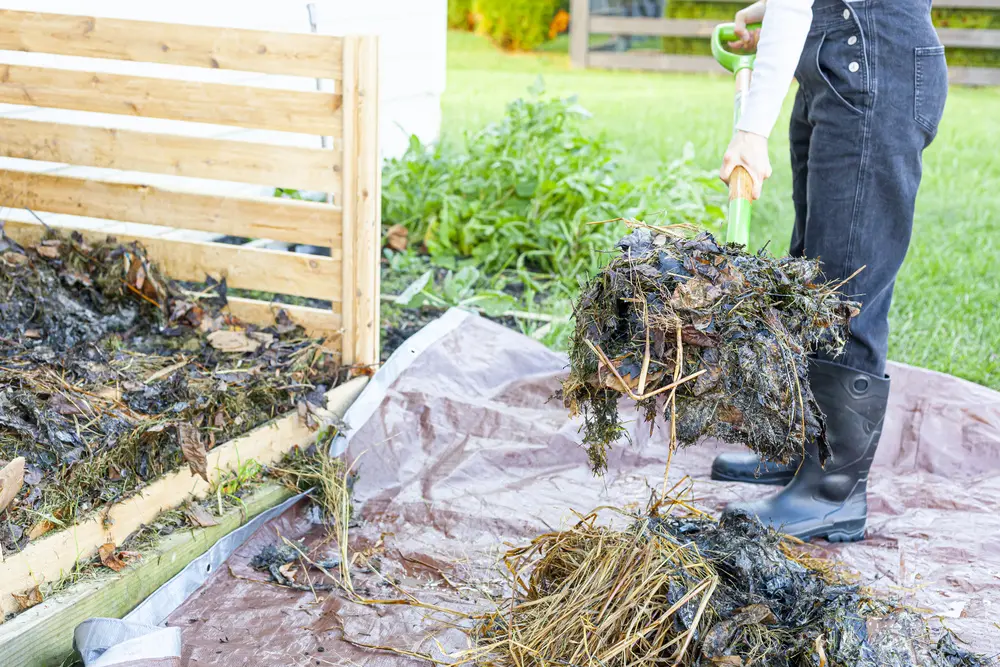
Selecting the right spot for your compost pile is essential for achieving faster composting. There are a few key factors to consider when choosing the perfect location.
First and foremost, consider accessibility. The spot should be convenient so you can easily add materials and turn the pile.
Ideally, it should be close to your garden or source of waste materials.
Next, make sure the area has good drainage. A well-drained spot will prevent the pile from becoming too wet, which can slow down the composting process and produce an unpleasant smell.
To improve drainage, place your compost pile on a layer of sticks or twigs. These will help trap air and drain excess water, ensuring faster, odor-free decomposition.
Another factor to take into account is direct sunlight. A sunny spot is preferable since the sun's heat will help increase the pile's temperature, speeding up the process.
However, if a sunny location is not available, do not worry; decomposition will still occur, albeit at a slower pace.
Lastly, make sure there is enough room for air circulation around the pile.
This will allow essential bacteria and other microorganisms to thrive, improving the decomposition process.
One of the key factors in speeding up the composting process is striking the right balance between green and brown materials.
Green materials are rich in nitrogen, while brown materials provide the carbon necessary for decomposition.
To maintain an ideal carbon-nitrogen ratio, it is essential to have a good mix of both green and brown materials in your compost pile.
This ratio is typically around 25-30 parts carbon to 1 part nitrogen. While it isn't necessary to have exact measurements, aiming for a ratio within this range will help promote quicker decomposition.
Some examples of green materials (nitrogen-rich) include:
* Food scraps
* Grass clippings
* Rotted manure
Examples of brown materials (carbon-rich) are:
* Brown leaves
* Straw
* Shredded paper
* Sawdust
* Woodchips
When layering your compost pile, it is useful to alternate between green and brown materials.
This not only helps to maintain the carbon-nitrogen balance, but also improves aeration and allows beneficial microbes access to both sources of nutrients.
Ancheng offers disposable tableware made from bamboo and wood, which can be composted after use to reduce waste and protect the environment.

A key aspect to speeding up the composting process is ensuring proper aeration techniques.
This section will discuss the importance of turning the pile and adding air tubes in achieving effective aeration.
Turning the compost pile is essential for maintaining adequate air circulation.
By using a pitchfork or a similar gardening tool to turn and mix the compost, air pockets are created, allowing oxygen to penetrate the material.
This process helps avoid excess moisture and promotes even distribution of heat within the pile. It is usually recommended to turn the pile every few days for optimal results.
Turning the pile also helps to prevent foul odors and unwanted pests by mixing in any green materials that may be on the surface of the compost heap.
Another effective aeration technique is adding air tubes to the compost pile. These tubes, made from materials like PVC pipes or rolled-up wire mesh, allow for better airflow within the heap.
To use air tubes, simply insert them vertically into the center of the compost pile, making sure there are enough perforations or holes for air to flow through.
Air tubes also contribute to more efficient heat distribution, resulting in quicker decomposition of organic materials.
One of the easiest ways to adjust the moisture content in your compost is by wetting dry materials.
When compost feels too dry, it may hinder the decomposition process. To ensure proper moisture levels, try the wrung-out sponge test.
Grab a handful of compost and gently squeeze it; the desired moisture level should feel like a damp, wrung-out sponge.
If it feels too dry, gradually add water to the pile, making sure to mix and turn the materials to evenly distribute the moisture.
On the other hand, compost piles can also become too wet, which can lead to anaerobic conditions and a slower composting process.
If the pile feels too damp or has a strong odor, properly draining excess water is crucial. One way to achieve this is by adding a layer of sticks or twigs at the bottom of the compost pile.
This layer helps to trap air and promote aerobic composting while allowing excess water to drain away.
Additionally, turning the compost pile regularly can aid in balancing moisture levels and improving aeration.
If the pile is still too wet, consider incorporating more dry, brown materials, such as leaves or straw, to absorb excess moisture.
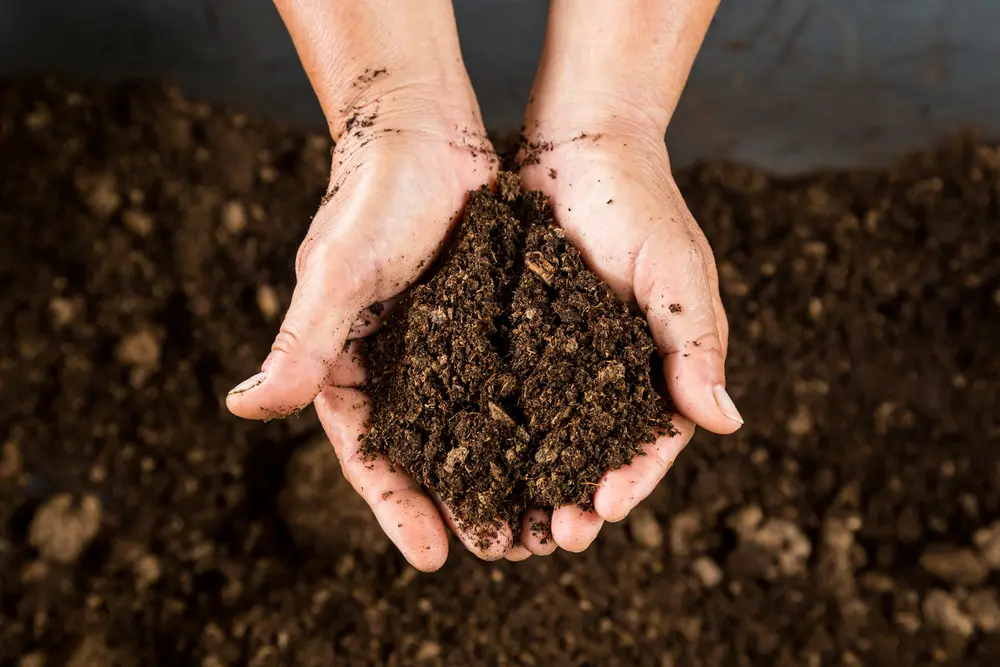
When it comes to speeding up composting, effectively managing temperature and insulation is key.
Maintaining a consistent temperature within your compost pile is crucial for optimal decomposition.
The ideal temperature range for composting lies between 30 to 60 degrees Celsius.
Within these temperatures, the beneficial microorganisms work efficiently to break down the organic material.
Monitoring the temperature of your compost pile ensures that it stays within the optimum range for the microbes to work effectively.
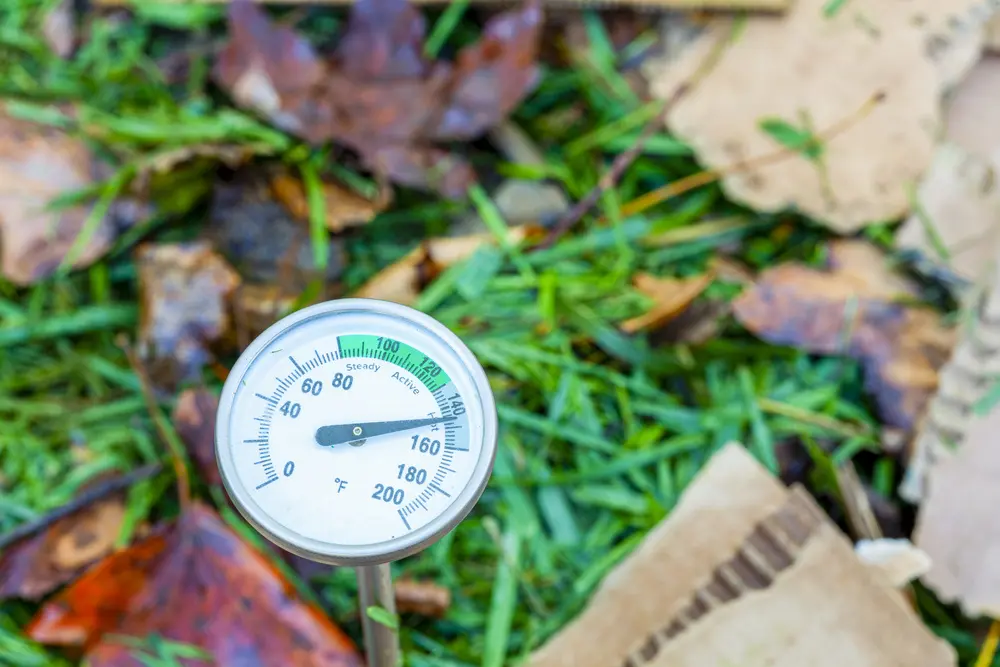
A compost thermometer is a valuable tool that helps in keeping track of the temperature fluctuations within the pile.
Here's how to use a compost thermometer:
* Insert the probe into different parts of the pile to check for even distribution of heat.
* Regularly monitor temperature changes during various stages of the composting process.
* Use the thermometer readings to guide your actions, like turning the pile or adding more materials.
By optimizing temperature and insulation in your composting process, you'll create favorable conditions for microbial activity and significantly speed up the decomposition process.
Compost accelerators and inoculants are helpful additions to your compost pile, providing necessary nutrients, bacteria, and enzymes that speed up the decomposition process.
In this section, we'll discuss both natural accelerators and commercial products that can contribute to faster composting.
Natural accelerators are items you may already have around your home or garden. They're a cost-effective and environmentally friendly option to speed up the composting process.
Here are a few options to consider:
* Coffee grounds: Rich in nitrogen, coffee grounds make excellent compost accelerators. Simply add them to your compost pile to enhance decomposition.
* Grass clippings: Packed with nitrogen, grass clippings can be added to the compost pile to accelerate decomposition and maintain proper moisture levels.
* Eggshells: Crushed eggshells provide calcium, helping to balance acidity levels in the compost pile.
* Garden soil: A handful of garden soil added to your compost pile aids in introducing beneficial bacteria and other microorganisms that speed up the decomposition process.
For a more scientifically formulated approach, consider using commercial compost accelerators and inoculants.
These products typically contain enzymes and bacteria specifically designed to aid in the composting process. Some popular options include:
* Compost starters: These granular products, when mixed with water, create a solution rich in bacteria and enzymes that jump-start the decomposition process.
* Compost activators: These are nutrient-rich additives, usually in powder form, which boost the microbial activity in your compost pile. They often contain high levels of nitrogen, phosphorus, and potassium.
* Microbial inoculants: These products introduce specific strains of bacteria and fungi to your compost pile, which helps break down organic material more efficiently.
When using commercial products, always follow the manufacturer's instructions for proper application rates and frequency.
Monitoring the Composting Process
Monitoring the composting process is an important aspect of speeding up your compost.
One key factor to monitor is the temperature of your compost pile, as it plays a crucial role in the microbial activity needed for breaking down organic matter.
You can use a standard compost thermometer to check the temperature regularly. Ideal temperature ranges for composting are between 90° and 140°F (32° and 60°C).
Maintaining this range will promote the work of helpful microorganisms and prevent the growth of pathogens.
Aeration is another essential component to keep track of during the composting process.
Aerobic decomposition, which requires oxygen, is faster and more efficient than anaerobic decomposition.
Frequently turning your compost pile, ideally every two to three days, will ensure sufficient oxygen is provided to the microorganisms breaking down the material.
In addition to temperature and aeration, it's important to monitor the moisture level of your compost pile.
Aim for a moisture level that feels like a damp sponge, and use your judgment to add water when necessary or maintain a proper balance with dry, carbon-rich materials.
Finally, observing the physical appearance of your compost pile can also provide insight into its progress.
As organic materials break down, they will decrease in size and change in color, often taking on a darker hue.
An earthy smell should be present, indicating a healthy compost pile. Be sure to keep an eye out for changes like these, as well as any signs of pest infestations or harmful pathogens.
In the process of speeding up composting, there are a few common issues that can arise.
This section addresses those problems and offers solutions to help you maintain a healthy compost pile.
One common problem with compost piles is the presence of unpleasant odors. This is often caused by anaerobic decomposition, which occurs when there is insufficient oxygen in the pile. To combat this issue:
* Aerate the pile: Frequently turning and mixing the compost will aid in creating air pockets, improving circulation, and distributing heat evenly. This encourages aerobic decomposition, which is faster and produces less odor.
* Balance the materials: Ensure that the compost contains a good mix of green (nitrogen-rich) and brown (carbon-rich) materials. A proper balance helps maintain the right moisture levels and prevents unpleasant odors.
* Drain excess moisture: A layer of sticks and twigs at the bottom of the compost pile can help with drainage. Proper drainage prevents the pile from becoming too wet, which can contribute to anaerobic decomposition and odors.

Another issue that can arise in compost piles is dealing with pests, such as rodents and insects. To keep your compost pest-free, consider these tips:
* Use a rodent-proof compost bin: Enclosed bins with tight-fitting lids and a small mesh or wire bottom can prevent rodents from accessing the compost.
* Avoid meat, dairy, and cooked food: These types of food can attract unwanted pests. Stick to green and brown materials, like fruit and vegetable scraps, dried leaves, and grass clippings.
* Bury food scraps: When adding food waste to the compost pile, bury it in the center to discourage pests from being attracted to the smell.
By addressing these common problems and implementing the suggested solutions, you should be able to maintain a healthy and efficient compost pile that speeds up the decomposition process.

Hello, I'm Sven Wang, the Manager of Ancheng. With extensive expertise in raw materials and production processes, I'm dedicated to advancing sustainable tableware and constantly improving eco-friendly options for the modern catering industry. You can trust that Ancheng is committed to providing the highest quality. Welcome!

Factory: Qian Renqiao Industrial Park, Shucheng County, Luan City, Anhui Province, China
Office: Building 11, Max Science Park, Shushan Dist, Hefei, Anhui, China
Copyright ©2026 Anhui Ancheng Bamboo and Wood Tableware Co., Ltd. Privacy Policy




 Index
Index Product
 Resources
 About
About