We can provide wholesale services disposable wooden and bamboo tableware to more than 30 countries

Discover how disposable cutlery impacts food safety, from hygiene and chemical release to industry trends. Learn the best practices for safe, eco-friendly use. Disposable cutlery has become a staple in our fast-paced world, offering unmatched convenience and widespread popularity. However, its impact on food safety is a critical consideration for both consumers and businesses. This blog post explores the types of disposable tableware, their safety aspects, the benefits of biodegradable options, and how the restaurant industry can make informed choices. Common Types of Disposable Cutlery Each type of disposable tableware has its own set of characteristics, impacting its suitability and safety for food use. 1. Wooden Cutlery Wooden cutlery is made from bamboo or birchwood and is biodegradable, which makes it an environmentally sustainable option for parties, picnics, and other events. Wood is produced from the plants of gymnosperms and angiosperms and is rich in biodiversity. Here is a process of wooden cutlery. Choose wood from places with abundant wood resources (not used for trees that are too young; cut down a tree and replant three to five small saplings) and use more robust trees. Cutting the wood into pieces. After storage for a period of time, the wood is treated, peeled, and flattened. Processed wood into the machine. Take out the finished products one by one and remove the defective products. The quality product is subjected to manual grinding to avoid the surface of the product not being smooth enough. 2. PLA Cutlery PLA cutlery is another type of cutlery. PLA stands for Polylactic Acid, it is a polythermal process. By this process, it is used in disposable cutlery and makes different tableware sets. Some environmental benefits of PLA, such as low energy to produce and reduced greenhouse production, are presented and opportunities for the future are given. 3. Bagasse Cutlery Bagasse cutlery mainly includes disposable forks, spoons, sporks, and knives which are again of various types. Bagasse is another important type of disposable cutlery; cutlery is made from the extraction of sugar bearing juice after burning sugarcane. Convenience stores and party distributors don’t forget to theme your party packs with designed cutlery. The tableware produced from the original bagasse is durable, non-toxic and non-additive. 4. Plastic Cutlery The European Union’s Directive (EU) of the European Parliament and of the Council on the reduction of the impact of certain plastic products on the environment describes single-use plastic products (Sups) as materials that are used once, or for a short period of time. Typically made from polystyrene or polypropylene. It is lightweight, inexpensive, and widely available. However, plastic tableware is the most likely type to cause food safety concerns. Since plastics are not biodegradable, they may cause chemical leaching at high temperatures and leach into the food they come into contact with. We have prepared articles on bagasse and plastic cutlery for you to learn more. 5. Bamboo Cutlery Bamboo cutlery is another important type of disposable cutlery. Bamboo products are very useful for health. These bamboo meals are non-polluting, not easy to mold, durable and fragrant. Bamboo tableware has high resistance. Bamboo tableware has good heat resistance, such as chopsticks. Bamboo tableware is more insulator and good thermal insulating. Maybe you're also interested in bamboo and bagasse packaging? Is Disposable Tableware Safe? Disposable tableware offers several benefits, such as convenience and hygiene. However, it also presents potential risks: I. Benefits Hygiene: Single-use nature reduces the risk of cross-contamination. Convenience: Easy to use and dispose of, making it ideal for events and takeout. II. Potential Risks Chemical Release: Some plastic utensils can release harmful chemicals when exposed to high temperatures. Plastic cutlery, in particular, can pose a potential health risk by permeating chemicals into food. Environmental Impact: Non-biodegradable plastics contribute to environmental pollution. Researchers are searching for and improving new materials to design and develop safe and environmentally friendly disposable tableware for everyday use. III. Comparison of Plastic vs. Other Tableware: Aspect Plastic Cutlery Biodegradable Cutlery Wooden Cutlery Hygiene High (Single-use) High (Single-use) High (Single-use) Chemical Release Potential risk at high temperatures Generally safe, varies by material Generally safe Environmental Impact High (Non-biodegradable) Low (Biodegradable) Low (Biodegradable) Cost Low Moderate to high Moderate Why Use Non-Toxic Biodegradable Cutlery? 1. Food safety: Traditional plastic cutlery can release harmful chemicals such as BPA (bisphenol A) and phthalates, which are linked to various health issues including hormone disruption and cancer. Biodegradable cutlery is typically made from natural, non-toxic materials that do not leach harmful substances into food, even when exposed to heat. 2. Compliance with relevant provisions: Many biodegradable products meet stringent safety standards set by regulatory bodies, ensuring they are safe for food contact. Certifications such as FDA approval, ASTM D6400, and EN 13432 provide assurance that these products have been tested and verified to be free from harmful chemicals and safe for consumer use. 3. Build brand identity: Using biodegradable cutlery can significantly enhance a company’s brand image by demonstrating a commitment to sustainability and environmental responsibility. This can attract eco-conscious consumers and differentiate a business in a competitive market. 4. Environmental impact: Traditional plastic cutlery contributes significantly to the global plastic waste problem. These items are often used once and then discarded, taking hundreds of years to decompose and causing long-term environmental damage. Biodegradable cutlery, on the other hand, is designed to break down naturally, reducing the burden on landfills and oceans. How Does the Restaurant Industry Choose Disposable Tableware? The restaurant industry must consider several factors when choosing disposable tableware to ensure safety, compliance, and customer satisfaction. Here are key considerations: 1. Material Selection Choose materials that are non-toxic and safe for food contact, such as PLA, bamboo, bagasse or wood. Opt for biodegradable and compostable materials to minimize environmental impact. 2. Manufacturing Processes Ensure that manufacturing processes adhere to high standards to prevent contamination and chemical leaching. It’s better to look for products that have certifications indicating they meet safety and environmental standards. 3. Regulatory Standards and Certification Compliance with regulatory standards and obtaining relevant certifications are crucial for ensuring the safety and acceptance of disposable tableware. Common certifications include: FDA Approval: Indicates that the product is safe for food contact. ASTM D6400: Certification for compostable plastics. EN 13432: European standard for compostability. BPI Certification: Certification from the Biodegradable Products Institute, indicates that the product meets compostability standards. Industry Trends and Innovations The disposable cutlery industry is continuously evolving, with new trends and innovations aimed at improving food safety and sustainability. a. Advances in Laws and Regulations: Many countries are implementing bans on single-use plastics, encouraging the use of biodegradable alternatives. Increased government regulatory standards for food safety and environmental impacts are driving innovation in disposable tableware materials and manufacturing processes. b. Sustainable Innovations: Manufacturers are working to develop new biodegradable materials, such as algae-based plastics and mycelium-based products, to balance convenience and environmental responsibility. c. Design Improvements: The company is developing creative designs, including tamper-resistant features, to ensure the safety of disposable tableware and encourage consumers to purchase it. FAQs 1. Are all biodegradable utensils safe for hot foods? Most biodegradable utensils are safe for hot foods, but always check manufacturer guidelines for temperature limits to ensure safety and performance. 2. How can I ensure the disposable cutlery I use is safe? Look for certifications and compliance with food safety regulations. Choose products from reputable suppliers and verify their adherence to quality standards. 3. What are the best practices for disposing of biodegradable cutlery? Compost biodegradable cutlery if facilities are available. If not, dispose of them in accordance with local waste management guidelines to ensure proper degradation. 4. Can using disposable cutlery impact my restaurant’s brand image? Yes, using eco-friendly disposable cutlery can enhance your brand’s reputation for sustainability and social responsibility, attracting environmentally conscious customers. Conclusion Disposable cutlery offers unmatched convenience but comes with important food safety considerations. By choosing non-toxic, biodegradable options and adhering to regulatory standards, businesses can ensure the safety and satisfaction of their customers while promoting environmental sustainability. Join Ancheng in Guarding Disposable Tableware Food Safety! Discover our wide range of food-safe biodegradable disposable tableware at Ancheng. Our products are suitable for a wide range of scenarios such as restaurants, commercial events, trade shows, wedding events and more. Contact our experts to design unique disposable tableware for you and instantly improve your food safety and sustainability efforts!
2024-07-15

Bamboo and sugarcane have emerged as leading contenders in the realm of sustainable packaging, driven by the urgent need to find eco-friendly alternatives to traditional plastic and other non-renewable materials. Both materials offer eco-friendly alternatives to traditional plastic and Styrofoam, but how do you decide which one is right for you? This blog post will provide a comprehensive comparison of bamboo and bagasse, outlining their differences, advantages, and factors to consider when choosing between them. Overview of Bamboo Bamboo is a fast-growing woody grass found primarily in tropical and subtropical regions, including Asia, Africa, and South America. Known for its rapid growth, with some species growing up to 3 feet in a single day, bamboo is an incredibly renewable resource. Bamboo thrives in warm, humid climates and requires relatively low maintenance once established. It does not need pesticides or fertilizers, making it an environmentally friendly crop. Advantages of Bamboo: Sustainability: Bamboo's rapid growth and ability to regenerate quickly make it a highly sustainable resource. Strength and Durability: Bamboo is strong and durable, suitable for products like bamboo cutlery and eco-friendly food storage containers. Versatility: It can be used in various applications, including bamboo packaging, disposable plates, and eco-friendly bamboo cutlery for weddings. Disadvantages of Bamboo: Processing: The processing of bamboo into finished products can be labor-intensive and may involve the use of chemicals. Cost: Bamboo products can sometimes be more expensive than those made from other materials due to processing and transportation costs. Getting to Know Sugarcane Sugarcane, scientifically referred to as Saccharum officinarum, is primarily cultivated for its sugar-rich juice, which is processed into sugar for human consumption and biofuel. Bagasse is the fibrous residue left after sugarcane stalks are crushed to extract their juice. It is a byproduct of the sugar industry and is commonly used to produce sugarcane fiber packaging and bagasse products. Sugarcane requires significant water and land resources but is a highly efficient crop in terms of biomass production. Brazil is the largest producer of sugarcane and bagasse products. Advantages of Bagasse: Eco-Friendliness: Bagasse packaging utilizes a waste product, reducing the need for new raw materials and promoting sustainability. Biodegradability: Bagasse products are biodegradable and compostable, ideal for eco-friendly packaging. Cost-Effective: Sugarcane fiber packaging is generally more affordable due to the abundance of bagasse. Disadvantages of Bagasse: Moisture Sensitivity: Bagasse can absorb moisture, making it less suitable for liquid storage without additional coatings. Limited Durability: While suitable for many uses, bagasse cutlery and other products may not be as strong as bamboo alternatives. Uses of Bamboo and Sugarcane Both bamboo and bagasse are versatile materials used in a variety of applications, but the eco-friendly packaging industry is their most obvious trend. I. Bamboo Products Bamboo is an incredibly versatile material with a wide range of applications. Here are some of its key uses: a. Paper Production: Bamboo fibers are used to make high-quality paper that is both durable and eco-friendly. This paper is often used for stationery, packaging, and even currency. b. Construction Materials: Bamboo is known for its strength and flexibility, making it an ideal material for scaffolding, flooring, roofing, and even entire buildings in many parts of the world. c. Textiles: Bamboo fibers can be processed into soft, breathable fabrics used in clothing, bed linens, and towels. These textiles are prized for their natural antibacterial properties and sustainability. d. Furniture: Due to its durability and aesthetic appeal, bamboo is commonly used to make furniture, including chairs, tables, and cabinets. e. Eco-Friendly Packaging: Bamboo packaging is becoming increasingly popular for food containers, wrapping, and disposable cutlery. Its strength and biodegradability make it an excellent alternative to plastic. II. Bagasse Products Bagasse, the fibrous byproduct of sugarcane, is also widely used in various applications: a. Paper and Pulp Production: Bagasse is used to produce paper and pulp, which are then turned into office paper, cardboard, and other packaging materials. This use of bagasse reduces the need for wood pulp and helps preserve forests. b. Energy Production: Bagasse is often burned in sugar mills to produce bioenergy. This process provides a renewable source of electricity and heat, reducing reliance on fossil fuels. c. Animal Feed: Bagasse is sometimes used as a low-cost feedstock for livestock, especially in regions where other feed sources are scarce. d. Eco-Friendly Packaging: Bagasse packaging is ideal for food containers, plates, bowls, and disposable cutlery. Its biodegradability and compostability make it a sustainable choice for single-use items. e. Biodegradable Plastics: Research is ongoing to use bagasse in the production of biodegradable plastics, which could further reduce reliance on petroleum-based plastics. Environmental Impact of Bamboo and Sugarcane Packaging Bamboo and bagasse are both sustainable and environmentally friendly products, and they are alternatives that reduce the harm that plastic does to oceans and wildlife. They have an environmental impact in 4 main ways: 1. Resource Efficiency Bamboo: Bamboo is one of the fastest-growing plants, with some species capable of growing up to 3 feet per day. This rapid growth rate makes bamboo an incredibly renewable resource. Bamboo is cultivated on approximately 37 million hectares globally, and it plays a critical role in high-carbon land use. Bamboo generally requires less water than many traditional crops, making it a more sustainable choice in areas with limited water resources. Sugarcane: Bagasse is a byproduct of the sugar industry, meaning that its use in packaging and other applications helps to maximize resource efficiency by utilizing waste material. 2. Carbon Footprint Bamboo: Bamboo is highly effective at sequestering carbon dioxide, absorbing more CO2 per hectare than many tree species. This helps mitigate climate change by reducing greenhouse gases in the atmosphere. The processing of bamboo products generally produces lower emissions compared to the production of traditional plastics and other non-renewable materials. Sugarcane: Bagasse is considered carbon-neutral when burned for energy because the CO2 released during combustion is roughly equal to the amount absorbed by the sugarcane plants during their growth. Using bagasse for packaging and other products reduces the need for petroleum-based plastics, thus lowering the overall carbon footprint of these products. 3. Production Consumption Bamboo: The production of bamboo products can be energy-intensive, particularly when processing bamboo into fibers for textiles or paper. However, advancements in processing technologies are helping to reduce this energy consumption. Some bamboo processing methods involve the use of chemicals, which can have environmental impacts. However, there are also more sustainable processing methods that use fewer chemicals. Sugarcane: The production of bagasse products is relatively energy-efficient, especially when bagasse is used on-site at sugar mills for energy production. The production of bagasse packaging typically involves fewer chemicals compared to the production of traditional plastics, making it a more environmentally friendly option. 4. Recycling and Post-Use Disposal Bamboo: Bamboo products are generally biodegradable and can be composted, returning nutrients to the soil. Some bamboo products, such as furniture, can also be recycled or repurposed. The biodegradability of bamboo packaging helps reduce landfill waste and pollution. Sugarcane: Bagasse products are biodegradable and compostable, breaking down naturally without leaving harmful residues. This makes them an excellent choice for single-use items. Bagasse products can be recycled in composting facilities, turning them into valuable compost that can enrich soil health. Bamboo and Sugarcane Packaging: Coherence and Differentiation We have summarized the features and differences between these two products in the table below for your comprehensive reference. Factor Bamboo Packaging Sugarcane Packaging Sustainability Highly sustainable, rapid growth Made from a waste product, reduces need for new raw materials Processing Labor-intensive, may involve chemicals Utilizes a byproduct, more straightforward process Cost Generally higher due to processing and transport Generally more affordable due to abundance of bagasse Durability Strong and durable Less durable, sensitive to moisture Biodegradability Biodegradable but processing chemicals may impact this Biodegradable and compostable Market Demand Growing demand for bamboo products High demand for affordable, eco-friendly packaging Resource Efficiency Rapid growth, low land and water use Efficient use of byproducts, renewable energy production Carbon Footprint High carbon sequestration, low emissions Carbon-neutral energy production, reduced reliance on plastics Production Consumption Energy-intensive, potential chemical use Energy-efficient, low chemical use Recycling Biodegradable, compostable, some recyclability Compostable, reduces landfill waste Bamboo and Sugarcane Packaging: How to Choose? There are always a number of unavoidable considerations when deciding whether to use bamboo packaging or sugarcane packaging. 1. Budget If cost is a major concern, bagasse products might be the more economical choice. 2. Purpose and Application For events requiring sturdy tableware, such as weddings, eco-friendly bamboo cutlery is ideal. For cost-effective, disposable packaging, bagasse products are suitable. For liquid or moisture-heavy foods, consider bamboo or coated bagasse products to prevent leakage. 3. Environmental Impact Both are good choices if you're an environmentalist with a focus on sustainability and low environmental impact, but bamboo's rapid growth gives it an advantage in terms of renewability and carbon sequestration. 4. Consumer Preferences Investing in sustainable packaging is not only a cost-effective measure but also aligns with the growing consumer demand for environmentally responsible products, thereby enhancing a brand's commitment to sustainability. Some consumers may prefer the aesthetic and durability of bamboo products, while others may prioritize the eco-friendly nature and affordability of bagasse packaging. Future Prospects of Sustainable Packaging According to Cognitive Market Research, the global Sustainable Packaging Market size will be USD 306200 million in 2025. Increasing consumer preference for sustainable and eco-friendly products is expected to boost sales to USD 562570.22 million by 2033, with a Compound Annual Growth Rate (CAGR) of 7.90% from 2025 to 2033. This rapid growth is propelled by the rising demand for sustainable and eco-friendly products, particularly in the food and beverage sector. As e-commerce and online food delivery services continue to flourish, the need for convenient, eco-friendly packaging solutions has become more pronounced, prompting companies to innovate and develop new sugarcane-based packaging options. On the other hand, bamboo packaging has also emerged as a popular eco-friendly alternative, valued for its rapid growth rate and renewable nature. FAQs 1. Are bagasse products safe for food use? Yes, bagasse products are safe for food use. They are non-toxic, biodegradable, and compostable, making them an excellent choice for eco-friendly food storage containers and disposable cutlery. 2. Which is the healthiest container to store food in? Eco-friendly food storage containers made from bamboo are considered among the healthiest options due to their natural properties and minimal chemical treatment. 3. Can bamboo and bagasse packaging be composted at home? Yes, both bamboo and bagasse packaging can be composted at home. But to be on the safe side, opt for industrial composting methods. Conclusion Choosing between bamboo and bagasse for eco-friendly tableware depends on various factors, including cost, durability, and environmental impact. Both materials offer sustainable options for reducing your ecological footprint. By understanding the strengths and weaknesses of each, you can make an informed decision that aligns with your values and needs. Choose the Best Eco-Friendly Packaging for Your Needs! Still not sure how to pick between bamboo and bagasse food packaging? Ancheng possesses extensive experience in sustainable packaging. We offer a diverse range of material products, including bamboo and sugarcane bagasse, to meet the varied needs of your business. Contact Ancheng experts today and we'll find the perfect sustainable packaging solution for your business. Make a difference with every meal!
2024-07-12

As global single-use plastic bans accelerate, disposable bamboo cutlery sets have become the standard eco solution for takeout restaurants, catering companies, event planners, hotel chains and retail private label brands. Bamboo’s natural antibacterial property, high tensile strength and fully compostable feature outperform plastic and low-grade wooden utensils. This guide is a dedicated wholesale product catalog covering 10 mainstream wrapped bamboo cutlery kits. We classify each set by matching business scenarios, packaging combinations and bulk application demands, helping global importers and distributors pick the right kits for their brands. Why Disposable Bamboo Cutlery Sets Are a Great Eco-Friendly Choice? Bamboo tableware is favored by environmental companies for its biodegradable properties. Here are its specific environmental features. 1. Raw Materials Are Renewable Resources Disposable bamboo utensils have surged in popularity recently, owing to their environmentally friendly attributes. The key factor behind this trend lies in bamboo being an exceptionally renewable resource. Unlike conventional cutlery crafted from plastic or metal, which necessitates resource-intensive mining or manufacturing processes, bamboo boasts rapid growth and can be harvested sustainably without adverse environmental impacts. Opting for a bamboo cutlery set not only aids in diminishing plastic waste but also addresses concerns related to deforestation. This conscious choice aligns with a broader commitment to ecological sustainability by promoting the use of a readily replenished material, thereby making a positive impact on both waste reduction and forest preservation. 2. Compostable Bamboo Cutlery Beyond its renewable qualities, bamboo possesses the additional benefit of being biodegradable. This signifies that when a bamboo cutlery set reaches the end of its lifecycle, it naturally decomposes, leaving no enduring adverse effects on the environment. In stark contrast, plastic cutlery can persist for hundreds of years, contributing to pollution in landfills and waterways. The decision to embrace bamboo cutlery reflects a deliberate commitment to minimizing one's carbon footprint and safeguarding the planet. 3. Antibacterial Properties Beyond their eco-friendly attributes, bamboo cutlery sets offer an added advantage through their inherent antimicrobial properties. Bamboo harbors bamboo-kun, a natural substance that acts as a deterrent to bacteria and other potentially harmful microorganisms. This inherent quality not only makes bamboo cutlery a sustainable choice but also ensures a hygienic dining experience. Choosing bamboo cutlery allows you to savor your meals with confidence, knowing that the utensils naturally impede the growth of germs. Factors to Consider When Choosing a Disposable Bamboo Cutlery Set When embarking on the selection journey for the ideal bamboo cutlery set, a nuanced examination of specific factors is vital to ensure a perfect alignment with your unique requirements. Let's delve deeper into these key considerations: 1. Number of Pieces: Consider not only the quantity but the specific types of utensils included in the set. Assess whether the sizes and styles meet your diverse dining needs, enhancing practicality and versatility. 2. Inclusions: Explore the range of additional items offered in the set. Beyond the basics, some bamboo cutlery sets may include specialized tools like serrated knives, dessert spoons, or even items such as cheese spreaders. Understanding the full scope of inclusions ensures your set caters to various culinary scenarios. 3. Packaging: Scrutinize not just the eco-friendliness but the functionality of the packaging. Proper packaging of tableware not only ensures hygiene but also serves as a low-cost form of advertising that enhances a brand’s image. 4. Customization Options: Some bamboo cutlery sets offer customization options. If personalization is important to you, explore sets that allow you to engrave or add unique touches to the utensils. You can choose specific handle designs and colors, or even offer interchangeable parts. This level of personalization ensures your dining tools are a true reflection of your style. In the realm of bamboo cutlery sets, each option boasts distinctive features, elevating the dining experience in its own way. Whether you need a compact travel set for outdoor activities or a complete tableware set for a party, Ancheng’s wide variety of sets has you covered. Explore the Ancheng Sustainable Bamboo Cutlery Sets! Start with a low minimum order quality! Get FREE Sample Now Common Applicable Occasions for Disposable Bamboo Tableware Sets Disposable bamboo flatware sets are convenient and eco-friendly alternatives to traditional disposable plates, cups, and utensils made from plastic or paper. Here are common applicable occasions for using disposable bamboo tableware sets: 1. Hotel Rooms & Airline Inflight Service: Premium individually sealed bamboo cutlery sets meet strict hygiene standards for hospitality and aviation use. Smooth splinter-free texture, neutral taste and food-grade certifications satisfy high-end service requirements for room dining, inflight meals and lounge catering programs. 2. Supermarkets & Private Label Retail Sales: Custom printed retail-sized bamboo cutlery packs can be branded with store logos and shelf-ready packaging for supermarket, convenience store and online retail sales. Pre-packaged family-sized sets target end consumers looking for eco-friendly disposable tableware for home gatherings and picnics. 3. Food Trucks and Street Food Vendors: Portable, compact pre-wrapped cutlery kits simplify inventory management for mobile food businesses. They are easy to stock, transport and distribute at outdoor markets, roadside stalls and seasonal pop-up events, with no messy loose utensils to sort manually. 4. Festivals and Carnivals: Complete 6-in-1 all-in-one sets with napkins and seasoning packets are ideal for banquets, wedding receptions, corporate galas, outdoor festivals and group catering. The integrated design eliminates separate utensil preparation, elevates event grade, and delivers a neat, premium dining experience for guests. 5. Take-Out and Delivery Services: Standard 3-in-1 or 4-in-1 pre-wrapped cutlery kits are the most cost-effective choice for daily lunch, dinner and fast-food delivery. Pre-assembled sets reduce in-store packaging time, prevent missing utensils during order packing, and meet plastic ban regulations for large delivery platforms. Suitable for general restaurants, noodle shops, rice bowl stores and casual dining brands. Top 10 Disposable Bamboo Tableware Sets to Choose From Seeing this, I believe you have a great interest in Disposable Bamboo Tableware Sets. We have selected the 10 best sets for you. Set 1: 3 in 1 Wrapped Disposable Bamboo Cutlery Set Shop now: https://www.anchenggy.com/product/3-in-1-wrapped-disposable-bamboo-cutlery-set.html Inclusions: Knife, Fork, Spoon Perfect for taking your lunch box with you to eat at the office or school during the workday. The combination of a knife, fork, and spoon makes eating various types of food more convenient. Set 2: 4 in 1 Wrapped Disposable Bamboo Cutlery Set Shop now: https://www.anchenggy.com/product/4-in-1-wrapped-disposable-bamboo-cutlery-set.html Inclusions: Knife, Fork, Spoon, Napkin This set comes with an extra paper towel compared to the previous one, offering added convenience for cleaning up during meals. The additional sheet ensures you have ample resources for effortlessly tidying up during your dining experience. This not only facilitates the cleanup process but also enhances your overall dining comfort and enjoyment. Set 3: 6 in 1 Wrapped Disposable Bamboo Cutlery Set Shop now: https://www.anchenggy.com/product/6-in-1-wrapped-disposable-bamboo-cutlery-set.html Inclusions: Knife, Fork, Spoon, Napkin, Salt, Pepper 6-in-1 Disposable Bamboo Cutlery Set, featuring a knife, fork, spoon, napkin, and the added convenience of disposable salt and pepper packets. This all-inclusive set is designed for on-the-go dining, ensuring you have everything you need for a complete and hassle-free eating experience. The inclusion of disposable salt and pepper adds a flavorful touch to your meals, making this eco-friendly bamboo cutlery set a practical and convenient choice for various occasions, from picnics to outdoor events. Set 4: 2 in 1 Wrapped Disposable Bamboo Knife and Napkin Set Shop now: https://www.anchenggy.com/product/2-in-1-wrapped-disposable-bamboo-knife-and-napkin-set.html Inclusions: Knife, Napkin This set exclusively includes a knife and napkin, catering to specific needs on occasions that demand precision, like having a reliable knife for cutting food and a conveniently included napkin for wiping. Set 5: 2 in 1 Wrapped Disposable Bamboo Spoon and Napkin Set Shop now: https://www.anchenggy.com/product/2-in-1-wrapped-disposable-bamboo-spoon-and-napkin-set.html Inclusions: Spoon, Napkin The set comes with a bamboo spoon and a napkin. The curved shape of a bamboo spoon makes it ideal for scooping and serving food. Whether you're dishing out sauces, soups, or grains, the spoon's design facilitates easy serving. Set 6: 2 in 1 Wrapped Disposable Bamboo Spoon and Fork Set Shop now: https://www.anchenggy.com/product/2-in-1-wrapped-disposable-bamboo-spoon-and-fork-set.html Inclusions: Spoon, Fork The fork and spoon pairing in this set makes it versatile for numerous occasions. The fork is ideal for spearing various foods, such as meat, vegetables, and fruits, enhancing the convenience of meals, especially when transferring food from a plate or container. The spoon, on the other hand, proves handy for ladling soup, and serving rice, noodles, and other dishes. Given their disposable nature, these forks and spoons are incredibly convenient to carry when dining out. Set 7: 2 in 1 Wrapped Disposable Bamboo Spoon and Knife Set Shop now: https://www.anchenggy.com/product/2-in-1-wrapped-disposable-bamboo-spoon-and-knife-set.html Inclusions: Spoon, Knife This set provides a complete meal solution, with the spoon suitable for stirring, scooping, and tasting, and the knife for light cutting. This makes it easier to cater to different meal needs in a variety of meals. The spoon and knife combo offers versatility for a variety of different types of food. Set 8: 2 in 1 Wrapped Disposable Bamboo Fork and Knife Set Shop now: https://www.anchenggy.com/product/2-in-1-wrapped-disposable-bamboo-fork-and-knife-set.html Inclusions: Fork, Knife This is a classic tableware set, the combination of a fork and knife enables efficient meal preparation and consumption. Users can easily cut and lift food, making it a practical choice for quick and convenient dining experiences. The fork and knife set offers versatility in handling different types of food, providing users with a well-rounded dining experience. From cutting to spearing and lifting, the set accommodates various culinary preferences. Set 9: 3 in 1 Wrapped Disposable Bamboo Spoon Chopstick Napkin Set Shop now: https://www.anchenggy.com/product/3-in-1-wrapped-disposable-bamboo-spoon-chopstick-napkin-set.html Inclusions: Spoon, Chopstick, Napkin The combination of the bamboo spoon, chopsticks, and napkin creates a complete dining set that caters to various culinary needs. Users have the essential tools for both scooping and picking up food, accompanied by a convenient napkin for cleanliness. The inclusion of chopsticks adds a cultural and authentic touch to the dining experience, making it suitable for those enjoying Asian cuisine or seeking a unique and traditional feel. Set 10: 4 in 1 Bamboo Cutlery Set (knife + fork + salt + napkin) Shop now: https://www.anchenggy.com/product/4-in-1-bamboo-cutlery-set-knife-fork-salt-napkin.html Inclusions: Knife, Fork, Salt, Napkin The 4-in-1 set creates a comprehensive dining experience, providing users with essential tools for cutting, spearing, seasoning, and maintaining cleanliness. The portable nature of the set makes it ideal for on-the-go dining experiences, such as picnics, outdoor events, or travel. All the necessary utensils are conveniently packaged together. Ready to implement sustainable bamboo flatware? Source from a Chinese premium tableware supplier! Explore Our Eco-Catalog FAQs 1. What Is the Best Material for Disposable Cutlery? Bamboo stands out as an excellent material for crafting disposable tableware. Its versatility, sustainability, and eco-friendly characteristics make it a preferred choice for utensils like forks, knives, and spoons. Its robust nature ensures that utensils can withstand typical usage while offering a comfortable dining experience. 2. Is Disposable Bamboo Cutlery Better Than Plastic? Disposable bamboo cutlery is a superior choice to plastic due to its sustainability, biodegradability, and lower environmental impact. Bamboo's rapid renewal, natural aesthetics, and reduced dependence on non-renewable resources make it a more eco-friendly option for those seeking sustainable alternatives to traditional plastic cutlery. 3. What Is the Most Eco-Friendly Disposable Cutlery? Bamboo stands out as an exceptionally eco-friendly choice for disposable cutlery due to its rapid growth, renewability, and low water and pesticide requirements. Moreover, bamboo cutlery is both biodegradable and compostable, further enhancing its environmental credentials. 4. Can Bamboo Cutlery Be Used for Hot Foods? Yes, high-density moso bamboo resists softening under high temperatures, with no harmful substance migration. All products pass LFGB & FDA food contact testing. 5. Can Bamboo Cutlery Be Customized for Events or Businesses? Yes, bamboo cutlery can often be customized for events or businesses. Many manufacturers offer options for branding, engraving, or personalized packaging. This not only provides a practical utensil but also serves as a sustainable and unique promotional item. 6. What’s the minimum order quantity for custom printed bamboo cutlery kits? Custom logo packaging MOQ is 100,000 sets; standard blank wrapped kits support smaller bulk orders 50000 sets. 7. Can I mix different kit types in one bulk container? Yes, we support mixed loading for multiple cutlery set styles to meet multi-scenario brand demands. 8. How long is the production lead time for bulk wholesale orders? Standard production lead time is 35–45 working days after deposit & sample confirmation. 9. How Should I Dispose of Bamboo Cutlery? Bamboo cutlery is best disposed of in a compost bin. It is biodegradable and will break down naturally in composting conditions. Make sure to follow local waste disposal guidelines and composting regulations. Conclusion Wrapped disposable bamboo cutlery kits provide a one-stop eco tableware solution for all food service businesses. Matching the right set combination to your core meals and service scenarios can cut packaging labor costs and upgrade your brand’s green image. Elevate Your Dining with Ancheng Eco-Friendly Bamboo Cutlery! Transform your dining experience with our premium disposable bamboo cutlery sets. Discover the perfect blend of sustainability, durability, and style. Ready to have an elegant and eco-friendly meal? Visit Ancheng today and shop our top picks. Make your next meal eco-chic! Bulk Purchase Support From Ancheng Standard MOQ: 50,000 sets per item; flexible MOQ for long-term partners Custom Service: Logo laser printing, customized paper sleeve, exclusive kit combinations Lead Time: 35–45 days for bulk orders; rush production available Full Certification Documents supplied for customs clearance Stable monthly capacity over 2.5 billion pieces for large chain brands Ready to implement sustainable dining? Swap plastics for premium wholesale natural tableware Contact Ancheng Today!
2024-07-11

Explore how to choose the best wooden coffee stirrers for your business, focusing on quality, sustainability, and customer satisfaction. A wooden coffee stirrer is a great tool that does not affect the original flavor of the coffee and has a certain natural elegance. But even for such a small tool, its subtle differences can create different experiences for guests. Related companies usually need to purchase this product in bulk. This article provides some references for companies when choosing wooden coffee stirrers. The Rise of Wooden Stirrers in the Hospitality Industry Over the past few years, the hospitality industry has undergone a significant transformation, marked by a growing emphasis on sustainable and eco-friendly practices. One noteworthy manifestation of this eco-conscious movement is the widespread adoption of wooden coffee stirrers. These humble accessories have gained global popularity primarily due to their inherent biodegradability and renewable sourcing. Unlike their plastic counterparts, which contribute significantly to environmental pollution, wooden coffee stirrers offer a sustainable alternative that minimizes the ecological impact. When discarded, wooden stirrers break down naturally over time, returning to the earth without leaving behind harmful microplastics. Cafes, restaurants, and hospitality establishments are integrating these wooden stirrers into their daily operations as part of a broader effort to reduce their carbon footprint and make more environmentally conscious choices. Stirring up Style: Wooden Coffee Stirrers as an Aesthetic Element for Cafes Beyond the practical aspect of stirring beverages, these humble accessories can contribute to the overall visual appeal and ambiance of a café, creating a cohesive and inviting atmosphere. Their earthy tones and organic textures effortlessly blend with the warm and cozy atmosphere that many cafes seek to establish. For instance, imagine a quaint café with wooden furniture, exposed brick walls, and a display of artisanal pastries. The inclusion of wooden stirrers in this setting enhances the overall aesthetic, creating a harmonious and visually pleasing environment. Consider a specialty coffee shop that serves signature drinks. Customized wooden stirrers engraved with the shop's logo or a coffee bean motif not only align with the brand but also create a memorable and branded touchpoint for customers. Exploring Different Wood Options for Stirrers Each wood type comes with its unique characteristics, making it essential for businesses to make informed decisions based on factors such as durability, environmental impact, and cost. 1. Birch Wood Birchwood stands as a traditional and widely used material for crafting coffee stirrers. Known for its fine grain and smooth texture, birch provides a balanced combination of durability and cost-effectiveness. 2. Hardwoods Some businesses may opt for hardwoods like maple or oak, known for their robust and durable nature. Hardwoods often provide a longer lifespan compared to softer wood varieties, making them suitable for establishments with high traffic and frequent use of wooden stirrers. While hardwoods may come at a higher cost, their durability can translate into a more resilient and long-lasting solution. 3. Bamboo Increasingly gaining popularity, bamboo emerges as a sustainable alternative to traditional wood sources. As a rapidly renewable resource, bamboo grows quickly without the need for extensive cultivation efforts. Check out this article: “Wooden vs. Bamboo Coffee Stirrers”—a comparison of the differences between the two types of coffee stirrers. 4. Other Sustainable Wood Sources Exploring alternatives beyond the conventional options, businesses may consider stirrers crafted from other sustainable wood sources. This could include wood from responsibly managed forests, reclaimed wood, or even materials like beechwood. By making informed choices, businesses can not only elevate the quality of their wooden stirrers but also contribute to a more sustainable and conscious approach within the broader context of their operations. Related Products Wooden Coffee Stirrers 7.5’’ Wooden Stir Sticks 5.5’’ Bamboo Coffee Stirrer 4.3’’ Custom Cocktail Mixing Stick 7.5’’ Selecting the Right Length for Your Wooden Stirrers The length of wooden stirrers may seem like a minor detail, but in the realm of customer satisfaction and operational efficiency, it holds significant importance. Determining the practical length of wooden stirrers involves a nuanced understanding of the beverages served and the operational dynamics of the establishment. For instance, a coffee shop specializing in espresso-based drinks may find shorter stirrers more suitable, offering convenience without unnecessary excess. The recommended stirrer length is 4.5 to 5.5 inches. Conversely, establishments serving larger beverages, such as lattes or specialty drinks, might opt for longer stirrers to ensure efficient stirring without the risk of spills. For these cup designs, a 5.5 to 7-inch stirrer is preferred. Tall cups for iced beverages or specialty drinks require longer stirrers to reach the bottom effectively, ensuring a thorough mix. A 7 to 9-inch wooden stirrer is the best choice. Shorter stirrers may suffice for standard coffee cups, providing just the right length for a seamless stirring experience. Ill-fitted stirrers can lead to frustration, spills, or a less-than-ideal stirring experience, potentially impacting the overall satisfaction of patrons. Choose a Shape That Fits the Application 1. Standard Flat Stirrer A straight, flat stirrer is the most common option for cafés, takeaway counters, offices, hotels and general beverage service. Its simple shape supports efficient manufacturing, packing and dispensing. 2. Round-Ended Stirrer Rounded ends provide a softer visual profile and can be used when the buyer wants a more finished appearance. This format can also create more room for a small printed or engraved design when one end is wider. 3. Paddle or Wider-Ended Stirrer A wider end can support more visible branding and provide additional stirring area. It may be suitable for specialty drinks, hotels, events and promotional programs. Because the profile is wider, buyers should confirm carton count and dispenser compatibility. 4. Custom-Shaped Stirrer A custom-shaped wooden coffee stirrer can function as a small brand touchpoint for hotels, cafés, airlines, events and private-label products. Custom options may include: - Rounded tops - Wider logo areas - Decorative profiles - Printed graphics - Laser-engraved logos - Buyer-defined dimensions Shape development should consider manufacturing feasibility, product strength, print area and packing efficiency—not appearance alone. Match the Stirrer to the Business Channel Different channels place different demands on the same product. 1. Coffee Shops and Takeaway Counters Coffee shops generally need convenient bulk packing, dependable replenishment and a length that suits their main cup range. Buyers should check whether the stirrers fit the counter dispenser and whether the pack count makes daily restocking efficient. 2. Hotels and Hospitality Hotels may require stirrers for guest rooms, conference service, breakfast areas or beverage kits. Individually wrapped products can provide a protected presentation, while custom wrappers or printed stirrers can support hotel branding. 3. Airlines and Transport Catering Airline and railway catering programs often require compact packing, stable counts and compatibility with complete beverage or meal kits. The stick, wrapper and secondary packaging should all be considered together because available storage space may be limited. 4. Distributors and Wholesalers Distributors usually need stable supply, consistent carton specifications and products suitable for several customer types. Private-label cartons, retail boxes and customized pack counts may be more important than a highly specialized stick shape. 5. Food Manufacturers and Beverage Kits Manufacturers that include a stirrer in a packaged kit need to confirm the stick dimensions, wrapper fit, pack orientation and compatibility with the final packing line. 6. Vending and Automatic Beverage Systems Vending systems require more precise matching than normal counter service. Buyers should confirm: - Length, width and thickness - Straightness and bow - Shape and edge profile - Bundle or cassette format - Packing orientation - Feeding and dispensing performance - Acceptable dimensional variation A standard café stirrer should not be assumed to work in a vending machine simply because its length appears suitable. Get disposable wood coffee stirrer Start with a low minimum order quality Explore Our Eco-Catalog Understanding the Standards for Durable Wooden Coffee Stirrers In the world of wooden coffee stirrers, durability stands as a paramount consideration. Stirrers need to withstand the rigors of stirring hot beverages without compromising structural integrity. Industry standards may specify acceptable levels of wood density and hardness for coffee stirrers. Hardwoods, such as oak or maple, are often preferred for their durability. The denser the wood, the more resistant it is to splintering or breaking, ensuring that the stirrers can endure the challenges posed by hot liquids without compromising the user experience. The treatment processes applied to wooden stirrers play a crucial role in enhancing their durability. Heat treatment or other preservation methods may be employed to increase resistance to moisture, preventing warping or weakening of the wood over time. Industry standards may provide guidelines on the acceptable thickness and sturdiness of wooden stirrers. A balance must be struck, as stirrers need to be thin enough for practical stirring yet sturdy enough to resist breaking. Standards often consider the intended use of stirrers, whether for espresso shots or larger beverages, and set parameters for appropriate thickness to maintain durability across various applications. Storage and Handling: Best Practices for Preserving the Quality of Wooden Stirrers Businesses should store their stirrers in a cool, dry environment away from direct sunlight. Exposure to excessive heat or humidity can compromise the integrity of the wood, leading to warping or potential contamination. A controlled storage space ensures that the stirrers remain in pristine condition until they are ready for use. Extreme temperatures, whether excessively hot or cold, can impact the structural integrity of the wood. Businesses should avoid storing stirrers in areas prone to temperature fluctuations, such as near ovens or refrigeration units. Consistent room temperature is optimal for preserving the natural characteristics of the wood. Businesses should choose packaging materials that provide a barrier against moisture, dust, and contaminants. Sealed packages or containers help prevent exposure to the environment, ensuring that the stirrers retain their freshness and are ready for use when needed. Additionally, packaging should be sturdy to prevent breakage during storage and transportation. Employees responsible for handling the stirrers should ensure that their hands are clean and dry before touching the stirrers. Avoiding direct contact with the portion of the stirrer that comes in contact with beverages minimizes the risk of introducing external substances that could compromise hygiene. Wooden stirrers are susceptible to moisture, which can lead to warping, mold growth, or other forms of degradation. Businesses should take precautions to prevent prolonged exposure to moisture during storage. This includes avoiding storage in areas prone to leaks, spills, or excessive humidity. If stored in bulk, businesses may consider using moisture-resistant packaging or placing moisture-absorbing materials in the storage space. FAQ 1. Can wooden coffee stirrers be customized? Yes. Available options may include dimensions, shapes, logo printing, laser engraving, individual wrapping, wrapper printing and private-label packaging. 2. What is the difference between wooden and bamboo coffee stirrers? Wood and bamboo have different grain, appearance and processing characteristics. Ancheng’s wooden stirrers use birch, while bamboo stirrers are supplied as a separate category. The final choice depends on the desired appearance, specification, packaging and market positioning. 3. Should wooden stirrers be individually wrapped? Individual wrapping may be useful for hotels, airlines, offices and catering kits, but it is not necessary for every channel. Busy cafés may prefer bulk-packed products placed in a suitable dispenser. 4. What is the MOQ for Ancheng wooden coffee stirrers? The usual MOQ is 1,000,000 pieces. Final requirements depend on the product dimensions, customization and packaging. 5. How should wooden coffee stirrers be stored? Keep them in their protective packaging in a clean, dry environment away from moisture, direct sunlight and major temperature fluctuations. Cartons should remain protected from water and contamination during storage. Conclusion With consumers becoming more concerned about the environment and the government's ban on plastic, switching to sustainable tableware is a great way for businesses to improve their operations. When choosing the right wooden stirrer, you need to consider factors such as material, size, and cost. Of course, storage and dispenser options are also essential. Upgrade to Sustainable Stirrers with Ancheng! Ancheng can provide wholesale wooden coffee stirrers and Disposable Wooden Cutlery. We are professional manufacturers with many years of experience and can provide customized disposable tableware. We can customize the coffee stirrer to meet the shape and size you require. Bring a unique branded badge or pattern to increase awareness and profits for your business. Contact our experts today for a customization consultation. Ready to source wood stirrers in bulk? Start with a reliable manufacturer-Ancheng Get a Free Quote Now!
2024-07-05
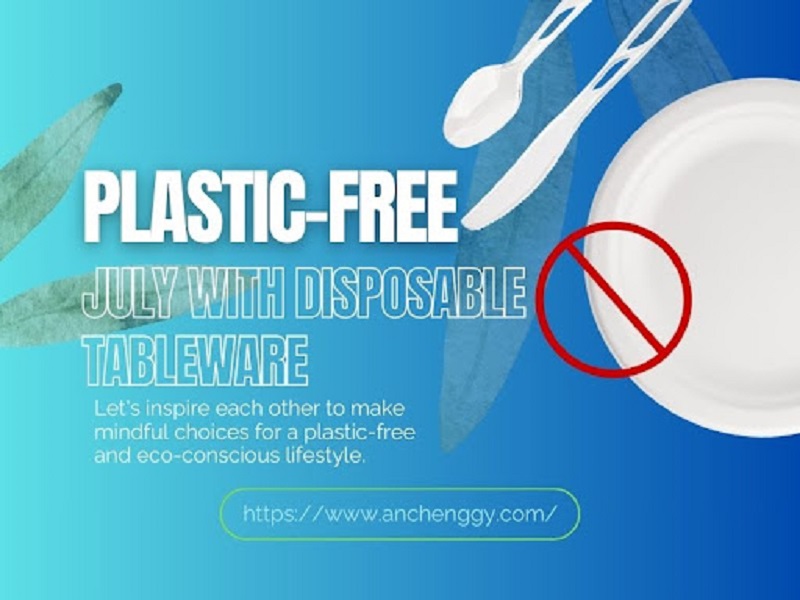
Plastic-Free July encourages people to completely avoid plastic disposable tableware and replace them with eco-friendly cutlery like bamboo and wood. Do you know that once created, plastic stays in the environment for hundreds of years? Statistics reveal that plastic can take anywhere from 20 to 500 years to decompose, and even then, it doesn't fully vanish. To tackle this plastic pollution and save the environment from its detrimental effects, the Plastic Free July movement comes as a sigh of relief. This year, you can participate by replacing traditional plastic utensils with eco-friendly disposable tableware. Let's discuss more about Plastic Free July and how disposable tableware can help you make a positive impact! What is Plastic Free July? First begun in 2011, Plastic Free July is an initiative of the Western Metropolitan Regional Council. It was founded by Rebecca Prince-Ruiz and a small team to raise awareness against plastic waste. However, considering the widespread impacts of plastic pollution, this movement has now been adopted in 170 countries, inspiring hundreds and thousands of people every year. It aims to eliminate the health concerns associated with eating with plastic utensils and protect the environment so it stays safe for future generations. An Overview of Disposable Tableware Disposable tableware refers to the one-time use of various cutlery or dinnerware for serving and eating meals at a table. They are cheap and portable, which makes them suitable for restaurants and cafes. You can even use them in private gatherings for a quick and easy post-party cleaning experience. There are many types of disposable tableware, including: a. Paper Disposable Tableware b. Plastic Disposable Tableware c. Wood Disposable Tableware d. Bamboo Disposable Tableware e. PLA Disposable Tableware f. Foam Disposable Tableware You should know that not all tableware is created equal and has varying environmental impacts. Therefore, it's mandatory to conduct your research and pick the most suitable options for the Plastic-Free July movement. What Disposable Tableware Should be Used in Plastic-Free July? Plastic-Free July implies that you should totally avoid plastic disposable tableware. Although plastic-made cutlery is most common due to its cheap price and hard structure, it's also the most difficult to recycle. It takes hundreds of years to decompose, and when it does, it contaminates water and soil, putting precious lives in danger. In addition, it's made using toxic chemicals like phthalate plasticizers and flame retardants, which degrade the quality of food, especially when you pour hot snacks or beverages into it. Microplastic particles can also be distributed in the food or on the table and thus enter the human body. Therefore, you should bid farewell forever to plastic disposable tableware and opt for the following choices to support the Plastic-Free July movement: 1. Bamboo The first item on the list is bamboo disposable tableware. It is eco-friendly and biodegradable, giving you much-needed relief from plastic. Bamboo is taken from popular trees present in tropical and subtropical to mild temperate regions. It should be your top priority to celebrate Plastic-Free July, as it decomposes completely into water. The cherry on the cake? It has natural antimicrobial properties, so your food stays fresh for a long time. 2. Wood Wood is another incredible disposable tableware option for this Plastic-Free July. It looks pretty much like Bamboo but is more green and compostable. Wooden cutlery is also eco-friendly, and no harsh chemicals are used in its manufacturing, so your health is not compromised. Wood disposable tableware naturally decomposes, which means you don't have to worry about it accumulating and spoiling nature. 3. Bagasse Tableware Baggage, or you can say sugarcane pulp is a byproduct of sugarcane products. Typically, you can say it's the fibrous material that's left behind after harvesting sugarcane juice. Bagasse tableware is a great eco-friendly option for making disposable tableware. The best part is that all bagasse products are compostable and decompose within 60 to 90 days without harming the environment which makes it an ideal option to use in Plastic-Free July. 4. Palm Leaf Tableware Palm leaf tableware, as the name suggests, is the cutlery made from the fallen leaves of the Areca Palm Tree. There's no chemical usage in the binding and coating of this tableware, so you can serve meals in them without fretting about any toxic effects. It's also compostable, biodegradable, and sustainable; it'll break down on its own, leaving no waste behind. You can also use paper or foam disposable tableware, but they aren't that recyclable and take longer to decompose. How Can Eco-Friendly Disposable Utensils Support Plastic-Free July? There are various ways in which eco-friendly disposable tableware supports the Plastic-Free July movement. Let's discuss a few of them: 1. Replaces Plastic The whole purpose of Plastic-Free July is to help people get rid of single-use plastics. When you use eco-friendly disposable tableware, you do exactly that. It allows you to contribute positively to the environment and also makes your lifestyle more greener and healthier. 2. Raises Public Awareness Celebrating Plastic Free July with eco-friendly disposable tableware is a great way to raise public awareness about plastic pollution. You can educate people regarding the harmful impacts of plastic waste on the environment. In addition, you can inspire them to adopt sustainable habits by demonstrating the ease and benefits of using eco-friendly alternatives. 3. Promotes Sustainable Choices The use of eco-friendly disposable tableware during the Plastic-Free July movement encourages people to make sustainable choices. It serves as a reminder that there are convenient alternatives to plastic that can protect the environment. This pushes you to make sustainable choices beyond tableware and the month of July. 4. Support Environmental Policies Another way eco-friendly disposable tableware supports Plastic-Free July is by influencing the government to make environmental policies. How? Well, as more and more people, as well as businesses, incorporate eco-friendly disposable tableware in their routines, the demand for natural alternatives increases. This can influence policymakers to come up with regulations that support biodegradable or compostable materials. They can also focus on investing in plastic recycling plants or put a ban on single-use plastic altogether to fulfill the goals of the Plastic-Free July campaign. 5. Increase Event Sustainability Eco-friendly disposable tableware also paves the way for hosting events that align with Plastic-Free July objectives. You can provide guests with food in either bamboo or wood tableware and ensure the event is a source of education rather than environmental waste. Tips for Embracing Plastic-Free July with Disposable Cutlery Now that you are aware of how eco-friendly disposable tableware plays a critical role in the Plastic-Free July movement, here are a few tips you can follow to adopt disposable cutlery: 1. Choose the Right Products Firstly, you should focus on choosing the right products as there are different types of disposable cutlery. Simply opt for biodegradable and sustainable options like bamboo or wood instead of stubborn plastic. You should check if they come with proper certifications and adhere to industry standards. Some certifications you should look for include the Food and Drug Administration (FDA), Biodegradable Products Institute (BPI), and TÜV Certification. This thorough checking will ensure the chosen products are safe for you and the environment and decompose easily. 2. Incorporate Disposable Tableware in Your Routine This may seem like a tough task, but once you incorporate disposable sustainable cutlery into your routine, there's no going back. We suggest you start small and take gradual steps toward eliminating reusable or one-time-use plastic. For instance, you can first use disposable tableware for home parties or outings. Then, you can shift to it for your daily meals to ensure you eat fresh and clean food. Over time, as you become accustomed to using green tableware, you'll reduce your overall carbon footprint, aligning with Plastic-Free July. 3. Organize Plastic Free Campaigns To fully embrace a plastic-free lifestyle, it's important to educate others during Plastic Free July. For this, you can organize a campaign with like-minded people to spread awareness about the harmful effects of plastic waste. In addition, you can host events and workshops where you invite local people and guide them through the benefits of sustainable tableware. This will help you inspire more people to participate in Plastic-Free July and amplify your efforts to make the Earth a safe place. 4. Support Local Businesses Offering Sustainable Disposable Tableware You should support local businesses offering sustainable cutlery by shopping from them. This will encourage them to continue providing green products and motivate other businesses to store eco-friendly solutions, which will help ensure the success of Plastic-Free July. 5. Proper Measures to Dispose of Tableware You should take effective steps toward properly disposing of tableware. For example, you can recycle products like paper or bamboo cutlery. If they are made of compostable or biodegradable material, you can compost them at home or use municipal composting facilities. However, if the tableware has yet to be used, instead of throwing it away, you can donate it to shelters, food banks, or community centers. This will reduce waste and help people in need. Other Festivals and Events Besides Plastic-Free July, there are many other events and festivals at which you can use disposable tableware. These include: 1. Earth Day Earth Day is typically celebrated every year on April 22 to raise awareness of the earth's degradation. However, this day has a rich history dating back to 1970, when a United States senator from Wisconsin directed people's attention toward environmental issues. Today, this day is celebrated across 190 countries as an effort to save the planet from further exploitation. There are many activities you can practice on Earth Day, including tree planting, limiting water usage, and incorporating eco-friendly disposable cutlery in your lifestyle that's not harsh for the planet. 2. Sustainable Gastronomy Day Sustainable Gastronomy Day was started in 2016 by the United Nations General Assembly. Today, it is celebrated every June 18. The aim of Sustainable Gastronomy Day is to promote natural, locally sourced, and eco-friendly ingredients in cooking diverse regional cuisines. It minimizes waste associated with meal preparation, protecting Mother Earth from harmful impacts. You can skyrocket the benefits of this day by coupling the celebration with disposable tableware and enjoy enhanced environmental safety. 3. Global Recycling Day Global Recycling Day was started back in 2018 and is celebrated on 18 March annually. The day aims to highlight the benefits of recycling in conserving our natural resources and reducing overall waste. Next time, you can celebrate this day by using eco-friendly disposable tableware that is easy to recycle and made from sustainable materials. For instance, you can recycle wood cutlery by transforming it into plant markers or small planters for your baby plants. FAQs 1. What are the advantages of eco-friendly disposable tableware? The advantages of eco-friendly disposable tableware are numerous, ranging from reducing plastic pollution to enhanced convenience and lowering carbon footprint. 2. How to recycle disposable tableware? You can easily recycle disposable tableware by putting it in the local recycling bin. Alternatively, if it's compostable, you can add it to your compost bin or a community composting facility to facilitate its natural decomposition. 3. What is the most biodegradable material for cutlery? Bamboo is the most biodegradable material for cutlery, breaking down quickly and naturally without leaving harmful residues. Conclusion Disposable tableware is convenient and available in a variety of designs. However, this Plastic-Free July, promise yourself to adopt eco-friendly or biodegradable tableware to reduce plastic waste and minimize your environmental impact. This commitment will promote sustainability, support cleaner production practices, and inspire others to go green! Start Your Eco-Friendly Journey with Ancheng Now! If you want to get some top-quality, eco-friendly disposable tableware, Ancheng has you covered! We offer you a vast range of wood and bamboo cutlery products that are biodegradable and compostable. Whether you need forks for your restaurant or some disposable plates for a family meal, we have everything. Our products are made of renewable materials, which means you can have faith in our dedication to providing sustainable solutions. What truly stands out is that our tableware has earned BRC certification, LFGB, EU, and FDA testing and is safe for people with allergies. So what are you waiting for? Contact us today to explore our unique variety of eco-friendly, zero-waste tableware and make this planet a better place to live!
2024-07-03

Discover the types of disposable cutlery materials and their merits. Learn why biodegradable and sustainable options are the future of green cutlery. In a world increasingly aware of environmental impacts, choosing the right disposable cutlery has never been more critical. From restaurants to large-scale events, businesses are leaning towards sustainable and eco-friendly tableware to minimize waste and promote green practices. This article explores the current market trends, and types of disposable cutlery materials, and provides guidance on making an informed choice. What is the Market Situation for Disposable Cutlery? The disposable cutlery market is evolving rapidly, driven by a growing demand for sustainable products. As environmental concerns rise, consumers and businesses are moving away from traditional plastic cutlery towards greener alternatives. According to a new report by Grand View Research, the global biodegradable tableware market size is estimated at USD 15.27 billion by 2023 and is expected to grow at a compound annual growth rate (CAGR) of 6.2% from 2024 to 2030. The shift is fueled by stricter regulations on single-use plastics, heightened environmental awareness, and a preference for sustainable business practices. Key Trends: a. Regulatory Changes: Many countries and regions, including the UK and China, are implementing single-use plastic bans, increasing the demand for alternative materials. b. Consumer Preferences: With the promotion of various environmental festivals and events, such as Plastic Free July and Earth Day, more people are awakening to environmental awareness. There is a growing preference for products that are not only functional but also environmentally friendly. c. Technological Advancements: Innovations in materials science are producing more efficient and eco-friendly alternatives to traditional plastics. 6 Types of Disposable Cutlery Materials Understanding the different types of disposable cutlery materials is crucial for making informed choices, especially when aiming for sustainability and environmental responsibility. Below, we delve into various materials, highlighting their characteristics, benefits, and drawbacks. 1. Plastic Traditional disposable cutlery has long been made from petroleum-based plastics such as polystyrene, polypropylene, and polyethylene. Traditional plastic cutlery is cheap and widely available. However, it is not biodegradable and has a significant negative impact on the environment. It takes hundreds of years for plastic to break down, leading to pollution and harming marine life. Characteristics: Durability: High. Resistant to breaking and can handle a variety of food types and temperatures. Appearance: Typically smooth and shiny. Available in various colors, though often white or transparent. Advantages: Cost-Effective: One of the cheapest materials for mass production. Versatile: Suitable for a wide range of applications, from fast food to catering. Durable: Sturdy and unlikely to break under normal use. Disadvantages: Environmental Impact: Non-biodegradable, contributing significantly to landfill waste and ocean pollution. Perhaps you're interested in the impact that plastics have on wildlife. Regulatory Challenges: Increasingly subject to bans and restrictions in many regions due to environmental concerns. Health Risks: Single-use plastic products may cause the release of chemicals that affect food safety and human health. 2. Biodegradable Plastics Biodegradable plastics, including polylactic acid (PLA) and polyhydroxyalkanoates (PHA), are derived from renewable resources like corn starch, sugarcane, or other plant materials. They are designed to break down more quickly than traditional plastics. Characteristics: Durability: Medium. Comparable to traditional plastics in strength but may degrade faster under certain conditions. Appearance: Similar to conventional plastics, often clear or slightly opaque. Advantages: Eco-Friendly: Designed to degrade under composting conditions, reducing landfill impact. Renewable Resources: Made from plant-based materials, lowering reliance on fossil fuels. Consumer Appeal: Increasingly preferred by environmentally conscious consumers. Disadvantages: Composting Requirements: Requires industrial composting facilities to break down properly, which may not be available everywhere. Cost: Typically more expensive than conventional plastics. 3. Paper Paper cutlery is generally reinforced with coatings or laminates to handle food. These coatings can be made from plastic, wax, or compostable materials. Characteristics: Durability: Low to medium. Without coating, paper utensils are less durable but environmentally friendly. Appearance: Matte finish, can be printed or colored. Advantages: Biodegradable: Can be composted if uncoated or coated with compostable materials. Recyclable: Uncoated paper can be recycled. Customizable: Easy to print on for branding purposes. Disadvantages: Strength: Not suitable for cutting or heavy-duty use without reinforcement. Moisture Sensitivity: May weaken when exposed to liquids unless coated. 4. Wood Wooden cutlery is typically made from sustainably sourced woods such as birch or beech. The wood is processed into smooth, sturdy utensils. Wood cutlery has a warm and natural look, making it a popular choice for eco-conscious individuals and businesses. Characteristics: Durability: High. Strong and suitable for a variety of foods. Appearance: Natural wood grain, giving a rustic and eco-friendly look. Advantages: Biodegradable: Breaks down naturally over time. Sustainable: Often made from renewable resources. Aesthetic Appeal: Provides a natural, eco-friendly appearance that enhances brand image. Disadvantages: Cost: More expensive than plastic or paper options. Potential for Splinters: Requires good manufacturing practices to ensure smooth finishes. 5. Bamboo Bamboo cutlery is a sustainable and biodegradable option. It is made from bamboo, which is a fast-growing and renewable resource. Bamboo cutlery has a natural aesthetic and is sturdy enough to handle a variety of foods. Characteristics: Durability: High. Comparable to hardwoods in strength and resilience. Appearance: Smooth finish, often with a light, natural color. Advantages: Sustainability: Bamboo grows quickly and requires minimal resources, making it highly sustainable. Biodegradable: Decomposes naturally without harming the environment. Strength: Strong and durable, suitable for a wide range of food types. Versatility: Bamboo is widely used in the field of disposable tableware, in addition to common cutlery such as knives, forks, spoons, chopsticks, etc., there are also other restaurant accessories such as bamboo skewers, coffee stirrers, toothpicks, and so on. Disadvantages: Cost: This can be more expensive due to production processes. Availability: May not be as readily available as plastic or wood in all markets. 6. Sugarcane (Bagasse) Bagasse is a byproduct of sugarcane processing, converted into a fibrous pulp that can be molded into various shapes, including cutlery. It is a renewable and biodegradable material. Characteristics: Durability: Medium. Suitable for many food types but may not be as strong as wood or bamboo. Appearance: Matte finish, usually white or light tan. Advantages: Compostable: Breaks down easily in composting facilities. Renewable: Made from agricultural waste, promoting the use of byproducts. Heat Resistance: Suitable for both hot and cold foods. Disadvantages: Moisture Resistance: May not be as durable as plastic or bamboo when exposed to liquids for extended periods. Cost: Generally more expensive than conventional plastics. Comparison of Different Disposable Tableware I'm sure by now you have a general understanding of the popular disposable tableware materials currently on the market, so what are the specific differences between them? This table compares 6 different types of disposable tableware in terms of durability, availability, environmental impact, and cost to help you quickly understand. Material Durability Availability Environmental Impact Cost Plastic High Widely available High pollution, non-biodegradable Low Biodegradable Plastics Medium Increasing Compostable, reduced pollution Medium Paper Low Widely available Biodegradable, recyclable if uncoated Low-Medium Wood High Moderately available Biodegradable, renewable Medium-High Bamboo High Increasing Highly sustainable, compostable Medium-High Sugarcane (Bagasse) Medium Moderately available Compostable, low pollution Medium By considering these factors and comparing the different types of disposable tableware, you can make an informed decision based on your specific needs and preferences. Sustainability of Disposable Tableware The sustainability of disposable cutlery can be assessed based on its ability to biodegrade, compost, recycle, or reuse. Each category contributes differently to environmental impact, offering unique benefits and considerations. 1. Biodegradable Biodegradable materials are designed to break down into natural components, such as water, carbon dioxide, and biomass, through biological processes. Reduces landfill accumulation and pollution compared to non-biodegradable materials. Biodegradable Plastics: Polylactic acid (PLA), polyhydroxyalkanoates (PHA). Paper: Uncoated paper or paper with biodegradable coatings. The effectiveness of biodegradation can vary depending on environmental conditions. Some biodegradable plastics require specific conditions, such as high temperatures found in industrial composting facilities, to break down properly. Therefore, they may not decompose effectively in conventional landfills. 2. Compostable Compostable materials break down into natural elements and form nutrient-rich compost under specific composting conditions. They require controlled environments, such as industrial composting facilities, to ensure complete decomposition and transformation into beneficial compost. Bamboo Cutlery: Naturally compostable, breaks down into organic matter. Sugarcane (Bagasse): Turns into compost within a short period under composting conditions. Requires access to appropriate composting facilities. Not all consumers or businesses have access to these facilities, which can limit the effectiveness of compostable cutlery. Biodegradable and compostable are two very similar terms and you can learn more about their differences. 3. Recyclable Recyclable materials can be processed and reformed into new products, reducing the need for virgin materials and minimizing environmental impact. Recycling helps to divert waste from landfills and reduce the consumption of raw materials. Certain Plastics: High-density polyethylene (HDPE), polyethylene terephthalate (PET). Paper: Uncoated paper or paper with recyclable coatings. The success of recycling depends on the availability of recycling facilities and proper waste segregation by consumers and businesses. Contaminated recyclable materials can compromise recycling efforts. Further, you can accurately distinguish the difference between recyclable, compostable and biodegradable. 4. Reusable Reusable cutlery can be cleaned and used multiple times, significantly reducing waste compared to single-use alternatives. These items are typically more durable and designed to withstand repeated use and cleaning. Durable Plastics: Polycarbonate, stainless steel. Wooden Cutlery: High-quality wooden utensils that can be reused with proper care. Requires proper cleaning and maintenance. The initial cost can be higher, and storage and hygiene management are crucial for effective reuse. Category Materials Definition Conditions Biodegradable Biodegradable plastics, paper Breaks down naturally through biological processes Requires environmental conditions for decomposition Compostable Bamboo, bagasse Converts into compost under controlled conditions Requires industrial composting for best results Recyclable Certain plastics, uncoated paper Can be processed into new products Requires proper recycling facilities and practices Reusable Durable plastics, wood Designed for multiple uses Requires cleaning and maintenance Understanding these categories and their implications allows businesses to choose the most suitable disposable tableware based on their operational needs, environmental goals, and consumer expectations. How to Choose the Most Appropriate Disposable Cutlery? When selecting disposable cutlery for your business, consider the following factors: 1. Environmental Impact: Prioritize materials that are biodegradable, compostable, or recyclable. Bamboo and wood are excellent choices for their sustainability. 2. Cost: Balance between budget constraints and environmental responsibility. While eco-friendly options may cost more, they often enhance brand reputation. Don't forget to compare the quality and price of different factories which will serve to maximize your benefits. 3. Usage Scenarios: Different events and settings may require different materials. For example, high-end events might benefit from bamboo, while casual picnics could use paper or biodegradable plastics. 4. Regulations: Learn about local regulations regarding single-use plastics and compostable materials to avoid losses due to regulations. In some countries in Europe, single-use plastic products have been strictly banned. 5. Consumer Preferences: More and more consumers prefer companies that demonstrate environmental responsibility, so using eco-friendly disposable cutlery will enhance brand image. Also, customize your tableware with popular graphics or brand logos, which will entice consumers to make a purchase. We have compiled a list of reliable suppliers of catering tableware for various regions; you can review it as needed: Degradable Cutlery Manufacturers in the UK, Cutlery Suppliers in Dubai, Biodegradable Cutlery Manufacturers in the World, Biodegradable Plates Manufacturers in the World. FAQs Q1: What is the difference between biodegradable and compostable cutlery? Biodegradable cutlery breaks down into natural substances over time, but may not enrich the soil. Compostable cutlery breaks down into organic matter that can be used to fertilize plants. Q2: Can biodegradable cutlery be thrown in regular trash? It’s best to compost biodegradable cutlery where facilities are available, as landfills may not provide the conditions needed for proper degradation. Q3: Is bamboo cutlery safe for food use? Yes, bamboo cutlery is food-safe and a popular choice for its strength and sustainability. Conclusion Choosing the right type of disposable cutlery is essential for balancing convenience, cost, and environmental impact. Each material offers unique benefits and considerations, making it crucial to align your choice with your sustainability goals and operational needs. By opting for environmentally friendly options like bamboo, wood, or compostable materials, businesses can not only reduce their ecological footprint but also meet the growing demand for green tableware solutions. Explore Sustainable Solutions with Ancheng! At Ancheng, we are committed to providing sustainable, high-quality disposable cutlery that meets the needs of modern businesses. Explore our range of eco-friendly bamboo and wooden tableware to enhance your sustainability efforts and appeal to environmentally conscious consumers. Contact our designers today to customize your one-of-a-kind product!
2024-06-25
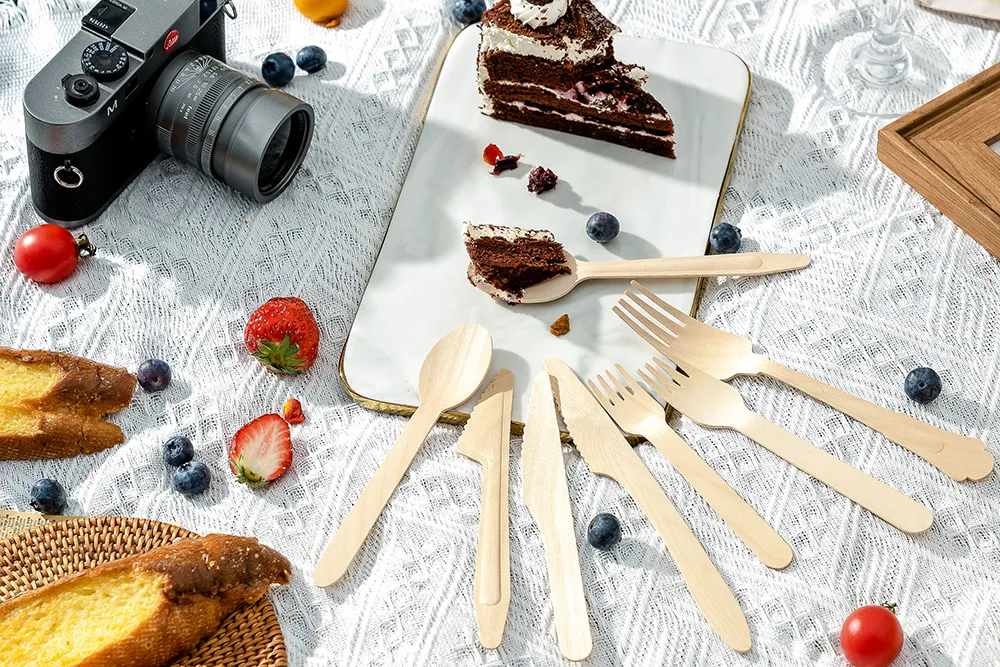
In today’s eco-conscious and regulated food service industry, wooden cutlery has become a necessary, high-demand alternative to single-use plastic. For businesses looking to cater to this growing demand, purchasing wooden cutlery in bulk can be a smart move. In this comprehensive guide, we'll explore everything you need to know about buying wooden cutlery wholesale, from its eco-friendly benefits to sourcing, pricing, and more. Understanding Wooden Cutlery Wooden cutlery, often made from birch wood, is an eco-friendly alternative to plastic utensils. Designed for single-use in commercial food service, it includes forks, knives, spoons, sporks, and specialized options like ice cream spoons and coffee stirrers. It's biodegradable, compostable, and sourced from renewable materials, making it a popular choice for environmentally conscious individuals and businesses. Unlike plastic, wooden cutlery breaks down naturally within months, leaves no microplastics, and meets strict food contact standards in the EU, US, and other major markets. Why Businesses Buy Wooden Cutlery in Bulk? Bulk purchasing helps businesses maintain a stable inventory while reducing overall procurement costs. For food service businesses, wholesale wooden cutlery offers several advantages. - Lower Unit Cost: Bulk orders reduce per-unit pricing significantly, improving profit margins for restaurants, distributors, and retailers. - Stable Inventory: Bulk sourcing ensures you have enough stock to meet peak demand (e.g., events, holiday seasons, or catering rushes) without frequent reorders. - Consistent Branding: Bulk orders allow for uniform packaging and customization, reinforcing brand identity across all customer touchpoints. - Compliance & Sustainability: Meets global plastic ban regulations and appeals to eco-conscious consumers, strengthening brand reputation. - Operational Efficiency: Fewer orders mean less administrative work and reduced shipping costs, streamlining your supply chain. Certified Food Safe Wooden Cutlery Wholesale High quality birchwood supplies for your foodservice chain. Explore Our Eco-Catalog Common Types of Wooden Cutlery for Wholesale Orders Wooden cutlery comes in a range of types and sizes to suit different food service scenarios. When sourcing in bulk, it’s critical to choose options that match your business needs: - Wooden Fork: Ideal for salads, sandwiches, fruits, and light meals. Available in standard (6–7 inches) and mini sizes for appetizers or desserts. - Wooden Knife: Designed for cutting soft to medium-density foods (e.g., cakes, sandwiches, cooked meats). Features a sharp, smooth edge that resists splintering. - Wooden Spoon: Perfect for soups, stews, rice, and sauces. Deep bowls and sturdy handles ensure durability with hot, dense foods. - Wooden Spork: A versatile 2-in-1 option for convenience, ideal for takeaway meals, fast food, and kid-friendly menus. - Wooden Teaspoon: Smaller size for desserts, coffee, tea, or condiments—popular for cafes and bakeries. - Wooden Cutlery Sets: Pre-assembled sets (fork + knife + spoon) with optional napkins, ideal for catering, events, and takeaway orders. - Wooden Ice Cream Spoon: Short, sturdy design for ice cream, frozen yogurt, and other desserts—resists bending in cold temperatures. - Wooden Coffee Stirrer: Slim, disposable stirrers for coffee, tea, and cold beverages—available in plain or branded options. - Wooden Chopsticks: Popular for Asian restaurants, takeaway, and international catering—available in plain or printed designs. Tips for Sourcing Wooden Cutlery in Bulk Once you've decided to incorporate wooden cutlery into your business, the next step is finding a reliable wholesale supplier. Here are some tips for sourcing wooden cutlery in bulk: Research Suppliers Start by researching reputable suppliers who specialize in eco-friendly utensils. Look for suppliers with a track record of quality products and reliable delivery. Request Samples Before committing to a large order, request samples from potential suppliers to assess the quality of their wooden cutlery. Pay attention to factors such as durability, smoothness, and finish. Consider Certifications Choose suppliers who offer wooden cutlery that meets FSC certifications, which ensures that the wood used is sourced from responsibly managed forests. Ensure the product meets global food safety standards, including FDA (US), LFGB (EU), and EC 1935/2004 certifications—no harmful chemicals or treatments. Compare Prices While price is an important factor, prioritize quality over cost when selecting a supplier. Look for competitive pricing without compromising on the quality of the products. Packaging and Shipping Consider the packaging and shipping options offered by the supplier. Opt for suppliers that use minimal or eco-friendly packaging to further reduce environmental impact, while affordable shipping rates can impact the overall cost-effectiveness of your purchase. Check Minimum Order Quantities Be sure to inquire about minimum order quantities (MOQs) when contacting suppliers. Some may have MOQs that are too high for your needs, while others may offer flexible options. Standard MOQ: 100,000 pcs; lead time: 35–45 days Need help choosing the right wooden cutlery size, packaging, or MOQ? Contact Ancheng for samples and wholesale recommendations. Manufacturer vs Distributor vs Marketplace: Which Supplier Type Is Best? When sourcing wooden cutlery in bulk, you have three main supplier options—each with pros and cons. Choose based on your order volume, budget, and customization needs: 1. Marketplaces For example, Alibaba, Amazon Business Best For: Small-batch testing or emergency restock. Pros: Easy to compare suppliers, low minimum orders. Cons: Higher per-unit costs, limited customization, no direct quality control, longer lead times. 2. Distributors Best For: Local, quick restock. Pros: Fast delivery, local support, smaller MOQs. Cons: Marked-up pricing, limited customization options, and less control over product quality. 3. Direct Manufacturers Best For: Large bulk orders, OEM/customization, long-term partnerships. Pros: Lowest per-unit costs, full customization, direct quality control, stable supply, export expertise. Cons: Higher MOQs, longer lead times (worth it for cost savings and quality). For most B2B food service businesses, partnering directly with a manufacturer is the most cost-effective and reliable option—especially for long-term bulk sourcing. Why Choose Ancheng for Bulk Wooden Cutlery? Ancheng is a direct manufacturer of disposable wooden and bamboo tableware with over 20 years of experience, specializing in B2B bulk supply for global food service businesses. We are not a middleman; we control every step of the production process, from raw material sourcing to finished product delivery, ensuring quality, consistency, and competitive pricing. Here’s why B2B buyers choose Ancheng for bulk wooden cutlery: - Direct Factory Supply: No middleman markup—lowest per-unit costs for bulk orders. - Premium Material: 100% FSC-certified birch wood, food-grade, splinter-free, and durable. - Comprehensive Product Range: All types of wooden cutlery (forks, knives, spoons, sets, stirrers) plus bamboo tableware options. - Full Customization: Logo printing, custom packaging, size adjustments, and private label support (OEM/ODM). - Strict Quality Control: Full-process QC from raw material to finished product, with FDA, LFGB, BRC, and SMETA certifications. - Stable Bulk Production: Monthly capacity of 2.5+ billion pieces—enough to meet large-scale wholesale and distribution needs. - Global Export Expertise: Experience serving clients in the US, EU, Asia, and beyond—handles customs, shipping, and compliance. - Sample & Support: Free samples available, fast quotation, and dedicated account managers for B2B buyers. Scale Your Sustainable Supply Chain With Ancheng Professional grade wood cutlery for high volume buyers. Contact Us Now! Tips for Using Disposable Wooden Cutlery To maximize the benefits of wooden cutlery and ensure a positive experience for your customers, consider the following tips: Proper Storage: Store wooden cutlery in a dry, cool place away from direct sunlight to prevent warping or mold growth. Use for Dry and Solid Foods: Wooden cutlery works best for dry and solid foods like sandwiches, salads, fruits, or desserts. Dispose Responsibly: Wooden cutlery is biodegradable, so dispose of it in compost bins whenever possible. Avoid mixing them with plastics in regular trash bins. Explore Varieties: Wooden cutlery comes in various shapes and sizes. Explore options like forks, knives, spoons, and even chopsticks to suit different dining needs. Brand Visibility: Consider customizing your wooden cutlery with your logo or branding to enhance brand visibility and create a memorable experience for your customers. Marketing Wooden Cutlery to Customers Once you've sourced wooden cutlery wholesale, the next step is marketing it to your customers effectively. Here are some tips for promoting wooden cutlery in your business: Highlight Eco-Friendly Benefits Emphasize the environmental benefits of wooden cutlery, such as its biodegradability and sustainability, in your marketing materials. Consumers are increasingly conscious of their environmental impact and are more likely to choose eco-friendly options. Showcase Quality and Design Use high-quality images and descriptions to showcase the quality and design of your wooden cutlery. Highlight any unique features, such as smooth finishes or natural grain patterns, to attract customers. Branded Packaging Use custom-printed packaging to reinforce your brand and create a memorable unboxing experience. Offer Bulk Discounts Encourage customers to purchase wooden cutlery in bulk by offering discounts or promotions for larger quantities. This can incentivize businesses and individuals to make the switch to wooden cutlery for their dining needs. Provide Educational Resources Educate your customers about the benefits of wooden cutlery and how to properly dispose of it after use. Consider creating blog posts, social media content, or informational flyers to share useful tips and information. Collaborate with Eco-Friendly Brands Partner with other eco-friendly brands or organizations to cross-promote wooden cutlery and reach a wider audience of environmentally conscious consumers. FAQ 1. What is the MOQ for bulk wooden cutlery? Ancheng’s standard MOQ is 100,000 pieces per item; we offer flexible MOQs for long-term partners. 2. Can I customize the packaging or add my logo? Yes. We offer full customization, including logo printing, custom packaging designs, and size adjustments. 3. How should wooden cutlery be stored? Store in a cool, dry, sealed container to avoid moisture, mold, or warping. Follow FIFO stock rotation for freshness. 4. What is the lead time for bulk orders? Standard lead time is 35–45 days; rush orders are available for an additional fee. Conclusion Wooden cutlery bulk purchases offer businesses a sustainable and aesthetically pleasing alternative to traditional plastic utensils. By prioritizing quality, sustainability, and innovation, businesses can leverage the growing demand for eco-friendly products while reducing their environmental footprint. Whether you're a restaurant owner looking to enhance your dining experience, an event planner aiming to create memorable occasions, or a retailer seeking to meet the needs of environmentally conscious consumers, wooden cutlery wholesale provides a versatile and cost-effective solution. As the world continues to prioritize sustainability and environmental stewardship, embracing wooden cutlery is not just a business decision but a commitment to a greener future for generations to come. By investing in wooden cutlery bulk purchases, businesses can play a vital role in driving positive change and contributing to a more sustainable and socially responsible world. Premium Wooden Cutlery Direct From Manufacturer Reliable bulk supply solutions for global retail brands. Get Wholesale Pricing
2024-05-15

Biodegradable Utensils have emerged as a sustainable solution to the global plastic pollution crisis. With increasing awareness about environmental conservation, businesses are turning to biodegradable alternatives to traditional plastic utensils. These utensils are designed to decompose naturally, reducing the burden on landfills and oceans. In 2024, the demand for biodegradable utensils continues to rise, driven by consumers' eco-conscious choices and stringent regulations on single-use plastics. What are biodegradable utensils? Biodegradable utensils are utensils made from materials that can be broken down naturally by microorganisms over time. These materials typically include plant-based substances such as cornstarch, sugarcane, bamboo, or even bioplastics derived from renewable resources. Unlike traditional plastic utensils, which can persist in the environment for hundreds of years, biodegradable utensils break down into natural components relatively quickly, reducing their impact on the environment. They are often used as an eco-friendly alternative to single-use plastic utensils, especially in settings like parties, events, and food service establishments where disposable utensils are commonly used. Environmental Impact of Biodegradable Utensils The environmental impact of biodegradable utensils is profound. Traditional plastic utensils contribute significantly to pollution, clogging landfills and polluting oceans, where they pose a severe threat to marine life. In contrast, biodegradable utensils offer a sustainable solution, as they decompose naturally into organic matter without leaving harmful residues. By choosing biodegradable alternatives, businesses can mitigate their environmental impact and support the transition towards a circular economy. Best 7 Biodegradable Utensils in 2024 Bamboo Utensils Bamboo stands out as a popular choice for biodegradable utensils due to its rapid growth and natural durability. Bamboo utensils are not only lightweight and sturdy but also compostable, making them an excellent eco-friendly option for both indoor and outdoor dining experiences. From bamboo forks to spoons and knives, these utensils offer a sustainable alternative to their plastic counterparts without compromising on functionality. Cornstarch Utensils Derived from renewable resources, cornstarch utensils are another environmentally friendly choice for consumers. It's heat-resistant and sturdy, making it suitable for various food applications. Once disposed of, they break down into natural components, leaving behind minimal environmental impact. Businesses can offer cornstarch utensils as a sustainable option for their customers. Wheat Straw Utensils Wheat straw utensils are crafted from the stalks of wheat plants left over after harvest. These utensils are not only biodegradable but also renewable, utilizing agricultural by-products that would otherwise go to waste. Wheat straw utensils are lightweight yet durable, providing a sustainable option for disposable cutlery. Their natural texture and earthy appearance add a rustic charm to any dining setting. Palm Leaf Utensils Palm leaf utensils are crafted from fallen palm leaves, making them a renewable and biodegradable choice for eco-conscious consumers. These utensils undergo minimal processing, retaining the natural texture and color of the palm leaves. Palm leaf utensils are sturdy and heat-resistant, making them suitable for hot and cold foods alike. From plates to bowls and utensils, palm leaf products offer an eco-friendly alternative for disposable tableware. Bagasse Utensils Bagasse utensils are made from sugarcane fiber, a by-product of the sugar extraction process. These utensils are biodegradable, compostable, and renewable, offering a sustainable alternative to traditional disposable cutlery. Bagasse utensils are heat-resistant and microwave-safe, making them suitable for a wide range of food service applications. Their natural fiber texture adds an organic touch to any dining experience. Wood Utensils Made from sustainably sourced wood, these utensils are biodegradable and compostable, offering a natural alternative to plastic cutlery. They are perfect for a wide range of takeaway applications and add a rustic charm to any dining setting. Disposable wooden utensils are ideal for single-use applications such as picnics, parties, and takeaway meals. With the option for composting or recycling, wooden utensils provide a convenient and eco-friendly solution for on-the-go dining. Biodegradable Utensils Applications Biodegradable utensils have a wide range of applications across various industries and settings due to their environmentally friendly nature. Here are some common applications: Food Service Industry: Biodegradable utensils are widely used in restaurants, cafes, fast-food chains, and catering services. They can be used for serving food, including both hot and cold items, as well as for takeout and delivery services. Events and Gatherings: Biodegradable utensils are popular choices for events such as parties, weddings, picnics, and outdoor gatherings. They offer a practical and environmentally conscious alternative to conventional plastic cutlery. Schools and Institutions: Many schools, colleges, and other educational institutions use biodegradable utensils in their cafeterias and dining halls as part of their sustainability initiatives. Workplaces: Offices and workplaces often provide biodegradable utensils in their break rooms or during company events to promote eco-consciousness among employees. Airline Catering: Airlines are increasingly adopting biodegradable utensils for in-flight meals to reduce their environmental impact. Hospitals and Healthcare Facilities: Biodegradable utensils can be used in healthcare settings for serving meals to patients and staff, ensuring hygiene while also minimizing waste. Retail and Consumer Markets: Biodegradable utensils are available for purchase in retail stores and online for use in homes and outdoor activities like camping and picnicking. Tips for Sustainable Living Incorporating biodegradable utensils into daily routines is just one facet of sustainable living. Here are some additional tips for reducing environmental impact: Choose reusable alternatives: Invest in reusable utensils, such as stainless steel cutlery or bamboo flatware, to minimize waste. Reduce single-use plastics: Opt for products with minimal packaging and avoid single-use plastics whenever possible. Compost organic waste: Create a composting system for food scraps and biodegradable utensils to divert waste from landfills. Support eco-friendly brands: Choose products from companies committed to sustainability like Ancheng and ethical manufacturing practices. Educate and advocate: Spread awareness about the benefits of biodegradable utensils and advocate for policies that promote environmental stewardship. Conclusion Biodegradable utensils offer a sustainable alternative to traditional plastics, helping businesses reduce their environmental impact and contribute to a greener future. By choosing biodegradable alternatives, businesses can meet the growing demand for eco-friendly products and support the transition towards a circular economy. With a wide range of options available, businesses can find biodegradable utensils that suit their needs and align with their sustainability goals. By embracing biodegradable utensils and adopting sustainable practices, businesses can play a crucial role in protecting the planet for future generations.
2024-05-13

Disposable forks have long been the essential items of quick meals, picnics, and outdoor gatherings. In a world where convenience often reigns supreme, the humble disposable fork serves as a reliable companion, simplifying meal times and reducing the hassle of cleanup. However, as environmental concerns continue to grow, the demand for eco-friendly alternatives has become increasingly prominent. In 2025, the market for disposable forks has evolved to offer not only convenience but also sustainability. In this blog, we've curated a list of the top 10 disposable forks of 2025, taking into account factors such as durability, eco-friendliness, and overall user experience. Convenience Unlike traditional silverware, disposable forks require no washing or maintenance, allowing you to focus on enjoying your meal without the added stress of cleanup. In addition, disposable forks are lightweight and compact, making them ideal for travel and outdoor activities. With their convenience and versatility, disposable forks have earned their place as an essential companion for on-the-go dining. Environmental Impact While convenience is undoubtedly a key factor in the popularity of disposable forks, the environmental impact of single-use plastics cannot be ignored. In recent years, there has been a growing awareness of the detrimental effects of plastic pollution on our planet. As a result, many consumers are seeking out sustainable alternatives to traditional disposable utensils. Fortunately, the disposable fork market has responded to this demand with a range of eco-friendly options. From biodegradable materials like bamboo to compostable designs, today's disposable forks offer a sustainable solution for conscious consumers. By choosing environmentally friendly alternatives, individuals and businesses can enjoy the convenience of disposable forks without compromising their commitment to reducing plastic waste. Best 10 Disposable Forks 2025 Now, let's delve into our list of the best 10 disposable forks of 2025, each offering a unique blend of convenience, durability, and sustainability: 1. 160mm Disposable Wooden Fork These birch wood forks are designed to meet the demands of various food service establishments, including restaurants, cafes, supermarkets, airlines, catering companies, and more. With a length of 160mm, they provide a comfortable and convenient eating experience for your patrons. Our wooden forks are not only sturdy but also compostable, making them an excellent choice for businesses committed to reducing their carbon footprint. Whether serving appetizers, entrees, or desserts, these forks offer a stylish and eco-friendly alternative to traditional plastic utensils. 2. 200 mm Long Disposable Wooden Fork with Elegant Handle This 200 mm Long Disposable Wooden Fork is the perfect blend of style and sustainability for your next event or gathering. Each fork is made from high-quality, eco-friendly birch wood, ensuring strength and durability without sacrificing the earth-friendly aspect. The 200 mm length provides ample reach for comfortable dining, whether you're enjoying a salad, appetizer, or main course. What truly sets these forks apart is their elegant handle design. With sleek lines and a smooth finish, they add a touch of sophistication to any table setting. When the meal is over, you can simply dispose of the forks without guilt, knowing that they will biodegrade naturally, leaving behind no harmful residue. 3. 140mm Disposable Wooden Co - Fork & Knife Measuring at a convenient 140mm, these disposable utensils are ideal for a wide range of occasions, whether you're hosting a party, planning a picnic, or simply enjoying a meal on the go. Their compact size makes them easy to carry and store, ensuring that you always have a reliable utensil on hand when you need it most. The fork and knife combo offers versatility for various dishes, from salads to sandwiches, making them a must-have addition to any party or event. 4. 140mm 3 Prong Disposable Wooden Fork Measuring at a convenient 140mm, these forks are perfectly sized for appetizers, desserts, and everything in between. The three prongs offer stability and functionality, allowing you to effortlessly enjoy your favorite dishes without worrying about flimsy utensils. 5. 73mm Disposable Wooden Mini Forks These 73mm mini forks are ideal for appetizers, and desserts. Whether you're serving up delectable canapés at a cocktail party or presenting bite-sized treats at a wedding reception, these forks add a touch of rustic charm to any occasion. 6. 90mm Disposable Bamboo Mini Fork Crafted from sustainable bamboo, this 90mm mini forks embody natural beauty while offering remarkable strength and durability. Their petite size makes them ideal for delicate appetizers, desserts, and finger foods, adding a touch of sophistication to every bite. 7. 120mm Disposable Bamboo Fork with Long Teeth Say goodbye to flimsy plastic utensils that harm our planet and hello to the elegance of bamboo. This 120mm disposable fork is not only sturdy but also lightweight, making it perfect for picnics, parties, or any on-the-go occasion. The elongated teeth of this fork ensure easy piercing and secure gripping, allowing you to enjoy your meals with ease and style. 8. 140mm Disposable Bamboo Fork with Long Teeth Designed with long teeth, this 140mm bamboo fork effortlessly pierces through even the toughest of foods, ensuring a seamless dining experience. Crafted from organic bamboo, this fork boasts exceptional durability and strength, making it perfect for any culinary occasion. 9. 170mm Hot-selled Disposable Bamboo Fork Made from natural bamboo, each fork is not only durable but also eco-friendly, ensuring you can enjoy your meals guilt-free. With a length of 170mm, it's perfectly sized for a wide range of culinary delights, from appetizers to desserts. 10. 170mm Unique Disposable Bamboo Fork At 170mm in length, this unique bamboo fork is compact yet sturdy, providing a comfortable grip for effortless dining whether you're enjoying a salad, pasta, or dessert. Its durable construction ensures reliable performance without the environmental impact of traditional plastic utensils. Conclusion In conclusion, the top 10 disposable forks of 2025 offer businesses a diverse range of sustainable options to meet the demands of eco-conscious consumers. From wood to bamboo, these forks prioritize both performance and environmental responsibility. By choosing these forks, businesses can not only enhance their product offerings but also contribute to a greener future for the food industry. If you are interested in these eco friendly forks, you can contact Ancheng directly for free quotes.
2024-05-10

Updated for 2026: This guide was originally published in 2024 and has been reviewed for current sourcing needs. Bamboo disposable plates have gained immense popularity in recent years due to their eco-friendly nature and versatility. As the world becomes more environmentally conscious, the demand for sustainable alternatives to single-use plastic products continues to rise. Bamboo disposable plates are sturdy enough to hold hot or cold food without bending or leaking, offering a biodegradable and compostable solution for various events, parties, and everyday use. In 2026, buyers can find many bamboo disposable plate suppliers, but their product focus and sourcing value are different. In this blog post, we'll explore the top 10 bamboo disposable plate manufacturers in 2026. How to Screen Qualified Disposable Bamboo Plate Manufacturers? For cross-border wholesale buyers, use these 6 key standards to filter trustworthy factories: 1. Factory Direct vs Reseller: Prioritize self-owned production lines, avoid middlemen with unstable quality & markup prices 2. Mandatory Certifications: FDA, LFGB, FSC sustainable bamboo, PFAS-free test reports, BRC audit 3. Bulk Production Capacity: Stable monthly output to support large orders during the peak season 4. Customization Support: Logo printing, custom sizes, private-label outer packaging, mixed container loading 5. Order Terms: Clear MOQ, fixed production lead time, flexible deposit rules 6. Food-Grade Raw Material: 3–5-year-mature moso bamboo without chemical bleaching Top 10 Bamboo Disposable Plates Manufacturers and Suppliers 2026 When comparing bamboo disposable plate manufacturers and suppliers, B2B buyers should look beyond product photos. MOQ, customization support, main materials, delivery communication and compliance documents can all affect the final purchasing decision. The table below summarizes key public information and the points buyers should confirm before placing a bulk order. Supplier Supplier Type Main Materials / Product Focus Address / Region Ancheng Manufacturer Bamboo and wooden disposable tableware Hefei, Anhui, China; factory in Shucheng County, Anhui, China Bambu Brand / supplier Bamboo tableware, compostable party supplies, utensils and home products Portland, Oregon, USA PacknWood Foodservice packaging supplier Bamboo, wood, paper, sugarcane and other foodservice packaging materials New York, USA Restaurantware Foodservice supplier Disposable and reusable restaurant supplies, packaging and tableware Miami Beach, Florida, USA Bio & Chic Catering and disposable tableware supplier Bamboo, palm leaf, compostable materials and catering supplies New York, USA Full Circle Eco Store Retail / online eco store Bamboo products, cups, bottles, lunchboxes, cutlery and eco lifestyle products Taupo, New Zealand Sweet Flavor Designer / supplier of single-use tableware Bamboo, wood, bagasse, recyclable plastic, glass and porcelain tableware Miami, Florida, USA Pandabode Eco product brand / online supplier Bamboo disposable tableware and eco packaging products Not clearly stated in the reviewed information Mr Kitly Retail / design product store Bamboo plates, wood trays, skewers, chopsticks and lifestyle products Australia Eco Essential Products Foodservice tableware supplier Bamboo plates, bamboo cutlery, bowls, cups, lids, trays and straws Not clearly stated in the reviewed information 1. Ancheng Ancheng is a leading manufacturer in China with 20+ years of expertise in crafting premium disposable wood and bamboo tableware. Their products blend craftsmanship with sustainability, meeting the highest quality standards while minimizing environmental impact. All products pass FDA, LFGB, and FSC testing. Supports full OEM/ODM, including custom plate shapes, printed paper sleeves and branded export cartons. Monthly output over 2.5 billion pieces to serve global supermarkets, catering chains and import distributors. At Ancheng, they understand that every brand is unique. That's why they offer customizable solutions to meet your specific business needs. Whether you require branded packaging, tailored product specifications, or unique designs, their team works closely with you to bring your vision to life. With their flexible manufacturing capabilities, they accommodate orders of all sizes with precision and efficiency. Website: https://www.anchenggy.com/ Founded Year: 1998 Address: Building 11, Max Science Park, Intersection Of Tianshi Road And Duxianqiao Road, Shushan Dist, Hefei, Anhui, China(Mainland) MOQ: 20,000pcs each size Product range: Disposable Bamboo Plates Disposable Wood Plates Disposable Wooden Cutlery Bamboo Disposable Cutlery Wooden Fork Wooden Disposable Spoon Wooden Ice Cream Spoon Wooden Knife Bamboo Spoon Bamboo Fork Bamboo Knife Wood&Bamboo Coffee Stirrer Other Eco Wood and Bamboo Tableware Find Reliable Bamboo Plate Suppliers 20yrs factory with full FDA/FSC certifications & big capacity Get Wholesale Quote 2. Bambu At Bambu, they pioneer zero-waste solutions enabling sustainable living. Their commitment to sustainable practices drives them to craft eco-friendly, compostable party supplies from certified organic bamboo. Their Veneerware line offers elegant, durable alternatives to plastic and paper. For over two decades, Bambu has remained steadfast in its pursuit of reducing plastic dependency while fostering a culture of sustainability and social responsibility. Website: https://www.bambuhome.com Founded Year: 2003 Address: 901 SE Oak Street, Portland, OR, United States, Oregon Products range: Bamboo Compostable Plates Bamboo Compostable Utensils Cooking Utensils Cutting Boards Straws Disposable Plates & Cutlery 3. Packnwood PacknWood, a subsidiary of the family-owned French company First Pack, pioneers eco-friendly dining solutions with a global reach. For over 35 years, they've blended inspiration, design, and sustainability to craft innovative food service products. For B2B buyers, PacknWood is a useful reference for broad foodservice product selection and application-based tableware solutions. Committed to excellence, PacknWood champions eco-conscious practices, exemplified by their bamboo plates and cutlery range. Bamboo's natural allure, durability, and rapid regrowth position it as a superior alternative to conventional materials. Website: https://www.packnwood.com/ Founded Year: over 35 years Address: 213 W 35Th St, New York, NY 10001, US Products range: Bamboo Plates Cups&Straw Bowls Compostable Tableware Bamboo Cutlery Chopsticks Compostable Cutlery Appetizer Dishes Trays Skewers 4. Restaurantware Restaurantware is a reliable manufacturer in the bamboo disposable plates industry, known for its commitment to sustainability and product innovation. Their plates are made from renewable bamboo resources and are fully compostable, providing a guilt-free alternative to traditional plastic or paper plates. They offer a wide range of shapes and sizes to cater to different needs and preferences. Whether it's a backyard barbecue or a formal dinner party, their bamboo disposable plates add a touch of elegance to any occasion while reducing environmental impact. Focus on small retail batches, high MOQ for exclusive custom printed bamboo plates Website: https://www.restaurantware.com Founded Year: 2010 Address: FL, Miami beach Products range: Bamboo Plates Coffee Carriers Coffee Cup Lids Coffee Cups Stirrers Bowls & Cups Food Cones Pallets & Serve Bases Serving Plates, Trays, & Bowls 5. Bio&Chic Bio and Chic specializes in elegant and eco-friendly tableware solutions inspired by European trends. Their extensive range includes high-quality disposable catering supplies crafted to elevate any event with sophistication and sustainability. From plates and bowls to utensils and serving trays, their products combine uniqueness and elegance while prioritizing environmental responsibility. They offer a diverse selection of eco-friendly dinnerware, including biodegradable and compostable options like cornstarch-based plastics and plant-derived materials such as bamboo and palm leaves. Website: https://bioandchic.com/ Founded Year: 2010 Address: 213 W 35th st. 14th Floor, New York NY, 10001, United States Products range: Bamboo Plates and Cutlery Bento Boxes Disposable Takeout Utensils Disposable Lunch Sets Disposable Food Trays Fast Food Containers Lids & Labels Wraps Mini Takeout Containers Appetizer Dishes Utensil Trays Cups & Straws 6. Full Circle Eco Store Full Circle Eco Store, is your one-stop destination for natural, sustainable, and eco-friendly products to support your green journey. Located in Taupo, their online store operates 24/7, serving customers nationwide with convenient shipping. They value your input and are committed to expanding their offerings based on your preferences. From bamboo disposable plates to a myriad of eco-conscious solutions, they cater to your needs, whether it's a BBQ, picnic, or party. Compared with factory suppliers, this type of store is more suitable as a reference for retail eco product selection and consumer-facing product positioning. B2B buyers can use it to understand how bamboo disposable plates are presented in retail and event markets. Website: https://www.fullcircleeco.co.nz Founded Year: 2022 Address: State Highway 1, Taupo, New Zealand Products range: Bamboo Disposable Plates Cups & Bottles Glassware Lunchboxes Cutlery Straws Brushes Jewellery Perfume 7. Sweet Flavor Established in 2003, Sweet Flavor is a premier Designer and Manufacturer of top-tier single-use tableware. Specializing in innovative designs and superior materials like recyclable plastic, wood, bamboo, glass, and porcelain, they uphold the highest manufacturing standards. Their clientele includes renowned hotel chains, stadiums, airlines, cruise lines, and catering companies, fostering enduring partnerships. Beyond their standard line, Sweet Flavor offers bespoke design services, leveraging over 14 years of expertise to craft distinctive products. Committed to excellence, they prioritize the symbiosis of premium food and upscale tableware, epitomizing their dedication to quality and sustainability. Their bamboo dinner plates exemplify this ethos, which is ideal for eco-conscious events like weddings and catering affairs. Website: https://www.sweetflavorfl.com Founded Year: 2003 Address: 14501 NW 57 Avenue, #104, Miami, FL 33054 Products range: DISPOSABLE BAMBOO PLATES BOWLS & CUPS TAKE OUT CONTAINERS FOOD JARS FLATWARE DISPOSABLE JUICE BOTTLES ICE CREAM CONTAINERS BAMBOO DISHES BAGASSE TABLEWARE WOODEN CUTLERY 8. Pandabode Pandabode is dedicated to preserving the planet by offering simple solutions for everyday eco-friendly living. Their premium-quality bamboo plates provide both functionality and sustainability. Designed to support generous servings with ease, their plates are rigid, durable, and comfortably held in one hand. Perfect for events, they offer the high-quality look and feel of traditional plates with the convenience of disposability. Made from renewable, sustainable, and biodegradable bamboo, they ensure guilt-free enjoyment without environmental harm. Website: https://pandabode.com Founded Year: 2018 Address: Kemp House 160 City Road, London, EC1V 2NX Products range: Disposable Bamboo Plates Wrapping Paper Disposable Cutlery Beeswax Wraps Paper Packing Tape 9. Mr Kitly Nestled in a Victorian-era building, their shop emphasizes materiality and sustainability, reflecting their commitment to environmental responsibility. Among their offerings are eco-friendly bamboo plates, perfect for various occasions including weddings, picnics, and conferences. These plates boast impeccable quality, featuring a smooth texture and consistent appearance. Certified by the USDA as biobased and FDA-approved for food safety, their plates are chemical-free and compostable within 4-6 weeks, aligning with their ethos of providing stylish, eco-conscious solutions for modern living. Website: https://mrkitly.com.au/ Founded Year: 2010 Address: 381 Sydney Road (upstairs), Brunswick Vic 3056 Australia Products range: Bamboo Plates Wood Tray Chopping Board Spoon Carving Kit Skewers Chopsticks Cutlery Condiment Container Bento Lunch Bag 10. Eco Essential Products Eco Essential Products is your premier destination for sustainable bamboo products, dedicated to promoting eco-friendly alternatives for a greener planet. Their diverse range of high-quality bamboo items seamlessly combines functionality, aesthetics, and environmental consciousness. They empower individuals and businesses by offering exceptional bamboo products that align with their values and needs, contributing to a reduced carbon footprint. Their 6" disposable bamboo plates, available in bulk, epitomize eco-friendliness and impeccable design. Perfect for restaurants, hotels, caterers, and special events, these plates offer a sustainable alternative without compromising style. Crafted from bamboo fiber, they are fully biodegradable and compostable, ensuring an environmentally responsible choice. Website: https://ecoessentialproducts.com Founded Year: 2010 Address: 3401 N 29th Ave Suite 100, Hollywood, FL 33020 Products range: Bamboo Plates Bamboo Cutlery Bowls Take Out Containers Cups&Lids Trays Straws FAQ 1. What certifications do qualified bamboo plate suppliers need to provide? Qualified manufacturers must offer FDA (US), LFGB (EU), and FSC sustainable bamboo reports for customs clearance. Ancheng provides full certification packages free of charge for bulk clients. 2. What is Ancheng’s standard MOQ for disposable bamboo plates? Standard MOQ is 20,000 pieces per single size; we offer flexible lower MOQ for long-term cooperative brand partners. 3. Can I print custom logos and patterns on bamboo plates & outer packaging? Yes, Ancheng supports OEM custom printing on inner paper sleeves and export cartons, custom plate shapes and compartment layouts are negotiable for large orders. 4. How long is the production lead time for bulk bamboo plate orders? Standard lead time: 35–45 working days after deposit and sample confirmation; rush production schedules can be arranged upon demand. Conclusion As the demand for sustainable dining solutions continues to grow, bamboo disposable plates have emerged as a popular choice for eco-conscious consumers and businesses alike. The top 10 manufacturers highlighted in this blog post are leading the way in innovation, quality, and environmental responsibility, providing sustainable alternatives to traditional disposable dinnerware. By opting for bamboo plates, businesses can reduce their environmental footprint while providing stylish and functional dining experiences. Why Source Bamboo Disposable Plates from Ancheng? Ancheng supports global B2B buyers with bamboo and wooden disposable tableware solutions. For bamboo disposable plate orders, Ancheng can help buyers compare product options, confirm packaging needs and match plates with other eco tableware items. Buyers can source disposable bamboo plates together with bamboo cutlery, wooden cutlery, wooden plates, coffee stirrers and other related tableware products. This is useful for foodservice distributors, catering suppliers, importers and brands that want to build a more complete disposable tableware range. If your project requires custom packaging, OEM service or a mixed tableware order, Ancheng’s customized service can support product matching, packing discussions and order communication. Your One-stop plate solutions Find everything you need for your wholesale business Get in touch us now!
2024-04-17

Looking to ditch plastic cutlery? These 6 planet-friendly alternatives offer a practical way to reduce waste and protect the environment. Single-use plastic cutlery has long been a convenient but unsustainable choice for consumers. Its impact on the environment, from production to disposal, is undeniable. However, in recent years, there has been a growing demand for sustainable alternatives that can help mitigate this impact. In this blog post, we will explore six sustainable alternatives to single-use plastic cutlery in 2024, considering their advantages, challenges, and future potential. The Environmental Impact of Plastic Cutlery Single-use plastic cutlery poses a grave threat to the environment at every stage of its lifecycle. From extraction to production, distribution, usage, and disposal, plastic cutlery leaves behind a trail of pollution and harm. The extraction of fossil fuels for plastic production contributes to habitat destruction and greenhouse gas emissions. Moreover, the manufacturing process itself releases toxic chemicals into the air and water, further exacerbating environmental degradation. Once in use, plastic cutlery often ends up in landfills or the ocean, where it takes hundreds of years to decompose. During this time, it breaks down into microplastics, posing a threat to marine life and entering the food chain, ultimately affecting human health. The sheer volume of plastic cutlery produced and discarded globally each year underscores the urgency of finding sustainable alternatives. Plastic Cutlery Ban In response to the environmental crisis caused by single-use plastics, governments and organizations worldwide have implemented or proposed bans on items like plastic bags, straws, and cutlery. These bans aim to reduce plastic pollution, encourage the adoption of reusable alternatives, and shift consumer behavior towards more sustainable choices. While plastic cutlery bans represent a crucial step forward, they also highlight the need for viable alternatives. Businesses and consumers must seek out eco-friendly options to replace single-use plastics without compromising convenience or functionality. The Growing Demand for Sustainable Solutions As awareness of environmental issues grows, so too does the demand for sustainable alternatives to single-use plastics. Consumers are increasingly prioritizing eco-friendly products and holding businesses accountable for their environmental impact. Especially after experiencing the effects of climate change firsthand, consumers are willing to spend 9.7% more on sustainable products despite inflation, according to PWC. This shift in consumer behavior has spurred innovation in the development of sustainable materials and products, including alternatives to plastic cutlery. Businesses that embrace sustainability not only align with consumer values but also mitigate risks associated with regulatory changes and reputational damage. By investing in sustainable practices and products, companies can differentiate themselves in the market and contribute to positive environmental change. 6 Sustainable Alternatives to Single-Use Plastic Cutlery 2024 1. Disposable Bamboo Cutlery Disposable bamboo cutlery has emerged as a popular alternative to plastic utensils due to its sustainability and durability. Bamboo is a rapidly growing renewable resource that requires minimal water and no pesticides to grow. Bamboo cutlery sets typically include a fork, knife, spoon, and sometimes chopsticks, making them suitable for a variety of dining experiences. Additionally, bamboo utensils are lightweight, making them convenient for on-the-go use, and they can be composted at the end of their lifecycle, returning nutrients to the soil and minimizing waste. Get a Free Sample of Bamboo Sticks! 2. Disposable Wooden Cutlery Disposable wooden cutlery, typically made from sustainably sourced birch, offers a rustic and environmentally friendly alternative to plastic utensils. Disposable wooden utensils are biodegradable, renewable, and often come from responsibly managed forests. Disposable wooden cutlery offers a viable solution for eco-conscious consumers and businesses looking to minimize their environmental footprint and transition away from single-use plastics. Explore Our Wooden Cutlery Sets Range! 3. Sugarcane Cutlery Sugarcane cutlery is another sustainable alternative to single-use plastic. Made from bagasse, a byproduct of sugarcane processing, this eco-friendly option is biodegradable and compostable. Sugarcane cutlery is sturdy and can handle hot and cold foods without bending or leaking. By choosing sugarcane bagasse cutlery, you are supporting the efficient use of agricultural waste and reducing reliance on plastic utensils. Whether you are hosting a gathering or enjoying a meal on the go, consider switching to sugarcane cutlery to make a positive impact on the environment. 4. Cornstarch Cutlery Cornstarch cutlery offers a compostable alternative to traditional plastic utensils, derived from renewable resources such as cornstarch. These biodegradable utensils resemble their plastic counterparts in terms of appearance and functionality but break down naturally into non-toxic components when composted. While cornstarch cutlery may not be as durable as stainless steel or bamboo alternatives, it is still a viable option for single-use situations where compostable or edible options are not available. 5. Paper Cutlery Paper cutlery provides a lightweight and biodegradable alternative to plastic utensils, made from sustainably sourced paper fibers. While not as durable as some other alternatives, paper utensils are suitable for single-use applications and can be easily composted or recycled after use. By choosing paper cutlery, individuals and businesses can support responsible forest management practices and reduce their reliance on fossil fuels and non-renewable resources. 6. Edible Cutlery Edible cutlery presents a novel solution to plastic pollution while offering a unique culinary experience. Made from ingredients such as wheat, rice, or sorghum flour, edible utensils are fully biodegradable and edible, eliminating the need for disposal altogether. These edible alternatives come in a variety of flavors and can complement a wide range of dishes. Beyond their environmental benefits, edible cutlery also promotes sustainable consumption practices and encourages innovation in the food industry. Ancheng: Your Eco-friendly Disposable Tableware Manufacturer For businesses seeking sustainable alternatives to single-use plastic cutlery, Ancheng offers a range of eco-friendly disposable tableware solutions. From compostable wooden cutlery to bamboo tableware, Ancheng prioritizes environmental sustainability in its product offerings. By partnering with Ancheng, businesses can reduce their environmental impact without compromising on quality or convenience. Website: https://www.anchenggy.com/ Founded Year: 1998 Address: Building 11, Max Science Park, Intersection Of Tianshi Road And Duxianqiao Road, Shushan Dist, Hefei, Anhui, China(Mainland) Products range: Wooden Disposable Cutlery Bamboo Disposable Cutlery Wooden Fork Wooden Disposable Spoon Wooden Ice Cream Spoon Wooden Knife Bamboo Spoon Bamboo Fork Bamboo Knife Wood&Bamboo Coffee Stirrer Disposable Wood&bamboo Plates Other Eco Wood and Bamboo Tableware Contact Us to Discuss Your Needs! Summary: Rethinking Your Cutlery Choices In conclusion, the shift away from single-use plastic cutlery towards more sustainable alternatives is essential for reducing environmental impact and preserving natural resources. Whether it's bamboo, edible, wooden, sugarcane, cornstarch, or paper cutlery, each option offers unique advantages and challenges. By making informed choices and supporting businesses that prioritize sustainability, consumers can contribute to a healthier planet for future generations. So, the next time you reach for a utensil, consider the impact of your choice and opt for a more sustainable alternative.
2024-04-16
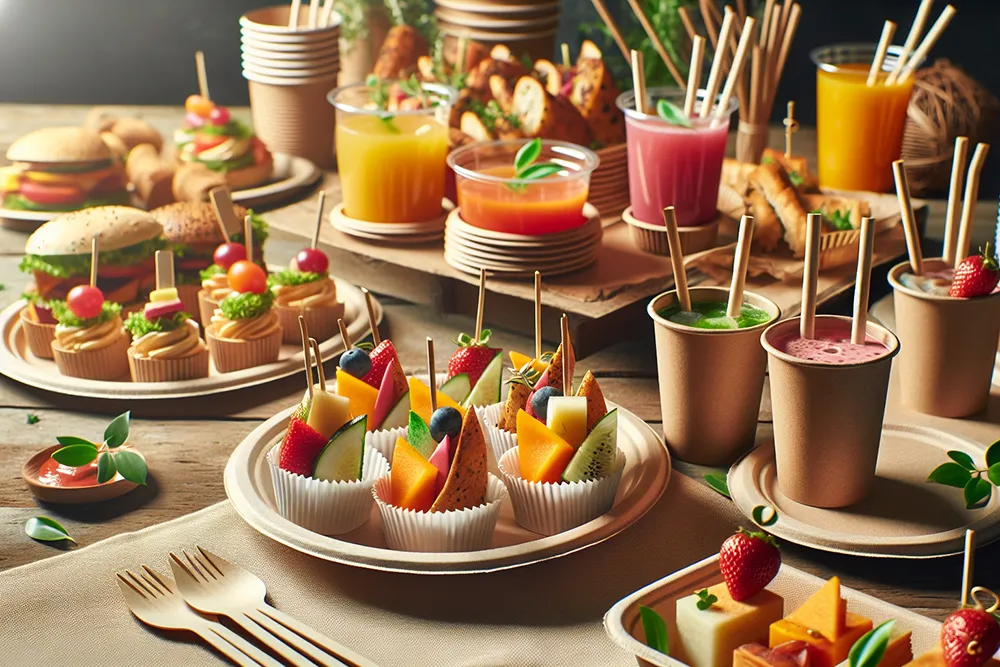
Hosting an eco-friendly party is not just a trend; it's a responsibility towards our planet. As we become more aware of the environmental impact of our actions, even the smallest choices, like the utensils we use, can make a significant difference. Disposable utensils have long been associated with excess waste, but the good news is that there are now plenty of eco-friendly options available. In this blog, we'll explore the best 11 disposable utensils for your eco-party, ensuring that your gathering is not only enjoyable but also environmentally conscious. Top 11 Disposable Utensils for Your Eco Party Bamboo Utensils Bamboo utensils are a fantastic eco-friendly alternative to traditional disposable utensils. Bamboo is a highly sustainable material, known for its rapid growth and minimal environmental impact. Bamboo utensils are durable, lightweight, and biodegradable, making them an excellent choice for your eco-party. Plus, they add a touch of natural elegance to your table setting. Some top picks for bamboo disposable utensils include bamboo cutlery sets, plates, and straws. Top picks: 6 in 1 Wrapped Disposable Bamboo Cutlery Set Crafted from sustainable bamboo, each set comes with a fork, knife, spoon, napkin, salt, and pepper, all conveniently wrapped in biodegradable packaging for hygienic portability. Perfect for picnics, parties, travel, or daily use, our bamboo cutlery set is durable, lightweight, and compostable, making it the ideal choice for conscious consumers. Palm Leaf/Bagasse Plates Palm leaf or bagasse plates are another excellent choice for eco-friendly disposable utensils. Made from natural materials like fallen palm leaves or sugarcane fibers, these plates are fully biodegradable, compostable, and chemical-free. They are sturdy enough to hold a variety of foods, making them perfect for serving appetizers, main courses, or desserts at your eco party. Top Picks: 6" 7" 9" 10" Round Sugarcane Biodegradable Plates These round plates come in various sizes – 6", 7", 9", and 10" – catering to diverse serving requirements. Made from natural sugarcane fibers, they offer a sturdy yet lightweight construction suitable for any occasion. Perfect for picnics, parties, or daily use, these bagasse plates are compostable, minimizing environmental impact. Biodegradable Wooden Cutlery Wooden cutlery offers a rustic charm to your eco party while being entirely compostable and biodegradable. Made from sustainable sources like birchwood, disposable wooden cutlery provides a stylish alternative to plastic utensils without harming the environment. Plus, wooden cutlery is robust enough to handle a range of foods, making it a practical choice for any event. Top picks: 7 in 1 Wrapped Disposable Wooden Cutlery Set Crafted from sustainably sourced birch wood, each set includes a fork, knife, spoon, teaspoon, napkin, salt, and pepper, all conveniently packaged for on-the-go use. Perfect for picnics, parties, or takeaway meals, our cutlery set combines convenience with sustainability, reducing single-use plastic waste. The smooth finish and sturdy construction ensure a comfortable dining experience, while the compact design makes it easy to carry in your bag or pocket. Cornstarch Utensils These utensils made from cornstarch are biodegradable, renewable, and non-toxic. Cornstarch utensils have a similar look and feel to traditional plastic utensils but without the environmental drawbacks. They are compostable and break down into natural elements, leaving behind no harmful residues. Top Picks: Cornstarch cutlery set Sugarcane Bowls Sugarcane bowls are a versatile and eco-friendly option for serving soups, salads, or desserts at your party. Made from bagasse, a byproduct of sugarcane processing, these bowls are fully biodegradable and compostable. Sugarcane bowls offer the perfect blend of functionality and sustainability, making them an ideal choice for your eco party. Top Picks: 12oz 16oz Compostable Bagasse Pulp Salad Bowls These 12oz, 16oz bowls are durable, grease-resistant, and perfect for both hot and cold dishes. Their sturdy construction ensures leak-proof containment, ideal for salads with dressings or warm toppings. Wooden Stirrers Wooden stirrers are a sustainable alternative to plastic stirrers commonly used for stirring coffee, tea, or cocktails. Made from renewable resources, such as birch or bamboo, wooden stirrers are biodegradable and compostable. They are a simple yet effective way to reduce plastic waste at your eco-party. Top Picks: 5.5" - 7.5" Wooden Coffee Stirrer These stirrers are sturdy and reliable. Measuring 5.5"-7.5" lengths, they cater to various cup sizes, ensuring thorough mixing without environmental guilt. Ideal for stirring hot or cold beverages like coffee, tea, or cocktails, these stirrers are a must-have for cafes, PARTIES, restaurants, offices, and home use. Sugarcane Trays Sugarcane trays are an eco-friendly solution for serving appetizers, snacks, or finger foods at your party. Made from bagasse, these trays are sturdy, lightweight, and fully biodegradable. Sugarcane trays offer a sustainable alternative to traditional plastic or foam trays, ensuring your party remains environmentally responsible. Top Picks: 11 Inch Compostable Sugarcane 5 Compartment Disposable Food Tray With five compartments, it efficiently separates different food items, ideal for events, picnics, or takeout orders. Its sturdy construction ensures reliable support for various dishes, from salads to entrees. The ample size, measuring 11 inches, accommodates generous portions. Paper Napkins Paper napkins are a staple at any party, and opting for eco-friendly options can significantly reduce your event's environmental footprint. Look for napkins made from recycled paper or those certified by sustainable forestry initiatives. Choosing paper napkins over their plastic counterparts is a simple yet impactful way to make your party more eco-friendly. Top Picks: Durable White Paper Dinner Napkins Bamboo Skewers Bamboo skewers are a must-have for any barbecue or grill-centric party. These skewers are made from renewable bamboo, making them an eco-friendly alternative to traditional metal skewers. Bamboo skewers are sturdy, heat-resistant, and biodegradable, making them the perfect choice for serving kebabs, grilled vegetables, or fruit skewers at your eco party. Top Picks: 90mm 120mm bamboo knot skewers These 90mm, 120mm knotted skewers offer unmatched durability and eco-friendliness. Their versatile lengths make them ideal for appetizers, grilling, or crafting delectable kebabs. With their intricate knot design, they add a touch of elegance to any dish, making them perfect for both casual gatherings and upscale events. Sugarcane Cups Sugarcane bagasse cups are an eco-friendly alternative to traditional plastic cups for serving beverages at your party. Made from bagasse, these cups are sturdy, heat-resistant, and fully compostable. Sugarcane cups offer the convenience of disposable cups without the environmental guilt, making them an excellent choice for your eco party. Top Picks: 8oz 12oz 16oz Compostable Bagasse Coffee Cups These 8oz, 12oz, and 16oz cups are biodegradable and compostable, reducing environmental impact. Their sturdy construction ensures durability while maintaining heat retention for longer enjoyment of hot beverages. With a sleek design, they're perfect for cafes, offices, or events. Sugarcane/Bamboo Straws Say goodbye to plastic straws and opt for eco-friendly alternatives like sugarcane or bamboo straws. These straws are biodegradable, compostable, and offer a sustainable solution to single-use plastic waste. Sugarcane and bamboo straws are not only eco-friendly but also add a unique touch to your party drinks, making them a win-win for both style and sustainability. Top Picks: Biodegradable Bamboo Straws Made from natural bamboo, these straws are biodegradable, reusable, and chemical-free, ensuring a guilt-free sipping experience. Their sturdy design makes them ideal for both hot and cold drinks, while their smooth surface ensures a comfortable drinking experience. Tips for Hosting an Eco-Friendly Party Hosting an eco-friendly party goes beyond just choosing the right disposable utensils. Here are some additional tips to make your event as green as possible: Reduce waste by opting for digital invitations instead of paper ones. Use reusable decorations or opt for natural decor elements like flowers or potted plants. Serve locally sourced and organic food and beverages to reduce carbon footprint. Provide clearly labeled recycling and compost bins to encourage guests to dispose of waste properly. Encourage carpooling or provide alternative transportation options for guests to reduce emissions. By incorporating these tips into your party planning, you can minimize your event's environmental impact and set an example for sustainable living. Conclusion Hosting an eco-friendly party doesn't mean sacrificing convenience or style. With these 11 disposable utensils, you can create a sustainable and chic event that leaves a minimal environmental footprint. From compostable plates to biodegradable cutlery, every choice you make contributes to a healthier planet. So go ahead, plan your eco party with confidence, and inspire others to follow suit in embracing sustainable living.
2024-04-10

Discover the best eco-friendly cutlery options—both disposable and reusable—to promote sustainability and reduce plastic waste in your daily use. Eco Friendly cutlery resonates deeply in today's environmentally conscious world. As businesses increasingly strive to minimize their ecological footprint, the choice of cutlery—both disposable and non-disposable—plays a pivotal role. In this comprehensive guide, we'll delve into the realm of eco-friendly cutlery, exploring both disposable and non-disposable options, and providing insights to help businesses make informed decisions for their companies. The Importance of Eco-Friendly Cutlery Traditional plastic cutlery, made from non-renewable resources like petroleum, has long been a staple in the food service industry. However, the environmental consequences of single-use plastic have become impossible to ignore. Plastic cutlery contributes to pollution, fills up landfills, and poses a threat to marine life. As awareness of these issues grows, consumers are actively seeking alternatives that are kinder to the planet. Eco-friendly cutlery offers a solution to these problems. By opting for biodegradable, compostable, or reusable alternatives, businesses can reduce their environmental footprint and appeal to environmentally conscious consumers. Additionally, investing in eco-friendly cutlery can enhance a brand's reputation and attract new customers who prioritize sustainability. Best Disposable Eco-Friendly Cutlery In recent years, the demand for disposable eco-friendly cutlery has surged as businesses seek alternatives to traditional plastic utensils. Here are some of the best options available: 1. Disposable Wooden Cutlery Wooden cutlery has gained popularity for its natural appeal and biodegradability. Made from sustainably sourced wood such as birch or bamboo, these utensils offer a renewable and eco-friendly alternative to plastic. They are sturdy enough to handle a variety of foods and are compostable, making them a great choice for businesses looking to reduce their environmental impact. 2. Bamboo Disposable Cutlery Bamboo is another sustainable material that has become increasingly popular in the eco-friendly cutlery market. Known for its strength and durability, bamboo utensils are lightweight yet sturdy enough to handle most meals. They are also compostable and can break down naturally, making them an excellent choice for businesses committed to sustainability. Related: Bamboo tableware vs. wooden tableware: what's the difference? 3. Cornstarch Cutlery Cutlery made from cornstarch, is a biodegradable alternative to traditional plastic utensils. Derived from renewable resources such as corn, these utensils are compostable and break down into natural components over time. While they may not be as heat-resistant as some other options, cornstarch cutlery is an excellent choice for cold or lukewarm foods. 4. Sugarcane Bagasse Cutlery Sugarcane bagasse, the fibrous byproduct of sugarcane processing, is another eco-friendly material used to make disposable cutlery. These utensils are durable, heat-resistant, and compostable, making them suitable for a wide range of foodservice applications. Sugarcane bagasse cutlery offers businesses a sustainable alternative to traditional plastic utensils without sacrificing functionality or convenience. Related: Bagasse vs cornstarch food containers: how do caterers choose? 5. Wheat Straw Cutlery Wheat straw cutlery is made from the stalks of wheat plants after the grain has been harvested. These utensils are strong, lightweight, and biodegradable, making them an eco-friendly choice for businesses looking to minimize their environmental impact. Wheat straw cutlery is suitable for a variety of foods and can be composted after use. Related: Choosing Sustainable Tableware: Wheat Straw Plates vs. Plastic vs. Bamboo Plates 6. Palm Leaf Cutlery Palm leaf cutlery is made from the fallen leaves of the Areca palm tree, a renewable resource abundant in many tropical regions. These utensils are sturdy, heat-resistant, and compostable, making them ideal for both hot and cold foods. Palm leaf cutlery offers businesses a sustainable alternative to traditional plastic utensils while adding a touch of natural elegance to their table settings. Related: Bamboo vs. palm leaf plates: which to choose? 7. Paper Cutlery Paper cutlery, although not as durable as some other options, is a biodegradable and compostable alternative to plastic utensils. Made from recycled paper or sustainably sourced paper pulp, these utensils are lightweight and suitable for a variety of foods. While they may not be suitable for hot or liquid foods, paper cutlery is an excellent choice for businesses looking to reduce their environmental impact. Best Non-Disposable Eco-Friendly Cutlery 1. Stainless Steel Cutlery Stainless steel cutlery is a durable and long-lasting option for businesses looking to invest in reusable utensils. Unlike disposable alternatives, stainless steel cutlery can withstand repeated use and is dishwasher safe, making it convenient for both businesses and consumers. By choosing stainless steel cutlery, businesses can reduce waste and save money in the long run. 2. Bamboo Cutlery Bamboo cutlery offers a sustainable alternative to traditional metal utensils. Bamboo is a fast-growing and renewable resource, making it an eco-friendly choice for businesses looking to minimize their environmental impact. Bamboo cutlery is lightweight, durable, and biodegradable, making it suitable for both commercial and residential use. 3. Titanium Cutlery While less common than stainless steel or bamboo, titanium cutlery offers several unique benefits. Titanium is incredibly lightweight, making it ideal for outdoor dining or travel. Additionally, titanium is hypoallergenic, corrosion-resistant, and has a long lifespan, making it a sustainable choice for businesses and consumers alike. 4. Recycled Plastic Cutlery For businesses looking to minimize waste without completely abandoning plastic, recycled plastic cutlery offers a compromise. These utensils are made from post-consumer recycled plastic, diverting waste from landfills and reducing the demand for virgin plastic. While not as eco-friendly as biodegradable or compostable options, recycled plastic cutlery can still help businesses reduce their environmental impact. Key Considerations for Your Business When selecting eco-friendly cutlery for their establishments, businesses must consider several factors to ensure they make the most suitable choice for their specific needs: Functionality: Cutlery should perform its intended function effectively without compromising on usability or convenience for customers. Durability: Whether disposable or non-disposable, cutlery should be durable enough to withstand regular use without premature wear or breakage. Sustainability: Assess the environmental credentials of different cutlery options, considering factors such as material sourcing, manufacturing processes, and end-of-life disposal. Cost: While eco-friendly cutlery may have a higher upfront cost compared to traditional alternatives, consider the long-term savings and benefits in terms of brand reputation and customer loyalty. Aesthetics: Cutlery contributes to the overall dining experience, so choose options that align with the aesthetic and branding of your establishment. Conclusion As businesses across industries increasingly prioritize sustainability, the demand for eco-friendly cutlery continues to rise. By offering disposable and non-disposable alternatives made from renewable, biodegradable, or recycled materials, Businesses can meet the needs of environmentally conscious consumers while reducing their environmental footprint. Whether opting for compostable utensils for single-use applications or investing in durable stainless steel cutlery for long-term use, businesses have a wide range of options to choose from. By making the switch to eco-friendly cutlery, businesses can demonstrate their commitment to sustainability and attract new customers who share their values. Ancheng Offers the Best Disposable Eco-friendly Tableware! For more than 20 years, Ancheng has been committed to combining environmental protection with safe tableware. Using high quality bamboo and wood as raw materials, our disposable tableware covers all your dining needs with cutlery sets for takeaways, plates and BBQ sticks for outdoor use. Get in touch with our team of professionals to achieve sustainable goals while enhancing your dining experience.
2024-04-08
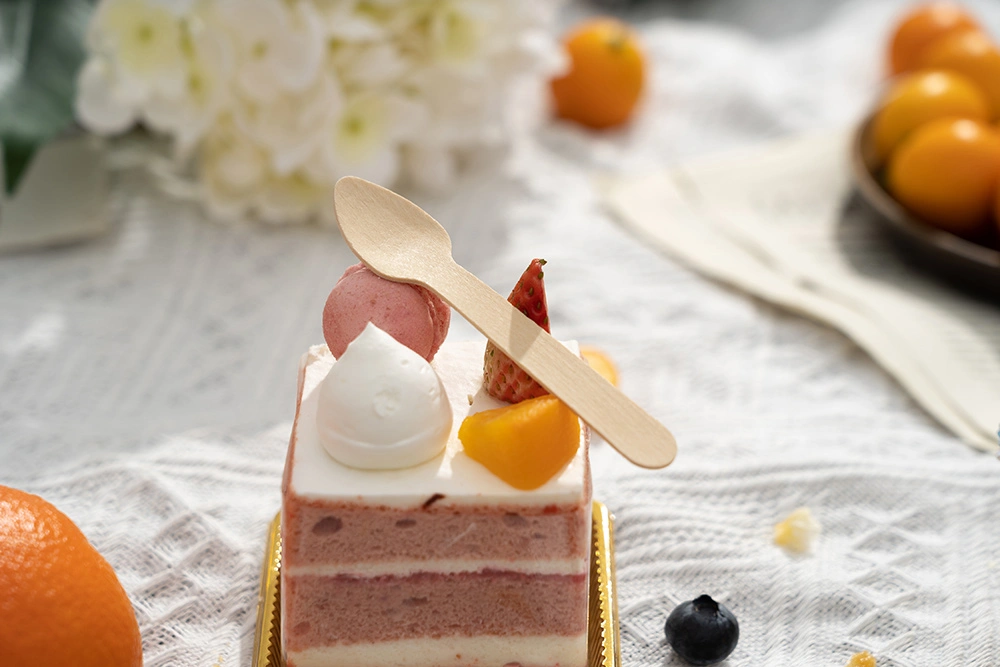
Disposable wooden teaspoons, crafted from materials like birchwood, offer a sustainable alternative to their plastic counterparts. Birchwood, in particular, is favored for its durability, smooth texture, and natural beauty. These teaspoons are available in various sizes, catering to different needs and preferences. In this comprehensive guide, we delve into everything you need to know about disposable wooden teaspoons, from their origins and environmental impact to their practical uses and where to find them. The Environmental Impact of Disposable Utensils Understanding the environmental impact of disposable utensils is crucial for making informed choices as consumers. While wooden utensils offer several advantages over plastic, they are not without their own environmental considerations. Deforestation Concerns One of the primary concerns associated with wooden utensils is deforestation. Unsustainable logging practices can lead to habitat destruction, loss of biodiversity, and soil erosion. However, many manufacturers of disposable wooden utensils like Ancheng source their wood from sustainably managed forests certified by organizations. Choosing utensils from certified sources can help mitigate the risk of contributing to deforestation. Energy and Water Usage The production process for wooden utensils requires energy and water, albeit to a lesser extent than plastic utensils. However, advancements in manufacturing technology have led to more efficient production methods, reducing the overall environmental impact. End-of-Life Disposal While wooden utensils are biodegradable, they still require proper disposal to minimize their environmental impact. Composting is an ideal end-of-life solution for wooden utensils, as it allows them to decompose naturally and return nutrients to the soil. However, if composting facilities are not available, wooden utensils can still break down in landfills, albeit at a slower rate than in composting environments. Benefits of Wooden Teaspoons Eco-Friendly: Disposable wooden teaspoons are biodegradable and compostable, making them a sustainable choice for reducing plastic waste. Natural Aesthetic: The rustic charm of wooden teaspoons adds a touch of elegance to any table setting or event. Sturdy and Durable: Despite being disposable, wooden teaspoons are robust and can withstand stirring hot beverages or light food items. Safe to Use: Unlike plastic utensils that may leach harmful chemicals, wooden teaspoons are non-toxic and safe for food contact. Minimal Processing: Wooden utensils typically undergo minimal processing compared to plastic alternatives, further reducing their environmental footprint. Practical Uses of Disposable Wooden Teaspoons Disposable wooden teaspoons are incredibly versatile and can be used in various settings, from home kitchens to catering events. Here are some practical uses for disposable wooden teaspoons: Food and Beverage Service Wooden teaspoons are ideal for stirring coffee, tea, or other hot beverages. They can also be used to sample dips, sauces, or small desserts. Events and Catering Disposable wooden teaspoons are a popular choice for parties, weddings, picnics, and other gatherings, offering a sustainable alternative without compromising on convenience. Crafting and DIY Projects Disposable wooden teaspoons are also popular for crafting and DIY projects. Their small size and sturdy construction make them ideal for a wide range of creative endeavors, from painting and decorating to gardening and plant labeling. Disposable Wooden Teaspoons Manufacturing Process Step 1: Sourcing Sustainable Materials The journey of a disposable wooden teaspoon begins with the careful selection of sustainable wood sources. At Ancheng, we prioritize responsibly managed forests and suppliers certified by credible organizations. This ensures that the wood used in our teaspoons is harvested in an environmentally and socially responsible manner, minimizing our ecological footprint. Step 2: Wood Selection and Preparation Once the raw materials are sourced, our skilled craftsmen meticulously select the finest wood for crafting the teaspoons. We prioritize wood varieties that are lightweight, durable, and biodegradable, such as birch or bamboo. The selected wood is then cut into uniform pieces, ensuring consistency in size and shape. Step 3: Semi-forming and Drying In this crucial step, the wood chips are fed into a profiling machine, which carefully cuts them into semi-finished teaspoon shapes. These newborn spoons then go through a meticulous drying process, ensuring optimal moisture levels for durability and longevity. By controlling drying, we reduce the risk of deformation or cracking, maintaining the integrity of each teaspoon. Step 4: Smoothing and Polishing Once the spoons are molded, they undergo a smoothing and polishing process to enhance their appearance and texture. Our craftsmen meticulously sand each spoon, removing any rough edges or imperfections to achieve a smooth and sleek finish. This step not only enhances the aesthetic appeal of the teaspoons but also ensures a comfortable dining experience for the end consumer. Step 5: Pressing and Molding The next step in the manufacturing process involves Pressing and molding the wooden pieces into the desired spoon shape. This is achieved using specialized machinery and molds designed to create precise and uniform spoon shapes. Our craftsmen carefully monitor the shaping process to ensure that each teaspoon meets our quality standards. Step 6: Quality Control Quality is of paramount importance at Ancheng, and stringent quality control measures are implemented at every stage of the manufacturing process. Each batch of disposable wooden teaspoons undergoes thorough inspection to ensure that they meet our quality standards for strength, durability, and finish. Only products that pass our rigorous quality tests are packaged and prepared for distribution. Step 7: Packaging and Distribution Once the disposable wooden teaspoons have passed quality control, they are carefully packaged in eco-friendly materials, ready for distribution to our customers. At Ancheng, we prioritize sustainable packaging options to minimize our environmental impact and ensure that our products align with our commitment to sustainability. How to Buy Disposable Wooden Teaspoons in Bulk Step 1: Identify Your Requirements Before making a bulk purchase, it's essential to determine your requirements. Consider factors such as: The quantity of wooden teaspoons needed. Your budget constraints. Any specific preferences regarding wood type, design, or finish. Step 2: Research Suppliers Once you've established your requirements, it's time to research suppliers. Look for reputable suppliers or wholesalers specializing in wooden cutlery. Consider factors such as: Quality of craftsmanship: Ensure that the supplier offers high-quality wooden teaspoons that are durable and well-finished. Sustainable sourcing: Opt for suppliers who source their wood from responsibly managed forests or utilize reclaimed wood. Customization options: Some suppliers may offer customization services, allowing you to personalize the teaspoons with packaging or branding. Step 3: Compare Prices and Quality Get Free quotes from multiple suppliers and compare prices while considering the quality of the products offered. Keep in mind that the lowest price doesn't always mean the best value. Look for a balance between price and quality to ensure that you're getting the most bang for your buck. Step 4: Consider Packaging and Shipping When buying in bulk, consider the packaging and shipping logistics involved. Opt for suppliers who use minimal packaging or eco-friendly materials to reduce waste. Additionally, inquire about shipping costs and delivery timelines to factor them into your budget and planning. Step 5: Place Your Order Once you've identified a reputable supplier offering quality wooden teaspoons at competitive prices, it's time to place your order. Ensure that you review the terms and conditions carefully, including payment terms, return policies, and so on, before finalizing the purchase. Ancheng - Your Reliable Wooden Teaspoons Manufacturer in China Ancheng is a leading manufacturer of disposable wooden tableware, including spoons, sporks, teaspoons, forks, knives, plates, coffee stirrers, and so on. With 20 years of experience in the industry, we are committed to providing high-quality, eco-friendly tableware at competitive prices. Our state-of-the-art manufacturing facilities and stringent quality control measures ensure that our wooden teaspoons meet the highest standards of safety and durability. Whether you have large chain supermarkets, run a catering business, own online tableware e-commerce shops, or source for airlines, you can rely on Ancheng for all your disposable wooden teaspoon needs. Founded Year: 1998 Address: Building 11, Max Science Park, Intersection Of Tianshi Road And Duxianqiao Road, Shushan Dist, Hefei, Anhui, China(Mainland) Products range: Wooden Disposable Cutlery Bamboo Disposable Cutlery Wooden Fork Wooden Disposable Spoon Wooden Teaspoon Wooden Ice Cream Spoon Wooden Spork Wooden Knife Bamboo Spoon Bamboo Fork Bamboo Knife Wood&Bamboo Coffee Stirrer Disposable Wood&bamboo Plates Other Eco Wood and Bamboo Tableware Recommendation for Ancheng Hot-selled Wooden Teaspoons Ancheng offers a variety of disposable wooden teaspoons to suit your specific business needs. Here are some of our hot-selling products: Disposable Wooden Yogurt Spoon 2.6'' Perfect for serving individual portions of yogurt, pudding, or other creamy desserts, these small wooden spoons are convenient and eco-friendly. Disposable Wooden Large Ice Cream Spoon 3.7'' These larger wooden spoons are ideal for scooping and enjoying generous servings of ice cream, gelato, or sorbet. Disposable Wooden Small Teaspoon 3.7'' Great for stirring hot beverages like coffee or tea, these small wooden teaspoons are versatile and practical for everyday use. Disposable Wooden Round Teaspoon 4'' Featuring a round spoon head, these wooden teaspoons are perfect for stirring and serving beverages, soups, or sauces with ease. Disposable Wooden Teaspoon 4.3'' With a classic design and sturdy construction, these wooden teaspoons are suitable for a wide range of applications, from stirring to serving. Disposable Wooden Teaspoon with Elegant Handle 4.7'' Add a touch of elegance to your table setting with these wooden teaspoons featuring an elegant handle design, perfect for special occasions and events. Conclusion Disposable wooden teaspoons offer a sustainable and eco-friendly alternative to traditional plastic utensils. From their biodegradable nature to their versatility and practical uses, these utensils are a testament to the growing demand for environmentally conscious products. By understanding their environmental impact and making informed choices as consumers, we can contribute to a more sustainable future for generations to come. Frequently Asked Questions (FAQs) 1. Can disposable wooden teaspoons be composted? Yes, disposable wooden teaspoons are biodegradable and can be composted along with other organic waste. 2. Are disposable wooden teaspoons reusable? Disposable wooden teaspoons are intended for single-use applications but can potentially be reused if they are still in good condition after initial use.
2024-03-21
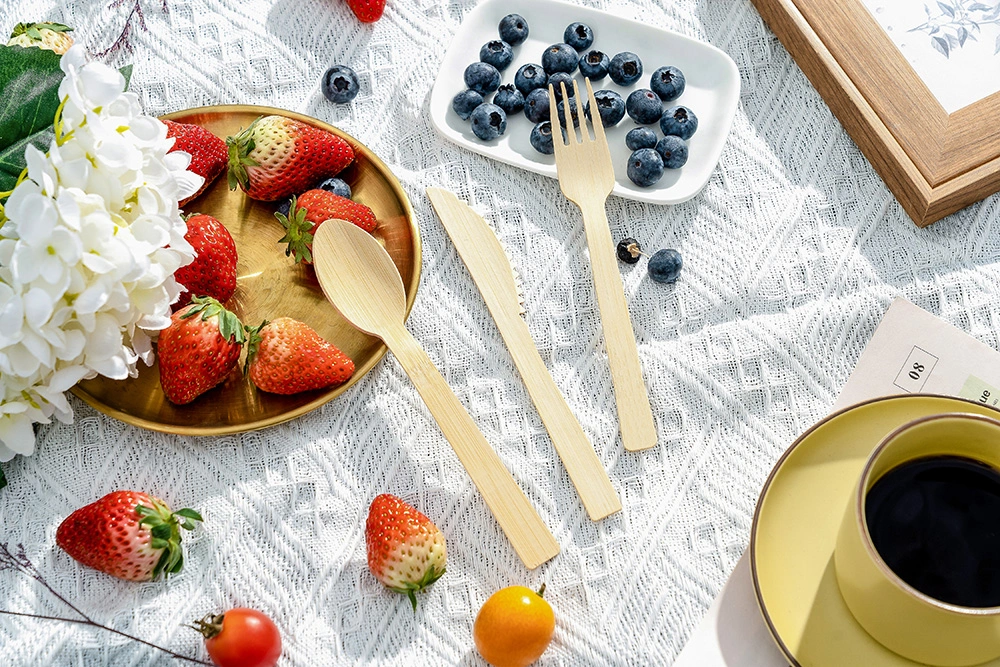
With environmental sustainability becoming an increasingly pressing issue, businesses across industries are seeking ways to reduce their environmental footprint. One significant area of focus is the reduction of plastic waste, particularly in the food and hospitality sector where single-use plastic utensils are prevalent. In response to this, compostable utensils have emerged as a promising alternative, offering both functionality and eco-friendliness. In this blog, we'll explore the top 7 best compostable utensils for businesses looking to make a positive change. Understanding Compostable Utensils Compostable utensils are utensils made from organic materials that are capable of breaking down into natural components under specific conditions, typically within a composting environment. Unlike traditional plastic utensils, which can linger in landfills for hundreds of years, compostable utensils offer a sustainable solution by returning to the earth without leaving behind harmful residues. It's crucial for businesses to understand the distinction between biodegradable and compostable materials; while biodegradable materials break down over time, compostable materials undergo a specific decomposition process, resulting in nutrient-rich compost. Environmental Impact of Plastic Utensils Plastic utensils contribute significantly to environmental degradation. They are typically made from non-renewable petroleum, require extensive energy for production, and most importantly, do not biodegrade. Instead, they break down into microplastics that harm marine life and ecosystems. Globally, millions of tonnes of plastic utensils end up in landfills and oceans each year, posing a threat to wildlife and human health. Benefits of Using Compostable Utensils 1. Reduced Environmental Impact Compostable utensils are made from renewable resources like cornstarch, sugarcane, or bamboo, which significantly lower their carbon footprint compared to plastic utensils. After use, these materials break down into harmless compounds that enrich the soil. 2. Promotion of Sustainable Practices By choosing compostable utensils, consumers support businesses and manufacturers that prioritize sustainability and are dedicated to reducing the use of non-renewable resources. 3. Non-Toxic Unlike some plastics that can leach harmful chemicals, especially when exposed to heat, compostable utensils are generally made from safe, non-toxic materials. 4. Versatility and Functionality Modern compostable utensils are designed to match the durability and functionality of their plastic counterparts, making them suitable for a wide range of foods and temperatures. Top 7 Compostable Utensils 1. Bamboo Cutlery Set Lightweight and durable, bamboo utensils are a popular choice for eco-conscious consumers. They offer a natural aesthetic appeal and are suitable for various food service businesses. 2. Wooden Sporks Combining the functionality of a spoon and a fork, wooden sporks are versatile and ideal for serving a wide range of dishes. They are compostable and offer a sustainable alternative to plastic cutlery. 3. Birchwood Knives Made from renewable birchwood, compostable knives are sturdy and practical for cutting through food items. They provide a sustainable solution for businesses looking to reduce their environmental footprint. 4. Cornstarch Utensil Set Cornstarch utensil sets are another eco-friendly option for disposable cutlery. These utensils are made from PLA (polylactic acid), a bioplastic derived from cornstarch. Cornstarch utensils have the same durability and functionality as traditional plastic utensils but break down into compostable material when disposed of properly. 5. Bagasse Cutlery Derived from sugarcane fiber, bagasse cutlery is compostable and eco-friendly. They are heat-resistant and sturdy, making them suitable for serving soups, desserts, and other hot dishes. 6. Palm Leaf Plates While not strictly utensils, palm leaf plates offer a sustainable alternative to disposable plastic plates. Made from fallen palm leaves, these plates are compostable and biodegradable, perfect for eco-friendly catering events. 7. Wheat Straw Cutlery Wheat straw cutlery is made from renewable wheat straw fibers, providing a compostable and eco-friendly alternative to plastic utensils. They are durable, heat-resistant, and suitable for a wide range of food service applications. Wheat straws are an affordable and environmentally friendly accessory for beverage shops. How to Properly Dispose of Compostable Utensils? Understanding the proper disposal of compostable utensils is essential for maximizing their environmental benefits. While these products are designed to break down more easily than plastic, their successful decomposition depends on specific conditions. Let's explore the composting process, factors affecting biodegradability, and tips for eco-friendly disposal to ensure that our shift towards compostable utensils genuinely lowers our environmental impact. I. Composting process The composting process is a natural method wherein organic waste is transformed into nutrient-rich soil. For compostable utensils, this process involves placing them in a composting environment where microorganisms, such as bacteria and fungi, break down the material into carbon dioxide, water, and biomass. However, not all compostable utensils can decompose in a backyard compost pile. Many require the high temperatures found in industrial composting facilities to break down completely. For homeowners who compost, it's crucial to check if the utensils are labeled as "home compostable." If they are not, you should seek out a local industrial composting facility. Some communities offer collection services for compostable items, or there may be drop-off locations specifically designed to handle these types of materials. II. Biodegradability factors Several factors influence the biodegradability of compostable utensils. The primary factor is the material from which they are made. Most compostable utensils are crafted from plant-based materials like cornstarch, potato starch, or sugarcane fiber. These materials generally break down more efficiently than traditional plastics, but the rate of decomposition can vary significantly depending on the composting environment. Temperature, moisture, and oxygen levels within the compost pile are critical. Industrial composting facilities maintain optimal conditions to ensure rapid biodegradation. In contrast, home composting setups might not reach the required temperatures or have inconsistent conditions that slow down the process. Conclusion By switching to compostable utensils, businesses can reduce their environmental footprint and demonstrate their commitment to sustainability. Offering eco-friendly alternatives can attract environmentally conscious customers and enhance brand reputation. Partnering with Ancheng provides retailers with access to high-quality compostable utensils and personalized support to meet their specific business needs. Ready to Transform Your Tableware? At Ancheng, we’re committed to helping you make the switch from disposable plastics to truly sustainable alternatives. With over 20 years of experience manufacturing eco-friendly wooden and bamboo cutlery, we provide high-quality, compostable solutions tailored to your brand and business. Why choose Ancheng? 1. Fully customizable – sizes, materials, branding, packages 2. Factory direct pricing with rigorous quality control 3. Certifications, including FDA, BRC, BSCI, Sedex for peace of mind 4. Free samples available – so you can test before committing Contact us today for a free sample or quote, and let’s create a greener dining experience together. Your customers and the planet will thank you.
2024-03-18
A short description of related information goes in here ...
A short description of related information goes in here ...

Factory: Qian Renqiao Industrial Park, Shucheng County, Luan City, Anhui Province, China
Office: Building 11, Max Science Park, Shushan Dist, Hefei, Anhui, China
Copyright ©2026 Anhui Ancheng Bamboo and Wood Tableware Co., Ltd. Privacy Policy


 Index
 Product
 Resources
 About