We can provide wholesale services disposable wooden and bamboo tableware to more than 30 countries

FSC-certified wood refers to wooden products that meet the high standards set by the Forest Stewardship Council (FSC) for sustainable forest management and responsible harvesting. As a voluntary program, FSC certification ensures that forests are managed in an environmentally sound manner while also taking into account the social and economic significance for local communities and workers. The FSC Principles and Criteria form the foundation for all forest management standards around the world, including the FSC US National Standard guiding forest management certification in the United States. By adhering to these principles, industries can contribute to maintaining healthy forests for generations to come, with a focus on zero deforestation, fair wages, biodiversity protection, and community rights. Understanding FSC Certification Definition of FSC Certification The Forest Stewardship Council (FSC) is an international, non-profit organization that promotes sustainable forest management and responsible harvesting practices. FSC certification is a voluntary program that ensures wood products are sourced from well-managed forests that adhere to strict environmental, social, and economic standards. The certification process is conducted by FSC-accredited certifiers, who assess forest management and chain-of-custody operations. There are three types of FSC certification: 1. FSC: Virgin wood sourced from forests certified as sustainably managed. 2. FSC Mix: Wood products containing a mix of FSC-certified, recycled, and controlled materials. 3. FSC Recycled: Products made from reclaimed or recycled wood and/or paper materials. FSC-certified products can be found in various industries, including construction, tableware, furniture, and paper products, helping consumers make smarter, eco-friendly choices. History and Origin of FSC The Forest Stewardship Council was established in 1994, following the Rio Earth Summit in 1992, which highlighted the need for sustainable forestry. Recognizing the negative impacts of deforestation and poor forest management, a group of environmentalists, businesses, and community leaders came together to create an organization that champions responsible forest management globally. Since its inception, FSC has grown to become a leading global certification system with a presence in over 80 countries. By implementing a comprehensive set of principles, criteria, and indicators, FSC has made significant progress in promoting environmentally appropriate, socially beneficial, and economically viable management of the world's forests. Benefits and Impacts I. Environmental Advantages FSC certified wood provides several environmental benefits. Firstly, it promotes sustainable forestry practices, ensuring that forests are managed responsibly, preserving them for future generations. This includes protecting water quality, avoiding loss of natural forest cover, and conserving endangered wildlife and their habitats. Moreover, FSC certification can help protect the world's forests from unethical and illegal logging practices. By choosing FSC certified wood products, consumers support the responsible management of forests and contribute to reducing deforestation rates. II. Economic Benefits Using FSC certified wood positively impacts the economy. For businesses, using the FSC label on products enhances their reputation and credibility in the market. It demonstrates a commitment to sustainability and responsible sourcing, which can attract environmentally conscious consumers and businesses. Furthermore, FSC certification can provide financial benefits to forest owners and managers. By adhering to high standards of forest management, they can access economic incentives such as eco-labeling, tax breaks, and various subsidies, leading to increased revenue from their sustainable forestry practices. III. Social Impacts FSC certification also has social implications. It helps safeguard the rights and interests of indigenous communities and forest workers by enforcing responsible management practices. These practices include respecting boundaries, ensuring fair wages, and providing safe working conditions. Additionally, FSC certification supports local economies by encouraging job creation and fostering community development. Forest-dependent communities benefit from the increased demand for responsibly sourced wood products, leading to more employment opportunities and overall well-being. 5 Types of FSC Certified Wooden Tableware Ancheng offers a versatile range of FSC‑certified wooden and bamboo tableware—each product crafted from responsibly managed forests that meet Forest Stewardship Council standards. Below are five featured categories you can explore on our website: 1. Wooden Cutlery Sets Our wooden cutlery sets, including knives, forks, spoons, sporks, and napkins, are made from FSC‑certified birch wood sourced from well‑managed forests . These sets are FDA‑approved and can be customized with your brand logo. They’re compostable, non‑toxic, and perfect for banquets, catering events, or eco‑friendly restaurants. 2. Skewers Ancheng’s wooden and bamboo skewers are FSC‑certified and ideal for cocktails, hors d’oeuvres, barbecue, and event catering. Crafted from sustainable bamboo or birch, they’re biodegradable and food-safe, meeting both environmental standards and functionality needs. 3. Wooden Plates Our wooden plates—available in round, square, and rectangular shapes—are made entirely from FSC‑certified birch wood, without any chemicals, preservatives, or pesticides. Ranging from 5″ to 10″, these plates are sturdy, biodegradable, and FDA/LFGB certified for food safety and quality. 4. Wooden Straws Our wooden and bamboo straws are FSC‑certified and offered as a sustainable alternative to plastic. These food‑grade compostable straws are sourced from responsibly managed forests, ensuring each piece supports ethical forestry while reducing single‑use plastic waste. 5. Wooden Ice Cream Sticks We also offer ice‑cream sticks made from certified FSC birch wood. These are 100% biodegradable and food‑safe, ideal for frozen treats, sampling sticks, and promotional food events, all while supporting responsible forest management practices.
2024-01-31

Non-toxic cookware has become increasingly popular in recent years as consumers become more aware of the potential health and environmental risks associated with traditional cookware materials. Many standard pots and pans can leach harmful chemicals such as PFAS and PTFE, both of which have been linked to various health concerns. As people continue to prioritize their well-being and the impact on the planet, the demand for safer alternatives has grown. This has led to the introduction of several non-toxic cookware brands in the market. These eco-friendly and health-conscious options typically emphasize the use of materials such as ceramic, cast iron, stainless steel, and even glass. Each type comes with its own set of benefits and drawbacks, but all share the common goal of providing consumers with a safe and reliable solution for their cooking needs. In addition to eliminating harmful substances, non-toxic cookware often boasts innovative designs and features, further enhancing the overall cooking experience. As the market for non-toxic options expands, it is paramount for consumers to educate themselves about the best cookware brands and types that suit their needs. With a plethora of products to choose from, understanding the safety, durability, and functionality of each material will be crucial in achieving a healthy and enjoyable time in the kitchen. Understanding Non-Toxic Cookwar Non-toxic cookware refers to cooking utensils and materials that are safe for cooking and do not release harmful chemicals or substances into your food. Unfortunately, the term "nontoxic" does not have a legally binding definition, which means companies can use it on their products even if they may not be completely safe. As consumers, it is crucial to understand the characteristics and types of non-toxic cookware to make an informed decision. Not all non-toxic cookware is created equal. There are a few key materials to look for when searching for the safest options: Ceramic: This material is made of clay and hardened at high temperatures, producing a non-reactive and non-toxic surface. Stainless Steel: Known for its durability and non-reactive properties, stainless steel is an excellent choice for non-toxic cookware. Cast Iron: Heavy and durable, cast iron cookware requires proper maintenance to build a natural non-stick surface but is ideal for cooking various dishes. When trying to choose the best non-toxic cookware, it's important to watch out for products that contain PFAS — short for per- and polyfluoroalkyl substances. These synthetic chemicals are often used in non-stick coatings due to their heat resistance and ability to repel water and oil. In 2023, California passed a law restricting companies from claiming that their cookware is free of any one PFAS if it contains other similar chemicals. While this law helps consumers make better choices, it is essential to research cookware products and brands carefully. Some well-reviewed non-toxic cookware brands in 2024 include: Caraway: Offering a high-quality cookware set, Caraway has been recognized for its combination of functionality and non-toxic properties. Our Place: The Always Pan by Our Place is known for its versatility and its commitment to non-toxic materials. GreenLife: This company produces ceramic non-stick cookware sets that are free from PFAS and other harmful substances. Types of Non-Toxic Cookware Ceramic Cookware Ceramic cookware is a popular choice for non-toxic cooking. Made from natural clay materials, it boasts a non-stick surface without the need for harmful perfluorinated compounds (PFAS). One notable brand is Xtrema, which offers the durable Versa Skillet. Ceramic cookware is known for even heat distribution, making it ideal for various cooking methods. However, it requires gentle handling to prevent chipping or cracking. Cast Iron Cookware Cast iron cookware has been a kitchen staple for centuries. It's praised for its durability, even heating, and natural non-stick properties that improve with seasoning. Lodge is a reputable brand in this category. To maintain cast iron cookware, proper seasoning and hand washing are essential. Here are some care tips: Clean with a brush and hot water (avoid soap) Dry thoroughly Apply a thin layer of cooking oil Store in a dry place Stainless Steel Cookware Stainless steel cookware combines durability with non-reactivity, making it suitable for various cooking techniques. A well-known brand is All-Clad, with their d3 Cookware Set. Stainless steel is often multi-ply and features an aluminum core, ensuring even heating. One downside is that food may stick to the surface without proper pre-heating and oil application. Keep in mind: Even heating with multi-ply construction Non-reactive and durable Potential for food sticking Glass Cookware Glass cookware is another non-toxic option that is visually appealing and versatile. It’s resistant to staining and doesn't absorb flavors or odors. Glass cookware can be used in the oven, microwave, refrigerator, and freezer but requires care when handling to prevent breakage. Some popular brands include Pyrex and Anchor Hocking. Titanium Cookware Lastly, titanium cookware is lightweight, long-lasting, and non-reactive. It's an excellent choice for those seeking non-toxic cookware without the weight of cast iron or stainless steel. Titanium is often used as a coating on top of other materials to enhance non-stick properties. Brands such as T-fal and Scanpan offer titanium cookware options. Benefits of Using Non-Toxic Cookware Non-toxic cookware offers numerous advantages for those looking to maintain a healthy and safe kitchen environment. These benefits span across various aspects of the cooking process, from the materials used to the way the cookware interacts with the food being prepared. 1. Healthier Meals: One of the most significant benefits of non-toxic cookware is its ability to cook food without releasing harmful chemicals. Traditional non-stick cookware often contains substances like perfluorooctanoic acid (PFOA) and polytetrafluoroethylene (PTFE), which emit toxic fumes when heated at high temperatures. By eliminating these chemicals, non-toxic cookware enables the preparation of healthier meals. 2. Eco-friendly: Non-toxic cookware is typically made from environmentally friendly materials such as ceramic, cast iron, or stainless steel. Furthermore, the lack of harmful chemicals also means that these products have a reduced environmental impact when compared to traditional non-stick cookware. 3. Durable and Long-lasting: The materials used in non-toxic cookware are often more durable and long-lasting than those found in traditional cookware. Cast iron, for example, can last a lifetime if appropriately maintained. This durability also makes for a more cost-effective and sustainable kitchen solution in the long run. 4. Improved Cooking Performance: Non-toxic cookware often provides superior cooking performance by distributing heat evenly and retaining it longer. This results in evenly cooked meals and reduced energy consumption, as less heat is needed to maintain optimal cooking temperatures. Choosing the Right Non-Toxic Cookware Considerations for Safety When selecting non-toxic cookware, it's essential to prioritize safety. Some materials are known to leach harmful chemicals or metals into food, potentially posing health risks. To ensure the safety of the cookware you choose, research and familiarize yourself with any potential hazards associated with different materials. Assessing Cookware Material There are various materials to consider when choosing non-toxic cookware: Ceramic: Ceramic cookware is considered a safe option as it's made of inorganic materials that resist heat and don't release toxic substances. For example, Xtrema is a brand that offers durable ceramic skillets. Cast Iron: Cast iron cookware is another excellent non-toxic option. These pans last a lifetime and have the added advantage of releasing small amounts of beneficial iron into food. Stainless Steel: All-Clad's d3 cookware set is an example of high-quality stainless steel cookware that's safe and easy to maintain. Stainless steel is non-reactive and doesn't release toxic substances. Anodized Aluminum: For non-stick options, consider anodized aluminum cookware. The anodizing process creates a non-reactive and non-toxic surface. Brands such as Green Pan offer the Valencia Pro 11-Piece Cookware Set as a reliable and safe choice. Compatibility with Cooking Methods Another critical factor to consider is whether your chosen cookware material is compatible with your preferred cooking methods. For example, some cookware sets work better with specific heat sources like induction cooktops, gas stoves, or electric ranges. Make sure to check the compatibility of the cookware with your cooking setup to ensure optimum performance. Maintenance and Durability Lastly, consider the maintenance and durability of your chosen cookware. Non-toxic cookware should be easy to clean and maintain. Cast iron pans, for instance, require seasoning to maintain their non-stick surface but offer excellent durability. Ceramic and stainless steel cookware can be easily maintained with traditional cleaning methods. When selecting cookware, invest in a set that provides the perfect balance of safety, performance, and longevity.
2024-01-30

Silicone utensils have gained popularity in recent years as an alternative to traditional cooking tools. Many people are drawn to their heat resistance, nonstick capabilities, and bright colors. However, there remains a question regarding their safety in the kitchen, particularly as they are a relatively new addition to the culinary world. Several studies have shown that food-grade silicone cookware is generally considered safe for everyday cooking and baking. These products are free from harmful chemicals like BPA and phthalates, which can leach into food when using certain plastic utensils. Additionally, silicone has a proven ability to withstand high temperatures without producing harmful compounds. However, it is important to note that not all silicone cookware is created equal. Consumers should be aware of the importance of purchasing high-quality, food-grade products to ensure the safety and durability of their utensils. In the following article, we will delve deeper into the topic of silicone utensils safety. Composition and Properties of Silicone Utensils Silicone utensils are made from a synthetic material called silicone, which is derived from silicon, oxygen, carbon, and hydrogen. These utensils are considered food-grade silicone when they meet the Food and Drug Administration (FDA) standards for safety and non-toxicity. Silicone has several properties that make it popular for use in kitchen tools: a. Heat resistance: Silicone cooking utensils can withstand temperatures up to 250ºC, making them suitable for use on hot surfaces and in ovens without melting. b. Non-toxic: According to the FDA, silicone is considered safe and non-toxic when used in cooking and food preparation. c. Non-stick: Silicone's non-stick property makes it ideal for baking and cooking applications, and it is easy to clean. d. Flexible and durable: Silicone utensils are flexible, yet they maintain their shape, providing a perfect balance for cooking purposes. e. Resistant to extreme temperature ranges: Silicone can withstand both hot and cold temperatures, making it freezer-safe as well. It's essential to choose high-quality silicone utensils to ensure maximum safety. Medical grade silicone is an excellent choice, as it contains little or no chemical fillers. To check for the presence of chemical fillers in colored silicone products, you can pinch the silicone surface. The presence of white on the pinched area is an indicator of possible fillers. Health and Safety Considerations There are some rules that need to be followed when buying and using silicone, otherwise there are some health risks. I. Heat Resistance and Chemical Leaching Silicone utensils are praised for their heat resistance. They can generally withstand temperatures up to 400°F and transition from extreme heat to extreme cold without issues. This makes them suitable for various cooking applications and convenient for freezing leftovers. However, there are concerns about chemical leaching when using silicone cookware in high-temperature situations. Some studies suggest that silicone might potentially leach chemicals into food, especially in acidic or high-fat recipes. It's essential to use high-quality silicone products to minimize the risk of chemical exposure. II. FDA Guidelines and Certification The U.S. Food and Drug Administration (FDA) has deemed silicone cookware safe and non-toxic. The agency has strict guidelines and certification processes for silicone products intended for food contact. Manufacturers must meet these requirements to ensure their products are safe for consumers. Nonetheless, it's essential to be cautious with lower-quality silicone products that might include plastics or other chemicals to reduce costs. To maintain safety and prevent exposure to potentially harmful chemicals, consumers should: a. Look for FDA-approved labels on the product packaging. b. Verify that the cookware has undergone proper testing and certification. c. Choose name-brand cookware from reputable manufacturers. d. Avoid products with unknown or unclear safety information. Environmental Impact and Sustainability Silicone products often require specialized recycling, which can present some difficulties. However, one way to dispose of discarded silicone is to make it into a lubricant for further use. I. Biodegradability of Silicone Silicone is often considered a more sustainable and eco-friendly alternative to plastic. However, it's important to note that silicone is not completely biodegradable. It is an inert, synthetic material made from silica (sand) and other synthetic components. When exposed to harsh conditions, over time it breaks down into small particles, but does not fully decompose like natural materials such as wood or cotton. Nevertheless, silicone is considered more environmentally friendly than plastic because it is durable, reusable, and can help reduce the overall consumption of single-use plastic products. II. Recycling Challenges Recycling silicone can be a challenge. While silicone can theoretically be recycled, its process is more difficult and less common than plastic recycling. The reality is that most silicone products end up in landfills. To offset this impact, it is recommended that consumers prioritize reusable and long-lasting silicone products to reduce waste generation. Some key factors that make silicone a sustainable alternative to plastic include: a. Durability: Silicone products tend to have a longer lifespan than their plastic counterparts. This reduces the need for frequent replacements, ultimately minimizing waste generation. b. Heat resistance: Silicone kitchen utensils can withstand high temperatures without releasing harmful chemicals, unlike some plastic products which may leach toxins and cause harm to human health. c. Multi-functional: Silicone products with versatile functionality, such as collapsible containers or stretchable lids, help reduce the overall number of items needed in a household. Best Practices for Using Silicone Utensils Silicone utensils are widely regarded as safe for cooking due to their high heat tolerance and resistance to chemicals. However, it is essential to follow best practices when using them in your kitchen to ensure safety and longevity. The following recommendations can help you make the most of your silicone utensils while ensuring they remain safe for use. 1. Choose food-grade silicone: When purchasing silicone kitchen utensils, make sure you select food-grade silicone, which is entirely safe for cooking. This type of silicone can withstand high temperatures and does not allow food compounds to penetrate its surface easily. 2. Wash before using: Pre-cleaning your new silicone products is essential to reduce any likelihood of chemicals getting into the food or air. Proper cleaning also contributes to maintaining good hygiene in the kitchen. 3. Follow maximum temperature guidelines: Check the manufacturer's guidelines for the maximum temperature your silicone utensils can withstand and do not exceed this limit. This practice prevents potential damage to the utensil and ensures your food remains toxin-free. Here are some additional tips for using silicone utensils effectively: a. Storage: Make sure to thoroughly dry your silicone utensils before storing them. This can help prevent the growth of mold or bacteria. b. Dishwasher use: Although some silicone utensils might be dishwasher-safe, it's important to check with the specific manufacturer to determine if your items can be cleaned in this way. 4. Cooking surface compatibility: Be mindful of the type of cooking surface you're using with your silicone utensils. While they are generally safe for non-stick surfaces, always consult the cookware's guidelines to prevent damage to your pots and pans. Conclusion In conclusion, silicone utensils are not only safe but also a smart choice for any kitchen. Their non-toxic nature, heat resistance, and gentle touch on cookware make them an essential tool for home cooks and professionals alike. By choosing high-quality silicone kitchen tools, you can cook with confidence, knowing you're using materials that prioritize both safety and performance. Talk to Ancheng Anytime to Find Out More! At Ancheng, we have the best staff to discuss solutions with you. With our more than 20 years of experience, we can give you the most professional advice from sourcing to table setting. Our high-quality tableware is designed with durability, safety, and style in mind.
2024-01-30

We have researched many companies in depth and listed 10 quality Biodegradable Tableware manufacturers. You can get the purchasing information you need. Biodegradable tableware has emerged as a sustainable alternative to traditional single-use plastic items, addressing the growing concerns about environmental pollution and plastic waste. As consumers become more eco-conscious, the demand for biodegradable tableware has soared, prompting a surge in production by various manufacturers across the globe. In this comprehensive guide, we explore the top 10 biodegradable tableware manufacturers that stand out for their commitment to environmental responsibility, innovation, and quality. Top 10 Biodegradable Tableware Manufacturers in the World 1. Ancheng Ancheng, headquartered in Anhui, China, is a leading biodegradable tableware manufacturer that embodies the ethos of sustainable living. The company's product range includes plates, cutleries, and coffee stirrers made from renewable materials like wood and bamboo. Specializing in tailoring eco-friendly tableware solutions, Ancheng offers a diverse array of sizes, shapes, and designs that resonate with the unique identity of each brand. With a focus on customization, the company caters to the specific needs of your businesses. Website: https://www.anchenggy.com/ Founded Year: 1998 Address: Building 11, Max Science Park, Intersection Of Tianshi Road And Duxianqiao Road, Shushan Dist, Hefei City, Anhui Products range: ●Wooden Disposable Cutlery (MOQ: 50000 pcs) ●Bamboo Disposable Cutlery ●Wooden Fork ●Wooden Spoon ●Wooden Knife ●Bamboo Spoon ●Bamboo Fork ●Bamboo Knife ●Wooden Coffee Stirrer (MOQ: 1,000,000pcs) ●Bamboo Coffee Stirrer ●Disposable Wooden Plates ●Disposable Bamboo Plates ●Other Eco Wood and Bamboo Tableware 2. Biotrem Biotrem revolutionized biodegradable tableware production in the 1990s with its innovative process using natural wheat bran. The modern facility now produces an extensive line of fully biodegradable tableware and cutlery, protected by international patents. Using a clean and eco-friendly method, the manufacturing process relies on wheat bran, water, high pressure, and temperature. Biotrem's products, an eco-friendly alternative to plastic or paper, require less water and resources. With one ton of wheat bran, up to 10,000 fully biodegradable plates or bowls can be produced, composting in just 30 days. Biotrem offers a diverse range of disposable wheat bran tableware, meeting various size and shape requirements. Website: https://biotrem.pl/en/ Founded Year: 1990s Address: Zajęcza 15, 00-351 Warszawa, Polska Products range: ●Wheat Bran Plates ●Wheat Bran PLA Cutlery 3. Vegware Established in 2006 in Edinburgh, Vegware has rapidly expanded globally, with operational bases in the UK, EU, and USA. A leading player in the compostable packaging industry, Vegware prioritizes employee well-being through benefits like a company pension, cycle-to-work scheme, and wellness program. Specializing in items like plates, bowls, and cutlery made from materials like bagasse, bamboo, and paper, Vegware ensures that its products break down into compost, leaving behind no harmful residues. Website: https://www.vegware.com/uk-en Founded Year: 2006 Address: 39 Melville Street, Edinburgh, EH3 7JF, UK Products range: ●disposable cups, straws, bowls ●wooden cutlery ●bagasse takeout boxes ●sushi trays ●soup containers You may be a little confused about the different manufacturers: wheat straw vs. plastic vs. bamboo, bagasse vs. paper products, and bamboo vs. sugarcane. 4. Eco-Products Eco-Products, a Novolex brand and certified B Corp, is dedicated to offering environmentally friendly foodservice packaging. Focused on renewable and recycled resources, the company collaborates with clients and the industry to enhance composting and recycling practices. With a mission of Zero Waste, Eco-Products aims to utilize business as a positive force. Additionally, the company provides customizable packaging and signage to help businesses build their brand, offering personalized options beyond generic off-the-shelf products. Website: https://www.ecoproducts.com/ Founded Year: 1990 Address: 4755 Walnut St., Boulder, CO 80301, US Products range: ●paper cups, lids ●paper containers, food trays ●clear containers, clamshells ●molded fiber containers, plates & bowls ●wooden cutlery 5. StalkMarket Stalk Market™, a leading provider of environmentally sustainable, compostable, and recycled products, stands out in the foodservice, grocery, and convenience store industries. Their compostable items adhere to ASTM 6400/6868 standards, are certified by BPI, Din Certo, and Ok Compost, and meet USDA BioPreferred criteria. They craft eco-friendly products using natural plant fibers, ensuring compostability, quality, and chemical-free production. Website: https://stalkmarketproducts.com/ Founded Year: 1990 Address: 16540 SW 72nd Avenue, Portland, OR 97224 Products range: ●No Added PFAS Plant Fiber Plate ●Planet+ Clear Cold Cups & Lids ●Planet+ Food Containers ●Planet+ Hot Cups, Lids, & Sleeves ●Plant Fiber Plates, Bowls, And Containers 6. VerTerra Dinnerware VerTerra, a pioneer in palm leaf plates, introduced the innovative VerTerra Dinnerware From Fallen Leaves™ in 2006. Recognized by the Smithsonian and honored by various associations, this stylish and sleek collection is the most awarded disposable on the market. Committed to sustainability, VerTerra's dinnerware is made from renewable resources, BPI-certified compostable, and free from chemicals, waxes, and dyes. Their Balsa Wood Line, addressing saw milling waste, offers collapsible boxes, smallware trays, serveware trays, and cheese boards, blending functionality with sustainability. Customization options and global usage in hotels, clubs, and catering highlight the brand's commitment to eco-friendly and efficient solutions. Website: https://www.verterra.com/ Founded Year: 2006 Address: 90A Washington Street, Norwalk, CT, United States, Connecticut Products range: ●palm leaf plate ●wooden cutlery ●single-use cheese board ●biodegradable bowls and boxes ●solid wood trays 7. Bambu Bambu is dedicated to fostering sustainable living through innovative, plastic-free products crafted from natural, renewable materials. With a 20-year commitment to reducing plastic use, their Pacific Northwest roots inspire a return to nature, particularly bamboo as a renewable resource. The company's extensive range of plastic-free, certified organic bamboo products, featuring innovative designs and exceptional customer support, has made it a preferred choice for wholesalers and a leading name in eco-friendly event solutions with its compostable bamboo tableware. Website: https://www.bambuhome.com/ Founded Year: 2003 Address: 901 SE Oak Street, Portland, OR, United States, Oregon Products range: ●Compostable bamboo plates ●Bamboo cutlery ●Bamboo Cooking & Prep Utensils ●Bamboo cutting boards & serving trays ●Bamboo Straws ●Stainless Food Containers 8. BioGreenChoice BioGreenChoice® offers a green and sustainable product line, specializing in biodegradable and compostable disposable and packaging products made from annually renewable resources like sugarcane and corn. Certified by BPI and OK compost HOME, their eco-friendly alternatives to plastics and Styrofoam are suitable for various settings, including hospitals, universities, and homes. BioGreenChoice contributes to ecological solutions, providing compostable bagasse plates that conserve natural resources and promote a healthier environment for diverse consumer use. Website: https://www.biogreenchoice.com/ Founded Year: 2011 Address: 9565 Cincinnati Columbus Rd, West Chester, OH 45069 Products range: ●sugarcane plates, platters ●bagasse bowls, trays ●PLA clear containers ●bagasse takeout containers ●CPLA cutlery ●PLA cups ●deli containers ●paper cups, straws 9. Good Start Packaging Since 2009, Good Start Packaging mission has been to promote eco-consciousness and sustainability in foodservice. They offer a range of environmentally friendly packaging made from renewable materials like plant fiber, bamboo, and corn, reducing pollution and supporting farmers. Their products decompose in 2-6 months, contributing to a plastic-free future. They prioritize sustainability in our operations and treat clients, suppliers, and employees with integrity. Website: https://www.biogreenchoice.com/ Founded Year: 2009 Address: 10 Corporate Dr. Ste 201, Bedford, NH 03110 Products range: ●To-Go Boxes, Clamshell Packaging ●Disposable Bowls ●Food & Lunch Trays ●Paper Take Out Boxes ●Deli Containers ●Ice Cream Containers ●Portion Cups & Lids ●Pizza Boxes ●Taco Boxes ●disposable utensils ●wooden cutlery ●bamboo skewers and picks ●straws 10. Green Mark Pack Greenmark specializes in providing compostable food packaging, rooted in a commitment to completing nature's cycle. Utilizing materials such as sugarcane bagasse, bamboo, paper, wood, areca palm leaves, and cornstarch, their products can undergo home or industrial composting. Serving businesses of all sizes, Greenmark not only supplies but also facilitates sustainable post-consumption processing through collaborations with nonprofits, councils, and waste facilities. Beyond being a supplier, Greenmark actively supports local communities, fostering a plastic-free transition and offering bespoke packaging solutions to elevate brand identity. Website: https://www.greenmarkpack.com.au/ Founded Year: 2009 Address: 11B Grand Avenue Camellia, NSW 2142 AUSTRALIA Products range: ●To-Go Boxes, Clamshell Packaging ●Disposable Bowls ●Food & Lunch Trays ●Paper Take Out Boxes ●Deli Containers ●Ice Cream Containers Conclusion In conclusion, the demand for biodegradable tableware is on the rise, and these top 10 manufacturers are leading the charge towards a more sustainable and eco-friendly dining experience. As consumers become increasingly conscious of the environmental impact of their choices, these companies are not just providing alternatives; they are paving the way for a future where disposable tableware can be both convenient and environmentally responsible. By supporting these innovative manufacturers, we contribute to a circular economy that prioritizes the health of our planet and sets the table for a greener tomorrow. Why Choose Ancheng As Your Supplier? Ancheng fulfills all the requirements of a quality manufacturer. Using sustainable bamboo and wood as raw materials, Ancheng's products are the perfect disposable plastic alternative. We have obtained various international certification standards including FSC, BRC and ISO to ensure that our products are non-toxic and safe. We also offer a team of professional designers to help you customize personalized tableware to make your brand more appealing. Contact our customer support now for product information and MOQ.
2024-01-29

Camping is an exhilarating adventure that brings us closer to nature, but it also requires meticulous planning and the right gear to make the experience enjoyable. One often overlooked yet essential item for any camping trip is a reliable camping plate. As outdoor enthusiasts, we understand the importance of enjoying the beauty of nature while minimizing our environmental impact. One significant way to do so is by choosing eco-friendly camping gear, starting with the very basics – camping plates. In this comprehensive guide, we'll explore the criteria for selecting the best eco-friendly camping plates and present the top 10 plates for camping in 2024. Comparison of the 10 Best Eco-Friendly Camping Plates Here's a comparison table for the 10 eco-friendly camping plates: Plate Type Material Biodegr adable Reus able Lightw eight Durab ility Heat Resistan ce Microwa ve Safe Dishwash er Safe Bamboo Disposable Plates Bamboo Yes No Yes Moderate Limited No No Recycled Plastic Plates Recycled Plastic No Yes Yes Moderate Limited Yes Yes Stainless Steel Plates Stainless Steel Yes Yes No High High Yes Yes Compostable Sugarcane Plates Bagasse (Sugarcane Fiber) Yes No Yes Moderate Limited Yes Yes Collapsible Silicone Plates Silicone No Yes Yes High High Yes Yes Wheat Straw Plates Wheat Straw Fiber Yes Yes Yes Moderate Limited Yes Yes Palm Leaf Plates Palm Leaves Yes No Yes Moderate Limited Yes Yes Recycled Paper Plates Recycled Paper Yes No Yes Low Limited No No Birchwood Plates Birchwood Yes No Yes Moderate Limited No No Glass Plates Glass No Yes No High High Yes Yes 10 Best Eco-Friendly Plates for Camping 2024 Now, let's dive into the top 10 eco-friendly camping plates for 2024, considering the criteria outlined above. These plates stand out for their commitment to sustainability without compromising on quality and functionality. Disposable Bamboo Plates Bamboo is a fast-growing, renewable resource that makes for an excellent material for camping plates. Lightweight and durable, these plates are a sustainable alternative to traditional plastic or paper plates. Recycled Plastic Plates Some companies are taking a step towards sustainability by using recycled plastic to create camping plates. By repurposing plastic waste, these plates contribute to reducing the overall environmental footprint. Stainless Steel Plates Stainless steel plates are not only durable but also recyclable. They can withstand rugged outdoor use, making them a long-lasting and eco-friendly choice for campers. Compostable Sugarcane Plates Plates made from sugarcane bagasse are an eco-friendly alternative to traditional paper or plastic plates. They are sturdy, heat-resistant, and can be easily composted, making them a fantastic choice for environmentally conscious campers. Silicone Plates Lightweight and flexible, silicone plates are a reusable option that can withstand the rigors of camping. Look for plates made from food-grade silicone, free from harmful chemicals like BPA. Wheat Straw Plates Wheat straw, an agricultural byproduct, is being used to create eco-friendly camping plates. These plates are biodegradable and compostable, lightweight, yet durable, and are a sustainable choice for those seeking an eco-friendly camping experience. Palm Leaf Plates Crafted from fallen palm leaves, these plates are natural and compostable. They provide a rustic aesthetic, making them perfect for those who appreciate a touch of nature in their camping experience. Recycled Paper Plates Opt for plates made from recycled paper, which minimizes the demand for new raw materials. Look for options that are both compostable and chlorine-free, ensuring they break down harmlessly. Birchwood Plates Birchwood plates are crafted from sustainably sourced birch trees. These plates are both compostable and biodegradable, offering a natural and eco-friendly option for camping. Glass Plates While heavier than some other options, glass plates are a durable and reusable choice for eco-conscious campers. They are free from harmful chemicals and can be recycled indefinitely. Buying Guide for Eco-Friendly Camping Plates Now that we've explored the top 10 eco-friendly camping plates, let's delve into a comprehensive buying guide to help you make an informed decision. Material Types ●Biodegradable Options: Look for plates made from biodegradable materials like bamboo, sugarcane, or palm leaves. These materials are essential for reducing your ecological footprint. ●Recyclable Materials: Opt for plates made from recyclable materials such as paper or cardboard. Check for recycling symbols to ensure proper disposal. ●Compostable Plates: Compostable plates decompose into nutrient-rich soil, making them an excellent choice for eco-friendly campers. Ensure they meet composting standards to maximize their environmental benefits. Durability and Longevity ●Material Strength: Consider the strength of the material to ensure your plates can handle various types of meals without breaking or becoming flimsy. ●User Reviews: Read reviews from other campers to gauge the durability of the plates in real-life camping situations. Look for positive feedback on strength and longevity. Weight and Portability ●Lightweight Materials: Opt for plates made from lightweight materials like bamboo or recycled paper to keep your camping gear lightweight and easy to carry. ●Stackability: Choose plates that are stackable to optimize space in your backpack or camping gear. This makes transportation and storage more convenient. Ease of Cleaning ●Dishwasher Compatibility: Check if the plates are dishwasher-safe for easy cleaning after your camping adventure. This ensures convenience and hygiene during your outdoor experience. ●Stain and Odor Resistance: Look for plates with a coating or design that resists stains and odors, making them easier to clean and reuse. Multi-functionality ●Versatile Designs: Opt for plates with versatile designs that can accommodate various types of meals, from hot soups to cold salads. Versatility adds value to your camping experience. ●Compatibility with Other Utensils: Consider how well the plates pair with other camping utensils. Some plates come with compartments for easy organization of different food items. Cost ●Value for Money: Assess the overall value for money, considering the cost per unit and the features offered. Sometimes investing a little more upfront can save you money in the long run by reducing waste and the need for frequent replacements. Conclusion Camping is a wonderful way to connect with nature, and by choosing eco-friendly camping plates, we can ensure that our outdoor adventures leave a positive impact on the environment. In 2024, the market is flooded with innovative and sustainable options, allowing campers to make choices that align with their values. Embrace sustainability on your next camping trip by investing in one of these 10 best eco-friendly camping plates, and take a step towards a greener, more responsible outdoor experience.
2024-01-28

In the realm of culinary craftsmanship, where functionality meets artistry, the humble spoon stands as an emblem of timeless utility. Beyond its fundamental role in stirring, serving, and savoring, a well-crafted spoon is a testament to the mastery of its maker. One key element in achieving such mastery lies in the careful selection of the wood used for spoon crafting. In this comprehensive guide, we'll explore the best types of wood for making wooden spoons. Understanding Wood Properties for Spoon Making Hardwood vs. Softwood: ●Hardwoods, such as maple, cherry, and walnut, are ideal for making wooden spoons due to their density and resistance to wear. ●Softwoods like pine or cedar may be too porous and prone to splintering, making them less suitable for functional kitchen utensils. Grain Orientation: ●Choosing wood with straight, fine-grained patterns is essential for creating sturdy and durable spoons. ●Avoid wood with irregular grain patterns or knots, as these can weaken the structure of the spoon. Porosity and Toxicity: ●Opt for woods with low porosity to prevent the absorption of liquids and odors. ●Ensure the wood you choose is non-toxic and safe for food contact. Hardwoods like maple and cherry are generally safe choices. Sustainability: ●As our awareness of environmental issues grows, choosing sustainable wood sources becomes increasingly important. ●Look for woods certified by organizations like the Forest Stewardship Council (FSC) to ensure responsible harvesting practices. Best Wood for Making Wooden Spoons Cherry Wood Cherry wood is prized for its rich, reddish-brown color and attractive grain patterns. It has a moderate to hard density, making it suitable for crafting durable spoons. Cherry wood tends to darken over time, developing a warm patina with use and exposure to light. One consideration with cherry wood is its sensitivity to light. Extended exposure to sunlight can accelerate the darkening process, so store your cherry wood utensils away from direct sunlight when not in use. Cherry spoons are excellent for stirring and serving, and they add a touch of elegance to any kitchen. Carving a cherry wood spoon: Maple Wood Maple wood is a popular choice among spoon crafters due to its fine grain, light color, and durability. Hard maple, in particular, is prized for its resistance to wear and moisture. The tight grain structure of maple ensures that the spoons remain smooth and do not absorb flavors or odors from the food. Walnut Wood Walnut wood is prized for its rich, dark color and distinctive grain patterns. Beyond its aesthetic appeal, walnut is a hardwood that combines strength with workability. Spoons crafted from walnut exude a sense of sophistication and are well-suited for both functional and decorative purposes. Olive Wood Olive wood is prized for its distinctive grain patterns, ranging from straight to wild and irregular. It has a beautiful warm color, often featuring swirls of darker grain. Olive wood is not only aesthetically pleasing but also dense and durable, making it suitable for crafting high-quality spoons. One unique aspect of olive wood is its natural oil content, which gives the wood a smooth and polished appearance. Olive wood spoons are excellent for serving and can add a touch of Mediterranean charm to your kitchen. Keep in mind that olive wood can be more expensive than other options, but its unique qualities make it worth considering. Teak Wood Known for its natural oils and resistance to moisture, teak wood is an excellent choice for crafting spoons that will be used in wet conditions. Teak spoons are durable, low-maintenance, and have a warm, golden-brown color. They are well-suited for both cooking and serving. Beech Wood If you're looking for an economical yet versatile option, beech wood might be the right choice for your spoon-making project. Beech is readily available, easy to carve, and has a light color that allows for various finishing options. While not as durable as some hardwoods, beech wood spoons can still provide reliable service in the kitchen. Oak Wood Known for its strength and durability, oak wood is a classic choice for spoon crafting. Its prominent grain patterns add character to the finished product, and the dense nature of oak ensures a sturdy spoon that can withstand regular use. Birchwood Birchwood is one of the most popular choices for crafting disposable spoons, and for good reason. It is readily available, lightweight, and has a smooth texture that makes it comfortable to use. Birch trees are abundant and grow quickly, making them a sustainable option. The wood is also relatively neutral in flavor, ensuring it won't affect the taste of the food being consumed. how is wooden cutlery made? Pine Wood Pine is a softwood that is lighter in color and weight compared to hardwoods. While not as durable as some other options, pine spoons are suitable for light use and are often chosen for their affordability. They can be a great option for those looking for a more budget-friendly yet attractive choice. Cedarwood Cedarwood adds a unique aromatic quality to your spoons, infusing a subtle fragrance into your kitchen. While not as dense as some hardwoods, cedar spoons are prized for their lightweight feel and distinct scent. They are well-suited for serving and decorative purposes. Poplar Wood Poplar wood is an affordable and versatile option for crafting disposable spoons. It is a softer wood, making it easier to carve and shape into the desired spoon design. While poplar may not be as durable as some hardwood alternatives, its cost-effectiveness and workability make it a popular choice for mass-produced disposable cutlery. Sustainability and Ethical Considerations Certified Sustainable Wood: ●Look for wooden spoons made from certified sustainable sources to support responsible forestry practices. ●Organizations like the Forest Stewardship Council (FSC) ensure that wood products are harvested sustainably. Local and Reclaimed Wood: ●Consider using local or reclaimed wood for your spoon-making projects to minimize environmental impact and promote recycling. Avoid Endangered or Protected Species: ●Be mindful of the origin of the wood you choose. Avoid using wood from endangered or protected species to contribute to conservation efforts. Tools and Techniques for Spoon Making(video) Essential Tools: ●Discuss the basic tools needed for carving wooden spoons, including carving knives, gouges, and rasps. ●Emphasize the importance of safety gear, especially for beginners. Carving Techniques: ●Provide step-by-step instructions on how to carve a simple wooden spoon, including tips on shaping, hollowing, and finishing. Finishing Touches: ●Explore different finishes for wooden spoons, such as food-grade mineral oil or beeswax, to enhance durability and highlight the natural beauty of the wood. Conclusion Crafting your own wooden spoons is a rewarding endeavor that allows you to create functional, beautiful kitchen tools tailored to your preferences. By understanding the properties of different woods and considering sustainability, you can make informed choices that contribute to a more enjoyable and eco-friendly culinary experience. Whether you're a seasoned woodworker or a beginner, the art of spoon making opens a world of creativity and craftsmanship in the heart of your kitchen.
2024-01-28

2026 Update: This guide was originally published in 2024 and has been reviewed to reflect the latest information. Global single-use plastic bans and strict PFAS chemical restrictions force foodservice importers, catering chains, hotel groups and retail brands to select compliant disposable tableware. Wheat straw, bamboo and plastic plates are the three mainstream options for bulk procurement. This professional B2 comparison guide analyzes commercial performance, regulatory risks, bulk cost and industrial suitability to help buyers make long-term stable sourcing decisions. Here's a sample comparison table about "Wheat Straw Plates vs. Plastic vs. Bamboo Plates": Feature Wheat Straw Plates Plastic Plates Bamboo Plates Material Wheat agricultural fiber (Pure / PLA / PP composite) Petroleum-based resin (PE/PFAS coated common) 3–5 year mature moso bamboo, 100% natural veneer Environmental Impact Pure fiber: Industrial compost; PP composite: Non-compostable Non-biodegradable, contributes to plastic pollution Fully industrial compostable 60–90 days Production Process Generally requires less energy and water compared to plastic Typically energy-intensive and involves the use of fossil fuels Requires less energy compared to plastic, but the process varies Durability Sturdy but may not be as durable as plastic Durable, but can crack or break easily Generally durable, but may not be as strong as plastic Heat Resistance Up to 100°C, limited heavy oily food Coated plastic softens over high heat Stable up to 120°C, no deformation with hot curries Microwave Safe Usually microwave-safe, but check product specifications Generally microwave-safe Usually microwave-safe, but check product specifications PFAS Chemical Risk Low (pure fiber); High (cheap coated variants) High for coated plastic tableware Zero PFAS, no chemical grease coating Cost Moderate cost, comparable to mid-range plastic options Inexpensive, especially for disposable options Moderate to high cost, depending on the brand and style Food Certifications Available FDA, BPI (pure fiber only) Only basic FDA, fails EU SUPD rules FDA, LFGB, FSC, SGS PFAS-free test Usability Suitable for everyday use, parties, and events Widely used but may not be suitable for formal occasions Suitable for various occasions, including formal events Ready to implement sustainable dining? Swap plastics for premium wholesale natural tableware Request Samples Wheat Straw Plates: A Natural Alternative What are Wheat Straw Plates? Wheat straw plates have gained popularity as an eco-friendly alternative to traditional disposable plates. Made from the leftover stalks of wheat after harvesting, these plates are a byproduct of wheat production, reducing agricultural waste. Disposable wheat straw plates are biodegradable and compostable, making them an excellent choice for those looking to minimize their environmental footprint. Another type of reusable wheat straw plate available on the market is made by mixing wheat straw fibers with binders such as PLA or PP. The compostability of these reusable plates is reduced and primarily depends on the binder used. Specifically, the compostability of wheat straw plates is as follows: pure fiber = compostable, fiber + PLA = industrially compostable, fiber + PP = not compostable. Wheat Straw Plates Pros and Cons Pros: ●Biodegradable and compostable ●Made from agricultural byproducts, reducing waste ●Sturdy and suitable for various types of food Cons: ●Low-grade composite versions contain hidden PFAS grease-proof coating, violating US & EU laws ●Easy to swell and leak with long-contact hot, oily soups ●Limited large compartment mold options for formal catering ●Less premium texture for high-end hotel & wedding banquets Best for: ●Casual Events: Ideal for picnics, family gatherings, or informal parties due to their lightweight nature and cost-effectiveness. ●Eco-conscious Cafés or Restaurants: Wheat straw plates are biodegradable, making them a great option for eateries looking to reduce waste. ●Compostable Requirements: Perfect for locations with composting facilities as these plates break down efficiently. How Long Do Wheat Straw Plates Last? Wheat straw plates are often marketed as a more eco-friendly alternative to traditional disposable plates because they are made from renewable and biodegradable wheat straw fiber. In general, these plates are designed for single-use or limited use. They are not meant to be as durable as traditional ceramic or plastic plates. If used for their intended purpose, which is typically serving food during a single meal or event, they should hold up well. However, if they are used for multiple meals, they may start to degrade more quickly. Proper care and storage can also impact their lifespan. Storing them in a cool, dry place away from moisture can help prevent premature degradation. If the plates become wet or are subjected to high temperatures for extended periods, they may break down more quickly. Plastic Plates: The Convenience Dilemma Plastic plates are disposable or reusable plates made from plastic materials and can take centuries to decompose. They are undeniably convenient and widely available, but their environmental impact is a cause for concern. Single-use plastic products contribute significantly to pollution, harming wildlife and ecosystems. As a result, there is an increasing emphasis on using more sustainable and eco-friendly alternatives, such as plates made from biodegradable materials or reusable options like bamboo or stainless steel. Besides, most low-cost styles add PE film or PFAS coating for oil resistance, triggering severe regulatory penalties under EU SUPD Directive and California AB1200. Plastic Plates Pros and Cons Pros: ●Lightweight and durable ●Available in various colors and designs ●Inexpensive and widely available Cons: ●Non-biodegradable, creates permanent microplastic waste ●High heat exposure releases harmful chemical residues into hot food ●Brands using plastic tableware lose eco-conscious consumer loyalty Best for: ●Large-Scale Events: Plastic plates, especially reusable ones, are suitable for weddings or festivals where durability is key. ●Outdoor Activities: Their resistance to moisture and breakage makes them practical for camping or rainy-day use. ●Heavy or Saucy Dishes: Reusable plastic plates can handle heavier foods and liquid-based meals better than compostable options. The production of plastic plates involves extracting and refining petroleum, which raises concerns about resource depletion and environmental pollution. Bamboo Plates: A Stylish and Sustainable Choice What are Bamboo disposable plates? Bamboo disposable plates refer to plates that are made from bamboo and are designed for single-use purposes. They are gaining popularity for their combination of sustainability and style. Bamboo is a fast-growing, renewable resource that grows quickly and can be harvested without causing significant environmental impact. Disposable bamboo plates are sturdy, lightweight, and come in various sizes, making them an attractive option for eco-conscious consumers. When purchasing bamboo plates, be sure to distinguish between types: only plates made from pure bamboo are compostable, while those made from bamboo composite materials require special conditions for disposal. Some bamboo-plastic plates containing melamine may also release harmful compounds when exposed to high temperatures. Bamboo Plates Pros and Cons Pros: ●Renewable and sustainable resource ●Biodegradable and compostable ●Stylish and versatile Cons: ●Higher initial cost compared to plastic Best for: ●Elegant Occasions: Bamboo plates are ideal for weddings, corporate events, or high-end catering due to their natural aesthetic and sturdy feel. ●Eco-conscious Gifting or Branding: These plates can be customized for gifting or branding in eco-friendly campaigns. ●Serving Dry or Moderate Foods: Bamboo plates perform well with dry or moderately moist dishes, ensuring no leakage or bending. If you want to know how disposable bamboo products compare to plastic products, check out this article. Eco Disposable Plates Comparison For Foodservice Wholesale FDA/FSC certified bamboo bulk tableware Explore Our Eco-Catalog Cost and Aesthetics The cost of the 3 types of disposable serving plates differs due to the raw material, process, and appearance. 1. Wheat Straw Plates Wheat straw plates typically fall into the moderate-cost range, making them comparable to mid-range plastic options. They offer an earthy and natural appearance, adding a touch of eco-friendliness to your tableware. 2. Plastic Plates Plastic plates are often inexpensive, especially for disposable options. However, the environmental and health costs associated with plastic use may outweigh the initial savings. The aesthetic appeal of plastic plates is versatile but lacks the natural look of plant-based materials. 3. Bamboo Plates Bamboo plates generally fall into the moderate to high-cost range, depending on the brand and style. They offer a natural and organic appearance, adding an eco-friendly touch to your table setting. While the upfront cost may be higher, the long-term benefits for both the environment and your health make bamboo plates a worthwhile investment. Usability and Occasions For different occasions or purposes, such as parties, formal dinners, etc., the choice of disposable plates may be different. 1. Wheat Straw Plates Wheat straw plates are suitable for everyday use and are equally fitting for parties and events. Their versatile nature makes them an excellent choice for those seeking a balance between functionality and sustainability. 2. Plastic Plates Plastic plates are widely used for events and parties, thanks to their convenience and affordability. However, they may not be the best choice for formal occasions or for those seeking a sustainable option. 3. Bamboo Plates Bamboo plates are suitable for various occasions, including formal events. Their natural aesthetic and eco-friendly properties make them a popular choice for those looking to make a statement about their commitment to sustainable living. Which Disposable Plate is Best? Choosing the best sustainable tableware can often be subjective and depends on various factors such as personal values, specific use cases, and environmental impact. Among the options available, wheat straw plates, bamboo plates, and biodegradable plastics each offer unique benefits and considerations. Wheat straw plates are an excellent choice for those prioritizing compostability and safety, as they are made from agricultural byproducts and do not contain harmful chemicals. They can effectively handle both hot and cold foods but may not withstand high temperatures for extended periods. Bamboo plates, on the other hand, bring a touch of elegance and durability, making them suitable for both casual and formal settings. Their rapid growth and renewability make bamboo an environmentally friendly option. At the same time, we have selected 10 top disposable bamboo plate suppliers according to industry standards for your reference. Biodegradable plastics represent a middle ground, offering convenience and versatility. If sourced responsibly, these options can minimize ecological impact while providing durability for various dining experiences. However, it’s essential to ensure you choose products that truly meet biodegradability standards, as not all biodegradable plastics perform equally in natural environments. Ultimately, the best sustainable plate relies on individual priorities—whether that's full biodegradability, aesthetic appeal, or functionality. Each material has its place, and the ideal choice will depend on personal usage scenarios and commitment to environmental sustainability. Exploring various factors such as occasion, budget, and personal values can guide you to the most suitable option for your sustainable dining needs. Tips for Switching to Sustainable Plates Whether for corporate sustainability goals or regulatory compliance, using eco-friendly plates is crucial for both businesses and the planet. When considering a switch from plastic to eco-friendly alternatives like wheat straw or bamboo plates, here are some tips to keep in mind: ●Research Brands: Look for reputable brands like Ancheng that prioritize sustainability in their manufacturing processes. ●Consider Alternatives: Explore other eco-friendly options such as wheat straw or bamboo-based products to find what suits your needs best. ●Proper Disposal: Ensure that you dispose of your chosen plates responsibly, adhering to recycling or composting guidelines. Recommendations for Bamboo Disposable Plates Here are some key recommendations for choosing bamboo disposable plates: 1. Round Bamboo Disposable Plates Round bamboo disposable plates are a versatile and aesthetic choice for various events. Their elegant design adds a touch of sophistication to any table setting, making them suitable for both casual gatherings and formal occasions. Standard 6/7/9/10 inch sizes, universal for all catering, takeaway and retail scenarios. Choosing round bamboo plates also aligns with sustainability goals, as they are made from renewable resources and can be easily composted. 2. Square Bamboo Disposable Plates Square bamboo disposable plates offer a modern and chic alternative to traditional round plates. Their unique shape adds visual interest to table arrangements, making them ideal for contemporary settings. Square bamboo plates retain the same eco-friendly advantages as their round counterparts, providing a sustainable option without compromising on style. All Ancheng bamboo tableware is food-grade certified with flexible MOQ and free pre-production samples for bulk buyers. Ready to get disposable bamboo plates? Start with a low minimum order quantity Get Wholesale Quote Conclusion In the battle of wheat straw plates vs plastic vs bamboo plates, each option has its merits and drawbacks. Wheat straw and bamboo plates shine as eco-friendly alternatives, while plastic plates, though convenient, pose environmental challenges. As consumers increasingly prioritize sustainability, the choice of disposable plates becomes not just a matter of convenience but a crucial step towards a greener future. FAQs Q1: Are wheat straw plates microwave-safe? In general, wheat straw plates are microwave-safe and can be used to reheat food. However, it's important to check the specific product instructions or labeling to ensure that it is explicitly mentioned as microwave-safe. Some products may have limitations on microwave use or may require lower power settings. Check out a comprehensive guide to microwaving disposable dishes here. Q2: Do bamboo plates scratch easily? Bamboo plates can be durable, but like any material, they are not entirely scratch-proof. The extent to which bamboo plates may scratch depends on factors such as the quality of the bamboo, the finish applied to the plates, and the type of utensils used. Q3: Can you wash disposable bamboo plates? While disposable bamboo plates are designed for single use, some may be sturdy enough to withstand light washing for reuse. However, they are not as durable as traditional dinnerware and may degrade over time. If you intend to use them multiple times, handwashing is generally recommended over using a dishwasher to prolong their lifespan. Q4: What certifications do I need for importing bamboo plates to EU & US? FDA, LFGB, FSC and PFAS-free SGS test documents are provided by Ancheng free of charge for bulk clients. Q5: Can I print custom brand logos on bulk bamboo plates? Yes, custom sleeve printing and outer carton branding are fully supported for large orders. What is Ancheng’s standard MOQ for bamboo plates? 20,000 pieces per single size; flexible smaller quantities for long-term cooperative brands. Q6: Are low-cost wheat straw plates safe for export? Most budget wheat straw tableware contains PFAS grease coatings. Always ask suppliers for fluorine test reports before procurement. Q7: What is the standard lead time for full container bulk orders? 35–45 working days after deposit and sample confirmation. Don't Miss out on Ancheng's Best Sustainable Solutions! As a 20-year direct manufacturer, Ancheng supplies full-series food-grade bamboo plates with complete certification and flexible OEM bulk support. By choosing sustainable tableware with Ancheng, you're not just enhancing your meals - you're making a positive impact on the planet. Ancheng is a professional integrated enterprise factory that integrates production, processing, and foreign trade. Our carefully designed and manufactured eco-friendly wood and bamboo products combine modern design and durability, allowing you to embrace sustainability without compromising on quality or style. Start moving towards a greener way of running your business and living your life today. Explore with our staff to find the best sustainable tableware for you. Your One-stop Shop for your Sustainable Tableware Find everything you need for your wholesale business. Contact Ancheng Today!
2024-01-27

In today’s plastic-ban era, disposable wooden cutlery has become one of the most popular eco-friendly alternatives for foodservice, catering, retail, and takeaway businesses. For buyers looking to source wooden tableware locally in South Asia, India is a suitable candidate for procurement. This guide lists the top 10 disposable wooden cutlery manufacturers in India, including their product ranges, scale, and business scope. We also help you understand the advantages and limitations of sourcing from India, and why many international buyers finally choose a professional Chinese manufacturer like Ancheng for stable, certified, large-scale bulk supply. Why Wooden Cutlery Demand Is Booming in India? Rising environmental awareness, local plastic bans, and foodservice growth have driven the rapid expansion of disposable wooden cutlery production in India. In addition, since the U.S. FDA has banned tableware made from Areca palm leaf, wooden tableware has filled part of that demand. Most Indian manufacturers focus on: Wooden spoons, forks, knives Ice cream spoons Coffee stirrers Indian suppliers often serve local markets, neighboring countries, and small-scale exports. Top 10 Disposable Wooden Cutlery Manufacturers in India Quick Comparison Table of Indian Wooden Cutlery Manufacturers Ranking Company Name Founded Year Location Main Product Range Business Focus 1 S.R. Papers Private Limited 2010 Chennai Wooden cutlery, paper bowls, cups, packaging Local & regional distribution 2 HEDIT Over 55 years New Delhi Wooden cutlery, cornstarch plates, areca bowls Eco disposables trading, domestic supply 3 Magic Eco 2020 Bengaluru Wooden spoons, ice cream spoons, toothpicks Local wholesale, small eco product sales 4 Green Ware Cutleries Private Limited 2022 Mumbai Wooden cutlery, coffee stirrers, paper straws Corporate & institutional order supply 5 Biopapro Private Limited 2020 Mumbai Wooden cutlery, straws, biodegradable containers Eco packaging, local market supply 6 Tag Ingredients India Pvt Ltd 2018 Gurgaon Wooden cutlery, ice cream sticks Domestic manufacturing & distribution 7 M K Trading 2000 Mumbai Wooden cutlery, food trays, foil containers Wholesale trading, regional distribution 8 J&L Enterprise 2019 Chennai Wooden cutlery, disposable trays, paper cups Local wholesale business 9 King Corp India 3+ Years of experience New Delhi Wooden cutlery, food boxes, takeaway packaging Food service packaging supply 10 Arham Hygienix N/A New Delhi Wooden cutlery, paper straws, hygiene goods Startup eco disposable product sales 1. S.R. Papers Private Limited Founded in 2010, SR Papers introduced its flagship brand "Fresh" with a 120mt/annum production capacity in Chennai. Evolving over the years, the company now operates in three locations across India, boasting a robust 12000mt/annum production capacity as of 2020. Committed to green initiatives, the company integrates responsible and sustainable practices throughout its manufacturing process. Their Products offerings include a range of eco-friendly cutlery and utensils, reflecting their commitment to a greener future. Website: https://www.srpapers.in/ Founded Year: 2010 Address: No. 30, Maddox Street, Choolai, Chennai - 600112, Tamil Nadu, India Minimum Order Quantity: 10000 Pieces Products range: Wooden Cutlery Paper Roll Paper Bag Paper Bowl Packaging Box Kitchen Towel Paper Cup Paper Napkin 2. HEDIT HEDIT, or Hindustan Eco Disposables International Traders, is a forward-thinking company committed to environmental change. Focused on offering high-quality, eco-friendly disposable products, they champion a conscious shift in consumer behavior. Their vision revolves around expanding awareness of environmentally friendly alternatives, using diverse materials to ensure the best quality. Website: https://thehedit.com Founded Year: 55 years of experience Address: New Delhi, Delhi, 110093, India MOQ: 100 Piece Products range: Wooden cutlery Corn Starch Plate Areca Leaf Bowls Sugar Cane Food Containers Paper Straw Pinewood Boat Order Free Samples 3. Magic Eco Magic Eco, based in Bengaluru, India, is a leading manufacturer, wholesaler, and exporter established in 2020. Specializing in magic eco wooden disposable cutlery, and toothpicks, they also offer a diverse range of products like Tissue Paper, Kitchen Foil Roll, Disposable Gloves, and Non-Woven Bags. Their team of experts, proficient in their respective fields, operates with optimized efficiency, reflecting their ethical business policies and client-centric approach. Website: https://www.magiceco.co.in/ Founded Year: 2020 Address: No.295, 1st Floor, Avenue Road No.295, 1st Floor Bengaluru (Bangalore), Bengaluru - 560002, Karnataka, India Minimum order quantity: 10000 Piece Certification: BRC, SGS & ISO Products range: Disposable Wooden Spoon Wooden Ice Cream Spoon Wooden Toothpick Food Packaging Pouches Stand Up And Zipper Pouch Silver Pouch 4. Green Ware Cutleries Private Limited Green Ware Cutleries Pvt. Ltd., established in 2022, specializes in manufacturing disposable wooden cutlery, serving diverse sectors such as government, corporate, pharmaceutical, and medical. Despite their recent inception, they've gained widespread recognition for consistently delivering high-quality products. Their inventory includes Biodegradable Paper Straws, Wooden Coffee Stirrers, Ice-Cream Sticks, and more. They take pride in offering customized solutions, including 140mm/160mm Wooden Spoons, Cutlery Sets, and timely delivery. Website: https://www.greenwarecutleries.com/ Founded Year: 2022 Address: Gala, Modern Mills Shed, Shivram Seth Bdd, Amrutwar Road, Worli, Contact 82918-31314, Mumbai - 400018, Maharashtra, India Products range: Paper Straw Wooden Spoon Wooden Knife Wooden Coffee Stirrers Wooden Fork Paper Candy Stick Wooden Chopsticks Wooden Cutlery 5. Biopapro Private Limited Biopapro Private Limited, established in 2020 in Mumbai, Maharashtra, is a leading manufacturer and supplier of eco-friendly products, including Paper Straws, Wooden Spoons, and Forks. Committed to quality, the company's biodegradable wooden cutlery sets offer an environmentally conscious alternative to plastic, addressing pollution concerns. Biopapro's mission is to disrupt the ecological balance by providing sustainable alternatives. The company envisions promoting an eco-conscious lifestyle, contributing to a circular economy that emphasizes waste reduction and resource recycling. Website: https://biopapro.com/ Founded Year: 2020 Address: Floor-GRD, G1, Khetwadi, 12th Lane, 12th Lane, Girgaon,, Mumbai - 400004, Maharashtra, India Products range: Paper Straw Wooden Spoon Wooden Forks Wooden Cutlery Wooden Knives Compartment Tray Disposable Paper Bowl And Plate Wooden Stirrer 6. Tag Ingredients India Pvt Ltd Tag Ingredients India Pvt Ltd, based in Gurgaon, stands out as a leading Wooden Cutlery Manufacturer in India. Recognizing the health and environmental benefits of wooden cutlery, especially in replacing disposable plastic, their skilled workforce offers a diverse selection of competitively priced wooden spoons, knives, and forks. Their products, crafted from the highest grade wood, cater to both hot and cold foods. As prominent wooden cutlery set suppliers and exporters, they provide a wide range, including ice cream spoons and bamboo sticks, accommodating the unique preferences of our esteemed customers. Website: https://tagingredients.com/ Founded Year: 2018 Address: 9 Elite Tower-j, Apartment-11b, Belgravia Central Park II Resorts, Hero Honda Road, Sector-48, Gurgaon, Haryana, 122018 Products range: Ice Cream Sticks And Spoons Wooden Cutlery Artificial Sweeteners Ingredient Custom Branded Wooden Cutlery for Your Business Eco-friendly alternatives with reliable global shipping. Get Wholesale Pricing 7. M K Trading Established in 2000 in Mumbai, Maharashtra, "M K Trading" is a leading Manufacturer, Trader, and Importer of high-quality cutlery, meal trays and foil containers. Their dedicated team ensures timely delivery and top-notch products, earning them a vast clientele. Under Mr. Mohammed Azim Tharani's guidance, they focus on continuous quality improvement. Specializing in wooden disposable cutlery, their biodegradable spoons, forks, and knives made from birch wood and corn starch offer an eco-friendly alternative. With in-depth industry knowledge, timely order completion, transparent dealings, and a skilled team, they've gained enormous success. Website: https://www.mktrading.in Founded Year: 2000 Address: Godown no. 13, Raichur Street, Wadibunder, Mumbai - 400009, Maharashtra, India Certification: FSC Products range: Wooden Disposable Cutlery Meal Tray Aluminum Foil Container Paper Cups Hinged Box Tissue Paper Disposable Plate Brown Kraft Paper Bag Disposable Plastic Spoon Wooden Toothpick Silver Pouch 8. J&L Enterprise Established in 2019, J&L Enterprise is a reputable Sole Proprietorship firm excelling in the manufacturing and wholesale trading of diverse products, including Paper and Cotton Shopping Bags, Plastic Juice Bottles, disposable wooden utensils, and more. Their success is attributed to a professional team, transparent dealings, optimal product quality, timely deliveries, cost-effectiveness, and a proficient logistics facility. With vast industry experience, they have gained a competitive edge, solidifying their position in the market and building a substantial client base. Website: https://www.jandlenterprise.in Founded Year: 2019 Address: 33/302, Anjugam Nagar, SRP colony, Perambur, Chennai - 600082, Tamil Nadu, India Products range: Disposable Wooden Cutlery Meal Tray Aluminum Foil Container Paper Cups Hinged Box Tissue Paper Disposable Plate 9. King Corp India King Corp India is a prominent disposable wooden cutlery manufacturer and supplier based in New Delhi, India. With a focus on eco-friendly packaging solutions, the company has become a reliable source for biodegradable tableware, catering to restaurants, cafes, food delivery chains, and events across India and for export. The company specializes in 100% natural birchwood cutlery, ensuring products are food-grade, splinter-free, and safe for hot/cold food. All items are biodegradable and compostable, providing a sustainable alternative to single-use plastics. Website: https://kingcorpindia.com/ Address: B-89, 1st Floor, Middle Cir, Connaught Place, New Delhi, Delhi 110001 MOQ: Pack of 100 pcs Estimated Delivery: Up to 4 business days Products range: Wooden Disposable Cutlery Wooden Coffee Stirrer Wooden Toothpick 10. Arham Hygienix Arham Hygienix, headquartered in New Delhi, India, is a burgeoning startup specializing in the production and trade of cosmetic and disposable items. Committed to environmental responsibility, Arham Hygienix crafts FDA food-grade compliant products like straws and wooden cutlery, promoting ocean safety and reducing plastic pollution. Their range meets commercial composting standards and is biodegradable, and they advocate eco-friendly alternatives. Arham Hygienix aspires to lead an industry-wide shift towards sustainable practices, fostering a cleaner, plastic-free future. Website: https://www.arhamhygienix.com/ Address: New Delhi, India Certification: FDA Products range: Paper Straws Paper Containers Wooden Cutlery Puro Herbal Hand Sanitizer Sanifast Herbal Hand Sanitizer Key Limitations of Sourcing Wooden Cutlery from India For international importers targeting the EU, US, Australia, and other strict markets, there are common challenges: Most manufacturers focus on local/domestic markets Limited international food safety certifications (FDA, LFGB, BRC) Smaller production capacity for large bulk orders Less standardized quality control Limited OEM/ODM & branding customization Export experience & global logistics support vary Ancheng: The Best Chinese Alternative If you are an international buyer looking for stable, certified, food-safe, bulk-capable wooden cutlery, Ancheng provides a professional, export-oriented alternative to local Indian suppliers. Ancheng is a seasoned wooden cutlery manufacturer in China with 20 years of expertise, dedicated to crafting and supplying eco-friendly disposable bamboo and wooden tableware. Sourcing materials from sustainable forestry, they guarantee zero waste and chemical-free products. Known for its stringent quality control system, responsive customer service, and flexible shipping, Ancheng is a trusted company. Specializing in customizable eco tableware solutions, they provide a diverse range of sizes, shapes, and designs, aligning with each brand's distinct identity. Ancheng's cost-effective offerings enable businesses to enhance profitability while championing sustainable dining choices. Website: https://www.anchenggy.com/ Founded Year: 1998 Address: Building 11, Max Science Park, Intersection Of Tianshi Road And Duxianqiao Road, Shushan Dist, Hefei City, Anhui Full International Certifications FDA (USA) LFGB (EU) BRC (Retail & Supermarkets) FSC (Sustainable Forestry) SMETA / BSCI / ISO9001 Product range: Wooden Disposable Cutlery (MOQ: 50,000pcs) Bamboo Disposable Cutlery Wooden Fork Wooden Spoon Wooden Knife Bamboo Spoon Bamboo Fork Bamboo Knife Wooden Coffee Stirrer Bamboo Coffee Stirrer Disposable Wooden Plates Disposable Bamboo Plates Other Eco Wood and Bamboo Tableware Custom Branded Wooden Cutlery for Your Business Eco-friendly alternatives with reliable global shipping. Get Wholesale Pricing Conclusion As the world gravitates towards sustainable living, the demand for eco-friendly alternatives continues to shape industries. Choosing the right wooden cutlery manufacturer is crucial for businesses seeking eco-friendly alternatives without compromising on quality. If you want to wholesale for your business, you can contact these manufacturers freely.
2024-01-26

When it comes to sourcing high-quality cutlery for your foodservice business, Dubai offers a diverse range of options to choose from. As a business in the market for reliable and eco-friendly cutlery, it's essential to find a supplier that can meet your specific needs. In this blog, we'll introduce you to the top 10 cutlery suppliers in Dubai, and a prominent Chinese manufacturer, Ancheng, to help you make informed decisions for your business. Top 10 Cutlery Suppliers in Dubai 1.Impruve General Trading LLC With over 20 years of industry experience, Impruve is a top flatware supplier in the UAE, offering a range of premium cutlery for dining needs. Their hand-forged and dishwasher-safe flatware is known for its exceptional quality and variety of designs, catering to both everyday dining and special occasions. Impruve's extensive collection of cutlery adds a stylish touch to any dining setting, making them a go-to choice for those seeking top flatware suppliers in the UAE. Website: https://www.impruvellc.com Founded Year: over 20 years of industry experience Address: Bay View Tower, Office no. 1005, P. O. Box no.114735, Marasi Drive Street, Business Bay, Dubai Products range: Woodenware Items Glassware ltems Kitchen Utensils ltems Hotel Linen Supplies Chinaware Items Flatware Iltems Buffet Ware Items Inroom And Bathroom Accessories Food and Beverage Items 2.DANUBE HOSPITALITY Danube Hospitality is the leading cutlery supplier in Dubai and the Gulf region, catering to hotels, restaurants, and hospitality establishments. With a strong presence across the UAE, Oman, Qatar, Bahrain, and Saudi Arabia, they offer premium flatware sets to enhance the dining experience. Their curated selection combines elegance and functionality, customized to match each establishment's unique style. They ensure timely deliveries to support the fast-paced hospitality industry. As part of the Danube Group, they benefit from 25 years of experience and a commitment to customer trust and excellence. Website: https://danubehospitality.com/ Founded Year: over 25 years of industry experience Address: BEHIND MALL OF THE EMIRATES, UMM SUQEIM ST - AL BARSHA, AL BARSHA 1, DUBAI Products range: CHINAWARE GLASSWARE CUTLERY 3.Hotpack Packaging Industries LLC Hotpack, established in 1995, is a prominent Middle East-based manufacturer of food packaging products. With 27 years of experience, it has become the largest regional producer of diverse packaging and tableware items, including paper, aluminum, and wood. Hotpack operates 15 manufacturing plants, covering over 2 million sq.ft. Their global presence spans 28 locations, including the Middle East, UK, North America, and numerous African countries. The company focuses on eco-friendly and biodegradable products. They offer a wide range of food packaging solutions, with more than 4000 products. Website: https://www.hotpackglobal.com/ Founded Year: 1995 Address: Plot 598-1624, Dubai Investment Park - 1 Jebal Ali, Dubai 80590 Products range: PAPER CUPS & LID & Gl ASS COVER & SLEEVES PAPER CAKE BOX PAPER SWEET BOX PAPER STRAW PAPER BURGER BOX PAPER BOAT TRAYS WOODEN CUTLERY 4.Ultracare Ultracare, established in 2001, is a prominent hygiene tissue paper manufacturer in the UAE. With a 36,000 square feet facility in Dubai Investment Park, it's known for high capacity and flexibility. Producing a comprehensive range of tissue products for retail and institutional sectors, Ultracare is a preferred private label manufacturer. They also offer tissue dispensers, PPE disposables, catering disposables, and plastic cutlery. Committed to sustainability, they source materials from FSC Certified Mills, distribute in Kuwait, Oman, Qatar, and Saudi Arabia, and promote eco-friendly options. Ultracare's mission is to empower clients to make informed hygiene choices, while their vision is to become a global leader in hygiene solutions. Website: https://myultracare.com/ Founded Year: 2001 Address: FF-2, FAB Properties, Dubai Investment Park 1, Dubai – UAE Products range: Tissue Paper Dispensers PPE Disposables Aluminum Containers Paper products Plastic Cutlery 5.Save The Planet Save The Planet, established in 2019 in the UAE by environmentally-conscious founders, is dedicated to creating a sustainable and eco-friendly future. They offer a diverse selection of biodegradable and compostable products sourced globally, including Areca Palm Leaf Plates, Areca Palm Leaf Bowls, Wooden Cutlery, Reusable Bags, and more, featuring stunning designs. Their vision is to restore the balance between nature and human existence, connecting with like-minded individuals to foster zero-waste solutions and empower communities. Website: https://www.savetheplanet.ae/ Founded Year: 2019 Address: 502-12, 5th Floor, Espada Business Center, Rasis Business Center, Al Barsha 1 Dubai, UAE Products range: Areca Palm Leaf Plates Areca Palm Leaf Bowls Wooden Cutlery Reusable Bags Natural Wheat Straws 6.Palmade Palmade® is an environmentally conscious company rooted in the rich tradition of the date palm tree. Their journey began in 2014 when they started collecting discarded date palm leaves to craft sustainable paper products, reducing plastic usage. After four years of experimentation and collaboration with UAE University students, they innovatively developed biodegradable materials to replace single-use plastics. In 2019, they officially registered our company, paving the way for a locally sourced and produced solution. Their Palmade® biodegradable cutlery offers a natural brown color and matte finish, suitable for restaurants, hotels, events, and home use. They take pride in creating eco-friendly products while embracing our cultural heritage and local talent, fostering a transition towards sustainability. Website: https://www.savetheplanet.ae/ Founded Year: 2019 Address: DIP-1 FAB Properties WP-7 PO BOX 127711, Dubai, UAE Products range: Palmade® Biodegradable Cutlery 7.Gulf East Paper and Plastic Industries LLC Gulf East Paper and Plastic Industries LLC, established in 1996 in Dubai, is a prominent packaging company known for manufacturing and distributing top-quality disposable and flexible packaging products globally. Specializing in disposable packaging, flexible packaging, lollipop sticks, paper and plastic bags, and more, their factory in Al Quoz Industrial Area 3, Dubai, serves as a hub for global markets. Recognized for environmental contributions, they're a leading converter and printer of plastic and paper products in the Middle East. Their vision is to lead the packaging industry by exceeding customer expectations, while their mission emphasizes building long-term relationships and providing exceptional service. Their compostable cutlery is eco-friendly, made from plant-based CPLA, reducing carbon emissions significantly. Website: https://www.gulfeastpack.com/ Founded Year: 1996 Address: Al Quoz Industrial Area, P.O. Box 115917, Dubai - United Arab Emirates Products range: Containers Flexible Packaging Lollpop & Popsicle Stick Bags PLA Cutlery Hygiene and Protection Cups Film and Foil Roll Plates & Trays 8.Hotelity General Trading LLC Hotelity is a pioneering company in the UAE's HoReCa industry, specializing in premium hotel and restaurant supplies. Their journey began as Hotelity General Trading LLC, serving 5-star hotels, Michelin-star restaurants, and fine dining venues worldwide. Their carefully designed flatware ranges provide exceptional quality, featuring best-class stainless steel and sterling silver cutlery, and unique, certified options. They cater to the needs of restaurants, ensuring a wide range of flatware and other storage products for a complete dining experience. Website: https://www.hotelity.net/ Founded Year: 25 years of experience Address: Warehouse 19, Al Quoz Industrial Area 3, Off Sheikh Zayed Road, P.O. Box 283073, Dubai Products range: Buffetware Chinaware Cutlery Serveware Tabletop Accessories 9.FnS Intemational FZC FnS, a brand with a nearly 50-year heritage, is a symbol of excellence and trust in the realm of stainless steel household and gastronomy products. Their highly skilled team crafts innovative, top-quality goods with unique designs. FnS serves people, brands, and businesses worldwide, offering collections featuring FDA standard stainless steel, 24k gold plating, lifetime guarantees, and customizable designs. They specialize in cutlery, tableware, chafing dishes, and more, produced in world-class facilities adhering to global standards. Customization is their strength, catering to various needs, from home dining to hospitality solutions. Website: https://fnsinternational.com/ Founded Year: 25 years of experience Address: Office No.2505 & 2524, 25th Floor, Exchange Tower, Business Bay, Dubai Products range: Cutlery Table Accessories Chafing Dish Buffet Display Bar Accessories Stoneware Dispensers Snack Servers Trolleys 10.Renarte LLC Renarte General Trading LLC is your premier choice for top-notch flatware products in Dubai, UAE. They specialize in providing classy and branded flatware that elevates the dining experience in hotels and restaurants. Renarte collaborates with world-class flatware brands to offer diverse patterns, from silver plating to stainless steel, suitable for any occasion. Their expert team stays updated with the latest trends, ensuring they meet customer requirements. Renarte stands out with its elegant designs, top-quality offerings, and excellent customer service. They are a part of Renarte Hospitality Supplies, a one-stop solution for all hospitality needs, providing an extensive range of products and consultancy services. Website: https://renartellc.com/ Founded Year: 25 years of experience Address: 804 - Office & Showroom, Grosvenor Business Tower, Barsha Heights,P.O Box - 123568, Dubai, UAE Products range: Dessert Forks Butter Knife Tablespoon Teaspoons Dessert Spoons Salad Forks Steak Knife Dinner Forks Table Knife Fish Knifes Ancheng: The Best Chinese Alternative Ancheng, a professional wooden cutlery manufacturer with two decades of experience, specializes in the production and distribution of eco-friendly disposable tableware. They source raw materials from sustainable forestry, ensuring zero waste and no chemical treatment, and delivering environmentally-friendly products. Their rigorous quality control system, responsive customer service, and flexible shipping options make us a reliable business. Ancheng specializes in customizable eco tableware solutions, offering a wide array of sizes, shapes, and designs tailored to your brand's unique identity. Their cost-effective offerings empower businesses to boost profitability while prioritizing sustainable dining options. Website: https://www.anchenggy.com/ Founded Year: 1998 Address: Building 11, Max Science Park, Intersection Of Tianshi Road And Duxianqiao Road, Shushan Dist, Hefei City, Anhui Products range: Wooden Disposable Cutlery Bamboo Disposable Cutlery Wooden Fork Wooden Spoon Wooden Knife Bamboo Spoon Bamboo Fork Bamboo Knife Wooden Coffee Stirrer Bamboo Coffee Stirrer Disposable Wooden Plates Disposable Bamboo Plates Other Eco Wood and Bamboo Tableware MOQs vary for different Ancheng products, but can be flexibly adjusted based on actual circumstances. Contact our experts for specific details. Conclusion When searching for cutlery suppliers in Dubai, it's crucial to consider factors such as quality, sustainability, and alignment with your business values. The Dubai-based suppliers mentioned in this list also offer a variety of options that cater to different preferences and needs. Ultimately, your choice of supplier will depend on your specific requirements, but this list serves as a valuable starting point in your search for the best cutlery solutions in Dubai. If you want to import eco tableware from China, Ancheng will be your best choice.
2024-01-25

Plan your eco-wedding with our top 11 compostable cups. Find stylish, sustainable choices that align with your green values and enhance your celebration. Disposable bamboo cups are often the first preference for eco-friendly weddings. Bamboo is durable, affordable, and has a unique aesthetic appeal that makes it perfect for outdoor eco weddings. Bamboo cups come from sustainable forests and can hold any type of beverage for prolonged durations. These cups are full of nutrients that benefit wedding guests as well as the soil once they decompose. It is time for you to embrace sustainability in every aspect of life. Your wedding day is a promising event to begin. You can start with compostable cups for wedding! We are here with a list of 11 compostable cups to make your wedding an eco-friendly one. 1. Bamboo Fiber Cups Pros: Bamboo fiber is a popular choice at Ancheng for making disposable wooden cups. They come with a sleek and modern texture. Bamboo’s durability and strength make it an outstanding eco-friendly fiber. It can hold any kind of beverage inside. The cups will decompose naturally without adding any waste to the soil. Break the cups and add them to the soil as compost for quick decomposition. The gorgeous neutral bamboo tones are perfect for outdoor wedding decor. It is the ideal choice for a wedding couple looking to go for an eco-friendly wedding. Cons: Leaving bamboo cups damp for too long can promote bacterial growth. So, try not to reuse the same cup again. 2. Wood Pulp Cups Pros: Asia-Pacific countries like China and Japan swear by Wood Pulp because it is biodegradable. The material is lightweight yet durable enough to serve a variety of drinks. Guests can easily walk around holding these light cups because of the smooth texture. Their rustic appearance will go perfectly with any wooden utensils. The wooden cups are free from toxins to offer health benefits to your guests. Wood pulp’s ability to blend in with every aesthetic and create an eco-friendly ambiance is loved by wedding couples. You can enjoy your drinks without any harm to the environment. The cups will decompose within six months, adding many rich nutrients to the soil. Cons: Avoid exposing wood pulp cups to hot beverages. It can damage the structure and cause leakage. 3. Sugar Cane Cups Pros: Sugar cane doesn’t just add sweetness to our lives but also to the environment. The material comes from the residue of sugar canes after we extract the juice. This byproduct takes the shape of versatile and light cups. These nutrient-rich cups take only three months to decompose. The structure of these cups supports easy handling and holds beverages for a long time without breaking. It is great for eco-minded celebrations like a wedding day. Less energy consumption, biodegradable, and simplistic! What more to look for in wedding cutlery options, right? Sugar cane cups are a great choice to replace plastic cups at a wedding. You will reduce landfills and carbon footprint by opting for sugar cane cups. Cons: Always remember these cups are susceptible to heat and moisture. If you leave them exposed to liquids for long, their ability to hold hot beverages might decline. Which is more sustainable, bamboo cups or bagasse cups? 4. Wheat Straw Cups Pros: Just like sugar cane cups, wheat straw cups are a byproduct of wheat production. Using byproducts automatically helps reduce waste, so you’re halfway through with your mission of sustainability. The best part is that this material is available worldwide and is incredibly affordable. These cups are available in beautiful golden tones. They give a lovely late summer vibe and aesthetic to your wedding day, especially if it is a garden ceremony. Wheatstraw cups will be an inviting material for eco-conscious guests as they reduce their carbon footprint. It will decompose organically and support the natural ecosystem to restore balance. The material is highly dense making it ideal wedding cutlery. The slightly textured material is easy to grip, especially while raising a toast! Cons: These cups require a low moisture storage area before use. Otherwise, you might notice mold growth. 5. Palm Leaf Cups Pros: Palm leaf cups are made from fallen palm leaves to reduce waste. Not only are these cups easy on your pocket, but they are also visually appealing for events like weddings. You will fall in love with the natural hues and different patterns of palm leaf cups. Palm leaf cutlery is also heat resistant so you can easily serve hot beverages. Since these cups come from naturally fallen leaves, there is no deforestation required. The production process is free of chemical exposure, doesn’t use any extra energy, and focuses on forest preservation. Cons: Palm leaf cups require gentle handling otherwise they can break. 6. Cornstarch Cups Pros: Cornstarch cups are compostable because of corn kernels. The production process ensures these cups are smooth, light, and easy to hold at weddings. Corn kernels are a renewable source, so, these cups are a sustainable option for our wedding. The appearance of these cups is white, adding a clean aesthetic to your wedding day. Cornstarch cups are a practical option because they are affordable and easily available. Cons: Cornstarch cups have a higher cost than plastics. It is because of the extensive processing of corn kernels to make them durable. What is the difference between bagasse and cornstarch containers, which are both plant-based products? 7. Compostable Paper Cups Pros: An eco-friendly wedding is the perfect occasion for using compostable paper cups. These cups are made of recycled paper. These cups naturally break down and you can also recycle the cups! These paper cups use far less energy in the manufacturing process compared to plastics. If your wedding has an eco-friendly theme, these cups are a brilliant way to follow the low carbon footprint policy. Advanced manufacturing processes ensure these cups are durable. You can serve both hot and cold drinks in these cups. The texture is smooth, you can customize the cups, and cost less than other sustainable options. Cons: Compostable paper cups lack insulation. It can impact the guests’ drinking experience. 8. Corn PLA Cups Pros: Corn PLA cups rely on corn starch fermentation. These cups use renewable sources and are compostable. Using such cups is a great way to reduce fossil fuel dependence. They give a sleek and modern appearance to your wedding cutlery. The fact that they are transparent allows guests to enjoy the beauty of their beverage too. It allows these cups to blend perfectly into the wedding theme. You can also customize these cups for earthy, natural tones but that might contribute a few chemicals while manufacturing the cups. Cons: Corn PLA cups are compostable but you cannot recycle them the way you recycle regular plastics. 9. Potato Starch Cups Pros: If you are looking for a sustainable, functional, and aesthetic cup option for your wedding, potato starch cups are a good choice. They offer a safe drinking experience and contain natural nutrients from potatoes for better health. The tableware gives off an eco-friendly vibe and looks simplistic. It is because of the contemporary appeal of these cups. They have a sleek, usable design for wedding guests. Such cups are a safe option as they don’t shatter like glass if they fall. Cons: They have a low environmental impact; however, the cost is a little high due to the rigorous manufacturing. 10. Mushroom-Based Cups Pros: These cups use roots of sustainably grown and harvested mushrooms. Some innovative firms also use agricultural waste and mushroom roots for the process. It is a brilliant way to repurpose waste material. These cups are moldable so you can request customisation for your wedding theme. The cups are organic so they support quick decomposition. They have a positive impact on the environment and support plant growth. The cups come in organic textures and are great for rustic wedding decor. The cups are light with great insulation. What a perfect conversation starter at your wedding! Cons: Mushroom-based cups are not easily available. 11. Hemp Cups Pros: Next in line are hemp cups. Many don’t know but hemp is known as a renewable plant. Farmers do not need to add any insecticides to encourage growth. The plant survives on very little water, making it environmentally friendly. There is little energy consumption in the manufacturing process. It also requires far fewer resources than most cups. Since the cup is made out of hemp fiber, it is durable and never compromises on functionality. Hemp is a non-toxic option to serve guests and these organic cups decompose quickly. Cons: However, they aren’t readily available and the cost of these cups might vary. In addition to the cups, related accessories will enhance the customer experience. Equip the self-service counter with straws, coffee stirring sticks, cup lids and paper towels to help guests drink smoothly. Ancheng’s Top Compostable Cup Choice! After having a deep look at the pros and cons of each kind of disposable, compostable cup, Ancheng has made its choice: Bamboo! These cups are strong and cost-effective for any couple on their wedding day. Our customers have fallen in love with our disposable bamboo cups. These cups remained free of stains, lasted during the event, and were lightweight to use. They are aware that Ancheng uses bamboo fiber only from sustainable forests. Bamboo cups decompose quickly and enrich any soil with beneficial nutrients. Strong, aesthetic, and environmentally friendly Bamboo cups are Ancheng’s ultimate choice for weddings! In addition to the cups, related accessories will enhance the customer experience. Having straws, coffee stirrers, lids and paper towels at the buffet table helps guests drink smoothly. We offer wedding reception essentials, from cups to straws. Contact us today for more product styles and free samples!
2023-12-29

Tired of dishes piling up and contributing to landfill waste? There's a stylish, eco-friendly solution - bamboo tableware. In this article, we'll explore the sustainability, durability, and aesthetic appeals of this renewable material. Sustainability Benefits of Bamboo Tableware When it comes to sustainability, bamboo has tremendous environmental benefits over many other materials. First, bamboo is an incredibly renewable resource, with some species growing over 3 feet per day. It reaches maturity for harvest faster than most trees. Since it continues spreading underground, no need to replant after harvesting either. This makes products made from bamboo much less taxing on the environment than mining and manufacturing virgin plastics. Additionally, bamboo has very low water needs and requires no use of pesticides, herbicides, or fertilizer to flourish. The plants release a natural enzyme that wards off insects and other pests. Compared to the large water, land and chemical footprints of raising livestock for leather goods or producing oil for plastics, bamboo wins hands down. Finally, when bamboo does eventually wear out from use, it is fully biodegradable and compostable. Unlike the centuries needed for plastics and styrofoams sitting in landfills, responsible disposal of bamboo renews the fast carbon cycle. Many consumers appreciate this end-of-life sustainability. With all these ecological advantages, it’s easy to see why bamboo is becoming the green material of choice for conscious companies and consumers looking to reduce their environmental impact. When shopping for durable yet sustainable tableware, bamboo hits the sustainability trifecta - renewable, low impact growth combined with compostable end of life meets stylish, long-lasting products. Durability and Strength for Everyday Use If you thought green tableware couldn't handle serious use, durable bamboo dishes are here to prove you wrong. Not only are bamboo plates, bowls and flatware eco-friendly, but they also have impressive strength and longevity. Read on for why bamboo's durability deserves your consideration. Bamboo becomes harder than most woods over its first few years of growth, so by the time it's harvested for products, it's already a extremely solid material. You can feel the smooth, sturdy, solid nature of bamboo dinnerware yourself when handling it. Combine that with modern durable finishes, and these attractive dishes truly withstand daily wear-and-tear. While the lightweight nature makes them comfortable for set out or carry around, bamboo dishes won't warp, crack or break with regular use like comparable disposable plastics can. Many high-end bamboo dish sets come with multi-year warranties to demonstrate the quality and sturdiness expected. So don't worry that the sustainability benefits mean you'll be sacrificing performance - these durable dishes are in it for the long haul. Bamboo Tableware Offers Natural Beauty and Chic Style If you think going green means sacrificing good looks in tableware, stunning bamboo dishes will make you think again. Beyond the sustainability, bamboo offers gorgeous, sophisticated style perfect for everyday meals or special occasions. The rich, warm hue and visible grain patterning create an organic, nature-inspired look. Bamboo tableware allows the natural beauty of this renewable material to shine through in ways that uniform plastics can't match. Bamboo dish sets are available in a range of colors from light tan to deep brown bamboo grains. Or choose vivid colors like fiery red or ebony black for dramatic contrast. Whichever you prefer, the visual depth bamboo offers is unmatched. The smooth, sleek profiles and modern designs of bamboo dinnerware also make it elegantly at home in any kitchen. Use bamboo plates and bowls to amplify a casual boho picnic table or pair them with fine flatware for elevated intricacy. Many collections mimic the look of fine china with delicate edges and detailing. The versatility to work with dressy or casual tablescapes makes bamboo perfect for everything from weekday meals to dinner parties. So don't settle for boring when it comes to your sustainable dishes - bamboo tableware delivers satisfying looks along with eco-responsibility. Let bamboo be the sustainable standout at your next meal, impressing both you and your guests. Bamboo Tableware Is Readily Available and Budget-Friendly Along with the eco and style benefits, bamboo tableware accessibility and pricing make it easy to adopt. Quality bamboo dishes, utensils and more can be readily found both online and in stores at competitive rates. A quick search of major retailers like Amazon, Target and Bed Bath & Beyond reveals dozens of bamboo dinnerware set options across a range of prices to meet any budget. Bamboo plates, bowls, mugs and flatware are also sold individually or in multi-pack sets for customized needs. Major brands like Totally Bamboo, Bambu, and more offer quality assurance. Or explore independent artisans for custom bamboo wares on Etsy. Price-wise, durable bamboo tableware is comparable to mid-range ceramic dishes, and often cheaper than specialty glass or bone china options. When factored across months and years of use, the longevity and replacement needs make bamboo an affordable choice as well. Any extra upfront expense also supports sustainability and reduces environmental impacts down the road. With the rise in eco-consciousness, availability continues expanding across stores and the selection improves. The convenience and reasonable pricing make switching to bamboo tabletop ware an easy choice. Bamboo checks all the boxes - readily available, competitively priced and infinitely stylish. Choosing the Best Bamboo Tableware For Your Needs With the sustainability, aesthetics, and availability going for it, bamboo tableware makes an excellent choice for any kitchen. But with the variety of options out there, how do you choose which bamboo plates, bowls or utensils are right for you? Here are key factors to consider when selecting bamboo dish sets and pieces. First, match the quality grade and construction to your intended use. Daily use dinnerware requires more durable manufacturing than occasional decorative pieces. Opt for well-constructed seamless bamboo plates rather than woven trays for meals. Check thickness, strength of edges and reinforcement for utmost longevity. Also consider if finished with water-resistant coatings. For style, decide if you want ultra-modern smoothed bamboo dishes or more visible wood grain character. Cool hues like bamboo salt plates contrast beautifully against fruits, greens and meats. While warm brown tones add organic flair. View color options in real life if possible before purchasing. When it comes to specific brands, Totally Bamboo remains a fan favorite for quality and range. Their decorative and functional bamboo tableware score points for strength, beauty and reasonable pricing. Other reputable bamboo dishware makers include Bambu, Bamboa and Mosser. Read reviews before purchasing to match what real customers say to your priorities. With the right bamboo tableware selected upfront, you’ll enjoy sustainable style and dinner party appeal for many years of eco-friendly use. Choose wisely for durable, distinctive and responsibly sourced bamboo dishes perfect for everyday meals and special gatherings alike. Discover Sustainable Style with Bamboo Tableware As we've explored, bamboo tableware offers unmatched sustainability along with durability, beauty and accessibility. When you choose bamboo plates, utensils and serving pieces, you make an eco-friendly choice that does not sacrifice performance or aesthetics. From the renewable, fast-growing nature of bamboo to its natural strength and styles, bamboo tableware delivers on all fronts. Durable, lightweight dishes stand up to regular use while making a sophisticated statement. The warm, organic look dresses up any tablescape while retaining down-to-earth appeal. And with the rise of eco-conscious companies and customers, quality bamboo wares are readily available at ever-improving price points. Whether for specialized diets, allergies, sustainability or just breathtaking style, bamboo tableware has clear advantages over disposable plastics and water-intensive ceramics. Making the switch to these renewable, compostable dishes ensures landfill waste and environmental damage don’t pile up in your kitchen. So give bamboo tableware consideration for your next dining ware purchase or registry. With the right set that fits your lifestyle, these modern dishes offer unmatched sustainability you can feel good about using daily, straight from nature’s resilient forests.
2023-12-28

Discover the top 11 compostable plates perfect for eco-friendly weddings, combining style and sustainability for a beautiful, waste-free celebration. Many couples prefer weddings that are a symbol of love and environmental consciousness these days. They choose bamboo plates as the bridge between celebration and sustainability. Bamboo’s versatility, strength, aesthetic, and affordability make it a shining star for eco-weddings. These compostable bamboo utensils are an outstanding way to give back to the Earth. They leave no waste and consume very little energy during processing. More than that, they are a conversation starter at weddings because of their beauty! Your wedding is a great chance to show your love for the Earth. Couples who want eco-friendly options to adorn their wedding tables look for the best options. Here is a list of 11 compostable plates for your compostable plates wedding. 1. Bamboo Fiber Plates Pros: Bamboo is readily available in Asia, South America, and African regions for wooden utensils. Bamboo disposable plates are a sustainable option because of the quick growth of bamboo. More than that, bamboo flourishes on little water and uses no pesticides. Bamboo plates are super-safe to use at receptions due to their lightweight. These plates are strong and allow guests to carry everything from appetizers to main courses. They stay in shape and do not break or bend too soon. If you’re looking for organic charm, bamboo plates have a grainy texture to tick that box. They come in neutral Earthy tones for an aesthetic appeal at outdoor weddings. It is a sustainable and stylish choice for weddings. Cons: Bamboo disposable plates aren’t great with moist food for too long. It can alter the shape of the disposable wooden utensils or even break them after a while. 2. Palm Leaf Plates Pros: Palm leaf plates have gorgeous hues and textures that are brilliant for an outdoor wedding. These plates are made using naturally fallen leaves without any chemicals or synthetic items which keeps the plates all-natural. Fallen palm leaves are used, which means no trees are cut in the process. The processing further uses minimal energy and has a low carbon footprint. Palm leaf plates are a great way to reduce waste and avoid landfills. Yup, they are compostable and enrich the soil again. Cons: You must handle palm leaf plates carefully to avoid breakage. We have prepared a detailed comparison article between bamboo plates and palm leaf plates for you. 3. Wheat Straw Plates: Pros: Wheat production leaves a beneficial byproduct: Wheat straw. Clever manufacturers use this byproduct to make compostable plates. It is an excellent way to reduce agricultural waste that emits carbon when burnt. Wheat straw plates brilliantly contribute to landfill reduction. Wheat straw plates are easy on your pockets and are found easily. They are light, sturdy, and customizable for your guests. They will love the warm, golden beauty of these plates at your wedding. Cons: Wheat straw plates are susceptible to moisture. They require additional storage in a low moisture area. 4. Recycled Paper Plates: Pros: Recycled paper plates are the ideal ambassadors to promote recycling on your wedding day. Manufacturers collect paper to pulp, sanitize, and mold it into plates. You can recycle the plates or add them to the soil as compost. Recycling them will ensure there are no landfills while using them as compost gives back to the environment. Recycled paper plates are a sustainable and durable choice to serve a variety of foods. These plates are customizable and give you many designs and textures to make your pick. Cons: Recycled paper plates don’t get along with greasy and liquid foods. They can break or alter the shape of the plates. 5. Wood Pulp Plates: Pros: Wood pulp hits the sweet spot in balancing eco-friendliness and functionality at weddings. Wood fibers are combined with water and molded on high pressure and heat. The energy used is less and there are no harmful additives used in the process. The earthy and brown appeal of these plates makes heads turn at every wedding. Couples love the versatile nature of wood pulp colors that blend with every decor. Cons: Wood Pulp disposable wooden utensils absorb liquids and lose their shape. Try to serve solid food items at your wedding for the best experience. 6. Bagasse Plates: Pros: Sugarcane production residue is called bagasse which we use to make bagasse plates. Bagasse is rich in nutrients and rapidly decomposes. It is a great way to add essential nutrients to the soil. Bagasse is a versatile material that forms light and manageable plates. Your eco-friendly wedding decor becomes even more beautiful with these light brown, rough plates. This is a way to help reduce agricultural waste. Reduce landfills, and lower the carbon footprint. Your wedding will be the epitome of environmental consciousness! Cons: Avoid exposing bagasse plates to heat and moisture for extended periods, it can damage the shape of the plates and lead to leakages. 7. Hemp Plates: Pros: Hemp is a popular renewable plant that survives on very little water. The best part is it doesn’t require the use of insecticides for rapid growth. The manufacturing process is easy as it requires fewer resources. Hemp’s natural property enables quick decomposition and enriches the land. Say bye to landfill issues if you are opting for hemp plates in your life. It is a perfect choice for eco-conscious couples owing to its natural aesthetic. The plates will not bend quickly and eco guests will love the thought put into the wedding cutlery. Cons: Hemp plates are not easily available, so they might be slightly costly. 8. Cornstarch Plates: Pros: Corn kernels are the main product in cornstarch plates. Corn kernels make the plates compostable and they biodegrade rapidly. The plates are easy to handle due to their light nature. The texture is soft and smooth to avoid any harm. If your wedding decor is white, these off-white plates will complement the decor perfectly. Cornstarch plates are a sustainable and durable option that you can easily find. No harmful chemicals are used in the production of these plates. You can help reduce waste and dependence on non-renewable sources. The plates are quite affordable for events like weddings. Cons: Cornstarch plates are a bit pricey compared to traditional plastics. 9. Mushroom Plates: Pros: You might not know but mushroom roots are brilliant for making plates. Many manufacturers combine mushroom roots with agricultural waste like stalks and husks to make compostable plates. It is time for you to pick these unique plates to make your eco-wedding special. No additives are used during manufacturing. Very little energy goes into producing the plates which reduces the carbon footprint. You can serve hot and cold items to your guests on these plates. They are strong, durable, and do not give off any bad odor while eating food. They add a natural touch to your wedding with a slightly rough texture and natural tones. Cons: It is not easy to find mushroom plates for your wedding. Only limited manufacturers master this art. 10. Potato Starch Plates: Pros: Potato starch plates are a sustainable and versatile solution to your eco worries. Potato starch is packed with nutrients that contribute to better health. It is great because the decomposition of such plates gives some nutrients back to the Earth. The plates are sleek and easy to handle. Your guests can carry these light plates around. They make your wedding cutlery modern and simplistic. You can say no to non-renewable plate options and rely on these sustainable plates. Other than the clean aesthetic, the plates are durable enough to hold different food items. There won’t be any leakage or breaking if you handle the plates with care. Cons: The plates are slightly costly because of the rigorous manufacturing process. 11. Corn PLA Plates: Pros: Corn PLA plates are made by fermenting corn starch into lactic acid. Then a PLA resin is made which is molded into plates. These plates are eco-friendly as they are compostable and break down easily, without leaving any waste in the environment. The plates can handle a variety of foods due to their sleek design and sturdy nature. They maintain their shape very well so your guests don’t experience any discomfort. The smooth and translucent appearance is great for enjoying the beauty of your food at a wedding. Cons: Avoid serving extremely hot items in corn PLA plates for too long. They are heat-sensitive plates and might break. Conclusion Incorporating compostable plates into your wedding is a simple yet impactful choice for a more sustainable celebration. From elegant designs to durable materials, these plates ensure your wedding is as beautiful as it is environmentally responsible. Say "I do" to a greener future and host a celebration that leaves a lasting, positive impact on both your guests and the Earth. Let your big day shine in every way—beautiful, eco-conscious, and unforgettable. Ancheng Chooses Bamboo as the Ideal Option We have analyzed all the pros and cons of these different compostable plate materials. Without a doubt, Ancheng’s heart is set on bamboo compostable plates because of their versatility, sturdiness, and durability. The disposable bamboo plates add a beautiful aesthetic appeal to the wedding while being easy on your pocket! Our customers swear by bamboo plates. We only use bamboo from sustainable bamboo forests in China. The plates never give any bad odor while having food. They are free of stains and extremely lightweight for ease of eating. Our bamboo plates support rapid decomposition to enrich the soil for plant growth. It is a great way to reduce waste and be environmentally responsible.
2023-12-27

The wooden coffee stirrer has evolved from a simple utility to an integral part of the coffee culture. In the world of coffee culture, every detail matters. From the origin of the beans to the brewing process, enthusiasts and baristas alike understand the significance of each element in creating the perfect cup of coffee. One often overlooked but indispensable accessory is the coffee stirrer. In this comprehensive guide, we delve into the world of wooden coffee stirrers, exploring their history, types, benefits, proper usage, and manufacturing processes. Join us as we uncover why wooden coffee stirrers are becoming the ultimate choice for the environmentally-conscious coffee lover. What is a Coffee Stirrer? source: Pexels A coffee stirrer is a simple yet crucial tool used to mix coffee and various additives, ensuring a consistent flavor throughout the beverage. Traditionally made of plastic, the coffee stirrer has undergone a transformative shift in recent years, with a growing preference for eco-friendly alternatives. The wooden coffee stirrer became popular. History of Coffee Stirrers The history of coffee stirrers is intertwined with the evolution of coffee culture itself. In the early days of coffee consumption, people used various utensils to stir their coffee. Spoons, knives, or other readily available tools were common choices. The emergence of coffeehouses in the 17th century likely increased the demand for dedicated stirring tools, and with the Industrial Revolution, mass production standardized these utensils. The mid-20th century saw the widespread adoption of disposable plastics, leading to the prevalence of plastic coffee stirrers. However, environmental concerns in recent decades have prompted a shift toward more sustainable alternatives, including wood or bamboo coffee stirrers. The history of coffee stirrers mirrors broader changes in technology, materials, and consumer attitudes. The choice of a coffee stirrer might seem trivial, but its impact on the environment is substantial. By opting for sustainable alternatives, consumers contribute to the reduction of plastic pollution and promote a greener, healthier planet. Wooden coffee stirrers emerged as a simple, cost-effective, and disposable solution. Unlike metal or plastic alternatives, wood did not interfere with the flavor of the coffee, ensuring a pure and unadulterated taste. The lightweight and biodegradable nature of disposable wooden stirrers further contributed to their widespread adoption. Types of Wooden Coffee Stirrers Wooden coffee stirrers come in various types, shapes, and sizes, catering to different customers' preferences and needs. Here are some common types: 1. Classic Wooden Stirrers Straight and simple, these stirrers are usually around 5 to 7 inches in length. They are disposable and commonly found in coffee shops and offices. 2. Flat Wooden Stirrers These are simple, flat, and wide wooden sticks, often used for stirring coffee or other beverages. They are economical and disposable. 3. Round Wooden Stirrers Similar to flat stirrers but round in shape, these sticks are also used for stirring hot or cold drinks. The round shape may offer a different stirring experience. 4. Paddle Stirrers Resembling small paddles, these stirrers have a broader surface area at one end, making them efficient for stirring and mixing. They are often used for stirring larger beverages. 5. Mini Wooden Stirrers Shorter in length, typically around 4 inches or less, these stirrers are suitable for smaller cups of coffee or for stirring in condiments like sugar and cream in a more controlled manner. 6. Wooden Coffee Stirrer with Round Top Some wooden coffee stirrers have a completely round end top, providing a simple and classic design. This type is easy to use and effective for stirring various drinks. 7. Reusable Wooden Stirrers While most wooden stirrers are disposable, some are designed to be reusable. These are often made from a more durable wood and can be washed and reused multiple times. Coffee stirrers can be customized with logos, brand names, or specific designs for promotional purposes or to add a personalized touch. Ancheng provides custom services. Benefits of Wooden Coffee Stirrers Wooden coffee stirrers offer several benefits, making them a popular choice in various settings. Here are some advantages: Biodegradable and Renewable: Wooden coffee stirrers are typically made from sustainable resources, such as bamboo or birch wood. They are biodegradable, which means they break down naturally, reducing environmental impact. Environmentally Friendly: Compared to plastic stirrers, wooden stirrers have a lower environmental footprint. They come from renewable resources and do not contribute to the pollution associated with plastic production and disposal. Natural and Non-toxic: Wooden stirrers are made from natural materials and do not contain harmful chemicals. This makes them a safer option for stirring hot beverages, as they don't release toxins or leach harmful substances into the drink. Aesthetic Appeal: Wooden coffee stirrers can add a touch of warmth and natural beauty to the coffee-drinking experience. Many people appreciate the aesthetic appeal of wooden utensils. Sturdy and Durable: Wooden stirrers are generally sturdy and durable, providing an effective means of stirring hot beverages without the risk of bending or breaking, as can happen with some plastic stirrers. Versatility: Wooden coffee stirrers are versatile and can be used for stirring various hot and cold beverages. They are suitable for both coffee and tea. Low Cost: Wooden coffee stirrer sticks are often cost-effective, making them an economical choice for businesses that provide stirrers to customers. How to Use Wooden Coffee Stirrers? Using wooden coffee stirrers is a simple and eco-friendly way to mix your coffee, but there are proper techniques to ensure an optimal experience. Additionally, avoiding common mistakes and taking care of your wooden stirrers can help maximize their lifespan. Here's a guide: A. Proper Stirring Techniques: a. Gentle Stirring: Wooden coffee stirrers can break if stirred too vigorously. Use gentle, circular motions to mix your coffee. b. Depth of Stirring: Insert the wooden stirrer into your coffee and stir gently. c. Stirring Time: Stir your coffee for a sufficient amount of time to ensure that any added cream or sugar is well-distributed. d. Stirring Patterns: Experiment with different stirring patterns to find what works best for your preferences. Some people prefer a simple back-and-forth motion, while others like a circular stir. B. Avoiding Common Mistakes: a. Avoid Excessive Force: Applying too much force while stirring can lead to the drink spilling. Keep the stirring motion gentle. b. One-Time Use: Wooden stirrers are typically designed for single use. Reusing them may compromise their structural integrity and result in breakage. c. Avoid Biting or Chewing: Wooden stirrers are not meant to be chewed or bitten. Doing so can splinter the wood and pose a safety hazard. C. Tips for Maximizing the Lifespan of Wooden Stirrers: a. Store in a Dry Place: Keep your wooden coffee stirrers in a dry place to prevent moisture absorption, which can weaken the wood. b. Avoid Sunlight Exposure: Prolonged exposure to sunlight can cause wooden stirrers to dry out and become brittle. Store them away from direct sunlight. c. Buy Quality Stirrers: Invest in high-quality wooden coffee stirrers that are designed for durability. Cheaper, lower-quality options may break more easily. How is a Wooden Coffee Stirrer Made? Wooden coffee stirrers are typically made from birch wood, though other types of wood may also be used. The process of making wooden coffee stirrers involves several steps. Here is the wooden coffee stirrer manufacturing process: Step 1: Raw Material Selection The primary raw material is typically birch wood. Birch is commonly chosen for its straight grain and smooth texture, making it suitable for manufacturing thin and uniform stirrers. Step 2: Peeling and Cutting The selected logs are then peeled to remove the bark. After peeling, the logs are cut into smaller, more manageable pieces. Step 3: Shaping The small pieces of wood are then turned on a lathe to achieve the desired shape and size for the coffee stirrers. Step 4: Drying The shaped wooden rods are dried to reduce moisture content. Drying is crucial to prevent the stirrers from warping or cracking during use. Step 5: Polishing After drying, the wooden stirrers may undergo a finishing process. This can involve sanding to smooth the surface and remove any rough edges. Step 6: Quality Control The wooden stirrers go through a quality control process where they are inspected for defects, such as splinters or irregularities in shape and size. Step 7: Packaging Once the coffee stirrers pass quality control, they are packaged for distribution. Packaging may involve bundling the stirrers in bulk or placing them in individual wrappers for hygiene and convenience. You can learn about the production of sustainable disposable bamboo coffee stirrers & ice cream sticks in this video. Choosing the Right Wooden Coffee Stirrer When selecting a wooden coffee stirrer, consider the type of wood used, the manufacturing process, and any additional features. Opt for stirrers made from sustainable sources, and ensure they meet quality standards. Additionally, explore unique designs and shapes to add a personal touch to your coffee ritual. Where to Buy Coffee Stir Sticks? If you're looking to buy coffee stir sticks in wholesale quantities, there are several options you can explore. Keep in mind that availability may vary depending on your location and specific requirements. Here are some suggestions: 1. Online Wholesale Platforms: ○Alibaba: Alibaba is a global online marketplace where you can find suppliers offering a wide range of coffee stir sticks in bulk quantities. Click through to our Alibaba store to store for items. ○Amazon Business: Amazon has a business-specific platform where you can buy products in bulk. Search for coffee stir sticks and filter the results for wholesale options. 2. Wholesale Club Stores: ○Consider checking with wholesale club stores like Costco, Sam's Club, or BJ's Wholesale Club. They often carry a variety of food service items in bulk, including coffee-related supplies. 3. Foodservice and Restaurant Supply Stores: ○Local or online restaurant supply stores may carry coffee stir sticks in bulk. Examples include WebstaurantStore, Restaurant Depot, or Uline. 4. Specialized Suppliers: ○Look for suppliers that specialize in disposable food service items. They may have a variety of stir sticks available in bulk quantities. Ancheng is a great choice. 5. Local Distributors: ○Contact local distributors that supply businesses in the hospitality industry, such as coffee shops, cafes, or restaurants. They may be able to provide you with bulk quantities. 6. Trade Shows and Expos: ○Attend trade shows or expos related to the food and beverage industry. You can connect with suppliers directly and explore different options for coffee stir sticks. Remember to consider factors such as shipping costs, delivery times, and minimum order quantities when making your decision. Additionally, it's a good idea to request samples before placing a large order to ensure that the coffee stir sticks meet your quality standards. Conclusion A wooden coffee stirrer is a simple yet essential tool used to mix ingredients in coffee, tea, or other beverages. Whether you're a coffee enthusiast, a business owner, or simply someone who enjoys a good cup of coffee, paying attention to the details of your coffee stirrers can enhance the overall enjoyment of your drink while also being mindful of environmental impact. FAQs 1. Are coffee stirrers bad for the environment? It depends on the material of the stirrers. Plastic stirrers are generally considered harmful to the environment as they contribute to plastic pollution. Wood or bamboo coffee stirrers are often considered more environmentally friendly. 2. Can wooden coffee stirrers be recycled? Whether wooden coffee stirrers can be recycled depends on local recycling facilities and their capabilities. In some places, wooden items can be composted, while in others, they may need to be disposed of in regular waste. 3. Are wooden coffee stirrers compostable? Yes, wooden coffee stirrers are compostable. Composting wooden stirrers is a more sustainable option compared to the disposal of regular waste. 4. Do wooden coffee stirrers affect the taste of drinks? Wooden coffee stirrers are generally considered neutral in taste, so they should not significantly affect the taste of drinks. Unlike some materials, like plastic, wood is not known to impart any unwanted flavors to beverages. 5. Are wooden coffee stir sticks safe to use in hot drinks? Yes, wooden coffee stir sticks are generally safe to use in hot drinks. They are designed to withstand the temperature of hot beverages without leaching harmful substances. Stir Up Sustainability with Ancheng’s Wooden Coffee Stirrers! Ready to make your coffee rituals more eco-friendly? With Ancheng's wooden coffee stirrers, you’re choosing a sustainable alternative that doesn’t compromise on quality or style. Crafted for durability and responsibly sourced, our stirrers bring an elegant touch to every cup—whether at home, in the office, or at your favorite café. Join the movement toward sustainable sipping! Discover the full range of Ancheng’s eco-conscious coffee solutions here and make a small change that adds up for our planet. Stir sustainably, every day!
2023-12-18

Explore the eco-friendly benefits, manufacturing process, and versatile applications of disposable bamboo plates in this comprehensive guide. In the era of increasing environmental consciousness, businesses and consumers are actively seeking sustainable alternatives to traditional single-use plastics and paper products. Among the eco-friendly options, disposable bamboo plates have emerged as a clear frontrunner. As an eco-conscious business, this guide is your ultimate resource to delve into the world of bamboo disposable plates. Discover why bamboo plates are the future of eco-friendly dining, how they're manufactured, their benefits, and why you should consider Ancheng, a leading China-based manufacturer, for your bamboo plate sourcing needs. The Material - Bamboo Advantage Bamboo is a remarkable and sustainable resource that has garnered significant attention due to its environmental benefits. Here's why bamboo is the ideal choice for disposable plates: 1. Rapid Growth: Bamboo is one of the fastest-growing plants on the planet, with some species growing up to 39 inches in a single day. This rapid growth ensures a readily available and renewable source for plate production. 2. Minimal Environmental Impact: Unlike traditional paper plates, bamboo plates are biodegradable, making them a far more eco-friendly choice. Their production requires fewer resources and generates significantly less waste. 3.Durability: Bamboo plates are strong and durable, making them perfect for both hot and cold dishes. They are resistant to moisture, heat, and oil, making them a versatile choice for various culinary applications. Disposable Bamboo Plates Manufacturing Process Understanding how bamboo plates are manufactured is essential for both retailers and eco-conscious consumers. Bamboo plates are created through the following steps: 1. Bamboo Harvesting and Selection The manufacturing process starts with the careful selection of bamboo, typically the Moso bamboo species. This bamboo is chosen for its fast growth and renewable properties, making it an ideal choice for sustainable products. 2. Cutting The selected bamboo is cut into specific lengths, usually around 5-6 feet, using sharp tools or machinery. These lengths will serve as the raw material for the disposable plates. 3. Boiling The bamboo sections are boiled in large vats of water. Boiling helps soften the bamboo and removes impurities, such as dirt, dust, and insects. It also lightens the color of the bamboo. 4. Slicing After boiling, the bamboo is then split or rotated into thin slices. 5. Drying Since the thickness of rotary-cut bamboo slices is thin and the moisture content is high, it is easy to deform and crack when losing moisture. The thin bamboo slices after rotary cutting should be processed immediately and dried with a mesh belt dryer. 6. Gluing The dried bamboo slices are coated with an adhesive or glue. This glue is typically food-grade and safe for use with disposable products. It's applied to both sides of the bamboo slices to enhance their strength and durability. 7. Hot Pressing The glued bamboo slices are then pressed together under high pressure and heat. This process forms the shape of the plate and ensures the slices bond together securely. The pressure and heat help in shaping the plates and activating the adhesive. 8. Moulding After pressing, the bamboo slices are placed in molds that have the desired plate shape. These molds can vary in size and design, depending on the intended plate shape and size. The plates are then allowed to cool and set within the molds. 9. Sterilization The newly formed bamboo plates are subjected to a sterilization process. This can involve various methods, such as high-temperature steam sterilization or UV light treatment. Sterilization ensures that the plates are free from any potential contaminants and are safe for food use. 10. Quality Control The finished bamboo plates go through a quality control process to ensure they meet the desired standards for strength, cleanliness, and appearance. 11.Packaging Once the bamboo plates have passed quality control and sterilization, they are packaged in sets for distribution and sale. Packaging can vary depending on the manufacturer and market requirements, but it often includes biodegradable or eco-friendly materials to maintain the product's sustainability. Ancheng offers a wide range of packaging for you to choose from and also accepts your customized packaging. Benefits of Bamboo Disposable Plates Now, let's explore the numerous advantages of bamboo disposable plates: 1. Eco-Friendly: As a biodegradable and renewable resource, bamboo plates are an environmentally responsible choice that reduces waste and carbon footprint. 2. Aesthetically Pleasing: Bamboo plates possess a natural and elegant appearance, making them suitable for a wide range of events and occasions. 3. Sturdy and Leak-Resistant: Bamboo plates are known for their strength and resistance to moisture, making them ideal for serving various foods. 4. Microwave and Oven Safe: These plates can withstand high temperatures, allowing your customers to reheat food with ease. 5. Compostable: Bamboo plates can be composted, returning nutrients to the earth and completing the sustainable lifecycle. Disposable Bamboo Plates Applications Disposable bamboo plates have a wide range of applications, including: 1. Events and Parties Disposable bamboo plates are a popular choice for events and parties, such as weddings, birthdays, and outdoor gatherings. They are aesthetically pleasing and can add a touch of sophistication to any occasion. 2. Food Service Restaurants, food trucks, and catering services can use bamboo plates to serve food in an environmentally friendly manner. The durability of bamboo plates ensures that they can withstand hot and cold dishes. 3. Picnics and Outdoor Dining Bamboo plates are a practical choice for picnics, barbecues, and outdoor dining experiences. They are sturdy, lightweight, and eco-friendly, making them well-suited for on-the-go meals. 4. Takeout and Delivery Many food delivery and takeout businesses opt for disposable bamboo plates as an eco-friendly packaging option. These plates are easy to stack and transport, ensuring that food remains secure during transit. 5. Airline Catering Airlines are increasingly adopting eco-friendly practices, and disposable bamboo plates can be used to serve in-flight meals. They are lightweight, durable, and can be disposed of in an environmentally responsible manner. 6. Retail Packaging Retailers can offer disposable bamboo plates for customers to purchase for home use. These plates can be an attractive and sustainable addition to a business's product line. Bamboo Disposable Plate Development Trend The market for bamboo disposable tableware is showing strong growth as environmental awareness continues to grow globally. Increasingly stringent environmental regulations, especially plastic bans imposed by several countries, are driving the restaurant industry and consumers to look for sustainable alternatives. According to market research, the biodegradable tableware market is expected to grow at a rate of 7-9% per annum by 2026, with bamboo products accounting for a significant share. On the consumer side, the concept of “plastic-free living” is gaining popularity and more and more people are willing to pay a premium for eco-friendly products. Social media and environmental initiatives have also raised awareness of the advantages of bamboo tableware. Notably, Gen Z and Millennial consumers are particularly attentive to brands' commitment to the environment, which is further driving market demand. Are Bamboo Plates Safe for Babies and Kids? Bamboo plates are often a safe option for babies, mainly because they are free from harmful substances such as BPA, lead and phthalates, which are commonly found in plastic products. As a natural material, bamboo is lightweight and unbreakable, reducing the risk of potential injury to infants. However, parents should keep the following in mind when shopping: 1. Ensure that the product is certified for food safety (e.g. FDA or EU certification) 2. Check that the product uses food-grade adhesives and treatments 3. Avoid cracked or broken bamboo trays to prevent bacterial growth 4. Clean thoroughly before first use 5. For non-disposable bamboo trays, you should also pay attention to whether the coating is made of non-toxic materials and whether it meets the safety standards for products for infants and young children. Are Disposable Bamboo Plates Microwave and Oven Safe? Most disposable bamboo trays are not suitable for use in the microwave or oven. Bamboo is an organic material that can dry out in hot environments and even cause a fire hazard. Disposable bamboo trays are usually designed to be lightweight and single-use and are not equipped to withstand sustained high temperatures. If you need to reheat food, it is recommended to heat it in a microwave-safe container before transferring it to the bamboo tray for serving. Even though some manufacturers claim that their products can be microwaved for short periods of time (usually no more than 30 seconds), they should be used with caution and monitored closely. Oven use is not recommended at all, as oven temperatures are usually much higher than microwave. The best way to use bamboo trays safely is to think of them as ideal containers for cold or room-temperature foods that are both environmentally friendly and practical. Why Choose Ancheng as Your Bamboo Plates Manufacturer? As a business looking for a reliable source of bamboo disposable plates, you need a partner who understands the intricacies of quality, sustainability, and design. Here's why Ancheng stands out: 1. Experience: With 20+ years of experience in the industry, Ancheng is a seasoned expert in bamboo plate production. 2. Quality Assurance: Their stringent quality control measures ensure that you receive consistently high-quality products. 3. Customization: Ancheng offers various customization options to match your brand and customer needs. 4. Eco-Friendly Practices: Ancheng is committed to sustainable manufacturing, ensuring that bamboo disposable plates are both eco-friendly and responsibly sourced. 5. Competitive Factory Pricing: Ancheng offers competitive prices without compromising on quality. Conclusion Bamboo disposable plates have transcended their eco-friendly image to become a symbol of responsible dining and sustainable living. As an eco-conscious business, choosing Ancheng as your bamboo plate manufacturer guarantees you access to top-quality products that resonate with the environmentally conscious values of today's consumers. FAQs 1. How long does it take for bamboo disposable plates to decompose? Bamboo plates are biodegradable and can decompose in approximately 3-6 months, depending on environmental conditions. This makes them an eco-friendly alternative to traditional disposable plates, which can take much longer to break down. 2. Can bamboo disposable plates be reused? While bamboo plates are sturdy, they are designed for single-use. Reusing them may compromise their integrity and negate some of their eco-friendly benefits. It's recommended to use them once and then compost them. 3. Do bamboo disposable plates come in different sizes and shapes? Yes, bamboo plates are available in various sizes and shapes to suit different culinary needs. You can find round, square, and rectangular plates, making them versatile for a wide range of food service applications. 4. Are bamboo disposable plates suitable for both hot and cold food? Yes, bamboo plates are heat-resistant and can safely hold hot and cold food items. They are ideal for serving a wide range of dishes, including salads, grilled items, and even hot soups.
2023-12-16
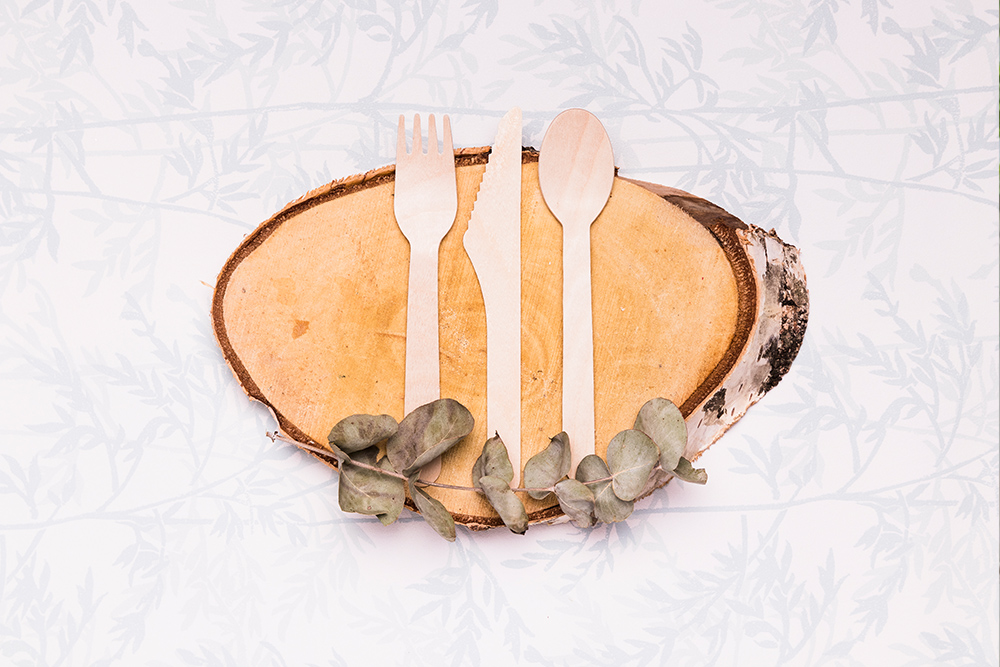
Explore the top 10 bamboo cutlery manufacturers in India, offering high-quality, eco-friendly options for sustainable dining solutions. In the ever-evolving landscape of sustainable alternatives, bamboo cutlery has emerged as a frontrunner, offering eco-conscious consumers a durable and eco-friendly option. As a business, choosing the right supplier is crucial for meeting the increasing demand for environmentally responsible products. In this blog post, we'll take you on a journey through the top 10 bamboo cutlery manufacturers in India. Why Choose Bamboo Cutlery? Bamboo cutlery is not only environmentally friendly but also durable and stylish. Its biodegradable nature aligns with the global shift towards sustainable living. In India, where eco-consciousness is on the rise, bamboo cutlery has become a popular choice for both individuals and businesses. 1. Eco-Friendly and Sustainable Bamboo is a rapidly renewable resource that grows quickly without pesticides or fertilizers. Its production has a low carbon footprint, and bamboo cutlery is biodegradable and compostable, reducing landfill waste and combating plastic pollution. 2. Durable and Lightweight Bamboo cutlery combines strength with lightness, making it both durable and portable. It’s ideal for everyday use and on-the-go dining, including picnics and takeout, without the risk of breakage common with plastic alternatives. 3. Naturally Safe Free from harmful chemicals like BPA, bamboo cutlery is a safe choice for all types of food. Its natural antibacterial properties ensure a cleaner dining experience, and it doesn't leach chemicals into your meals, unlike some plastics. 4. Stylish and Versatile With its natural grain and warm tones, bamboo cutlery adds a touch of elegance to any meal setting. It's suitable for various dining occasions, from casual picnics to formal dinners, blending seamlessly with different tableware styles. Top 10 Bamboo Cutlery Manufacturers in India We have shortlisted 10 top Bamboo Tableware Manufacturers in India by using guidelines such as product quality, business reputation and supply chain aspects of each company. 1.Anukamna International Established in 2020, ANUKAMNA is a global player in the handmade products industry, driven by the ethos of "vocal for local." Specializing in Bamboo cutlery, Wooden, Bamboo and Terracotta handicrafts, their commitment is to deliver high-quality, affordable products worldwide. As a reliable manufacturer, Merchant Exporter, and wholesaler, they prioritize innovation and rapid growth in each sector. Website: http://www.anukamna.com/ Founded Year: 2020 Address: B-7, 1st Floor, Sector-2, Gautam Buddha Nagar, Noida, Uttar Pradesh - 201301, India Products range: Bamboo Coffee Mug Bamboo Cutlery Bamboo Kids Plate Bamboo Toothbrush Wood Coffee Mug Wooden Hanging Lamp Wooden Coaster Set 2. Indisutras Indisutras is on a mission to replace plastics with eco-friendly alternatives, emphasizing sustainability. Their vision involves developing products through artisan clusters across India and promoting them globally. Offering OEM & ODM services, they prioritize plastic-free packaging and support branding with in-house designers. Indisutras crafts durable organic bamboo cutlery sets, featuring a knife, spoon, and fork with a smooth finish. Gentle on utensils, this sustainable alternative is light, strong, and ideal for everyday use. Website: https://www.indisutras.com Address: #58,5th Cross,Vittalnagar Chamarajpet , Bangalore Karnataka , India - 560018 Products range: Bamboo Drinking Straws Bamboo Soap Tray Bamboo Cutlery Kit Bamboo Toothrushes Sisal Scrubs Loofah Scrub 3.Enable Nature Enable Nature is a leading manufacturer and exporter of premium eco-friendly products, including bamboo cutlery, toothbrushes, wooden beard brushes, tongue cleaners, and yoga mats. With a commitment to prompt delivery, cleanliness, and safety, they have built a substantial clientele. Their experienced team ensures industry-leading quality and efficiency in distribution. Trustworthy and certified, their products come at reasonable prices. With continuous innovation and a client-centered approach, they aim to exceed expectations and meet your needs seamlessly. Website: https://www.enablenature.in Founded Year: 2019 Address: Second Floor, S 1 Plot No. A-9, Prem Nagar, Gurjar Ki Thadi, Jaipur, Rajasthan, India - 302019 Products range: BAMBOO TOOTHBRUSH HOLDER BAMBOO CUTLERY WOODEN COMB WOODEN TOOTHBRUSH WOODEN BEARD BRUSH TONGUE CLEANER 4. IM Corporation Established in 2018, IM Corporation is a dynamic Exporter and Manufacturer. With 51 to 100 dedicated employees, they prioritize quality assurance, subjecting their products to rigorous tests under experienced inspectors' vigilance. They maintain premium standards by sourcing the finest ingredients from authentic vendors. Customized packaging options are available, and they offer flexible payment modes—Credit Card, Cash, Cheque, DD, and Bank Transfer. Their efficient shipment modes include By Road, By Air, and By Cargo. Website: https://www.imcorporation.in/ Founded Year: 2018 Address: DDA Shed Okhla Industrial Area Phase-1 Delhi C-77 Delhi South Delhi Ground Floor, New Delhi - 110020, Delhi, India Products range: Bamboo Cutlery Set Eco Friendly Bottles Bamboo Toothbrush Neem Wood Comb Premium Bamboo Toothbrush Bamboo Bottle Bamboo Tongue Cleaner Cotton Buds 5. AV Prakritii International Pvt Ltd. Prakritii's journey began in 2009 with a shared passion for sustainability among friends graduating from college. They founded the company to address the environmental impact of plastic tableware, focusing on sustainable, natural materials. Committed to minimizing waste, Prakritii promotes eco-conscious practices and encourages the use of sustainable materials. Prakritii Palm Plates offers eco-friendly disposables made from Areca Palm Tree leaves, ensuring no harm to trees. Their Bamboo Fruit Fork complements fine dining, designed for comfortable fruit consumption. Website: https://prakritii.com/ Founded Year: 2009 Address: 507, Patparganj Industrial Area, Delhi - 110092 Products range: Bamboo Fruit Forks Palm Plates Knot Sticks Chopsticks Gun Sticks, Stirrers & Straws Wooden Cutlery 6. Kalasanskruti Coir Products Private Limited Kalasanskruti Coir Products Private Limited, established in 2019 in "Incredible Gujarat" India, is a multipurpose manufacturer, exporter, and supplier of coir-based and bamboo products like bamboo cutlery. Committed to excellence, their mission is to provide superior quality and cost-effective products and services, connecting the blessings of nature with environmental sustainability. They also prioritize fast, efficient, and innovative solutions to meet customer needs, ensuring competitive pricing and durable, high-quality products. Website: https://www.kscoirproducts.co.in/ Founded Year: 2019 Address: Shop No 8, Jai Labh Complex, Complexchandi Bazar, Jamnagar - 361001, Gujarat, India Products range: Bamboo Cutlery Bamboo Cutting Board Bamboo Drinking Straw CoconutShell Cooking Spoon Set Coconut Shells Wine Cups Coconut Shells Cutleries Set 7.Amwoodo Eco Products Private Limited Amwoodo Eco Products Private Limited, based in Kolkata and established in 2018, is a leading manufacturer, wholesaler, and exporter of eco-friendly products. Specializing in brown bamboo cutlery, bamboo shaving razors, and biodegradable items such as bamboo water bottles and baskets, the company is committed to sustainable practices. Utilizing premium raw materials sourced from authentic vendors, their diverse product range includes Bamboo Cutlery, Toothbrushes, Neem Wood Combs, and Wheat Straw Toothbrushes. With a dedicated team staying abreast of advanced manufacturing techniques, Amwoodo emphasizes quality control to deliver high-quality products promptly. Website: https://www.amwoodo.co.in/ Founded Year: 2018 Address: 72, Charakdanga Street, Hooghly 13D ballygunge Place (E) kolkata -700019, Kolkata - 712258, West Bengal, India Products range: Bamboo Toothbrush Bamboo Cutlery Neem Wooden Comb Toothpaste Plantable Seed Paper 8.Pyrex Plastics Founded in 1980, Pyrex Plastics is a leading manufacturer specializing in a diverse product range, including bamboo and wooden items, and plastic containers. Committed to customer satisfaction, they prioritize quality, ethical business practices, and transparent transactions. With a dedicated team of highly trained professionals, they ensure seamless operations and stay abreast of evolving market trends. Pyrex Plastics stands out for its quality-approved products, dedicated team, competitive pricing, punctual deliveries, customization options, and diverse product sizes. Website: https://www.pyrexplastics.in/ Founded Year: 1980 Address: A2,106 Subh Innovate Industrial east vasai east, Mumbai - 400058, Maharashtra, India Products range: Bamboo Storage Container Bamboo Speaker Wooden Measuring Spoon Wooden Honey Scoop Bamboo Scoop Bamboo Cutlery Set 9.Unitech Wooden Cutlery Unitech Wooden Cutlery is a leading manufacturer and exporter of eco-friendly wood and bamboo cutlery, specializing in stylish and disposable wood and bamboo tableware suitable for various events. Committed to environmental conservation, their mission is to combat pollution by producing sustainable wooden cutlery. Their success is attributed to a dedicated team and unwavering commitment to providing value, making us a reliable choice for those seeking eco-friendly and stylish wooden and bamboo cutlery solutions. Website: https://www.thewoodencutlery.com/ Founded Year: 18 years of experience Address: 20, Raghukul Industrial Estate, Aadarsh Estate -2, Odhav, Ahmedabad, Gujarat 382415 Products range: Wooden Spoon Wooden Forks Wooden Knife Bamboo 2-pin Forks Wooden Sporks Wooden Ice Cream Spoon Wooden Ice Cream Stick Wooden Toothpick Bamboo Skewers Wooden Stirrer 10.Organic B Organic B is on a mission to combat plastic waste with its lightweight, reusable bamboo cutlery kit and straw. Handmade in North India, the natural bamboo utensils are heat-treated, microbe-free, and chemical-free, providing an eco-friendly alternative for travel and dining. Founded in 2020 by Shahrukh and Dawar, Organic B has evolved into a leading organic product manufacturer, actively promoting sustainability. Their diverse product line, showcased at events like the National Bamboo Mission and "Horn Ok Please" festival, reflects a commitment to a cleaner, greener future. Website: https://organicb.in/ Founded Year: 2020 Address: D-10/6, Okhla Industrial Area, Phase 1, New Delhi – 110020 Products range: Bamboo Cutlery Set Bamboo Tongue Cleaner Bamboo Toothbrush Eco Friendly Travel Case for Toothbrush Ancheng: The Best Chinese Alternative Ancheng, established in 1998 in Anhui, China, is a leading bamboo cutlery manufacturer in the eco tableware industry, known for its commitment to sustainability and quality. Their mission is to provide biodegradable alternatives that promote an eco-conscious lifestyle. Their products are not only premium, viable, and safe but also biodegradable, compostable and sustainable. They accept OEM/ODM orders, have custom packaging service and provide samples. This factory offers competitive wholesale prices for bamboo tableware with a MOQ of 50,000 sets. Website: https://www.anchenggy.com/ Founded Year: 1998 Address: Building 11, Max Science Park, Intersection Of Tianshi Road And Duxianqiao Road, Shushan Dist, Hefei City, Anhui Products range: Wooden Disposable Cutlery Bamboo Disposable Cutlery Wooden Fork Wooden Spoon Wooden Knife Bamboo Spoon Bamboo Fork Bamboo Knife Wooden Coffee Stirrer Bamboo Coffee Stirrer Disposable Wooden Plates Disposable Bamboo Plates Other Eco Wood and Bamboo Tableware Conclusion As a business, partnering with any of these top 10 bamboo cutlery manufacturers in India will not only enhance your product offerings but also solidify your commitment to sustainability. The green wave is here, and by incorporating these eco-friendly alternatives into your inventory, you not only contribute to a healthier planet but also position your business at the forefront of the eco-conscious movement. If you want to import from China, you can contact Ancheng, the leading disposable bamboo cutlery manufacturer from China, and explore the possibilities of enriching your product lineup with sustainable solutions.
2023-12-16
A short description of related information goes in here ...
A short description of related information goes in here ...

Factory: Qian Renqiao Industrial Park, Shucheng County, Luan City, Anhui Province, China
Office: Building 11, Max Science Park, Shushan Dist, Hefei, Anhui, China
Copyright ©2026 Anhui Ancheng Bamboo and Wood Tableware Co., Ltd. Privacy Policy


 Index
Index Product
 Resources
 About
About