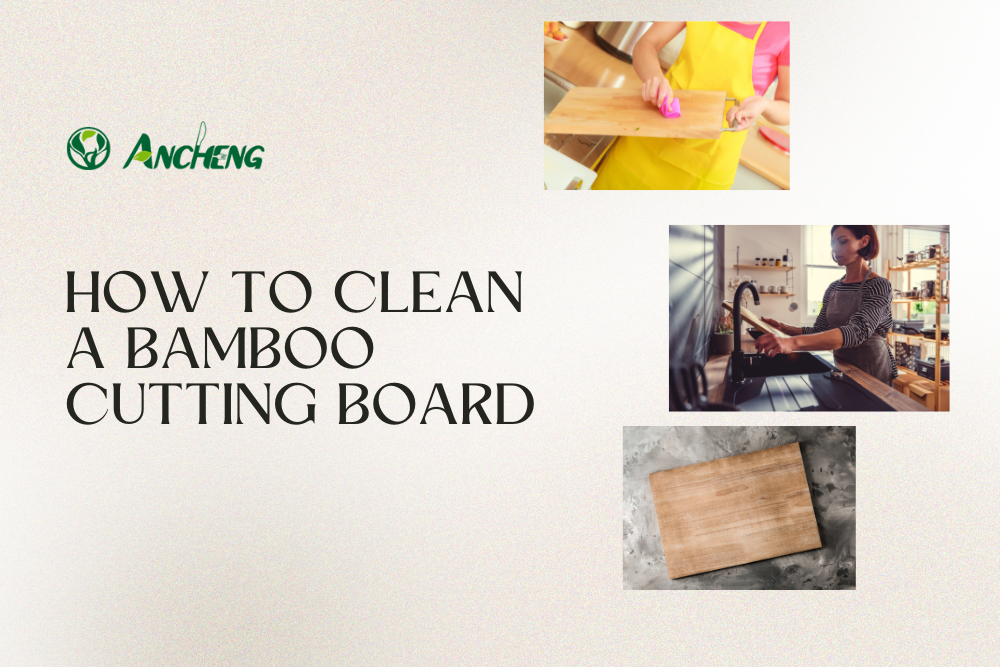
Got a bamboo cutting board with funky stains or odd smells? The quickest fix is to use lemon juice or baking soda to spruce it up, then give it a good scrub using a warm, damp rag.
But that’s not the only way to make your board smell fresh and look as good as new. Let’s uncover unconventional, lesser-known methods culinary professionals use to maintain their bamboo cutting boards and other bamboo utensils.
But first…
Putting your wooden, bamboo, plastic, or glass cutting boards into the dishwasher is a no-go. The combination of heat, water, and intense pressure in dishwashers can mess up your bamboo cutting board, making them bend and crack. Worse, these cracks may end up becoming the perfect home for nasty bacteria and mold. Even if bamboo boards handle water better, the intense heat from dishwashers can still take a toll on them.
The best thing to do is to go the traditional route and hand-wash them with some warm, soapy water. Dry them straight away and give them a good oiling every so often to keep them in tip-top shape.
Let’s go into detail about the actual cleaning process in the next section.
The great thing about bamboo cutting boards is that they don’t soak up liquids as much as other materials. However, that’s not an excuse to leave your board soaking in water, especially with meat juices on it.
Once you're done using your board, just wash it with hot, soapy water and give it a good scrub using your regular dishwashing liquid. Make sure to rinse it thoroughly afterward.
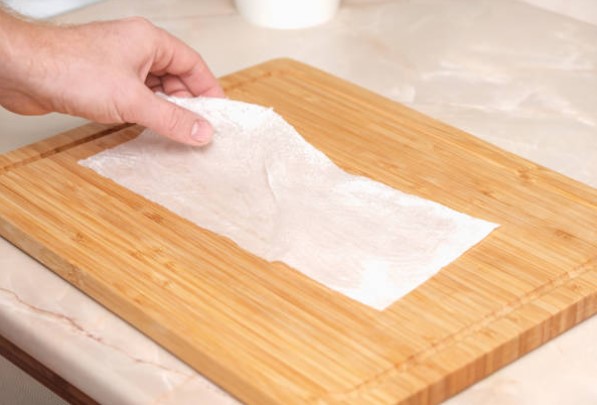
Disinfecting your bamboo chopping board is a breeze with vinegar.
After washing it using dish soap and water, wipe down the board with white vinegar using a cloth. Rinse well and dry it off.
For extra strength, a mix of one teaspoon bleach with two quarts of water can be used, following the same steps.
Remember to disinfect your board after chopping up raw meat or strong-smelling foods like garlic or onions.
To remove hard-to-scrub stains, you can use lemon juice and salt.
Spread salt generously over the clean board. Then, take a fresh lemon, slice it in half, and use it to rub the salt onto the surface. The salt will get those stubborn stains out of the nooks and crannies, while the lemon leaves a fresh scent.
Once again, rinse it well and dry it out.
Other than that, activated charcoal or baking soda can be used for deep cleansing. If yours is more sensitive to odors, this is a better way to go.
After giving your board a quick towel dry to remove any leftover moisture, stand it up to air dry for a few hours or overnight.
Once it's completely dry, your board is good to go for storage or the next round of chopping!
Grab some food-grade mineral oil and pour about half a cup into a saucepan. Avoid using cooking oils for seasoning your board as they can make your board go rancid.
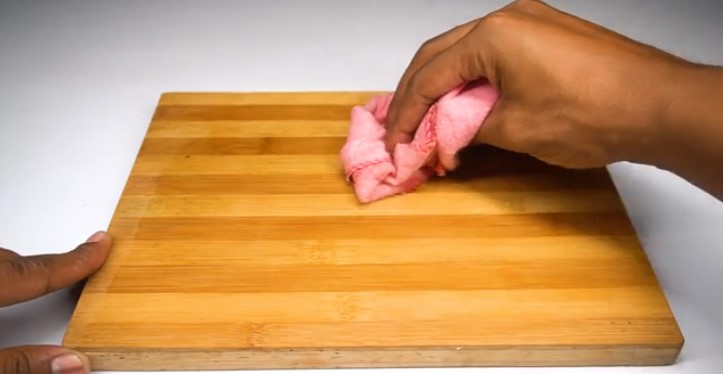
source: wikihow
Warm it up on the stove, but don't make it piping hot—just enough to get into the bamboo's pores. Pour the oil onto your dry cutting board and rub the oil in a circular motion using a clean cloth, making sure you cover all sides of your board.
Let the oil soak in for a few hours, or better yet, overnight if you’ve got the time. After that, just grab a cloth and wipe off any leftover oil from the surface. Make sure the board dries out completely before you start using it again.
The mineral oil acts like a moisturizer and bodyguard for your bamboo, keeping it hydrated and safe from too much water. If you prefer a more eco-friendly or plant-based option. Then we recommend you use a mineral oil alternative such as beeswax or coconut oil.
To keep your board looking fresh and resistant to water, oil it regularly. Once a month works like a charm, but if you’re the type who’s always busy in the kitchen, bump that up to once every two weeks. If you don't chop stuff up on your board all that often, you can get away with oiling it less frequently.
If your cutting board is starting to look rough from all the slicing and dicing, you can give it a makeover by removing scratches and knife marks.
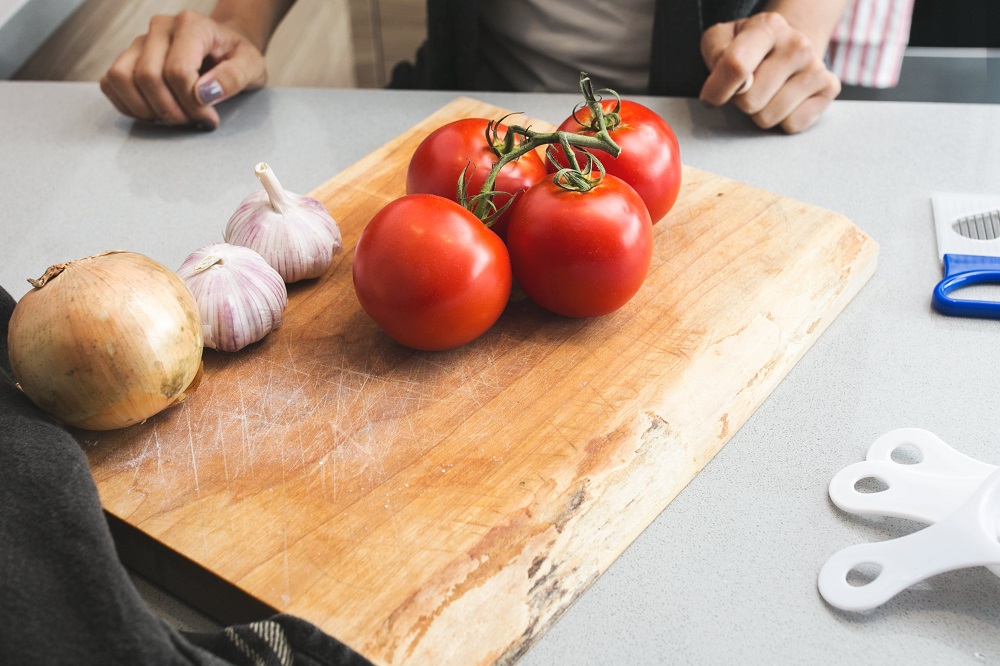
Start by thoroughly cleaning your board and making sure it's bone dry. Then, grab some coarse grit sandpaper and sand down the surface.
For stubborn knife marks, you might need to start with some tough 80-grit sandpaper, going straight up and down the board. Once the cuts fade away, wipe the board down, let it dry, and switch to a finer grain sandpaper.
Use this with light pressure until the surface feels as smooth as butter.
Give your board a good wash, and don't forget to apply some finishing oil for a brand-new glow.
●It’s handy to have a couple of boards — one for the meaty stuff and another for everything else — to lower the risk of mixing things up since bamboo is porous.
●If you want your bamboo board to last for a long time, try not to chop up super tough, acidic, or rough foods on it to keep it in good shape.
●Bamboo likes a bit of moisture to stay strong and avoid cracks, so steer clear of harsh cleaning products that can dry it out, like bleach or rubbing alcohol.
●If your cutting board gets warped and bent, soak it in hot water for a few hours to make it more flexible. Afterward, take it out, stack a larger board on top, and put something heavy, like a hefty pot or pan, on the upper board to flatten out the one below.
●Keep your bamboo in good shape by not leaving it in hot spots. Too much heat can dry out the board and cause it to split. Find a shady spot away from direct sun for storage to avoid any major cracks.
Caring for your bamboo cutting board keeps it in tip-top condition.
Avoid dishwasher mishaps and hand wash it instead. If your board is emitting bad odors or is stained with various juices, disinfect it with lemon juice and salt. Don’t forget to oil your board at least once a month to keep that bamboo looking fresh. Additionally, always be cautious of intense or rough use and ensure the right sanitization steps are taken.
Lastly, prevention is better than cure, so keep multiple boards and maintain those healthy kitchen habits! Your bamboo cutting board will thank you for the attention.
1. Can a bamboo cutting board be washed in the dishwasher?
It's not a great idea to toss your bamboo cutting board in the dishwasher. The heat and moisture can mess up the bamboo, making it warp, crack, or dry out, which can ruin it. To keep your board in good shape, it's smarter to hand wash it with gentle dish soap and warm water, and then dry it off as soon as you're done cleaning it.
2. How do I clean and sanitize a bamboo cutting board?
To give your bamboo cutting board a good clean and keep it safe for kitchen use, wash it with mild dish soap and warm water. Make sure to scrub all over the board.
After rinsing off the soap, use white vinegar to sanitize the board, leaving it on for a couple of minutes, and then give it a thorough rinse. Once done, ensure the board is totally dry, and every now and then, apply food-grade mineral oil to maintain its quality and protect the wood.
These steps will keep your cutting board clean and good to go in the kitchen.
3. What is the best way to remove black stains from a bamboo cutting board?
Grab some white vinegar or lemon juice and splash it on the spots with the stains. Let it hang out for a few minutes or so.
Then, take a brush or sponge and give those stains a good scrub. Rinse the board well and make sure it's totally dry before using it again.
4. Is it necessary to oil a bamboo cutting board?
Oiling your bamboo cutting board is pretty important. It helps keep your cutting board in good shape and prevents it from getting too dry or cracking.
This oil layer acts as a barrier, giving the board some moisture and helping it look good for longer. It's all about giving your board a longer life and ensuring it stays in tip-top condition.
5. How do I remove mold from a bamboo cutting board?
If you find mold on your bamboo cutting board, try a mix of water and white vinegar or hydrogen peroxide to get rid of it. Just put that mix on the moldy spots, give it a good scrub with a brush or sponge, and make sure to rinse it off and dry the board completely.
6. What is the best way to treat a bamboo cutting board with oil?
To give your bamboo cutting board an oil treatment, wash it first and make sure it's totally dry.
Then, grab some food-grade mineral oil or a specific cutting board oil. Put a bit on the board and use a clean cloth to spread it around. Massage it all over the surface, let it soak in, and wipe off any extra oil. Let the board dry completely before you use it.
Now that you know the best ways to care for your bamboo cutting board, why not take it a step further with Ancheng’s premium bamboo products? Whether you're looking for high-quality utensils or other kitchen essentials, we’ve got you covered!
Get in touch with Ancheng today and explore our wide range of sustainable wooden and bamboo products designed for longevity and style.

Hello, I'm Sven Wang, the Manager of Ancheng. With extensive expertise in raw materials and production processes, I'm dedicated to advancing sustainable tableware and constantly improving eco-friendly options for the modern catering industry. You can trust that Ancheng is committed to providing the highest quality. Welcome!

Factory: Qian Renqiao Industrial Park, Shucheng County, Luan City, Anhui Province, China
Office: Building 11, Max Science Park, Shushan Dist, Hefei, Anhui, China
Copyright ©2026 Anhui Ancheng Bamboo and Wood Tableware Co., Ltd. Privacy Policy



 Index
 Product
 Resources
 About