Discover the impact of FSC certification on responsible forestry. Learn about the rigorous process, and how it addresses challenges for a sustainable future.
As a buyer and consumer, you have the power to create positive change through your purchases.
Read on to understand an eco-friendly certification system that is transforming forestry across the globe.
The Forest Stewardship Council (FSC) is an international nonprofit founded in 1993 to promote environmentally sound, socially beneficial, and economically viable management of the world's forests. This is achieved through a voluntary forest certification program with strict standards for sustainable practices.

The FSC certification scheme follows a rigorous multi-step system:
●On-site audits by accredited certification bodies assess if forest practices adhere to over 70 strict FSC criteria.
●Covers the protection of biodiversity, waterways, soils, rare ecosystems, and high conservation value forests.
●Checks on sustainable harvesting limits, monitoring processes, community relations, worker’s rights, and more.
●Audit reports detail any non-conformities to be addressed and become publicly available.

●Ensures certified wood is identified and segregated from non-certified sources.
●Detailed record-keeping tracks the flow of timber through transport, processing, and manufacturing chains with regular audits.
●Allows the final retailers of products to accurately label FSC claims like “ ” or “Mix” without greenwashing concerns.
●Manufacturers and secondary producers must gain Chain of Custody certification permitting them to use the FSC on-product labels.
●Labels indicate level of certified content from virgin fiber from FSC forests down to more mixed sources with both recycled and virgin components.
In summary, FSC takes great care to substantiate all sustainability claims by monitoring flows through the entire supply pipeline. This prevents dilution from unsustainable sources and provides the end consumer with a credible eco-friendly choice.
Pursuing FSC certification improves forests in myriad impactful ways:
Biodiversity thrives thanks to conservation efforts. Deforestation and chemical use are prevented through the required best practices.
FSC certification opens up market access and creates demand for certified wood products. For example, many retailers, home builders, contractors, and other large buyers have commitments to use FSC-certified wood for their supply needs or products like tableware, furniture, and lumber. This creates financial incentives for forest managers to get FSC approval.
Once certified, forestry operations often gain price premiums for their wood over non-certified sources. By one estimate, FSC-certified timber garners on average 5-15% higher prices globally. When these profits trickle down to local communities, they provide sustainable jobs and income to support schools, health clinics, and small businesses. For industrial-scale logging focused on exports, certification can maintain access to eco-sensitive markets like the EU and the U.S.
Small forestry groups can access FSC Small and Community Label programs to streamline certification requirements and lower auditing costs, enabling participation in global supply chains and generating social benefits.
The rights of indigenous people and forest workers are respected. Strict health and safety rules also apply which provide proper facilities, equipment, training, and procedures that prevent workplace injuries.
In short, FSC certification enables environmentally-conscious choices for consumers, while creating higher standards for responsible forest management around the world. The economic gains it produces can transform local communities when properly implemented.
Admittedly, FSC faces challenges:
The accessibility for smaller, community-based forestry operations is being threatened. Moreover, there are questions about the consistency in auditing rigor across various certification bodies, and there is competition from alternative schemes.
FSC is taking measures to address these challenges by continually tightening standards and expanding certification accessibility tools. They are also making efforts to educate consumers to make eco-labeling more impactful and reliable by providing important distinctions such as FSC, FSC Mix, and FSC Recycled.
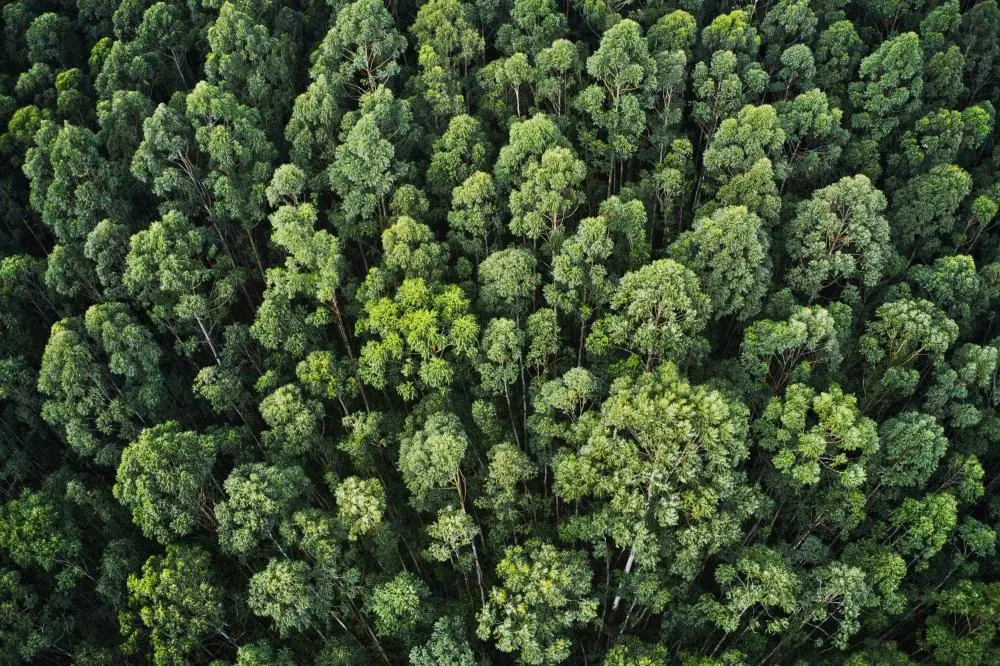
As climate change and social justice issues intensify, the FSC must respond with robust, adaptable standards centered on environmental protection, worker welfare, and indigenous rights. Meanwhile, market demand and recognition of FSC-certified products will continue growing.
Eco-conscious consumers should seek the FSC logo when making wood-product purchases. This directs support to responsible forestry globally while creating market incentives that compel further adoption of sustainable practices industry-wide. With strengthened standards and increased adoption, the FSC promises a brighter future for the world's forests.
FSC forest certification stands as one of the most credible and impactful sustainability systems guiding the forestry industry toward more responsible practices. By setting strict standards around environmental protection, ethical treatment of workers and indigenous communities, and long-term economic viability, FSC aims to transform forest management around the globe.
While the certification process requires commitment, determination, and investment to pursue, the benefits outweigh the costs. Certified operations gain competitive advantages through price premiums, market access, and supply chain efficiency. Local communities reap more sustainable jobs and socio-economic stability. Society and future generations benefit as biodiversity thrives thanks to conserved high conservation value forest areas.
FSC still faces critiques and challenges when it comes to assessor consistency, accessibility limitations, navigating complex lumber supply chains, and addressing unique regional forest issues. However, through continual improvement, FSC has earned the support of major environmental NGOs like the World Wildlife Fund and Greenpeace. With growing market recognition and stricter standards, FSC promises to play an integral role in revolutionizing forestry towards a greener future that values both environmental and social responsibility along with economic prosperity.
Ancheng is a manufacturer of wooden and bamboo disposable tableware. In order to provide our customers with safe and high quality products, we use the best raw materials and comply with many international certifications such as ISO, BRC and others. The whole process from raw material to packaging is strictly supervised and tested, and our products are recognized in various countries. Contact our customer service now to know more about these high quality products!

Hello, I'm Sven Wang, the Manager of Ancheng. With extensive expertise in raw materials and production processes, I'm dedicated to advancing sustainable tableware and constantly improving eco-friendly options for the modern catering industry. You can trust that Ancheng is committed to providing the highest quality. Welcome!

Factory: Qian Renqiao Industrial Park, Shucheng County, Luan City, Anhui Province, China
Office: Building 11, Max Science Park, Shushan Dist, Hefei, Anhui, China
Copyright ©2026 Anhui Ancheng Bamboo and Wood Tableware Co., Ltd. Privacy Policy


 Index
Index Product
 Resources
 About
About