Discover the difference between disposable and compostable plates! Choose greener tableware for a sustainable future with our eco-friendly guide.
When it comes to hosting events or simply planning our daily meals, choosing a sustainable option for our dining experience has become more important than ever. A popular debate that has emerged is whether we should use disposable plates or compostable plates and utensils. Both options offer convenience to users, but they differ significantly in their environmental impact and disposal methods.
Disposable plates, often made from materials such as plastic or Styrofoam, are widely used due to their affordability and ease of use. However, they pose a significant challenge to the environment as they can take hundreds of years to degrade and often end up in landfills or our oceans. This has led to a rapidly growing pollution crisis, affecting both wildlife and ecosystems.
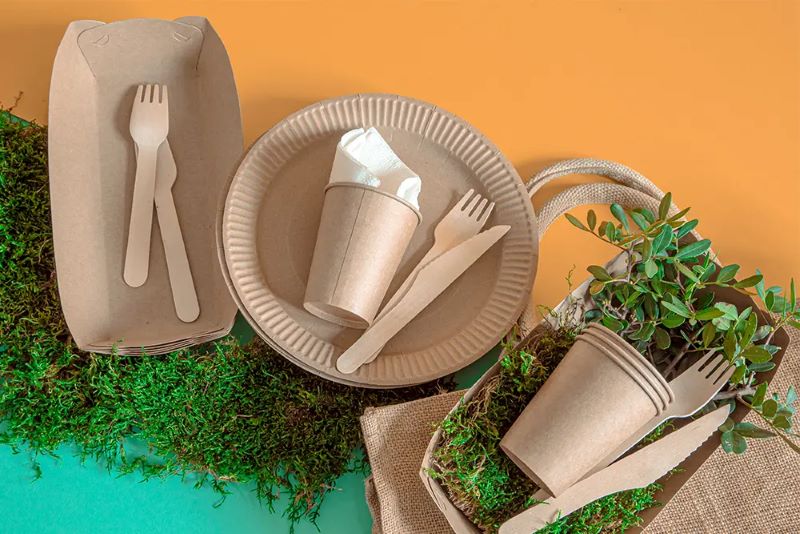
Compostable plates, on the other hand, are made from renewable resources like bamboo, sugarcane, or paper and are designed to break down in a matter of months. This eco-friendly alternative has become more popular as individuals and companies strive to transition to a more circular economy, reducing our waste output and overall environmental footprint.
Disposable plates come in a variety of materials, each with its own set of benefits and drawbacks. These convenient dinnerware options are commonly used for parties, picnics, and other events where reusable tableware is not practical. In this section, we will briefly explore the various types of disposable plates and their impact on the environment.
A. Plastic Plates: Disposable plastic dinner plates are a popular choice for many events due to their affordable price and durable nature. They can be made from lightweight or heavy-duty material, depending on the intended use.
Some types of plastic plates are even recyclable, but many end up in landfills due to improper disposal. It is important to be mindful of the type of plastic used in these plates, as some can release harmful chemicals when heated.
B. Styrofoam Plates: Styrofoam plates are another common option for disposable tableware. They are lightweight, inexpensive, and insulate food from heat or cold.
However, Styrofoam is a form of single-use plastic that is not recyclable in most areas and can take hundreds of years to decompose. This can lead to environmental concerns and is a factor to consider when choosing disposable plates for your event.
C. Other Materials: In addition to plastic and Styrofoam, there are alternative materials for disposable plates:
Of the various disposable plate materials, it is essential to consider the ecological impact and the needs of your event. While some materials may be recyclable, others contribute to waste and pollution over time. Making informed choices about the dinnerware you use can help minimize harm to the environment and promote a more sustainable future.
Compostable plates are a fantastic alternative to traditional disposable plates as they offer a more eco-friendly solution for serving food. They are made from natural materials, such as bamboo, bagasse (sugarcane fiber), palm leaf, corn, and plant fibers, which decompose into compost when disposed of correctly.
There are various materials used to create compostable plates:
A. Bagasse plates: These plates are made from sugarcane fibers, a byproduct of sugarcane processing. This material is biodegradable and compostable, making it an environmentally friendly option.
B. Palm leaf plates: As the name suggests, these plates are created from fallen palm leaves. They are naturally compostable and provide a beautiful, rustic look for serving food.
C. Bamboo plates: Bamboo is a sustainable and renewable resource, making it an ideal material for compostable plates. Bamboo plates are sturdy and biodegradable, offering an eco-conscious choice for events.
D. PLA plates: Made from corn and other plant fibers, these plates are both compostable and recyclable. PLA stands for polylactic acid, which is a bioplastic derived from plants.
While they are both compostable and biodegradable disposable plates, they also differ due to the raw materials: bamboo vs sugarcane, and bamboo vs. palm leaf plates.
Compostable plates come with several benefits that make them a superior option to traditional disposable plates:
1. Eco-friendly: Compostable plates are made from renewable resources that can decompose naturally without causing harm to the environment.
2. Biodegradable: Unlike conventional disposable plates made from plastic or non-recyclable materials, compostable plates break down and decompose into compost. You can learn about the disposal process of disposable bamboo plates.
3. Sustainable: Using compostable plates supports sustainability efforts by reducing the consumption of non-renewable resources and lowering our carbon footprint.
4. Recyclable: Some compostable plates, like PLA plates, are also recyclable, further reducing waste and environmental impact.
To ensure that compostable plates decompose properly, it is essential to dispose of them in a compost pile or an appropriate composting facility. This allows the plates to break down over time, providing valuable nutrients to the soil and supporting plant growth. While compostable plates can still break down in a landfill, the process is slower and less efficient than proper composting.
Overall, compostable plates provide an excellent alternative to traditional disposable plates by offering a more eco-friendly, sustainable, and biodegradable solution. By choosing compostable plates, we can help protect our environment and promote a greener future.
When comparing disposable plates to compostable plates, it's important to consider the manufacturing process, transportation, and their environmental impacts such as greenhouse gas emissions and plastic pollution.
Disposable Plates Production & Transportation:
Disposable plates are typically made from materials like plastic, foam, or paper. These materials derive from non-renewable resources such as fossil fuels and trees. The production process for disposable plates involves:
1. Extraction of raw materials
2. Refining the materials
3. Production of the plates
4. Transportation to distribution centers and then to consumers
A significant amount of energy is consumed during the manufacturing process, which in turn generates greenhouse gases, such as carbon dioxide. Moreover, the transportation of these products contributes to global warming since it requires the usage of fossil fuels.
Compostable Plates Production & Transportation:
Compostable plates, on the other hand, are created using renewable resources like corn, potato, or sugarcane. These biomaterials are converted into bioplastics, which are used to make the plates. The production process for compostable plates is as follows:
1. Growing and harvesting biomass materials like corn or sugarcane
2. Processing the materials to create bioplastics
3. Manufacturing the plates
4. Transportation to distribution centers and then to consumers
Although compostable plates are made from renewable resources, their production process is not entirely carbon neutral. It still results in greenhouse gas emissions, but at a much lower rate compared to disposable plates. The transportation process also consumes fossil fuels, which can lead to greenhouse gas emissions.
| Disposable Plates | Compostable Plates | |
|---|---|---|
| Raw Materials | Fossil fuels, trees | Biomass (corn, sugarcane) |
| Greenhouse Gases | Higher emissions | Lower emissions |
| Transportation | Fossil fuel consumption | Fossil fuel consumption |
| Environmental Impact | Plastic pollution, higher emissions | Biodegradable, lower emissions |
In summary, both disposable and compostable plates involve the consumption of resources and the production of greenhouse gas emissions during their manufacturing and transportation processes. However, compostable plates exhibit a smaller environmental footprint, primarily due to their renewable materials and reduced emissions.
When it comes to environmental impact, comparing disposable plates to compostable plates is essential in making an informed decision. This section will highlight the major differences in terms of their effects on the environment, including aspects such as landfills, climate change, and carbon footprint.
Disposable plates are often made from materials such as plastic, Styrofoam, and non-recyclable paper. These materials contribute to various environmental issues:
On the other hand, compostable plates are made from biodegradable materials like sugarcane fiber, palm leaves, and other plant-based sources. They offer considerable benefits for the environment:
Here's a quick comparison between the two:
| Environmental Aspect | Disposable Plates | Compostable Plates |
|---|---|---|
| Landfill Impact | High, long decomposition time | Low, decompose in a few months |
| Climate Change | Contribute to greenhouse gas emissions | Lower emissions due to renewable resources |
| Pollution | Release microplastics into the environment | None, decompose into organic matter |
It's important to note that not all compostable plates are the same; some may still have a minimal impact on deforestation depending on the sourcing of the plant fibers. However, overall, compostable plates provide a more environmentally friendly option compared to disposable plates.
When it comes to durability and functionality, both disposable and compostable plates have their own advantages and drawbacks. In this section, we will be comparing these two types of plates based on different factors such as:
When it comes to durability, disposable plates usually win. They are made of materials like plastic and foam, which give them a sturdier structure. On the other hand, compostable plates are made from materials like bagasse, palm leaf, and bamboo, which are less sturdy but more environmentally friendly.
| Disposable Plates | Compostable Plates | |
|---|---|---|
| Durability | Stronger | Less sturdy |
Microwave compatibility is an important factor to consider when choosing plates. Most compostable plates can handle a trip to the microwave as they are made from natural materials like bagasse or bamboo. However, not all disposable plates are microwave safe. Disposable foam plates can release harmful chemicals if microwaved, while some plastic plates may not be suitable for high temperatures.
| Disposable Plates | Compostable Plates | |
|---|---|---|
| Microwave Safe | Varies | Generally safe |
A greasy plate might not be the most pleasant thing to hold in a party. Disposable plastic plates tend to have better grease resistance, while foam plates might absorb some grease. Compostable plates made from materials like bagasse have decent grease-resistance, but may not be as effective as plastic.
| Disposable Plates | Compostable Plates | |
|---|---|---|
| Grease Resistance | Better | Decent |
Both disposable and compostable plates can handle hot and cold foods. Disposable plastic plates and compostable plates are generally safe to use with both hot and cold food items. However, foam plates might not be the best option for hot foods, as they can potentially leach chemicals.
| Disposable Plates | Compostable Plates | |
|---|---|---|
| Hot and Cold Foods | Generally Safe | Safe |
If you are hosting a party with heavy food items, the strength of the plate is crucial. Disposable plastic plates are likely the best option for heavy duty use, while compostable plates can handle moderate weight, but may bend or break under very heavy loads. Foam plates tend to have the least strength when compared to the other two types.
| Disposable Plates | Compostable Plates | |
|---|---|---|
| Heavy Duty | Great | Moderate |
When comparing disposable plates to compostable plates, it's crucial to consider the cost analysis to better understand the affordability of each option. Let's break down the expenses by comparing the prices per pack and case.
Disposable Plates:
Compostable Plates:
Purchasing decisions often come down to budgets, and numerous customers seek the best deals available. Amazon has emerged as a popular platform to find affordable pricing and compare products.
Moreover, bulk orders can bring down the cost per plate, making it more budget-friendly.
To further ease the decision-making process, customers are encouraged to monitor stock availability and subscribe to email notifications for price drops and deals. If compostable plates prove to be a financial stretch, consider purchasing them at discounted rates or as promotional offers. This approach makes both disposable and compostable plates more accessible and affordable for all consumers.
Disposable plates and compostable plates each have their own favorable usage scenarios. Let's explore where each type of plate may serve you better.
Disposable Plates: These can be a perfect choice for low-key gatherings like parties, picnics, or casual barbecues. They're lightweight, affordable, and often found in various colors and designs to match your event's theme. Disposable plates are typically made of paper, plastic, or foam, and can handle light to medium-weight foods. Below are some events where disposable plates may be convenient:
a. Children's birthday parties
b. Neighborhood potlucks
c. Family reunions
d. Informal office events
However, keep in mind that disposable plates may not be the most eco-friendly option, as they can contribute to waste in landfills.
Compostable Plates: When hosting an environmentally conscious gathering or a more formal event, compostable plates could be the choice for your backyard barbecue or outdoor gathering. Made from naturally biodegradable materials—like palm leaves, sugarcane fiber, or bamboo—compostable plates provide an eco-friendly alternative to disposable ones. They're also sturdier than paper plates, making them suitable for a wider variety of foods. Here are some scenarios where compostable plates may be ideal:
Although compostable plates are eco-friendly, it's essential to remember that they may be slightly more expensive than disposable ones, and proper disposal is crucial to ensure their intended positive impact on the environment.
So, when deciding between disposable plates and compostable plates, carefully consider the type of event you're hosting, your budget, and your environmental preferences. Choose the option that best suits your needs and happily enjoy your gathering!
When it comes to cleaning and disposal, disposable plates and compostable plates have different methods that we should consider. Let's explore how these two types of plates handle the cleaning and disposal processes, and to what extent these processes impact the environment.
1. Disposable Plates: Disposable plates are designed for single-use, and as such, they don't require cleaning. After use, they are typically thrown away with regular trash. Depending on the material of the disposable plate (such as plastic or styrofoam), it might take hundreds of years for these plates to break down, potentially causing harm to the environment.
In some cases, disposable plates can be recycled if they are made from specific materials. However, recycling facilities might not accept all types of disposable plates due to issues like contamination from food residue.
2. Compostable Plates: Compostable plates, on the other hand, are made from organic materials that break down in a more environmentally friendly way. Cleaning compostable plates might be possible in some cases, but as they are designed for single-use, durability could be an issue for multiple uses.
Disposing of compostable plates is much simpler and more eco-friendly than for disposable plates because they can be:
3. Composted: These plates can be added to a home compost pile, where they'll break down alongside other organic materials like food scraps and yard waste.
4. Recycled in Commercial Compost Facilities: Compostable plates can also be taken to commercial compost facilities, where they'll be processed in an industrial setting, resulting in faster decomposition.
5. Disposed of in Industrial Composting Facilities: If a commercial compost facility is not available, compostable plates can be sent to industrial composting facilities. These facilities use high heat and specific conditions to break down organic materials quickly and efficiently.
In summary, the cleaning and disposal process for disposable plates can pose challenges to recycling and may contribute to environmental harm. Meanwhile, compostable plates offer a more eco-friendly option for disposal, as they can be composted or processed in commercial and industrial composting facilities.
There are a variety of eco-friendly alternatives to traditional disposable plates, which can reduce waste and promote sustainability. These options are made from natural materials, ensuring that they are non-toxic and have a lower environmental impact. In this section, we will discuss a few popular options that are worth considering.
Reusable plates come out as the top sustainable choice over disposable or compostable alternatives. Made from materials such as ceramic, glass, or stainless steel, these plates can be washed and used multiple times, reducing waste in landfills. Additionally, the production of reusable plates typically has a lower carbon footprint compared to disposable options. Detailed differences between washable and disposable dishes can be found here.
Another alternative to consider is plates made from natural materials. Banana leaves, for example, are an excellent option as they are biodegradable and can be easily composted. Palm leaves are another option as they are sturdy, can handle hot or cold food, and decompose naturally. Besides being eco-friendly, these plates also offer a unique aesthetic for your table setting.
Compostable plates have gained popularity in recent years as a greener option compared to traditional disposable plates. Made from renewable sources such as wheat straw, bagasse (a byproduct of sugarcane), or bamboo, they break down in a composting environment within a few months. As these materials are renewable and do not contribute to deforestation, they support sustainable living.
Here is a comparison of the discussed eco-friendly alternatives:
| Plate Type | Material | Reusability | Compostability |
|---|---|---|---|
| Reusable Plates | Ceramic, Glass, Stainless Steel | High | Not Applicable |
| Natural Material | Banana Leaves, Palm Leaves | Low | High |
| Compostable | Wheat Straw, Bagasse, Bamboo | Low | High |
In conclusion, depending on your needs and environmental concerns, there are several sustainable alternatives to disposable plates. The most eco-friendly option is to use reusable plates, followed by natural material options such as banana or palm leaf plates, and finally, compostable plates made from renewable resources. Ultimately, choosing an eco-friendly plate alternative will not only reduce your carbon footprint but also contribute to a healthier planet.
Choosing between disposable and compostable plates is crucial for a greener future. At Ancheng, we specialize in manufacturing and selling high-quality, eco-friendly disposable tableware to help you make sustainable choices while being convenient and stylish.
Don't hesitate! Contact us today to complete the eco-friendly transition of your business!

Hello, I'm Sven Wang, the Manager of Ancheng. With extensive expertise in raw materials and production processes, I'm dedicated to advancing sustainable tableware and constantly improving eco-friendly options for the modern catering industry. You can trust that Ancheng is committed to providing the highest quality. Welcome!

Factory: Qian Renqiao Industrial Park, Shucheng County, Luan City, Anhui Province, China
Office: Building 11, Max Science Park, Shushan Dist, Hefei, Anhui, China
Copyright ©2026 Anhui Ancheng Bamboo and Wood Tableware Co., Ltd. Privacy Policy



 Index
Index Product
 Resources
 About
About