Silicone utensils have gained popularity in recent years as an alternative to traditional cooking tools. Many people are drawn to their heat resistance, nonstick capabilities, and bright colors.
However, there remains a question regarding their safety in the kitchen, particularly as they are a relatively new addition to the culinary world.
Several studies have shown that food-grade silicone cookware is generally considered safe for everyday cooking and baking. These products are free from harmful chemicals like BPA and phthalates, which can leach into food when using certain plastic utensils.
Additionally, silicone has a proven ability to withstand high temperatures without producing harmful compounds.
However, it is important to note that not all silicone cookware is created equal. Consumers should be aware of the importance of purchasing high-quality, food-grade products to ensure the safety and durability of their utensils.
In the following article, we will delve deeper into the topic of silicone utensils safety.
Silicone utensils are made from a synthetic material called silicone, which is derived from silicon, oxygen, carbon, and hydrogen. These utensils are considered food-grade silicone when they meet the Food and Drug Administration (FDA) standards for safety and non-toxicity.
Silicone has several properties that make it popular for use in kitchen tools:
It's essential to choose high-quality silicone utensils to ensure maximum safety. Medical grade silicone is an excellent choice, as it contains little or no chemical fillers.
To check for the presence of chemical fillers in colored silicone products, you can pinch the silicone surface. The presence of white on the pinched area is an indicator of possible fillers.
There are some rules that need to be followed when buying and using silicone, otherwise there are some health risks.
Silicone utensils are praised for their heat resistance. They can generally withstand temperatures up to 400°F and transition from extreme heat to extreme cold without issues. This makes them suitable for various cooking applications and convenient for freezing leftovers.
However, there are concerns about chemical leaching when using silicone cookware in high-temperature situations. Some studies suggest that silicone might potentially leach chemicals into food, especially in acidic or high-fat recipes.
It's essential to use high-quality silicone products to minimize the risk of chemical exposure.
The U.S. Food and Drug Administration (FDA) has deemed silicone cookware safe and non-toxic. The agency has strict guidelines and certification processes for silicone products intended for food contact. Manufacturers must meet these requirements to ensure their products are safe for consumers.
Nonetheless, it's essential to be cautious with lower-quality silicone products that might include plastics or other chemicals to reduce costs.
To maintain safety and prevent exposure to potentially harmful chemicals, consumers should:
Silicone products often require specialized recycling, which can present some difficulties. However, one way to dispose of discarded silicone is to make it into a lubricant for further use.
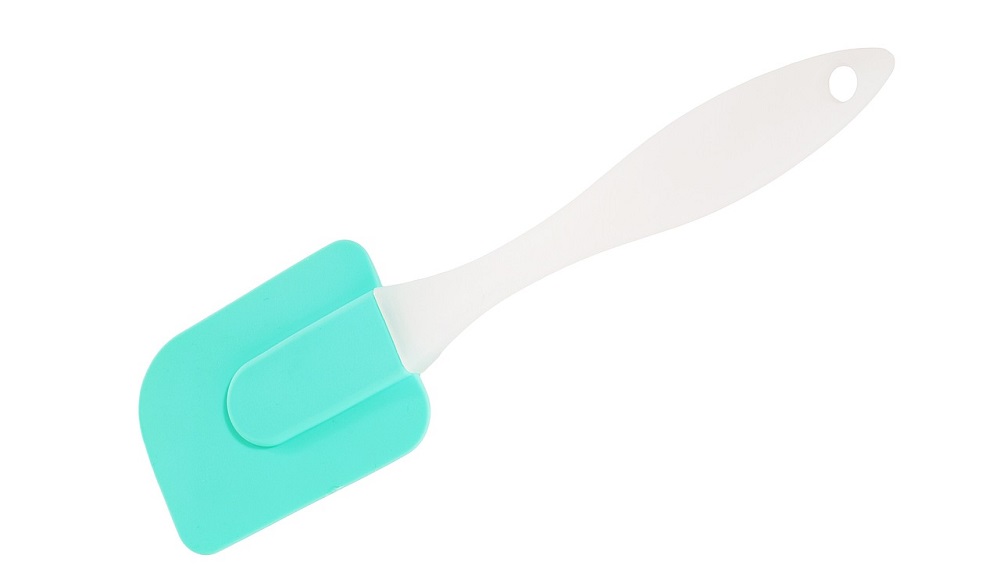
Silicone is often considered a more sustainable and eco-friendly alternative to plastic. However, it's important to note that silicone is not completely biodegradable. It is an inert, synthetic material made from silica (sand) and other synthetic components. When exposed to harsh conditions, over time it breaks down into small particles, but does not fully decompose like natural materials such as wood or cotton.
Nevertheless, silicone is considered more environmentally friendly than plastic because it is durable, reusable, and can help reduce the overall consumption of single-use plastic products.
Recycling silicone can be a challenge. While silicone can theoretically be recycled, its process is more difficult and less common than plastic recycling. The reality is that most silicone products end up in landfills.
To offset this impact, it is recommended that consumers prioritize reusable and long-lasting silicone products to reduce waste generation.
Some key factors that make silicone a sustainable alternative to plastic include:
Silicone utensils are widely regarded as safe for cooking due to their high heat tolerance and resistance to chemicals. However, it is essential to follow best practices when using them in your kitchen to ensure safety and longevity.
The following recommendations can help you make the most of your silicone utensils while ensuring they remain safe for use.
1. Choose food-grade silicone: When purchasing silicone kitchen utensils, make sure you select food-grade silicone, which is entirely safe for cooking. This type of silicone can withstand high temperatures and does not allow food compounds to penetrate its surface easily.
2. Wash before using: Pre-cleaning your new silicone products is essential to reduce any likelihood of chemicals getting into the food or air. Proper cleaning also contributes to maintaining good hygiene in the kitchen.
3. Follow maximum temperature guidelines: Check the manufacturer's guidelines for the maximum temperature your silicone utensils can withstand and do not exceed this limit. This practice prevents potential damage to the utensil and ensures your food remains toxin-free.
Here are some additional tips for using silicone utensils effectively:
4. Cooking surface compatibility: Be mindful of the type of cooking surface you're using with your silicone utensils. While they are generally safe for non-stick surfaces, always consult the cookware's guidelines to prevent damage to your pots and pans.
In conclusion, silicone utensils are not only safe but also a smart choice for any kitchen. Their non-toxic nature, heat resistance, and gentle touch on cookware make them an essential tool for home cooks and professionals alike. By choosing high-quality silicone kitchen tools, you can cook with confidence, knowing you're using materials that prioritize both safety and performance.
At Ancheng, we have the best staff to discuss solutions with you. With our more than 20 years of experience, we can give you the most professional advice from sourcing to table setting. Our high-quality tableware is designed with durability, safety, and style in mind.

Hello, I'm Sven Wang, the Manager of Ancheng. With extensive expertise in raw materials and production processes, I'm dedicated to advancing sustainable tableware and constantly improving eco-friendly options for the modern catering industry. You can trust that Ancheng is committed to providing the highest quality. Welcome!

Factory: Qian Renqiao Industrial Park, Shucheng County, Luan City, Anhui Province, China
Office: Building 11, Max Science Park, Shushan Dist, Hefei, Anhui, China
Copyright ©2026 Anhui Ancheng Bamboo and Wood Tableware Co., Ltd. Privacy Policy


 Index
Index Product
 Resources
 About
About