We can provide wholesale services disposable wooden and bamboo tableware to more than 30 countries
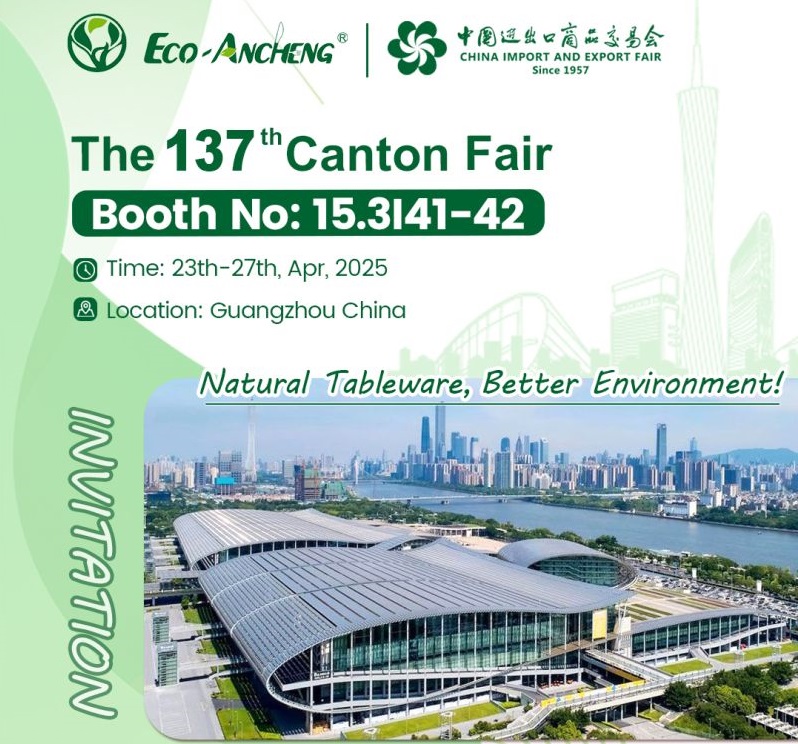
We are thrilled to announce that Eco-Ancheng will be participating in the 137th Canton Fair (Phase 2) this April! As a leading supplier of sustainable bamboo and wooden tableware, we are excited to showcase our latest eco-friendly products and reconnect with industry partners and new customers. Event Details: 1. Date: April 23rd - 27th, 2025 2. Location: Guangzhou, China 3. Booth: 15.3I41-42 At Eco-Ancheng, we specialize in providing high-quality, sustainable bamboo and wooden tableware that supports a greener future. If you're looking for a reliable bulk supplier, this is the perfect opportunity to explore our product range, discuss potential collaborations, and discover how we can meet your business needs. We welcome you to visit our booth and discuss how we can provide customized, eco-friendly solutions for your market. Our team is ready to assist you with expert insights and premium products tailored to your needs. Don’t miss this opportunity to connect with us at the Canton Fair 2025! We look forward to seeing you there. For more information or to schedule a meeting with our team, feel free to contact us.
2025-04-03

More people are shifting towards the use of biodegradable spoons and forks due to their environmental benefits and safety. This article aims to analyze the practical advantages and provide a guide for selecting these sustainable utensils. What 'Biodegradable' Really Means? "Biodegradable" denotes a substance or material's capacity to naturally decompose into simpler, harmless compounds. This process occurs through the actions of microorganisms like bacteria and fungi over time. Such materials break down into smaller components via biological processes, facilitated by environmental microorganisms. Biodegradable products are widely acknowledged for their environmental friendliness, as they avoid long-term accumulation in the environment, contrasting with non-biodegradable materials like certain plastics. This characteristic minimizes pollution and environmental damage. Diverse biodegradable materials include naturally derived substances such as food waste, plant fibers, and natural polymers, as well as synthetic options like polylactic acid (PLA), polyhydroxyalkanone (PHA), and polybutylene succinate (PBS). How to Choose Biodegradable Spoons and Forks That Last? 1. Material Selection Look for tableware made from durable, biodegradable materials. Common choices include wood, bamboo, polylactic acid (PLA), cornstarch-based plastics, and more. Tableware made of this material is also very suitable for high-temperature hot food because they have good heat resistance. 2. Thickness and Sturdiness Thicker utensils are generally more durable and can withstand a variety of food types without breaking. You can check the specifications of the products and compare their thicknesses. Inferior products are often made at a thickness that is lower than industry standards to reduce manufacturing costs. 3. Brand Reputation Choose tableware from reputable brands known for their commitment to quality and sustainability. Well-known brands are more likely to invest in research and development to create durable biodegradable options. 4. Packaging Information Check the packaging or product information for details about the appliance's durability and recommended uses. Manufacturers often guide the appropriate applications of their products. Finding Affordable Biodegradable Cutlery Consider buying biodegradable cutlery in bulk. Many suppliers offer discounts for larger quantities, making the cost per unit more affordable. This is especially beneficial for businesses or events requiring a significant amount of cutlery. Look for local suppliers or distributors who may offer cost-effective solutions. Purchasing locally can sometimes reduce shipping costs. Consider different types of biodegradable cutlery, such as forks, knives, and spoons, as well as sets. Some types may be more affordable than others. Some compostable cutlery may be more affordable than others. Compare prices between biodegradable and compostable options while considering their environmental benefits. Remember to factor in shipping costs if applicable and consider the long-term cost-effectiveness of the cutlery based on your usage needs. By carefully comparing options and considering these tips, you can find affordable biodegradable cutlery that aligns with your budget and sustainability goals. Biodegradable Spoons and Forks in Different Settings: Home, Events, and Restaurants The use of biodegradable spoons and forks in different settings, including homes, events, and restaurants, offers a sustainable alternative to traditional single-use plastic utensils. Here's how biodegradable utensils can be integrated into each setting: 1. Home Advantages Convenient for daily meals, picnics, and outdoor activities. Reduces the environmental impact associated with plastic utensils. Suitable for households aiming to adopt eco-friendly practices. Considerations Choose durable biodegradable materials like bamboo, cornstarch-based plastics, or polylactic acid (PLA) for regular home use. Store utensils in a cool, dry place to maintain their integrity until use. End-of-Life Options Dispose of used biodegradable utensils in a compost bin if possible. Check local waste disposal guidelines to ensure proper disposal. 2. Events (Parties, Weddings, Gatherings) Advantages Provides a sustainable option for large gatherings and events. Can cater to the dining requirements of a large group simultaneously. Offers a viable solution for events with food service requirements. Reduce the time and effort spent cleaning dishes. Considerations Purchase biodegradable utensils in bulk to accommodate the number of attendees. Consider customizing utensils for themed events or incorporating them into sustainable event planning. End-of-Life Options Set up designated bins for compostable waste to ensure proper disposal. Communicate disposal instructions to attendees for responsible waste management. 3. Restaurants Advantages Convey an image of hygiene and cleanliness to customers. Appeals to environmentally conscious customers, enhancing the restaurant's sustainability image. Aligns with eco-friendly initiatives and reduces reliance on non-biodegradable plastics. Considerations Choose biodegradable utensils that match the restaurant's aesthetic and theme. Consider offering both reusable and biodegradable options for different customer preferences. End-of-Life Options Establish a system for proper disposal, ensuring that used utensils reach composting facilities. Train staff on the importance of separating biodegradable waste for environmentally responsible practices. Biodegradable Spoons and Forks for Special Diets: Gluten-Free, Vegan, and More Choosing biodegradable spoons and forks for special diets, including gluten-free and vegan options, ensures inclusivity and aligns with specific dietary requirements. Gluten-Free Opt for biodegradable utensils made from gluten-free materials. Materials such as cornstarch, bamboo, or sugarcane are typically gluten-free. Avoid utensils made from wheat-based bioplastics. Vegan Choose utensils made from plant-based materials like cornstarch, sugarcane, or bamboo. Avoid utensils that may contain animal-derived components, such as certain types of bioplastics. Food Allergies Select utensils made from materials that are generally hypoallergenic, such as cornstarch or bamboo. Best Practices for Proper Disposal: Ensuring Your Biodegradable Utensils Decompose 1. Separate Biodegradable Waste Establish a waste management system that includes separate bins for biodegradable waste. Clearly, label bins to distinguish biodegradable utensils from other types of waste. 2. Composting Facilities If available, dispose of biodegradable utensils in compost bins. Composting facilities provide the ideal conditions for biodegradation to occur, turning the utensils into nutrient-rich compost. 3. Avoid Mixing with Plastics Do not mix biodegradable utensils with conventional plastics in recycling bins. Biodegradable plastics require different processing methods and can contaminate recycling streams. 4. Bulk Disposal at Events At events, provide designated bins for biodegradable utensils. Clearly communicate to attendees the proper disposal methods to encourage compliance. Work with waste management services that can handle bulk disposal of biodegradable waste. 5. Avoid Landfill Disposal Biodegradable utensils are designed to decompose in specific environments. Avoid disposing of them in landfills where conditions may not support effective biodegradation. 6. Monitor Decomposition Rate In-home composting monitors the decomposition rate of biodegradable utensils. If utensils are slow to decompose, consider alternative disposal methods. Addressing Common Misconceptions About Biodegradable Materials Misconception 1: Biodegradable means it will break down quickly in any environment. Answer: Biodegradable materials do break down, but the speed of decomposition depends on specific conditions. They may require industrial composting facilities with controlled environments to break down efficiently. In natural environments like landfills or oceans, the process might be slower. Misconception 2: Biodegradable means it won't leave any residue or harm the environment. Answer: Biodegradable items may leave behind residues or byproducts during decomposition. It's essential to assess the specific material's breakdown products and their potential impact. Additionally, littering biodegradable items can still harm ecosystems before they fully decompose. Misconception 3: Biodegradable spoons and forks can be discarded anywhere. Answer: While they break down more easily than traditional plastics, they still need appropriate conditions to decompose efficiently. Discarding them in the wrong environment, such as tossing them into the ocean or a regular landfill, may not allow for proper degradation. Misconception 4: All biodegradable spoons and forks are made from renewable resources. Answer: Biodegradable materials can be derived from both renewable and non-renewable resources. Ideally, biodegradable items should be made from sustainable, renewable resources to minimize environmental impact. Misconception 5: Biodegradable products are always more expensive. Answer: While biodegradable products might have been more expensive in the past, advancements in technology and increased demand have led to more competitive pricing. Prices can vary, but as demand continues to rise, the cost difference between traditional and biodegradable products is decreasing. Misconception 6: Biodegradable means compostable. Answer: Not all biodegradable products are compostable. Compostable items break down into natural elements and leave no toxicity in the soil. Biodegradable items, on the other hand, might break down into smaller pieces but could still leave behind harmful residues. Conclusion You can use the above content to choose suitable biodegradable spoons and forks and practice your environmental protection philosophy. Ancheng is a biodegradable tableware manufacturer and wholesaler with more than 20 years of experience. Its products are carefully produced and inspected for safety and quality. Ancheng Boosts Your Sustainable Activities! Ancheng has been committed to the research and production of biodegradable tableware since its inception, with over 20 years of experience. We develop new product styles every year and offer customization options that can meet all your catering needs. Contact us for more information and the wholesale process for eco-friendly spoons, forks, and other flatware!
2025-04-03

Prepare to celebrate Earth Day 2025 with eco-friendly cutlery, utensils, and tableware. Make your step to preserve the planet for future generations. Earth Day is a globally celebrated annual event on April 22 for environmental protection since 1970. Now, we approach Earth Day 2025, featuring the 'Our Power, Our Planet' theme. And the urgency to reduce the devastating burden on this planet continues to rise with exaggerated activities. (The slogan for Earth Day 2026 remains unchanged; we have provided new guidelines based on the latest developments.) Our planet is confronting problems like global warming and plastic pollution at unprecedented scales. Still, we can make a positive impact by helping nature gain its balance by pledging certain actions. Choosing sustainable cutlery, compostable tableware, or biodegradable utensils can mark an easy start. Current State of the Earth: A Wake-Up Call for Everyone a. Global Warming – The planet's overall temperature has risen 1.2°C since pre-industrial times. The past year, as well as the past decade, set a new record for being the hottest on record. (NASA) b. Plastic Pollution – Around 8 million metric tons of plastic waste enter the ocean annually. They continue to threaten and harm the marine ecosystem to a significant extent. (National Geographic) c. Deforestation – The world has been losing about 10 million hectares of forest every year. It contributes to a massive loss of biodiversity while worsening climate change. (Food and Agriculture Organization) d. Air Pollution – Around 90% of the global population now lives in areas with consistently unhealthy air quality. It leads to many premature deaths as well as long-term diseases. (World Health Organization) These stats are more like the tip of the iceberg, simply highlighting the immensely growing burden on our planet. Earth Day reminds everyone of what's going on and what should be done every year. Why is Earth Day So Important? 1. Raising Mass Awareness Earth Day can make the public aware of issues that don't get enough attention. The event acts as a platform to spotlight Earth's most pressing problems. 2. Encouraging Sustainable Practices The day presents an opportunity to promote sustainable practices across people and businesses. It reminds us that every act, no matter how small, can make a difference in preserving the planet. 3. Building a Global Movement The global event sees participation from millions worldwide. The collective power of such a move can lead to substantial changes in the protective approach. 4. Inspiring Action and Policy Change Earth Day is also a catalyst for tangible actions and policy changes for environmental protection. It often prompts governments to adopt more aggressive environmental policies. 5. Highlighting the Interconnection of Issues Concerns like climate change, water scarcity, deforestation, and biodiversity loss are all interconnected. Addressing one properly mostly means confronting the other issues simultaneously without remorse. 6. Promoting Education Among Youngsters In recent years, there has been a massive rise in the education of young people about sustainability. Future generations are getting equipped with the knowledge and motivation to protect the planet. Proactive Measures to Protect the Planet 1. Sustainable Energy Sources Transitioning from fossil fuels to renewable energy sources (solar, wind, hydroelectric power) is crucial. Using energy-efficient appliances promotes energy conservation at home, businesses, and industries. 2. Sustainable Agriculture and Food Systems Encouraging plant-based proteins, lab-grown meat, and insect proteins cuts down on greenhouse gas emissions. Sustainable farming practices (agroforestry, crop rotation, and organic farming) preserve soil while reducing carbon footprints. 3. Waste Management and Recycling Improved recycling supports the reduction of plastic and other non-biodegradable waste. Less use of plastic bottles, bags, and packaging occurs by switching to reusable alternatives. Businesses adopt a circular economy by reusing, refurbishing, or recycling products. 4. Conserve Natural Resources Less water consumption ensures the preservation of this valuable resource for future generations. Installing water-saving appliances and fixtures in households, businesses, and industries can help significantly. 5. Green Innovations and Technology Invest in clean techs like clean energy, waste management, or water purification. Consider constructing and/or retrofitting buildings using sustainable materials and energy-efficient systems. 6. Reduce Carbon Footprint Promote a carbon-emission-offsetting program through tree planting and/or renewable energy projects. Also, look into verified carbon offset programs that directly reduce greenhouse gas emissions. 7. Corporate Responsibility Businesses should adopt eco-friendly practices as CSR (Corporate Social Responsibility) initiatives. Companies need to focus on less waste, lower emissions, and usage in the manufacturing processes. Ancheng team celebrates Earth Day by cleaning up the park. Specific Measures for the Catering Industry Sustainable catering not only reduces operating costs but also improves brand image. 1. Sustainable Menu Planning This directly impacts the environmental footprint of the food served at events, gatherings, and even in-flight meals. This measure reduces food waste while ensuring that food is free of harmful chemicals. Some ways to approach – Seasonal and local sourcing. Reduction of food waste. Substituting ingredient-rich foods. 2. Use of Sustainable Products Sustainable products refer to the ingredients used in the food and the materials involved in serving and packaging. Cutlery made from non-biodegradable materials, such as plastic, takes hundreds of years to break down and contains chemicals such as PFAS and BPA that can cause irreversible damage when they enter the body. Using tableware and serving utensils made from natural and organic materials solves both of these problems. Biodegradable or compostable tableware. Sustainable food packaging. Eco-friendly catering equipment/items. 3. Adoption of New Energy Sources Adopting renewable energy sources aligns with the 2025 theme. It reduces the carbon footprint of catering services (large events or airlines). Solar power for outdoor catering. Electric vehicles (EVs) for transportation. Green energy for the operations. 4. Plant-Based Diets for Sustainability Encourage clients to incorporate more plant-based options into their menus. Plant-based foods require fewer resources (land, water, and energy). Plant-based menus. Menu customization. 5. Collaborative Sustainability Partnerships Consider partnering with other sustainable service providers to arrange/organize/promote events and operations. Eco-conscious vendors or partners. Carbon minimizing/offsetting tasks. 6. Sustainable Event Design Creating a sustainable event goes beyond the food menu for event organizers. It encompasses all aspects of the event, from materials used to overall space design. Zero-waste events/programs. Eco-friendly venue selection. Where Does Sustainable Catering Stand? The catering industry covers a large portion of harmful plastics. Such cutlery, tableware, and utensils exert a highly negative environmental impact. a) Single-use plastic utensils, straws, or plates decompose over many years, causing long-term damage. b) Plastic debris in the land and ocean breaks down into microplastics to infiltrate the natural food chain. c) Plastic waste accumulates in landfills, causing land degradation and the release of harmful chemicals. That's why switching to more sustainable alternatives continues to gain momentum across the industry. Compostable, biodegradable, and/or disposable cutlery and tableware offer a viable solution. 1. Biodegradable Products – They break down naturally over time upon air, moisture, or bacterial exposure. Cutlery from plant-based materials like cornstarch, bamboo, or bagasse decomposes within 60 to 90 days in a composting environment. 2. Compostable Cutlery and Tableware – They can be processed into compost to enrich the soil with organic matter rather than contributing to landfill waste. PLA (Polylactic Acid)-based utensils/plates can be turned from waste into nutrient-rich composts. 3. Renewable Resources – Many compostable/biodegradable items are made from renewable resources (bamboo, corn, sugarcane). Bamboo grows rapidly (about 39 inches in a day). Using it for cutlery reduces the deforestation required for mass plastic production. Advantages of Choosing Sustainable Catering 1. Waste Reduction and Landfill Diversion One of the foremost positives concerns the reduction of waste while diverting materials from landfills. Composting tableware means transforming waste into a valuable soil-enriching resource. Enhanced soil health, increased water retention, and fewer chemical fertilizers directly support sustainable agriculture. 2. Reducing Plastic Pollution in Oceans Unlike plastics, biodegradable cutlery breaks down faster when exposed to water. Eco-friendly bags and cutlery from plant-based polymers are more likely to decompose in aquatic systems. The decomposition of disposable utensils actually contributes to natural organic component levels. 3. Green Businesses and Eco-friendly Innovations Switching to compostable, biodegradable, and disposable alternatives promotes sustainable practices. It also supports companies that prioritize natural protection. Introducing compostable/biodegradable tableware and cutlery lets businesses align themselves with global sustainability goals. 4. Opportunities on Earth Day 2025 The 2025's theme feels more oriented towards renewable/green energy. It's an excellent opportunity for businesses and brands to introduce products without burning fossil fuels. Restaurants, cafés, and coffee shops can host events and campaigns to encourage individuals and other businesses to switch. FAQs 1. What is the best sustainable material for catering businesses? Bamboo and bagasse are the best sustainable materials. They balance affordability, durability, and biodegradability. Palm leaf and cornstarch (PLA) products work well for disposable tableware. Stainless steel, as well as recyclable plastics, have the upper hand for reuse. 2. What are the health benefits of using sustainable cutlery? Sustainable cutlery, made from all-natural materials, features minimal chemical intervention. More specifically, they don't contain harmful chemicals like BPA in everyday plastics. This makes it safer and healthier for commercial food-serving purposes. 3. How does sustainable tableware help conserve resources? Choosing sustainable tableware means you're actively reducing the demand for single-use plastic. It conserves the petroleum and other resources required for mass plastic production. All-natural alternatives, especially bamboo and bagasse, take much less energy. 4. Are sustainable alternatives more expensive than regular plastic? The initial investment may seem somewhat higher, but it's definitely worth the effort. The long-term value is always greater as they can be reused or composted. Therefore, you're reducing overall waste management costs along with environmental damage. Conclusion Earth Day is a reminder of our responsibility to protect and preserve the planet for the future. It's no longer just a day of observance. Instead, the occasion feels more like a call to action for everyone toward a sustainable future. All-natural consumption, especially in the catering industry, helps reduce the negative aspects to a reasonable extent. You can join the movement against plastic pollution by adopting sustainable solutions for your business. ANCHENG is ready to become your trusted partner while embracing eco-friendly cutlery for business purposes. Choose ANCHENG to Introduce Sustainable Catering Services on Earth Day 2025 No more hesitation about switching to eco-friendly products for your businesses. It's time to pledge your commitment to a better, safer, and greater future. Ancheng has always been committed to sustainable production activities while helping customers use environmentally friendly and affordable tableware. Our signature bamboo and wood cutlery sets, and the popular plates have won rave reviews from customers all over the world. Contact us for expert suggestions on how to reduce the burden on Earth with sustainable tableware.
2025-03-27

The complete guide to exploring edible cutlery. Discover this innovative and biodegradable solution. Delve into its advantages, materials, and challenges. As the world moves away from single-use plastics, finding sustainable alternatives to plastic cutlery has been challenging. Among the many potential solutions, edible cutlery is an innovative solution with various practical benefits. In this article, we evaluate the merits of edible cutlery and compare its advantages to other plastic alternatives. What is Edible Cutlery? Edible cutlery refers to a broad range of utensils made from natural and safe-to-eat ingredients. Grains such as wheat, rice, oats, and corn are the most popular ingredients for edible cutlery. Commercially, you can get edible spoons, forks, bowls, and straws that provide an environmentally friendly and often delicious alternative to single-use plastic tableware. Chocolate spoons are some of the best implementations of edible cutlery. You get a nice chocolate snack with your ice cream, cake, or parfait. Current Status of Edible Cutlery in the Food Industry source: incredible eats Edible cutlery is in an odd place within the food service industry. While everyone agrees that it is clearly a better alternative to plastic cutlery, mass adoption has been slow. Various research studies on the topic have shown that edible cutlery is, without a doubt, an excellent idea. However, the cost of edible cutlery combined with the lack of manufacturing infrastructure, paints a different picture. One of the earliest instances of mass-produced cutlery was reported way back in 2016. Bakeys, an Indian company, started selling millet-based edible spoons. Now, ten years later, the edible cutlery industry is still struggling to hit the mainstream. The reason is simple- plastic spoons can be manufactured quickly and at a fraction of the price. It's not all doom and gloom for edible cutlery. Innovation is still ongoing in the industry, and environmentally conscious engineers and activists bring new products to the market every day. One of the most successful examples is the pasta straw, an edible and biodegradable alternative to plastic straws. 7 Benefits of Using Edible Cutlery Edible cutlery sounds like a good idea, and researchers agree it's a great alternative to single-use plastic tableware. But what benefits does it actually bring to businesses and their customers? Here are seven incredible benefits of switching to edible cutlery. 1. Eco-Friendly and Biodegradable Edible cutlery is incredibly eco-friendly and made from all-natural and renewable resources. Additionally, customers don't have to eat all of the cutlery. Alternatives like pasta straws are edible but are designed to be thrown away or composted as they are completely biodegradable. Compostability and biodegradability are, of course, the biggest plus points for edible cutlery. Unlike plastic straws and spoons, they don't pollute our oceans or produce microplastics. 2. Safe (and Fun) to Eat The idea that you can finish a cup of ice cream or a bowl of cereal and then eat the spoon as a nice snack is incredible. It's great for parents as choco spoons are completely safe for their growing young ones. However, kids might enjoy their edible cutlery more than their food. 3. Can Be Flavorless or Flavorful Speaking of enjoying edible cutlery, flavor is a major selling point for these utensils. Most commercial food businesses generally opt for flavorless options. They want to avoid introducing any unwanted taste notes to their meals. Alternatively, some companies embrace the flavors and treat edible cutlery as part of the dining experience. For example, some businesses sell garlic and oregano-flavored baked spoons. These edible utensils are perfect as soup spoons and can also be a replacement for traditional garlic bread. 4. Nutritional Value source: spoontainable Admittedly, the most popular type of edible cutlery, the humble chocolate spoon, isn't exactly a nutritious option. However, baked spoons are made from fibrous and nutrient-rich ingredients. So, after you enjoy that ice cream or sorbet serving, you can snack on a healthy and nutrient-rich cookie. 5. More Durable than Other Plastic Alternatives Edible cutlery is shockingly durable. It's specifically designed to be soft enough for customers to easily bite into it while maintaining decent strength. Straws have particularly been a hot topic among environment-conscious buyers in the last few years. Many businesses have replaced their plastic straws with paper ones to be more environmentally friendly. However, the reception to paper straws is anything but positive. Paper straws lose their strength after just a few minutes in liquid. Eventually, you start to get an odd, papery taste in your otherwise delicious drink. The solution is wheat and pasta straws, they don't introduce any odd flavors to your drinks and last well over an hour in most liquids. 6. Easy Replacement for Plastic Cutlery There is always a massive barrier to the mass adoption of new technologies. Luckily, edible cutlery is an easy replacement for plastic ones. Businesses can quickly swap out their existing plastic spoons and forks with edible options without compromising the dining experience. 7. Lower Investment Cost The initial investment cost for adopting edible cutlery is much lower than other plastic alternatives. Metal and porcelain utensils are the next best solution for plastic cutlery. Many bars have switched to metal straws, and fancy restaurants have always used porcelain cups & plates. Of course, metal straws are expensive, and porcelain plates are too delicate for most commercial applications. For eco-conscious businesses, edible cutlery is a quick and cost-effective way to avoid single-use plastics. Materials for Edible Utensils source: incredible eats In this article, we touch on the composition of edible cutlery. Now, let's dive a little deeper into the topic. Unlike plastic cutlery, edible cutlery has to abide by food safety and regulations. In the United States, edible cutlery has to follow FDA ingredients and packaging rules. 1. Grains (Millet / Wheat / Corn / Oats, etc.) Grais are by far the most prominent ingredient in any edible cutlery. Millet, wheat, oats, and corn are the most preferred for their lower cost and high nutritional value. These grains are processed into flour for easier incorporation. 2. Vegetables Fibers & Extracts Vegetable extracts and fibers are commonly used in conjunction with flour. They act as a filler material that also provides extra nutrients. 3. Chocolate Chocolate is a unique material as it can be easily shaped into various forms. The candy industry has already developed simple and effective ways of shaping and molding chocolate. Hence, making chocolate spoons or forks is as simple as using a spoon mold at the factory. Cooked vs Uncooked Utensils Most edible cutlery takes the form of a baked (cooked) cookie. Grain flour is mixed with flavor additives and baked into a thin but sturdy utensil. Pasta straws fall under the uncooked utensil umbrella. You simply drink from the pasta straw and then discard it. Popular Examples of Edible Cutlery Products source: stroodles Over the last half-decade, we have seen several startups pop up with some unique cutlery ideas. Here is a quick list of the most popular edible cutlery on the market. 1. Chocolate Spoons It should come as no surprise that chocolate spoons are on this list, as we have repeatedly mentioned it throughout the article. Everyone loves chocolate, and a choco spoon is just another fun way to enjoy cocoa goodness. 2. Grain Biscuit Spoons & Forks Spoons are the most popular type of edible cutlery on the market. Various companies use natural grain flour (wheat, oat, rice, barley, corn, chickpea, etc.) to produce tasty edible forks and spoons. 3. Wheat & Pasta Straws Plastic straws are one of the biggest contributors to ocean plastic waste. Edible cutlery isn't applicable in this scenario as most people don't want to eat their straws when they drink a soda or cocktail. Wheat straws and pasta straws have emerged as a convenient and cost-effective alternative to plastic straws, and bar owners are already on board. 4. Edible Bowls & Cups A lesser-known but still fun application of edible cutlery is the food bowl. These bowls are designed to hold your favorite meals and snacks while being completely edible themselves. Think of tortilla bowls that can hold your guacamole or nachos. These bowls often need a paper or cardboard base so the edible bowl is easy to hold. 5 Challenges for Edible Cutlery Adoption source: spoontainable Edible cutlery still has a long way to go before mass adoption is possible. There are various financial and infrastructure issues that are holding this fantastic idea from achieving greatness. Here are some of the biggest challenges faced by edible cutlery today. 1. Durability Concerns Edible cutlery has come a long way in the last decade. However, it requires a delicate balance between durability and ease of consumption. Regardless of its ingredients, all edible cutlery needs to be soft enough to bite. Additionally, contact with liquids results in edible cutlery becoming even softer. With such restrictions, durability will always be a concern. 2. Cost per Unit Cost is the biggest hurdle in the mass adoption of edible cutlery. The plastic industry has grown rapidly over the last fifty years. This industry has evolved to offer single-use plastic utensils at the cheapest price possible. The food service industry already operates on low margins, and a switch to edible cutlery is not possible for most businesses. Take the example of pasta straws. They are 10 to 20 times more expensive than single-use plastic straws. Similarly, edible spoons are 15 to 40 times more expensive than their plastic counterparts. Table 1 - Price comparison between plastic and edible utensils. Cutlery Plastic Paper Rice Pasta Biscuit Wooden Straws $0.012 $0.03 $0.04 $0.16 - - Spoons $0.021 0.037 - - $0.03-0.09 $0.04 It should be noted that businesses gain additional nutrition and flavor value from the increased price of edible spoons. However, the increased cost is simply too much for most businesses to justify. 3. Cutlery Variety Variety is still an issue for edible cutlery. Spoons and forks are the most commonly available options. However, the single-use plastic problem also extends to disposable plates and cups. Even if an edible plate was available, you wouldn't want to place it directly on a table. You still need to place a paper divider between the edible plate and the table. Hence, most companies that sell edible bowls often sell them with a cardboard or paper holder. 4. Manufacturing Limitations Food manufacturing is different from plastic manufacturing. Ingredients need to be stored properly, as there is always a risk of contamination and degradation. Once produced, edible cutlery must be used within a set period. Food, unlike plastic, has an expiration date, and the lower shelf life is unsuitable for the food service industry. 5. Changing the Status Quo Plastic cutlery is incredibly cost-effective and convenient. Businesses can quickly order large volumes of single-use plastic spoons from hundreds of plastic manufacturers around the world. Contrarily, only a handful of brands produce edible cutlery, and even fewer ship it globally. Future Development Trends The edible cutlery industry is currently exploring two options. One uses edible materials to create non-edible utensils, such as pasta and wheat straws. This approach results in slightly more affordable cutlery but is also the least versatile one. The other option is for edible cutlery to become a core part of the dining experience. Flavor is added to edible spoons and forks, making it a replacement for bread in our meals. Soup can now be enjoyed without croutons and garlic bread since you will have an edible spoon with garlic flavor in your hand. Regardless of the industry's direction, it is clear that more research is needed in the edible cutlery industry before mainstream adoption is possible. Alternatives to Single-Use Plastic Cutlery In light of the various challenges associated with edible cutlery, businesses should consider other alternatives to plastic cutlery. Here are some popular options. 1. Paper Paper is, without a doubt, the most cost-effective alternative to plastic tableware. Paper is lightweight, durable, and easy to store. Paper straws, plates, cups, and even spoons have a proven track record. Paper has only one downside, and that is its poor resistance to liquids. Additionally, poor-quality paper utensils can introduce an unwanted paper flavor to the food. 2. Wood Wood is our next best solution to the ongoing single-use plastic crisis. It is easy to source, process, and store. Unlike paper, it has strong water resistance. Bamboo is one of the best materials for wooden utensils. It's an easy-to-groop plant that requires minimal resources. Another option is birch wood, which is commonly used for popsicle sticks. Plant and wood-based utensils have a proven record and are already being adopted by the food service industry. 3. Edibles We have already talked about edible cutlery in detail. So, here's a quick review. Edible cutlery is incredibly eco-friendly and versatile. It is a game changer for environmentalists who have been trying to find alternatives to single-use plastic. Despite all of its benefits, edible cutlery is too expensive to manufacture and is difficult to store. 4. Reusables Reusable cutlery has the lowest environmental impact and is generally perceived as the best solution to single-use plastic cutlery. However, outside of fancy restaurants, it has no place in the food service industry. The food service industry needs low-cost disposable cutlery to stay profitable. A quick look at reusable metal spoons, forks, and straws shows they are much more expensive than plastic cutlery. Table 2 - Comparing the advantages and disadvantages of plastic cutlery with sustainable alternatives. Materials Advantages Disadvantages Plastic Cheap, Lightweight, Durable, Water Resistant, and Easy to Produce Harmful to the Environment, Non-Biodegradable and Results in Microplastics Paper Cost-effective, Lightweight, Durable, and Biodegradable Poor Resistance to Liquids and May Affect Food Taste Wood Renewable Resource, Durable, Water-Resistant, Eco-friendly, and Biodegradable It can be Rough or Splintery and Slight More Expensive than Plastic Edible Eco-Friendly, Reduces Waste, Innovative, and Biodegradable Expensive and Difficult to Store Reusable Lowest Environmental Impact, Long-Lasting, Most Durable, Reusable High Upfront Cost and Impractical for the Food Service Industry Conclusion Edible cutlery is an environmentally safe and completely biodegradable solution to our ongoing plastic crisis. It's a unique way for businesses to move away from harmful single-use plastic utensils. Products like chocolate spoons are ideal for dessert-focused businesses and add additional value to their menu. Similarly, grain-based edible spoons and forks are good for savory dishes. However, despite its clear benefits to businesses and consumers, the practicality of this solution is shaky. Edible cutlery is classified as a food product and needs to abide by various food safety regulations. Pair that with the incredibly high cost of producing these utensils, and we have a problem. For the moment, it seems that edible cutlery is best suited to dessert shops or fancy restaurants with high margins. Right now, wooden cutlery is probably the most sensible solution for the food service industry. Get the Best Eco-Friendly Cutlery from Ancheng! Ancheng is one of the biggest manufacturers and suppliers of wooden tableware. We produce a wide range of high-quality cutlery from ethically sourced bamboo and birch wood. Our wooden spoon and fork set is ideal for food service businesses. With our disposable bamboo plates and wheat straws, you get the most sustainable tableware combo for your restaurant. We also provide services such as customization options to ensure that your unique needs are met. Make your business greener with Ancheng. Contact us now!
2025-03-26

Explore what greenwashing is and how it affects businesses and consumers, and learn how to prevent your company from falling into a greenwash crisis. Are your trusted brands actually sustainable? Or is it just a claim to attract environmentally responsible consumers? In a world where sustainability sells, many companies resort to greenwashing tactics, misleading consumers with false or exaggerated claims. In this blog, we’ll discuss what greenwashing is, its damaging effects, and real-life greenwashing examples of companies. We’ll also talk about how you can prevent your company from falling into a greenwash crisis. Let’s dive in! The Concept of Greenwashing and Why Companies Do It? Greenwashing (also known as green sheen) is a deceptive marketing tactic where brands make false or misleading claims about the sustainability of their products. In reality, these claims are often exaggerated or involve hidden trade-offs. Companies may use misleading labels, false certifications, or nature-inspired packaging to create an illusion of eco-friendliness. Many people confuse greenwashing with similar terms like green hushing or green-bleaching, but they actually involve understating sustainability efforts rather than exaggerating them. Greenhushing occurs when a company deliberately downplays or hides its ESG (Environmental, Social, and Governance) initiatives. This is done to avoid scrutiny from stakeholders who might find their efforts insufficient or from investors who see ESG as a risk to financial returns. Green bleaching is when brands intentionally avoid highlighting their sustainability efforts out of fear of alienating customers who are skeptical about environmentalism. Why Do Companies Engage in Greenwashing Behavior? The next question that comes to mind is: why do brands resort to this dirty tactic and make fake claims like “eco-friendly,” “green,” “eco-friendly,” or “biodegradable.” Here are some possible reasons: a. Companies use greenwashing to attract eco-conscious customers, expanding their audience and maximizing their sales. b. By appearing more eco-friendly, brands try to strengthen their reputation and gain customer trust. c. Investors are increasingly looking for sustainable businesses. To attract funding, companies exaggerate their green credentials. d. Some businesses use greenwashing as a shortcut to appear environmentally responsible and compliant with environmental regulations to avoid penalties. What Are the Effects of Greenwashing? While green sheen may offer short-term gains for businesses, it ultimately destroys trust, distorts markets, and hinders true sustainability efforts. Here’s a closer look at the major effects of greenwashing: 1. Damage to Customer Trust and Brand Reputation Once exposed, greenwashing can lead to a sense of betrayal among customers. Customers who feel deceived often share their disappointment through negative word-of-mouth and social media backlash. This can have long-term implications on customer perception, affecting their buying choices. 2. Regulatory Penalties and Financial Consequences Companies caught greenwashing may face greenwashing lawsuits, fines, and long-term financial setbacks for violating regulations. In 2021, Toyota paid $180 million dollars in legal settlement for non-compliance with clear air reporting requirements. 3. Misallocation of Investment and Market Distortion As ESG investing grows, greenwashing diverts funds from deserving sustainable companies. When misleading claims are exposed, investor confidence in ESG funds weekend, slowing the transition to a greener economy. 4. Undermining Genuine Sustainability Efforts False eco-friendly claims devalue the hardwork of companies that are genuinely making efforts for a sustainable future. Repeated deception results in increasing skepticism, making it difficult for legitimate green companies to gain customer and investor trust. 5. Increased Inflation A 2018 survey found that 77% of consumers are willing to pay a higher price for sustainable products, and this is what greenwashing companies are cashing on. By falsely marketing their products as sustainable, they justify inflated prices, making customers pay more for the same goods with misleading labels. How To Recognize Greenwash To Prevent a Crisis? Many companies exploit eco-friendly trends to maximize their sales without genuine efforts, which makes recognizing greenwashing crucial. In this section, we’ll be discussing some red flags and how you can overcome them: 1. Scrutinize Environmental Claims Brands often use vague terminologies like “natural” or eco-conscious” to appear sustainable, but such buzzwords do not guarantee real environmental responsibility. Some companies go a step further; instead of words, they use misleading colors and imagery, such as nature-inspired colors and petal designs, to create an illusion of eco-friendliness. To determine if a company is truly sustainable, look for concrete evidence of its environmental impact. Do they disclose how the products are made, where materials are sourced, or how they reduce carbon emissions? If these details are missing, it is a clear sign that something isn’t right. 2. Verify Certifications Greenwashing often relies on fabricated data and misleading statistics, making it crucial for customers to read beyond surface-level claims. To avoid falling for deceptive marketing tactics, always verify certifications before trusting a brand’s sustainability claims. Legitimate certifications are issued by established, independent organizations with strict standards. Pay close attention to the certifying body and research its criteria for issuing certifications. A credible certification should have clear guidelines, third-party verifications, and publicly accessible information. Here are some reputable sustainability certifications for different industries: a. Manufacturing and business: ISO 14001, B Corporation, CMA (Compost Manufacturing Alliance) b. Electronics: Energy Star c. Wood and paper products: FSC (Forest Stewardship Council) d. Food and agriculture: Fair Trade USA, USDA (United States Department of Agriculture Organic) e. Construction and Real Estate: LEED (Leadership in Energy and Environmental Design) g. General sustainibility: ESG ratings If you purchase sustainable disposable tableware, this guide contains certifications you should know about. 3. Research Company Policies and Sustainability Reports A company’s internal policy reveals a lot about its true priorities. Businesses that are genuinely making efforts for a safer environment are often transparent about their sustainability goals, efforts, and progress. Legitimate companies publish annual sustainability progress reports to show their initiatives and track their impact. These reports typically include details on carbon emissions, energy usage, ethical sourcing, and waste reduction efforts. A great example is Patagonia, a popular clothing brand that regularly releases detailed impact reports outlining its environmental and social progress. 4. Be Aware of Common Greenwashing Tactics Not all “green” claims are created equal. Companies engaging in greenwashing often rely on hidden trade-offs, where a product is marketed as sustainable in one area while causing harm in the other. A common example is plastics labeled “made from recycled materials”, while they may contain some recycled content, they are often non-recyclable after use, ultimately increasing plastic waste. Another common greenwashing tactic is the “lesser of the two evils” approach, where a brand attempts to distract consumers by marketing an inherently harmful product as “ less bad”. For instance, cigarette brands once advertised “organic tobacco” to appear healthier despite the well-known health risks of smoking. Examples of Greenwashing Products and Companies Green sheen has become a common issue, with many major corporations and reputable brands engaged in misleading environmental claims. In this section, we’ll explore some well-known companies accused of greenwashing and discuss the deceptive practices they employed: 1. McDonald’s It may come as a surprise, but McDonald’s, the globally recognized fast-food chain, has been accused of greenwashing. The company has positioned itself as an environmentally responsible brand through initiatives such as introducing paper straws and sustainable sourcing of ingredients. However, the reality is not as green as it seems. source: Reader's Digest While McDonald’s promoted its switch to paper straws, it was later discovered that these straws were not actually recyclable due to their thickness. The company also faced backlash for continuing plastic cups and lids, making use of the lesser evil strategy and diverting consumer attention to the straws while the cups still used significant amounts of plastic. Despite boasting about sustainable sourcing, McDonald’s has also been accused of being a major contributor to deforestation through its beef and soy supply chains. 2. Danish Crown Danish Crown, one of Europe’s largest pork producers, marketed its pork with a “climate-controlled” label and the slogan of “more climate-friendly than you think”. However, industrial livestock farming is one of the largest contributors to global greenhouse emissions. In 2021, Danish authorities ruled that these marketing claims violated the national marketing laws, as they falsely suggested that the pork had a minimal environmental impact. Following the controversy, the Danish Crown released a statement acknowledging the misleading label and slogan and agreed to stop using them in the future. Company statement: “Danish Crown accepts that, when we used the aforementioned statements, we did not comply with the requirements of the marketing law, and also accepts a ban on using these statements in any marketing going forward.” 3. Unilever Unilever, the parent company of several well-known brands, frequently promotes its sustainability efforts, particularly on reducing carbon footprint and plastic waste. However, the reality behind its claims tells a different story. According to Sustainability Magazine 2024, Unilever is ranked as the world’s third-largest plastic polluter, despite its public sustainability commitments. While Unilever acknowledges its contribution to plastic pollution, it continues to produce massive amounts of single-use packaging. One of Unilever’s brands, Dove, introduced 100% recycled plastic bottles in Europe and North America. However, the brand continues to contribute significantly to global plastic waste in other regions due to its single-use packaging. 4. Quorn Quorn, a well-known meat substitute brand, marketed its products as low-carbon and environmentally friendly. The company even placed carbon footprint labels on its packaging to promote its green image. However, the claims were later challenged. In 2020, the UK’s Advertising Standards Authority (ASA) ruled that Quorn’s carbon footprint labels were misleading. The ASA also banned a Quorn television advertisement after receiving multiple complaints from consumers questioning the validity of its sustainability claims. 3 Tableware Companies That Are Truly Committed to Producing Sustainable Products While many companies resort to dirty marketing strategies like greenwashing, some brands are genuinely dedicated to eco-friendly production. Let’s take a look at three tableware companies that you can trust: 1. Ancheng Headquartered in China, Ancheng is the leading manufacturer of eco-friendly bamboo and wooden disposable cutlery. The tableware is made from compostable, natural, untreated materials, with sustainably sourced raw materials. The company has publicly shared its certifications and reports, including BRC, ISO9001 and FDA certifications. Ancheng’s product range includes various bamboo and wooden cutlery options such as spoons, forks, sporks, and knives. The brand also offers other sustainable tableware including plates, skewers, picks, straws, ice cream sticks, and coffee stirrers. The company stands out with quick response times, free samples, professional design services, and fully customizable options. 2. Vegware Another well-known name for sustainable tableware is Vegware, which operates across the UK, EU, and USA. The company specializes in cutlery made from plant-based materials such as sustainably sourced paper and cardboard, polylactic acid (PLA), and palm leaf. Their products meet European EN13432 and the American ASTM D6400 standards. Vegware offers an extensive portfolio of over 500 compostable cutlery options, including disposable cups, straws, bowls, wooden cutlery, bagasse takeout boxes, sushi trays, and kraft food containers. They also provide customization services to meet the specific needs of businesses and consumers. 3. Verterra As the most awarded dinnerware brand and the pioneer of palm leaf plates, Verterra is committed to producing chemical-free, wax-free, and dye-free products. Their dinnerware is crafted from 100% renewable resources, such as fallen palm leaves, balsa wood tree trunks, bamboo and sugarcane. Verterra’s product line includes palm plates, bowls, and trays, as well as kraft paper boats, collapsible boxes, paper cups, bento boxes, and much more. The company holds BPI compostability, USDA, and CMA certifications, making it a great choice for eco-conscious consumers. FAQs 1. What are the top signs of greenwashing? The top signs of greenwashing include misleading labels, vague claims, environmental imagery and branding, false certifications, and selective disclosure of information. 2. Is Coca-Cola greenwashing? Yes, Coca-Cola has been accused of greenwashing multiple times. It is one of the top plastic waste polluters in the world and recently dropped its target to “achieve 25% reusable packaging target by 2030” without public acknowledgment. 3. Can you get fined for greenwashing? Yes, companies caught in greenwashing practices can face strict financial penalties, lawsuits, and legal charges. The fines and legal consequences vary depending on the location and regulations imposed by its respective authorities. 4. What is the motivation for greenwashing? Greenwashing brands attempt to portray them as environmentally responsible and capitalize on the economic benefits of a positive public image. Their goals may include boosting sales, attracting eco-conscious customers, or misleading investors to secure funding. Final Thoughts In this blog, we explored the concept of greenwashing and its harmful effects on consumers and the environment. We also discussed how to recognize greenwashing and outlined some real-world examples of companies accused of greenwashing. Now that you’re well aware of greenwashing tactics and some genuine eco-friendly businesses, you should be all set to make informed choices and save yourself from falling for deceptive marketing. Ditch Greenwashing Companies, Shop With Ancheng! With over 20 years of industry experience, Ancheng is a leading Chinese manufacturer of eco-friendly disposable wood and bamboo tableware. Renowned for its commitment to reducing environmental impact, Ancheng’s products are trusted by businesses worldwide. Catering to diverse markets, we offer a comprehensive range of responsibly sourced and globally certified tableware solutions. Our dedication to ethical production, innovation, and environmental responsibility ensures that every product meets the highest standards of sustainability and quality. Upgrade your tableware today, contact us now!
2025-03-25

Explore sustainable disposal methods for disposable plates and learn how to align your business with global eco-friendly regulations for success. Proper disposal and sustainable management of disposable plates have become essential for businesses in today’s rapidly evolving market. With increasing global restrictions on single-use products and a shift toward eco friendly disposable plates, companies must adapt to ensure their practices meet environmental regulations. Let’s explore effective disposal methods for various types of disposable plates—from disposable plastic plates to bamboo disposable plates and compostable options. Disposable Plates and Global Regulations Disposable plates have grown in popularity due to their convenience in various industries, but they now face stricter disposal standards amid rising environmental concerns. Understanding the current global regulatory landscape is crucial for businesses using disposable dinner plates, fancy disposable plates, or heavy duty disposable plates. I. The Rise of Disposable Plates in the Global Market source: Global Market Insights Disposable tableware, including biodegradable plates and disposable plastic plates, emerged as a quick solution to serve large volumes efficiently. However, increased awareness of environmental impacts has spurred the development of more sustainable alternatives—such as compostable plates and bamboo disposable plates—while also driving demand for recyclable and biodegradable plates and utensils. II. Impact of New Regulations on Disposal Practices Recent legislation across various regions is reshaping the disposal methods of single-use products: a. California Regulations: By 2032, California mandates that all disposable packaging and plastic tableware must be recyclable or compostable, with at least 65% of plastic packaging recycled. Moreover, compostable products need to meet standards such as ASTM D6400-19, ensuring that they are 90% biodegradable within 60 days. This regulatory framework drives businesses to adopt sustainable solutions like industrial compostable and home compostable options for their waste management practices. b. European Initiatives (PPWR): Starting in 2025, Europe’s Packaging and Packaging Waste Regulation (PPWR) will require a specific percentage of recycled content in packaging. The focus is on boosting the recyclability and sustainability of disposable plates, encouraging manufacturers to incorporate recycled materials in their production processes. c. Extended Producer Responsibility (EPR): Under EPR policies, manufacturers are held accountable for the entire life cycle of their products. This incentivizes the design of more sustainable, compostable disposable plates and the adoption of recycling and industrial composting practices. III. Implications for Businesses For businesses, these regulations mean rethinking waste management strategies and adapting to new disposal requirements. Compliance represents an opportunity to enhance brand reputation and operational efficiency by: a. Transitioning to compostable plates and biodegradable dinner plates that meet stringent standards. b. Implementing effective waste separation systems to manage compartment plates disposable. c. Partnering with certified waste management services for recycling and composting, ensuring adherence to both local and international guidelines. Different Materials and Characteristics of Disposable Plates Disposable plates come in a variety of materials, each with its own set of advantages and challenges when it comes to disposal and environmental impact. Understanding these differences is essential for businesses seeking eco friendly disposable plates and striving to meet regulatory requirements. 1. Disposable Plastic Plates Disposable plastic plates are widely used due to their durability and low cost. However, their long degradation time and environmental persistence pose significant challenges. While they offer the convenience of heavy duty disposable plates for commercial settings, plastic’s resistance to decomposition means that without proper recycling systems, these plates contribute to landfill overflow and pollution. 2. Paper Plates Paper plates are often seen as a more sustainable alternative because they are recyclable. Yet, the production of paper plates can be resource-intensive, consuming considerable energy and raw materials. In some cases, the recycling process is complicated by food residues, which requires careful sorting and cleaning. Even though paper plates provide a practical solution for disposable dinner plates, their environmental benefits depend largely on the efficiency of local recycling programs. 3. Biodegradable and Compostable Plates Biodegradable and compostable plates have gained traction as the demand for sustainable tableware grows. These plates, which include compostable disposable plates and biodegradable plates and utensils, are designed to break down under the right conditions. 4. Bamboo and Wooden Plates Bamboo disposable plates and wooden tableware offer a naturally sustainable option that aligns with the growing emphasis on environmental stewardship. These products are biodegradable and also sourced from renewable materials, with many products bearing certifications like LFGB, EU, and FDA. The natural biodegradability and aesthetic appeal of bamboo disposable plates make them popular among businesses aiming to offer a premium and eco-friendly dining experience. 5. Comparative Analysis When comparing these materials, businesses must consider factors such as durability, environmental impact, and ease of disposal. Disposable plastic plates, while robust, tend to persist in the environment, unlike paper plates, which may be recycled if properly managed. Biodegradable and compostable plates offer an optimal balance for those looking to reduce environmental footprints, provided that waste management systems are in place. Bamboo and wooden plates stand out as sustainable alternatives that minimize environmental harm and align with market trends toward premium, eco friendly disposable plates. Disposal Methods for Disposable Plates Effective disposal of disposable plates is crucial in meeting evolving global regulations and ensuring sustainable waste management practices. The approach varies significantly depending on the material, requiring businesses to implement tailored strategies that range from basic sorting to advanced recycling and composting processes. A. Classification and Sorting of Waste A critical first step is to correctly classify and segregate waste. Businesses should set up dedicated waste separation stations to distinguish between materials such as disposable plastic plates, paper plates, biodegradable plates, and bamboo or wooden plates. This sorting process ensures that each category is directed to the appropriate recycling or composting facility. Proper waste segregation not only simplifies the disposal process but also helps businesses comply with local regulations and avoid fines related to non-compliance. B. Recycling Processes for Different Materials Recycling methods vary by material. For disposable plastic plates, recycling involves breaking down the plastics into reusable components; however, this process can be challenging due to contamination and the mixed types of plastics used. Paper plates, once free of food residue, can be processed through standard paper recycling streams, albeit with varying efficiencies. Businesses should work closely with certified recycling partners to understand the local recycling guidelines and ensure that their waste management practices align with the latest industry standards. C. Composting Methods for Biodegradable Plates Composting presents an effective disposal method for biodegradable and compostable plates. Depending on the plate's design and material composition, there are several pathways: a. Industrial Composting: Requires controlled environments where temperature, moisture, and microbial activity are managed to ensure rapid decomposition. This method is ideal for large volumes of compostable plates that meet standards like ASTM D6400-19. b. Home or Commercial Composting: Smaller scale composting systems that are accessible to local businesses or community initiatives. These processes often need longer time frames and regular monitoring to ensure effective breakdown. Further differentiate between industrial composting and home composting. D. Handling Unused or Excess Plates source: LA Sanitation & Environment In addition to managing post-use waste, businesses must address the challenge of unused or excess disposable plates. Rather than disposing of these items in landfills, companies can consider donation or repurposing strategies. Organizations that specialize in food aid or community programs may accept unused plates, thereby extending their lifecycle and reducing waste. This approach helps in waste reduction and enhances a company’s corporate social responsibility profile. Steps for Proper Disposal of Disposable Plates To achieve efficient waste management while adhering to new regulations, businesses must adopt a systematic approach for disposing of disposable plates. Here’s a step-by-step guide to ensure that every type—from disposable plastic plates to compostable and bamboo disposable plates—is handled properly: Step 1: Sorting and Segregation 1. Identify and Separate: Begin by classifying disposable plates according to their material type—plastic, paper, biodegradable, or bamboo/wooden. Establish clear labeling on waste separation stations to prevent contamination. 2. Implement Waste Stations: Designate areas for waste collection and use color-coded bins or signage to assist staff in correctly sorting items. This initial step is crucial for ensuring that materials like compostable disposable plates and biodegradable plates are not mixed with non-recyclable waste. Step 2: Cleaning and Preparing for Recycling/Composting 1. Remove Residues: Ensure that any food residues or contaminants are removed from the plates before processing. A quick rinse can significantly improve the efficiency of both recycling and composting. 2. Pre-Treatment Guidelines: Depending on the material, some disposable plates may require additional pre-treatment. For instance, paper plates might need to be dried after cleaning, while biodegradable plates should be free of grease to facilitate faster degradation. Step 3: Adhering to Local Regulations and Standards 1. Regulatory Compliance: Stay informed about local waste management policies. For example, California’s requirements mandate that by 2032, disposable tableware should be either recyclable or compostable, while Europe’s PPWR emphasizes recycled content and sustainability. 2. Documentation: Keep records of your disposal practices and compliance measures. This helps not only in adhering to legal standards but also in auditing your sustainability efforts. Step 4: Coordinating with Certified Waste Management Services 1. Partner with Professionals: Work with certified recycling and composting facilities that are equipped to handle specific materials. This includes services that specialize in industrial compostable and home compostable waste. 2. Regular Audits and Feedback: Establish regular communication with waste management partners to review disposal processes. This ensures that the recycling of disposable plastic plates or the composting of biodegradable plates meets industry benchmarks. Step 5: Monitoring and Continuous Improvement 1. Track Waste Metrics: Monitor the volume and types of waste produced. Use these insights to optimize waste sorting, cleaning, and disposal methods. 2. Staff Training and Updates: Regularly update your team on new disposal techniques and regulatory changes. Consistent training helps maintain high standards for sustainable practices, ensuring that eco friendly disposable plates are disposed of correctly. Sustainable Practices for Businesses Beyond proper disposal, businesses can enhance their overall sustainability strategy by incorporating practices that reduce environmental impact and boost brand reputation. Here are several actionable tips: 1. Incorporating Eco-Friendly Disposable Plates a. Adopt Sustainable Options: Transition to biodegradable, compostable, or bamboo disposable plates. These eco friendly disposable plates reduce environmental harm and align with evolving regulations and consumer expectations. b. Customization for Branding: Leverage customization options for disposable dinner plates to showcase your commitment to sustainability while reinforcing your brand identity. 2. Enhancing On-Site Waste Separation and Recycling Programs a. Effective Waste Segregation: Set up clearly labeled bins and waste stations throughout your facility. Ensure that your waste management system efficiently separates different types of disposable plates, whether they are heavy duty disposable plates or paper plates. b. Staff Engagement: Educate employees on the importance of proper waste sorting. Regular training sessions can help ensure compliance with local regulations and support recycling initiatives. 3. Partnering with Certified Waste Management and Composting Providers a. Choose Reputable Partners: Collaborate with local waste management services that adhere to strict environmental standards. Whether handling compostable disposable plates or recycling plastic plates, certified partners can help streamline your disposal process. b. Leverage External Expertise: Utilize the knowledge and services of experts who can offer solutions tailored to your operational needs. 4. Promoting Environmental Awareness Internally and Externally a. Internal Campaigns: Develop awareness programs and incentives for staff to adopt sustainable practices. Highlight the importance of using eco friendly disposable plates and maintaining proper waste segregation. b. Customer Engagement: Communicate your sustainability efforts through marketing and social media. Demonstrating commitment to the environment can enhance your brand image and attract environmentally conscious consumers. 5. Long-Term Benefits and Cost Savings a. Regulatory Compliance and Risk Mitigation: Adhering to disposal guidelines helps avoid fines and regulatory issues. Investing in sustainable practices can lead to long-term savings in waste management and operational efficiency. b. Enhanced Brand Reputation: Businesses that proactively address environmental concerns are more likely to build trust with consumers and stakeholders. This positive perception can drive loyalty and support business growth. FAQs 1. What are the most eco friendly disposable plates available? Eco friendly options include biodegradable plates, compostable disposable plates, and bamboo disposable plates. These alternatives are designed to break down more rapidly than traditional disposable plastic plates, making them a sustainable choice for businesses. 2. How can my business ensure compliance with evolving disposal regulations? Ensure proper sorting and cleaning of waste, partner with certified recycling and composting services, and keep up-to-date with regional regulations like California’s 2032 mandate and Europe’s PPWR. This proactive approach helps maintain compliance and optimize the disposal process. 3. What benefits do biodegradable and compostable plates offer over conventional plastic plates? Biodegradable and compostable plates not only reduce long-term environmental pollution but also support regulatory compliance. They break down under the right conditions, contributing to a cleaner environment and reducing landfill waste compared to disposable plastic plates. 4. How should unused or excess disposable plates be managed? Unused or excess plates can be repurposed or donated to community programs. This practice not only reduces waste but also enhances corporate social responsibility, aligning your business with sustainability goals. Wrap-Up From disposable plastic and paper plates to innovative biodegradable and bamboo options, each material presents unique disposal challenges and opportunities. Implementing effective sorting, cleaning, and partnering with certified waste management services can help companies ensure regulatory compliance and contribute positively to the environment. Embracing eco friendly disposable plates and adopting sustainable practices is a strategic move that bolsters brand reputation and operational efficiency in today’s competitive market. Discover the Perfect Sustainable Solution for Your Business with Ancheng! Ancheng has over 20 years of experience in sustainable disposable tableware. Our products comply with the environmental policies of different countries and have international certificates such as ISO, BRI and so on. Using our disposable tableware not only provides portability for your projects, but also easy to dispose. Our professional design team will also design exclusive products according to your requirements. Contact us today for a free consultation and start your journey towards sustainable success.
2025-03-24

Forks are simple utensils, yet they are a key part of the dining experience. The right fork can make a meal feel special, whether it’s a hearty main course or a light salad. In restaurants, each type of fork is designed for a specific purpose. A dinner fork is sturdy and perfect for large meals, while a salad fork is smaller and gentler on greens. Specialty forks like seafood or oyster forks are carefully made to handle delicate foods without damage. For restaurant owners and managers, choosing the right fork is essential for both style and function. The design and material of a fork, whether metal, bamboo, or wood, affect its performance and appearance. A well-made fork improves the presentation of a dish while enhancing the overall dining experience for customers. Let’s explore different types of dining forks and discuss their shapes, functions, and the materials used in their construction. Our goal is to provide clear, practical information that helps you decide which forks best suit your restaurant’s needs. Types of Forks In any restaurant or dining setting, using the right fork makes a big difference. Different forks are designed for specific foods and serve distinct functions. Let’s take a closer look at some of the most common types of forks. 1. Dinner Fork The dinner fork is a standard piece in any table setting. It is sturdy and versatile, perfect for most main course dishes. Its balanced design makes it a favorite in casual and formal restaurants. Size: 7–9 inches (18–23 cm); typically 4 tines. Features: Medium-wide head, slightly curved tines, balanced weight for most entrées. Usage: Main courses such as meat, vegetables, pasta, or grains Tips: Keep at least 2–3 pieces per seat in stock. For premium service, choose a mirror-finish stainless steel fork that matches your dinner knife pattern. 2. Salad Fork Often smaller than the dinner fork, the salad fork is designed to handle delicate greens and light appetizers. If you ever wonder, "Which one is the salad fork?" it is usually the smaller fork placed to the left of the dinner fork. Its tapered shape makes it easier to pick up leaves and small salad portions. Size: 6–7 inches (15–18 cm); usually 3–4 tines. Materials: Stainless steel, lightweight metal, bamboo or resin handles. Features: Shorter head, sharper and narrower tines to pierce leafy vegetables. Uses: Salads, starters, cold vegetable dishes. Restaurant Tips: If salads are served as a dedicated course, use a separate salad fork. Casual restaurants may combine the salad and dessert fork to reduce inventory. 3. Dessert Fork The dessert fork is lighter and often has a more refined design. It is made to work well with soft desserts and light pastries. While not as heavy-duty as a dinner fork, its design is perfect for finishing off a meal with a sweet touch. Size: 5.5–7 inches (14–18 cm). Features: Often 3 tines; one outer tine is widened and sometimes slightly serrated for cutting soft pastries. It pairs easily with dessert spoons. Uses: Cakes, pies, tarts, pastries, small desserts. 4. Meat or Steak Fork This fork usually features longer tines and a stronger build to handle tougher cuts of meat. Its design allows diners to cut through meat easily. When looking at fork tines, this type is known for its precision and durability. Typical size: 20–22 cm (8–9 in) Shape: Four sharp, narrow tines for piercing dense meat cuts Features: Thicker handle and reinforced neck for added leverage Usage: Ideal for steakhouse service or grilled meats Tips: Pair with matching steak knives for a professional presentation. 5. Fish Fork A fish fork is designed specifically for eating delicate fish dishes. Its shape helps diners separate soft fish flesh from small bones with minimal effort, making it ideal for seafood-focused menus. Size: Around 7 inches (18 cm). Materials: Stainless steel, silver-plated. Features: Typically 3 or 4 tines; outer tine may be broadened to help separate fish flesh from small bones. Uses: Grilled, steamed, or pan-seared fish dishes. Restaurant Tips: Essential for seafood and fine dining restaurants. If fish is not a main part of the menu, a dinner fork can substitute. 6. Seafood Fork Seafood forks, including oysters, fish, and crab forks, are made for specific types of dishes. The oyster fork, in particular, requires precision because its small size and fine tines are designed to handle delicate shellfish. They are not easily replaced by disposable options due to their specific function. Size: 4.5–5.5 inches (11–14 cm); small and narrow. Materials: Stainless steel, silver-plated. Features: Usually 3 short tines designed to extract meat from shells. Uses: Oysters, mussels, clams, crab meat, shrimp cocktails. 7. Pasta Fork A pasta fork is often used for twirling noodles. Its design might include a slightly curved shape that helps gather strands of pasta efficiently. This fork is an example of a tool designed with a unique function in mind. Size: 7–8 inches (18–20 cm); longer service versions also exist. Materials: Stainless steel; fast-casual chains may use nylon or plastic versions. Features: Slightly curved tines with suitable spacing to help twirl noodles; some have subtle grooves. Uses: Spaghetti, fettuccine, linguine, and other long pasta dishes. Tips: A must for Italian-themed restaurants; pairs well with wide pasta bowls. 8. Serving Fork A serving fork is used for portioning and transferring food from platters to individual plates. It is a key utensil for buffets, banquets, and family-style dining. Size: 8–10 inches (20–25 cm). Materials: Heavy-duty stainless steel, metal composites. Features: Often 2–4 wide tines; long handle for reaching into platters and trays. Uses: Buffets, banquets, shared dishes, charcuterie boards. 9. Cocktail Fork A cocktail fork is a small, elegant utensil used for spearing garnishes, small appetizers, and cocktail foods such as olives, shrimp, or pickled vegetables. Size: 4–5 inches (10–13 cm). Materials: Stainless steel, silver-plated, bamboo or wood. Features: Small, elegant fork with 2–3 tines for spearing small foods. Uses: Olives, pickles, canapés, shrimp cocktails, pickled vegetables. Restaurant Tips: Perfect for bars, lounges, and appetizer-focused menus. Decorative styles enhance cocktail and canapé presentation. 10. Fruit Fork A fruit fork is designed for eating fruit-based dishes such as fruit salads, dessert platters, and afternoon tea servings. It offers better control when cutting or spearing softer fruits. Size: 5–6 inches (12–15 cm). Materials: Stainless steel, resin or bamboo handles. Features: Usually 3 sharp tines designed to pierce fruit easily. Uses: Fruit platters, fruit cups, dessert fruits. Restaurant Tips: Suitable for afternoon tea service and dessert-focused restaurants. For family dining environments, choose child-safe rounded options. 11. Cheese Fork A cheese fork is a specialized utensil used in cheese platters. Its sharp prongs help diners lift, separate, or serve firm or semi-hard cheeses. Size: 6–7 inches (15–18 cm). Features: Often 2 strong tines; can be flat-bladed for slicing semi-hard cheeses. Uses: Cheese platters, wine-pairing menus, charcuterie boards. 12. Baby Fork A children’s fork is a small, safe, and easy-to-hold utensil made for young diners. It improves comfort and safety for families dining with children. Size: 4.5–5.5 inches (11–14 cm). Materials: BPA-free plastic, rounded stainless steel, bamboo. Features: Short, rounded, safe tines; thicker handle for a better grip. Uses: Kids’ meals, child-friendly dining environments. Restaurant Tips: Choose safe, rounded, food-grade materials. Colorful designs improve the family-dining experience. 13. Specialty Forks Other forks include baby forks for children, wooden forks, and bamboo forks, which offer eco-friendly alternatives for restaurants. These alternatives not only bring a natural look to the table but are also biodegradable. The bamboo fork and wooden fork are popular among businesses that value sustainable practices. Some designs even merge the concept of fork, knife spoon sets, offering multifunctional dining tools. Fork Type Design/Shape Material Function/Usage Dinner Fork The standard, rounded head Stainless steel/Metal Main courses and general dining Salad Fork Smaller, tapered Stainless steel/Metal Light salads and appetizers Dessert Fork Delicate and slender Stainless steel/Metal Desserts and soft pastries Seafood Fork Small, fine tines Stainless steel/Metal Handling seafood like oysters and crab Pasta Fork Curved design Stainless steel/Metal Twirling and serving pasta Each fork plays a role in creating a memorable dining experience. For instance, a high-quality metal fork provides a sense of reliability and precision, while eco-friendly options like the wooden fork or bamboo fork speak to a business's commitment to sustainability. Including a mix of these forks in your restaurant enhances presentation while meeting various dining needs. Fork Etiquette at the Table Proper fork etiquette is key to a smooth dining experience in any restaurant. Knowing the correct order and method for using forks can enhance customer satisfaction and reflect well on your establishment. When setting a table, forks are typically placed to the left of the plate. The standard dinner fork sits closest to the plate, while the salad fork is placed to its left. In formal settings, additional forks like the seafood fork or dessert fork may be added in the order of their use—working from the outer edge inward as the meal progresses. source: shriandsam For everyday dining, customers usually start with the outermost fork for the first course and move inward for subsequent courses. For instance, you might use a salad fork for an appetizer and then switch to a dinner fork for the main course. In formal meals, the order might include a meat or steak fork and later a dessert fork. This order helps guide diners through a seamless transition between courses. Restaurants can use simple bullet points to remind staff and guests of the correct etiquette: a. Left Placement: Always place forks to the left of the plate. b. Order of Use: Start with the outermost fork and work your way inward. c. Specialty Forks: Use designated forks (e.g., seafood forks) only when the dish calls for it. Simple instructions help maintain a consistent dining experience. Clear labeling or even a small diagram on a menu can remind guests about the proper use of each fork. This attention to detail ensures that every dish is enjoyed in the best possible way, enhancing the overall impression of your restaurant’s service. Can It Be Replaced by a Disposable Fork? In busy restaurants and casual dining settings, disposable forks offer clear benefits. They are easy to use, reduce cleanup time, and can cut costs when used in bulk. Many businesses, especially those with high table turnover or outdoor catering services, use disposable cutlery as a practical solution. However, not every fork can be replaced by a disposable option. I. Advantages of Disposable Forks Disposable utensils, including disposable forks, provide a quick and hygienic alternative to traditional cutlery. They are often made of plastic, bamboo, or wood and can be purchased in large quantities as bulk forks. This makes them ideal for takeaway services, large events, and casual dining where cleaning and maintenance of reusable forks would be challenging. Compostable forks and disposable silverware are also available for those who want to combine convenience with environmental responsibility. For example, bamboo disposable forks offer an eco-friendly look while still providing ease of use. II. Limitations of Disposable Forks Despite their convenience, disposable forks have limitations. Some types of forks, like seafood or oyster forks, require precision and strength that disposable options often cannot match. A seafood fork’s fine tines are designed to handle delicate shellfish without crushing them, a task that many disposable forks may not perform well. Similarly, a pasta fork needs a specific curve and sturdiness to twirl noodles properly—features that can be hard to replicate in low-cost, single-use items. Additionally, using disposable cutlery in a high-end restaurant might diminish the dining experience, where customers expect premium quality utensils. III. Material & Design Considerations When considering disposable options, material matters. Plastic disposable forks are common, but they can sometimes feel flimsy and may not offer the durability required for all dishes. Wooden and bamboo disposable forks, on the other hand, provide a more robust feel and a natural aesthetic, making them a good match for eco-friendly restaurants. They also reflect a commitment to sustainability without sacrificing too much on function. However, even these alternatives may fall short when it comes to the delicate balance and precise design needed for specialty forks like the seafood fork or pasta fork. IV. Key Points to Consider 1. Use Case: For casual dining, outdoor events, or fast-service settings, disposable forks work well. 2. Precision Needs: In formal dining or when handling delicate foods like oysters and crab, traditional reusable forks are a better choice. 3. Cost vs. Experience: While disposable cutlery is cost-effective, it may not always support the high-quality dining experience your customers expect. While disposable utensils such as compostable forks and bulk forks provide many benefits in terms of convenience and cost savings, they cannot fully replace the quality and functionality of traditional metal or premium bamboo and wooden forks in all situations. FAQs 1. What happens when you put a fork in the microwave? It is not safe to put a metal fork in the microwave. The metal can cause sparks or even start a fire. Tableware made of materials such as wood and bamboo needs to be controlled over time. Before putting it in the microwave, be sure to check the logo on the tableware. Always use microwave-safe utensils when heating food. 2. Which fork should I use for salads versus seafood? For salads, choose a smaller, tapered salad fork that is gentle on delicate greens. For seafood dishes, use a seafood or oyster fork with fine tines that can handle shellfish without causing damage. Each fork is designed with a specific function in mind, so selecting the right one enhances both the dining experience and the food’s presentation. 3. What happens if you stick a fork in a toaster? Sticking a fork in a toaster is very dangerous. It can cause electrical shock, damage the appliance, or even start a fire. Never insert any metal object into a toaster. 4. How do I choose between a wooden fork and a bamboo fork? Both wooden and bamboo forks offer an eco-friendly choice. Bamboo forks are usually lighter and have a modern look, while wooden forks tend to be sturdier. Your choice depends on the style and practical needs of your restaurant. Wrapping Up Each fork type, from the sturdy dinner fork to the delicate seafood fork, has a specific design and function that supports the quality and presentation of your dishes. Using the proper fork can improve the taste of the meal as well as overall customer satisfaction. While disposable forks, such as compostable options or bulk forks, sometimes cannot match the precision and strength required by specialty forks, they offer convenience and cost savings in casual dining or takeaway services. By paying attention to little details, restaurant owners can ensure that every meal is served with the right tool, helping to build a positive dining experience that customers will remember. For more detailed information and guidance on selecting the best cutlery for your business, please explore additional resources on our website. Let Ancheng Be Your Ticket to Success! If you are looking to enhance your restaurant’s dining experience with quality tableware, Ancheng is here to help. Our extensive range includes everything from cutlery sets and plates to specialized forks. Cooperating with professional customized services can meet all your catering service needs. Our commitment to quality is proven by rigorous testing and certifications, including LFGB, EU, and FDA testing. Check our Certification page to see our quality standards Contact us today for more information or to get started!
2025-03-19

Discover how to elevate your bar and event appetizer displays with 6 unique products. Enhance visual appeal with creative serving ideas. In the world of bar and event planning, the presentation of food and drinks is just as important as the quality of the offerings themselves. A well-presented appetizer or snack display can elevate the overall experience, making it memorable for guests. In this article, we will explore six unique products that can enhance the visual appeal and functionality of your bar and event appetizer and snack displays. 1. Infinitely Creative Drink Stirrers Drink stirrers, seemingly simple accessories, can infuse beverages with boundless creativity. Beyond their traditional stirring function, the drink stirrers serve as decorative elements, adding a touch of sophistication to cocktails, coffee, and other drinks. You can select from various materials, colors, and shapes, or even customize stirrers with your brand logo, transforming each beverage into a vehicle for brand promotion. 2. Light and Distinctive Bamboo Leaf/Wooden Cones and Boats These innovative serving vessels are crafted from bamboo leaves, offering a unique and eco-friendly alternative to traditional serving dishes. The natural texture and color of the bamboo leaf add a rustic charm to any display. Unlike traditional disposable plates, these cones/boats enhance the food's presentation, improving its visual appeal. You can use these cones/boats to serve various snacks, salads, desserts, and more, creating distinctive plating effects. For instance, at a seafood-themed event, serving shrimp salad in bamboo leaf boats can evoke a fresh, natural ambiance. For dessert displays, serving mini ice creams or fruit platters in wooden cones adds a touch of refinement. 3. Exquisite and Practical Bamboo Leaf/Wooden Cups and Spoons Similar to the cone/boat, these cups and spoons are crafted from bamboo leaves, offering a sustainable and stylish option for serving drinks and small bites. The thin and flexible nature of bamboo leaves allows for these unique shapes, making them perfect for creative food presentations. Bamboo leaf cups can hold mini desserts, sauces, or condiments, while wooden spoons can accompany salads, soups, or desserts. These small utensils not only facilitate food consumption but also enhance the overall dining experience. Using these unique utensils at buffets or banquets can make your food display stand out. 4. Eco-Friendly and Durable Wooden/Bamboo Plates For larger appetizers or shared snacks, wooden/bamboo plates provide a sturdy yet sustainable option. Unlike the thinner cones or cups, these plates are designed for durability and can hold substantial portions. You can choose plates in various sizes and shapes to match different food types and presentation needs. For example, serving grilled meats or pizzas on large bamboo plates can create a bold atmosphere. Serving delicate desserts or snacks on small wooden plates adds a warm touch. 5. Diverse Straws Straws are an integral part of the drinking experience, they are not only convenient to drink from but also add a unique style to the drink. The size of the straw should match the type of drink. For example, smoothies and milkshakes require thicker straws, while cocktails and soft drinks lend themselves to thinner straws. Picking sustainable straws with embellishments can provide your guests with a more comfortable and enjoyable drinking experience, while also showing your attention to detail and commitment to the environment. 6. Elegant and Varied Skewers and Picks Skewers and picks are versatile tools that can transform the presentation of your appetizers and snacks. These small accessories add elegance and fun to food. For example, using fruit picks in fruit platters makes them easier to eat and enhances visual appeal. Using cocktail picks in cocktails adds a stylish touch. The way they present the appetizers also avoids creating a mess on the table. With various designs available, these skewers can be tailored to match the event’s theme while maintaining functionality. For Christmas, for example, you can customize decorative sticks with Christmas elements such as elk to add to the festive atmosphere. How to Better Present Appetizers? 1. Customization Customize exclusive tableware and decorations according to the event theme and brand image. Customizing service offerings with festive elements during the holiday season can provide a customer dining experience and receive complimentary branding. 2. Creative Arrangement Creating height in your presentation can make it more visually appealing. Use tiered stands, pedestals, or stacked plates to elevate certain dishes and add depth to your display. Layering can also help you manage space more effectively, especially when dealing with a large number of small dishes. 3. Creativity and Fun Don't be afraid to get creative and have fun with your presentation. Use unique serving vessels, garnishes, or even edible decorations to make your appetizers stand out. The more unique and memorable your presentation, the more likely guests are to remember and talk about it. 4. Color Coordination Using vibrant or coordinated colors helps tie your appetizer displays into the event’s theme. Bright straws, colorful picks, or decorative cones can draw attention to the food and create visual appeal. Conclusion Enhancing your bar and event appetizer and snack displays doesn't have to be complicated or costly. By incorporating these six unique products into your presentation, you can create a visually stunning and memorable experience for your guests. Not only do these products add aesthetic value, but many of them also offer sustainable and eco-friendly options, aligning with the growing demand for greener event planning practices. Design exclusive products with Ancheng! Ancheng is an eco-friendly tableware manufacturer with more than 20 years of experience. We offer a wide variety of tableware styles, including all types of appetizer products mentioned above. Certified by BRC, ISO, and many other certifications, our products are sustainable and body-safe and we support OEM customization services to help brands turn disposable consumables into sustainable marketing touchpoints. Contact our design team for more product details and wholesale pricing!
2025-03-17

Garnishing cocktails adds a sophisticated touch to your drink. It makes them more enjoyable. Cocktail picks might seem like a small addition, but they significantly elevate the aesthetics of your beverage. Whether you want to add olives, cherries, or other elements, the right cocktail pick enhances the presentation and functionality of your drink. In this blog post, you’ll learn about cocktail picks. You’ll also explore how to choose the right one for your beverage. So, let’s get into it. What is the Stick in a Cocktail Called? The stick in a cocktail is called a cocktail skewer or cocktail stick. It is also known as a cocktail pick. This small stick is pointed at one or both ends. Its unique designs and functionality make it suitable for different purposes. Cocktail picks are small food picks used to hold or decorate drink garnishes, appetizers, fruit, cheese, desserts, sandwiches and buffet items. They are commonly used in bars, hotels, restaurants, event catering, party supplies, food sampling and retail food packs. 4 Major Uses of Cocktail Picks Cocktail picks are a versatile accessory that enhances the experience of a drink. The following are some common uses of cocktail sticks: 1. Adding Garnishes Cocktail garnish sticks add a decorative touch to your drink. They hold garnishes such as olives, cherries, citrus peels, and berries. These drink garnish sticks elevate the presentation of your drink by making it more appealing and inviting. Intricate designs of picks and decorative elements also boost the overall experience of your drink. 2. Marking Drinks Cocktail sticks are creative markers to distinguish drinks at a bar or event. You can use different colors, shapes, or customized designs to mark similar-looking cocktails. This prevents mix-ups and adds a layer of personalization for guests. You can also employ custom-printed skewers to reinforce branding. In addition, you can use unique cocktail sticks for themed events. The small details can enhance your guests' experience. It can also make them feel special. 3. Serving Appetizers Cocktail picks are not limited to beverages. You can use them to serve bite-sized foods. They are great utensils for elevating the presentation of appetizers like cheese cubes, meatballs, shrimp, or fruit slices. They allow guests to enjoy the food without extra cutlery. They improve hygiene and convenience, allowing you to eat without any mess. 4. Stirring Beverages Cocktail sticks are mainly used for garnishing or adding a decorative element. However, you can also act as a stirring tool for mixing the ingredients of your beverage. Mild stirring can benefit some short cocktails after initial preparation. Instead of adding large stirrers, cocktail sticks can offer delicate stirring. These sticks can redistribute the flavors in cocktails with muddled herbs and fruit chunks. Looking for high-quality cocktail picks? Eco-friendly & durable picks for parties, bars & events Explore Our Eco-Catalog What are the Types of Cocktail Picks? Colorful Beaded Picks 7’’ Shamrock Drink Stirrers 3.5’’ Red Twisted Skewer 4.7’’ Umbrella Parasol Pick 4.7’’ A huge variety of cocktail picks is available. Their unique designs can complement any drink and event. The following are some common types of cocktail picks you can use: 1. Classic Straight Picks These garnish sticks are common and versatile. You can find them in almost every bar. They complement casual and upscale settings. You can use them to hold garnishes in your drink. 2. Beaded Cocktail Picks If you are looking to add a luxurious touch to your drink, you should go with beaded sticks. You can find a huge variety of beaded sticks. They feature glittery beads, crystals, pearls, or metallic embellishments. They are an ideal choice for serving drinks in lounges, weddings, and upscale bars. Besides holding the garnishes, they make stirring more convenient. 3. Fruit Cocktail Picks These cocktail skewers feature mini fruits at one end. They add a fun and vibrant touch to your cocktail. They are a perfect addition to summery or tropical beverages. Mini pineapples, strawberries, or cherries on cocktail sticks complement pina coladas, mojitos, daiquiris, and margaritas. 4. Animal-Shaped Cocktail Sticks Animal-shaped sticks are another unique type of cocktail stick. They add a sleek and eye-catching appeal to your drink. You can find skewers featuring various animals, like elephants, lions, and birds. They also add a fun element for children’s mocktails and themed parties. Cocktail sticks with unique metallic finishes and intricate patterns creating animal shapes are excellent for upscale settings. 5. Umbrella Picks Umbrella cocktail sticks are a classic choice for exotic drinks. Colorful umbrella sticks evoke a beachside and relaxed ambiance. Their playful design are perfect for enjoying pool parties and seaside activities. 6. Sword-Shaped Picks Sword-shaped picks are another unique design among cocktail sticks. They are usually made of metal or plastic. They introduce an adventurous element to your drink. Metal sword sticks are mostly used for garnishing strong cocktails. Plastic ones serve as appetizer skewers. 7. Geometric-Shaped Picks These are among the common and versatile types of cocktail sticks. They come in various shapes, including circles, spheres, cylinders, squares, and diamonds. These stylish designs are a popular choice for high-end cocktail bars, weddings, and formal events. Selecting the Right Cocktail Stick Size Choosing the right length for your cocktail pick isn't just about aesthetics—it’s about functionality. You don’t want your garnish "drowning" in a tall glass, nor do you want a giant skewer tipping over a delicate coupe. At Ancheng, we provide a variety of standard sizes to fit every type of service: Size (Length) Best Used For Recommended Glassware 3.5" (9 cm) Small garnishes like single olives, cherries, or lemon twists. Martini glasses, Coupes, Nick & Nora 4.7" (12 cm) The industry standard. Perfect for multiple garnishes or sliders. Rocks glasses, Lowballs, Standard Tumblers 5.9" (15 cm) Heavy garnishes, fruit skewers, or club sandwiches. Highballs, Collins glasses, Tiki mugs 7.0"+ (18 cm+) Large shareable drinks or decorative tall displays. Punch bowls, Extra-tall Tiki vessels Always measure your glassware height before ordering in bulk. A pick should ideally sit 1 to 1.5 inches above the rim of the glass for easy handling by the guest. Wholesale cocktails for your business Custom designs | Bulk pricing | Fast delivery Request Wholesale Quote What are the Raw Materials for Cocktail Picks? Cocktail picks are made of various materials to cater to different needs. The following are some common raw materials for manufacturing cocktail picks: Material Pros Cons Bamboo Eco-friendly, biodegradable, and lightweight Can break under pressure Plastic Affordable, colorful, and available in various designs Non-biodegradable and increases pollution Stainless Steel Durable, reusable, and have sleek appearance Higher cost 1. Bamboo Bamboo is an extensively used material for manufacturing cocktail sticks and food skewers. Its natural texture and eco-friendliness make it a preferable material. Bamboo is a renewable material that requires minimum water. It is also a fast-growing plant. Where other trees require decades to grow, bamboo can be harvested within three to five years. It is biodegradable and compostable. It decomposes within months without leaving any harmful chemicals. This feature makes it an excellent choice for environmentally conscious consumers and businesses. Although bamboo picks are not as sturdy as metal ones, they are strong enough to hold various garnishes. Their lightweight and natural appeal is suitable for adding a decorative element to any drink. 2. Plastic Plastic products are favored for their affordability and durability. They come in various colors and shapes. They can add a fun element to your beverage while offering functionality. You can use plastic cocktail picks at outdoor parties, bars, and other events. Their low cost makes them suitable for scenarios where single-use convenience is preferred. However, plastic sticks have some serious environmental impacts that are raising concerns. The UN Environment Programme has found that seven billion tonnes of plastic waste have been produced worldwide. Out of this, only 10 percent has been recycled so far. The rest of the plastic ends up in landfills and oceans. The long decomposition period also aggravates this situation. Plastic products can take 20 to 500 years to decompose. Using disposable plastic skewers might seem convenient, but it can add to the growing plastic pollution. They can find their way into waterways. There, they break down into microplastics that infiltrate the food chain. 3. Stainless Steel (Photo by Jeff Harris) Stainless steel is an elegant and sustainable solution for manufacturing high-end cocktail picks. Their sleek design is ideal for luxurious bars and fine dining establishments. Their reusability and resistance to corrosion make them a long-lasting investment. They need thorough cleaning after use. Once cleaned, you can reuse them. This feature makes them an eco-friendly option to reduce waste. Cocktail Picks vs Toothpicks vs Food Picks A toothpick and a cocktail stick might seem similar, but they have some differences. Toothpicks are small and thin. They are made of wood or bamboo and used for cleaning teeth after meals. They are disposable, and you can discard them after usage. In contrast, cocktail sticks are sturdier and thicker. They are meant to hold garnishes. They are a little longer than toothpicks. Cocktail sticks are made of bamboo, plastic, or stainless steel. You can go with disposable or reusable, depending on your requirements. They usually have a more visible head style, such as bead, knot, loop, heart, ring, fruit decoration or umbrella design. Food picks are a broader category. It may include cocktail picks, appetizer picks, burger sticks, flag picks, knotted picks and decorative bamboo picks. For wholesale buyers, “food picks” is often the better term when one order includes several product styles for catering, events or retail packs. If your main use is drink garnish, search for cocktail picks or cocktail sticks. If your order includes appetizers, burgers, sandwiches and catering service, it is better to compare cocktail picks together with other bamboo skewers and picks. Customization: Making Your Brand "Stick" In the age of Instagram and TikTok, every drink served is a marketing opportunity. Custom cocktail picks are one of the most cost-effective ways to put your logo directly in front of your customers (and their followers). We offer several premium customization options to help your brand stand out: 1. Laser Engraving: Ideal for Paddle Picks. We use high-precision lasers to etch your logo or bar name into the wood or bamboo. It’s elegant, permanent, and food-safe. 2. Hot Stamping: A classic method that creates a deep, dark impression of your brand. It offers a vintage, high-end feel that works beautifully on natural bamboo textures. 3. Custom Shapes & Tops: Beyond just logos, we can customize the "head" of the pick. Whether it’s a specific geometric shape, a colored bead, or a unique knot, we can match your bar’s specific theme. 4. Digital Color Printing: For brands that need vibrant colors, we can print high-resolution logos directly onto the picks using food-grade, non-toxic inks. Why customize? A branded pick transforms a simple garnish into a signature statement. It shows attention to detail that high-end clients and hotel chains value immensely. How to Choose the Best Cocktail Picks? The choice of the right cocktail stick is a crucial decision. A wrong stick can lead to injuries. A report has shown the danger associated with the use of a cocktail stick. Using the best picks can help you avoid such accidents. Here are the factors you should consider while selecting cocktail picks: A. Cocktail picks come in various designs and styles. Choose a style that complements your drink presentation. If you want to add an elegant touch to your drink, you should go with sleek and minimalistic designs. To add a creative touch, use colorful sticks with fun elements. B. Choose the right material for the cocktail picks, as it impacts the overall experience of your drink. If you want an affordable solution, bamboo and plastic sticks are a go-to choice. However, for a sophisticated look, stainless steel is the best choice. C. If you’re concerned about sustainability, opt for eco-friendly materials like bamboo or reusable stainless steel instead of disposable plastic. Businesses and consumers looking to reduce waste should prioritize biodegradable or recyclable options. D. Consider the event or holiday when selecting cocktail picks. Decorative elements like heart-shaped, fruit-shaped, and umbrella-shaped picks are suitable for themed events. For fine dining and formal gatherings, opt for sleek designs. FAQs 1. What is the point of a cocktail pick? A cocktail pick is an accessory for elevating the experience of your drink. It is used to hold garnishes and prevent them from sinking into the drink. 2. What is the difference between a cocktail pick and a toothpick? A cocktail pick is stiffer and longer than a toothpick. The sturdiness is necessary to hold garnishes. The thin and small toothpicks are designed to clean teeth. 3. How do you choose your cocktail? Selecting the right cocktail pick depends on factors like material, design, and occasion. For elegant settings, stainless steel picks work best, while bamboo or plastic picks are ideal for casual gatherings. 4. What is the lead time for wholesale orders? For standard stock items, we ship within 7-15 days. For customized branding orders, the timeline typically ranges from 20-30 days depending on the complexity. Conclusion Cocktail picks are a stylish and functional accessory. They enhance the presentation and experience of your beverage. Their unique designs make them an essential tool for garnishing drinks. You can also use them for marking beverages, serving appetizers, and even stirring cocktails. Choosing the right cocktail stick is also necessary. Pay attention to the material, design, and eco-friendliness of the sticks to pick the best one. So, go ahead and elevate your drinks with unique cocktail picks. Explore Eco-Friendly Cocktail Picks With Ancheng! Getting high-quality cocktail sticks is crucial for offering the best experience to your guests. Ancheng offers a huge variety of bamboo and wooden cocktail picks and skewers. We also offer a customization option to add a branding element. Contact us today and get sleek cocktail sticks for your cocktails. Wholesale cocktails for your business Custom designs | Bulk pricing | Fast delivery Request Wholesale Quote
2025-03-14

Toothpicks are a simple yet essential tool with many uses in both everyday life and specialized business applications. Early civilizations used simple sticks to clean teeth and enhance mealtime presentations. As time passed, the design and production of toothpicks evolved. In many regions, natural materials were the standard until the industrial revolution enabled mass production. This shift led to the creation of uniform wooden toothpicks, and later, bamboo toothpicks became popular due to their eco-friendly properties. In more recent decades, plastic toothpicks emerged. Although plastic toothpicks are durable and cost-effective, they pose environmental challenges when compared to natural options. Let’s explore a wide range of topics including the different types of toothpicks, the best materials to use, and practical tips on choosing the right toothpick for your needs. Whether you're interested in serving toothpicks for appetizers or custom toothpick flags for branding, this outline will help you understand how to select the best toothpicks for your business. What are the Types of Toothpicks? Toothpicks come in many shapes and styles to serve different purposes. Knowing the variety can help you choose the best toothpicks for your business. Here are some popular types: 1. Double-Headed Toothpicks: These have a pointed end at both tips, making them ideal for quick cleaning and food presentation. 2. Flavored Toothpicks: Infused with cinnamon, mint, or other flavors, these toothpicks add a refreshing taste while doubling as a breath freshener. 3. Mint Toothpicks: Specifically designed to leave a minty aftertaste, they are popular in restaurants and bars. 4. Round-Headed Toothpicks: With rounded tips, these toothpicks offer a unique look for cocktail garnishes and appetizer presentations. 5. Flag Toothpicks: These can be customized with small flags or logos, providing an extra touch of branding for events. 6. Wooden Toothpicks: The traditional choice, known for their natural feel and biodegradability, suitable for various food applications. 7. Bamboo Toothpicks: Sustainable and eco-friendly, they are perfect for businesses that value green practices. 8. Plastic Toothpicks: Durable and consistent in size, though less eco-friendly compared to natural alternatives. 9. Long Toothpicks: Used for specialty foods or creative serving ideas, they offer extra length for unique applications. Each type of toothpick caters to different needs—whether for serving appetizers, decorating a cocktail, or meeting specific hygiene standards. What is the Best Material for Toothpicks? When choosing the best toothpick, the material plays a key role in durability, safety, and environmental impact. Many businesses compare wooden toothpicks, bamboo toothpicks, plastic toothpicks, and even metal toothpicks to meet specific needs. Material Environmental Impact Durability Typical Uses Certifications/Quality Marks Wood Biodegradable and eco-friendly Moderate; may splinter Serving toothpicks, appetizer toothpicks Often FSC certified Bamboo Highly sustainable and renewable Strong and lightweight Cocktail toothpicks, custom toothpick flags Meets LFGB, EU, FDA standards Plastic Non-biodegradable; not eco-friendly Uniform shape and long-lasting Mass-produced serving toothpicks Varies by manufacturer Metal Recyclable but high production cost Very durable; rarely used Specialty or decorative items, sometimes in toothpick dispensers Varies; used in niche products Wooden toothpicks and bamboo toothpicks are popular for their natural look and biodegradability. Bamboo toothpicks, in particular, are favored by businesses that value green practices and high quality. On the other hand, plastic toothpicks offer consistency and cost-effectiveness, making them suitable for large-scale use, though they are less sustainable. Metal toothpicks are rare but can be used for specific decorative or specialty purposes. Choosing the right material depends on your business needs. For instance, if your focus is on sustainable and environmentally friendly products, bamboo and wooden toothpicks are the best choices. They also offer a natural aesthetic, which many customers appreciate. However, if durability and uniformity are critical, plastic toothpicks might be considered despite their environmental drawbacks. Always check for relevant certifications such as LFGB, EU, or FDA to ensure product safety and quality. Get the Latest Catalog for FSC-certified Bamboo Toothpicks! What Can Toothpicks Be Used For? Toothpicks are versatile tools with many practical uses that extend far beyond cleaning teeth. They serve a variety of purposes in both everyday life and specialized business settings. Here are some common uses: 1. Oral Hygiene: Toothpicks help remove food particles from between teeth and are a simple tool for maintaining oral cleanliness. 2. Food Service: They are popular as serving toothpicks and appetizer toothpicks in restaurants and events. Cocktail toothpicks or martini garnish on a toothpick add a stylish touch to drinks and appetizers. 3. Decorative Purposes: Toothpicks can be used to create eye-catching party toothpicks or fancy and colored toothpicks for themed events like Halloween toothpicks. 4. Craft and DIY Projects: Creative projects such as building a toothpick bridge or designing toothpick fish models showcase the material’s versatility in handicraft work. 5. Branding and Marketing: Custom toothpick flags offer businesses a unique way to promote their brand. They are easy to customize, making them excellent for corporate events or special promotions. How to Choose the Best Toothpick? Choosing the best toothpick for your business means looking at size, material, and design. When you ask, “How thick is a toothpick?” or need long tooth picks for special displays, consider these key points: A. Material Quality Decide if you need wooden toothpicks or bamboo toothpicks. Bamboo toothpicks are highly sustainable and strong, while wooden toothpicks offer a natural, biodegradable option. Plastic toothpicks provide consistency and durability but may not be the best choice if sustainability is a priority. B. Size and Thickness The right size matters for different applications. Thicker toothpicks are more durable and work well for tasks like building models or serving hearty appetizers. Lighter options can be ideal for cocktail toothpicks and delicate garnishes. C. Design and Function Consider the type of toothpick you need. If you want a stylish touch for parties or corporate events, custom toothpick flags or fancy toothpicks can enhance your presentation. For everyday use, standard serving toothpicks or appetizer toothpicks might be a better choice. D. Certifications and Safety Check for safety certifications like LFGB, EU, or FDA testing. These marks help ensure that the product meets quality standards, especially when the toothpicks will come in contact with food. E. Usage-Specific Needs For food service, choose toothpicks that are strong and meet hygiene standards. If you need toothpicks for crafts or even building a toothpick bridge, consider durability and design. How to Use Custom Toothpicks to Elevate Your Brand Image? For businesses in the catering, hospitality, and event planning sectors, toothpicks are more than just a functional item—they are a prime opportunity for cost-effective branding. Customized toothpicks turn a small detail into a powerful marketing tool. 1. Custom Toothpick Flags: Your Tiny Billboard Flag toothpicks are the most popular form of customization. They are used to clearly label food items, designate dietary needs (e.g., vegan, gluten-free), or showcase your logo on appetizers and cocktails. Design Options: Custom flags can be printed in full color with your company logo, event hashtag, or a seasonal message. Material and Ink Safety: Ensure your supplier uses FSC-certified paper and food-grade safe inks that meet FDA and LFGB standards. This is non-negotiable for food contact safety. Application: Perfect for large-scale catering events, product launches, or as permanent branding in high-end restaurants and bars. 2. Custom Engraving and Shape For a premium feel, the toothpick itself can be customized: Knotted Picks: Offer a rustic, high-end look perfect for charcuterie or specialty cheese boards. Teppo Picks: The paddle shape offers a comfortable grip and a larger surface area suitable for small appetizers or burger picks. Custom Engraving: While more specialized, some suppliers can laser engrave logos or initials onto the bamboo or wood body for extremely high-end events. 3. Customized Packaging and Branding Customization extends beyond the toothpick itself to the way it is presented to the customer. Individual Wrapping: Single-serve paper wrapping is essential for hygiene in high-traffic environments. We can print your logo and brand colors directly onto the wrapper. Dispenser Boxes: Customize the bulk packaging boxes or countertop dispensers with striking designs that reinforce your brand identity at the point of use. Material Choice: Choosing highly sustainable materials, like bamboo, and prominently advertising the biodegradability on the packaging reinforces your brand's commitment to the environment. Ancheng’s Customization Process To ensure a smooth transition from concept to final product, our B2B customization typically follows these steps: 1) Inquiry & Design Submission: Send us your logo, desired dimensions, and target quantity. 2) Mock-up & Sample Approval: We provide digital mock-ups and can ship physical samples for your final approval. 3) Production & Quality Control: Production begins using certified materials, followed by strict quality checks to ensure splinter-free, uniform products. 4) Logistics: We coordinate bulk shipping and documentation to your location. Ready to start your custom project? Contact us today to discuss your design and get a tailored quote. Can Toothpicks be Put in the Microwave and Oven? Using toothpicks in heating appliances can be tricky. Many people ask, “Can toothpicks go in the oven?” or “Can you put toothpicks in the air fryer?” The answer depends on the material. 1. Wooden and Bamboo Toothpicks Both wooden and bamboo toothpicks are natural and work well for serving food. However, they are not designed for high temperatures. Placing them in the microwave or oven might cause them to dry out, burn, or release unwanted flavors. For example, wooden toothpicks used for appetizers should be kept out of direct heat to maintain their quality. 2. Plastic Toothpicks Plastic toothpicks offer durability and a uniform shape. But, when exposed to high temperatures in an oven or microwave, they can melt or warp. This makes them unsuitable for cooking or reheating food in these appliances. 3. Metal Toothpicks While rare in everyday use, metal toothpicks are more resistant to heat. They may be used safely in the oven, but they are typically reserved for decorative purposes or special applications, such as toothpick dispensers. Safety Tips a. Always check the manufacturer’s instructions before using any toothpick in the microwave or oven. b. Avoid direct contact with heating elements. c. Use toothpicks only as a garnish or serving tool, not as a cooking tool. Understanding the heat limits of each material helps you decide which toothpicks to use and when. For most food service and decorative needs, it is best to avoid exposing toothpicks to high temperatures to maintain their quality and safety. FAQs 1. What is the best toothpick in the world? The best toothpick depends on your needs. For eco-friendly options, bamboo toothpicks and wooden toothpicks are excellent choices because they are biodegradable and natural. However, if you need uniformity and durability, plastic toothpicks may be preferred. 2. Are bamboo toothpicks more sustainable than wooden toothpicks? Yes, bamboo toothpicks are considered highly sustainable. Bamboo grows rapidly and is a renewable resource. While both bamboo and wooden toothpicks are biodegradable, bamboo toothpicks tend to be stronger and more eco-friendly. 3. Can I use toothpicks for both food and craft purposes? Toothpicks are versatile tools. They are used as appetizer toothpicks, cocktail toothpicks, and even for creative projects like building a toothpick bridge or crafting toothpick fish models. Custom toothpick flags and fancy or colored toothpicks can add a unique branding element at parties or events. 4. How do I know if toothpicks are safe for food contact? Always check for certifications such as LFGB, EU, and FDA. Reputable suppliers ensure that each batch of toothpicks meets strict safety standards. Whether you use them as serving toothpicks or for delicate applications like a martini garnish on a toothpick, safety and quality should be your top priority. 5. What is the MOQ for bulk toothpick purchases? Our standard MOQ for bulk bamboo and wood toothpicks is 20,000 boxes. We set this MOQ to ensure production efficiency, allowing us to offer you the most competitive wholesale pricing. For customized projects, the MOQ may vary. Please contact our sales team for specific details. 6. How do you ensure the food contact safety of your bamboo and wood toothpicks? We strictly adhere to international food safety standards. Our bamboo and wood toothpicks are processed and tested to comply with the rigorous requirements of the FDA (U.S. Food and Drug Administration) and LFGB (German Food and Commodities Act). Furthermore, all ink used for printing on custom toothpick flags or wrappers is guaranteed to be food-grade safe ink. Wrapping Up Toothpicks have evolved from simple wooden or bamboo picks used by ancient civilizations to the modern options we see today. Understanding what toothpicks are made of is essential for selecting the best toothpicks for your business needs. For businesses, the choice of toothpicks is more than just a detail; it reflects a commitment to quality and sustainability. Bamboo toothpicks and wooden toothpicks provide a natural, eco-friendly option that aligns with growing environmental standards, while plastic toothpicks offer durability and consistency for high-volume needs. Get the Best Table Supplies From Ancheng! Let Ancheng take your business to new heights with our premium disposable tableware. Explore our Business Service for tailored solutions, or learn more about our certifications and customization options on our Anchenggy Home page. Our FSC-certified disposable toothpicks meet all oral hygiene, food-picking, and decorative needs for the food service industry, bars, and food trucks. Ready to boost your brand’s image and meet customer expectations? Contact us today to discuss how we can support your business growth.
2025-03-12

Learn how to enhance the hotel guest experience with biodegradable supplies, including a guide to hands-on steps and product selection. Why Does the Hospitality Industry Need to Change? Hotels are often favored by tourists or business people for their convenience and service. In a competitive marketplace, providing first-class service that exceeds expectations is the key to differentiating a hotel. The hospitality industry needs to keep up with regulations and consumers to make beneficial changes. More and more consumers are considering environmental performance when choosing a hotel. a survey by Booking shows that more than 70% of travelers prefer eco-friendly hotels. The current environmental footprint of the hospitality industry has been criticized. According to the Sustainable Hospitality Alliance, the hospitality industry alone accounts for approximately 1% of global carbon emissions. In order to mitigate the effects of global warming, the hospitality industry will need to reduce its carbon emissions by 66 percent by 2030 and more than 90 percent by 2050 as it continues to grow. Hotels are one of the major contributors to global greenhouse gas emissions, with major causes including energy consumption, transportation and waste generation. With the growing environmental trend, sustainable hospitality is a must for the future, whether it's to enhance brand image to attract consumers, or to comply with international regulations and climate goals. How can Biodegradable Supplies Improve Hotel Appeal? 1. Enhance Hotel Brand Image and Appeal More and more consumers are environmentally conscious, and the adoption of sustainable supplies by hotels caters to customer values and shapes the image of a green hotel. In the highly competitive hotel market, it becomes an important factor of differentiation to attract more customers and enhance competitiveness. 2. Enhance Guests' stay Experience The natural look of biodegradable products combined with high quality service creates a healthy and comfortable stay. Imagine entering a hotel room with comfortable organic cotton bedding to enhance sleep quality, bamboo toothbrushes to protect oral health, and in-room eco-friendly gifts with the hotel's logo to leave a lasting impression. Through these small items, which do not require excessive investment, the hotel's sense of social responsibility is reflected, which can enhance customer engagement and satisfaction, and build a long-term relationship with guests. 3. Economic Benefits Long-term adoption of biodegradable products can save the hotel's operating costs. Selecting experienced and reliable suppliers can reduce purchasing costs when purchasing in bulk. At the same time, by providing a sustainable lodging experience, hotels can attract more repeat guests, resulting in long-term economic benefits. 4. Policies and Regulations Governments are implementing various environmental policies, including plastic ban, EPR, emission reduction targets, etc. Hotels need to adapt to policy changes and lay out sustainable program development in advance. In the long run, this will reduce the operating costs of the hotel in the future and demonstrate social responsibility. Sustainable Practices in Different Areas of the Hotel A good hotel should take into account the sustainable needs of different areas to give customers a comprehensive green experience. 1. Guest Rooms Guest rooms are one of the most consumable areas, requiring daily cleaning and replacement of disposable items, as well as frequent check-ins and check-outs. Sustainable practices in guestrooms can significantly reduce a hotel's waste disposal and purchasing costs. The right materials and packaging for biodegradable toiletries can give customers a comfortable experience. For example, using bamboo toothbrushes instead of plastic ones. AccorHotels has introduced biodegradable toiletry containers made of polylactic acid (PLA) to replace traditional plastic vials. Replacement of plastic-coated disposable paper cups with reusable cups, replacement of plastic garbage bags, etc. Bedding and towels made of organic cotton or bamboo fibers are grown without the use of chemical pesticides and are soft and comfortable. 2. Restaurants Plant-based tableware, including all items in the dining room, such as cutlery, plates, cups, straws, food packaging, etc. Materials such as wood, bamboo, and wheat straw are naturally biodegradable and environmentally friendly. At the same time, they can provide customers with an elegant and hygienic dining experience. Sourcing organic or local food. This not only supports the local economy, but also reduces carbon emissions from transportation. 3. Public Areas and Events Set up clear signage and educational materials in public areas to promote the hotel's sustainability philosophy to customers and encourage them to participate in environmental initiatives. Use promotional materials and notepads made of recycled paper or other environmentally friendly materials to further reduce paper waste. Installation of sorting bins in public areas to encourage guests to properly sort waste and increase recycling and composting rates. What Biodegradable Products Are Worth Including in Hotel Purchases? After understanding the importance of compostable and biodegradable products for hotels, you need to know which materials to include in your considerations. 1. Wood products Wood products are a popular alternative to plastic. It's natural, environmentally friendly and has a warm texture, making it a good choice for hotels that need a casual and relaxing atmosphere. F&B items such as wooden cutlery, and trays are simple practices for sustainable hospitality. Disposable wooden products are non-toxic and hygienic, and reusable wooden products are durable and elegant. Providing wooden toys for children reduces the risk of play. 2. Bamboo products Bamboo has a short growth cycle and is strong and durable. Its natural anti-bacterial properties make it suitable for making bamboo toothbrushes, combs and cutlery. Bamboo is also becoming increasingly popular for making hotel decorations and furniture. 3. Organic Cotton Organic cotton is soft, comfortable and breathable. Its skin-friendly properties have led to its use in products such as bedding, towels and bathrobes. It is grown without the use of chemical pesticides and fertilizers and is reusable, reducing environmental pollution. 4. Palm Leaf Products Palm leaves are a common material in the food service industry and it is often used to make tableware such as plates, cups and bowls. It is made from the leaves that fall from palm trees, so it does not damage the environment and is water resistant. 5. Bagasse Products Bagasse is an agricultural by-product. Many of the everyday takeaway or packing boxes are made from bagasse. It is compostable and biodegradable, which reduces the workload for post-use waste management. 6. PLA Products PLA is a type of bioplastic made from plant-based materials such as corn starch or sugarcane and has good heat resistance. Although it is a type of plastic, it is biodegradable under certain conditions, so it is necessary to ensure that local industrial composting facilities are available. Straws made from it, food packaging, etc. meet the hotel's sustainability goals. Products made with any of these materials have a reduced carbon footprint. If you would like to learn more about the differences between them, please refer to these articles: bamboo vs palm leaf, bamboo tableware vs. wooden tableware, and bamboo vs sugarcane. 4 Tips for Improving the Guest Experience 1. Customize Biodegradable Items Customize welcome gifts to enhance the guest stay experience. For example, small local specialty items made from biodegradable materials or eco-friendly shopping bags printed with the hotel's logo. Incorporating the brand's story into the hotel's items by printing logos, slogans, patterns, and brand colors increases brand recognition and communicates the hotel's commitment to sustainability. 2. Maintain a Good Online Reputation Use social media platforms to regularly post content about the hotel's adoption of biodegradable supplies, participation in eco-friendly projects, and other sustainable behaviors to attract potential guests and engage with existing guests. On review platforms or the hotel's official website, respond carefully to customer comments and feedback, actively solve problems, and demonstrate the hotel's professionalism and responsibility. Also encourage customers to share their stay experience and photos on social media, retweet and recognize the best user-generated content to foster a sense of community. 3. Provide Personalized Eco-friendly Services Provide personalized recommendations and eco-friendly services based on guests' preferences and needs. For example, recommending local restaurants, attractions and activities, offering suggestions for environmentally friendly outing, etc. 4. Enhance Staff Training Train staff in environmental knowledge and skills, so that they understand the hotel's environmental policy and implement it. Set up a reward mechanism to motivate staff to take the initiative to spread the hotel's environmental protection concept, and enhance guests' awareness of the hotel's features. How to Find Biodegradable Products Suppliers for Hotels? Details determine success or failure. Biodegradable items, especially disposable items, are the main consumables for hotels. Finding long-term reliable suppliers is the key to ensuring the normal operation of the hotel. 1. Identify specific needs: Hotels need to focus on guest needs and which products to purchase to meet guest preferences. Narrow down potential suppliers by considering how to maximize the value of the hotel and the value guests perceive from the supplies. 2. Learn about suppliers from a variety of sources such as sourcing platforms, supplier websites, brokers or trade shows. Then evaluate the reputation of potential suppliers through customer reviews, customer cases, certifications, etc. If you want to purchase from Chinese suppliers, refer to this guide: https://www.anchenggy.com/blog/sourcing-compostable-products-from-chinese-suppliers-benefits.html 3. Request samples from suppliers to assess the quality of their products and ensure that they meet the standards. Meet with them to discuss whether they can meet various sourcing requirements, e.g. customization, etc. 4. Compare prices from different suppliers. Identify the most cost-effective supplier of biodegradable products, taking into account factors such as product quality, reliability, volume purchasing and long-term cooperation. 5. Delivery and transportation. Evaluate the supplier's manufacturing and delivery processes to ensure that goods are received on the required date to avoid disruption to daily hotel operations. It's best to work with suppliers that have international warehouses to reduce transit time. Also understand pricing terms. Manufacturers who can keep track of order progress are more reliable. 6. Customer and after-sales support. Wouldn't it be annoying if you had a question about an order or product and couldn't reach the supplier? Evaluate the manufacturer's responsiveness, problem-solving ability, and other services. This will ensure that the whole purchasing process goes smoothly. Conclusion Biodegradable items are becoming increasingly important to the hospitality industry to improve customer experience and operational efficiency. By practicing sustainable practices in different areas of the hotel, the hotel will gradually increase its brand awareness and long-term revenue. Ancheng is a Reliable Partner for the Hospitality Industry! Ancheng is a manufacturer specializing in biodegradable tableware. We mainly produce bamboo and wooden cutlery, plates, coffee stirrers, bamboo skewers and so on. With more than 20 years of experience in the industry, we have a monthly production capacity of 2.5+ Billion pcs to deliver the sustainable products you need quickly. Integrating production and sales, we can fulfill your one-stop shopping at factory price. Providing 24/7 customer support, you can always know the product information or order status. Our disposable tableware complies with ISO, BRC and many other international certifications to ensure the safety and health of our customers. Want to know more about our products and services? Contact our professional team now!
2025-03-04

Sourcing compostable products from China has several benefits. Discover why you should pick Chinese suppliers for your business. There is a global drive toward sustainability, and it has sparked a remarkable surge in the demand for compostable products. Businesses now increasingly shift away from single-use plastics, and their focus has turned to eco-friendly alternatives. These include biodegradable supplies and sustainable products. Compostable products like fancy plates and bulk disposable tableware are a key solution for companies that want to reduce their environmental footprint. Of course, without having to sacrifice quality or functionality. In this sector, China is a leader with decades of expertise in manufacturing bamboo and wooden tableware. Chinese suppliers, including industry veterans like Ancheng, offer a robust supply chain and proven production capabilities that ensure competitive pricing and consistent quality. Continue reading this quick article to explore the key advantages of sourcing compostable tableware from China. Global Compostable Products Market Trends Robust growth is happening in the global market for compostable products. It is driven by increasing environmental awareness and stringent government regulations. According to the industry reports, sustainable products segment that which includes biodegradable supplies and compostable items is significantly expanding. Sectors like foodservice, hospitality, and retail are at the top of the table when it comes to shifting toward eco-friendly packaging and tableware. Not to mention, this is steadily but rapidly becoming a standard practice. According to Towards Packaging, the compostable packaging market is anticipated to grow from USD 112.49 billion in 2025 to USD 232.47 billion by 2034, with a compound annual growth rate (CAGR) of 8.4% during the forecast period from 2025 to 2034. The real and most significant cause for this growth rate is consumer demand. Year by year, customers are becoming more environmentally conscious, leading to businesses adopting compostable products. After all, they must cater to their target market to enhance their brand reputation and meet regulatory requirements. For that reason, manufacturers have started offering an array of products—from bamboo and wooden cutlery sets to stylish fancy plates. These combine functionality with aesthetic appeal. In particular, China is leading, as the nation has established itself as a powerhouse in this industry. Its advanced production facilities and a long-standing history of exporting sustainable tableware have helped Chinese suppliers to be well-equipped. This allows them to cater to domestic and international markets. These suppliers benefit from a mature logistics infrastructure, ensuring that products are delivered efficiently across the globe. Furthermore, Chinese manufacturers adhere to strict quality control measures and international sustainability standards, making them trusted partners for businesses seeking reliable compostable product suppliers. What Are the Perks of Sourcing Compostable Products from Chinese Suppliers? Sourcing your environmentally friendly products from China and its suppliers has several perks, let’s quickly go through them. 1. Proven Supply Chain & Experience Chinese suppliers are reputable in the production of compostable products. Especially in bamboo and wooden tableware. Chinese companies have refined their manufacturing processes over the past few decades. This has ensured that every step, from raw material sourcing to final quality checks, is executed with precision and efficiency. This mature supply chain minimizes lead times while guaranteeing consistent product quality. And consistent product quality is a crucial factor for businesses sourcing compostable products wholesale. These manufacturers in China leverage advanced production technologies and also have a deep-rooted understanding of international market demands. Therefore, you can trust them to meet global standards. 2. Cost Advantages One of the primary benefits of sourcing compostable tableware from Chinese suppliers is the significant cost advantage they offer. Chinese manufacturers benefit from economies of scale, enabling them to produce high volumes of eco-friendly products at a fraction of the cost compared to competitors in other regions. This cost efficiency arises from well-established facilities, streamlined production processes, and competitive labor rates—all of which contribute to lower overall manufacturing expenses. Consequently, businesses can access bulk biodegradable supplies and compostable products at attractive price points without compromising on quality. Related: How can biodegradable disposable tableware help businesses save costs? 3. Wide Range of Compostable Products Chinese suppliers offer an impressive diversity of compostable products tailored to meet varied business needs. With a wealth of experience in manufacturing, suppliers in China produce an extensive range of biodegradable supplies including cutlery sets, plates, forks, barbecue bamboo skewers, and even reed straws. Their variety caters to different market segments, including upscale hospitality and high-volume food service. At the same time, it allows businesses to source compostable products wholesale with ease. Chinese compostable product suppliers can efficiently deliver high-quality items at competitive prices. China has positioned itself as a leading hub for sustainable products not just like that. Businesses can easily and smoothly transition to eco-friendly alternatives, thanks to its wide range and adaptability in product offerings. 4. Advanced Logistics Infrastructure Another benefit of going to Chinese suppliers for sourcing compostable products for your business is their world-class logistics infrastructure. Rest assured that Chinese manufacturers will seamlessly handle large-scale exports of sustainable products to bring your orders to you. After all, they have facilities like state-of-the-art ports, expansive rail networks, and advanced air freight systems. That’s not all, suppliers are well-versed in international trade protocols and customs regulations. This further streamlines the shipping process to make it hassle-free for you. 5. Customization and Sustainability Standards If you want more reasons to convince you, this will be it. Chinese manufacturers offer tailored solutions for sustainable supplies like bamboo and wooden tableware. So, this means you can also incorporate bespoke design elements, brand logos, and specific product shapes into your orders. Customization option ensures the products are adhering to sustainability goals. And aligning with your company’s brand identity as well as market positioning. In addition, Chinese suppliers adhere to high sustainability standards throughout their production processes. From sourcing eco-friendly raw materials to utilizing energy-efficient manufacturing techniques, these suppliers ensure that every product is crafted with the environment in mind. Wondering How to Get in Touch with Reliable Chinese Suppliers? Here’s How A critical step for any business that is seeking to import high-quality compostable products from Chinese suppliers is to establish direct contact. What works best for that? A multi-pronged approach is the answer. Ideally, you want to start by exploring trusted B2B platforms like Alibaba, where verified suppliers list their certifications and company backgrounds. These platforms often include reviews and ratings from previous clients. Feedback can provide valuable insights into the supplier’s reliability. Furthermore, make sure to engage in and attend international trade fairs and exhibitions, such as the Canton Fair. These events can offer face-to-face interactions with potential partners. Thus, it allows you to assess product quality firsthand. After identifying promising suppliers, you should request detailed product catalogs and sample orders. You may also want to see evidence of international certifications (LFGB, EU, FDA) to ensure compliance with global sustainability standards. After all, it’s essential to verify product performance and durability through sample testing. Inquiries regarding production capacity, quality control measures, and customization capabilities should also be part of your due diligence process. Another vital aspect is negotiating favorable payment terms. You’ll find that many suppliers are open to discussions about deposits, production timelines, and delivery schedules. Transparent communication on these fronts can be great for minimizing potential misunderstandings and helps establish trust. If you want to learn more about importing disposable tableware from China, including specific steps, costs, etc., please read our article. Sourcing Compostable Tableware from Ancheng at Factory Price Ancheng has, for more than 20 years, developed itself into one of the top names in the production of bamboo and wooden tableware in China. Ancheng has a whole range of eco-friendly alternatives available, from classy cutlery sets and fancy-looking plates to much more pragmatic bamboo skewers and reed straws, for any firm wishing to buy compostable products at factory price. Ancheng also ensures that all high-volume orders can be delivered with a very steady and reliable backup, thus becoming a suitable partner for those companies planning on introducing sustainable products into their lines. Quality assurance is certainly put forward by Ancheng: All products undergo strict testing and certification by widely accepted international standards such as LFGB, EU, and FDA. In fact, this drives better credibility for your products and, hence, gives customers more confidence in your sustainable initiatives. In addition, Ancheng offers a full range of unique customizations, be it built design, specific color preference, product size, or simply special packaging options, for branding purposes. Another compelling advantage is cost-effectiveness. Ancheng can afford these low prices through economies of scale and high-tech production methods. Bulk orders from businesses enjoy this pricing. An integrated logistics network supports worldwide timely delivery, leading to reduced transit time and overall shipping costs. Transparent communication and responsive customer service will also make sourcing easy and hassle-free. For companies interested in sustainable, high-quality compostable tableware, Ancheng represents a strategic choice. Whether you're a distributor or a restaurant and hotel operator, we have everything you need for dining. Contact us today to start your journey toward a greener, more cost-effective future. FAQs 1. What certifications do Chinese compostable tableware suppliers typically hold? Most reputable Chinese suppliers adhere to strict international standards by obtaining certifications such as LFGB, EU, and FDA. These certifications ensure that bamboo and wooden tableware products are produced under rigorous quality control measures and sustainable practices. This gives businesses sourcing compostable products wholesale the assurance that every product meets global safety and environmental standards. 2. How do the costs of sourcing compostable products from China compare with other markets? Due to their economies of scale, modern production methods, and refined supply chain management, Chinese manufacturers are able to keep their prices competitive. Thus, the cost-efficiency ratio, high volume production, and optimized logistics have made the easy-and-cheap option to source sustainable products like biodegradable tableware from China for any company. 3. How can I ensure the quality of compostable tableware when sourcing from Chinese suppliers? Ensuring quality starts with thorough due diligence. Request detailed product catalogs, ask for sample orders, and verify international certifications. Many suppliers, including Ancheng, offer third-party inspections and quality assurance reports. Additionally, visiting trade fairs or using trusted B2B platforms can help verify supplier credibility. These steps help businesses source reliable compostable products that meet both aesthetic and sustainability requirements. 4. What customization options are available for compostable tableware? Chinese suppliers excel in providing tailored solutions for bamboo and wooden tableware. Customization options often include bespoke design elements, branded logos, and specific product shapes. This flexibility allows businesses to align their sustainable products with their brand identity while meeting unique market needs. Wrapping Up So, the sourcing of compostable products from Chinese suppliers gives excellent advantages that you surely do not want to miss. Any and all businesses wishing to become something of sustainability should really consider this idea. Chinese manufacturers have decades of experience making tableware that supply chains have tested on hard ground to ensure their authenticity. There is no doubt of their superior production technology for high-quality bamboo and wooden tableware at cheap factory prices; surely, cost advantages from an economy of scale and modern production facilities allow a company to eco purchase. And with such a wide array of compostable products, from fancy plates to small-volume purchases, every business is likely to find a product fully matching its needs. For companies willing to step in the green direction, collaborating with credible suppliers like Ancheng could work wonders. Ancheng has in existence more than 20 years in the field of sustainable tableware manufacturing and provides an all-round package of services, including design customization and efficient shipping. You can take a look at our offerings on our Ancheng Home, and see how our innovative eco-friendly solutions can work wonders for your own company while also contributing to environmentally friendly approaches.
2025-03-03

Have you ever thought about wooden ice cream sticks? Go through this blog post and explore some interesting facts about wooden ice cream. When we think about ice cream, our mouths get filled with sweet, creamy flavors and a chilling touch. But none of us ponder upon the wooden stick holding it. Wooden ice cream sticks might seem ordinary, but there is something unique about it. In this blog post, we’ll share some interesting facts about wooden ice cream sticks. You’ll also learn about different types of wooden sticks for relishing your desserts. So, let’s get into it. What Kind of Wood are Popsicle Sticks Usually Made of? Different manufacturers use different kinds of wood to make popsicle sticks. However, birch and willowwood are mostly used for this purpose. The water absorption and heat preservation features of these woods make them a suitable option for manufacturing wooden sticks. The following aspects will highlight why they are preferred for making popsicle sticks: Why Birch Wood Is Used for Making Popsicle Sticks? Birchwood is mostly for making popsicle sticks. Here are the reasons that make it the best choice for ice cream and dessert sticks: 1. Food Safe When it comes to food items, you need to pick materials that are free from harmful chemicals. In addition, the material must be odorless and tasteless to preserve the original aroma and flavor of the food. Unlike other types of wood, birch wood does not release any kind of oil or resin. In addition, it has a fine grain that prevents food from being trapped in it. 2. Effective Water Absorption Another feature that makes birch wood a suitable choice for popsicle sticks is its water absorption. Sticks made of birch can absorb excessive water from the popsicle. It retains the moisture and taste of the ice cream. This feature also makes the sticks non-slippery and ensures an effective grip. 3. Convenient Processing Birchwood is lightweight and soft, making the processing convenient. Its uniform grain contributes to efficient cutting, shaping, and smoothing. This characteristic makes it ideal for producing large quantities of precisely shaped sticks with minimal waste. 4. Splinter-Free The possibility of splinters is a major concern with wooden sticks. Unlike other kinds of wood, the fine grain and smooth texture of birch wood prevents splintering. It ensures that the customers have a safe and smooth experience while enjoying their treats. Why Willow Wood is Used for Making Popsicle Sticks? Some manufacturers also use willow for making popsicle sticks. Here are the reasons for using this wood: 1. Smooth Texture Willow wood has a smooth texture and it is a major reason it is employed for manufacturing ice cream sticks. Its even grain offers a smooth surface. It makes it convenient to relish your popsicle without any discomfort in the mouth. 2. Sufficient Softness and Elasticity Another feature that makes willow suitable for making ice cream sticks is its soft texture. In addition, it has a little elasticity that strengthens the sticks. These features prevent the sticks from snapping. 3. Water Absorption Willow wood offers moderate water absorption. This feature enables sticks to absorb excessive moisture from your popsicles. It helps retain the original flavor and offers enough grip to hold the popsicle. The Different Types of Wooden Sticks Wooden sticks are versatile and come in various sizes and shapes. Their sizes and shapes determine their functionality. Here are some common shapes and sizes of wooden sticks: I. Different Sizes of Wooden Sticks Wooden sticks are available in different sizes to suit different applications. The following are the sizes you can find in wooden sticks: 1. Standard Size Standard-sized wooden sticks are the most common due to their versatile applications. They have a length of about 4.5 inches and a width of 0.39 inches. This size is suitable for crafts and food preparations. This site is also used in the medical field. Wooden tongue depressors for inspecting infants fall in this category. 2. Mini Size Mini wooden sticks are about 2 to 3 inches long. Their width varies depending on their application. These are used as stirrers for mini drinks, wooden cocktail sticks, and delicate crafts. 3. Jumbo Size Jumbo-sized wooden sticks have a length of 6 inches and a width of 0.5 inches. They are meant for applications that require strength and durability. Their large size is perfect for tasks where standard and mini sticks may be fragile. They are used in large projects, paint mixing, and food preparations. A wooden stick doctors use also falls in this category. Choosing the right dimensions is critical, whether you are matching a high-speed production line or sourcing for a craft retail brand. Dimensions (L x W x T) Best Use Case 114 x 10 x 2 mm Standard Ice Cream, DIY Crafts 93 x 10 x 2 mm Mini Bars, Sampling, Waxing Sticks 140 x 10 x 2 mm Large Frozen Treats, Garden Markers 114 x 10/12 x 2 mm Premium Ice Cream, Unique Crafting 150 x 18 x 2 mm Tongue Depressors, Body Waxing Note: We offer precision customization for thickness and length to ensure 100% compatibility with your specific machinery. II. Different Shapes of Wooden Sticks Various shapes of wooden sticks are required for different applications. Here are some shapes of wooden sticks you can find in the market: 1. Round Wooden Sticks These sticks have a cylindrical shape. They are used for applications that require a strong grip and a smooth rolling effect. You can use them as wooden lollipop sticks in the candy-making industry. Their round edges make them safe for serving food items. 2. Flat Wooden Sticks Flat wooden sticks are the most common type. They feature a flat surface with rounded edges. They are employed to make frozen treats, stir drinks, and craft. This shape makes it easy for you to hold them. They also offer a comfortable eating experience due to their smooth surface. Tongue sticks that doctors use are also flat sticks. 3. Rectangular Wooden Sticks Rectangular popsicle sticks have straight edges and a wider surface. This shape provides more support. They are used in applications where a sturdier base is required. These sticks are commonly used in woodworking and labeling plants. Uses of Wooden Ice Cream Sticks Wooden ice cream sticks are amazing tools for holding your delicious treats. But, that’s not it. You can use them for several other purposes. Here are some creative uses of these sticks: 1. Usage for Food Wooden sticks with their smooth surface are perfect for handling various types of food. They are best for frozen foods, like ice cream, dessert, and yogurt. Wooden sticks are safe for food. In addition, wooden coffee stirrers offer a convenient solution for mixing hot beverages like coffee, tea, and hot chocolate. A study has found antimicrobial activities in some kinds of wood, which makes it a great option for the food industry. In addition, wood is biodegradable and contributes to a safer environment. 2. Medical Applications Wood sticks are used as tongue depressors during routine check-ups. Dentists rely on them for examining oral cavities. In addition, you can use them for mixing and applying ointments and various medical products. Research shows that wood is a suitable material for medical facilities due to its antimicrobial effects. In addition, surface modification can make it hydrophobic. This characteristic can enhance its resistance to moisture and improve hygiene. 3. Garden Markers Wooden sticks are excellent for labeling plants in gardens or pots. You can easily mark different herbs, vegetables, or flowers by marking names on them. The natural, rustic appearance of wooden sticks blends seamlessly into garden settings. It makes them functional and aesthetically pleasing. 4. Arts and Crafts Wooden sticks are widely used in various DIY projects. You can glue them to create stunning ornaments and crafts. Their availability in various shapes and sizes offers endless possibilities for artistic expression. 5. Education and Learning Opportunities Besides their use in crafts, you can incorporate these natural sticks into various learning activities. You can find various activities with popsicle sticks on the internet, like storytelling, counting exercises, and math games. In addition, you can use these sticks to create name tags, flashcards, and puzzle pieces for early learners. Why Use a Wooden Stick Instead of a Metal Stick to Hold Ice Cream? When it comes to holding frozen foods, wooden sticks are preferred over other metal sticks. The following aspects will help you understand why you should use wooden sticks instead of metal ones: 1. Temperature Sensitivity Metals are a good conductor and transfer heat quickly. If you use a metal stick for holding frozen treats, it will become extremely cold within seconds. It will make it uncomfortable or even painful to hold. In contrast, wood is a thermal insulator and prevents the conduction of heat and cold. It ensures a comfortable grip while holding chilled ice creams. 2. Safety Risks Metal sticks also pose safety concerns. If you accidentally engulf even a small metal piece, it can cause serious health hazards. It can lead to choking and even poisoning. Sharp or rough edges on metal sticks could also cause cuts or injuries to the mouth, lips, or gums. These aspects make metal sticks unfit for food consumption. 3. Cost-Effectiveness Another aspect that makes wooden sticks preferable over metal and plastic sticks is their cost-effectiveness. Convenient processing and easy availability of wood make it a cost-effective option for ice cream manufacturers. In contrast, metals are more expensive. They involve high production costs due to refining and shaping. What is The Magic of Wooden Ice Cream Sticks? Wood is a natural material and is recyclable and compostable. A study indicates that recycling wood contributes to longer storage of fixed carbon. This aspect positively impacts the environment. Wooden ice cream sticks decompose naturally, making them an eco-friendly alternative to plastic. In addition, you can use them in various DIY projects. You can also incorporate them to create creative crafts, miniature models, and home décor. With a little creativity, you can turn them into a stunning art piece. How to Buy High-Quality Ice Cream Sticks? When purchasing ice cream sticks, it’s essential to ensure they meet quality standards. Here are some crucial aspects you need to consider for buying the best ice cream sticks: a. Go with ice cream sticks that show certifications such as FDA approval, ISO standards. These certifications ensure food safety and sustainable sourcing. b. Inspect for smooth and splinter-free surfaces. Make sure the wooden sticks you are purchasing do not have any cracks, rough edges, or discoloration. c. Check the quality of the wood used for manufacturing the sticks. Birch is the best kind of wood for making popsicle sticks. Make sure your sticks are durable, odorless, and resistant to moisture absorption. Expert Buying Guide for Ice Cream Stick Wholesale For international wholesalers and food manufacturers, sourcing wooden sticks involves more than just comparing prices. To ensure a smooth supply chain and high product standards, consider these core factors: 1. Material Excellence: Always opt for 100% Natural Birch Wood. High-quality birch is odorless, non-toxic, and resistant to snapping. Ensure the sticks undergo a multi-stage polishing process to be completely splinter-free, protecting the end consumer. 2. Global Compliance & Certifications: Since these products come into contact with food, they must meet strict safety standards. Look for: FSC Certification: Ensures the wood is sourced from sustainably managed forests. SGS / FDA / LFGB Reports: Guarantees the product is free from harmful chemicals and safe for food contact. 3. Manufacturing Precision: For those using automated ice cream machines, "flatness" and "straightness" are vital. Even a 1mm deviation can cause machine jams. Ensure your supplier maintains a strict tolerance (e.g., +/- 0.5mm). 4. Logistics and Moisture Control: Wooden products are sensitive to humidity during long-distance sea freight. Confirm that your supplier uses heavy-duty corrugated cartons and moisture-proof inner liners to prevent mold during transit. FAQs 1. What kind of wood is used for ice cream sticks? Birchwood is mostly used for making ice cream sticks. Sticks made with this wood have a smooth texture and effective water absorption. In addition, they are durable and safe for food. 2. Why wooden stick is used in ice cream? Wood is a safe, non-toxic, and biodegradable material. It is affordable and easy to process for making sticks. These aspects make it preferable for ice cream sticks. 3. Are wooden ice cream sticks biodegradable? Yes, wooden ice cream sticks are biodegradable. They decompose naturally without harming the environment. 4. Can wooden ice cream sticks be reused? From a food safety and hygiene perspective, we recommend these sticks for single-use only when used with food. Wood is a porous material that can absorb liquids and bacteria, making it difficult to fully sterilize after use. However, they are excellent for upcycling into eco-friendly craft projects or garden labels after their initial use. 5. What is the MOQ for bulk wooden ice cream sticks? For our standard wholesale orders, the Minimum Order Quantity (MOQ) is typically 1000,000 pieces. For custom dimensions or branded orders, the MOQ may vary. We recommend contacting our sales team for a tailored quote based on your specific volume needs. 6. Can I get custom printed popsicle sticks? Absolutely! We offer professional customization services. We can apply your brand logo or specific text using Hot Stamping (Branding) or food-grade ink printing. Customization is a powerful way to increase brand recognition and add a premium feel to your frozen products. Conclusion Wooden ice cream sticks may seem simple, but they play a major role in making your treat enjoyable. They are usually made of birch or willow wood. Water absorption, smooth texture, and fine grain of these types of wood make them suitable for food. Beyond holding ice cream, you can use popsicle sticks for various DIYs, medical applications, and learning activities. Their biodegradable nature makes them an eco-friendly solution. Make sure to purchase high-quality sticks. Check the certifications and ensure they are made from food-grade wood. So, go ahead and leverage popsicle sticks in your daily life. Purchase High-Quality Wooden Ice Cream Sticks With Ancheng! Purchasing high-quality wooden ice cream sticks is essential for ensuring safety and a smooth user experience. Ancheng is the best manufacturer of premium wooden sticks. We offer splinter-free, biodegradable, and eco-friendly sticks. We can also add customized elements and designs to meet your specific needs. Contact us to get customizable wooden ice cream sticks and make your product exclusive.
2025-02-25

Read on to explore the benefits, reusability, and maintenance of bamboo chopsticks—with insights on sustainability, design, and user experience. Bamboo chopsticks have become a favorite choice among general consumers, food enthusiasts, and industry professionals alike. Known for their eco-friendly nature and stylish design, these chopsticks offer a sustainable alternative to traditional dining tools. Let’s explore everything you need to know—from the myriad benefits and reusability of bamboo chopsticks to detailed cleaning tips and proper etiquette. Whether you’re curious about non-toxic chopsticks or searching for the best bamboo chopsticks for your needs, this guide has you covered. What Are the Benefits of Using Bamboo Chopsticks? Bamboo chopsticks offer a range of advantages that make them a popular choice in modern dining. 1. Sustainability and Eco-Friendliness Bamboo chopsticks are celebrated for their sustainability. Bamboo is a rapidly renewable resource, meaning these chopsticks are eco-friendly and biodegradable—a key advantage over other disposable chopsticks and even some metal or plastic alternatives. Their natural composition also ensures that they are non-toxic chopsticks, providing peace of mind for health-conscious consumers. 2. Design and Aesthetic Appeal From a design perspective, bamboo chopsticks combine functionality with elegance. Their lightweight yet sturdy nature makes them easy to handle, even for beginners or kids chopsticks. The organic texture and natural finish provide a unique aesthetic appeal that complements casual dining and upscale restaurants. Many users consider these the best bamboo chopsticks due to their ergonomic design and ease of use, adding a subtle yet sophisticated touch to any table setting. 3. Enhanced User Experience and Durability Their durability and versatility further enhance the user experience with bamboo chopsticks. Unlike metal or stainless-steel chopsticks, which can sometimes feel cold or heavy, bamboo chopsticks offer a balanced grip and comfortable handling during long meals. Designed as reusable chopsticks, they can last a long time when properly cared for. Additionally, their natural antimicrobial properties help maintain hygiene—an essential factor in today’s health-conscious world. 4. Environmental Responsibility Choosing bamboo chopsticks supports environmentally responsible practices. By opting for a product that reduces waste and minimizes environmental impact, consumers contribute to a more sustainable future. Whether dining at home or in a restaurant, combining sustainability, innovative design, and superior user experience makes bamboo chopsticks a smart and stylish choice for anyone looking to embrace eco-friendly living. 5. Improve Physical Fitness Studies have shown that chopsticks can lower the glycemic index (GI) of food because they force you to eat smaller and chew more thoroughly. Secondly, using chopsticks can improve your coordination, because it requires you to eat with concentration and precision. Finally, chopsticks can reduce the risk of choking and bloating because they encourage you to eat smaller and more focused meals, which can also prevent taking in too much air. Can Bamboo Chopsticks Be Reused? One of the most common questions consumers ask is, “Are bamboo chopsticks reusable?” The answer is yes—when crafted with quality and cared for properly, bamboo chopsticks can be reused many times. I. Disposable vs. Reusable Bamboo Chopsticks It’s important to distinguish between disposable bamboo chopsticks and those designed for repeated use. Many restaurants and takeaways use disposable bamboo chopsticks for convenience, intended for single use only. If you don't want to spend the time and cost of washing dishes, disposable bamboo chopsticks are the first choice. In contrast, premium, high-quality bamboo chopsticks are built to withstand repeated washing and daily usage, making them truly reusable chopsticks. II. Durability Through Quality Craftsmanship The durability of reusable bamboo chopsticks depends largely on the processing and finishing techniques used during manufacturing. Properly sealed and finished chopsticks are resistant to water absorption and warping, so they can even be gently washed in the dishwasher if the manufacturer recommends it. For those who prefer hand washing, using a mild detergent with warm water helps maintain the natural finish without compromising the material’s integrity. III. Maintenance and Regular Inspection Regular cleaning is essential to prevent staining and bacterial growth. Although bamboo is naturally antimicrobial, careful maintenance significantly extends its lifespan. It’s advisable to periodically inspect your chopsticks for signs of wear. Small cracks or excessive splintering might indicate it’s time for a replacement, ensuring you always have safe, nontoxic chopsticks for your meals. So, with proper care and maintenance, reusable bamboo chopsticks are an eco-friendly alternative to disposable options. They provide long-term value for consumers who appreciate quality, sustainability, and stylish design. Cleaning and Maintenance of Reusable Bamboo Chopsticks Keeping your bamboo chopsticks in pristine condition is essential for hygiene and preserving their natural beauty and longevity. Proper care maintains their eco-friendly and non-toxic properties while extending their lifespan. 1. Everyday Cleaning Routine For everyday cleaning, start by rinsing your chopsticks under warm water immediately after use. This quick rinse helps prevent food particles from hardening on the surface. Use a soft sponge or cloth with a mild detergent to gently scrub away any residue. Avoid abrasive cleaners or harsh chemicals that can damage the bamboo’s finish. 2. Dishwasher Use Guidelines Many users wonder if their bamboo chopsticks are dishwasher safe. While some high-quality, well-sealed bamboo chopsticks are designed to handle a gentle dishwasher cycle, hand washing them is generally recommended. If you choose the dishwasher, opt for a mild cycle and avoid high temperatures that might cause the bamboo to warp or crack. 3. Air Drying and Regular Inspection After cleaning, allow your chopsticks to air dry completely. Standing them upright or placing them on a drying rack ensures that moisture evaporates evenly, reducing the risk of mold formation—a common concern with bamboo materials. Regularly inspect your chopsticks for any signs of wear, such as splintering or discoloration, to ensure they remain safe for use. 4. Ensuring Longevity and Sustainability Consistent maintenance is crucial for those using bamboo chopsticks as a sustainable alternative to disposable options. By following these cleaning and maintenance tips, you keep your non-toxic chopsticks looking great and ensure they remain durable and ready for everyday dining. How to Use Chopsticks Easily? Mastering the art of using chopsticks can enhance your dining experience and is a fun skill to learn for both adults and children alike. Whether you’re handling bamboo chopsticks for the first time or perfecting your technique with Chinese chopsticks, here’s a simple, step-by-step guide on how to hold chopsticks with ease. 1. Positioning the First Chopstick Begin by placing one chopstick between your thumb and ring finger, letting it rest on your middle finger. This chopstick should remain relatively stationary throughout the process. 2. Adding the Second Chopstick Hold the second chopstick between your thumb and index finger. This chopstick will be your moving piece. Practice moving it up and down while keeping the first chopstick still. 3. Coordinated Movement The key is to use the top chopstick to pinch food against the bottom one. For beginners, a useful tip is to practice picking up larger objects like chunks of fruit or vegetables before progressing to smaller items. 4. Etiquette and Comfort For kids chopsticks or those new to the practice, start with chopsticks that have thicker ends or even specially designed beginner sets. As you grow more confident, you can transition to fancy chopsticks or even the best chopsticks available that suit your dining style. Keep in mind that cultural dining practices emphasize gentle, controlled movements, ensuring that food is picked up respectfully and without excessive force. Learning to use chopsticks can help you enjoy typical Asian dinners, such as ramen noodles, sushi and Chinese food. Over time, practice will lead to more fluid and natural handling. Remember, whether you’re using wooden chopsticks, bamboo variants, or metal options, the goal is to enhance your meal’s enjoyment while embracing a traditional dining art form. Bamboo Chopsticks vs. Wooden Chopsticks vs. Metal Chopsticks: Which Are Better? The material used in selecting chopsticks plays a significant role in sustainability, durability, and the overall dining experience. Let’s compare bamboo chopsticks, wooden chopsticks, and metal chopsticks in detail. I. Bamboo Chopsticks Bamboo chopsticks are celebrated for their eco-friendly and sustainable nature. The material is biodegradable, so bamboo cutlery is an excellent choice for environmentally conscious consumers. They offer a lightweight and ergonomic design, which ensures a comfortable grip and ease of use. With proper care, bamboo chopsticks serve as durable, reusable chopsticks that maintain their integrity over time. Their natural finish gives them an organic aesthetic appeal, enhancing any dining setup. Additionally, bamboo’s natural antimicrobial properties contribute to better hygiene, making it a safe option for daily use. These features combined make them one of the best bamboo chopsticks available on the market. II. Wooden Chopsticks Traditional wooden chopsticks have been used for centuries and continue to be popular due to their classic design and warm, natural look. Responsibly sourced wooden chopsticks are also eco-friendly, though their sustainability depends on forestry practices. Compared to bamboo, wooden chopsticks can be slightly heavier and might require more meticulous maintenance. They often need sealing to prevent the absorption of flavors and moisture, which can compromise hygiene over time. Despite these challenges, many diners appreciate the traditional feel and tactile comfort of wooden chopsticks, especially when dining in authentic settings. III. Metal Chopsticks Metal chopsticks—typically made from stainless steel—are known for their durability and modern appeal. They offer a sleek, contemporary design and are usually dishwasher-safe, making cleaning and maintenance a breeze. However, the production of metal chopsticks is generally less eco-friendly compared to bamboo or wood, given the higher energy consumption involved in manufacturing. Metal chopsticks tend to be heavier, which might not provide the same comfortable user experience as their bamboo or wooden counterparts. They are sometimes criticized for feeling cold or less natural during extended use. That said, their robust nature makes them a viable option for those seeking longevity and minimal maintenance. Material Sustainability Reusability Cleaning & Maintenance Health Benefits Design & Aesthetic Appeal User Experience Cost Bamboo Highly sustainable, biodegradable High, when well-cared for Hand wash recommended; some models are dishwasher safe Natural, non-toxic, antimicrobial Natural, elegant, lightweight Comfortable and ergonomic Affordable Wooden Eco-friendly if responsibly sourced Moderate to high; requires maintenance Needs sealing; best hand washed Traditional, natural feel Classic, warm, timeless May absorb flavors; variable consistency Mid-range Metal Less eco-friendly due to energy use Extremely durable Dishwasher safe; low maintenance May not insulate temperature well Sleek, modern, stylish Heavier; can feel cold Varies The choice between bamboo, wooden, and metal chopsticks ultimately depends on your priorities. If sustainability, a lightweight design, and a natural feel are paramount, bamboo chopsticks are a superior choice. Wooden chopsticks offer a traditional aesthetic, while metal chopsticks appeal to those who value durability and modern style. Each option has merits, so consider your dining habits, maintenance preferences, and environmental values when making a decision. This comprehensive comparison should help you decide which material best suits your needs, whether you’re looking for custom chopsticks to match your style or simply the most practical option for everyday use. FAQs 1. What are the advantages of bamboo chopsticks over other materials? Bamboo chopsticks are durable, lightweight, moisture-resistant, and do not conduct heat, making them superior to plastic or metal for cooking and eating. 2. Can bamboo chopsticks be recycled or repurposed? Yes, both disposable and reusable bamboo chopsticks are recyclable and can be repurposed for other uses, such as arts and crafts projects, reducing waste and environmental impact 3. How do I choose high-quality bamboo chopsticks? Look for chopsticks made from sustainably sourced bamboo, with a sturdy design and natural finish. Avoid those coated with chemicals. If you are still unsure or want to make a purchase, feel free to contact our staff. Conclusion Bamboo chopsticks stand out as an exceptional choice for modern dining. They combine sustainability, design elegance, and practicality in one eco-friendly package. Their inherent non-toxic properties and natural antimicrobial qualities ensure that every meal is safe and enjoyable, making them ideal for families, food enthusiasts, and industry professionals. Let Anchenggy Elevate Your Dining Experience! Discover the perfect solution for your dining and business needs with Anchenggy. Our premium bamboo chopsticks and custom chopsticks options are designed to offer unmatched quality, style, and sustainability. Experience the benefits of non-toxic, sustainable chopsticks that elevate every meal with elegance and environmental responsibility. If you’re ready to transform your dining experience and boost your business, contact us today and let our expert team help you choose the best chopsticks for your needs.
2025-02-24
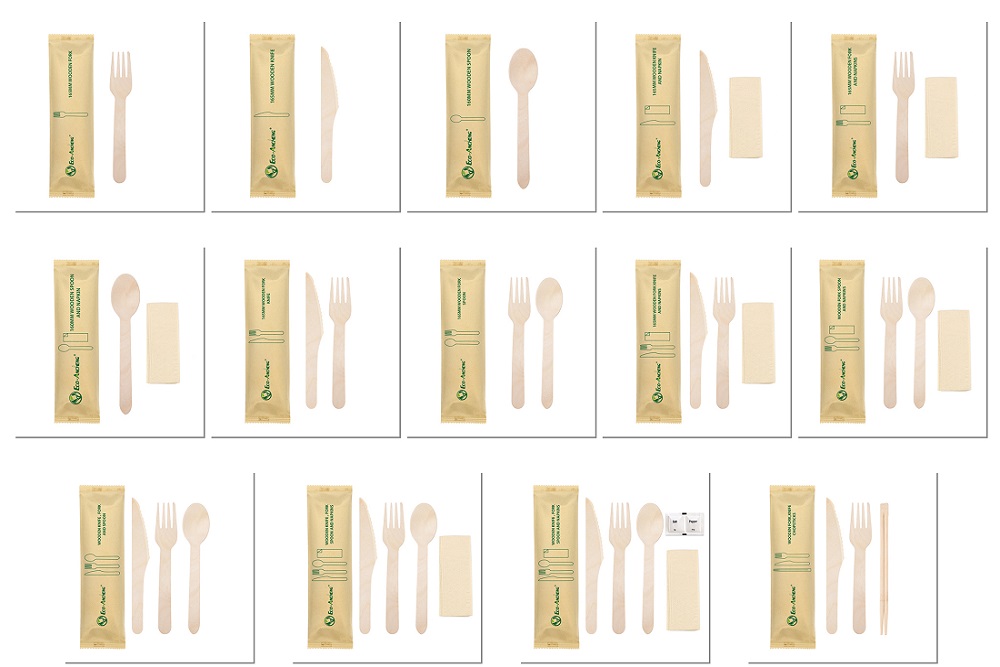
Learn how to recognize the quality of disposable flatware with our expert guide. Discover common types and key tips to select the best flatware for your needs. The demand for disposable flatware is growing fast. With this rise, businesses have plenty of opportunities, making it more important than ever to choose high-quality products. However, it is hard to find quality products due to the market being saturated with disposable flatware. To help you with the selection, we’ll explore how to recognize disposable flatware quality, its five different types, weigh their benefits and drawbacks, and provide expert tips on identifying quality disposable cutlery. Let’s begin! How do I Pick Quality Disposable Flatware? All disposable utensils are not created equal. To ensure quality flatware for your next event, we’ve highlighted some important factors to consider before finalizing your cutlery order. 1. Decide the Material and Purpose The first step in selecting the right flatware is to streamline your requirements and specifications. Select the material that not only meets the functional and safety requirements but also complements the theme of your event. For instance, if you are organizing an eco-conscious corporate event or a sustainable product launch, fiber-based or bioplastic flatware offers excellent sustainability and performance. On the other hand, for more formal events like weddings or corporate dinners, consider investing in disposable aluminum cutlery. 2. Go for Reputable Brands Once you have a material and purpose in mind, research the top providers of the best disposable cutlery. Shortlist manufacturers that have a reputation for environmentally friendly disposable tableware, high customer satisfaction, and experience working with big clients. One pro tip is to go for wholesalers instead of distributors; this will save you a ton of money. To assist you in the process, we’ve compiled a list of the top 10 disposable cutlery manufacturers in the world and their key offerings. Pick out your favorites and check their website for essential information, customer reviews, and ratings. 3. Request Product Samples Once you’ve shortlisted some manufacturers, contact them and inquire about the minimum order quantity (MOQ) for your desired product. Before placing a bulk order, it is wise to request some product samples to check the quality. Some disposable cutlery brands like Ancheng also offer free product samples. You need to be aware of these issues during your interactions with vendors. 4. Inspect the Surface Condition Once you have the product sample, inspect the surface. If the surface has tiny bumps or cracks, it is most likely made of low-grade materials. The ideal flatware should feel smooth to the touch, having no sharp edges or rough patches. 5. Look for Certifications and Labels To ensure sustainability, check for labels like Biodegradable Products Institute (BPI) - Certified, Compostable, or EN 13432. These labels confirm it can break down in a commercial compost facility without leaving harmful residues. Additionally, check for labels, ensuring consumer health and safety. Some common ones include BPA-free or FDA-approved. To help you dig deeper, we've put together a guide to certifications and standards for disposable tableware. 6. Conduct Tests Finally, test the durability and strength by performing some common tests and experiments, such as: Bend Test: Gently apply pressure to the handle of cutlery (such as a fork or spoon). A good quality utensil should withstand moderate force. Load test: Try cutting through a piece of meat or a hard piece of bread. Observe if the cutlery remains intact. Heat Resistance Test: Test your cutlery with hot foods or expose it to low heat and see if it gives a smell or results in melting or warping. What are the Signs of Poor Quality Disposable Tableware? With increasing awareness of potential health risks and environmental impacts of poor-quality materials, approximately 41% of consumers worldwide are now willing to pay a premium for products made from entirely organic or natural ingredients. Combined with the increasing demand and expanding market, which is projected to reach $22 billion by 2032, it is important to be aware of the different qualities of disposable tableware. This shift in preferences has made it more important than ever to identify poor-quality disposable tableware. Here are a few key indicators of poor-quality flatware: 1. Weak and Brittle Structure Low-quality disposable plates, cups, and cutlery are often made from flimsy plastic or other low-quality materials. Such utensils bend and break easily, especially with heavier or hot foods. 2. Rough or Uneven Surface Poor-quality dishware, such as some disposable spoons and forks, will often have a rough, uneven surface. This is due to the lack of proper coating or poor manufacturing, causing rough patches, uneven textures, or tiny bumps on the surface. 3. Strong Odor An unpleasant chemical odor, especially after heating or contact with hot foods, is another key indicator of low-grade materials. These smells can often indicate extremely harmful chemicals such as bisphenol A (BPA), phthalates, or Per- and Polyfluoroalkyl Substances (PFAS). 4. Warping or Melting Some disposable flatware, especially traditional plastic silverware, is more prone to warping or melting than others. Many low-quality disposable items are made from polystyrene or polyethylene, which have low heat tolerance. 5. No Certifications Disposable tableware that lacks recognized certifications or eco-friendly labels, such as BPA-free, compostable, or FDA (Food and Drug Administration)-approved, poses significant risks in terms of health, safety, and environmental impact. Different Types of Quality Disposable Flatware Disposable cutlery can come in several types, each having its own positives and negatives. As a business, it is crucial to differentiate quality flatware from poor one. In this section, we’ll discuss different types of disposable flatware, as well as their benefits and drawbacks. We’ll also share some key insights on identifying quality disposable utensils. 1. Traditional Plastic Flatware Plastic cutlery is made from petroleum-based plastics, primarily Polystyrene (PS) or Polypropylene (PP). It has been widely used for decades. However, rising concerns about its environmental impact and potential human risks have resulted in a shift towards sustainable alternatives. In terms of cost, plastic utensils and dishware are among the cheapest disposable cutlery options in the market. They are often used as wedding flatware for parties, as well as for takeout, delivery, and fast food orders. High-quality plastic utensils are smooth and rigid. Based on the material, PS or PP, plastic silverware can be brittle or slightly flexible, respectively. Ideally, plastic utensils should be odorless and strong. Plastic odor indicates low-grade materials or harmful chemicals. Pros a. Affordable b. Lightweight c. Available in various strengths Cons a. Not-biodegradable b. Health risks c. Difficult to recycle 2. Bioplastic Flatware Bioplastic flatware is made from renewable, plant-based resources such as cornstarch, sugarcane, or yeast, having Polylactic Acids (PLA) or Polyhydroxyalkanoates (PHAs) as their primary ingredients. Bioplastic cutlery offers an eco-friendly, composable alternative to traditional plastic cutlery, made from fossil fuels and difficult to decompose. Bioplastic utensils are often used by fast-casual restaurants and zero-waste business models. High-quality bioplastics should be smooth without any cracks or rough edges. They are mostly odorless or have a faint, sweet smell from plant materials. Pros a. Eco-friendly b. Compostable c. Non-toxic (suitable for direct contact with food) Cons a. Limited heat resistance (especially for PLA-based products) b. Require composting facilities c. Expensive than traditional plastic tableware 3. Fiber-Based Flatware Another eco-friendly alternative to traditional plastic utensils is fiber-based tableware. This type of cutlery is mostly made from natural plant fibers such as wood, bamboo, bagasse, wheat straw, and fiber pulp. Fiber-based tableware is biodegradable, making it a popular choice for eco-conscious consumers. Fiber-based utensils and dishware are often used in restaurants and catering, especially by sustainable dining establishments. High-quality fiber cutlery has a smooth, splinter-free surface, and it does not bend or break easily. Fiber-based utensils, especially wooden cutlery, have high heat resistance, making them safe for hot meals and drinks without releasing toxins. Pros a. High heat resistance b. Strong and durable c. Eco-friendly Cons a. Expensive than traditional plastic cutlery b. Single-use c. Limited long-term water resistance 4. Disposable Aluminium Flatware Disposable aluminum cutlery is yet another popular choice in the disposable cutlery market. Initially, aluminum foil and aluminum trays were more common for food packaging and baking, but recently, manufacturers began to use aluminum to create disposable cutlery, including forks, knives, spoons, and sporks. Although aluminum cutlery is not biodegradable, it is highly recyclable. It can be used multiple times without compromising quality. It is also stronger and more durable than plastic. Disposable aluminum flatware is now a common choice in weddings, corporate functions, airlines, etc. Quality disposable aluminum tableware has a shiny, reflective surface that resembles stainless steel. It shows no signs of warping when exposed to hot foods or liquids. It has a smooth, even surface with no sharp edges or cracks. Pros a. Durable and strong b. Recyclable c. High heat tolerance Cons a. Higher cost than plastic b. Limited availability and variety c. Not-biodegradable 5. Paper-Based Flatware Last but not least, we have paper-based flatware, an affordable, eco-friendly alternative to plastic cutlery. It is made from sustainable paper materials like kraft paper or recycled paper. Paper-based cutlery comes in various forms, from disposable spoons and forks to serving dishware. While paper-based dishware may not be as durable as plastic and can be unsuitable for heavy or greasy foods, it remains a popular choice among many. It is commonly used for fast food packaging, school events, and casual gatherings. To identify high-quality paper-based tableware, look for products with certifications stating compostability and biodegradability. Additionally, confirm the paper is sourced from recycled or sustainable materials. Pros a. Low-cost b. Eco-friendly c. Lightweight Cons a. Not suitable for heavy or greasy food items b. Limited durability c. Low aesthetic appeal Choose the Best Disposable Flatware for Your Needs Here are some available options for disposable flatware that you can choose based on your requirements: 1. Plastic Tableware If you’re looking for a lightweight, affordable, high-quality disposable tableware option, heavy-duty plastic silverware is the way to go. 2. Fiber-Based Tableware If you are an eco-conscious brand that promotes both sustainability and style, wooden or bamboo utensils are a perfect fit. These products offer both compostability and biodegradability with a variety of design options. 3. Bioplastic Tableware If you want a plant-based alternative that balances sustainability, functionality, and modern trends, bioplastic flatware is the ideal choice. Specifically, Crystallized Polylactic Acid (CPLA) cutlery is an excellent option. 4. Aluminium Tableware If you need something that feels premium and is reusable, consider aluminum disposable flatware. Although more expensive than other options, it offers a sleek appearance and high-quality look. 5. Paper Tableware For an affordable, eco-friendly option for casual or short-term events, like birthday parties and picnics, paper-based tableware is a great choice. Paper is also a popular choice for eco-conscious gatherings or fairs. Conclusion In this comprehensive guide, we have discussed how to differentiate quality flatware from low-grade options. We’ve also covered common types of disposable flatware, along with their pros, cons, and applications. Now that you are familiar with all the key considerations for selecting disposable flatware, you’re all set to place your order for your next event. Get High-Quality Disposable Flatware with Ancheng! Ancheng is a leading manufacturer of eco-friendly disposable flatware specializing in bamboo and wooden utensils. The company has a global reputation for delivering certified high-quality tableware to market-leading businesses worldwide. With over 20 years of expertise, Ancheng offers 200+ designs for wooden and bamboo cutlery, straws, plates, stirrers, and much more, all made from sustainably sourced birch wood and bamboo. Get free samples before committing to a full order. To find the best disposable flatware for your business, contact us now!
2025-02-21
A short description of related information goes in here ...
A short description of related information goes in here ...

Factory: Qian Renqiao Industrial Park, Shucheng County, Luan City, Anhui Province, China
Office: Building 11, Max Science Park, Shushan Dist, Hefei, Anhui, China
Copyright ©2026 Anhui Ancheng Bamboo and Wood Tableware Co., Ltd. Privacy Policy


 Index
Index Product
 Resources
 About
About