Prepare to celebrate Earth Day 2025 with eco-friendly cutlery, utensils, and tableware. Make your step to preserve the planet for future generations.
Earth Day is a globally celebrated annual event on April 22 for environmental protection since 1970. Now, we approach Earth Day 2025, featuring the 'Our Power, Our Planet' theme. And the urgency to reduce the devastating burden on this planet continues to rise with exaggerated activities.
(The slogan for Earth Day 2026 remains unchanged; we have provided new guidelines based on the latest developments.)
Our planet is confronting problems like global warming and plastic pollution at unprecedented scales. Still, we can make a positive impact by helping nature gain its balance by pledging certain actions. Choosing sustainable cutlery, compostable tableware, or biodegradable utensils can mark an easy start.
a. Global Warming – The planet's overall temperature has risen 1.2°C since pre-industrial times. The past year, as well as the past decade, set a new record for being the hottest on record. (NASA)
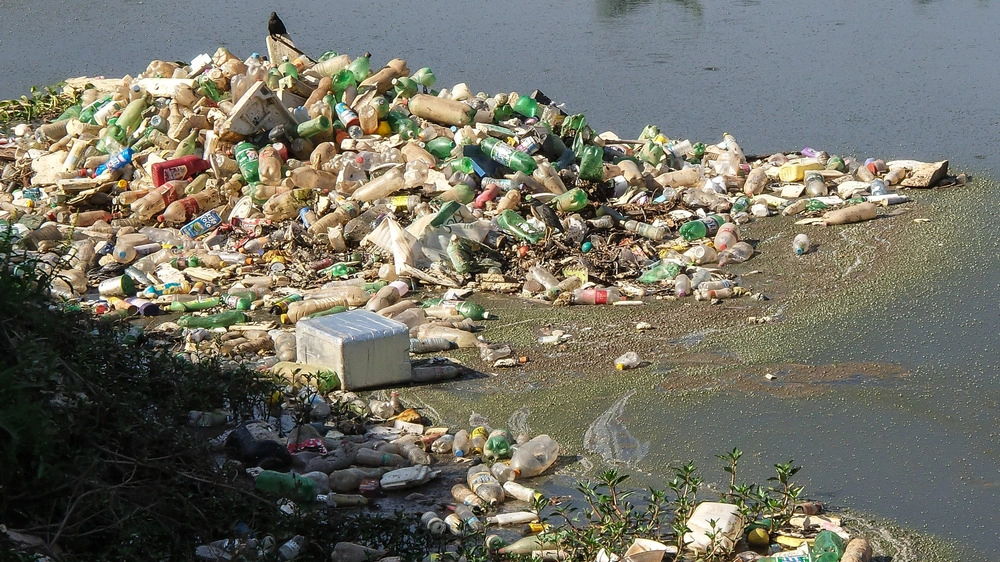
b. Plastic Pollution – Around 8 million metric tons of plastic waste enter the ocean annually. They continue to threaten and harm the marine ecosystem to a significant extent. (National Geographic)
c. Deforestation – The world has been losing about 10 million hectares of forest every year. It contributes to a massive loss of biodiversity while worsening climate change. (Food and Agriculture Organization)
d. Air Pollution – Around 90% of the global population now lives in areas with consistently unhealthy air quality. It leads to many premature deaths as well as long-term diseases. (World Health Organization)
These stats are more like the tip of the iceberg, simply highlighting the immensely growing burden on our planet. Earth Day reminds everyone of what's going on and what should be done every year.
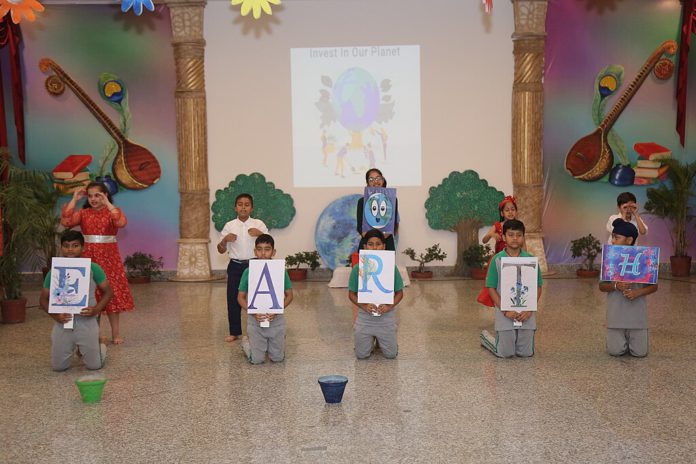
Earth Day can make the public aware of issues that don't get enough attention. The event acts as a platform to spotlight Earth's most pressing problems.
The day presents an opportunity to promote sustainable practices across people and businesses. It reminds us that every act, no matter how small, can make a difference in preserving the planet.
The global event sees participation from millions worldwide. The collective power of such a move can lead to substantial changes in the protective approach.
Earth Day is also a catalyst for tangible actions and policy changes for environmental protection. It often prompts governments to adopt more aggressive environmental policies.
Concerns like climate change, water scarcity, deforestation, and biodiversity loss are all interconnected. Addressing one properly mostly means confronting the other issues simultaneously without remorse.
In recent years, there has been a massive rise in the education of young people about sustainability. Future generations are getting equipped with the knowledge and motivation to protect the planet.

Transitioning from fossil fuels to renewable energy sources (solar, wind, hydroelectric power) is crucial. Using energy-efficient appliances promotes energy conservation at home, businesses, and industries.
Encouraging plant-based proteins, lab-grown meat, and insect proteins cuts down on greenhouse gas emissions. Sustainable farming practices (agroforestry, crop rotation, and organic farming) preserve soil while reducing carbon footprints.
Improved recycling supports the reduction of plastic and other non-biodegradable waste. Less use of plastic bottles, bags, and packaging occurs by switching to reusable alternatives. Businesses adopt a circular economy by reusing, refurbishing, or recycling products.
Less water consumption ensures the preservation of this valuable resource for future generations. Installing water-saving appliances and fixtures in households, businesses, and industries can help significantly.
Invest in clean techs like clean energy, waste management, or water purification. Consider constructing and/or retrofitting buildings using sustainable materials and energy-efficient systems.
Promote a carbon-emission-offsetting program through tree planting and/or renewable energy projects. Also, look into verified carbon offset programs that directly reduce greenhouse gas emissions.
Businesses should adopt eco-friendly practices as CSR (Corporate Social Responsibility) initiatives. Companies need to focus on less waste, lower emissions, and usage in the manufacturing processes.
Ancheng team celebrates Earth Day by cleaning up the park.
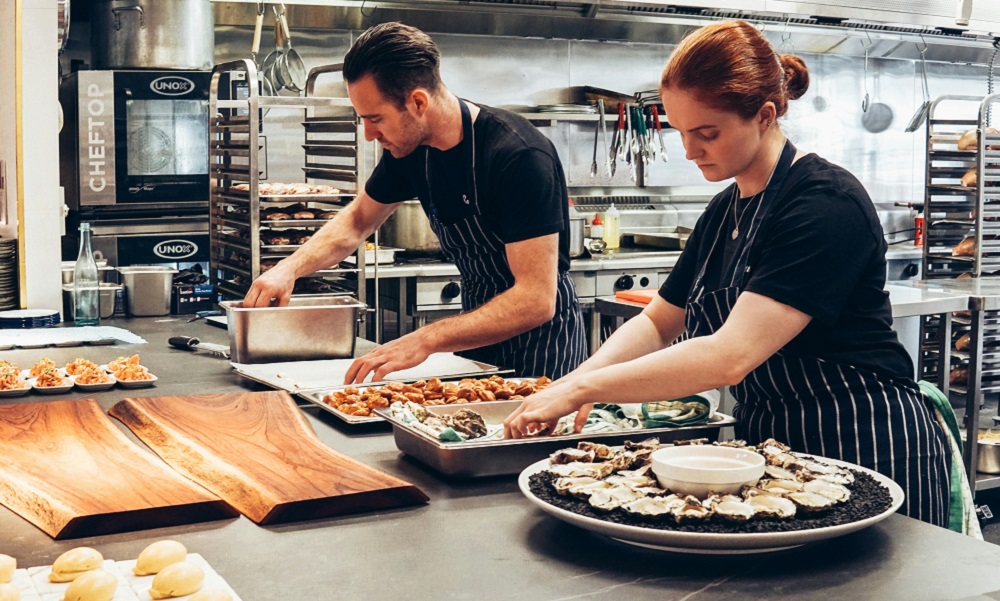
Sustainable catering not only reduces operating costs but also improves brand image.
This directly impacts the environmental footprint of the food served at events, gatherings, and even in-flight meals. This measure reduces food waste while ensuring that food is free of harmful chemicals. Some ways to approach –
Seasonal and local sourcing.
Reduction of food waste.
Substituting ingredient-rich foods.
Sustainable products refer to the ingredients used in the food and the materials involved in serving and packaging. Cutlery made from non-biodegradable materials, such as plastic, takes hundreds of years to break down and contains chemicals such as PFAS and BPA that can cause irreversible damage when they enter the body. Using tableware and serving utensils made from natural and organic materials solves both of these problems.
Biodegradable or compostable tableware.
Sustainable food packaging.
Eco-friendly catering equipment/items.
Adopting renewable energy sources aligns with the 2025 theme. It reduces the carbon footprint of catering services (large events or airlines).
Solar power for outdoor catering.
Electric vehicles (EVs) for transportation.
Green energy for the operations.
Encourage clients to incorporate more plant-based options into their menus. Plant-based foods require fewer resources (land, water, and energy).
Plant-based menus.
Menu customization.
Consider partnering with other sustainable service providers to arrange/organize/promote events and operations.
Eco-conscious vendors or partners.
Carbon minimizing/offsetting tasks.
Creating a sustainable event goes beyond the food menu for event organizers. It encompasses all aspects of the event, from materials used to overall space design.
Zero-waste events/programs.
Eco-friendly venue selection.

The catering industry covers a large portion of harmful plastics. Such cutlery, tableware, and utensils exert a highly negative environmental impact.
a) Single-use plastic utensils, straws, or plates decompose over many years, causing long-term damage.
b) Plastic debris in the land and ocean breaks down into microplastics to infiltrate the natural food chain.
c) Plastic waste accumulates in landfills, causing land degradation and the release of harmful chemicals.
That's why switching to more sustainable alternatives continues to gain momentum across the industry. Compostable, biodegradable, and/or disposable cutlery and tableware offer a viable solution.
1. Biodegradable Products – They break down naturally over time upon air, moisture, or bacterial exposure. Cutlery from plant-based materials like cornstarch, bamboo, or bagasse decomposes within 60 to 90 days in a composting environment.
2. Compostable Cutlery and Tableware – They can be processed into compost to enrich the soil with organic matter rather than contributing to landfill waste. PLA (Polylactic Acid)-based utensils/plates can be turned from waste into nutrient-rich composts.
3. Renewable Resources – Many compostable/biodegradable items are made from renewable resources (bamboo, corn, sugarcane). Bamboo grows rapidly (about 39 inches in a day). Using it for cutlery reduces the deforestation required for mass plastic production.
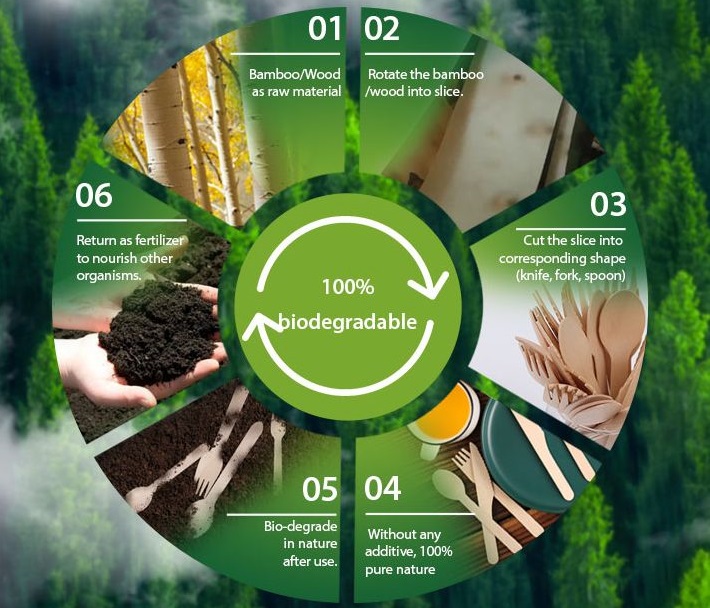
One of the foremost positives concerns the reduction of waste while diverting materials from landfills. Composting tableware means transforming waste into a valuable soil-enriching resource. Enhanced soil health, increased water retention, and fewer chemical fertilizers directly support sustainable agriculture.
Unlike plastics, biodegradable cutlery breaks down faster when exposed to water. Eco-friendly bags and cutlery from plant-based polymers are more likely to decompose in aquatic systems. The decomposition of disposable utensils actually contributes to natural organic component levels.
Switching to compostable, biodegradable, and disposable alternatives promotes sustainable practices. It also supports companies that prioritize natural protection. Introducing compostable/biodegradable tableware and cutlery lets businesses align themselves with global sustainability goals.
The 2025's theme feels more oriented towards renewable/green energy. It's an excellent opportunity for businesses and brands to introduce products without burning fossil fuels. Restaurants, cafés, and coffee shops can host events and campaigns to encourage individuals and other businesses to switch.
1. What is the best sustainable material for catering businesses?
Bamboo and bagasse are the best sustainable materials. They balance affordability, durability, and biodegradability. Palm leaf and cornstarch (PLA) products work well for disposable tableware. Stainless steel, as well as recyclable plastics, have the upper hand for reuse.
2. What are the health benefits of using sustainable cutlery?
Sustainable cutlery, made from all-natural materials, features minimal chemical intervention. More specifically, they don't contain harmful chemicals like BPA in everyday plastics. This makes it safer and healthier for commercial food-serving purposes.
3. How does sustainable tableware help conserve resources?
Choosing sustainable tableware means you're actively reducing the demand for single-use plastic. It conserves the petroleum and other resources required for mass plastic production. All-natural alternatives, especially bamboo and bagasse, take much less energy.
4. Are sustainable alternatives more expensive than regular plastic?
The initial investment may seem somewhat higher, but it's definitely worth the effort. The long-term value is always greater as they can be reused or composted. Therefore, you're reducing overall waste management costs along with environmental damage.
Earth Day is a reminder of our responsibility to protect and preserve the planet for the future. It's no longer just a day of observance. Instead, the occasion feels more like a call to action for everyone toward a sustainable future. All-natural consumption, especially in the catering industry, helps reduce the negative aspects to a reasonable extent. You can join the movement against plastic pollution by adopting sustainable solutions for your business. ANCHENG is ready to become your trusted partner while embracing eco-friendly cutlery for business purposes.
No more hesitation about switching to eco-friendly products for your businesses. It's time to pledge your commitment to a better, safer, and greater future. Ancheng has always been committed to sustainable production activities while helping customers use environmentally friendly and affordable tableware. Our signature bamboo and wood cutlery sets, and the popular plates have won rave reviews from customers all over the world. Contact us for expert suggestions on how to reduce the burden on Earth with sustainable tableware.

Hello, I'm Sven Wang, the Manager of Ancheng. With extensive expertise in raw materials and production processes, I'm dedicated to advancing sustainable tableware and constantly improving eco-friendly options for the modern catering industry. You can trust that Ancheng is committed to providing the highest quality. Welcome!

Factory: Qian Renqiao Industrial Park, Shucheng County, Luan City, Anhui Province, China
Office: Building 11, Max Science Park, Shushan Dist, Hefei, Anhui, China
Copyright ©2026 Anhui Ancheng Bamboo and Wood Tableware Co., Ltd. Privacy Policy




 Index
Index Product
 Resources
 About
About