Forks are simple utensils, yet they are a key part of the dining experience. The right fork can make a meal feel special, whether it’s a hearty main course or a light salad.
In restaurants, each type of fork is designed for a specific purpose. A dinner fork is sturdy and perfect for large meals, while a salad fork is smaller and gentler on greens. Specialty forks like seafood or oyster forks are carefully made to handle delicate foods without damage.
For restaurant owners and managers, choosing the right fork is essential for both style and function. The design and material of a fork, whether metal, bamboo, or wood, affect its performance and appearance. A well-made fork improves the presentation of a dish while enhancing the overall dining experience for customers.
Let’s explore different types of dining forks and discuss their shapes, functions, and the materials used in their construction. Our goal is to provide clear, practical information that helps you decide which forks best suit your restaurant’s needs.
In any restaurant or dining setting, using the right fork makes a big difference. Different forks are designed for specific foods and serve distinct functions. Let’s take a closer look at some of the most common types of forks.
The dinner fork is a standard piece in any table setting. It is sturdy and versatile, perfect for most main course dishes. Its balanced design makes it a favorite in casual and formal restaurants.
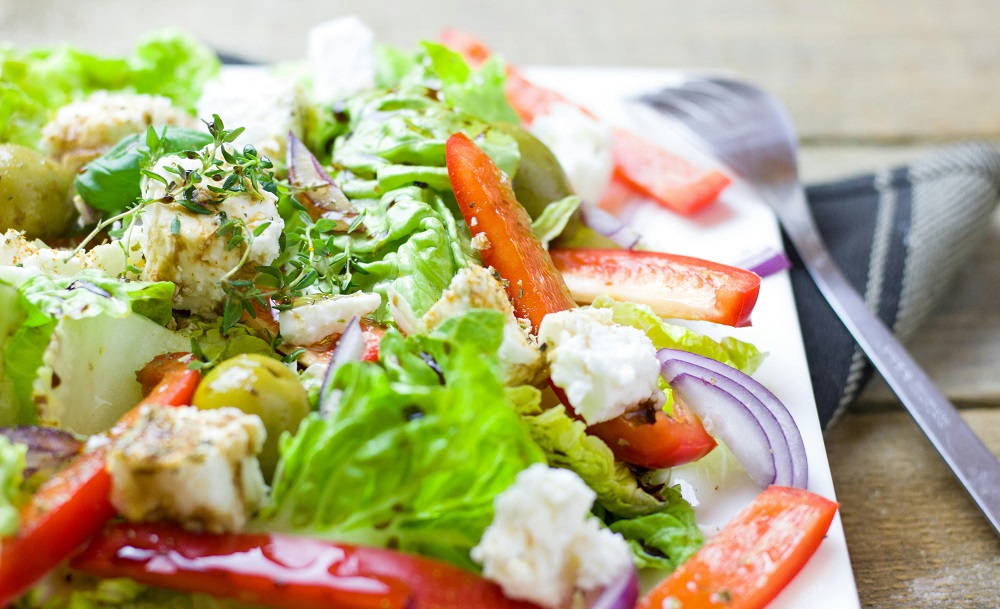
Often smaller than the dinner fork, the salad fork is designed to handle delicate greens and light appetizers. If you ever wonder, "Which one is the salad fork?" it is usually the smaller fork placed to the left of the dinner fork. Its tapered shape makes it easier to pick up leaves and small salad portions.
Size: 6–7 inches (15–18 cm); usually 3–4 tines.
Materials: Stainless steel, lightweight metal, bamboo or resin handles.
Features: Shorter head, sharper and narrower tines to pierce leafy vegetables.
Uses: Salads, starters, cold vegetable dishes.
Restaurant Tips:
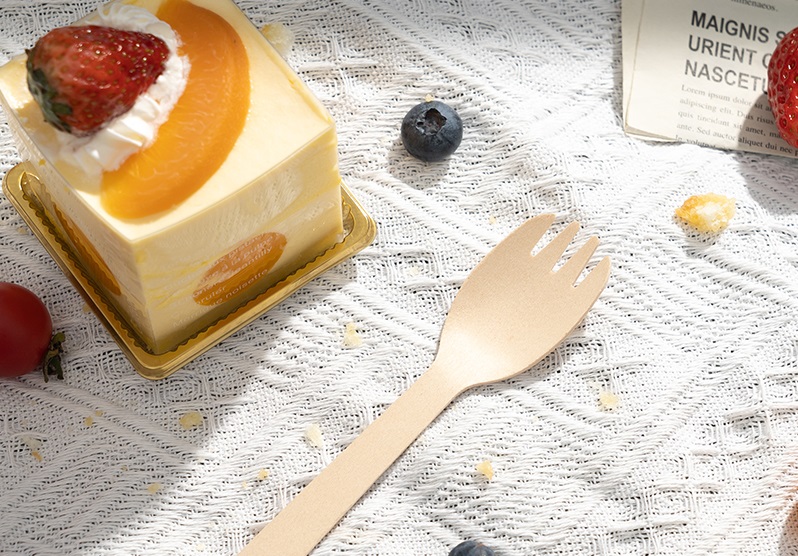
The dessert fork is lighter and often has a more refined design. It is made to work well with soft desserts and light pastries. While not as heavy-duty as a dinner fork, its design is perfect for finishing off a meal with a sweet touch.
Size: 5.5–7 inches (14–18 cm).
Features: Often 3 tines; one outer tine is widened and sometimes slightly serrated for cutting soft pastries. It pairs easily with dessert spoons.
Uses: Cakes, pies, tarts, pastries, small desserts.
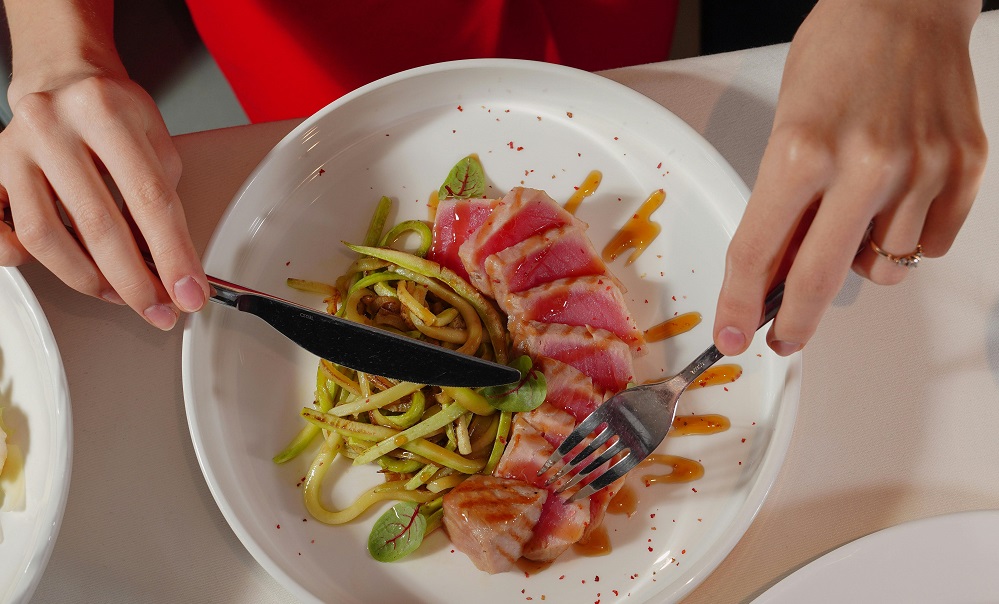
This fork usually features longer tines and a stronger build to handle tougher cuts of meat. Its design allows diners to cut through meat easily. When looking at fork tines, this type is known for its precision and durability.
Typical size: 20–22 cm (8–9 in)
Shape: Four sharp, narrow tines for piercing dense meat cuts
Features: Thicker handle and reinforced neck for added leverage
Usage: Ideal for steakhouse service or grilled meats
Tips: Pair with matching steak knives for a professional presentation.
A fish fork is designed specifically for eating delicate fish dishes. Its shape helps diners separate soft fish flesh from small bones with minimal effort, making it ideal for seafood-focused menus.
Size: Around 7 inches (18 cm).
Materials: Stainless steel, silver-plated.
Features: Typically 3 or 4 tines; outer tine may be broadened to help separate fish flesh from small bones.
Uses: Grilled, steamed, or pan-seared fish dishes.
Restaurant Tips:
Seafood forks, including oysters, fish, and crab forks, are made for specific types of dishes. The oyster fork, in particular, requires precision because its small size and fine tines are designed to handle delicate shellfish. They are not easily replaced by disposable options due to their specific function.
Size: 4.5–5.5 inches (11–14 cm); small and narrow.
Materials: Stainless steel, silver-plated.
Features: Usually 3 short tines designed to extract meat from shells.
Uses: Oysters, mussels, clams, crab meat, shrimp cocktails.

A pasta fork is often used for twirling noodles. Its design might include a slightly curved shape that helps gather strands of pasta efficiently. This fork is an example of a tool designed with a unique function in mind.
A serving fork is used for portioning and transferring food from platters to individual plates. It is a key utensil for buffets, banquets, and family-style dining.
Size: 8–10 inches (20–25 cm).
Materials: Heavy-duty stainless steel, metal composites.
Features: Often 2–4 wide tines; long handle for reaching into platters and trays.
Uses: Buffets, banquets, shared dishes, charcuterie boards.
A cocktail fork is a small, elegant utensil used for spearing garnishes, small appetizers, and cocktail foods such as olives, shrimp, or pickled vegetables.
Size: 4–5 inches (10–13 cm).
Materials: Stainless steel, silver-plated, bamboo or wood.
Features: Small, elegant fork with 2–3 tines for spearing small foods.
Uses: Olives, pickles, canapés, shrimp cocktails, pickled vegetables.
Restaurant Tips:
A fruit fork is designed for eating fruit-based dishes such as fruit salads, dessert platters, and afternoon tea servings. It offers better control when cutting or spearing softer fruits.
Size: 5–6 inches (12–15 cm).
Materials: Stainless steel, resin or bamboo handles.
Features: Usually 3 sharp tines designed to pierce fruit easily.
Uses: Fruit platters, fruit cups, dessert fruits.
Restaurant Tips:
A cheese fork is a specialized utensil used in cheese platters. Its sharp prongs help diners lift, separate, or serve firm or semi-hard cheeses.
Size: 6–7 inches (15–18 cm).
Features: Often 2 strong tines; can be flat-bladed for slicing semi-hard cheeses.
Uses: Cheese platters, wine-pairing menus, charcuterie boards.
A children’s fork is a small, safe, and easy-to-hold utensil made for young diners. It improves comfort and safety for families dining with children.
Size: 4.5–5.5 inches (11–14 cm).
Materials: BPA-free plastic, rounded stainless steel, bamboo.
Features: Short, rounded, safe tines; thicker handle for a better grip.
Uses: Kids’ meals, child-friendly dining environments.
Restaurant Tips:
Other forks include baby forks for children, wooden forks, and bamboo forks, which offer eco-friendly alternatives for restaurants. These alternatives not only bring a natural look to the table but are also biodegradable. The bamboo fork and wooden fork are popular among businesses that value sustainable practices. Some designs even merge the concept of fork, knife spoon sets, offering multifunctional dining tools.
Each fork plays a role in creating a memorable dining experience. For instance, a high-quality metal fork provides a sense of reliability and precision, while eco-friendly options like the wooden fork or bamboo fork speak to a business's commitment to sustainability. Including a mix of these forks in your restaurant enhances presentation while meeting various dining needs.
Proper fork etiquette is key to a smooth dining experience in any restaurant. Knowing the correct order and method for using forks can enhance customer satisfaction and reflect well on your establishment.
When setting a table, forks are typically placed to the left of the plate. The standard dinner fork sits closest to the plate, while the salad fork is placed to its left. In formal settings, additional forks like the seafood fork or dessert fork may be added in the order of their use—working from the outer edge inward as the meal progresses.
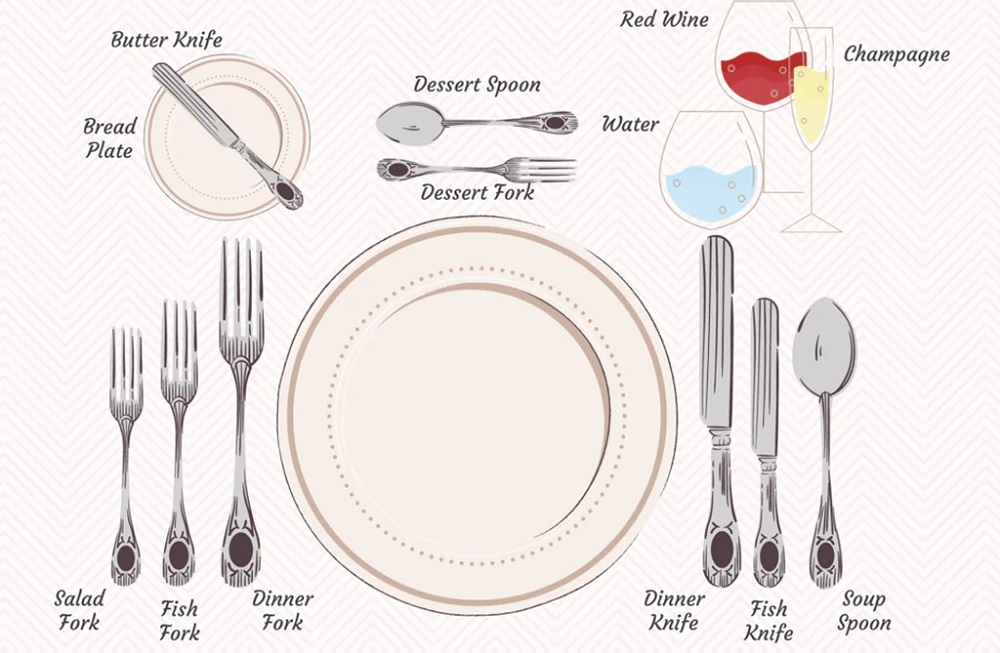
source: shriandsam
For everyday dining, customers usually start with the outermost fork for the first course and move inward for subsequent courses. For instance, you might use a salad fork for an appetizer and then switch to a dinner fork for the main course. In formal meals, the order might include a meat or steak fork and later a dessert fork. This order helps guide diners through a seamless transition between courses.
Restaurants can use simple bullet points to remind staff and guests of the correct etiquette:
a. Left Placement: Always place forks to the left of the plate.
b. Order of Use: Start with the outermost fork and work your way inward.
c. Specialty Forks: Use designated forks (e.g., seafood forks) only when the dish calls for it.
Simple instructions help maintain a consistent dining experience. Clear labeling or even a small diagram on a menu can remind guests about the proper use of each fork.
This attention to detail ensures that every dish is enjoyed in the best possible way, enhancing the overall impression of your restaurant’s service.
In busy restaurants and casual dining settings, disposable forks offer clear benefits. They are easy to use, reduce cleanup time, and can cut costs when used in bulk. Many businesses, especially those with high table turnover or outdoor catering services, use disposable cutlery as a practical solution. However, not every fork can be replaced by a disposable option.
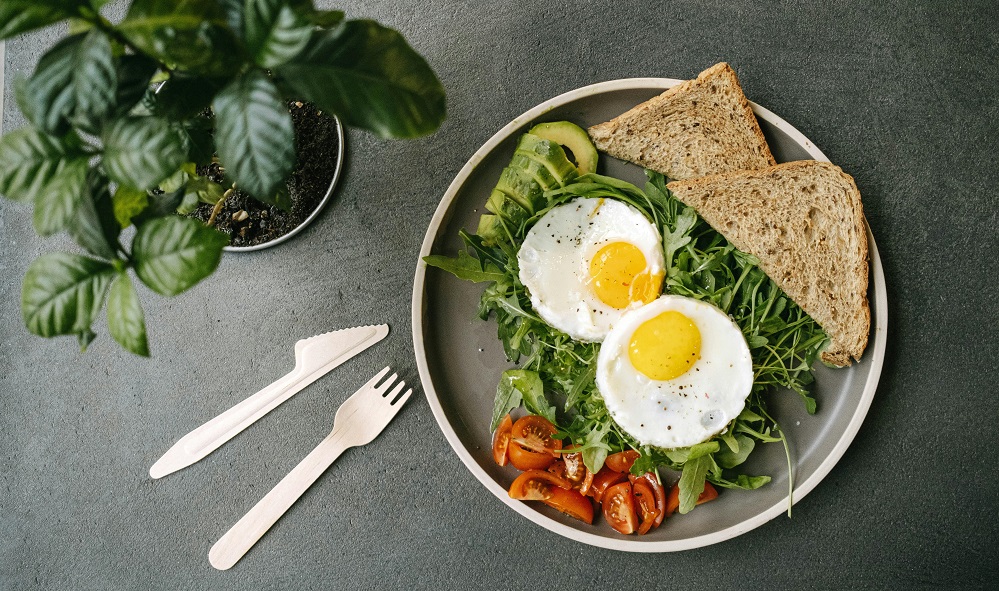
Disposable utensils, including disposable forks, provide a quick and hygienic alternative to traditional cutlery. They are often made of plastic, bamboo, or wood and can be purchased in large quantities as bulk forks. This makes them ideal for takeaway services, large events, and casual dining where cleaning and maintenance of reusable forks would be challenging.
Compostable forks and disposable silverware are also available for those who want to combine convenience with environmental responsibility. For example, bamboo disposable forks offer an eco-friendly look while still providing ease of use.
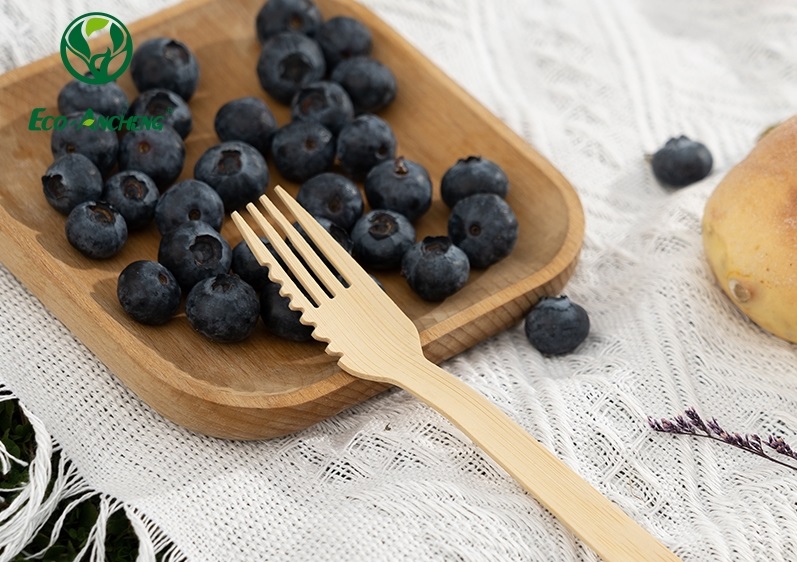
Despite their convenience, disposable forks have limitations. Some types of forks, like seafood or oyster forks, require precision and strength that disposable options often cannot match. A seafood fork’s fine tines are designed to handle delicate shellfish without crushing them, a task that many disposable forks may not perform well.
Similarly, a pasta fork needs a specific curve and sturdiness to twirl noodles properly—features that can be hard to replicate in low-cost, single-use items. Additionally, using disposable cutlery in a high-end restaurant might diminish the dining experience, where customers expect premium quality utensils.
When considering disposable options, material matters. Plastic disposable forks are common, but they can sometimes feel flimsy and may not offer the durability required for all dishes.
Wooden and bamboo disposable forks, on the other hand, provide a more robust feel and a natural aesthetic, making them a good match for eco-friendly restaurants. They also reflect a commitment to sustainability without sacrificing too much on function.
However, even these alternatives may fall short when it comes to the delicate balance and precise design needed for specialty forks like the seafood fork or pasta fork.
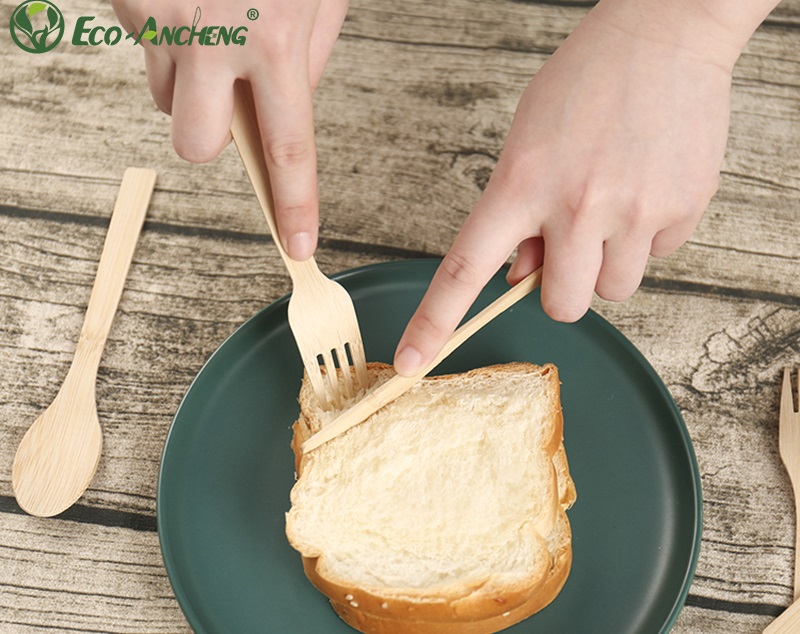
1. Use Case: For casual dining, outdoor events, or fast-service settings, disposable forks work well.
2. Precision Needs: In formal dining or when handling delicate foods like oysters and crab, traditional reusable forks are a better choice.
3. Cost vs. Experience: While disposable cutlery is cost-effective, it may not always support the high-quality dining experience your customers expect.
While disposable utensils such as compostable forks and bulk forks provide many benefits in terms of convenience and cost savings, they cannot fully replace the quality and functionality of traditional metal or premium bamboo and wooden forks in all situations.
1. What happens when you put a fork in the microwave?
It is not safe to put a metal fork in the microwave. The metal can cause sparks or even start a fire. Tableware made of materials such as wood and bamboo needs to be controlled over time. Before putting it in the microwave, be sure to check the logo on the tableware. Always use microwave-safe utensils when heating food.
2. Which fork should I use for salads versus seafood?
For salads, choose a smaller, tapered salad fork that is gentle on delicate greens. For seafood dishes, use a seafood or oyster fork with fine tines that can handle shellfish without causing damage. Each fork is designed with a specific function in mind, so selecting the right one enhances both the dining experience and the food’s presentation.
3. What happens if you stick a fork in a toaster?
Sticking a fork in a toaster is very dangerous. It can cause electrical shock, damage the appliance, or even start a fire. Never insert any metal object into a toaster.
4. How do I choose between a wooden fork and a bamboo fork?
Both wooden and bamboo forks offer an eco-friendly choice. Bamboo forks are usually lighter and have a modern look, while wooden forks tend to be sturdier. Your choice depends on the style and practical needs of your restaurant.
Each fork type, from the sturdy dinner fork to the delicate seafood fork, has a specific design and function that supports the quality and presentation of your dishes. Using the proper fork can improve the taste of the meal as well as overall customer satisfaction.
While disposable forks, such as compostable options or bulk forks, sometimes cannot match the precision and strength required by specialty forks, they offer convenience and cost savings in casual dining or takeaway services.
By paying attention to little details, restaurant owners can ensure that every meal is served with the right tool, helping to build a positive dining experience that customers will remember. For more detailed information and guidance on selecting the best cutlery for your business, please explore additional resources on our website.
If you are looking to enhance your restaurant’s dining experience with quality tableware, Ancheng is here to help. Our extensive range includes everything from cutlery sets and plates to specialized forks. Cooperating with professional customized services can meet all your catering service needs.
Our commitment to quality is proven by rigorous testing and certifications, including LFGB, EU, and FDA testing. Check our Certification page to see our quality standards
Contact us today for more information or to get started!

Hello, I'm Sven Wang, the Manager of Ancheng. With extensive expertise in raw materials and production processes, I'm dedicated to advancing sustainable tableware and constantly improving eco-friendly options for the modern catering industry. You can trust that Ancheng is committed to providing the highest quality. Welcome!

Factory: Qian Renqiao Industrial Park, Shucheng County, Luan City, Anhui Province, China
Office: Building 11, Max Science Park, Shushan Dist, Hefei, Anhui, China
Copyright ©2026 Anhui Ancheng Bamboo and Wood Tableware Co., Ltd. Privacy Policy


 Index
Index Product
 Resources
 About
About