Explore sustainable disposal methods for disposable plates and learn how to align your business with global eco-friendly regulations for success.
Proper disposal and sustainable management of disposable plates have become essential for businesses in today’s rapidly evolving market. With increasing global restrictions on single-use products and a shift toward eco friendly disposable plates, companies must adapt to ensure their practices meet environmental regulations.
Let’s explore effective disposal methods for various types of disposable plates—from disposable plastic plates to bamboo disposable plates and compostable options.
Disposable plates have grown in popularity due to their convenience in various industries, but they now face stricter disposal standards amid rising environmental concerns. Understanding the current global regulatory landscape is crucial for businesses using disposable dinner plates, fancy disposable plates, or heavy duty disposable plates.
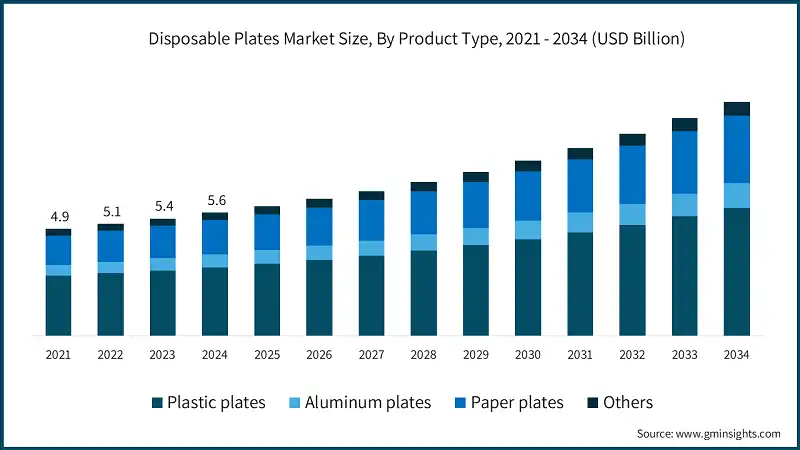
source: Global Market Insights
Disposable tableware, including biodegradable plates and disposable plastic plates, emerged as a quick solution to serve large volumes efficiently.
However, increased awareness of environmental impacts has spurred the development of more sustainable alternatives—such as compostable plates and bamboo disposable plates—while also driving demand for recyclable and biodegradable plates and utensils.
Recent legislation across various regions is reshaping the disposal methods of single-use products:
a. California Regulations: By 2032, California mandates that all disposable packaging and plastic tableware must be recyclable or compostable, with at least 65% of plastic packaging recycled. Moreover, compostable products need to meet standards such as ASTM D6400-19, ensuring that they are 90% biodegradable within 60 days. This regulatory framework drives businesses to adopt sustainable solutions like industrial compostable and home compostable options for their waste management practices.
b. European Initiatives (PPWR): Starting in 2025, Europe’s Packaging and Packaging Waste Regulation (PPWR) will require a specific percentage of recycled content in packaging. The focus is on boosting the recyclability and sustainability of disposable plates, encouraging manufacturers to incorporate recycled materials in their production processes.
c. Extended Producer Responsibility (EPR): Under EPR policies, manufacturers are held accountable for the entire life cycle of their products. This incentivizes the design of more sustainable, compostable disposable plates and the adoption of recycling and industrial composting practices.

For businesses, these regulations mean rethinking waste management strategies and adapting to new disposal requirements. Compliance represents an opportunity to enhance brand reputation and operational efficiency by:
a. Transitioning to compostable plates and biodegradable dinner plates that meet stringent standards.
b. Implementing effective waste separation systems to manage compartment plates disposable.
c. Partnering with certified waste management services for recycling and composting, ensuring adherence to both local and international guidelines.
Disposable plates come in a variety of materials, each with its own set of advantages and challenges when it comes to disposal and environmental impact. Understanding these differences is essential for businesses seeking eco friendly disposable plates and striving to meet regulatory requirements.
Disposable plastic plates are widely used due to their durability and low cost. However, their long degradation time and environmental persistence pose significant challenges.
While they offer the convenience of heavy duty disposable plates for commercial settings, plastic’s resistance to decomposition means that without proper recycling systems, these plates contribute to landfill overflow and pollution.
Paper plates are often seen as a more sustainable alternative because they are recyclable. Yet, the production of paper plates can be resource-intensive, consuming considerable energy and raw materials.
In some cases, the recycling process is complicated by food residues, which requires careful sorting and cleaning. Even though paper plates provide a practical solution for disposable dinner plates, their environmental benefits depend largely on the efficiency of local recycling programs.
Biodegradable and compostable plates have gained traction as the demand for sustainable tableware grows. These plates, which include compostable disposable plates and biodegradable plates and utensils, are designed to break down under the right conditions.
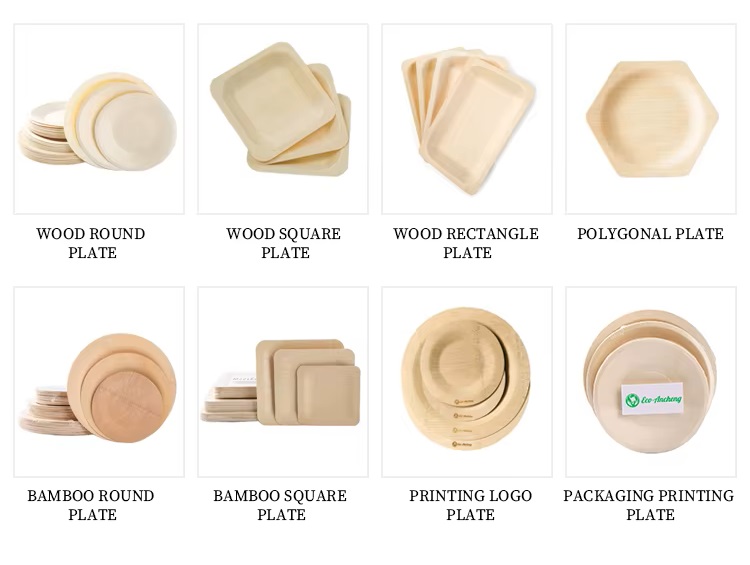
Bamboo disposable plates and wooden tableware offer a naturally sustainable option that aligns with the growing emphasis on environmental stewardship.
These products are biodegradable and also sourced from renewable materials, with many products bearing certifications like LFGB, EU, and FDA. The natural biodegradability and aesthetic appeal of bamboo disposable plates make them popular among businesses aiming to offer a premium and eco-friendly dining experience.
When comparing these materials, businesses must consider factors such as durability, environmental impact, and ease of disposal. Disposable plastic plates, while robust, tend to persist in the environment, unlike paper plates, which may be recycled if properly managed.
Biodegradable and compostable plates offer an optimal balance for those looking to reduce environmental footprints, provided that waste management systems are in place. Bamboo and wooden plates stand out as sustainable alternatives that minimize environmental harm and align with market trends toward premium, eco friendly disposable plates.
Effective disposal of disposable plates is crucial in meeting evolving global regulations and ensuring sustainable waste management practices. The approach varies significantly depending on the material, requiring businesses to implement tailored strategies that range from basic sorting to advanced recycling and composting processes.
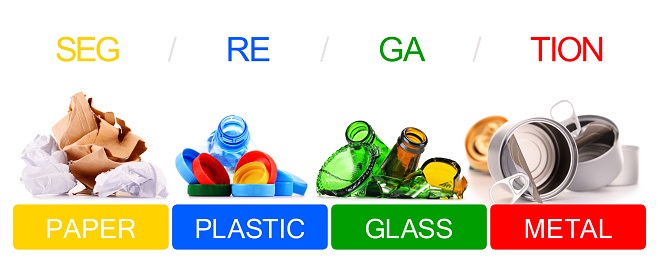
A critical first step is to correctly classify and segregate waste. Businesses should set up dedicated waste separation stations to distinguish between materials such as disposable plastic plates, paper plates, biodegradable plates, and bamboo or wooden plates.
This sorting process ensures that each category is directed to the appropriate recycling or composting facility. Proper waste segregation not only simplifies the disposal process but also helps businesses comply with local regulations and avoid fines related to non-compliance.
Recycling methods vary by material. For disposable plastic plates, recycling involves breaking down the plastics into reusable components; however, this process can be challenging due to contamination and the mixed types of plastics used.
Paper plates, once free of food residue, can be processed through standard paper recycling streams, albeit with varying efficiencies. Businesses should work closely with certified recycling partners to understand the local recycling guidelines and ensure that their waste management practices align with the latest industry standards.
Composting presents an effective disposal method for biodegradable and compostable plates. Depending on the plate's design and material composition, there are several pathways:
a. Industrial Composting: Requires controlled environments where temperature, moisture, and microbial activity are managed to ensure rapid decomposition. This method is ideal for large volumes of compostable plates that meet standards like ASTM D6400-19.
b. Home or Commercial Composting: Smaller scale composting systems that are accessible to local businesses or community initiatives. These processes often need longer time frames and regular monitoring to ensure effective breakdown.
Further differentiate between industrial composting and home composting.
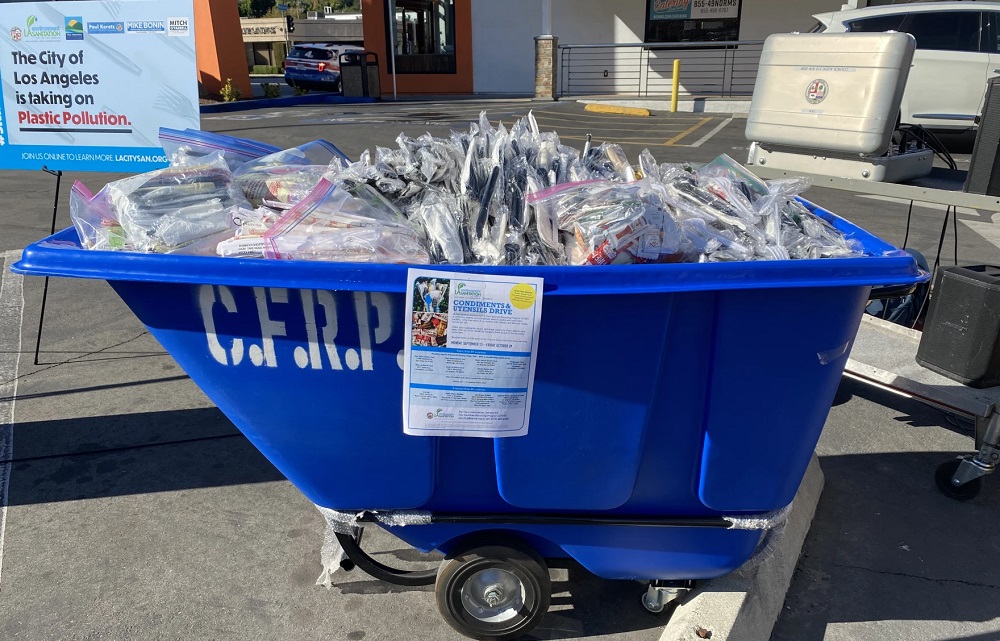
source: LA Sanitation & Environment
In addition to managing post-use waste, businesses must address the challenge of unused or excess disposable plates. Rather than disposing of these items in landfills, companies can consider donation or repurposing strategies. Organizations that specialize in food aid or community programs may accept unused plates, thereby extending their lifecycle and reducing waste. This approach helps in waste reduction and enhances a company’s corporate social responsibility profile.
To achieve efficient waste management while adhering to new regulations, businesses must adopt a systematic approach for disposing of disposable plates.
Here’s a step-by-step guide to ensure that every type—from disposable plastic plates to compostable and bamboo disposable plates—is handled properly:
1. Identify and Separate: Begin by classifying disposable plates according to their material type—plastic, paper, biodegradable, or bamboo/wooden. Establish clear labeling on waste separation stations to prevent contamination.
2. Implement Waste Stations: Designate areas for waste collection and use color-coded bins or signage to assist staff in correctly sorting items. This initial step is crucial for ensuring that materials like compostable disposable plates and biodegradable plates are not mixed with non-recyclable waste.

1. Remove Residues: Ensure that any food residues or contaminants are removed from the plates before processing. A quick rinse can significantly improve the efficiency of both recycling and composting.
2. Pre-Treatment Guidelines: Depending on the material, some disposable plates may require additional pre-treatment. For instance, paper plates might need to be dried after cleaning, while biodegradable plates should be free of grease to facilitate faster degradation.
1. Regulatory Compliance: Stay informed about local waste management policies. For example, California’s requirements mandate that by 2032, disposable tableware should be either recyclable or compostable, while Europe’s PPWR emphasizes recycled content and sustainability.
2. Documentation: Keep records of your disposal practices and compliance measures. This helps not only in adhering to legal standards but also in auditing your sustainability efforts.
1. Partner with Professionals: Work with certified recycling and composting facilities that are equipped to handle specific materials. This includes services that specialize in industrial compostable and home compostable waste.
2. Regular Audits and Feedback: Establish regular communication with waste management partners to review disposal processes. This ensures that the recycling of disposable plastic plates or the composting of biodegradable plates meets industry benchmarks.
1. Track Waste Metrics: Monitor the volume and types of waste produced. Use these insights to optimize waste sorting, cleaning, and disposal methods.
2. Staff Training and Updates: Regularly update your team on new disposal techniques and regulatory changes. Consistent training helps maintain high standards for sustainable practices, ensuring that eco friendly disposable plates are disposed of correctly.
Beyond proper disposal, businesses can enhance their overall sustainability strategy by incorporating practices that reduce environmental impact and boost brand reputation. Here are several actionable tips:

a. Adopt Sustainable Options: Transition to biodegradable, compostable, or bamboo disposable plates. These eco friendly disposable plates reduce environmental harm and align with evolving regulations and consumer expectations.
b. Customization for Branding: Leverage customization options for disposable dinner plates to showcase your commitment to sustainability while reinforcing your brand identity.
a. Effective Waste Segregation: Set up clearly labeled bins and waste stations throughout your facility. Ensure that your waste management system efficiently separates different types of disposable plates, whether they are heavy duty disposable plates or paper plates.
b. Staff Engagement: Educate employees on the importance of proper waste sorting. Regular training sessions can help ensure compliance with local regulations and support recycling initiatives.
a. Choose Reputable Partners: Collaborate with local waste management services that adhere to strict environmental standards. Whether handling compostable disposable plates or recycling plastic plates, certified partners can help streamline your disposal process.
b. Leverage External Expertise: Utilize the knowledge and services of experts who can offer solutions tailored to your operational needs.
a. Internal Campaigns: Develop awareness programs and incentives for staff to adopt sustainable practices. Highlight the importance of using eco friendly disposable plates and maintaining proper waste segregation.
b. Customer Engagement: Communicate your sustainability efforts through marketing and social media. Demonstrating commitment to the environment can enhance your brand image and attract environmentally conscious consumers.
a. Regulatory Compliance and Risk Mitigation: Adhering to disposal guidelines helps avoid fines and regulatory issues. Investing in sustainable practices can lead to long-term savings in waste management and operational efficiency.
b. Enhanced Brand Reputation: Businesses that proactively address environmental concerns are more likely to build trust with consumers and stakeholders. This positive perception can drive loyalty and support business growth.
1. What are the most eco friendly disposable plates available?
Eco friendly options include biodegradable plates, compostable disposable plates, and bamboo disposable plates. These alternatives are designed to break down more rapidly than traditional disposable plastic plates, making them a sustainable choice for businesses.
2. How can my business ensure compliance with evolving disposal regulations?
Ensure proper sorting and cleaning of waste, partner with certified recycling and composting services, and keep up-to-date with regional regulations like California’s 2032 mandate and Europe’s PPWR. This proactive approach helps maintain compliance and optimize the disposal process.
3. What benefits do biodegradable and compostable plates offer over conventional plastic plates?
Biodegradable and compostable plates not only reduce long-term environmental pollution but also support regulatory compliance. They break down under the right conditions, contributing to a cleaner environment and reducing landfill waste compared to disposable plastic plates.
4. How should unused or excess disposable plates be managed?
Unused or excess plates can be repurposed or donated to community programs. This practice not only reduces waste but also enhances corporate social responsibility, aligning your business with sustainability goals.
From disposable plastic and paper plates to innovative biodegradable and bamboo options, each material presents unique disposal challenges and opportunities.
Implementing effective sorting, cleaning, and partnering with certified waste management services can help companies ensure regulatory compliance and contribute positively to the environment. Embracing eco friendly disposable plates and adopting sustainable practices is a strategic move that bolsters brand reputation and operational efficiency in today’s competitive market.
Ancheng has over 20 years of experience in sustainable disposable tableware. Our products comply with the environmental policies of different countries and have international certificates such as ISO, BRI and so on. Using our disposable tableware not only provides portability for your projects, but also easy to dispose. Our professional design team will also design exclusive products according to your requirements. Contact us today for a free consultation and start your journey towards sustainable success.

Hello, I'm Sven Wang, the Manager of Ancheng. With extensive expertise in raw materials and production processes, I'm dedicated to advancing sustainable tableware and constantly improving eco-friendly options for the modern catering industry. You can trust that Ancheng is committed to providing the highest quality. Welcome!

Factory: Qian Renqiao Industrial Park, Shucheng County, Luan City, Anhui Province, China
Office: Building 11, Max Science Park, Shushan Dist, Hefei, Anhui, China
Copyright ©2026 Anhui Ancheng Bamboo and Wood Tableware Co., Ltd. Privacy Policy


 Index
Index Product
 Resources
 About
About