This article highlights the basics of becoming a distributor or wholesaler of eco-friendly tableware and addresses the market potential of such a business.
As sustainability becomes a top priority for businesses and consumers alike, the demand for eco-friendly tableware is on the rise. Distributors and wholesalers play a key role in this industry, ensuring restaurants, catering services, and retailers get the right tableware on time.
In this article, we explore the best sources for eco-friendly tableware and help you identify a path to becoming an eco-friendly tableware distributor yourself.
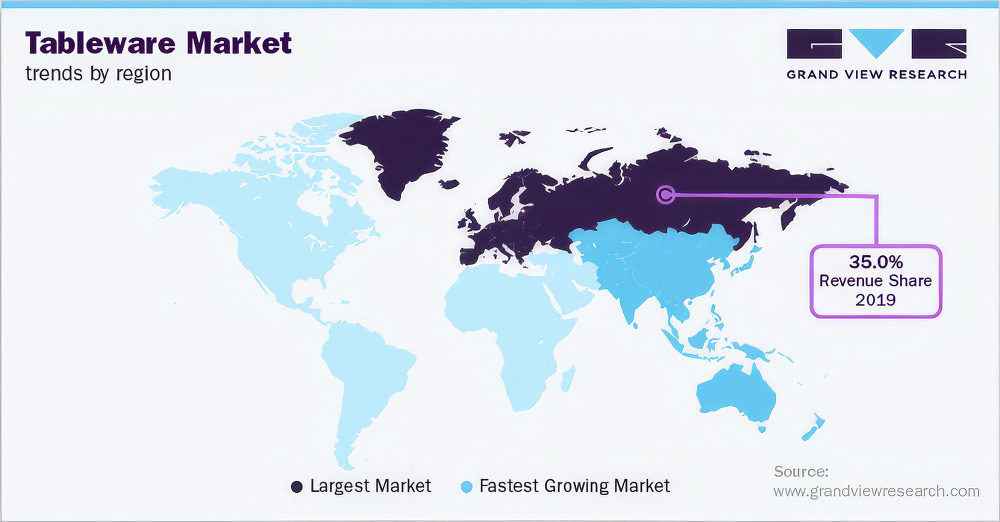
Source: grandviewresearch.com
In 2019, the global tableware market was valued at $42.52 billion (USD). Since then, it has steadily grown year over year at an annual rate of 6.0%. Europe is the biggest market for tableware products, responsible for 35% of the total market revenue.
Tableware distributors and wholesalers should pay particular attention to Asia, as it is one of the fastest-growing markets in the world. In comparison to other regions, the US market is more stable. Tableware sales in the US have been steadily increasing since 2015. However, the medium of sale has changed. Nearly 1/3rd of US businesses now prefer to order their tableware online.
The rise in e-commerce has opened up opportunities for various entrepreneurs to step into the tableware market. Research shows that US customers are more concerned about sustainability, which has resulted in more businesses adopting eco-friendly practices.
Disposable cutlery is also one of the most profitable businesses in the States, with paper and wood-based tableware growing in popularity.
Now is as good of a time as any for new investors to jump into the tableware distribution business.
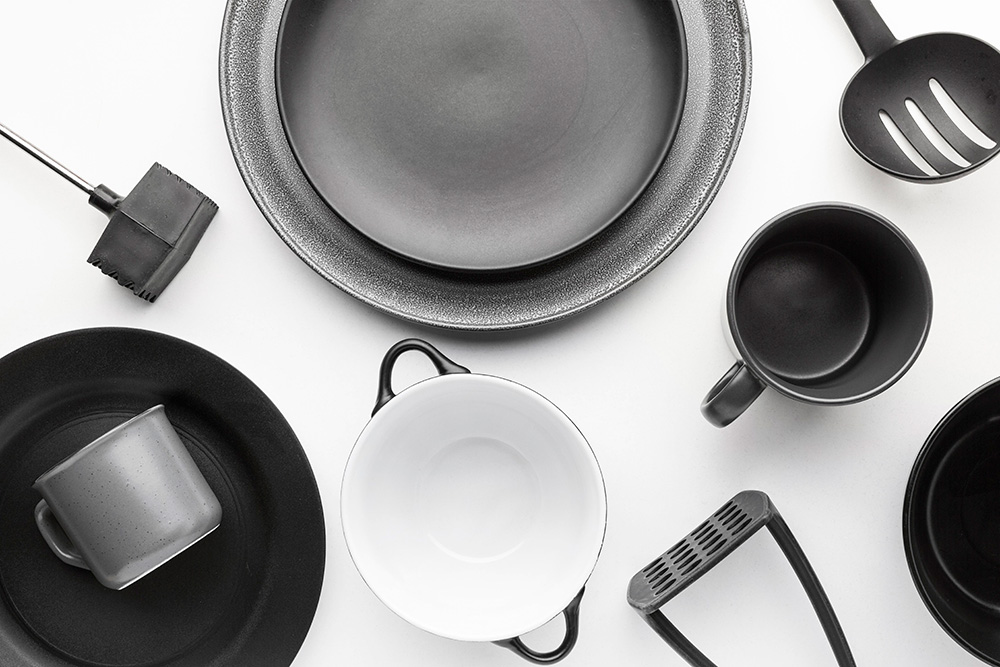
Tableware is a broad term used to describe various pots, pans, utensils, and containers that contain and handle food. From a business perspective, we can divide tableware into four product categories.
Table 1 - A quick breakdown of the different types of tableware.
Serveware refers to the food containers at the dinner table. In simple terms, these are utensils that are used to serve guests at a restaurant or dinner party. These include serving bowls, platters, trays, gravy boats, teapots, and salt & pepper shakers.
Guests don't directly eat from the serveware. Instead, they take small portions from the serveware and add them to their dinner plates. Tableware is generally multi-serving.
Dinnerware refers to utensils that hold food for a single person. Popular examples of dinnerware include plates, bowls, cups, and glasses.
This category includes several sub-categories based on the type of food served. For example, bowls come in different shapes and sizes. Salad bowls are generally larger with a wider opening, soup bowls are smaller and generally made from ceramic, and dessert bowls are the smallest and typically made of glass.
Dinnerware provides distributors the opportunity to sell a wide variety of products based on application.
Flatware refers to the cutlery that accompanies dinnerware and is used for portioning the food into smaller bites. Standard forms of flatware include spoons, forks, and knives.
Similar to dinnerware, you have the option of selling different types of flatware based on application. For example, tablespoons are multipurpose, dessert spoons are smaller, soup spoons have increased depth, and serving spoons/ladles are generally very large.
While chopsticks are usually not counted as part of the flatware group, they fall under the same definition.
Drinkware refers to a wide range of containers that hold cold and hot liquids. Popular examples of drinkware include water glasses, cups, and mugs. Glasses, in particular, can be further sub-categorized based on alcohol use.
Wine Glass – Has a stem and a bowl that varies in shape.
Champagne Flute – Tall and narrow to preserve with a stem.
Beer Mug – Large, sturdy glass with a handle.
Martini Glass – Wide, conical bowl with a long stem.
Shot Glass – A small, thick-walled glass.
Rocks Glass – A short but wide glass used for serving drinks over ice.
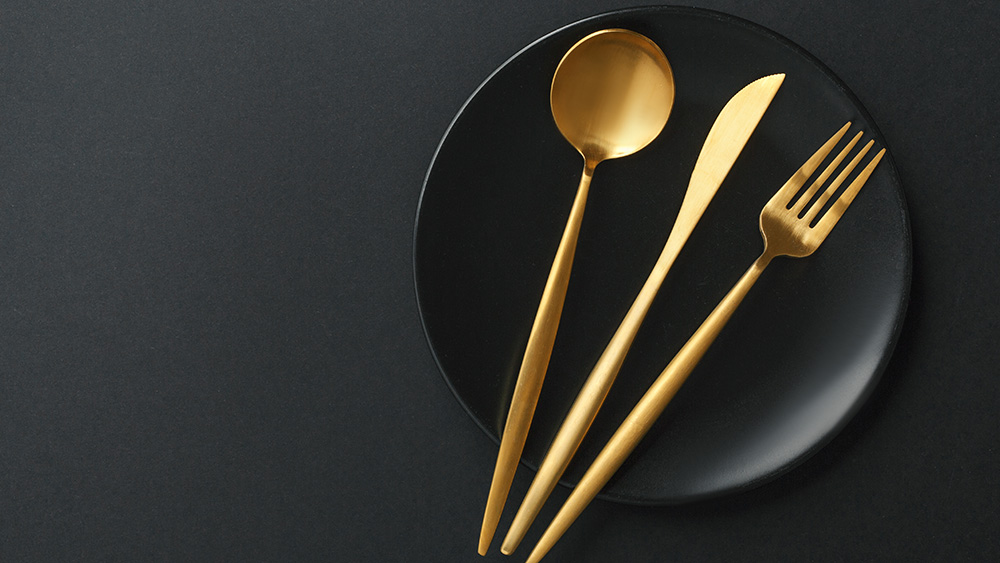
Tableware is one of the most diversified businesses in the market. Distributors and wholesalers can choose from a wide variety of materials that directly increase the perceived value of their products.
Table 2 - Comparing the pros and cons of selling different types of tableware.
Premium materials like porcelain, ceramic, glass, and metal have higher profit margins but also require a higher investment cost.
In contrast, tableware made from lower-cost materials like plastic and paper has a lower per-unit profit. However, these paper and plastic tableware are easier to produce on a large scale, making the overall venture profitable.
Finally, we have wood-based tableware. Expensive and high-quality woods like maple, walnut, and cherry are used for premium wooden utensils. Meanwhile, affordable bamboo and birch wood are best suited for disposable wooden tableware.
Wood and bagasse-based tableware has also been a huge hit with sustainability-focused customers. People are also willing to pay extra for a more eco-friendly dining experience.
The tableware market is quite big, it serves various industries that deal with, handle, and supply food.
Here is a list of the biggest buyers of tableware by industry.
The food service industry is one of the biggest customers of tableware. Everyone from big fast-food chains to small food trucks needs a consistent supply of tableware and cutlery.
Fast food places typically opt for single-use paper cups, styrofoam containers, and plastic spoons and forks. However, some places may invest in reusable trays, plates, and glasses.
Reusable cutlery still needs to be replaced every few years, while disposable cutlery needs to be replenished constantly.
From a distributor's perspective, you can either sell long-lasting reusable cutlery at high margins once every five years or sell low-margin disposable ones regularly.
The hospitality industry refers to businesses that provide food, entertainment, or lodging for guests. Hotels, resorts, bars, and restaurants are part of the hospitality industry and require high- quality long-lasting tableware.
Most restaurants deal in reusable and long-lasting utensils such as metal spoons and ceramic or melamine plates.
Fancy restaurants and luxury resorts typically opt for glass, porcelain, and ceramic. For flatware, these places prefer copper stainless steel.
The hospitality industry generally forms long-term contracts with vendors such as tableware distributors. They also replenish their tableware more often. Glasses and cups break easily, either by customers or by the dishwashers, and plates and spoons get worn out. Hygiene-conscious and environmentally conscious hotels will also offer biodegradable supplies.
Being a reliable tableware vendor to a resort or hotel will result in financial stability for the distributor and job security for the employees.
Airlines, railways, and ships (cruise lines) all serve food on long trips. For airlines and railways, lightweight and space-efficient tableware is a necessity. Disposable plastic tableware is best suited for air travel. It's easy to store and serve, doesn't break easily, and doesn't need to be washed.
Only business class passengers are served food in ceramic and glass tableware.
Cruise ships tend to invest in reusable cutlery as they deal with longer trips, usually seven days. They have tableware vendors similar to the restaurants.
Air travel is by far the most profitable client for tableware distributors. They order disposable tableware in large volumes and require regular replenishments.
Educational institutes, both private and public, have cafeterias for the students. They require cost-effective, durable, and easy-to-clean tableware. Compared to hotels and restaurants, schools are less likely to replace older tableware.
Some school and university cafeterias opt for disposable food trays, which are a much more cost-effective solution.
Caterers and event planners typically stock large volumes of versatile, stylish, and often disposable tableware. Unlike hotels and restaurants, caterers require multiple sets of tableware to offer clients different aesthetic options.
Event planning businesses also replenish their tableware more frequently than the hospitality industry.
Many medical institutes serve food in-house. They require hygienic, easy-to-sanitize, and often break-resistant tableware for patient meals. The table requirements for most hospitals are similar to those of a hotel.
Rehabilitation centers and psychiatric wards require specialized cutlery that is self-harm-proof. Typically made from soft shatter-resistant materials. Such tableware is more difficult to produce, and suppliers are limited across the industry.
Tableware distribution is a big market with lots of growth opportunities. But does that mean you should step into this space?
The answer to this question is a complicated one, as it depends on a number of external factors. Here are three logical steps that will help you come to the right answer.
The fundamental step in starting a business is identifying its need in your region and the chances for success.
Surveys and market assessments will help you identify the need for a local tableware distributor. Competition analysis will let you know if there is room for a new player in the tableware market.
A local operation will be limited to one city or state, so market research will be limited to those regions.
Meanwhile, a larger scale nationwide tableware business will require identification and thorough assessment of all major importers of tableware and cutlery.
Once you have a good idea of the current state of the tableware industry in your target region, it's time to move on to finding your niche. Business owners will need to identify gaps in the market and address them accordingly.
Here are some popular tableware niches.
Eco-friendly Tableware - Invest in biodegradable and environmentally friendly materials such as bamboo cutlery, wooden spoons, or paper straws.
Luxury Tableware - Supply premium feeling tableware to restaurants made with crystal glassware or bone china (porcelain).
Low-Cost Solutions - Aim for the lowest possible pricing by importing lightweight and cost-effective tableware from overseas.
Edible Cutlery - A relatively recent trend in the tableware space uses edible spoons and pasta straws for a unique and zero-waste dining experience.
Next, you want to look at some of the nitty-gritty of starting a business. Here are some basic aspects of establishing a wholesale or distribution business.
Supplier Contract - Look for a reliable manufacturer that will protect your tableware according to specifications.
Secure Funding - Wholesalers need to have the upfront capital to bulk order the tableware from manufacturers before shipping it to the customer.
Inventory Management - You will need a warehouse, inventory management software, and a handful of employees for the products.
Ensure Legal Companies - Make sure you have all your legal documents, such as company registration, business license, etc.
These three steps will help you identify the feasibility of your business. For most entrepreneur-minded individuals, a tableware distribution business is a good investment opportunity.
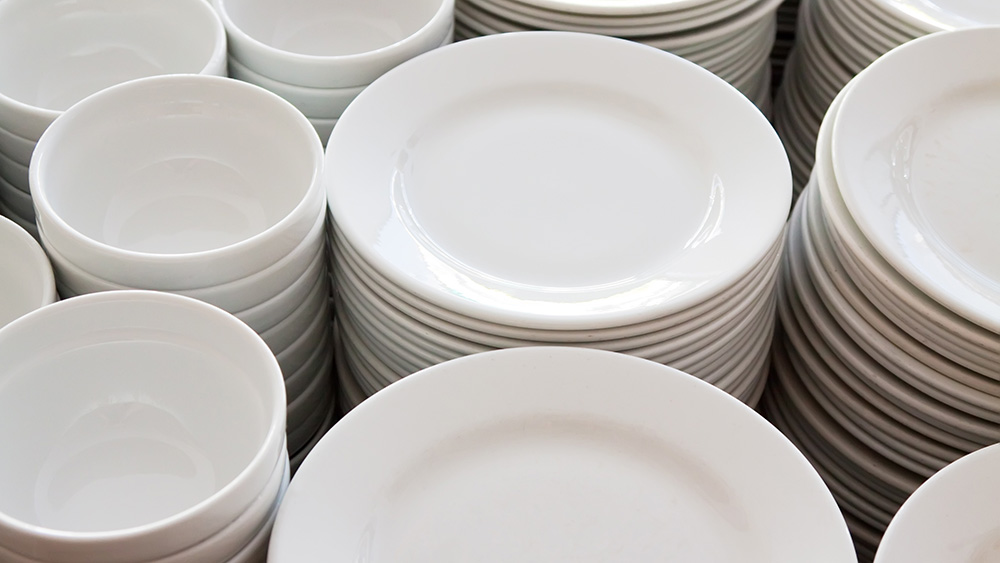
Once you're confident about your decision to start a tableware distribution business, it's time to find a trustworthy supplier.
Here are five factors to consider when choosing a tableware supplier.
First, determine the type of tableware you require and whether you need long-lasting, durable tableware or single-use, cost-effective options.
At this point, it's also a good time to look for eco-friendly alternatives like paper, wood, or recycled material tableware.
Some manufacturers only deal in disposable tableware production, so your choice here is critical for the long-term success of your business.
Next, determine whether you want to be a retail wholesale or distributor.
Retailers sell directly to customers and deal in low-volume products. In contrast, wholesalers get their products directly from the manufacturer and sell them to retailers.
The decision often comes down to finances and volume. If you can handle large product volumes, then wholesale is the way to go.
Depending on your budget, you can either go with premium materials (porcelain, ceramic, glass, etc.) or budget-friendly ones (plastic, paper, wood).
Check the certifications and international standards of the supplier or product to make sure they comply with the policies of the place where they are sold. You may also need to order samples from the manufacturer to ensure that they meet your durability and aesthetic requirements.
Cost is one of the biggest factors in any new business. Bulk orders result in discounts but also require a higher initial investment.
Importing products from international suppliers may have hidden fees (shipping, customization, tariffs, etc.).
Company reputation and reliability are also major factors. Check supplier reviews, production capacity, and turnaround times.
A trustworthy relationship with the tableware manufacturer is needed for a successful business.

Like any business, tableware distribution comes with its fair share of challenges. Here is a short list of the most common challenges and their potential solutions.
Tableware distributors need to maintain a certain stock level throughout the year. Understocking results in a loss of customers, and overstocking ties up capital and storage space.
Solution
Use inventory management software for real-time stock monitoring.
Adopt a just-in-time (JIT) inventory system to reduce excess stock.
The global supply chain is prone to disruptions, material shortages, and shipping delays, which can be detrimental to a new startup.
Solution
Diversify suppliers to avoid dependence on a single source.
Maintain a buffer stock for high-demand items.
Tableware is a competitive market with price-sensitive buyers, resulting in low profitability.
Solution
Order in bulk to get discounts from manufacturers.
Assess your competition and formulate counter strategies.
Reaching potential customers and standing out in a crowded market is difficult. New businesses especially struggle to gain customer attention.
Solution
Partner with restaurants, event planners, and hospitality businesses.
Participate in food service trade shows to highlight your business.
Tableware distributors have to coordinate with manufacturers to ensure the products reach the storage facility on time. They also have to manage their local distribution network.
Solution
Offer multiple shipping options, including expedited delivery.
Optimize delivery routes and warehouse locations.
Ancheng is a premier manufacturer of high-quality wooden tableware. Our bamboo-based cutlery is the best in the business, boasting a high durability and smooth finish.
You can get products directly from our factory at competitive prices. We are a one-stop solution for all your tableware needs. Ancheng handles everything from product design to packaging.
We are a manufacturing focused company, which means we don't compete for the end customer and directly work with distributors, wholesalers, and online retailers to ensure mutual success. Our transparent approach to business helps us build trust with our customers.
Ancheng also helps you to build your brand by providing guidance and value-added services. Our team of professional designers will help you design and customize your products according to your target market. No matter the product requirements, we can customize it to your specifications exactly.
Ancheng offers a stable supply chain with monthly production capacity of 2.5+ billion pcs. Strong production capacity ensures uninterrupted inventory for your business needs. Our logistics, after-sales service and production efficiency are very efficient, with multiple warehouses supplying products to provide strong support for your business operations.
So join Ancheng and get started on your tableware distribution business today! Contact us for a detailed business discussion.
Becoming a tableware distributor or wholesaler is a good opportunity for any business professional or investor. The industry is steadily increasing year after year, and with disposable tableware, the demand will always be high. Additionally, many consumers are switching to eco-friendly utensils, which opens up a whole new tableware avenue for distributors.
Several hospitality businesses are looking to move away from single-use plastic tableware. Now is as good a time as any to invest in biodegradable and eco-friendly alternatives.

Hello, I'm Sven Wang, the Manager of Ancheng. With extensive expertise in raw materials and production processes, I'm dedicated to advancing sustainable tableware and constantly improving eco-friendly options for the modern catering industry. You can trust that Ancheng is committed to providing the highest quality. Welcome!

Factory: Qian Renqiao Industrial Park, Shucheng County, Luan City, Anhui Province, China
Office: Building 11, Max Science Park, Shushan Dist, Hefei, Anhui, China
Copyright ©2026 Anhui Ancheng Bamboo and Wood Tableware Co., Ltd. Privacy Policy


 Index
Index Product
 Resources
 About
About