We can provide wholesale services disposable wooden and bamboo tableware to more than 30 countries
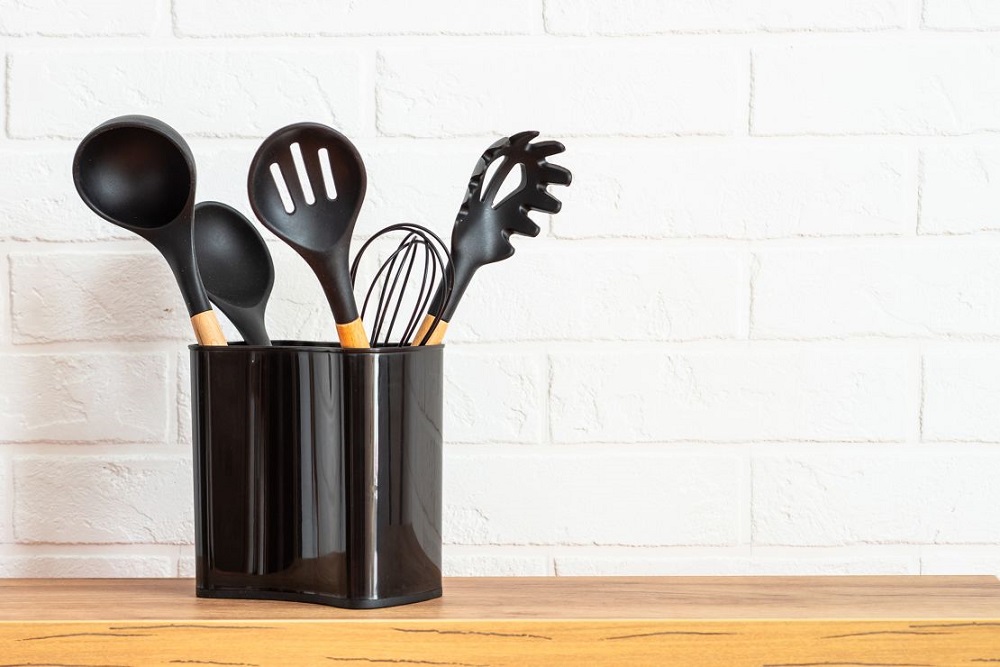
Are you aware of the negative impacts of black plastic? Read this blog post to explore why you should avoid using black plastic utensils. Black plastic has become a crucial component of disposable tableware, toys, and kitchen utensils. It seems a convenient and affordable choice compared to other materials. However, the usage of black plastic utensils has significant environmental and health concerns. They contain several harmful chemicals that leach into your food. In addition, sorting technologies of most recycling facilities can’t detect them. It results in increasing landfill waste. In this blog post, we’ll share why you should ditch black plastic utensils. You’ll also learn about the alternatives to black plastic. So, let’s get into it. Overview of Black Plastic A recent study in the magazine Chemosphere has raised concerns about black plasticware. Black plastic is produced by the recycling of household electronics waste. It contains hazardous substances like flame retardants, heavy metals, and other toxic additives. These unregulated quantities of chemicals and toxins make it more hazardous than white or clear plastic. Another major component that makes use of black plastic problematic is carbon black. This pigment is used to give plastic its dark color. The aim of adding it is to provide recycled plastic with a uniform and sleek appearance. However, it contains various harmful chemicals including, polycyclic aromatic hydrocarbons (PAH). In addition, the dark pigment makes the black plastic products invisible to recycling facilities. Health Hazards of Black Plastic Products Black plastic products pose significant health risks due to the presence of toxic chemicals. The following are major health concerns associated with their usage: 1. Reproduction and Developmental Complications Black plastic utensils and other products contain harmful chemicals, like bisphenol A (BPA) and phthalates. They interfere with hormone levels and disturb them. It leads to several reproductive disorders and infertility. The disturbance of hormones also causes various complications and abnormalities during the development of an infant. In addition, the harmful chemicals in black plastic can interfere with the normal development of children’s brains. Moreover, pregnant women exposed to these substances may face a higher risk of miscarriage, premature birth, and birth defects. 2. Cancer Risks The use of black plastic products also elevates the risks of cancer. Flame retardants, polycyclic aromatic hydrocarbons (PAHs), and heavy metals like lead and cadmium. These substances are carcinogenic and make black plastic even more hazardous. A study in 2024 revealed the presence of high levels of cancer-causing agents, and hormone-disrupting chemicals in various household items manufactured by using black plastic. These carcinogenic chemicals can leach into your food when exposed to heat. Their ingestion can increase the risks of various cancers, including breast, prostate, and lung cancer. 3. Neurological Damage Heavy metals in black plastic products can accumulate in your body over time. Elevated levels of these metals in the body can lead to several neurological disorders. Long-term exposure may also contribute to neurodegenerative diseases such as Alzheimer’s and Parkinson’s. A study by the National Institute of Health (NIH) has found that exposure to heavy metals, like lead, cadmium, and mercury, leads to various nervous issues. Headache, spasms, memory loss, and dullness are some of the initial symptoms of heavy metal exposure. Black Plastic Recycling Nightmare Unlike clear plastic, recycling black plastic is a much more difficult task. The following aspects can highlight the challenges in recycling it: 1. Difficulty in Sorting Black Plastic Black plastic comprises about 15% recyclable plastic. However, it is difficult to recycle as standard optical sorting equipment at recycling facilities can’t detect it. Most recycling plants use near-infrared (NIR) sensors to identify and sort plastics based on their composition. However, carbon black absorbs infrared light. It makes black plastic nearly invisible to these systems. 2. Contamination of Recycling Streams The presence of various additives makes the recycling of these plastics more complicated. Various toxic chemicals in black plastic can contaminate the recycling streams. It affects the quality of recycled plastic material. 3. Limited End Market Another challenge in the recycling of black plastic products is their limited end market. Even when successfully sorted and processed, the demand for recycled black plastic is quite low. Most manufacturers prefer clear plastic as they are more versatile for different applications. The lack of demand discourages investment in advanced recycling technologies for black plastic. What is The Environmental Impact of Black Plastic? Black plastic also poses an environmental threat. The following are the environmental impacts of using black plastic: 1. Waste Accumulation One of the biggest environmental concerns with black plastic is its limited recyclability. It is often identified as non-recyclable and dumped into landfills or incinerators. Over time, it leads to significant land pollution due to increased plastic waste accumulation. Moreover, plastic decomposition takes hundreds of years. According to a report, plastic utensils need about 1,000 years to degrade. They degrade into microplastic that contaminates the soil and groundwater. These microplastics can enter the food chain, affecting both wildlife and human health. 2. Chemical Pollution Black plastic products have numerous hazardous substances, like brominated flame retardants (BFRs), lead, cadmium, and mercury. These chemicals can leach and contaminate the air, water, and soil. 3. Harm to the Aquatic Ecosystem The negative impacts of black plastic utensils are not limited to land. They also contaminate marine life and their habitat. Animals consider these tiny particles food and ingest them. Large plastic fragments can also entangle marine creatures. It can lead to suffocation and eventually death. WWF Australia reported that about 81 marine mammal species are affected by plastic. They either eat or are entangled in plastic. Plastic pollution is also harming all seven species of sea turtles. In addition, the ingestion of microplastics can reduce the reproductive rates in marine creatures. It can cause disruption of ecosystems. How to Avoid Using Black Plastic Ware? Avoiding the use of black plastic ware is necessary to limit its deteriorating impacts. The following approaches can contribute to reducing its use: 1. Choose Alternative Materials An effective way to ditch the use of black plastic items is by switching to alternative materials. Several eco-friendly materials, including bamboo, wood, bagasse, and palm leaf offer a sustainable choice. Stainless steel and glassware are excellent reusable options that not only reduce waste. They are also durable and provide an aesthetic dining experience. Moreover, you can also use bioplastic to offer an alternative to traditional plastics while being more environmentally friendly. 2. Avoid Heating Black Plastic Black plastic plates and utensils contain various toxic chemicals. Heat can leach them into your food and lead to health hazards. To minimize risks, you need to avoid microwaving or storing hot foods in black plastic containers. Use sustainable and microwave-safe material for heating your food. Make sure to use materials that are free from potential chemical contamination. When ordering takeout, request eco-friendly packaging. 3. Support Plastic-Free Businesses Another crucial step in reducing black plastic takeout containers and utensils is by supporting plastic-free businesses. It will drive demand for safer alternatives. Many restaurants are shifting to eco-friendly alternatives due to increasing awareness of the harms of plastic. Many businesses are now using biodegradable or reusable tableware to reduce reliance on black plastic. Choosing them will encourage others to do the same. Moreover, providing feedback to restaurants and urging them to switch to eco-friendly packaging can make a positive impact. Alternatives to Black Plastic Utensils Increasing awareness about the harmful environmental impact is encouraging consumers and businesses to seek safer alternatives. Various manufacturers are using natural and sustainable materials for making disposable and reusable utensils. The following are some of the best alternatives to black plastic items: 1. Wooden Utensils Wooden utensils are a sustainable alternative to black plastic. It is made of maple or birch wood. Wooden utensils are not only biodegradable but also add an earthy aesthetics to your meal. Wooden utensils are durable and microwave-safe. You can use them for hot as well as cold foods. In addition, they are a perfect match for outdoor events, and catering services, looking to reduce their carbon footprint. 2. Bamboo Utensils Bamboo is another great alternative to black plastic ware. Its lightweight, durable, and biodegradable nature makes it a top choice. Another feature that makes bamboo utensils a safer alternative is its limited dependence on natural resources. Its fast growth also makes it an eco-friendly choice. It takes only three and half years to reach its full length. Bamboo utensils are naturally anti-microbial. They are less likely to harbor bacteria than plastic alternatives. In addition, their natural appearance appeals to both environmentally friendly and aesthetic-minded customers. 3. Stainless Steel Utensils Stainless steel utensils are highly durable, reusable, and long-lasting alternatives to black plastic. They are a stylish choice and are resistant to corrosion, rust, and staining. The best feature of stainless steel is its recycling. It is 100% recyclable, so it can be melted down and repurposed. Though stainless steel requires higher upfront costs, they are reusable and requires minimal maintenance. 4. Palm Leaf Utensils Palm leaf utensils are made from naturally shed leaves of the Areca palm tree. The leaves are processed and shaped into desired shapes and functional utensils. They are biodegradable and add a unique, natural appearance to your table. In addition, they are microwave-safe and do not leach chemicals into your food. It makes them a safe option for those concerned about food safety. FAQs 1. Why shouldn't you use black plastic utensils? Black plastic is made of recycled electronic waste and single-use plastic. It contains numerous harmful chemicals, such as BPA, heavy metals, and flame retardants. These toxins can leach into your food when exposed to heat. It can lead to various health issues. In addition, black plastic utensils also contribute to environmental pollution. 2. Why should you avoid using a black spatula? Black spatulas made from non-biodegradable plastics. They release toxins, including flame retardants when heated. These spatulas can’t be recycled easily and are harmful to the environment. 3. Is it unhealthy to eat with plastic utensils? Yes, plastic utensils are unhealthy, especially if they contain harmful chemicals like BPA, phthalates, or other toxins. These chemicals can leach into food. These substances may lead to health issues such as hormonal disruptions, reproductive problems, and an increased risk of certain cancers. 4. What is the safest material for cooking utensils? The safest materials for cooking utensils are stainless steel, bamboo, and silicone. These materials are non-toxic, durable, and heat-resistant, making them ideal for cooking without leaching harmful substances. Conclusion Black plastic is a hazardous material due to the presence of toxins and heavy metals in it. The toxic substances it contains can leach into food, posing significant health risks. It can cause hormonal disruptions, cancer, and neurological damage. Additionally, its low recyclability contributes to increasing landfill waste and environmental pollution. It's best to opt for eco-friendly alternatives, like wooden, bamboo, and palm leaf utensils. By making the switch to sustainable materials, we can reduce our dependence on black plastic. So, let’s ditch black plastic and contribute to a healthier ecosystem. Get Eco-friendly Utensils with Ancheng! To introduce eco-friendly utensils in your food business or household, you need a reliable source. Search for a manufacturer that offers prioritizes sustainability without compromising on quality. Ancheng is a leading manufacturer in the eco-friendly tableware industry. We offer a range of sustainable utensils made of sturdy wood and bamboo. We also provide customized tableware. Contact us today and elevate your business with eco-friendly products.
2025-02-20
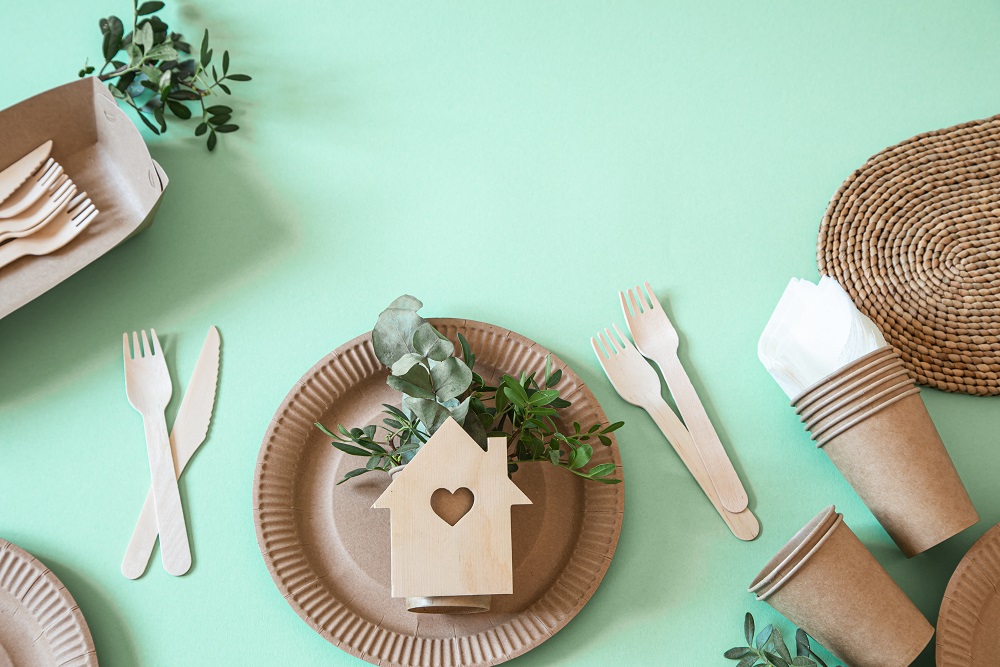
Looking for sustainable dinnerware that looks good, too? Such environmentally responsible products have become more popular, and many companies in Germany are at the forefront with biodegradable, recycled and ethically sourced dinnerware. So, whether you are a business owner or a conscious consumer, cross-check your sustainable dinnerware supplier by looking at the list of top 10 sustainable dinnerware suppliers in Germany in 2026. Let’s dive in! An Overview Of The German/European Tableware Market/Industry Biodegradable tableware is utensils and dishes for dining made of natural, renewable materials — for example, wood, cornstarch, sugarcane bagasse, bamboo, or palm leaves — that will decompose in nature after use without harmful effects to the environment. These products offer a more sustainable solution to plastic or non-recyclable tableware, commonly used in restaurants, catering, and homes. I. Advantages of Using Biodegradable Tableware 1. Sustainability – Eco-Friendly and Decomposable There is less waste and environmental pollution from using biodegradable tableware, which decomposes naturally. Unlike plastic — which can take hundreds of years to decompose — materials such as bamboo and sugarcane bagasse break down in a matter of months and leave no harmful byproducts. Biodegradable alternatives help safeguard ecosystems and marine wildlife from plastic pollution. 2. Resource Efficiency — Produced from Renewable Materials In contrast to plastic, which is derived from fossil fuels, biodegradable tableware is made from organically renewable materials — bamboo, cornstarch, and palm leaves. They’re faster to restore and require fewer energy and water resources to create, thus scaling down carbon emissions and helping sustainability. 3. Health & Safety – No Harmful Chemicals Plastic tableware ( plates, forks and spoons) are often made with toxic chemicals such as BPA and phthalates, which can leach into food. They are far safer for consumers because biodegradable alternatives are made from natural, non-toxic components. They’re heat-resistant, microwave-safe, and compostable, so they come packed for both convenience and well-being. II. Market Analysis In Germany and throughout Europe, the popularity of biodegradable tableware has surged amid growing awareness of the environment and stricter regulations against single-use plastics. 1. Germany: In 2023, the revenue of the biodegradable tableware market in Germany was valued at an approximate value of USD 1,068.5 million. This is projected to grow at a compound annual growth rate (CAGR) of 6.4% to arrive at USD 1,649.6 million by 2030. In this market, plates and trays were identified as revenue-generating segments in 2023, while cutlery is expected to grow at the fastest rate over the forecast period. 2. Europe: In 2023, the European biodegradable tableware market generated revenue of USD 5,130.4 million. The market is forecasted to grow at a compound annual growth rate (CAGR) of 6.3% from 2024 to 2030. Plates and trays held the largest share of the market in 2023, echoing Germany's performance, with cutlery focused on becoming the most profitable and fastest-growing segment. Spain is anticipated to record the highest CAGR during the forecast period among European countries. And this significant growth is additionally affirmed by the European market for biodegradable foodservice disposables that stands at USD 1.67 billion as of 2024, and could reach as high as USD 2.59 billion by 2034, rising at a CAGR of 4.5%. The increasing awareness of environmentally friendly products among consumers, as well as initiatives taken by governments to decrease plastic waste, are further driving growth in the biodegradable tableware market. Thus, the corporate and household levels are adopting sustainable alternatives; this paves the way for biodegradable tableware to become a prevailing and growing market within Europe. Top 10 Sustainable Dinnerware Suppliers In Germany In an era where eco-friendly options are of utmost importance, sustainability in tableware is becoming key in both consumer and commercial use. In this section, we present to you the best 10 sustainable dinnerware suppliers in Germany based on factors such as quality, market presence, sustainability certifications, and customer satisfaction. All companies have various products and inventions in biodegradable and reusable tableware. Position Brand Name Year Founded Location Employee Size Website 1 Eco-Ancheng 1998 Lu'an City 200+ Website 2 INNOVA SUPPLY & SERVICES GMBH 2002 Germany - Website 3 Ornamin 1955 Minden 130+ Website 4 Hosti GmbH 1947 Germany 100-200 Website 5 Merways 2014 Germany Fewer than 50 Website 6 ÖkoCup - Germany Fewer than 50 Website 7 Wisefood GmbH 2017 Germany Fewer than 50 Website 8 Spoontainable 2018 Germany Fewer than 50 Website 9 Duni Germany 1949 Germany Approx. 2,400 (global, including parent company) Website 10 Green Box 2010 Germany Fewer than 50 Website 1. Eco-Ancheng Eco-Ancheng (Anhui Ancheng Bamboo and Wood Tableware CO., LTD) is a leading manufacturer specializing in eco-friendly wooden and bamboo tableware. Backed by 20 years of experience, the company follows sustainable practices, providing products and systems made according to high production quality with strict quality control that is also BRC-certified. They supply sustainable hospitality and retail firms with high-quality products that are disposable and wood cutlery, biodegradable food containers, and bamboo plates. MOQ: 50,000pcs Delivery date: 35-45 days Certification: FSC、SEDEX、LFGB、FDA、DGCCRF、ISO9001、BRC、BSCI Material: Bamboo, birch, CPLA, kraft paper, sugarcane pulp OEM/ODM services available Pros: Large production capacity (5 billion pieces per year) Certifications BRC, BSCI, and FDA A great emphasis on sustainable eco-friendliness Branding and bulk order customization options Cons: Not a local German company; advance ordering is required to avoid miscalculating shipping times. Your One-stop Shop for Sustainable Dinnerware Find everything you need for your wholesale business Explore Our Eco-Catalog 2. INNOVA SUPPLY & SERVICES GMBH INNOVA specializes in biodegradable disposable tableware and sustainable food packaging. It is a provider of eco-friendly solutions for restaurants, catering and retail. Their products incorporate compostable plates, sugarcane fiber bowls, wooden cutlery, and palm leaf dinnerware to ensure a zero-waste dining and food service experience. Certification: HACCP、ISO 9000、BRC Pros: Reputable in providing both packaging and sustainability solutions Products are 100% biodegradable and compostable Business custom packaging solutions Cons: Little known about production capability None that are direct-to-consumer; largely B2B 3. Ornamin A German company, Ornamin designs and manufactures sustainable, reusable plastic tableware made of durable, high-quality materials best suited for domestic, hospital, and business use. They have developed a range of durable products that are ideal for families and the outdoors, like unbreakable plates, cups, and bowls constructed with BPA-free, high-quality plastic. Pros: Durable, reusable plastic alternatives Focus on ergonomic and functional designs Made in Germany with high-quality materials Dishwasher and microwave-safe products Cons: Not completely biodegradable, plastic-based Cost more upfront than disposables 4. Hosti GmbH For more than 75 years, Hosti GmbH has been producing disposable tableware with a colorful and festive touch for every occasion. Most of their products are paper plates, cups, and napkins for parties, events, and services. Hosti stands out with the double purpose — both not doing any harm to the earth and looking stylish! Certification: ISO 9001:2015、FSC、BRC、Nordic Swan Ecolabel、DIN HOME COMPOSTABLE Pros: Old company with a large market share It has a large variety of designs and shapes Prioritize FSC-certified and recyclable materials Cons: Mainly concentrated on single-use goods Fewer biodegradable choices than its competitors 5. Merways Merways offers CO2-compensated reusable packaging made from a bio-compound with natural fibers from sustainable European forestry. The reusable meal containers and cups help eliminate waste in the food industry, and they are great biodegradable substitutes for plastic products. Pros: Fully recyclable and CO2-compensated products Made from sustainable European forestry Ideal for food delivery and takeout services Cons: Limited product range compared to competitors Higher price than plastic packaging 6. ÖkoCup ÖkoCup focuses on producing eco-friendly cups and packaging solutions, ensuring high sustainability standards in Germany. Their compostable coffee cups and lids are made from plant-based materials, making them a great choice for cafes and businesses looking to eliminate plastic waste. Certification: EU 10/2011 Pros: Specializes in sustainable beverage packaging German-made products ensure high quality Compostable and biodegradable materials Cons: Limited emphasis on general dinnerware products Specifically targets the beverage industry 7. Wisefood GmbH Wisefood GmbH produces environmentally friendly paper tableware by sourcing the fresh wood of conifers in Germany in a sustainable manner. They make everything from biodegradable plates and bowls to drinking straws, all of which are aligned with circular economy principles. Pros: Local, certified sustainable forestry materials used Short transport routes with a low carbon footprint Innovative designs across a range of products with environmental consciousness Cons: Only for paper-based products Not as durable as reusable options 8. Spoontainable Spoontainable specializes in edible cutlery like spoons made with leftover food fibers, seeking to eradicate single-use plastics. Their spoons and stirrers are robust, delicious and a new way to eat sustainably. Pros: Waste-reducing edible cutlery innovations Biodegradable and food-safe 100% Adds something different to business in food service Cons: Limited choice of items (brands mostly metal utensils) The cost per unit is similar to conventional cutlery 9. Duni Germany Disposable plates, made from biodegradable or compostable material, are some of the sustainability solutions that Duni is known for, alongside stylish solutions. Their tableware is extensively used in food, hospitality, and catering contexts. Pros: Large variety of biodegradable tableware options Strong presence in hospitality and catering sectors FSC and PEFC-certified products Cons: Disposable nature limits long-term sustainability 10. Green Box Green Box offers compostable tableware from sugarcane pulp, palm leaves and wood. Their mission is to develop fully sustainable packaging and dinnerware solutions in order to reduce plastic waste. Pros: Uses natural, sustainable materials Expertise in minimizing plastic waste You have limited experience for the past year. Cons: Products may have a higher cost due to sustainable sourcing 5 Factors to Consider When Choosing a Sustainable Dinnerware Supplier in Germany There are several key elements they can take note of to ensure a quality kitchenware supplier that is both environmentally responsible and reliable. The following key specifications were utilized to identify the top firms in Germany: 1. Sustainability Certifications & Standards A great test to see if a supplier is truly invested in sustainability is for them to have eco-certifications from recognized organizations. These certifications ensure that the products adhere to stringent environmental standards and are manufactured through sustainable practices. For example, the Forest Stewardship Council (FSC) certifies wooden- or bamboo-based dinnerware that originates from sustainably managed forests. EU Ecolabel is a certification for products that are environmentally friendly during the entire product life cycle, from raw materials to disposal. 2. Quality & Durability Sustainable dinnerware should be eco-friendly and durable. Many eco-friendly consumers fear that biodegradable or compostable products may not be durable enough, but quality suppliers make sure that their dinnerware is sturdy, heat-resistant, and able to withstand normal use. 3. Material Sourcing One of the priorities for a truly sustainable supplier is the responsibly sourced raw materials. Bamboo, sugarcane bagasse, palm leaves, wheat straw, and recycled paper are some of the greenest of these options. Bamboo has become specifically popular because it is fast-growing and has a low ecological impact. Another option is sugarcane bagasse, an industrial byproduct of the sugar industry, which can be used as a biodegradable plastic. 4. Manufacturing Process and Carbon Footprint Beyond materials, it is critical to evaluate how a supplier makes its products. Eco-friendly suppliers use energy-efficient production methods, limit water consumption, and lower carbon emissions. Some companies have turned to solar or wind energy to power their production facilities; others have turned to closed-loop manufacturing systems to reduce waste. 5. Compliance with European Regulations Germany and the EU have comprehensive policies forbidding resolutely biodegradable and compostable products. The best manufacturers also comply with regulations such as the EU Single-Use Plastics Directive (SUPD) and other waste avoidance legislation. Final Thoughts Sustainable dinnerware is a popular choice for households looking to reduce their impact on the environment, so finding a suitable supplier is key. The companies you’ll find in this guide provide a range of eco-friendly products, from biodegradable disposables to long-lasting reusable options. Review the above categories to find out which suppliers suit you best; stand out for compostability, creativity, or reusability. Seek certifications such as EU Ecolabel or DIN CERTCO to ensure the authenticity of the certification body and regional production methods to reduce environmental impact. Choosing a supplier that matches your sustainability ambitions on the one hand and your operational needs on the other means you are doing your part for a greener future without sacrificing quality or functionality in your tableware offer. Why Choose Eco Ancheng for Your Sustainable Tableware Needs? Eco Ancheng is a major supplier in the industry, known for providing premium bamboo and wooden dinnerware, eco-friendly mission, and long-term cooperation with international brands like Starbucks, Tesco, Metro, Bunzl, Woolworths, and Costco. With a complete in-house capability encompassing production, marketing, export trading, and after-sales service, we offer a fully integrated service to our customers and clients. Our products are a sustainable alternative to plastic disposable products, as they are biodegradable and compostable. If you’re looking for a trusted, sustainable dinnerware supplier, Eco Ancheng is your ideal partner. Get in touch with us to explore our full range of bamboo and wooden cutlery, plates, chopsticks, stirrers, and more. Make the switch to sustainable tableware today! Eco-Dinnerware Wholesale: Manufacturer Direct Reliable supply chain for European catering distributors. Get Bulk Quote
2025-02-19

Explore the decisive differences between wheat stem straws and pasta straws. Find out the best sustainable straws that work for your catering needs. Plastic pollution has already become a severe headache, forcing businesses as well as customers to look more into eco-friendly alternatives. Plastic straws remained at the forefront of catering initiatives where pasta straws, as well as wheat straws, are gaining momentum. Either one is sustainable and eco-friendly, allowing businesses to switch from harmful substances easily. But which one is likely to meet your catering requirements? This article digs up all the fundamentals of wheat stem straw vs pasta straw to make a proper decision. What is Pasta Straw? Pasta straws highly resemble plastic straws in terms of shape and purpose. They’re made from durum wheat and water for single/one-time use. Similar to traditional pasta, a straw softens upon prolonged exposure to liquids. The 100% biodegradable and compostable product is one of many disposable plastic alternatives. Such straws offer a sustainable solution to plastic pollution by breaking down naturally in the environment without causing harm. How are Pasta Straws Made? 1. Mixing the Ingredients – Durum wheat semolina forms a dough by blending with water. 2. Extrusion Process – The dough goes through a cylindrical mold to create straw-shaped tubes. 3. Drying Process – All the extruded pasta tubes are properly dried at controlled temperatures. 4. Cutting and Packaging – Pasta tubes are cut into straw-sized pieces for eco-friendly packing. Applications of Pasta Straws They’re ideal for cold drinks (juice, soda, cocktail, or iced coffee). It can retain the shape for about 40 – 60 minutes. However, dipping in hot beverages can cause rapid softening. It’s not for customers with gluten intolerances. The food-grade ingredients pose no health risks with suitable drinks and beverages. Unlike paper straws, pasta straws remain firm in cold beverages for longer periods. That, too, occurs without any alteration of the drinks’ taste. What is Wheat Straw? It’s a natural byproduct from the wheat plant after harvesting the grain. Wheat stem straws have dried stalks left upon the removal of wheat grains during threshing. Its widespread use ranges from crafting, agriculture, animal bedding, biofuel production, composting, and packaging. Wheat drinking straw primarily features organic materials, like – Cellulose (40% - 50%), Hemicellulose (20% - 30%), and Lignin (15% - 20%) along with Ash and Minerals (5% - 10%). How is Wheat Stem Straw Made? 1. Wheat Cultivation – Wheat plants mature after a growing period of 3 – 4 months, becoming ready for harvesting. 2. Harvesting Process – Farmers use harvesters to separate the grains from the stalks, leaving behind long dry stalks (straw). 3. Drying and Baling – The remaining wheat stalks are dried to be collected, compressed into bales, and stored for use. Applications of Wheat Stem Straw They can make animal bedding for livestock while acting as a mulch to retain soil moisture against weed growth. It’s also possible to compost them in the soil for improved fertility. Converting wheat straws can give bioethanol. They have uses in manufacturing eco-friendly plates and packaging materials. Even compressed straws can make insulation panels and biodegradable construction materials. Also, they have uses in basket weaving, decorative items, handicrafts, straw-based furniture, and mats. As a simple byproduct of wheat farming, wheat-based straw remains mostly available at lower costs. Advantages and Disadvantages of Pasta Straws I. Pros of Pasta Straws a) Biodegradable – They decompose within a few days, making them excellent eco-friendly products. b) Plastic-Free Alternative – Pasta straws reduce the need for single-use plastics to minimize pollution. c) Durable in Drinks – They don’t become soggy easily as the structure remains firm in cold beverages. d) No Aftertaste – Pasta straws don’t alter the taste of drinks by any means, unlike bamboo or metals. II. Pasta Straw Limitations a) Unsuitable for Hot Drinks – Excessive heat may cause the straw to become soft and mushy. b) Gluten Sensitivity – Frequent use isn’t recommended for individuals with gluten intolerance or celiac disease. c) Shorter Lifespan in Liquid – Pasta straws last for about an hour before becoming soggy. Advantages and Disadvantages of Wheat Straw I. Positives of Wheat Straw a) Eco-Friendly and Biodegradable – Wheat straw decomposes naturally, unlike plastic and synthetic materials. b) Cost-Effective and Readily Available – As a standard byproduct of wheat farming, it is abundantly available. c) Nutrient-Rich for Soil Improvement – The decomposed material adds organic matter to improve soil textures. d) Versatile Applications – The leftover organic material is suitable for agricultural, industrial, and domestic scenarios. II. Cons of Wheat Stem Straw a) Susceptibility to Brittleness – Wheat straws are more brittle by default, breaking apart more easily under force. b) Availability Concerns – Tropical and warm regions can’t grow much wheat, raising the question of availability. Pasta Straw vs Wheat Straw: What are the Differences? Wheat stems and pasta straws are eco-friendly options for catering businesses. Both are biodegradable and sustainable to the optimum extent. However, they have different compositions, applications, and advantages. Knowing the differences between the two should help decide on the initial choice. 1. Composition and Ingredients Pasta straws are made from durum wheat and water. They don’t contain any plastic and/or artificial additives. The end product is completely edible and 100% biodegradable. Meantime, wheat stem straws originate from dried stems of wheat plants. It’s naturally biodegradable and compostable. They contain cellulose, hemicellulose, and lignin. 2. How They Are Made Wheat stem straws require harvesting wheat plants and separating the grain from the stem. Drying and processing the stems into straws take place before cutting and packaging for commercial use. Pasta straws mix durum wheat flour and water to form a dough. Extruding the dough into straw-shaped tubes drying and cutting the tubes into appropriate lengths deliver the end product. 3. Taste and Edibility Both are food contact safe. Pasta straws are fully edible and can be eaten after use. However, it’s not exactly ideal for consumption when soggy. Wheat stem straws aren’t edible at all but are still natural and tasteless. Edible or not, we recommend against consuming disposable straws. 4. Sustainability and Eco-Friendliness Both are compostable and biodegradable, resulting in all-natural and eventual mixing with the soil. But wheat ones decompose faster without further processing as it’s already a byproduct. Pasta straws may require more resources for production due to the manufacturing process. Breaking down the structure in the soil may also take some time with pasta straws. 5. Durability and Performance Pasta straws can stay firm for around 40 minutes in cold drinks but soften over time. However, careful application may render the overall utility just over 60 minutes or so. Wheat stem straws can maintain the structure for a prolonged duration without excessive heat. It’s because moisture/liquid-absorbing capacity is lower than that of pasta. 6. Cost and Availability Pasta straws are slightly more expensive due to the wheat flour processing. Meantime, wheat stem straws are usually cheaper as they are a byproduct of wheat harvesting. Summary: Pasta Straw vs. Wheat Stem Straw Feature Pasta Straw Wheat Straw Material Durum Wheat with Water Dried Wheat Stems Biodegradability High (Compostable over Time) Very High (Naturally Compostable) Edibility Edible (but not recommended) Not edible at all Durability in Liquids Softens After 40 – 60 minutes Remains Intact for Hours Production Process Manufacturing Requirements Almost Full-Naturally Occurring Cost Reasonable for Most Cases More Affordable How to Choose the Best Disposable Straw? Choosing the right options is the first thing to do while addressing the need for sustainable catering. Different types of disposable straws come with various benefits. That’s why selecting the best one takes proper consideration to deliver the best experience. 1. Material Composition Pasta straws are edible, compostable, and durable in cold drinks. Wheat straws are Naturally occurring, compostable, and retain shape in liquids. 2. Beverage Types Pasta straw is the best option to serve cold drinks, milkshakes, and smoothies. Commercial users, hot drinks, and eco-conscious customers should go for wheat steams. 3. Taste and Experience Wheat stem straws do not alter the flavor of drinks. Pasta straws have a slight wheat taste but are generally neutral. 4. Suitability for Different Occasions Wheat stem straws are ideal for large-scale restaurant and café uses. However, pasta and wheat straws provide a stylish option for events/gatherings. 5. Cost and Availability Wheat stem straws are budget-friendly and widely available. Pasta straws offer a balance of affordability and sustainability. Combine the above considerations with your application scenario to choose the disposable straws that best suit your project. FAQs 1. Are the straws safe for people with gluten allergies? Pasta straws aren’t suitable for gluten-intolerant individuals as they contain wheat. Wheat straws may still contain traces of gluten but are safer. 2. Can pasta and wheat straws be reused? Pasta straws are designed for single use; no reusability. Single-use wheat straws can still be rinsed and reused for a very short time. 3. Which straw is more sustainable? Pasta straws take additional water and energy for production. But wheat straws are more sustainable as they are a natural agricultural byproduct. 4. Can pasta and wheat straws be customized in shape and size? It’s possible to manufacture pasta straws in distinctive diameters and lengths. But wheat straws come in natural shapes and sizes. Conclusion Investing in the right equipment has always been on the top. And commitment to eco-consciousness or sustainable environment has become equally important. Choosing the best sustainable straws can give you a great start towards sustainable catering. That’s where ANCHENG can help you with its top-notch wheat stem straws in its inventory. Order the Best Straws from ANCHENG to Meet All Your Commercial Needs! Keep all the factors in mind and you’ll realize that wheat stem is more likely to satisfy commercial needs. Ancheng offers biodegradable cutlery and if you are looking for eco-friendly straws, we offer disposable straws, paper straws and reusable bamboo straws. And we offer customization for your unique drinking experience. Contact our experts today for more product information.
2025-02-17

Discover the benefits of bamboo plastic vs. pure bamboo. Learn about durability, sustainability, and the best eco-friendly alternatives for a greener future! For a long time, bamboo has been touted as a Sustainable Superstar – almost as fast-growing as it is renewable and unbelievably versatile. However, in recent years, a new material has joined the scene: bamboo plastic. This material is presented as an eco-friendly alternative to traditional plastics, appearing in everything from kitchenware to phone cases. That said, what bamboo plastic really is exactly? More importantly, is it as safe as bamboo natural? Though its promise is of a greener option, its composition, safety, and real environmental impact remain unclear. In this article, we will be breaking down what bamboo plastic really is, comparing it to natural bamboo and whether it’s as eco-friendly and nontoxic as it claims to be. Let’s dive in! What is Bamboo Plastic? Bamboo plastic is a hybrid material that uses natural bamboo fiber and synthetic plastic polymers to make a strong, light and versatile product. As an eco-friendly bamboo replacement for plastic, it is marketed as a more sustainable option for kitchenware, packaging and even furniture. What Is Bamboo Plastic Made Of? Typically, bamboo plastic is made up of: a. Sourced from natural bamboo, bamboo fibers or powder provide strength and a biodegradable component. b. Often polypropylene (PP) or melamine (which binds together the bamboo fibers and increases durability), synthetic resin or plastic. How much bamboo and plastic is mixed together varies, but generally, the products have around 40–80% bamboo content with plastic. How Is Bamboo Plastic Made? The process of making bamboo plastic is as follows: 1. Grounding bamboo into fine powder or fibers. 2. Used to mix it with plastic resins to create a composite material. 3. The bamboo plastic is molded into different shapes using heat and pressure. 4. Polishing or coloring, depending on the final product, is done. It is a process that can be used to make molded bamboo products like reusable cups, plates, and disposable cutlery which are often more durable than the traditional plastic alternatives. What Types Of Bamboo Plastic Products Are Available? Bamboo plastic is a very versatile material that is used in many industries, allowing the natural benefits of bamboo to be combined with the durability of plastic. This material is designed to replace pure plastic and be a sturdy practical alternative, from kitchenware to furniture. 1. Kitchenware & Tableware Bamboo plastic is one of the most common applications in kitchen and dining products. These items are lightweight, durable, and usually more sustainable than baggies made of plastic. a. Bamboo plastic tableware comes in plates, bowls, and cups and they are reusable and shatter-resistant making them ideal for home and outdoor dining. b. Bamboo plastic cutting boards are water resistant and do not crack as easily as fully wooden cutting boards. c. Airtight lids – A more eco-friendly food storage container than plastic ones. d. Coffee cups made from bamboo plastic – Coffee cups made from bamboo plastic are designed to reduce single-use plastic waste and are often reusable, lightweight, and made from eco-conscious brands. In addition, these mugs are usually equipped with silicone lids and grips for ease of use. e. Best disposable cutlery sets – A sustainable alternative to single-use plastic utensils, these sets include forks, knives, and spoons. They are lightweight, and ideal for picnics, takeout, and events. 2. Packaging Solutions Due to the demand for eco-friendly alternatives to normal plastic, businesses have begun to look towards bamboo plastic—a sustainable option—for the packaging of their products. a. So, cosmetic containers – Lotion bottles, compact cases, and makeup brushes of some skincare and beauty brands are made from bamboo plastic to cut down plastic waste. b. Some companies are adding bamboo fibers to their packaging for dry foods, tea, and other snacks, which are compostable or recyclable. c. Reusable shopping containers – The sturdy reusable containers are made of bamboo plastic for grocery shopping, meal prep, and takeaway packaging. 3. Furniture & Home Decor Another use of bamboo plastic is in home furnishings and decorations as a plastic and wood alternative. a. Some modern furniture utilizes bamboo fibers and recycled plastic composite which makes their furniture items durable, lightweight, and stain-resistant. b. Bamboo plastic is molded into stylish baskets, shelving units, and office organizers. c. Vases, trays, and picture frames made with bamboo plastic are decorative items that also have a natural aesthetic and are very long-lasting. 4. Personal Care & Office Supplies Companies are now using bamboo plastic to turn everyday items into eco-friendly items. a. The biodegradable bamboo toothbrushes have bristles that may be infused with charcoal for better cleaning. b. Pens, clipboards, and phone stands made with bamboo plastic are both functional and environmentally friendly stationery and office supplies. c. Reusable razors and combs – Nowadays many grooming tools are created using bamboo plastic, in lieu of fully synthesized material. What Is The Difference Between Bamboo And Bamboo Plastic? Eco-friendly bamboo and bamboo plastic are both considered eco-friendly alternatives to existing materials, but they have some differences in their properties, safety, sustainability, and biodegradability. Natural bamboo is 100% renewable, bamboo plastic is made using a composite material that blends bamboo fibers with plastic resins. This helps consumers to make an informed choice on which material best suits their needs. 1. Properties & Composition Bamboo is a 100% natural material and is harvested from fast-growing bamboo plants. It is naturally antimicrobial, lightweight, and strong making it perfect for household and kitchen products. On the other hand, bamboo plastic is a combination of bamboo fibers with synthetic plastic like polypropylene (PP) or melamine. It is more durable, heat resistant and moldable into different shapes due to its plastic content. 2. Safety & Health Considerations Bamboo is non-toxic and safe for food contact, so it is great for tableware, utensils, and cutting boards. The type of plastic used in bamboo plastic may contain chemicals. For instance, some varieties made with melamine can release harmful compounds when heated at high temperatures. Bamboo plastic products are therefore not suitable for use with hot food or drinks unless they are labeled BPA-free and food-safe. 3. Sustainability & Environmental Impact source: Partykit network Bamboo is one of the most sustainable materials on the planet because it grows quickly (up to 3 ft per day) and doesn’t require pesticides or fertilizers. The harvesting of bamboo does not damage the roots of the plant and it grows quickly. Bamboo plastic is more sustainable because it is not made of fossil fuel-based materials such as traditional plastic. However, since it still contains plastic, it is not as environmentally friendly as pure bamboo. 4. Biodegradability & Disposal Bamboo is fully biodegradable and compostable, which means it naturally breaks down in soil in just a few months or a few years. However, bamboo plastic is not completely biodegradable because it contains plastic. Bamboo plastic products can take decades to break down, depending on the resins that are non recyclable. 5. Durability & Maintenance While it is naturally strong, bamboo will wear out over time, especially if it is exposed to moisture or heated too much. Bamboo utensils should be oiled or dried properly to prolong their life. Bamboo plastic is more water resistant and durable which is the reason why it is suitable for long-term use. If left in direct sunlight for long periods of time, it may degrade. Here is a quick table of comparison to help you get an idea of how both materials differ: Feature Bamboo Bamboo Plastic Material 100% natural bamboo Bamboo fibers mixed with plastic resin Safety Non-toxic, food-safe May contain chemicals like melamine or BPA Sustainability Highly renewable, grows quickly More sustainable than traditional plastic but not as green as pure bamboo Biodegradability Fully biodegradable, compostable Not fully biodegradable due to plastic content Durability Strong but can wear down with time More durable and water-resistant Heat Resistance Can withstand moderate heat May release chemicals if exposed to high heat Maintenance Requires occasional oiling, not dishwasher-safe Easy to clean, often dishwasher-safe Environmental Impact Minimal, low carbon footprint Less impact than pure plastic but still leaves waste Is Bamboo Plastic Safe? While bamboo plastic is often marketed as an eco-friendly alternative to traditional plastic, its safety is dependent on how it is made, what it contains, and how it is used (especially for food-related products). Bamboo itself is completely natural and nontoxic, however, the addition of plastic resins in bamboo plastic products can introduce safety concerns. I. Potential Safety Issues with Bamboo Plastic 1. Chemical Leaching The biggest problem with bamboo plastic is that it might release harmful chemicals when it is exposed to high temperatures. The melamine or formaldehyde-based resins used in many bamboo plastic products—especially food and drink products—are almost ubiquitous. a. A synthetic compound used in plastic kitchenware to make it more durable is melamine. Melamine can leach into food and beverages when heated (above 160°F / 70°C) and can be harmful to health in the long term. b. Some bamboo plastic products are manufactured with formaldehyde-based adhesives and will emit small amounts of fumes over time. Low exposure is safe, but long-term exposure is known to cause respiratory problems. Do not use bamboo plastic in the microwave or with extremely hot food and drink. 2. Plastic Contamination Pure bamboo is not the same as bamboo plastic. Bamboo fibers combined with plastic resins such as polypropylene (PP) or melamine make it a composite material. This means: a. Unlike pure bamboo, it is not 100% natural or biodegradable. b. Depending on the process of manufacturing, it may contain traces of BPA or phthalates. c. It could be manufactured with cheap or low-quality plastics that will degrade over time if not properly tested and certified. There are certifications that consumers should look for if they are looking for a safe, eco-friendly option: a. BPA Free (chemicals like bisphenol-A are never ionizing) b. LFGB or FDA Approval (that certifies food contact safety) c. Ensures production in accordance with ISO Standards, which guarantees safe and regulated production. II. So, Is Disposable Bamboo Cutlery Safe? There are disposable bamboo cutlery (forks, knives, spoons) made from pure bamboo or bamboo plastic. 1. 100% Bamboo Cutlery: Natural, biodegradable, and safe food use. No risk of chemical leaching. 2. Bamboo Plastic Cutlery: More durable and sturdier but often has the same predisposition to having melamine or plastic as its additives. Make sure to check for BPA-free and food-safe labels when purchasing. The safest option is to choose disposable bamboo cutlery that is formaldehyde-free and doesn’t have plastic coatings. What Is The Current Status Of Bamboo Plastic Products? There are a number of food safety authorities and regulatory bodies that have raised concerns about bamboo plastic, particularly when it comes to using it in food-related products such as cups, plates, and disposable bamboo cutlery. 1. European Food Safety Authority (EFSA) Bamboo-melamine plastics in 2021 were warned against by EFSA, they could release chemicals such as melamine and formaldehyde into food, especially when heat is applied. Bamboo fiber plastic products blended with unauthorized plastic resins are now prohibited from marketing within the EU, particularly for food contact materials. 2. German Federal Institute for Risk Assessment (BfR) Germany has warned consumers against bamboo plastic cups, saying some of the products are leaching formaldehyde and melamine beyond safe limits. 3. United States Food and Drug Administration (FDA) While the FDA does not specifically ban bamboo plastic, there is no legal way to sell the products if they do not meet food safety regulations. Bamboo plastic items should be BPA-free and not leach harmful chemicals. 4. China’s Ban on Deceptive Eco-Claims A major producer of bamboo plastic, China has restricted companies that falsely market their products as “100% biodegradable” if they contain synthetic plastics. Greenwashing: Misleading Eco-Friendly Claims Other companies may mislead the consumer by marketing bamboo plastic as a 100% natural biodegradable and compostable product and actually, there is still plastic. This is known as greenwashing. Common misleading claims: "100% biodegradable" – Most bamboo plastic products do not completely degrade because of plastic content. "Pure bamboo" – If it contains plastic resins, it’s not pure bamboo. "Compostable" – Industrial composting facilities cannot process bamboo plastic like natural bamboo. Consumer tip: Always refer to detailed material compositions & certifications before getting bamboo plastic products. If a product says it is 100% biodegradable, then look for independent eco-certifications to show so. 100% Bamboo Products Are Safe After reading about the difference between bamboo plastic and 100% bamboo, it is apparent that 100% bamboo products are the safest and the most eco-friendly products, especially if the product is related to food. Pure bamboo, unlike bamboo plastic, contains no synthetic resins or chemicals and is totally biodegradable and naturally antimicrobial. Bamboo is resistant to mold, bacteria, and odors, making it a great choice for reusable and washable kitchenware. How to Choose Safe & High-Quality Bamboo Products? Here are some tips on how to select the best and safest bamboo products if you are looking for one: 1. Look for 100% Bamboo Labels – If the product is labeled as bamboo plastic or bamboo fiber with resin, it contains plastic. Check for items that are explicitly designated as 100% bamboo. 2. If shopping for bamboo tableware or cutlery, seek out FDA or LFGB-certified food safe. 3. Uncoated or Natural Finishes – Bamboo products can be coated with plastic or chemical sealants. Go for natural or plant-natural coatings to banish unnecessary chemicals. 4. Choose Durable & Well-Crafted Items – When it comes to disposable bamboo travel cutlery sets, bamboo plates, kitchen utensils, and other such products, opt for well-made items with a smooth finish and strong construction that will last a long time. FAQs 1. Is bamboo plastic safe for food use? It depends on the composition. Melamine or formaldehyde is used in some bamboo plastic products and can ooze out harmful chemicals at high heat. BPA-free, LFGB, or FDA-approved labels are what you are looking for. 2. Can I microwave bamboo plastic? Bamboo plastic no. Bamboo plastic may release toxic chemicals at high temperatures. You should not microwave it and it’s best to avoid using it with very hot food and drinks. 3. Is bamboo plastic biodegradable? Not completely. The bamboo component is biodegradable, but the plastic content hinders the process and thus makes this a less eco-friendly option than pure bamboo. Conclusion Bamboo plastic emerges as a comparatively superior alternative to conventional plastic integrating the inherent strength of bamboo fibers along with the strength of synthetic resins. Although it has some advantages, including greater durability, water resistance, and versatility in different products, it is not as ecologically friendly as pure bamboo because of its plastic content. For a truly sustainable choice, choose Ancheng’s pure bamboo tableware—crafted from responsibly sourced materials with no synthetic additives. Choose Sustainability with Ancheng! Ancheng is committed to providing high-quality, eco-friendly disposable tableware that aligns with your sustainability goals. From bamboo cutlery and wooden skewers to biodegradable straws and eco-friendly plates, our products offer a natural alternative to plastic disposables. With certified quality and a dedication to sustainable sourcing, Ancheng ensures that every piece of tableware meets the highest environmental standards. Explore our certifications here. Take your business to the next level with customized design services and reliable global shipping from Ancheng. Whether you're looking for branded bamboo cutlery or a wholesale solution, we’ve got you covered. Get design support here or learn more about our business services here. Ready to make the switch? Contact us today to discover more!
2025-02-12

Discover quick and easy tips to plan a romantic Valentine’s Day dinner, from menu ideas to ambiance, even at the last minute. Valentine’s Day is right around the corner, and if you find yourself without a plan, don’t worry. Crafting an unforgettable romantic dinner with minimal time and effort is possible. Even now, you can pull off a heartfelt and memorable evening with a bit of strategic planning. Efficiency and creativity are the keys to a successful last-minute Valentine’s dinner. From selecting the perfect theme to crafting a simple yet elegant menu, every detail contributes to an atmosphere of love and appreciation. More importantly, setting the scene with thoughtful touches—such as ambient lighting, elegant table settings, and eco-friendly disposable tableware—can elevate the experience without adding unnecessary stress. Let us walk you through swift planning, delectable yet simple menu options, ambiance creation, and tips to make the evening special. Swift Planning for Your Romantic Evening When time is limited, a structured approach is essential to ensure a smooth and stress-free Valentine’s dinner. Even with just a few hours to prepare, a well-thought-out plan can transform an ordinary evening into something extraordinary. 1. Choose a Theme Selecting a theme helps streamline your planning and adds a cohesive touch to your dinner. Whether you opt for a classic candlelit dinner, an indoor picnic, or a Parisian-inspired evening, your theme will guide your menu, decor, and ambiance. A cozy candlelit dinner could include soft lighting, a white tablecloth, and elegant dinnerware. On the other hand, an indoor picnic might feature a comfortable setup with blankets, fairy lights, and a rustic charcuterie board. Choose a theme that resonates with you and your partner’s style and preferences. 2. Create a Shopping List To avoid last-minute panic, write down everything you’ll need based on your chosen theme. Essentials include ingredients for your menu, beverages, candles, fresh flowers, and simple decorative elements to elevate the ambiance. If you’re planning a multi-course meal, opt for dishes that are easy to prepare but still impressive. Adding a bottle of wine or a signature cocktail will enhance the experience. If time is tight, consider pre-made appetizers or desserts from a gourmet store to save effort without compromising quality. 3. Pick Tableware Tableware plays a crucial role in setting the mood, and eco-conscious choices can add both style and convenience. Elegant disposable bamboo or wooden plates and matching cutlery create a polished yet hassle-free dining experience. These sustainable options reduce the need for cleanup and align with an environmentally friendly lifestyle—an added bonus for those who want to celebrate love while caring for the planet. 4. Time Management With limited time, efficient scheduling is crucial. Allocate specific time blocks for shopping, cooking, setting up, and personal preparation to ensure everything comes together seamlessly. Begin with shopping, giving yourself an hour to gather all the essentials. Next, focus on meal prep, prioritizing dishes that require the most time. Set up the ambiance while food is cooking, placing candles, dimming lights, and arranging the table decor. Finally, allow time to freshen up before the evening begins, ensuring you’re as relaxed and present as the setting you’ve created. Following this structured approach, you can curate a romantic evening that feels thoughtful and intentional despite being planned at the last minute. Choosing the Perfect Menu: Simple Yet Elegant Dishes A well-planned menu is the heart of a romantic dinner, setting the tone for an unforgettable evening. Since time is limited, the key is to select dishes that are easy to prepare yet sophisticated enough to impress. The goal is to create a balanced meal with an appetizer, a main course, and a dessert while ensuring the process remains stress-free. 1. Appetizers: A Light and Flavorful Start Begin the evening with a simple yet elegant appetizer that requires minimal effort but delivers maximum flavor. Some excellent last-minute options include: a. Caprese Salad: Fresh mozzarella, juicy tomatoes, and basil drizzled with balsamic glaze. b. Shrimp Cocktail: Chilled shrimp served with a homemade tangy cocktail sauce. c. Bruschetta: Toasted baguette slices topped with garlic, diced tomatoes, and olive oil. These appetizers take only a few minutes to prepare but create a refined and inviting start to the meal. 2. Main Course: A Dish to Impress For the main course, choose something flavorful yet quick to cook. Some options that balance ease and elegance include: a. Creamy Garlic Shrimp Linguine: A restaurant-worthy pasta dish made in under 30 minutes. b. Mushroom Risotto: Rich, creamy, and infused with truffle oil for an upscale feel. c. Pan-Seared Steak: Cooked to perfection with a side of roasted vegetables and mashed potatoes. d. Lemon Herb Salmon: A healthy yet delicious option paired with asparagus and quinoa. Each of these dishes creates a luxurious dining experience without requiring hours in the kitchen. 3. Desserts: A Sweet Ending No Valentine’s Day dinner is complete without a touch of sweetness. Opt for a dessert that is indulgent yet easy to prepare, such as: a. Chocolate-Covered Strawberries: A classic, romantic treat that takes minutes to assemble. b. Molten Lava Cake: A rich, gooey chocolate cake that bakes in less than 15 minutes. c. Berry Parfait: Layers of Greek yogurt, honey, and fresh berries for a light but satisfying end to the meal. With these simple yet elegant dishes, you can prepare a delightful dinner that feels luxurious without the stress of complicated cooking. Setting the Mood: Creating a Romantic Table Arrangement A beautifully arranged table can transform an ordinary meal into an unforgettable romantic experience. Even if you’re short on time, focusing on key elements like theme, tableware, and décor can create an intimate and visually stunning setting. 1. Choosing a Theme for Your Dinner The first step is deciding on a theme that reflects your desired atmosphere. A classic candlelit dinner exudes timeless romance, with dim lighting, flickering candles, and elegant dinnerware setting the tone. If you prefer something more relaxed, an outdoor picnic under the stars creates a dreamy escape with a cozy blanket, cushions, and soft lantern lighting. For a contemporary touch, a modern minimalist setup featuring neutral tones, sleek tableware, and fresh flowers can create a stylish yet intimate ambiance. 2. Selecting the Right Tableware The tableware you choose plays a vital role in setting the mood. A well-chosen tablecloth and napkins in shades of red, white, or soft pastels enhance the romantic atmosphere. Dinnerware should be elegant yet practical, ensuring a seamless dining experience. Opting for eco-friendly disposable tableware, like Ancheng’s biodegradable bamboo and wooden cutlery, not only adds convenience but also aligns with a sustainable lifestyle—perfect for couples who appreciate both style and environmental responsibility. 3. Final Touches to Elevate the Experience A centerpiece with fresh roses, tulips, or eucalyptus instantly adds sophistication. Soft background music enhances the ambiance, making the evening feel more intimate. Scented candles, decorative fairy lights, and personal touches like handwritten love notes on place cards further elevate the setting. By incorporating these small yet impactful details, even a last-minute Valentine’s Day dinner can feel meticulously planned and exceptionally romantic. Eco-Friendly Tableware for a Romantic and Sustainable Celebration A romantic dinner isn’t just about the food—it’s about the experience, the ambiance, and the details that make the evening special. One way to elevate the occasion while staying mindful of sustainability is by using eco-friendly tableware. Not only does it reduce environmental impact, but it also enhances the aesthetic appeal of your table setting. I. Why Choose Eco-Friendly Tableware? Choosing sustainable tableware offers multiple advantages, making your Valentine’s Day dinner elegant and responsible. First, it minimizes environmental harm by reducing plastic waste. Traditional disposable tableware contributes significantly to landfill waste, whereas biodegradable options, like bamboo or wooden plates, break down naturally without harming the planet. Second, it simplifies post-dinner cleanup so you can focus more on your partner and less on washing dishes. After all, the goal of a romantic dinner is to spend quality time together, not be stuck in the kitchen. Lastly, it aligns with modern eco-conscious values, showing thoughtfulness beyond just the romantic setting. Many individuals and businesses prioritize sustainability, making eco-friendly choices more than just a trend—they’re a meaningful step toward a greener future. For a last-minute Valentine’s Day dinner that impresses, consider incorporating stylish and sustainable tableware: a. Ancheng’s Bamboo Cutlery Sets – These elegant and biodegradable utensils are perfect for both casual and formal setups, offering a polished look while remaining eco-friendly. b. Wooden Plates and Serving Trays – Ideal for adding a rustic yet refined charm to your table, these pieces complement various romantic dinner themes. c. Compostable Napkins and Cups – Made from recycled materials, these add convenience without sacrificing sustainability. II. Personalized Touches with Custom Tableware For those who want to make the evening extra special, customized disposable tableware can add a personal touch. Ancheng offers customization options that allow you to engrave initials, love quotes, or even a special date on bamboo plates or wooden utensils. This subtle detail elevates the experience, making your Valentine’s Day dinner feel uniquely yours. For restaurants and distributors, customized tableware can also increase brand impact. From stylish bamboo plates to elegant wooden cutlery, sustainable tableware doesn’t mean sacrificing beauty or quality. Instead, it enhances the occasion, blending romance with responsibility for a truly unforgettable and environmentally friendly celebration. Enhancing the Experience: Thoughtful Additions for a Memorable Evening A romantic dinner is more than just food and décor—it’s about creating an experience that lingers long after the last bite. Adding small yet meaningful details can elevate the atmosphere and make the evening unforgettable. Surprise Elements to Delight Your Partner Surprises can add an element of excitement to your last-minute Valentine’s Day dinner. A handwritten love letter placed on the plate or a small wrapped gift under the tablecloth can create heartfelt moments. Personalized playlists featuring meaningful songs or a video montage of cherished memories can make the night extra special. If you’re feeling creative, consider a themed menu card that outlines the dishes and includes a romantic message. Even small details, like using heart-shaped ice cubes in drinks or arranging desserts in a heart formation, can leave a lasting impression. Thoughtful Gestures The most meaningful moments often come from simple, heartfelt efforts: a. Handwritten Love Letters: A personal note placed at the table setting adds an intimate touch. Whether it’s a love letter, a shared memory, or a few words of appreciation, this small act makes a big impact. b. A Surprise Gift: A small yet meaningful present, like a framed photo or a favorite dessert, shows that effort was put into making the night special. c. A Memory Jar: Fill a small jar with notes of appreciation, memories, or future date ideas. This is an interactive way to extend the romance beyond just one night. FAQs 1. What are some quick ideas for a last-minute romantic dinner at home? You can prepare a simple yet elegant meal like pasta with wine, a charcuterie board, or a heart-shaped pizza. Adding candles, soft music, and a handwritten note can enhance the romantic atmosphere. 2. How durable and elegant are sustainable tableware options? Modern sustainable tableware is designed to be both sturdy and aesthetically pleasing. Products like bamboo cutlery and wooden plates offer a refined, natural look that suits casual and formal settings without compromising durability. 3. What are some easy decorations for a romantic dinner? Use candles, fairy lights, fresh flowers, and a nicely set table with folded napkins to create a cozy and intimate ambiance. Dim the lights and play soft music for an extra romantic touch. 4. How can I ensure that the eco-friendly tableware I choose is truly sustainable? Look for certifications such as LFGB, or EU and FDA standards compliance. These credentials indicate that the products are responsibly sourced and manufactured, ensuring that your tableware is safe and environmentally friendly. Wrapping Up Planning a romantic Valentine’s Day dinner on short notice is entirely achievable with strategic planning and thoughtful touches. By focusing on a cohesive theme, selecting simple yet elegant menu items, and utilizing eco-friendly disposable tableware, businesses can create memorable experiences that resonate with clients and guests alike. Elevate your event offerings with Ancheng. Explore our customizable bamboo and wooden products to add a sustainable and elegant touch to your next gathering. Contact us today to discover the perfect solution for your business needs.
2025-02-08

Discover the ultimate guide to wholesale disposable wooden forks and spoons. Explore benefits, sourcing tips, and eco-friendly options for your business! Utensils of fundamental importance, namely forks, and spoons, stand as essential implements capable of orchestrating the symphony of daily dining scenarios. In numerous instances, an increasing populace opts for the convenience offered by disposable wooden forks and spoons, marking a discernible shift in culinary and dining preferences. The ensuing exposition unfolds as a comprehensive wholesale compendium, offering profound insights into the diverse array of products encapsulated within the realm of disposable wooden forks and spoons. The Versatility of Disposable Wooden Forks and Spoons: From Takeout to Fine Dining Disposable wooden forks and spoons have gained popularity in various settings due to their versatility and eco-friendly nature. Here are some ways in which these utensils are being used across different dining scenarios: 1. Takeout and Food Delivery Disposable forks and spoons are often included with takeout and delivery orders. The emergence of wooden takeout tableware has just relieved people's long-standing worries. There are widespread concerns that plastic takeout cutlery contains chemicals and toxins that can leach into meals when eating, especially among those who regularly consume takeaways. Disposable wooden forks and spoons offer a convenient and environmentally friendly alternative to plastic utensils. Utensils such as spoons made from wood such as birch are natural and non-toxic, and consumers prefer these compostable products. To source healthier tableware, you can check out our related blogs on how disposable cutlery affects food safety and a buying guide for non-toxic dinnerware. 2. Outdoor Events and Picnics Wooden utensils are ideal for outdoor events, picnics, and barbecues. They are lightweight, easy to transport, and can be disposed of responsibly after use. Disposable wooden forks and spoons go with almost any food, so you can confidently bring whatever delicious food you want to your picnic. 3. Catering and Events Disposable wooden forks and spoons are being embraced in catering for various events, including weddings, corporate gatherings, and parties. Because such activities require a large number of tableware and have a high breakage rate, disposable wooden forks and spoons can meet these needs. 4. Food Trucks and Street Food Food trucks and street food vendors often opt for disposable wooden utensils to serve their dishes. It aligns with the on-the-go nature of these establishments. 5. Casual Dining Restaurants Some casual dining establishments have replaced traditional plastic utensils with disposable wooden ones. This shift reflects a commitment to reducing plastic waste. 6. Fine Dining Establishments Surprisingly, disposable wooden forks and spoons have even found their way into fine dining establishments. Chefs and restaurateurs appreciate their elegant and eco-friendly attributes. 7. Schools and Cafeterias Educational institutions and cafeterias are adopting wooden utensils as part of their eco-friendly initiatives. In addition, such products are disposable and can reduce cross-infection of diseases. It is a natural wood product and does not contain harmful substances. These two conditions are very important for students. 8. Home Use Consumers are increasingly choosing disposable wooden utensils for home use, especially for outdoor gatherings and parties. They provide a hassle-free solution for hosting events without the need for extensive cleanup. Why Wooden Utensils Are the Top Choice for Wholesale Buyers? Consumer preference for environmentally friendly and sustainable products is growing. Wholesale buyers should recognize this trend and choose disposable wooden utensils to meet their eco-friendly kitchenware and dinnerware needs. Wholesale buyers can take advantage of the eco-friendly and natural appeal of wooden ware to enhance their brand image. The ability to differentiate products with a focus on sustainability can be a key selling point. Wood is non-reactive, meaning it does not react with acidic or alkaline foods, preserving the taste and quality of your dishes. This makes wooden utensils the first choice for cooking and serving a variety of foods. In addition, wooden vessels are generally heat-resistant and suitable for stirring and serving hot dishes. Benefits of Wholesale: Cost-Effective Solutions for Wooden Utensils If you own a restaurant or run a business that uses a lot of disposable wooden forks and spoons, it's wise to look for wholesale options. Wholesale purchasing involves purchasing in bulk, allowing businesses to benefit from economies of scale. The more units you buy, the lower the unit cost. When the product is shipped in larger quantities, the unit transportation cost decreases. Wooden utensils are lightweight and can be efficiently shipped in bulk, minimizing wholesaler shipping costs. Woodenware is stackable and lightweight, making efficient use of warehouse space, so the product can be purchased in bulk without the storage costs being too high. Wholesale buyers can develop long-term relationships with suppliers, ensuring a consistent and reliable source of wooden utensils. This reduces the risk of supply chain disruption and promotes efficient inventory management. I believe that even if it is a small business, you must hope to enhance your brand's influence. For wooden utensils, you can choose customization options when ordering forks and spoons, such as adding a logo, design, or slogan. From the above points, buying tableware such as forks and spoons wholesale is obviously cost-effective. The Charm of Individually Wrapped Forks and Spoons A fork and spoon are a golden pair that can make most meals easy to enjoy together. Among disposable wooden cutlery, individually packaged forks and spoons are often found and are popular for various occasions. By packaging forks and spoons together, each utensil remains sealed until ready for use, minimizing the risk of contamination from handling or environmental factors. This is particularly important for the food service industry, healthcare facilities, and the catering industry, where maintaining high standards of cleanliness is critical. Individually packaged tableware is convenient for taking away scenes. Whether it’s a takeout order, a pre-packaged meal, or an event where attendees must pick up utensils, individual packaging ensures each item is clean, hygienic, and easy to distribute. Individually wrapped cutlery provides portion control, especially in environments where precise portion sizes are important. This is common in restaurants, airlines, and other food industries where portion management is a key consideration. Packaging of individually wrapped utensils provides additional space for branding. Businesses can print their logos, slogans, or other promotional messages on the packaging, creating branding opportunities that extend beyond the appliance itself. Individually wrapped forks and spoons increase customer trust. When customers see individually packaged tableware, they will naturally believe that they are clean and not contaminated, so they will not be prone to resistance. Sourcing Sustainable Materials: What to Look for in Wholesale Suppliers When sourcing sustainable materials from wholesale suppliers, it is important to carefully evaluate potential partners to ensure they are aligned with your sustainability goals. Look for suppliers who hold recognized certifications and adhere to industry standards for sustainable practices. Common certifications for sustainable materials include the the Global Organic Textile Standard (GOTS) for textiles, and Cradle to Cradle certification for sustainability throughout the product life cycle. Evaluate whether suppliers use renewable energy in their production facilities. Manufacturers committed to sustainability often invest in renewable energy to reduce their carbon footprint. Choose materials that are durable and have a long life cycle. Wear-resistant materials reduce replacement frequency and minimize waste, contributing to overall sustainability. Assess not only the sustainability of materials but also the packaging used by suppliers. Choose companies that use environmentally friendly packaging materials and practices, such as minimal packaging, recycled content, or biodegradable options. Choose vendors who are willing to collaborate and communicate effectively. Transparent collaborative relationships provide you with a better understanding of sustainability requirements and drive continuous improvement. If you are tired of searching and sifting, we assure you that Ancheng is a trusted supplier of wholesale eco-friendly tableware for all your tabletop needs. Learn about our factory and how to import disposable tableware from China reliably. Of course, you can also contact us directly for inquiries. Navigating the Standards for Compostable Forks and Spoons Wooden cutlery is biodegradable, but not all wood cutlery is compostable. Compostable forks and spoons are a more eco-friendly option and are kinder to the environment. If you want to buy compostable products wholesale, you can evaluate the following aspects when choosing: 1. Compostability Certification Look for compostability certifications on the packaging of forks and spoons. One of the widely recognized certifications is the "OK Compost" certification by TÜV Austria. This certification ensures that the product meets the requirements for industrial composting. 2. ASTM D6400 Standard The ASTM D6400 is a standard specification for compostable plastics. Products meeting this standard should be labeled accordingly. It covers criteria for biodegradability, disintegration, and absence of harmful substances. 3. EN 13432 Standard In Europe, the EN 13432 standard is commonly used for compostable packaging. It specifies requirements for packaging recoverable through composting and biodegradation. Products meeting EN 13432 should be labeled accordingly. 4. Biodegradability and Disintegration Ensure that the compostable forks and spoons meet the required biodegradability and disintegration standards. Biodegradability refers to the breakdown of the material into natural elements, while disintegration refers to the fragmentation of the material into small pieces. 5. Biobased Content Consider the biobased content of the utensils, which indicates the percentage of the product derived from renewable resources. Higher biobased content is generally preferable for compostable utensils. 6. ISO 17088 Standard ISO 17088 is an international standard that specifies requirements for the biodegradability and disintegration of plastic materials under controlled composting conditions. Checking if the product complies with ISO 17088 can provide additional assurance. Still not sure about the difference between these two environmental terms? We have prepared a comparison article between compostable and biodegradable. Conclusion Disposable wooden forks and spoons offer convenience and environmental friendliness, making them increasingly favorable in future market developments. Given the aforementioned analyses, consider establishing collaborations with reputable disposable wooden cutlery manufacturers to procure top-quality products. Ready to Make the Sustainable Switch with Ancheng? As a professional sustainable tableware manufacturer in China, Ancheng provides high quality disposable wooden and bamboo tableware. Whether you are a distributor, online retailer or caterer, we can provide you with customized food service products. Learn about disposable bamboo chopsticks, knives and forks, BBQ sticks and even dessert spoons on our website to support your project in an elegant and environmentally friendly way. What are you waiting for? Contact our staff now.
2025-01-24

This is a detailed guide to the latest foodservice shows, which focus on emerging industry trends, food technologies, and business insights. The foodservice industry is constantly evolving and exploring new trends essential for success. Whether you're a restaurateur, supplier, or culinary innovator, foodservice trade shows offer invaluable opportunities to network, explore the latest products, and gain insights from industry professionals. As 2025 kicks off, businesses are gearing up to showcase their latest innovations at trade shows worldwide. In this article, we round up the top trade shows of the year that will help you elevate your business. Why Are Foodservice Trade Shows Important? Foodservice trade shows gather industry professionals from diverse backgrounds. The largest shows are visited by thousands of guests looking to invest in a new business venture. It's an incredible opportunity for new businesses to gain some early momentum. Many industry experts participate in these trade shows as guest speakers to share their insights with fellow entrepreneurs. It's a valuable opportunity to showcase your product, share information, and network, as well as a great place to purchase food service products in bulk. Each year, thousands of businesses exhibit their new products based on market trends. It's the easiest way to stay updated on market trends and gain insights into customer preferences. The Best Foodservice Trades Shows in 2025 Each year, hundreds of companies organize trade shows related to the foodservice industry. These two—to three-day shows take place all over the world, often on overlapping dates. Most businesses only have the time or budget to participate in one show a year, so the decision shouldn't be taken lightly. We have highlighted some of the best foodservice trade shows of 2025 to ensure you get the most value for your time and money. Table 1 - A comparison of the top foodservice trade shows of 2025 Trade Show Focus Dates Location World Travel Catering & Onboard Services Expo Catering & Onboard Services 7 Apr 8-10 Apr Hamburg, Germany Restaurant Franchising and Innovation Summit Restaurant Profit Optimization 11-13 Mar South Carolina, USA National Restaurant Association Show Food & Beverage Products & Equipments 17-20 May Chicago, USA Biodegradable Expo Promoting Fresh Produce 4-6 Jun UP, India Canton Fair: Phase 2 General Household Items 23-27 Apr Guangzhou, China Natural & Organic Products Expo Promoting Natural Food Products 12-13 May London, England Plant-Based World Expo Best Plant-Based Foods 12-13 Nov London, England 1. World Travel Catering & Onboard Services Expo (WTCE) First, we have one of the biggest catering trade shows in the world. The World Travel Catering & Onboard Services Expo (WTCE) is a gathering of catering professionals specializing in serving the airline and railway industry. As a B2B (business-to-business) event, with exhibits from over one hundred businesses. The 2025 expo will feature various innovative foodservice products such as food & beverage ideas, travel hygiene solutions, catering equipment, disposable cutlery, packaging solutions and more. There is a lot of synergy between the travel and catering industry. As international flights and trains have become more common, customers expect a meal during their long travels. It is much easier for airlines and railway companies to collaborate with existing foodservice businesses to implement their meal systems. Catering involves everything from quality food to reliable containers and cutlery. Many exhibitors at WTCE will showcase their innovative tableware designs. This is a great opportunity to learn about the latest products in the industry. Location: Hamburg, Germany Show Dates: 8-10 April, 2025 Conference Date: 7 April, 2025 Website: worldtravelcateringexpo.com 2. Restaurant Franchising and Innovation Summit Moving on to a more technical show, we have the Restaurant Franchising and Innovation Summit. The primary audience for such a show is restaurant and franchise owners. The 2025 summit will focus on utilizing technology to initiate new business ideas and optimize profits. With AI (artificial intelligence) dominating every industry, there's no doubt that the foodservice industry wants to utilize this technology to improve customer/guest experience. Information is key in the foodservice industry. Businesses can extract valuable information about customer habits and preferences using the latest data analysis techniques. The summit will explore avenues of data gathering and analysis using AI. While the summit is only three days long, it's jam-packed with expert speakers, success stories from industry professionals, and recreational activities. It's also important to note that many of the sessions overlap. So, attendees will have to prioritize some activities over others. Guests should definitely attend the "Diversifying Your Restaurant's Revenue Streams" session, which features an incredible panel, including the director of food and beverage strategies of AMC Theaters. Location: South Carolina, USA Summit Dates: 11-13 March, 2025 Website: franchisinginnovation.com 3. National Restaurant Association Show The National Restaurant Association Show is an annual gathering of restaurant and foodservice professionals from around the world. It's an incredible opportunity for fledgling businesses to connect with potential investors and retailers. 2025 is the year of the young innovators. This year's show has expanded to over 900 food, beverages, tableware, cooking equipment, sanitation tools, and emerging technologies categories. In recent years, the tight application criteria prevented many brands from participating in the expo. Now, with the addition of these new categories, we expect some truly unique exhibits to take center stage. The 2025 expo also has a new registration program highlighting newcomers in the foodservice industry. Finally, we have the showstopper of the expo - the 2025 Food and Beverage (FABI) Awards. Businesses can register their products in over a dozen categories. Award-winning businesses gain global recognition in the industry, which almost guarantees success in an otherwise tough industry. As the expo takes place in the first quarter of 2025, FABI winners will have the rest of the year to capitalize on their awards. Businesses can display their award-winning status to gain customers' trust. Location: Chicago, USA Summit Dates: 17-20 May, 2025 Website: nationalrestaurantshow.com 4. Biodegradable Expo The Biodegradable Expo is a 3-day trade show focused on sustainable business practices. This year’s expo will cover major elements of the foodservice industry such as biodegradable and compostable materials, energy-efficiency machinery, and sustainable packaging. Visitors can expect a packed program schedule with hundreds of brand exhibits. The biodegradable materials exhibits in particular are a stand out affair. Brands will be showcasing sustainable packaging and cutlery products made from tree fiber, bagasse, bio-plastic, and recycled aluminum. It is also an excellent space for brands and suppliers to connect with one another. For newcomers in the industry, the annual Biodegradable Excellence Awards are perhaps the most important part of the event. Winning an award for your design, innovation, or production will give credibility and legitimacy to your business. The expo has three categories for the best Raw Material suppliers - Pulp, Paper, and Bio-Plastic. Investors are always looking for reliable suppliers and are bound to have their eyes on the winners here. Location: UP, India Show Dates: 4-6 June, 2025 Website: biodegradableexpo.com 5. 137th Canton Fair (China Import & Export Fair) The China Import & Export Fair is one of the largest gatherings of manufacturers, suppliers, and innovators in the world. In the past few years, the Chinese manufacturing industry has dominated the international consumer goods space. Compared to the first Canton Fair in 1957, which was a much smaller affair with mostly Chinese businesses, the modern fair is a completely different beast. The 137th annual Canton Fair is a nearly month-long experience. It is such a massive gathering that for the last few years the organizers have divided it into three phases. Each phase is five days long and caters to a different sector of the consumer goods market. Phase 1 - focused on electrical products and electronics. Phase 2 - focused on general household items. Phase 3 - focused on textile and clothing production. Phase 2 covers various elements of the foodservice industry including, tableware, kitchenware, and premium materials for cutlery. Location: Guangzhou, China Phase 1 Dates: 15-19 April 2025 Phase 2 Dates: 23-27 April 2025 Phase 3 Dates: 1-5 May 2025 Website: www.cantonfair.org.cn 6. Natural & Organic Products Expo (NOPEX) NOPEX is one of the biggest food service expos, focused on improving human health, nutrition, and beauty through natural and organic products. 2025 marks the 28th annual NOPEX event, which will be hosted in London, England. It is a premiere gathering of the top "planet-positive" food brands and retailers in the world. The organic foods market has grown tenfold in the past two decades and is now valued at over $130 billion. However, rising concerns about climate change have sparked a debate about the sustainability and ethical production of foods. Today, consumers are more focused on ethically sourced and produced food items from environmentally conscious brands. The food and beverages section of NOPEX is the perfect place for companies to view the latest market and gain insights into the future of the food industry. While NOPEX operates on a much smaller scale than other trade shows, it still manages an impressive 600 exhibits and over ten thousand product showcases yearly. The NOPEX event is divided into three sections, and participants must register against one expo. Natural Health EXPO Natural Food EXPO Natural Beauty EXPO While multiple registrations are possible, we recommend against such practices. Location: London, England Expo Dates: 12-13 May, 2025 Website: naturalproducts.co.uk 7. Plant Based World Expo Finally, we end our list with an expo focused on greener food alternatives. Industry experts estimate the plant-based food industry will hit a market value of $162 billion by the end of 2030. So, it shouldn't come as a surprise that more and more businesses are flocking to plant-based alternatives. The Plant-Based World Expo provides newcomers with an opportunity to gain a foothold in the market. Meanwhile, established businesses see it as an opportunity to expand their portfolio or shift to more sustainable business models. The expo is one of the biggest plant-based B2B events in Europe. It has an absolutely stacked schedule with a diverse range of exhibits. This year's expo will include exhibits from over 200 businesses, presentations from industry leaders, a conference featuring expert panelists, a buyers and suppliers networking lounge, and, of course, delicious food demos from brands. Similar to other trade shows, the expo also hosts the Plant-Based Excellence Awards. Each year, top brands compete in 17 categories with their innovative plant-based food alternatives. Last year's best product award went to a plant based bacon brand. These awards help businesses stand out from the competition and carve their place in the industry. It also makes investors' jobs easier by highlighting the top products of the year. Location: London, England Expo Dates: 12-13 November, 2025 Website: plantbasedworldeurope.com Final Thoughts Foodservice trade shows are a dime a dozen. Each year, hundreds of such events take place all over the world. However, only a few merit your time investment. Identifying the nature of these trade shows will help businesses choose the right place for their product exhibition. Most food industry conferences and expos focus on general foodservice products. However, recent years have seen a rise in more focused trade shows that concentrate on a single aspect of the food service industry. Some shows are focused on sustainability, while others value technological advancements. Businesses should evaluate potential expo visits based on the nature of their products and innovations. Get the Best Disposable Catering Supplies from Ancheng! Ancheng is the premier manufacturer and supplier of disposable catering suppliers. We specialize in wood and bamboo-based cutlery. Get fully customizable tableware to help your business stand out among the competition. Customers can also request free samples and get tableware advice from our expert team. Save money on utensils and improve the customer dining experience for your catering business. Contact us for free for professional advice on what's right for your project!
2025-01-23

Disposable utensils are largely used in today’s world. Do you want to know if it is safe to reuse disposable utensils? Read this post to find out more. Disposable plates and bowls are now part of society’s packaging resources for occasions and normal meals and parties. But their disposal has been an issue of controversy due to issues of waste and sustainability, and their reusability. Research conducted by the US Environmental Protection Agency estimated that about 400 million tons per annum of plastic tableware are disposed of in the world. This guide will look at whether it is safe to use disposable utensils more than once, and how to clean them properly. You will also know about how to dispose of them in the most innovative ways. So let's get started. The Current Situation of Disposable Utensils Disposable plates, cutlery, and cups are common all over the world today due to their convenience. Although they are one of the most convenient inventions known to man, they are among the leading causes of waste. With growing environmental concerns and the rising tide of sustainability movements, many people are now asking: Can we reuse disposable utensils? The disposable tableware industry has boomed in recent decades. According to a 2024 report by Global Market Insights, the disposable tableware market size was valued at USD 14 billion in 2023 and is anticipated to register a CAGR of over 5% between 2024 and 2032. In its environmental impact assessments, it is estimated that billions of plastic utensils are chucked into landfills every year. Thankfully, biodegradable and compostable products are becoming a new trend as they are environmentally friendly. Various Types of Disposable Tableware There are various kinds of disposable tableware. These include different styles and types of materials. Here are the key types: 1. Plates and Bowls Plates and bowls are used in serving foods and are made from paper, plastic, or bamboo. It is recommended that heavy-duty options should be used for foods. 2. Cutlery A set of disposable forks, knives, and spoons are required for takeaway services and occasions. They are made of plastic, wooden, or compostable material. 3. Cups and Stirring Tools For beverage use, cups and coffee stirrers are usually made of paper, plastic, or biodegradable material. 4. Serving Trays and Food Containers These are meant for use in take-out or buffets. Many of the serving utensils include lids. 5. Eco-Friendly Options Eco-friendly utensils that can replace ordinary plastic. They are usually made from bamboo, sugarcane, or cornstarch. When choosing disposable utensils various factors come into play. These range from the occasion to environmental concerns. Utensils made from wooden and other disposable materials Is It Safe to Reuse Disposable Utensils? Most people have the feeling that they cannot just discard the disposable utensils after one use and therefore they attempt to use them again. At first glance, it appears that this is a good way to avoid wastage, but it has its dangers. When disposable utensils are used and then washed and reused, many problems can occur. Chemical leaching and bacterial growth in plastics are the reason they may not be reusable. They may emit dangerous chemicals like bisphenol A (BPA) and phthalates, even more so when exposed to heat or acidic products. Likewise, if there are cracks or scratches on spoons, knives, forks, and other utensils, bacteria can hide and even after washing they can be dangerous. Disposable tableware, especially plastic or paper, can retain food residue, creating an ideal breeding ground for harmful bacteria like Salmonella or E. coli. Nonetheless, plastic utensils that are used for heavy-duty use may be washed and used a few times. Reusable utensils, however, are not compostable or biodegradable utensils because the latter are made to disintegrate easily. If reuse is inevitable, wash utensils under warm water and soap, and do not use the utensils for sticky or greasy foods. However, the most effective way is to use safer and eco-friendly alternatives such as disposable bamboo cutlery or stainless steel. How to Clean Disposable Tableware? If it is impossible to avoid reusing disposable tableware, certain cleaning techniques can lower the risks. But, disposable items are not designed for reuse, so handle them with care: 1. Hand Wash Only Do not place disposable tableware in the dishwasher. High temperatures and pressures of water can distort or harm them, particularly plastic wares. 2. Use Mild Detergent Wash with warm, soapy water. Strong detergent can damage the material or can leave behind a layer of dirt on the material. 3. Avoid Abrasive Scrubbing Wash the surface lightly using soft sponges or cloth to avoid scratching the surface. This can cause a breeding ground for bacteria. 4. Air Dry Completely Allow the utensils to dry in the air so that there is no wetness because this is a good area for bacteria growth. 5. Limit Reuse After washing, do not use disposable products to prepare hot, or greasy meals because they are dangerous to the material. Which Disposable Tableware Can Be Washed? Not all disposable tableware are the ones that are to be washed and reused again. Here’s a breakdown of what you can and cannot wash: I. Washable Items Here are the washable utensils: 1. Heavy-duty plastic Plates and Cutlery Some plastic products such as plates and utensils are thick. They can be washed for reuse. Wash them in warm water and gentle soap, do not use bleach or place them in the dishwasher because they will be ruined. The EPA has stated that the use of these items can cut down waste by as much as one-third. 2. Bamboo and Wooden Utensils Bamboo and wooden cutleries are biodegradable and are reusable and can easily be washed. They should be washed with warm water and a mild soap, but should not be washed with water and then dried to avoid swelling or cracking. Learn how to clean these biodegradable utensils from the care and cleaning of bamboo straws. 3. Compostable Plates Certain compostable plates for instance those made from sugarcane or palm leaves are single-use but can be washed gently in case of necessity. However, these should be reused sparingly as they don’t have the same indefinite lifespan as plastic or bamboo utensils for instance. II. Non-Washable Items Here are the non-washable utensils: 1. Paper Plates and Cups Single-use tableware is made from paper material and cannot be washed. When exposed to water, paper becomes easily tearable, and it is not easy to clean and reuse. These items could easily be washed and when washed they could easily get spoiled or become soft to the extent of disintegrating. 2. Thin Plastic Cutlery Paper-like disposable plastic cutlery includes forks, knives, and spoons and is made from very thin plastic. They are not meant to be washed. Washing them can make them bend, crack, or even break, meaning that they cannot be used in the future again. 3. Styrofoam Plates Another material that cannot be washed is Styrofoam. Despite its effectiveness, it is not sturdy enough to be washed and reused. It should be properly disposed off after use to reduce the possibility of causing health issues. It’s important to consider the disposable cutlery material before attempting to clean it. Even if an item is technically washable, it may not always be worth the effort if it compromises its structural integrity or hygiene. Always follow the manufacturer's instructions to ensure safe reuse. Creative Ways to Dispose of Disposable Utensils Disposal of disposable tableware needs to be properly disposed of to have minimal effects on the environment. But the conventional way of dealing with it is to just discard it, there are actually many better and more environmentally friendly ways to get rid of or reuse disposable utensils. I. Traditional Disposal Methods These traditional disposal methods can help you dispose of your utensils in a better way: a. Recycling Some of the commonly used disposables such as plastic forks, spoons and plates can be recycled. However, it is good to review the local recycling policies since not all plastics can be taken through the process. Only put containers that have been washed and cleaned of any food remnants in the recycling bin. b. Composting Bamboo, sugarcane, or palm leaves tableware are compostable tableware that can be composted. These items are biodegradable, which means they decompose easily in composting situations thus minimizing landfills. You may be interested in the difference between the two disposal methods, recycling and composting. c. Landfill Waste that cannot be recycled or composted should be appropriately buried in a landfill. Nevertheless, it should be put as a last resort to reduce the level of impact on the environment. II. Creative DIY Ways If you want to dispose of your utensils in a creative way, here is how to do it: a. Upcycling for Crafts Certain recyclable items like plastic spoons or forks, cups, or plates can be recycled into creative home crafts. For instance, with a small spoon, you can make a wall pinnacle from plastic spoons, design a flower vase from plastic spoons, or a beautiful picture frame from plastic spoons. Recycled plastics can be used in crafting garden items such as plates or bird feeders. b. Garden Uses Bamboo skewers or wooden cutlery can be used to label your plants in the garden instead of using plastic. They can be used to name herbs or flowers and make your garden look more artistic. c. Composting for Garden Beds Compostable plates and cutlery can be disposed of by chopping them up and placing them on the compost pile to improve the soil. By considering these creative disposal methods the amount of waste is also minimized and disposable tableware is used again. We have provided an article for your guide to home composting, backyard composting, and industrial composting. FAQs 1. Is it possible to wash disposable plastic cutlery and use them again? Yes, the utensils made from heavy-duty plastic can be washed and used over and over again. However, do not wash them using the dishwasher to avoid warping, and make sure you wash them using mild soap. 2. Are paper plates recyclable? Recyclable paper plates that have been properly disposed of by washing and removing food stains can be recycled. Nevertheless, the ones with grease or food particles should be thrown into the trash. 3. Is it possible to reuse compostable tableware? Compostable tableware is single-use tableware that is made for use and disposal in the composting process. Although it can be composted, reusing it may reduce its stability and contaminate it with bacteria. 4. How should Styrofoam plates be disposed of? Styrofoam plates should be discarded in the trash because they cannot be recycled or composted. If there are any recycling programs in your area that accept Styrofoam then this is another place to dispose of them. Conclusion Disposable tableware is easy to use and convenient but awareness needs to be made to know its effects on the environment. You can start by using biodegradable materials such as bamboo or compostable plates. If disposal is necessary, consider eco-friendly options like recycling, spreading items in the garden, or repurposing them. Small, mindful choices can help reduce waste and reduce environmental impact. Explore Our Eco-Friendly Tableware Collection Now! Searching for biodegradable disposable tableware that has a positive impact? Find out how Ancheng can help you with your events, celebrations, or business with our biodegradable cutlery, compostable plates, and non-toxic dinnerware. Our products are created to minimize wastage and assist you in making the right decision for our planet without having to sacrifice quality or fashion. Contact us today and find out how we can play our part in stopping waste and preserving our planet.
2025-01-20

Explore the pros and cons of rental vs. disposable dishware for weddings to make an informed choice for your special day. When planning a wedding, every detail counts and dishware is no exception. While it might seem like a small decision compared to venues or dresses, the type of tableware you choose can significantly impact your wedding’s ambiance, logistics, and environmental footprint. For most couples, the choice boils down to two main options: renting traditional dishware or opting for disposable alternatives. But how do you decide which is right for your big day? Each option comes with its own benefits and challenges, and making the right choice depends on factors like your budget, wedding theme, and values. Let’s explore the pros and cons of renting versus using disposable dishware, helping you navigate this often-overlooked aspect of wedding planning. Understanding the DilemmNewlyweds and Dishware Choices Choosing dishware for a wedding can be surprisingly complex. Newlyweds often wrestle with questions of cost, convenience, and sustainability. Is renting the elegant but more expensive route worth it? Or can modern disposable options provide the balance of style and practicality you need? Let’s break down the key considerations couples face when deciding between traditional, rented, or disposable tableware. I. Challenges with Traditional Dishware 1. Cost Implications Purchasing new plates, bowls, and cutlery for a wedding can be a hefty expense, especially for larger guest lists. High-quality options like fine china or ceramic plates may look stunning but can put significant pressure on your budget. 2. Post-Wedding Disposal After the event, the question of what to do with all that dishware arises. Cleaning, storing, or trying to resell bulk dishware can be time-consuming and stressful, especially during a time when you’d rather focus on celebrating your new marriage. 3. Health Concerns If you’re considering vintage or second-hand plates for a rustic or vintage-themed wedding, it’s essential to be cautious. Older dishware may contain harmful substances like lead, which could pose health risks to your guests. II. Renting Dishware 1. Logistical Considerations Renting dishware simplifies the purchase process, but it adds logistical challenges. You’ll need to coordinate delivery and pickup schedules with the rental company, ensuring everything aligns with your wedding timeline. 2. Cleaning Requirements Many rental companies have specific cleaning policies, often requiring dishes to be rinsed or cleaned before they’re returned. This can add an extra task to your wedding day or leave your caterers with additional responsibilities. 3. Fragility Issues Rental plates are often delicate, and the risk of breakage during the event is real. Damaged items can result in extra fees, which might stretch your budget unexpectedly. III. Disposable Tableware 1. Perception Challenges Disposable tableware has come a long way, but some couples worry it may look too informal or “cheap” for their big day. The challenge is finding high-quality options that elevate your wedding’s aesthetic rather than detracting from it. You can check out all aspects of using disposable tableware at weddings here. 2. Environmental Impact Traditional disposable items can contribute significantly to waste. However, the rise of eco-friendly options like biodegradable bamboo plates and cutlery offers a more sustainable alternative, reducing guilt while maintaining convenience. 3. Aesthetic Limitations While there are stylish disposables available, the variety may still feel limited compared to the timeless appeal of traditional dishware. List of Essential Wedding Tableware Whether you decide to rent, buy, or use disposable tableware, knowing exactly what you need for your wedding day is crucial. Each piece of tableware serves a specific purpose, contributing to your guests’ dining experience. Here are essential items to include: 1. Plates Dinner Plates Salad/Appetizer Plates Dessert Plates 2. Bowls Soup Bowls Dessert Bowls 3. Cutlery Standard Cutlery Specialty Cutlery 4. Drinkware Water Glasses Wine Glasses Champagne Flutes Cocktail Glasses Having a comprehensive list ensures that nothing is overlooked, whether you’re renting or opting for disposables. Each item plays a role in creating a seamless dining experience for your guests, enhancing the overall vibe of your wedding. Renting Wedding Dishware: Advantages and Disadvantages Renting dishware for your wedding can elevate your event, offering elegant options for formal dining. However, it comes with both pros and cons that you should weigh carefully to ensure it aligns with your vision and budget. Advantages of Renting Wedding Dishware 1. Formal Aesthetics One of the key reasons many couples opt to rent dishware is the formal and polished look it provides. Renting allows you to choose high-quality dinnerware that fits your wedding theme. From fine china to ornate patterns, rentals offer a range of options that disposable plates can’t match. 2. Variety of Options Rental companies often provide a vast selection of tableware styles, colors, and designs. This gives you the flexibility to select pieces that perfectly complement your décor. From rustic wooden plates to sleek modern designs, rentals give you more freedom to match your wedding vision. 3. Convenience When you rent wedding dishware, the rental company takes care of delivery, setup, and pickup. This can ease a lot of stress, especially on the big day when logistics need to be seamless. Some companies even offer services like washing and sanitizing the plates, making the process more convenient for you. Disadvantages of Renting Wedding Dishware 1. Higher Costs Renting can get expensive, particularly with large guest lists. On top of the rental fees, there may be additional costs for delivery, cleaning, and even damage fees. While renting dishware may appear cost-effective at first glance, these hidden costs can add up quickly, especially for a formal event with many guests. 2. Potential Hidden Fees Some rental companies charge extra for damages or late returns, which can be frustrating and stressful. Additionally, if you need to extend the rental period for any reason, this can lead to higher charges. It’s important to read the fine print and understand the full scope of costs before committing. 3. Logistical Coordination Renting dishware requires precise timing for delivery and return. For instance, the rental items must arrive before the event and be picked up after. This means coordinating with your wedding venue to ensure they can accommodate the timing. Any delays can cause last-minute complications, and the risk of breakage during the event adds another layer of stress. Pros and Cons of Buying Disposable Wedding Tableware While it’s often seen as a more casual option, many high-quality disposable products are now available, allowing you to create a stylish and eco-friendly dining experience without the hassle of cleaning or return logistics. But like any choice, it has both pros and cons to consider. Pros of Buying Disposable Wedding Tableware 1. Cost-Effective Disposable wedding tableware is generally more affordable than renting. Depending on the material and design, disposable plates and cutlery can be a fraction of the cost of rental items. If you’re working with a tight wedding budget or planning a large guest list, disposables are a more economical choice. 2. Ease of Cleanup After your event, you don’t need to worry about washing dishes or coordinating return logistics with a rental company. This convenience is particularly appealing for couples hosting their weddings in non-traditional venues or outdoor spaces. Simply dispose of the items, and you’re done. For eco-conscious couples, opting for biodegradable or compostable tableware ensures that this convenience doesn't come at the expense of the planet. 3. Eco-Friendly Options As sustainability becomes more important to couples, there are now many eco-friendly disposable options available. Biodegradable bamboo plates, compostable cutlery, and even paper straws are just a few examples of the environmentally conscious tableware available today. Many disposable wedding tableware companies also offer sustainable cutlery and serving dishware, which can elevate the overall dining experience while maintaining your commitment to a green wedding. Cons of Buying Disposable Wedding Tableware 1. Perceived Informality Unlike rented plates or traditional china, disposables may feel too casual, especially for a formal wedding. If you’re planning a luxurious, elegant event, disposable plates might not align with the sophisticated vibe you’re going for. However, this is where high-end disposable options can make a big difference. Fancy disposable plates made from bamboo or other eco-friendly materials can look just as polished as fine china and still offer the convenience of disposables. 2. Environmental Concerns While biodegradable and compostable options are available, some disposable tableware is still made from materials that don’t break down easily. Non-biodegradable plastic or foam plates can contribute to waste and environmental damage, making it essential to carefully select eco-friendly disposables. You’ll want to ensure that the products you choose are made from sustainable materials to minimize your environmental footprint. 3. Limited Durability Although disposable tableware can be quite sturdy, it’s not as durable as rented or traditional dishware. Plates may bend under heavier food items, and cutlery might snap if not handled carefully. This is something to keep in mind when planning your event to avoid any mishaps during the meal. By choosing high-quality disposable products, you can mitigate some of these issues, but it’s important to strike a balance between aesthetics, functionality, and durability. Rental vs. Disposable Dishware: Making the Right Choice Choosing between rental and disposable dishware for your wedding can be challenging, but evaluating a few key factors will help you make the best decision. I. Assessing Wedding Size and Theme 1. Formal Events If your wedding is on the formal side, with an elegant venue and a refined guest list, renting dishware is likely the best choice. Rentals offer a level of sophistication that disposable plates often can’t match. Renting plates, glasses, and cutlery that are elegant and tailored to your theme adds to the overall atmosphere of the event. For example, renting fine china or decorative glassware can enhance a formal, black-tie affair, creating a dining experience that aligns with your event’s upscale vibe. 2. Casual or Outdoor Gatherings For casual or outdoor weddings, disposable tableware can be a more practical and appropriate option. Outdoor weddings often involve rustic, laid-back settings where traditional dishware may be impractical. Disposables made from biodegradable materials like bamboo or palm leaves can add style while keeping things simple. Moreover, if you're hosting a more casual wedding with food stations or a buffet-style reception, disposables are not only easier to handle but also enhance the relaxed atmosphere. 3. Hybrid Approach Some couples opt for a combination of rental and disposable dishware to balance formality and convenience. For example, you could rent formal plates for the main meal and use disposable tableware for appetizers, desserts, or the after-party. This strategy can help reduce costs without sacrificing the elegance of your event. Learning more about using disposable tableware to set the perfect table might give you some inspiration. II. Budget Considerations 1. Cost Analysis When comparing costs, rentals often involve higher upfront expenses, particularly when you factor in delivery fees, cleaning charges, and potential damage costs. Depending on the number of guests and the type of tableware you need, rental fees can quickly add up, especially with larger events. 2. Hidden Fees with Rentals It’s essential to consider hidden fees that can inflate rental costs. Charges for delivery, cleaning, and damages can sometimes surprise couples when the final bill arrives. It's crucial to carefully review the rental agreement and understand the full scope of fees. These extra costs can make disposables more attractive for couples on a tight budget or those planning a more relaxed event. III. Environmental Impact As sustainability becomes increasingly important, both rental and disposable options can be eco-friendly. Renting dishware reduces the need to manufacture new plates and utensils, which can help minimize waste. Rental companies also often have practices in place to wash and reuse the items, reducing environmental impact. For disposable dishware, there are several environmentally conscious choices available. Biodegradable plates and cutlery made from materials like bamboo or sugarcane pulp can break down naturally and are much better for the environment than plastic alternatives. However, you should avoid non-biodegradable plastics, as they contribute to pollution and waste. Perhaps you are interested in a comparison between washable and disposable dishes. Best Practices for Catering at a Wedding Reception Whether you choose to rent or purchase disposable dishware, following best practices can help ensure a smooth and stress-free dining experience for your guests. Proper planning and attention to detail can make a significant difference in the success of your catering. I. Tips for Renting Dishware 1. Clarify Cleaning Policies Before finalizing your rental agreement, make sure to clarify the cleaning policies. Some rental companies require you to clean the items before returning them, while others may handle the cleaning themselves. Understanding the company's cleaning requirements will help you plan accordingly and avoid unexpected fees. If cleaning is your responsibility, ensure you have enough time and resources to handle the task. 2. Inspect for Damages When your rented dishware arrives, carefully inspect each item for any damage or imperfections. It’s important to document any issues before the event to avoid being held responsible for damages you didn’t cause. Rental companies typically ask for a signature upon delivery, so take the time to thoroughly check for chips, cracks, or stains. If you find any problems, notify the company immediately. 3. Confirm Delivery and Pickup Schedules Ensure the delivery and pickup schedules align with your wedding timeline. Dishware should arrive well before the event begins and be picked up after the reception ends. If you're hosting your wedding at a venue with tight timelines or other events scheduled before or after yours, coordinate with the rental company to make sure they have enough time to set up and collect the items. Clear communication will help avoid any logistical headaches. II. Tips for Using Disposable Tableware 1. Select High-Quality Products Not all disposable tableware is created equal. If you want your wedding to look polished and professional, invest in high-quality products that are both sturdy and aesthetically pleasing. Look for eco-friendly materials like bamboo, palm leaves, wood, or compostable sugarcane pulp, which are not only strong but also add a refined touch to your tables. Choose plates and cutlery that won’t bend or break under the weight of food, ensuring a smooth dining experience for your guests. 2. Plan for Waste Management While disposable tableware is convenient, it can also generate a lot of waste. Make sure you plan for waste management by setting up recycling and composting stations around the venue. This will allow guests to easily dispose of their used plates and cutlery in the appropriate containers. Many eco-friendly disposable products can be composted, so it's essential to communicate to your guests how to dispose of them properly. 3. Consider Guest Experience Above all, think about your guests’ comfort when choosing disposable tableware. Ensure the products you select are easy to use and visually appealing. Disposable items should be sturdy enough to handle various foods, and the design should complement the overall wedding theme. You may also want to offer a variety of drinkware options, such as wine glasses, water glasses, and champagne flutes, to provide a more comprehensive experience. FAQs 1. Can I mix rented and disposable dishware at my wedding? Yes, combining rented and disposable dishware can offer the best of both worlds, balancing elegance with practicality. For instance, you can rent formal dinner plates for the main course and use disposable plates for appetizers, desserts, or drinks. 2. Are biodegradable disposables sturdy enough for formal events? Absolutely! High-quality biodegradable disposables, like those made from bamboo, palm leaves, or sugarcane pulp, are not only sturdy but also stylish enough for formal settings. They offer a sleek, modern look while being environmentally friendly. 3. How far in advance should I book rental dishware for my wedding? It’s recommended to book your rental dishware at least 2-3 months before your wedding, especially if your wedding falls during peak wedding season (spring and summer). Rental companies often experience high demand during these months, so securing your dishware early ensures you get the items you want. Conclusion Selecting the right dishware for your wedding can feel overwhelming, but understanding the advantages and challenges of rental versus disposable options will help you make an informed decision. For couples looking to balance sustainability and style, eco-friendly disposables or rental companies with green practices offer great options to reduce environmental impact. At the end of the day, no matter which option you choose, thoughtful planning and attention to detail will ensure your wedding dishware adds to the overall joy and beauty of your celebration. Elevate Your Wedding with Sustainable Elegance! At Ancheng, explore the premium collection of biodegradable bamboo and wooden tableware, designed to add a touch of elegance to your big day while protecting the planet. Our high-quality plates, cutlery, and drinkware are the perfect blend of sophistication and sustainability. You can also celebrate by customizing your tableware with an exclusive logo or text. Hurry up and contact our designers to discuss the details and pre-order the products.
2025-01-17

Discover the safety, benefits, and selection tips for using wooden utensils daily. Learn why they’re a sustainable and healthy choice. Have you ever had concerns about the potential health impact of prolonged use of wooden utensils, considering their direct contact with food? Is it considered a safe practice to continue using wooden utensils over an extended period? In fact, in recent years, in addition to being chosen as an environmentally friendly option, wooden tableware has also been recognized for its safety features. If you're considering opting for this type of tableware, you can purchase and use it with confidence. Wooden Utensils Are Free from Harmful Chemicals As anticipated, this type of biodegradable utensils is crafted directly from solid wood, without any chemical processing of the raw material, ensuring the absence of synthetic additives or harmful substances. There's no need to worry about any harmful substances from the utensils leaching into your food during use. While some manufacturers may apply finishes to enhance surface smoothness and aesthetics, they typically use only natural oils and waxes. These ingredients are very safe and pose no harm when ingested by the human body. Moreover, olive oil is a common natural finish that not only protects the wood but also adds an extra layer of safety. This safety layer is a standard feature in wooden utensils and prioritizes safety. In contrast, plastic and metal tableware often boast beautiful looks and patterns, but concerns about harmful substances are raised. Non-toxic wooden utensils, however, mitigate these concerns. We recommend you learn more about how disposable cutlery affects food safety. Wooden Utensils Are Naturally Antibacterial The primary concern many people have about wooden utensils is the perceived risk of bacterial breeding, creating a sense of apprehension. Some individuals believe that wood, being naturally porous, provides a suitable environment for bacteria to thrive and multiply. This concern is often linked to the idea that wood can absorb moisture, creating a conducive setting for bacterial growth. Comparisons between wooden utensils and non-porous materials like plastic or metal, which are presumed to have smoother surfaces and are less likely to harbor bacteria, contribute to this worry. Upon closer investigation, a different reality becomes apparent: Research indicates that the porous nature of wood inhibits bacterial colonization, limiting their ability to multiply on surfaces. Wood has a natural ability to regulate humidity, preventing the buildup of excess moisture that could foster bacterial growth. Studies comparing bacterial contamination on wooden and plastic cutting boards suggest that wooden boards may harbor fewer bacteria due to their humidity-regulating properties. Even after prolonged use, wooden surfaces retain their ability to inhibit bacterial growth, so you don't have to worry about your tableware being a breeding ground for bacteria. Wooden Utensils Do Not Conduct Heat Wooden utensils hold a significant advantage in its low thermal conductivity. In everyday scenarios, when dealing with hot food using ceramics, glass, or metal, we often need to exercise extra caution to avoid burns. In more severe cases, the intense heat can make our hands uncomfortable, leading to potential instability and the risk of accidentally spilling hot food—a situation that poses a real danger. Wood is a poor conductor of heat compared to materials like metal. This is because the molecular structure of wood does not allow heat to transfer rapidly. Silicone utensils is also more heat resistant than wooden utensils. Wood typically has a low thermal conductivity, ranging from 0.03 to 0.20 W/mK, whereas metals like aluminum or stainless steel have much higher values, often exceeding 200 W/mK. Wood is composed of cells, and these cells contain air pockets. Air is a poor conductor of heat, and the presence of air in the cellular structure of wood acts as a thermal insulator. Wood tends to absorb heat slowly. When exposed to heat, wooden utensils do not rapidly absorb or conduct it to the extent that it becomes uncomfortable to handle. Hence, you can use them with confidence during meals or cooking, and the likelihood of burns will be significantly reduced. How to Clean Wooden Utensils? It is also important to maintain and clean sustainable wood utensils. Many homes or restaurants are now equipped with automatic dishwashers, but if you want your wooden utensils to last longer, it is best to clean it by hand washing. Hand washing allows for greater control, preventing potential damage from high water pressure and overheating in the dishwasher. You can clean wooden utensils with mild dish soap and warm water. The gentle scrubbing method ensures effective cleaning without damaging the surface of the utensils. Avoid soaking wooden utensils for long periods. Prolonged exposure to water will cause the wood to swell and possibly cause cracking. Do not use harsh chemicals or bleach on wooden utensils as they can damage the integrity of the wood. How to Disinfect Wooden Utensils? For an added layer of meal safety, consider routinely sanitizing your wooden utensils. 1. Vinegar Solution Explanation: Create a solution of equal parts white vinegar and water. Application: Wipe down the wooden utensils with a cloth or sponge soaked in the vinegar solution. Reasoning: Vinegar is known for its natural antibacterial properties, effectively disinfecting the surface of the utensils. 2. Hydrogen Peroxide Explanation: Use 3% hydrogen peroxide as an alternative disinfectant. Application: Dampen a cloth with hydrogen peroxide and wipe the wooden utensils. Reasoning: Hydrogen peroxide is a mild disinfectant that helps eliminate bacteria and germs. 3. Tea Tree Oil Explanation: Mix a few drops of tea tree oil with water. Application: Apply the mixture to the wooden utensils using a cloth or sponge. Reasoning: Tea tree oil possesses natural antimicrobial properties, making it effective for disinfecting surfaces. 4. Boiling Water Explanation: Boil water and immerse the wooden utensils for a few minutes. Application: Remove the utensils carefully and let them air dry. Reasoning: Boiling water is an effective method to disinfect wooden surfaces without the use of chemicals. 5. Steam Cleaning Explanation: Use a steam cleaner designed for wood. Application: Pass the steam cleaner over the surface of the wooden utensils. Reasoning: Steam effectively kills bacteria and germs while being gentle on the wood. 6. Sun Exposure Explanation: Place wooden utensils in direct sunlight for a few hours. Application: Rotate the utensils to ensure all surfaces are exposed to sunlight. Reasoning: Sunlight has natural disinfectant properties due to its ultraviolet rays, helping eliminate microbes. Learn to Choose High-Quality Wooden Cutlery Inferior utensils often use low-grade or improperly processed wood, potentially sourced from unsustainable or contaminated materials. Cheaply produced wooden utensils may lack adequate finishes or coatings to protect the wood and enhance durability. Without proper finishes, the wood is more susceptible to moisture absorption, leading to warping, cracking, and the potential growth of mold or bacteria. Unscrupulous manufacturers might apply toxic coatings or finishes to mimic the appearance of higher-quality utensils. Toxic substances can leach into food, posing health risks when consumed. Toxic coatings also affect the compostability and recyclability of plant-based tableware. Inferior utensils are more prone to splintering, rough edges, or sharp points. Splinters and sharp edges can cause injuries to users, especially when handling or using utensils, leading to cuts, splinters in food, or other safety concerns. When choosing a manufacturer or supplier of wooden utensils, you can learn about the company's strength, brand, and reputation. Usually, manufacturers with a certain scale will pay more attention to the quality of their products. In addition, when choosing a product, you can inquire about the raw materials, processes, and coating finishes used in the product. By paying attention to the above factors, you can choose high-quality wooden utensils with greater confidence, ensuring that it is both safe and durable during use. A More Convenient and Hygienic Option: Disposable Wooden Utensils Certainly, if you're hosting events like parties, barbecues, or picnics at home, or if you're in the commercial sector, running restaurants, takeaways, or airlines, opting for disposable wooden cutlery is a practical and eco-friendly choice. The convenience of disposal, without needing cleaning or storage, makes it perfect for multi-person occasions. This not only eliminates the hassle of potential cross-infection and bacterial growth but also ensures a quick and efficient cleanup. Are you concerned about contributing to waste pollution by using disposable products? Fret not, as these disposable wooden tableware items are biodegradable, alleviating worries about adding to landfills. Ancheng stands out as a reputable wholesale manufacturer of disposable tableware. Its range includes wooden and bamboo tableware, all biodegradable and compostable. Rigorous testing and relevant certifications attest to the quality and environmental credentials of their products. Contact us now for non-toxic tableware and replace your kitchen with peace of mind.
2025-01-14

Discover why eco-friendly bamboo and wood products are the ultimate camping essentials. Durable, lightweight, and sustainable choices for outdoor adventures! Everyone expects a camping program to be a delightful and cheery experience. However, having the right gear is one of the foremost criteria to achieve an unwinding memory. Instead of metal or plastic junk, people are increasingly looking into bamboo and wood products for camping essentials. All-natural materials can withstand ruggedness, making them great choices for nature enthusiasts. Businesses dealing with such camping-oriented retailers have been emphasizing these eco-conscious products or essentials. This article examines the many positives of bamboo and wood products as your camping essentials. From cookware and utensils to furniture and shelter materials, you’ll get to know how these eco-friendly options combine functionality, sustainability, and style. The Benefits of Using Bamboo and Wood Products for Outdoor Adventures Whether it’s bamboo, wood, or both, the materials stand out for several compelling reasons, the two share considerable similarities, being all-natural materials. Still, the unique characteristics of each one cater to distinctive camping needs. a) Benefits of Bamboo Products Superfast Growth – Bamboo grows noticeably faster than wood. Such a growth rate has made it a more sustainable resource. Learn more about how fast bamboo really grows. Naturally Antibacterial – Bamboo fibers have inherent antibacterial properties. You don't need to worry about microbial contamination of bamboo products when you are out camping. That’s why bamboo is ideal for dining and food preparation. Flexible Strength – Despite being lightweight, bamboo retains good flexibility. It can withstand pressure without breaking apart. b) Benefits of Wooden Products Classic Aesthetic Appeal – Wooden essentials mostly feature a rustic charm. And they blend seamlessly with natural outdoor settings. Excellent Customization – Carving, staining, or treating wood is incredibly easy and simple. Campers can customize wood to suit specific design preferences. For example, in order to save space and weight, we can combine a spoon and a fork, also known as a travel spork. Thermal Insulation – Wood provides a satisfactory level of thermal insulation. Wooden handles or tools are easy to use almost anywhere. c) Benefits of Wood and Bamboo Eco-Friendliness – Bamboo, as well as wood are biodegradable and compostable. They derive from renewable resources, minimizing the overall environmental impact. Superb Durability – No matter the material, either is quite strong, even mechanically. They can endure the rough handling and varied weather conditions of camping. Lightweight – Almost all bamboo and most wooden products are lightweight. Especially biodegradable disposable products, they weigh even less than a loaf of bread. Campers can easily carry and pack the required items. Impressive Versatility – It’s possible to shape either bamboo or wood into a wide variety of essentials. You can craft instant utensils for storage/relaxation pieces of furniture. Therefore, you can combine bamboo and wood products in your camping kit. Enjoy the best they have to offer for your outdoor activities. Whether you’re in the catering business trying to attract campers or in retail sales attempting to expand the reach, consider both for versatility. The wooden pieces may induce luxury with captivating designs and engravings. Meanwhile, bamboo items retain simplicity and safety as standard tableware for camping. List of Eco-Friendly Camping Essentials Organizing a camping trip itself can become burdensome for many with everything necessary. And you better pack only (or mostly) environmentally friendly items to minimize the carbon footprint. Take a look at the sample list of essential bamboo and wooden camping gear you should recommend – Essentials Material Purpose Cutlery Set Bamboo Eating Meals Cutting Board Wood Food Preparation Sustainable Cooking Utensils Bamboo or Wood Cooking and Serving Plates and Bowls Bamboo Serve Food Camping Chairs Wood Comfortable Seating Picnic Table Bamboo Cooking and Eating Compostable Straws Bamboo Drinking Reusable Water Bottle Stainless Steel Store Water Storage Box Bamboo Organizing Essentials Solar-Powered Lantern Mixed Lighting Hemp Sleeping Bag Hemp Sleeping and Resting The items listed above don’t have to be made from the designated material. For instance, you can showcase wooden cutlery instead of bamboo on availability, preference, and aesthetics. What matters the most is to ensure your clients are equipped for a practical and eco-conscious camping trip. Compostable Bamboo and Wood Tableware Enjoying environmentally conscious dining in the wilderness doesn’t have to be inconvenient at all. Compostable and biodegradable tableware can make everything easy, simple, and manageable. We’re talking about bamboo tableware as well as wooden tableware suitable for camping purposes. The disposable yet sustainable products can elevate anyone’s outdoor experience in different ways. Why Compostable Bamboo and Wood Tableware? 1. Convenience – Compostable tableware from bamboo or wood is always lightweight. These easy-to-carry items seem perfect for one-time use. That, too, comes without the hassles of washing dishes in outdoor settings. 2. Biodegradability – Your clients don’t have to feel guilty of throwing away plastic or metal residuals. Wooden or bamboo dinnerware eventually decomposes naturally. Therefore, they don’t leave any harmful waste behind. Using bamboo plates as an example, you can view how they are disposed correctly and how bamboo products break down. 3. Aesthetic Appeal – The all-natural textures and colors complement the outdoor environment. It’s surely something you can’t offer with plastics or metals. Using degradable tableware means an improved dining experience in the wild. 4. Durability – Skip flimsy plastic cutlery with bamboo and wood tableware. The eco-friendly materials are sturdy and reliable for various types of meals. Wooden or bamboo cutlery is strong enough to last the whole camping. Essential Bamboo and Wood Tableware for Camping 1. Bamboo and Wooden Cutlery – The set includes forks, spoons, knives, and chopsticks. Everything is durable enough to handle hot and cold foods. 2. Plates and Bowls – The plant-based tableware is quite the ideal choice for meals, snacks, or soups. Each piece in the set is lightweight and stackable for easy storage. 3. Bamboo Straws – These tiny pieces are reusable and compostable alternatives to plastic straws. And it’s Suitable for all beverages. Bamboo straws are reusable and we provide a guide to their care. 4. Bamboo Skewers – It’s perfect for grilling all the vegetables, meats, and marshmallows over a campfire. You don’t have to put additional weight or risk. 5. Wooden Stirring Spoons – They seem highly beneficial for cooking and serving meals as serving is done directly at the campsite. 6. Compostable Cups – These well-known pieces are incredibly lightweight and highly stackable. You can serve coffee, tea, or cold drinks efficiently. Enhancing the Experience In addition to the above camping supplies that guarantee basic needs, we also recommend the following organic camping gear for every environmentalist. Furniture – wooden folding chairs, bamboo picnic tables, bamboo hammocks. Storage Solutions – wooden crates, bamboo storage boxes. Utensils and Cookware – bamboo cutlery sets, wooden bowls and plates, bamboo skewers for grilling. Decorative Items – wooden carvings, bamboo wind chimes. Accessories - bamboo tent poles, wooden lantern holders, bamboo fire starters and paper napkins. Everything becomes simplified with essentials made from wood/bamboo, even for the first-timers. From relaxing to cooking and disposal – you can surely keep aligning with eco-conscious principles. FAQs 1. Are bamboo and wood products good enough for outdoor use? Yes, both are highly durable and well-suited for any conditions. Bamboo is resistant to moisture and doesn’t warp or crack easily. Wooden products can withstand rugged conditions. 2. How to maintain bamboo and wood products during camping trips? Always try to clean all-natural items immediately after use. Wash them with warm water and mild soap. Avoid soaking them for extended periods, as excessive moisture can damage the material. Enable air drying before storage, packing, or usage. 3. Are compostable products cost-effective in terms of plastic gear? Eco-friendly products sometimes have a higher upfront cost. However, reusability and durability make them cost-efficient in the long run. You can use them for multiple trips, unlike disposable plastic. 4. Are bamboo/wood safe for food preparation and consumption? Yes, bamboo and wood are naturally safe for foods, from containing to cooking and serving. The non-toxic materials are entirely free from harmful chemicals. Bamboo even possesses natural antibacterial properties for outdoor hygiene. The same is true for disposable cutlery. 5. Are there any limitations for wood/bamboo products for camping? These products do require proper care to maintain integrity. Prolonged exposure to water or direct sunlight can cause wear and tear. They may not be suitable for tasks requiring extremely high heat. 6. Where to find high-quality bamboo and wood camping products? High-quality bamboo/wood products are widely available in brands like ANCHENG. You can also look into outdoor gear stores and online platforms. Always get reputable brands that prioritize sustainable sourcing with quality craftsmanship. Conclusion Whether you have a specific preference for bamboo or wood, it’s impossible to think of an eco-conscious camping without them. Camping products made from bamboo and wood not only enable an enjoyable adventurer in the wild but also incorporate sustainability and responsible practices. Their many benefits make the all-natural essentials highly practical choices, going beyond being must-haves. That’s why people who intend to go camping are looking into available and no-budget bamboo/wood over synthetic alternatives. It’s time for you to step up and start expanding your business initiatives with natural products. Grab the Best Bamboo and Wooden Tableware for Camping from ANCHENG! Many B2B brands are ready to meet your business needs with environmentally sustainable dinnerware. Yet, ANCHENG has remained on top for 20+ years, being a reliable one-stop solution for disposable tableware. Get in touch with us now for expert suggestions on your required customizable catering supplies.
2025-01-13

Looking for the best non-toxic dinnerware for kids? Discover safe, eco-friendly, and durable options made from bamboo, silicone, and other child-safe materials. Parents make sure to go to great lengths to keep their kids safe, healthy and happy. From the foods we serve the little ones to the toys they play with, every choice is made carefully. But have you ever paused to think about the dinnerware that your children are using daily? These colorful plates and cups that your children love might actually contain chemicals that could leach into their meals over time. Let’s explore the best non-toxic dinnerware for kids that includes plates, bowls, cups and utensils that are free from any harmful chemicals like BPA, phthalates and melamine. Why Non-Toxic Dinnerware Matters For Kids? When it comes to dinnerware for children, most parents are searching for something that is easy to handle, dishwasher safe, and decorated with cheerful colors. However, many conventional children's tableware, such as plates, bowls, and cups, have been found to be produced with raw materials containing dangerous chemicals like BPA, phthalates, and melamine. These substances may look harmless at a glance, but they can migrate to food or drinks, especially when exposed to heat, acidic foods, or normal usage. What Is BPA and Why Is It Harmful? BPA or Bisphenol A is a chemical used in plastics to give it strength and make it hard and resistant to breakage. However, it is also recognized as an endocrine disruptor which makes it imitate hormones in the body, especially estrogen. For children, whose bodies are still developing, BPA exposure has been linked to: ●Hormonal imbalances ●Behavioral issues ●Suspended immune response ●Other risks that may affect the brain and reproductive system Research also indicates that any level of BPA exposure, even if accumulated gradually, can adversely affect the development of bodily tissues. The Risks of Phthalates and Melamine Another group of chemicals of concern is phthalates, which are commonly used to soften plastics. Phthalates have been associated with: ●Respiratory issues ●Increased risk of allergies and asthma ●Developmental and reproductive problems There is also melamine, a material used in making colorful and tough plates for kids’ use. Of course, melamine appears harmless, but it is known to release dangerous chemicals when it comes into contact with hot substances such as hot soup or meals that have been microwaved. Long-term exposure to melamine has been associated with effects such as kidney disease among others. What Are The Safety Standards For Children's Dinnerware? Here is the list of the safety standards and options that may be helpful for choosing kid’s dinnerware. 1. Non-Toxic Materials This is an important safety measure that requires all products to be made from non-toxic, food-grade material. This means that the dinnerware should not contain chemicals that are dangerous to the human body such as BPA, phthalates, lead or melamine. Check for these labels: ●BPA-Free ●Phthalate-Free ●No Melamine 2. Food-Grade Certification Dinnerware for children should be food-grade safe meaning that the material used to make those dinnerware items can come into direct contact with food without any danger. Check for certifications such as: ●FDA Approval (U.S.): Checks for compliance with the food contact materials regulations. ●LFGB Certification (Europe): This is different from the general one that seeks to find out poisonous substances and general safety. ●Food-Grade Silicone or Bamboo: Avoid anything that is not stamped food-grade so that you are sure it is safe to use when preparing your child’s meals. 3. Endurance and Impact-Immunity Little ones can be very excited at the dinner table (and sometimes messy too). That is why, children's dinnerware must be highly durable to withstand the force and impact of the kids. An active child's nature can make the table very messy. Features to look for include: ●Shatterproof: Select items that are not easily broken such as silicone, bamboo and especially stainless steel. ●Scratch-Resistant: This cuts down on the probability of bacterial accumulation in tiny flaws in the surface, such as cracks or scratches. ●Dishwasher-Safe: Durability at times includes washability, therefore it is important to ensure that the product can easily be washed. ●Easy to clean up: The use of disposable cutlery that is easy to clean up, reduces the burden on parents while effectively preventing cross-contamination and ensuring children's dietary hygiene. 4. Organic and Environmentally Friendly Products Safety and sustainability are more or less on the same page. Bamboo and stainless for instance are safe for kids, and they are environmentally friendly as compared to plastic. Look for certifications like: ●Biodegradable Materials: Bamboo and natural wood dinnerware are fully biodegradable and contain no synthetic elements. ●Recyclable Materials: Stainless steel and glass are reusable materials and, therefore can be used to give an environmentally friendly option to families. What Are Non-Toxic Children's Tableware? The right choice for non-toxic dinnerware for kids should be based on the material, the amount of maintenance required, and your family’s usage. Here, Let’s take a look at some of the most suitable materials for non-toxic tableware and why they are suitable for children. 1. Bamboo Tableware Bamboo is one of the most preferred materials for children's non-toxic tableware. It is lightweight, very strong, and, of course, free of BPA, phthalates, and other nasty chemicals. ●Key Features: Disposable bamboo cutlery like plates, bowls, and cups are reusable and decomposable, making them environmentally friendly. They are also naturally antimicrobial and available in attractive, child-friendly shapes. ●Maintenance: They are reusable but should be washed by hand to avoid warping or cracking, which may occur in the dishwasher. They should also not be soaked for a long time to retain their durability. You can use the proper care of bamboo straws as a reference. ●Price: Bamboo is relatively cheap, making it easily accessible for families who seek more environmentally friendly dinnerware. ●Bonus: If you are torn between bamboo and palm leaf plates, the former is more durable and can be recycled more often than the latter, which is better for one-time-use events. 2. Wooden Tableware Similar to bamboo tableware, wooden tableware is safe, non-toxic, and has a natural, rural look. Wooden plates and spoons are made from naturally growing trees, such as acacia, birchwood or teak. ●Key Features: Wooden tableware is relatively free from chemical additives and very hard-wearing. It is ideal for older kids who require break-resistant dishes but are not in the chewing stage anymore. ●Maintenance: Wooden tableware must be washed by hand, and it must be treated with food-safe oil from time to time because it can dry or crack. Do not place it in the dishwasher or allow it to become wet and hot. If you use disposable wooden cutlery, then just put them in the compost bin. ●Price: While wooden plates and utensils may be slightly more expensive than bamboo ones, they are usually more long-lasting and, hence, a good buy. 3. Silicone Tableware Flexible, non-breakable silicone tableware is one of the most popular among parents. This one is made of food-grade silicone, which is non-toxic, heat resistant, and free of BPA, phthalates, and lead. ●Key Features: Silicone plates and bowls are soft and flexible hence suitable for use by toddlers who like to throw their dishes. They are also dishwasher safe, are not easily stained, and do not hold on to unpleasant odors. ●Maintenance: Very low; simply place them in the dishwasher or wash gently with dish soap and water. Another added advantage of silicone is that it is also microwave-friendly and hence can be used to reheat food. ●Price: The price difference between silicone tableware and plastic is that silicone tableware is slightly pricier but very safe and durable. If you're torn, we've also provided a comparison guide between wood and silicone utensils. 4. Stainless Steel Tableware Families that want to invest their money in a material that is both long-lasting and does not contain any chemicals should consider stainless steel. It is break-resistant, suitable for use in washing machines and has no toxic compounds in its composition. ●Key Features: Stainless steel plates, cups and utensils are lightweight and virtually unbreakable. They do not absorb chemicals, not even when they are exposed to heat or acidic foods. ●Maintenance: Stain-resistant and non-scratching, making it safe to put in the dishwasher. It also does not require frequent painting and is easy to sanitize, making it safer for kids and other children. ●Price: Although it costs slightly more, stainless steel is a one time cost because it can serve for many years. 5. Tempered Glass Tableware Another safe material for the older kids is tempered glass. It is constructed from heat-tempered glass, which is a lot stronger than normal glass and is not easily breakable. ●Key Features: Non-toxic, fully recyclable, and does not release hazardous chemicals when used and disposed of. It is also safe for the dishwasher and microwave. ●Maintenance: Nonetheless, most are easy to clean and scratch-resistant; however, they are not safe for very young children because they are breakable. ●Price: Relatively cheap, tempered glass is a good way to replace plastic in everyday use cases. For a deeper dive into the pros and cons of these materials and tips for finding the best options, check out our best non-toxic dinnerware and buying guide to make an informed choice for your family. How To Choose The Best Tableware For Children? Choosing the right tableware for kids is always a question of safety, practicality, and entertainment. Here’s what to consider: 1. Focus on Safety Choose those that are free from Bisphenol A, recyclable and reusable preferably of bamboo, silicone, stainless steel or tempered glass. Make sure to find a label that will state that the product is BPA, phthalates, and other dangerous substances free. 2. Prioritize Durability Kids are messy! Select products that are resistant to breakage, and scratching and should be safe to be washed in a dishwasher. For the younger children, a combination of bamboo and silicone is ideal whereas for the older kids, tempered glass or stainless steel is ideal. 3. Pick Age-Appropriate Designs There are plates with suction bases to ensure they do not move around, and sectioned plates are used to reduce spillage while having sections. The older children might want toys that are not too childish and are hard wearing. 4. Go Eco-Friendly Choose a recyclable material such as bamboo or wood, which can be disposed of naturally and is friendly to the environment. For one-time use products, use biodegradable products like bamboo or palm leaves plates. 5. Balance Cost and Value Bamboo and silicone are cheaper and less susceptible to wear as compared to others. Stainless steel costs more and it is more durable for use than ordinary steel. Tempered glass is relatively cheap, especially for children of a certain age who can manage not to break it. What Brands Offer The Safest Dinnerware For Kids? A number of brands are, in fact, known for providing safe, non-toxic dinnerware sets that are known for kids' use. Here are some of the most trusted options: 1. WeeSprout WeeSprout offers products for mealtime that are safe and friendly to the environment for children to use. Their dinnerware is 100% food-grade silicone and is not made of BPA, PVC, and phthalates. It includes spill-proof cups with non-slip suction bases, which prevent them from toppling over, and the cups are dishwasher, microwave, and freezer safe. 2. Ancheng Ancheng is a B2B brand with over 20 years of experience in manufacturing eco-friendly disposable bamboo and wooden tableware. Their products, including cutlery sets, plates, forks, and barbecue bamboo skewers, are biodegradable, healthy, and environmentally friendly. Ancheng's bamboo and wood materials undergo special smoothing treatment with zero splinters, ensuring child safety; all bamboo and wood tableware contains no glue or coatings. These products meet a number of international standards and certifications and are food contact safe and reassuring foodware. 3. Avanchy Avanchy offers a variety of baby bowls, plates, and utensils available in natural organic bamboo and 304 food-grade stainless steel. Their products are BPA, BPS, PVC, lead and phthalates free. To assist with maintaining dishes during mealtime, the design also comes with suction features. 4. Elk and Friends This brand has a wide range of children’s dinnerware that is safe for use and available in ceramic, stainless steel, and food-grade silicone. Their products are not porous and do not contain such chemicals as BPA and phthalates that are harmful to people. Quality and workmanship are important aspects of the bowls and plates at Elk and Friends. 5. Bumkins Bumkins is famous for using silicone suction plates that are environmentally friendly and also efficient in minimizing spills. They are made from 100% food-safe platinum-grade silicone, and their products are even beyond the standard defined by U.S. law. They are dishwasher-safe and can tolerate temperatures as high as 400 degrees Fahrenheit. FAQs 1. What is the market demand for non-toxic children's tableware? Today’s parents are becoming more and more aware of the health concerns of different toxic dinnerware materials, which is why the demand for non-toxic dinnerware for kids is on the rise. 2. Are bamboo plates safe for kids? Bamboo plates are light in weight, strong enough to bear the rough use by children and are free from harmful chemicals like BPA and phthalates, which explains why they are becoming a popular choice for non-toxic dinnerware among parents. 3. Can silicone tableware go in the dishwasher? Most silicone tableware is dishwasher-safe, making it a convenient and easy-to-clean option for busy parents. Always check the manufacturer’s care instructions. 4. What’s the best tableware for toddlers who throw plates? Look for silicone or bamboo plates with suction bases. They stick to the table, preventing spills and reducing mealtime messes. Conclusion Remember, the best tableware is safe, durable, and fits your child’s needs at every stage. Whether it’s a fun, sectioned plate for picky eaters or eco-friendly options for your growing family, there’s something out there for everyone. Take the Next Step Toward Safe, Non-Toxic Dinnerware for Kids! At Anchenggy, we specialize in providing high-quality, eco-friendly, and customizable tableware solutions that prioritize your child’s health and safety. Explore our certification to ensure you're choosing safe and reliable options for your family. Need personalized designs for your children's tableware? Get design service with our expert team to create the perfect, kid-friendly dinnerware. Our fast and efficient shipping service ensures your products arrive quickly, so you can start enjoying safe mealtimes. Contact us today to learn more about how Anchenggy can help you find the best non-toxic dinnerware for your little ones.
2025-01-08

Do you know about bamboo straws? Read this blog post to explore eco-friendly straws for a better experience. Whether you are sipping your favorite drink or enjoying a smoothie, a straw can elevate your experience. Every day, millions of straws are used all over the world. An estimate shows that about 500 million straws are used only in America daily. This extensive usage contributes to significant pollution. Eco-friendly bamboo straws are introduced to mitigate this issue. In this blog post, we’ll share the ins and outs of bamboo straws. You’ll also learn about their maintenance and replacement. So, let’s get into it. What Are The Benefits of Using Bamboo Straws? Bamboo straws bring numerous environmental and health benefits. The following are some prominent advantages of using bamboo straws instead of traditional plastic ones: 1. Manufacturing From Renewable Resources Bamboo straws are manufactured from natural bamboo wood. It’s a highly renewable resource. Its abundant availability makes it a preferable choice. Bamboo is one of the fastest-growing plants on the Earth, with a growth rate of 35 inches per day. This rapid growth rate ensures a sustainable supply without depletion of resources. 2. Environmental Friendliness Bamboo straws are an environmentally friendly alternative to plastic straws, which end up in landfills and oceans. WWF Australia states that plastic straws need about 200 years to degrade. This extensive decomposition period results in the accumulation of microplastic. In contrast, bamboo straws are organic material, that degrades within months. They do not leave any toxic residue and enrich the soil on decomposition. Moreover, their processing doesn’t involve harmful toxins or byproducts. It contributes to a sustainable environment. 3. Reusability Another standout feature of bamboo straws is their long-term usability. You can use them for months or years with proper care. This step significantly minimizes the waste due to disposable non-biodegradable straws. Its reusability also saves you money. Businesses can also cut costs associated with constantly restocking plastic straws in commercial settings. 4. Health Benefits Health risks related to plastic usage have sparked significant interest in natural alternatives. Several harmful chemicals, like BPA (Bisphenol A) and phthalates from plastic straws, can leach into beverages. The leaching becomes more pronounced when exposed to high temperatures or acidic liquids. However, bamboo straws do not contain any harmful chemicals. It makes them a safer alternative. The antimicrobial properties of bamboo also make it an appealing solution. A study found that bamboo has antibacterial properties against several bacteria. It has natural agents that prevent bacterial growth. Bamboo promotes hygiene even with regular use. 5. Aesthetic Appeal Bamboo straws also provide a unique earthy aesthetics. Their natural texture and exclusive color add a sophisticated touch to your beverage. This makes them a stunning choice for eco-conscious cafes and special events. How to Maintain Bamboo Straws? Maintaining bamboo straws is crucial to promote safe usage. The following steps can help you maintain your bamboo straws for regular use: 1. Proper Cleaning After Usage Thorough cleaning is crucial to use your bamboo straws for a long time. It prevents the accumulation of bacteria and residue. Don’t soak the straws in water for too long. Bamboo is a natural material, and prolonged water exposure can weaken its structure. Rinse the straw thoroughly to remove any residue, as it can affect the taste during the next use. 2. Safe Storage Practices Storage practices can also affect the structural integrity and durability of bamboo straws. Proper storage prevents debris and microbial accumulation. Keep your bamboo straws in a clean, dry, and ventilated area. Employ a designated straw pouch or holder to protect them from dust and debris. Avoid using non-breathable containers, as they can trap moisture and promote mold growth. It’s best to keep them separated from other utensils, as they can damage your straws. 3. Avoiding Extreme Temperatures Extreme temperatures significantly impact the lifespan of your bamboo straws. Putting them in extremely hot beverages can damage their fibers, leading to cracks and warping. Extreme cold can also affect their structural integrity. They might get brittle if you continue using them for drinking cold beverages. Prevent your straws from exposure to extreme temperatures to preserve their natural tendencies. 4. Keep an Eye on Wear and Tear Signs Regularly inspect your straws for signs of wear and tear. Look for cracks, splinters, or discoloration. They indicate that the material is not losing its structural integrity. Cracks can damage your straws, trapping food particles or bacteria. It makes the cleaning process more challenging. Replace them, as continuing to use a damaged straw can compromise both health and beverage quality. How to Clean Bamboo Straws Correctly? Proper cleaning of reusable bamboo straws to maintain their hygiene, durability, and natural aesthetics. The following steps will guide you about cleaning the bamboo straws: 1. Rinse After Every Use The first step in cleaning your bamboo straws is to rinse them immediately after use. This step will prevent liquids and other particles from sticking and hardening inside the straw. Not rinsing the straws after every use can make cleaning more challenging later. Use warm water to rinse the straw thoroughly. Immediate rinse helps maintain hygiene. It also preserves the natural fibers of the bamboo by reducing extended contact with acidic or sugary liquids. 2. Employ a Cleaning Brush A straw cleaning brush is an imperative tool to clear all the debris and leftover from your reusable straws. A mild soap can assist the cleaning process. However, use a gentle dish soap free of harsh chemicals to avoid damaging the straw’s surface. Apply a minute quantity of soap on the brush and leather well. Insert the brush into the straw and move it in a back-and-forth. It removes residue and bacteria that may have accumulated inside. Repeat it and rinse with warm water. 3. Soak In Warm Water If you don’t have a straw-cleaning brush, soak your bamboo straws in warm water. You can also add a mild soap to facilitate the cleaning process. Dissolve the soap and submerge the straws in it. Allow them soak for a few minutes. It loosens any stuck debris or residue inside the straw. You can also use vinegar and water to clean your straws. After soaking for 10 to 15 minutes, rinse them with clear water. 4. Dry Your Straws Drying is an essential step for maintaining the integrity of bamboo straws. After cleaning, shake them off to remove excessive water. Use a towel or soft cloth to dry the outer surface. Place the straws upright in a well-ventilated area to air dry completely. Drying prevents moisture from being trapped and potential mold growth. Avoid leaving the straw in direct sunlight for extended periods. It could damage the bamboo fibers or make them brittle. When Should Straws be Replaced? Despite proper maintenance, bamboo straws have a limited lifespan. They undergo gradual degradation with repeated use and cleaning. You can use a bamboo straw for more than 100 times. However, the frequency of use depends on their maintenance. Several signs indicate that it’s time to replace the straw. It includes visible cracks, splinters, or mold growth that cannot be effectively cleaned. Proper disposal is necessary when a bamboo straw has reached the end of its life. As they are biodegradable, you can safely compost the straw in a home compost bin or bury it in the soil. It will naturally decompose without harming the environment. How to Maintain Reusable Straws Made of Other Materials? Besides bamboo, several other materials are used to manufacture reusable straws. Here’s an overview of the maintenance procedure for other reusable straws: 1. Silicone Straws The soft texture of silicone straws is an excellent choice for kids. However, they require proper cleaning and maintenance for prolonged usage. Soak them in warm, soapy water for a couple of minutes after every use. Use a cleaning brush to remove trapped residue. Silicone straws are dishwasher-safe but avoid prolonged exposure to high heat. Rinse them with water and dry them before storing them. 2. Stainless Steel Straws Stainless steel is a robust and rust-resistant material for reusable straws. Clean them with soapy, warm water and a cleaning brush. Dry them properly to prevent water spots. FAQs 1. Why do restaurants put two straws in drinks? Restaurants put two straws in drinks for convenience. It allows for faster sipping of thick beverages. It also enhances the visual appeal of the drink. Two straws also makes it convenient to share a drink. 2. How many times can you reuse a bamboo straw? With proper care, a reusable straw can be used more than a hundred times. Reusability depends on how well you can maintain them. 3. How long do bamboo straws last? Bamboo straws can last for 6 to 12 months with regular use and good maintenance. Conclusion Bamboo straws present a simple yet effective way towards a sustainable lifestyle. Their organic nature makes them an eco-friendly choice. These BPA-free straws also offer several health benefits along with aesthetic appeal. With proper maintenance and cleaning, you can extend the lifespan of your bamboo straws. However, if you notice any cracks or mold growth, replace them immediately. So, get eco-friendly, reusable bamboo straws and contribute to a sustainable environment. Explore Bamboo Straws with Ancheng! Opting for reliable bamboo straws is crucial for ensuring a safe experience. Ancheng offers the best eco-friendly tableware and premium quality. We offer a wide range of products, from wooden and bamboo flatware to reusable cups with lids and straws. Contact us today and get bamboo straws to boost your drinking experience.
2025-01-06

Explore ways to optimize airline catering to reduce costs, backed by research, regulations, and expert insights. Propel your airline to new heights. Airline catering plays a central role in passengers' in-flight experience, and airlines strive to offer the best to their customers. However, traditional tableware adds extra weight, increasing flight costs. With numerous regulations and restrictions, it can be challenging to strategize an aircraft dinnerware design that reduces costs. We’ve compiled key strategies based on authoritative research, regulations, and industry experience to assist your business. These insights will help propel your airline to new heights. Let’s start. What Are The Requirements For Aviation Tableware? Aviation tableware must adhere to certain requirements to ensure safety, functionality, and compliance with quality standards. Here, we will briefly discuss the requirements in light of guidance given by the Federal Aviation Administration (FAA) and the International Air Transport Association (IATA). 1. Safety and Design Requirements Aviation tableware should be designed in such a way that it keeps stowed during takeoff, landing, and turbulence to prevent any accidents. Its design must not have sharp edges or anything that can compromise passenger safety. The material should also be non-toxic, heat-resistant, odorless, and lightweight. 2. Food Safety and Hygiene Standard Tableware should be easily cleanable without the risk of contamination. It should meet the hygiene standard. The material should withstand extreme temperatures of food items like hot entrees or chilled desserts. 3. Weight and Durability Standard As said before, it should be lightweight because this reduces fuel costs, which are critical in aviation operations. It should be durable enough to withstand rough and repeated use. 4. Operational Efficiency The tableware should be designed while keeping operational efficiency in mind. Efficient stacking and optimization of the galley space result in quicker service. A user-friendly tableware enhances passengers' in-flight experience and facilitates the cabin crew. 5. Compliance with International Regulations Certain countries and states ban single-use plastics, so having sustainable alternatives will help keep the in-flight tableware compliant with international regulations. 6. Aesthetics Aesthetics in aviation tableware is not a stringent requirement. However, from a functional perspective, it plays a vital role in the passenger experience. It helps in enhancing the brand’s perception and passenger satisfaction. If tailored to passengers' cultural expansion, it can foster a sense of inclusivity and brand loyalty. The Three Principles of Design Here are some core principles of design that make any aviation tableware a suitable choice. 1. Functionality First Design must prioritize usability within limited space. It should be secure and adhere to strict safety regulations. Tableware should integrate tamper-evident seals to comply with airline security requirements and passenger safety. 2. Ensure Practicality Aviation tableware must be compact to ensure practicality and safety in high-altitude conditions. 3. Importance of Presentation A visually appealing tableware setup can improve the meal experience and reflect positively on a brand's identity. How Does the Right Dinnerware Save Airline Costs? An efficiently designed airline catering can significantly improve fuel consumption during flights, which can significantly improve airline costs. So much so that in 1980, American Airlines CEO Robert Crandall famously said they save $40,000 on fuel costs annually by removing an olive from every dinner salad. I. Cost-Reduction Strategies Through Tableware Here, we go into detail about such strategies. 1. Tableware Made of Lightweight Material The most straightforward way to save airline costs is to design dinnerware with a lightweight yet durable material. The weight is such a big factor that every additional pound increases the fuel cost by 3% per flight hour. Materials such as bamboo, wood, bioplastics, or aluminum can be a replacement for traditional tableware. Additionally, by tweaking the design of tableware, its overall weight can be reduced. For example, Qantas Airlines achieved an 11% reduction in overall weight with a simple redesign of wine glasses and other tableware. Similarly, airlines can collaborate with industrial designers and tableware manufacturers to create customized, lightweight tableware solutions. 2. Reusable vs. Disposable The use of both reusable and disposable tableware has its pros and cons. According to a study done on Iberia, a Spanish flag carrier, reusable tableware becomes profitable when it's made from lightweight materials and designed for a minimum of 100 uses. For disposable tableware, its feasibility largely depends upon the type of material used in its manufacturing and the efficiency of the collection and recycling system. Without a proper waste collection system, disposable single-use cutlery can become a serious environmental issue. So, in conclusion, both reusable and disposable cutlery have the potential to reduce airline costs if all factors, including material, logistics, and waste management, are carefully considered. 3. Standardized Design Standardized tableware design means creating a uniform, stackable, and space-efficient item that streamlines logistics, which ultimately reduces costs. For example, plates, bowls, and trays are designed to fit on top of each other. It reduces both storage and inventory space. Such designs also have fewer design variations, simplifying procurement and logistics and reducing costs. A revolutionary design change happened in 1937 when meal trays featured depressions for three-course airline meals, which helped manage considerable space. This change has now become a standard for meal trays. We will discuss design trends in more detail in later sections. II. Improving Sustainability in Airline Catering Improving sustainability in airline catering can result in significant cost reduction. By switching to compostable tableware or reusable tableware, the waste volume is minimized, thereby lowering disposal fees. Airlines can partner with airports equipped with recycling and composting facilities to further save costs on disposal methods. Biodegradable materials like bamboo, bagasse, or PLA can be as durable as plastics but lighter in weight, which can help reduce flight costs. Etihad Airways, in collaboration with Armani/Casa, actually used this approach by introducing new cutlery that was 10% lighter, leading to a significant reduction in fuel burn and CO2 emission. Another way to go about it is by using reusable tableware, which will lead to long-term savings. Airlines can avoid fines by complying with sustainable practices. It enables businesses to expand in regions with restrictions or bans on single-use plastics, such as San Francisco Airport and various EU countries that prohibit plastic usage. Improving sustainability can attract eco-conscious travelers, leading to more business. Such passengers are even willing to pay more if airlines demonstrate genuine commitment to the cause. Such positive branding may not reduce costs but can increase overall revenue. Another element of sustainability is optimizing the supply chains. Airlines can locally source sustainable tableware, which can cut transportation costs and reduce carbon footprint. III. Enhancing Customer Experience Enhancing the customer experience through creatively designed tableware is a strategic approach that airlines employ to differentiate themselves from the competition. A better dining experience adds to the brand reputation and more business, leading to greater profits. For economy class, functional and space-efficient tableware can utilize the limited space properly. The business and first class can serve food in premium and elegant design to create a memorable experience. Ergonomic tableware designs make the customer experience more comfortable. Similarly, inflight tableware design with cultural relevance may resonate more with passengers. China Airlines collaborated with designer Jun-Liang to create tableware infused with an Eastern aesthetic, which became an instant hit among passengers. The tableware also won the Design of Asia award. The right dinnerware can help airlines reinforce positive brand identity, improve their perception, and ultimately reduce costs. What Materials Are Available For Aircraft Tableware? The uniqueness and intricacies of the aviation industry put some limitations on the materials that can be used for airline tableware manufacturing. Plus, jurisdiction in certain areas, like the EU plastic ban, can also become a major factor in aircraft tableware selection. Here are some of the materials that are commonly available for aviation tableware. 1. Plastics Lightweight and inexpensive plastics are still the most preferred choice in the age of sustainability because of their recyclability, convenience, and cost-efficiency. However, due to the rise of eco-friendly trends, the bad effects of plastic on the environment make it an alternative. 2. Bioplastics Bioplastics are derived from renewable sources like cornstarch and sugarcane. Polylactic acid (PLA) is a type of bioplastic with compostability properties of organic materials and the durability of synthetic plastics. The difference between bamboo and sugarcane products is a concern for many buyers. 3. Aluminum Lightweight and durable aluminum tableware has a sleek finish and is ideal for reusable tableware. 4. Melamine Durable and heat-resistant, it has a ceramic-like look while being shatterproof. 5. Stainless Steel High-end, reusable material but heavier than other materials. Preferably used in first and business class for its premium feel. 6. Bamboo and Wood Biodegradable, compostable, eco-friendly, and aesthetically pleasing material for aircraft dinnerware. It also aligns perfectly with sustainability trends. These two sustainable materials are becoming popular choices, and knowing the difference between bamboo and wooden tableware can help you make a better choice. In addition to this, plant-based dinnerware such as palm leaf plates are also noteworthy. 7. Paper Paper cups and disposable flight plates are usually served in economy class. They are lightweight and functional but not very durable. For drinkware, bamboo and paper straws, and wooden and plastic coffee stirrers are also hot comparisons. 8. China (porcelain) Historically, china tableware was used for airline tableware, especially in premium cabins. But now, due to its fragility and weight, it is not a preferred option. Current Design Trends In Airline Tableware Airlines, Industrial designers, and manufacturers collaborate to come up with new aviation tableware designs every year. A really good place to get updates on the latest trends is by visiting the World Travel Catering & Onboard Services Expo (WTCE), where many businesses network and share ideas. Here are some key trends to look out for in airline tableware. 1. Sustainability Perhaps the most important of all is the trending sustainability initiatives adopted by airlines. Tableware made from biodegradable or recyclable materials is the new norm, helping organizations meet global sustainability goals. 2. Artificial Intelligence AI and data analytics help predict passengers’ preferences, creating a better dining experience. It also helps by simulating environmental impact and production waste so that designers can plan accordingly. 3. Modular Design Though not a new concept, the ever-evolving modular design of airline trays utilizes limited space and streamlined service. 4. Collab with Luxury Brands Partnership with luxury brands and high-end designers is a new way to elevate in-flight dining. Such collaborations enhance the functionality of the tableware as well as the brand’s reputation. 5. Cultural Consideration We have talked about its significance before. The designs that reflect cultural elements improve the airline's brand by giving it a unique angle. Tableware, seat covers, and cabin designs are all places where cultural aesthetics can do wonders. What Are the Challenges of Airline Catering? Here are the top challenges that organizations have to face in airline catering. 1. Passenger Preferences Catering to diverse dietary needs and preferences on international flights requires extensive planning. 2. Cost Control Maintaining costs on long-haul flights while balancing the catering expenses remains a critical challenge that airlines have to face. 3. Limited Space An aircraft can only have so much space, so this also limits tableware design, amount, and type of food served. 4. Regulations and Safety Aircraft have to follow strict rules and laws regarding food safety and packaging. Maintaining compliance with numerous regulations is a challenge. How Do Airlines Choose Compostable Dinnerware? Here are a few key factors to consider when selecting compostable airline dinnerware, whether for Low-Cost Carriers (LCC): 1. Company Certifications Choose a manufacturer that is certified by standards like EN13432, OK Compost, BPI, or DIN CERTCO. Such products meet specific criteria for compostability, disintegration, biodegradation, and eco-toxicity. 2. Functional Needs The compostable aircraft tableware should withstand vigors of in-flight service and varying temperatures inside the aircraft without losing integrity. 3. Regulatory Compliance All compostable materials are not the same. Some decompose in a natural environment, while others require special treatment. Ensure the aircraft tableware is compliant with rules regarding composting specified by the authority. 4. End-of-Life Management The effectiveness of compostable tableware depends upon the availability of appropriate waste management facilities at airports. Airlines must consider this aspect so that they can process waste material properly. 5. Cost Implications While biodegradable and compostable tableware may have higher upfront costs, airlines should evaluate the long-term benefits. Building a lasting partnership with a manufacturer can foster trust and lead to discounted rates over time. Conclusion All things considered, airline catering can have a significant impact on flight costs, leading to higher profits. In this guide, we discuss the nitty gritty of airline tableware requirements, the materials restrictions, and their sustainable alternative. Additionally, we went into detail about how to strategize aircraft tableware design to reduce flight costs. Lastly, we discuss the latest trends and share tips for airline managers who are seeking compostable products. We are hopeful that by implementing the strategies discussed in our guide, businesses can achieve success. Ancheng: Your Ultimate Destination for Sustainable Airline Catering Solutions Ancheng is a world-leading airline tableware manufacturer. With a proven track record of working with hundreds of clients over the past two decades, we are committed to excellence. We produce unique, sustainable cutlery that aligns with the latest trends in the aviation industry. Our premium bamboo and wooden cutlery is the epitome of durability, functionality, and sustainability. Backed by BRC certification and rigorous testing through LFGB, EU, and FDA standards, we ensure the highest quality. Plus, we offer customization, competitive prices, and fast delivery. Contact us today for a free consultation, and let us elevate your project to new heights!
2024-12-30

Do you have a wedding coming up but would like to cut down on some costs? Check out this article on why using compostable utensils can be cost-effective on your special day! Planning a wedding is the most exciting yet overwhelming experience of our lives, especially when it comes to managing costs. Between choosing the right venue, catering, decor, and entertainment, the expenses can quickly add up. But what if we tell you there’s an easy and eco-friendly alternative to help reduce costs while still ensuring that your celebration is stylish? This is where composable utensils come in. Let’s find out more about this sustainable alternative and how it will help you save on some wedding expenses. Rising Wedding Costs Put Pressure On Newlyweds Marriages are always a happy event, however, the costs today make organizing the ceremony and reception a real ordeal. Four of the most significant expenses that can easily get out of hand include the place, food, and drinks, and the decor. These are some of the basic components, but one of the most significant expenses is usually on tableware. In the past, couples have hired or bought fine china for their guests, and while this may give the appearance of sophistication, it also comes with various inconveniences including washing, moving, and storing the dishes. For many, the costs associated with renting fine china or silverware can be a major source of stress. It is not only the cost of the tableware and the actual items, but there is also the issue of logistics to be considered. You have the delivery and collection, and in some cases, cleaning after the occasion and possible breakages. These extra costs can build up very fast and drain your budget, leaving you with very little to spend on other facets of the wedding. This is where disposable tableware at weddings comes into play. As couples look for ways to reduce costs, many are turning to disposable yet stylish options. Biodegradable plates, forks, spoons, and cups are better for the environment when compared with the usual rentals. It saves time because you don’t have to bother about return policies, cleaning charges, or transport. Also, they are commonly cheaper than renting fine tableware. Advantages of Using Compostable Utensils At Weddings With the change in trends, couples are looking for how they can have a beautiful wedding while at the same time being more environmentally friendly. 1. Budget-Friendly Alternative to Traditional Tableware Ceremonies are costly, and most couples spend a lot of money to hire places, food, and other things like decorations. Tableware is one of the biggest expenses. Conventionally, leasing or buying expensive tableware involves not only the cost of the products but other costs such as washing, moving, and incurring some other charges for damages. Compostable utensils, such as compostable wooden forks, offer an affordable alternative without sacrificing quality or functionality. They can be bought in large quantities at a considerably lower price than regular tableware, and there is no need to think about transportation and washing expenses. 2. Trending Nowadays Since more people want to live sustainably, the need to find sustainable wedding options remains relevant. Biodegradable and compostable products have become the latest trend because they are functional and environmentally friendly compared to disposable plastic. Not only do they help reduce waste, but they also align with the values of couples who wish to celebrate their love in a thoughtful and environmentally responsible way. 3. Style Without Compromise Another advantage of compostable utensils is that they don’t have to sacrifice style. Whether you're planning a rustic, elegant, or contemporary wedding, compostable wooden forks and other biodegradable products can complement any theme. These utensils are more often than not developed with an eye on beauty and, therefore can easily fit in your wedding theme. They are stylish and, again, environmentally friendly and can complement the general feel of the environment while ensuring that they are useful. You can learn more about how to use sustainable disposable tableware for table settings. If you need a reference, we also provide 7 examples of extraordinary table settings. How Can Compostable Tableware Reduce Wedding Costs? Every couple dreams of having a perfect wedding without spending too much or breaking the bank. One area where a lot of money can be saved is tableware. Earlier, couples had to hire good china or expensive dishes for the event, but compostable tableware has proved to be cheaper and more environmentally friendly. To properly explain how compostable tableware can save money on weddings, we have to compare and contrast the pros and cons. 1. What is the Initial Cost For Purchasing? Do you know that traditional options for tableware rentals are one of the major expenses when planning a wedding? Let’s say you have a guest list of 100 people. The cost of renting fine china, glassware, and other utensils will range from $5 to $15 per person, which means it will total around $500 to $1500 for the whole event. But the rental company you choose can charge additional fees for delivery, cleaning and other damages, which can make the price go up. On the other hand, we have compostable tableware, which is a budget-friendly alternative and will set you back around $1 to $3 per person. There are no hidden charges for cleaning or replacement included, so your total tableware costs will lie between $200 and $1,200. 2. Labor Costs When renting traditional tableware, extra labor is often required for setup, takedown, cleaning, and packing. Event planners or catering staff typically charge $200 to $500 for these services, which can strain the wedding budget. Compostable tableware eliminates the need for such labor-intensive tasks. These single-use items are simple to assemble and dispose of, significantly reducing the time and effort required. By opting for compostable tableware, couples can save the $200 to $500 typically spent on additional staff. 3. Waste Disposal and Cleaning Fees Traditional rental items must be cleaned after use, either by the couple's team or the rental company. This cleaning service can add another $100 to $300 to the overall cost. Compostable tableware offers a hassle-free alternative. Since these items are designed for single use, they can be easily discarded after the event, eliminating the need for cleaning fees. This can save couples an additional $100 to $300 while streamlining the cleanup process. Final Summary of Cost Savings: Compostable products are a great choice for couples hosting a green wedding. They align with eco-conscious values and offer a way to reduce waste without compromising style. Expense Category Traditional Tableware Compostable Tableware Savings Initial Purchase $500 - $1,500 $100 - $300 $200 - $1,200 Labor Costs $200 - $500 $0 - $100 (minimal) $200 - $400 Cleaning Fees $100 - $300 $0 $100 - $300 Breakage Costs $50 - $200 $0 $50 - $200 Total Savings $500 - $2,100 What Compostable Dinnerware Is Right For My Wedding? So, you’ve decided to go green on your wedding? You might have to choose the right type of compostable dinnerware depending on the theme and vibe of your wedding. Here are a few options: 1. Essential Tableware for Weddings For any wedding, the following tableware is essential: ●Plates: Whether you want to serve up hors d’oeuvres, entrees, or deserts, plates are a must-have in your tableware. ●Knives and Forks: These are essential for cutting and eating a plated meal. ●Spoons: Best used for soups, salads or desserts. There are many different types of disposable spoons to choose from. Often, manufacturers package knives, forks, and spoons in sets. ●Cups and Glasses: For pouring wine, water, or cocktails for guests. The size of the cup is a key consideration. You can choose from disposable coffee cups or wine glasses. ●BBQ Sticks and Skewers: If you are going to prepare some kind of BBQ or grilled food, then these are good to add to the menu. ●Stirring Sticks: Ideal for cocktails, coffee, or hot beverages, enabling the guest to prepare their own drinks. Wooden coffee stir sticks are one of the most popular. These are some tips for choosing disposable wooden coffee sticks and quality suppliers. ●Serving Bowls and Platters: For bigger portions, a salad bowl or platter is needed for serving several courses or one large dish for a big family. 2. Materials for Compostable Tableware As for the compostable dinnerware, the materials chosen determine the performance and the environmental friendliness of the product to a significant extent. Here are a few of the most common options: ●Bamboo: Known for its strength and stylish appearance, eco-friendly disposable bamboo plates for modern weddings are a popular choice. ●Wood: Wooden tableware is chemical-free, food safe and health-friendly. The natural qualities of disposable wooden cutlery also make it a quality alternative to plastic. ●Sugarcane (Bagasse): Since sugarcane-based products are made from the fibrous material that is left after extraction of juice from the sugarcane, then they tend to be strong and long-lasting. They are heat resistant to accommodate hot foods and other greasy utensils and best of all, they are biodegradable. ●Starch-Based Dinnerware: The most typical biodegradable material used in dinnerware is made from plant starchy materials like cornstarch or potato starch: Despite being light, it is reasonably durable and ideal for most weddings. It is also good for cold dishes or for snacking. In addition to this, palm leaves, PLA, and other bioplastics are also common sources of compostable tableware. In order for you to make a better choice, I have listed a comparison of products related to various materials: bamboo vs. sugarcane, bamboo vs. palm leaf plates, bamboo tableware vs. wooden tableware, bagasse vs. paper products, bagasse vs. cornstarch, and bioplastics vs. bagasse. Why is Compostable Tableware the Best Choice for Weddings? There are more benefits of using compostable tableware other than being environmentally friendly. It is an environmentally friendly, efficient, and economical way forward for weddings. Not only safer for the environment but also more effective since it does not require paying for rentals, hiring a cleaning service, or paying for damages to regular tableware. Using compostable products such as disposable bamboo plates for modern weddings means that your wedding not only looks stunning but is sustainable as well. Regardless of the event type – be it a private dinner for two or a big party, compostable dinnerware will be the best choice in terms of both style and functionality. How To Pick The Best Sustainable Utensils For Your Wedding? Choosing the right utensils for your wedding is, therefore, more of a matter of choosing between sustainability, style, and functionality. First, you should consider sorting the utensils according to the theme of the wedding. When considering a more country or Bohemian style, green bamboo cutlery accompanied by palm leaf plates will be ideal; a more stylish and refined wedding may need compostable bamboo plates or sugarcane cutlery. Secondly, look at the size and the quantity of utensils to be used in the preparations of the foods. A dinner plate is 10-12 inches in diameter and a salad plate should be 6-8 inches. For the cutlery, each guest should be provided with a fork, knife, spoon, and more of each for additional courses. You should order approximately 10-20% more than the number of your guests to cover for any accidents. For skewers or BBQ items, it is appropriate to use 8-10 inches of the bamboo stick. For drinks, the 5-6-inch stirring stick is preferred. Other Ways To Save Money On Your Wedding When it comes to weddings, brides do not need to spend a fortune to get the look they have always wanted. Here are some simple ways to cut costs without compromising the experience: ●Digital Invitations: Eliminate the need for printing and postage by sending out pretty digital invitations. They are environmentally friendly and, most of the time, cheaper than the conventional paper ones. source: canvas ●DIY Decorations: Use resourcefulness in the decorations; for instance, use do-it-yourself decorations such as handmade centerpieces or utilize flowers bought at a farmer’s market. ●Smaller Guest List: Fewer guests mean lower costs for catering, seating, and venue size. It is also suggested to invite only the immediate family and friends only. ●Buffet or Family-Style Meals: These options are usually less costly than plated dinners, and the guests have a more relaxed, fun way of eating. ●Off-Peak Wedding Dates: Choosing your wedding date when the least people are likely to book venues or on certain weekdays also attracts discounts. FAQs 1. How much can I save by using compostable utensils for my wedding? Compostable utensils may cost you $500 to $2,100 less than renting regular tableware, in accordance with the number of guests and other factors such as labor, washing, and damages. 2. Are compostable utensils stylish enough for a wedding? Yes! Bamboo or sugarcane-based plates or forks or spoons are fully functional and look great and are environmentally friendly to suit all types of weddings: from country to trendy. 3. Can compostable tableware help with sustainability at my wedding? Absolutely! Compostable tableware is derived from natural biodegradable substances and cuts down on waste that your event will produce; therefore, it is ideal for use in a wedding event. 4. What types of compostable materials are best for wedding utensils? These include bamboo, bagasse, palm leaf, and those derived from starch. All of them are stylish, long-lasting and environmentally friendly compared to conventional tableware. Wrapping Up Therefore, compostable utensils are intelligent, cost-effective, and an environmentally friendly approach to dealing with wedding expenses while still maintaining elegance. Using compostable tableware by those couples means that they save money on rental fees, labor, cleaning charges and sometimes even breakage charges. From country-chic to sophisticated to contemporary, compostable utensils can complement your wedding theme and, at the same time, help you have a small wedding footprint on the environment. Let Ancheng Help You Plan Your Sustainable Wedding on a Budget! At Ancheng, we understand the importance of cost-effective and eco-conscious solutions. Our premium-quality products and services can help you create a memorable, sustainable wedding while staying within budget. Explore how Ancheng can make your wedding planning simpler and more affordable. With our Certification, you can ensure your event meets the highest standards of sustainability. You can also discover our tailored Business Services to find the best eco-friendly options for your special day. Need a personal touch? Our Custom Design Services can help you create personalized, eco-friendly wedding details that match your theme. For smooth, hassle-free delivery, explore our Shipping Services for quick and reliable options. Contact Us Today for personalized assistance with your sustainable wedding needs.
2024-12-24
A short description of related information goes in here ...
A short description of related information goes in here ...

Factory: Qian Renqiao Industrial Park, Shucheng County, Luan City, Anhui Province, China
Office: Building 11, Max Science Park, Shushan Dist, Hefei, Anhui, China
Copyright ©2026 Anhui Ancheng Bamboo and Wood Tableware Co., Ltd. Privacy Policy


 Index
Index Product
 Resources
 About
About