Are you aware of the negative impacts of black plastic? Read this blog post to explore why you should avoid using black plastic utensils.
Black plastic has become a crucial component of disposable tableware, toys, and kitchen utensils. It seems a convenient and affordable choice compared to other materials. However, the usage of black plastic utensils has significant environmental and health concerns. They contain several harmful chemicals that leach into your food.
In addition, sorting technologies of most recycling facilities can’t detect them. It results in increasing landfill waste. In this blog post, we’ll share why you should ditch black plastic utensils. You’ll also learn about the alternatives to black plastic. So, let’s get into it.
A recent study in the magazine Chemosphere has raised concerns about black plasticware. Black plastic is produced by the recycling of household electronics waste. It contains hazardous substances like flame retardants, heavy metals, and other toxic additives. These unregulated quantities of chemicals and toxins make it more hazardous than white or clear plastic.
Another major component that makes use of black plastic problematic is carbon black. This pigment is used to give plastic its dark color. The aim of adding it is to provide recycled plastic with a uniform and sleek appearance. However, it contains various harmful chemicals including, polycyclic aromatic hydrocarbons (PAH). In addition, the dark pigment makes the black plastic products invisible to recycling facilities.
Black plastic products pose significant health risks due to the presence of toxic chemicals. The following are major health concerns associated with their usage:

Black plastic utensils and other products contain harmful chemicals, like bisphenol A (BPA) and phthalates. They interfere with hormone levels and disturb them. It leads to several reproductive disorders and infertility.
The disturbance of hormones also causes various complications and abnormalities during the development of an infant. In addition, the harmful chemicals in black plastic can interfere with the normal development of children’s brains. Moreover, pregnant women exposed to these substances may face a higher risk of miscarriage, premature birth, and birth defects.
The use of black plastic products also elevates the risks of cancer. Flame retardants, polycyclic aromatic hydrocarbons (PAHs), and heavy metals like lead and cadmium. These substances are carcinogenic and make black plastic even more hazardous.
A study in 2024 revealed the presence of high levels of cancer-causing agents, and hormone-disrupting chemicals in various household items manufactured by using black plastic. These carcinogenic chemicals can leach into your food when exposed to heat. Their ingestion can increase the risks of various cancers, including breast, prostate, and lung cancer.
Heavy metals in black plastic products can accumulate in your body over time. Elevated levels of these metals in the body can lead to several neurological disorders. Long-term exposure may also contribute to neurodegenerative diseases such as Alzheimer’s and Parkinson’s.
A study by the National Institute of Health (NIH) has found that exposure to heavy metals, like lead, cadmium, and mercury, leads to various nervous issues. Headache, spasms, memory loss, and dullness are some of the initial symptoms of heavy metal exposure.
Unlike clear plastic, recycling black plastic is a much more difficult task. The following aspects can highlight the challenges in recycling it:
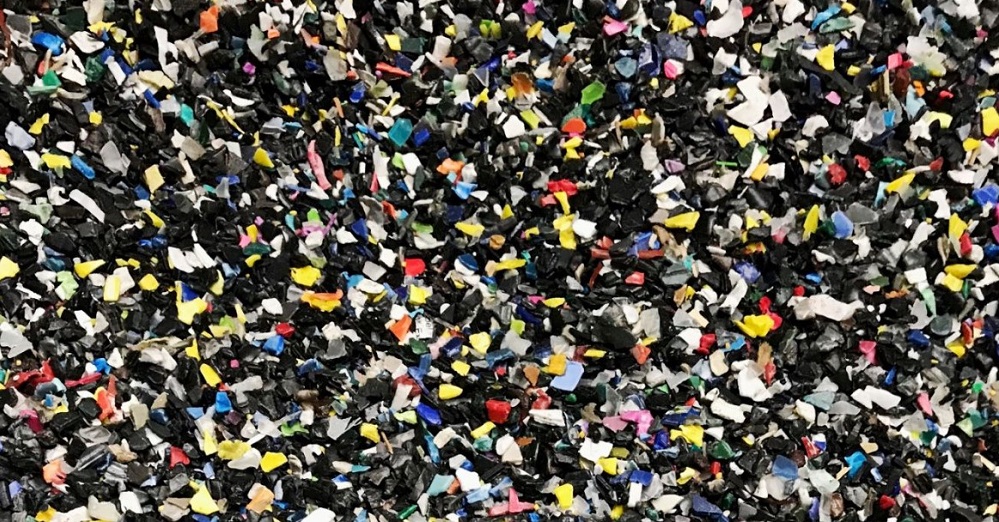
Black plastic comprises about 15% recyclable plastic. However, it is difficult to recycle as standard optical sorting equipment at recycling facilities can’t detect it. Most recycling plants use near-infrared (NIR) sensors to identify and sort plastics based on their composition. However, carbon black absorbs infrared light. It makes black plastic nearly invisible to these systems.
The presence of various additives makes the recycling of these plastics more complicated. Various toxic chemicals in black plastic can contaminate the recycling streams. It affects the quality of recycled plastic material.
Another challenge in the recycling of black plastic products is their limited end market. Even when successfully sorted and processed, the demand for recycled black plastic is quite low. Most manufacturers prefer clear plastic as they are more versatile for different applications. The lack of demand discourages investment in advanced recycling technologies for black plastic.
Black plastic also poses an environmental threat. The following are the environmental impacts of using black plastic:
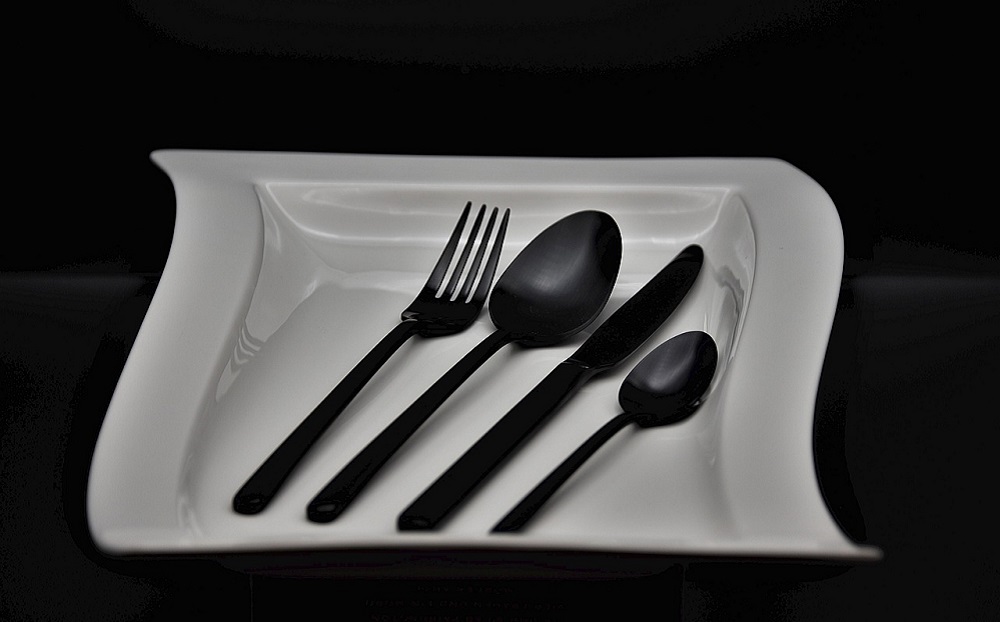
One of the biggest environmental concerns with black plastic is its limited recyclability. It is often identified as non-recyclable and dumped into landfills or incinerators. Over time, it leads to significant land pollution due to increased plastic waste accumulation.
Moreover, plastic decomposition takes hundreds of years. According to a report, plastic utensils need about 1,000 years to degrade. They degrade into microplastic that contaminates the soil and groundwater. These microplastics can enter the food chain, affecting both wildlife and human health.
Black plastic products have numerous hazardous substances, like brominated flame retardants (BFRs), lead, cadmium, and mercury. These chemicals can leach and contaminate the air, water, and soil.
The negative impacts of black plastic utensils are not limited to land. They also contaminate marine life and their habitat. Animals consider these tiny particles food and ingest them. Large plastic fragments can also entangle marine creatures. It can lead to suffocation and eventually death.
WWF Australia reported that about 81 marine mammal species are affected by plastic. They either eat or are entangled in plastic. Plastic pollution is also harming all seven species of sea turtles.
In addition, the ingestion of microplastics can reduce the reproductive rates in marine creatures. It can cause disruption of ecosystems.
Avoiding the use of black plastic ware is necessary to limit its deteriorating impacts. The following approaches can contribute to reducing its use:
An effective way to ditch the use of black plastic items is by switching to alternative materials. Several eco-friendly materials, including bamboo, wood, bagasse, and palm leaf offer a sustainable choice.
Stainless steel and glassware are excellent reusable options that not only reduce waste. They are also durable and provide an aesthetic dining experience. Moreover, you can also use bioplastic to offer an alternative to traditional plastics while being more environmentally friendly.

Black plastic plates and utensils contain various toxic chemicals. Heat can leach them into your food and lead to health hazards. To minimize risks, you need to avoid microwaving or storing hot foods in black plastic containers. Use sustainable and microwave-safe material for heating your food. Make sure to use materials that are free from potential chemical contamination. When ordering takeout, request eco-friendly packaging.
Another crucial step in reducing black plastic takeout containers and utensils is by supporting plastic-free businesses. It will drive demand for safer alternatives. Many restaurants are shifting to eco-friendly alternatives due to increasing awareness of the harms of plastic.
Many businesses are now using biodegradable or reusable tableware to reduce reliance on black plastic. Choosing them will encourage others to do the same. Moreover, providing feedback to restaurants and urging them to switch to eco-friendly packaging can make a positive impact.
Increasing awareness about the harmful environmental impact is encouraging consumers and businesses to seek safer alternatives. Various manufacturers are using natural and sustainable materials for making disposable and reusable utensils. The following are some of the best alternatives to black plastic items:

Wooden utensils are a sustainable alternative to black plastic. It is made of maple or birch wood. Wooden utensils are not only biodegradable but also add an earthy aesthetics to your meal. Wooden utensils are durable and microwave-safe. You can use them for hot as well as cold foods. In addition, they are a perfect match for outdoor events, and catering services, looking to reduce their carbon footprint.
Bamboo is another great alternative to black plastic ware. Its lightweight, durable, and biodegradable nature makes it a top choice. Another feature that makes bamboo utensils a safer alternative is its limited dependence on natural resources. Its fast growth also makes it an eco-friendly choice. It takes only three and half years to reach its full length.
Bamboo utensils are naturally anti-microbial. They are less likely to harbor bacteria than plastic alternatives. In addition, their natural appearance appeals to both environmentally friendly and aesthetic-minded customers.
Stainless steel utensils are highly durable, reusable, and long-lasting alternatives to black plastic. They are a stylish choice and are resistant to corrosion, rust, and staining. The best feature of stainless steel is its recycling. It is 100% recyclable, so it can be melted down and repurposed. Though stainless steel requires higher upfront costs, they are reusable and requires minimal maintenance.
Palm leaf utensils are made from naturally shed leaves of the Areca palm tree. The leaves are processed and shaped into desired shapes and functional utensils. They are biodegradable and add a unique, natural appearance to your table. In addition, they are microwave-safe and do not leach chemicals into your food. It makes them a safe option for those concerned about food safety.
1. Why shouldn't you use black plastic utensils?
Black plastic is made of recycled electronic waste and single-use plastic. It contains numerous harmful chemicals, such as BPA, heavy metals, and flame retardants. These toxins can leach into your food when exposed to heat. It can lead to various health issues. In addition, black plastic utensils also contribute to environmental pollution.
2. Why should you avoid using a black spatula?
Black spatulas made from non-biodegradable plastics. They release toxins, including flame retardants when heated. These spatulas can’t be recycled easily and are harmful to the environment.
3. Is it unhealthy to eat with plastic utensils?
Yes, plastic utensils are unhealthy, especially if they contain harmful chemicals like BPA, phthalates, or other toxins. These chemicals can leach into food. These substances may lead to health issues such as hormonal disruptions, reproductive problems, and an increased risk of certain cancers.
4. What is the safest material for cooking utensils?
The safest materials for cooking utensils are stainless steel, bamboo, and silicone. These materials are non-toxic, durable, and heat-resistant, making them ideal for cooking without leaching harmful substances.
Black plastic is a hazardous material due to the presence of toxins and heavy metals in it. The toxic substances it contains can leach into food, posing significant health risks. It can cause hormonal disruptions, cancer, and neurological damage. Additionally, its low recyclability contributes to increasing landfill waste and environmental pollution.
It's best to opt for eco-friendly alternatives, like wooden, bamboo, and palm leaf utensils. By making the switch to sustainable materials, we can reduce our dependence on black plastic. So, let’s ditch black plastic and contribute to a healthier ecosystem.
To introduce eco-friendly utensils in your food business or household, you need a reliable source. Search for a manufacturer that offers prioritizes sustainability without compromising on quality. Ancheng is a leading manufacturer in the eco-friendly tableware industry. We offer a range of sustainable utensils made of sturdy wood and bamboo. We also provide customized tableware. Contact us today and elevate your business with eco-friendly products.

Hello, I'm Sven Wang, the Manager of Ancheng. With extensive expertise in raw materials and production processes, I'm dedicated to advancing sustainable tableware and constantly improving eco-friendly options for the modern catering industry. You can trust that Ancheng is committed to providing the highest quality. Welcome!

Factory: Qian Renqiao Industrial Park, Shucheng County, Luan City, Anhui Province, China
Office: Building 11, Max Science Park, Shushan Dist, Hefei, Anhui, China
Copyright ©2026 Anhui Ancheng Bamboo and Wood Tableware Co., Ltd. Privacy Policy




 Index
Index Product
 Resources
 About
About