Selecting disposable wooden plates involves evaluating material strength, environmental impact, and cost efficiency. For professional caterers, these plates offer a premium, eco-friendly alternative to plastic and paper. Key materials include birch wood and pine wood, both known for durability and natural aesthetics. When sourcing in bulk, factors such as food safety certifications, shipping logistics, and customization options are critical. Modern catering trends prioritize sustainable disposable plates to meet global plastic bans and consumer demand for green packaging.
This guide helps buyers navigate the technical specifications and market trends to choose the right wooden tableware for weddings, corporate events, and high volume food service.
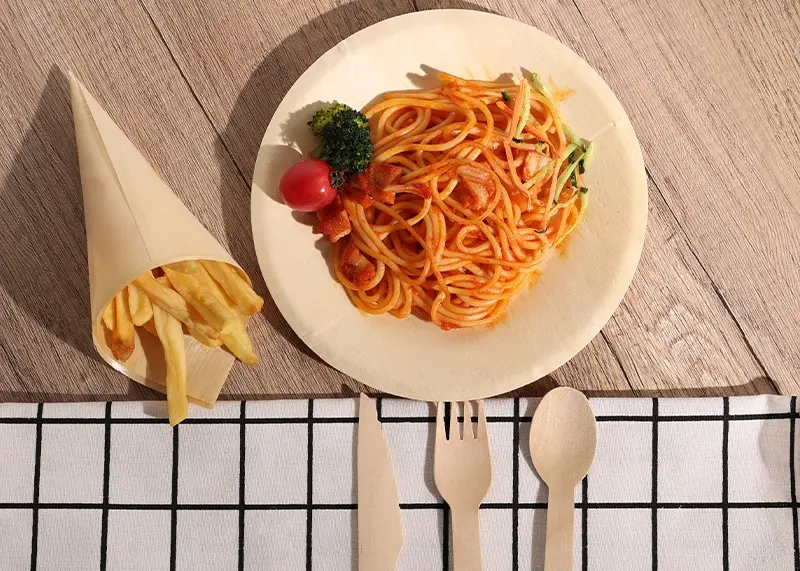
Wooden disposable plates are produced from renewable wood resources and are biodegradable under appropriate conditions. This makes them a strong alternative to plastic disposable plates, which are derived from fossil fuels and persist in the environment for hundreds of years. For businesses aiming to adopt eco friendly disposable plates, wooden plates provide a clear sustainability advantage and help align with regulatory and consumer expectations.
The natural texture and color of wooden plates create a clean and premium look that enhances food presentation. This is especially important for disposable plates for wedding events, banquets, and corporate catering, where table aesthetics influence guest perception. Wooden plates are often associated with quality, natural ingredients, and thoughtful presentation, reinforcing positive brand positioning.
Wood is naturally sturdy and resistant to bending under the weight of heavy or moist foods. Unlike thin paper plates that become soggy, wooden plates maintain their structural integrity when holding sauces or oils. They provide a stable cutting surface for guests using cutlery.
Choosing eco-friendly disposable plates signals a commitment to corporate social responsibility. For catering companies, this choice builds trust with environmentally conscious clients and can be a deciding factor for high value contracts in the corporate and wedding sectors.
Birch wood is the most widely used material for high quality disposable dinner plates. Its tight grain and light, creamy color provide a neutral backdrop for any dish. Because birch is a hardwood, it undergoes a high-heat pressing process that creates a smooth, splinter-free surface without the need for wax or chemical coatings. It is virtually odorless and tasteless, ensuring that delicate flavors like seafood or cream-based desserts are not compromised.
Birch wooden plates are suitable for both premium and mid range catering applications and are widely accepted in international markets due to stable quality.
Pine wood is often used for lightweight catering items like boats and cones. It has a more prominent grain and a distinct natural aroma. While slightly softer than birch, it is highly cost-effective and provides a unique aesthetic for appetizer service.
Poplar is often utilized for round or oval plates that require a balance between flexibility and strength. It is a cost effective material that performs exceptionally well in dry food applications. Its pale color is similar to birch, making it an excellent choice for caterers who want a clean look at a slightly lower price point.
While not strictly wood, bamboo plates and palm leaf disposable plates are often categorized together. Bamboo grows rapidly and offers extreme durability. Palm leaf plates are made from naturally fallen leaves, offering a textured, handcrafted appearance where no two plates are identical.

Small Rounds and Squares (2" - 3"): Specifically designed for single bite hors d'oeuvres or "amuse-bouche" at cocktail parties.
Mini Tasting Plates (4" - 5"): Ideal for cake service at weddings or small tapas portions. These are easy for guests to hold in one hand while socializing.
Standard Side Plates (6"): The go-to size for bread and butter, small salads, or side portions of fruit.
Lunch Plates (7" - 8"): Perfectly sized for light lunches, sandwiches, or buffet-style events where guests may return for multiple small helpings.
Standard Dinner Plates (9" - 10"): The universal choice for full-service catering. These provide enough surface area for a protein, a starch, and vegetables without overcrowding.
Large Buffet Plates (11"): Used in premium buffet settings or for serving shared platters (charcuterie) where a larger "canvas" is required for food styling.
Wooden Boats (3" to 9"): Essential for food trucks and outdoor festivals; the high sides prevent sauces from spilling.
Rectangular Trays: Often used for sushi or long format appetizers to create a modern, structured table layout.
For buyers, aligning plate size with menu structure and service style helps avoid over specification, reduces material waste, and improves overall cost efficiency.
Plastic is cheap but carries a high environmental cost. Many regions are now implementing strict bans on single use plastics. Wooden plates offer a legal, eco friendly alternative that feels more luxurious to the touch and does not leach chemicals into hot food.
Paper plates are often coated with a plastic film to prevent leaking, which makes them difficult to recycle. Wood is naturally leak resistant without chemical linings. In terms of strength, a wooden plate can support significantly more weight than a standard paper plate.
Molded fiber is a strong competitor in the compostable plates market. However, wood offers a superior aesthetic for formal events. While molded fiber plate is functional, wood provides a rigid, high-end feel that is preferred for weddings and upscale corporate catering.
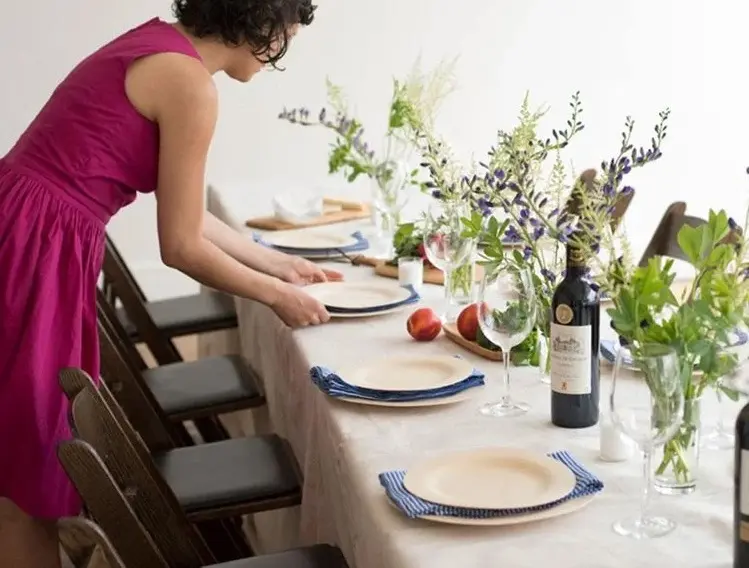
High end disposable plates made of wood are increasingly used at weddings to simplify cleanup without sacrificing elegance. They pair perfectly with linen napkins and floral arrangements, fitting themes ranging from boho chic to classic rustic.
In high-volume outdoor settings, durability is key. Wooden plates do not fly away as easily in the wind as paper and can withstand the heat of freshly grilled festival food. They also simplify waste management at events, striving for "green" certification.
For business lunches, wooden tableware reflects a professional and modern brand identity. In hotels, using disposable wood for poolside service or breakfast buffets reduces glass breakage risks while maintaining a premium guest experience.
Wooden plates and boats are ideal for gourmet food trucks. They provide a stable base for eating on the go and enhance the "farm to table" marketing many mobile vendors utilize to justify premium pricing.
Cost is one of the most important factors when sourcing disposable wooden plates, but it should be evaluated beyond unit price alone. Total procurement cost includes material, manufacturing, logistics, and supply risk.
The unit cost of wooden disposable plates is primarily influenced by the following factors:
1. Raw material cost
Wood species selection has a direct impact on pricing. For example, birch plates are generally priced higher than pine or poplar due to material density and appearance. Certified raw materials such as FSC wood can add approximately 5% to 15% to material cost, depending on market conditions. However, this is essential to avoid penalties resulting from non-compliance with regulations.
2. Manufacturing process
Thickness, molding pressure, surface finishing, and quality control all affect production cost. Thicker plates designed for heavy meals or buffet service typically cost 10 to 25 percent more than standard thickness plates.
3. Packaging and logistics
Export packaging, carton strength, palletization, and shipping distance significantly influence landed cost. Efficient stacking and packaging design can reduce shipping costs per unit, especially for international buyers.
Bulk purchasing is one of the most effective ways to reduce overall procurement costs and improve supply reliability. Key benefits include:
1. Lower unit pricing due to production scale efficiency
2. Reduced per-unit packaging and logistics costs
3. Priority production scheduling during peak seasons
4. More consistent product quality across batches
5. Reduced risk of supply shortages for large events or seasonal demand
For many catering buyers and distributors, bulk disposable plates can reduce unit cost by 10% to 30% compared with small or irregular orders.
Beyond pricing, working with a stable manufacturer provides additional value:
1. Better forecasting and inventory planning support
2. Access to customization without repeated tooling costs
3. Faster response to design or specification changes
4. Improved compliance documentation and certification support
From a procurement perspective, these factors often outweigh minor price differences between suppliers.

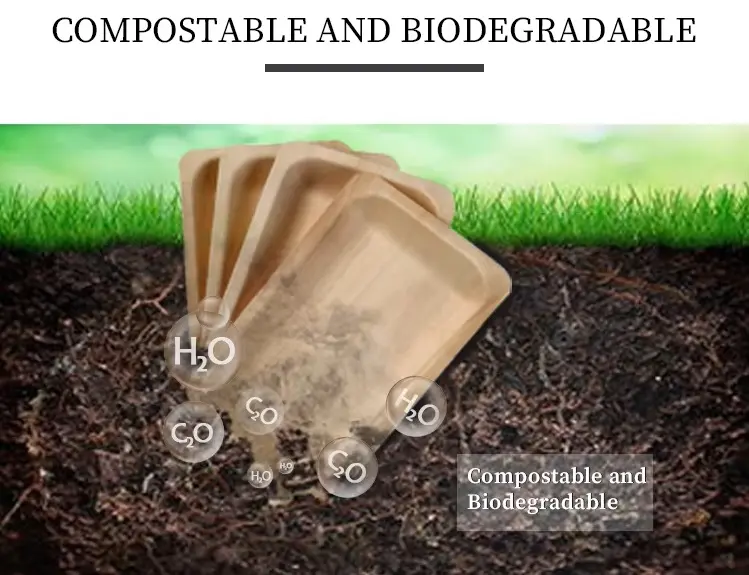
Wooden plates are fully compostable, but the speed of breakdown depends on the environment. In an industrial composting facility, they disappear within weeks. In a home compost bin, they may take longer depending on moisture and heat levels.
Wood is a clean, organic material. Even if it ends up in a landfill, it will eventually break down without releasing toxic microplastics. However, encourage clients to dispose of them in organic waste bins to maximize their environmental value.
Using sustainable disposable plates helps companies meet Environmental, Social, and Governance (ESG) targets. Look for products with FSC certification, which ensures the wood is sourced from responsibly managed forests that provide environmental, social, and economic benefits.
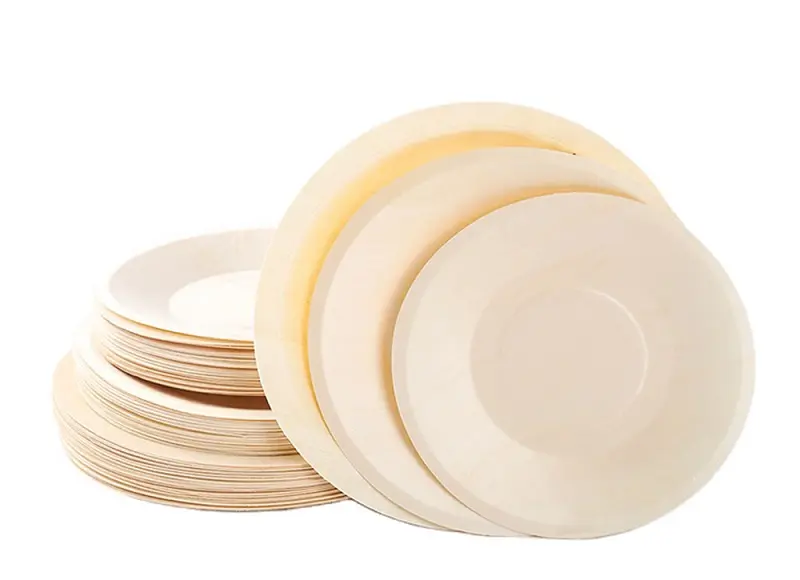
As more countries move toward total bans on single use plastics, the demand for wooden tableware is expected to surge. This regulatory shift is making wood the new standard for the catering industry rather than a niche alternative.
Future designs are focusing on "nesting" capabilities to save storage space and ergonomic shapes that make it easier for guests to hold both a plate and a drink simultaneously. Improvements in heat pressing technology are also creating even thinner, stronger plates.
While once reserved for boutique events, the scale of production is now making wooden plates accessible for mass market fast casual dining. The "premiumization" of disposable packaging continues to be a driving force in consumer food choices.
1. Can wooden disposable plates be used in a microwave?
Most wooden disposable plates are not recommended for microwave use due to uneven heating and potential drying.
2. How should bulk disposable plates be stored?
They should be stored in a dry, well-ventilated environment, away from moisture and direct heat, to prevent mold or deformation.
3. Do wooden plates affect food taste?
Properly manufactured wooden plates do not transfer taste or odor and meet food contact safety requirements.
Choosing the right disposable wooden plates is a balance of material quality, aesthetic appeal, and environmental responsibility. By moving away from plastic and paper toward wood solutions, caterers can provide a sturdy and beautiful dining experience while meeting modern sustainability standards. Success in sourcing depends on understanding the specific needs of your event and partnering with a manufacturer that offers consistent quality and ethical production.
Elevate your catering service with eco friendly solutions that do not compromise on style or strength. Ancheng specializes in manufacturing high quality disposable wooden plates designed to meet the rigorous demands of professional food service. The product range covers multiple materials, sizes, and application scenarios, with support for bulk production, customization, and international food contact compliance.
Whether you require bulk supplies for large scale festivals or custom engraved plates for a luxury wedding, our team provides reliable manufacturing and global shipping expertise. Explore our full range of sustainable products and find the perfect fit for your brand today.


Hello, I'm Sven Wang, the Manager of Ancheng. With extensive expertise in raw materials and production processes, I'm dedicated to advancing sustainable tableware and constantly improving eco-friendly options for the modern catering industry. You can trust that Ancheng is committed to providing the highest quality. Welcome!

Factory: Qian Renqiao Industrial Park, Shucheng County, Luan City, Anhui Province, China
Office: Building 11, Max Science Park, Shushan Dist, Hefei, Anhui, China
Copyright ©2026 Anhui Ancheng Bamboo and Wood Tableware Co., Ltd. Privacy Policy


 Index
Index Product
 Resources
 About
About