Disposable bamboo and wooden tableware can be used in a microwave only under specific and controlled conditions. These materials are organic and contain natural moisture, which reacts to electromagnetic waves. While they do not melt like plastic or spark like metal, they are susceptible to scorching, cracking, or warping if heated for a long time. For commercial applications, these products are generally suitable for light reheating of food for less than two minutes at medium power. They are not appropriate for cooking or for use with extremely oily or dry foods that reach high temperatures quickly. Buyers must verify that products are free of synthetic glues or coatings that might release fumes when warm. Always look for specific microwaveable labels and certifications to ensure safety for the end user.
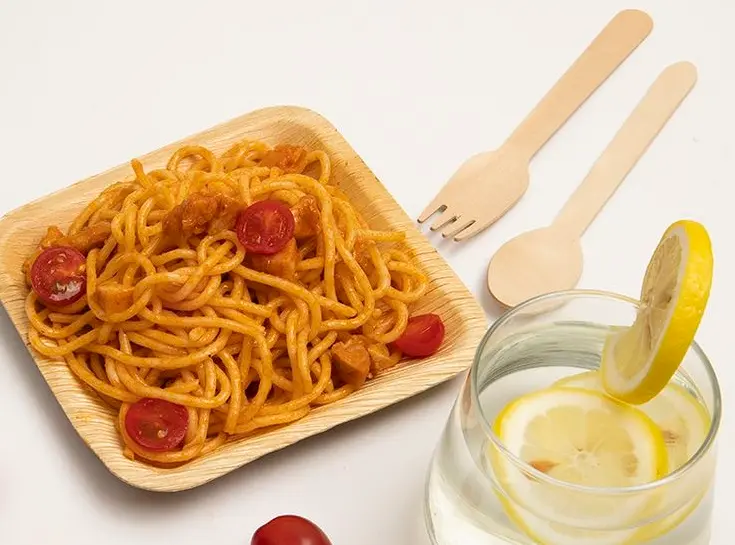
Disposable bamboo plates and wooden plates are made from natural plant fibers. Bamboo products usually use fast growing bamboo that is sliced, pressed, or molded into shape. Wooden products are commonly made from birch, poplar, or other light hardwoods that are processed into thin sheets or pressed forms.
These materials are different from molded fiber products, such as bagasse. Bamboo and wood maintain more of their natural fiber structure. This gives them strength and rigidity but also makes them more sensitive to heat and moisture.
In the disposable market, bamboo and wooden tableware include:
a. Disposable plates and trays
b. Bowls and food boats
c. Cutlery such as forks, knives, and spoons
d. Lids and serving boards
Some bamboo plates are made from pressed fiber, while others are cut from solid bamboo sheets. Wooden plates are usually pressed from thin wood veneers. Some products have no coating, while others use a thin layer of food-grade wax, a water-based coating, or PLA to improve resistance to oil and water.
Biodegradability: These materials break down naturally in soil within a few months.
Compostability: Most are certified as compostable plates in industrial facilities.
Renewability: Both wood and bamboo are renewable resources that sequester carbon during growth.

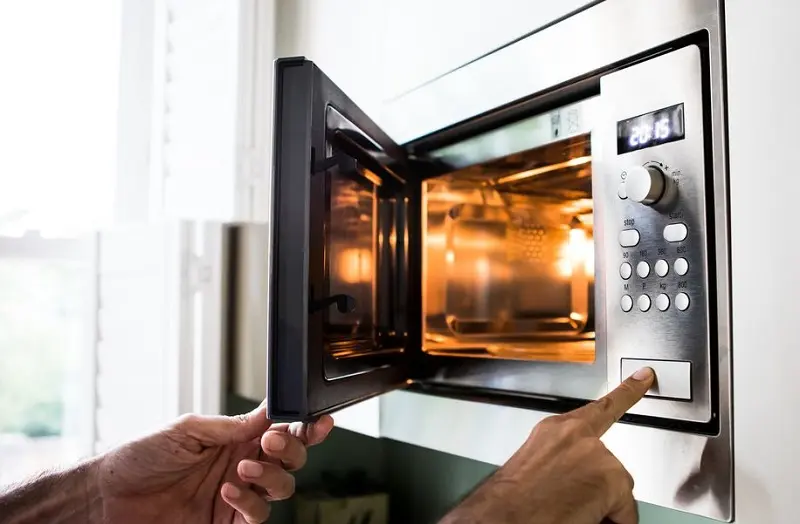
Understanding how a microwave interacts with organic matter is essential for determining the safety of sustainable tableware.
A microwave oven emits non ionizing radiation that causes water molecules in food to vibrate rapidly. This vibration creates friction, which generates heat. This process is very efficient for moist items, but behaves differently with solid materials.
Bamboo and wood are porous materials. Even when they appear dry, they contain a certain percentage of internal moisture. When placed in a microwave, the water inside the wood fibers also heats up. If the moisture turns to steam too quickly, it creates internal pressure. This pressure is the primary cause of structural failure in wooden microwaveable dishes.
Bamboo and wood absorb some energy. They remain cooler than the food but can become brittle or charred if the heating is excessive.
For a plate to be safe for use in a microwave, it must meet several criteria.
First, it must have high thermal stability to prevent ignition.
Second, it must have a consistent moisture content to prevent uneven expansion.
Finally, it must be free of any metal elements or chemical glues that react poorly to heat.
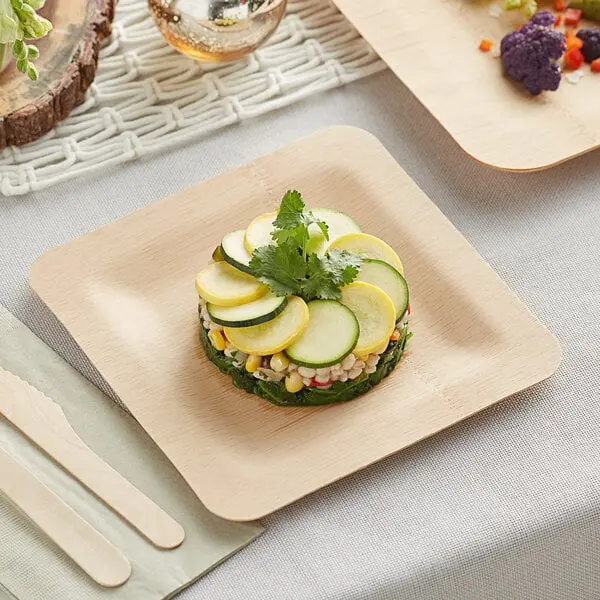
Bamboo is often touted as a superior alternative to plastic. However, its performance in a microwave depends on how the product was manufactured.
Natural bamboo does not contain metal. It is a dense material with high tensile strength. In a short duration, such as 60 to 90 seconds, a bamboo plate typically remains stable. It serves as an excellent vessel for reheating bread, vegetables, or light snacks.
The biggest risk involves the moisture content of the bamboo. If the bamboo is too dry, it can become scorched. If it is too wet, it may warp as the water evaporates.
Another concern is the use of adhesives. Many disposable bamboo plates are made by gluing together thin layers of bamboo. If the glue is not heat resistant, it can soften. This might lead to the plate delaminating or releasing an unpleasant odor. Pure sheath bamboo plates, which are pressed from a single piece of the bamboo plant without glues, are generally safer for microwavable plates applications.
Reheating a slice of pizza or a small portion of pasta for one minute. Use the plate for dry goods that do not require intense heat.
Bamboo plates should not be used for:
a. Cooking raw food
b. Heating soups or sauces
c. Reheating food with high fat or sugar content
d. Long microwave cycles
These conditions increase the risk of warping, cracking, or burning.

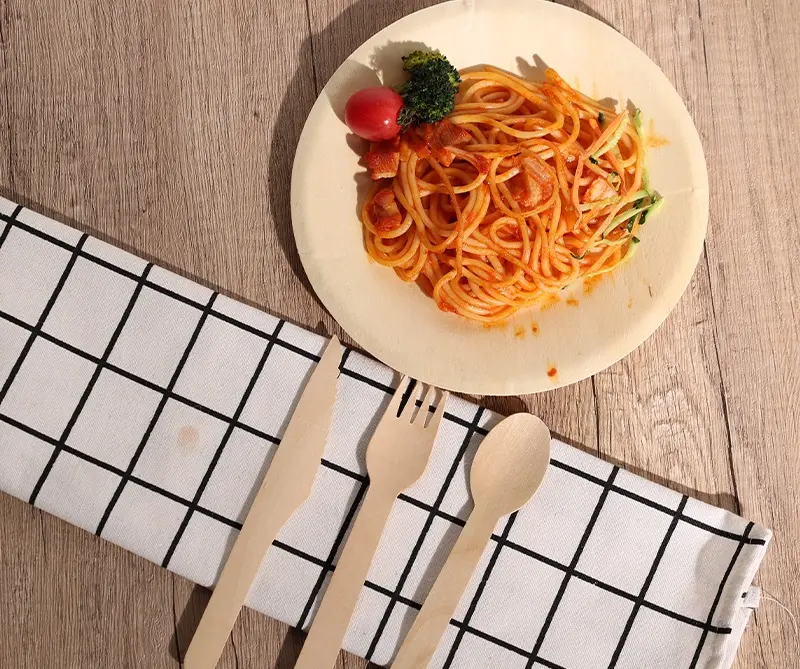
Wooden plates, particularly those made from birch, are popular in the catering industry. Their behavior in a microwave is similar to bamboo but with some distinct differences.
Wood is a natural insulator. It does not conduct heat as quickly as ceramic. However, wood is more combustible than bamboo. Different species of wood have different densities. Birch is relatively dense and performs better than softer woods like pine. Thicker wooden plates may resist warping better, but they are still not microwave safe by design.
When a wooden plate is subjected to microwave energy for too long, several things can happen.
1) Discoloration: The wood might turn dark brown or black in spots where the food was hottest.
2) Warping: The edges of the plate may lift or twist as the fibers contract.
3) Odors: Natural resins in the wood can be released, which might alter the scent of the food.
It is advisable to limit the use of wooden plates to short intervals. They are perfect for serving warm appetizers in a commercial setting where the food is heated elsewhere and then placed on the plate. If the food must be heated on the plate, keep the duration under two minutes. They should not be reused after microwave exposure because their structure may be weakened.

Most buyers look for plates that are resistant to grease and water. This often requires a coating.
1) PLA Coating: Polylactic Acid is a compostable plastic derived from corn starch. It provides a great moisture barrier.
2) Water-Based Coatings: These are thin layers that prevent oil from soaking into the wood or bamboo.
3) Wax Coatings: Some natural products use a thin layer of vegetable wax for a smooth finish.
The definition of a microwavable product depends on whether the coating can withstand heat without melting. PLA has a relatively low melting point. If a bamboo plate with a thick PLA liner is heated too much, the liner may fuse to the food.
Water based coatings are generally the most stable for microwave applications. For the United States market, these must comply with FDA regulations for food contact at elevated temperatures. In the European Union, they must meet the standards set by LFGB. Always verify that the manufacturer has tested the specific coating under microwave conditions.
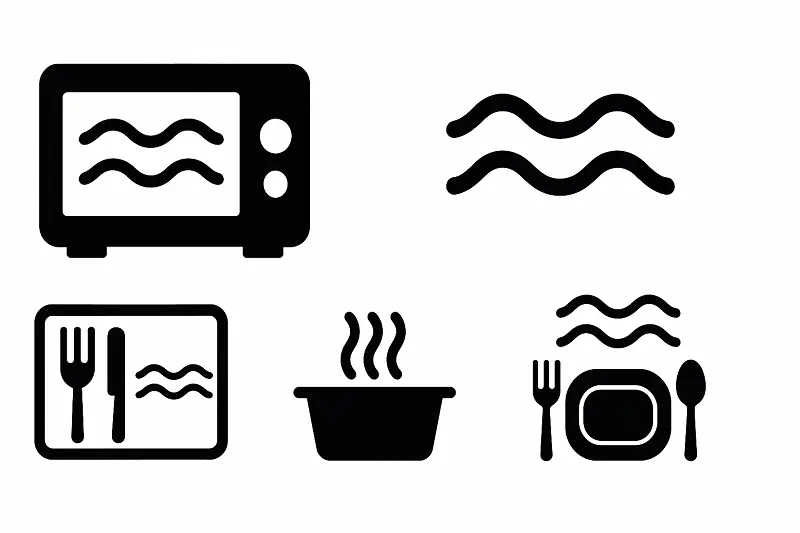
For importers and wholesalers, ensuring product safety is a matter of liability and brand reputation. Use this checklist when evaluating suppliers:
1. Certification: Does the supplier provide FDA or LFGB test reports that specifically mention heat stability?
2. Labeling: Is the microwave safe symbol clearly printed on the packaging?
3. Material Composition: Is the plate made from a single piece of material or is it glued? Single piece construction is always safer for heat.
4. Moisture Control: Ask the factory about their kiln drying process. Consistent moisture levels prevent cracking during shipping and use.
5. Sample Testing: Always conduct an in house test. Place the plate in a high power microwave for three minutes with an oily substance to see when it fails.
Without these documents, it is safer to assume the product is not microwave safe.
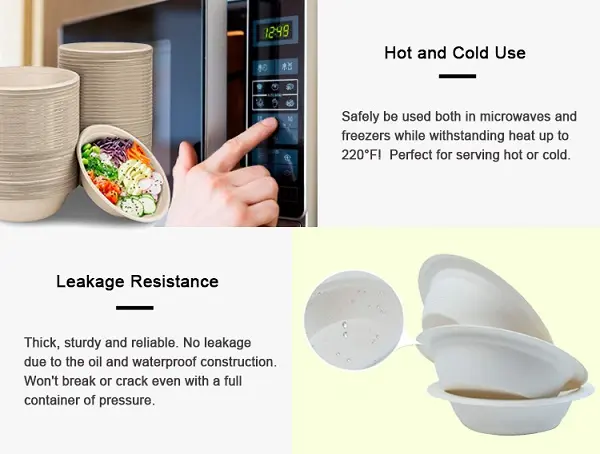
Bagasse plates are made from the fibrous residue of sugarcane.
Microwave Safety: Bagasse is generally superior for microwaves. It can handle higher temperatures for longer periods without the risk of fire.
Performance: Bamboo and wood are aesthetically more premium and feel more solid, but bagasse is more functional for heavy microwave use.
Stability: Bamboo and wood are much more rigid. Paper bowls often become soggy or lose their shape when heated with moist food.
Cost: Paper is cheaper, but bamboo and wood provide a better experience for high end catering.
Safety: Organic materials do not contain bisphenol A or phthalates. Even if they scorch, they do not release the same toxic fumes that melting plastic does.
Legislation: Many regions have banned single use plastics, making bamboo and wood the necessary choice despite their microwave limitations.
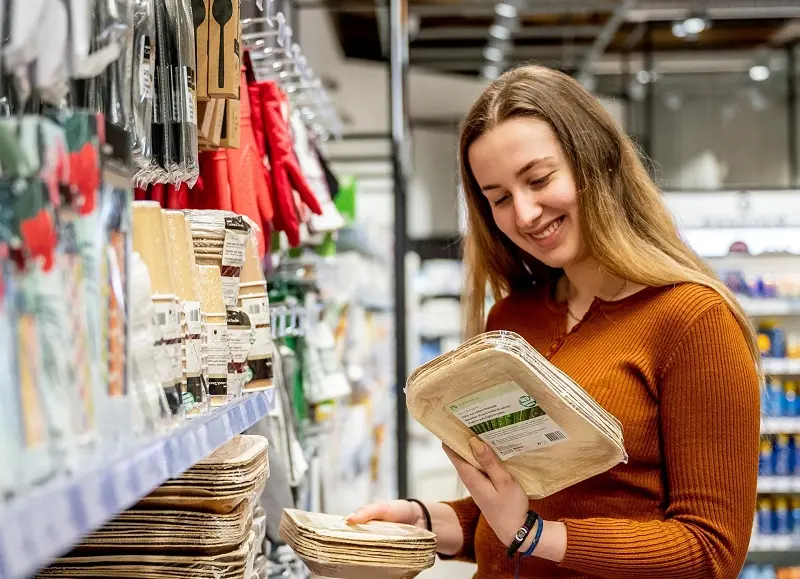
When you source disposable bamboo plates, you must be transparent with your clients. Provide clear documentation regarding the duration and power levels that the plates can handle. If a product is not meant for the microwave, mark it clearly to avoid legal issues. Focus on sourcing products that use mechanical pressing rather than chemical bonding.
If your business relies heavily on delivery, consider a hybrid packaging strategy. Use bagasse for hot, saucy entrees that require significant reheating. Use bamboo or wooden plates for sides, breads, or premium appetizers where the visual presentation is more important than the ability to cook in the microwave.
Market education is your best tool. Use your website and social media to explain why natural materials behave differently. Explain that the lack of a microwave safe symbol on certain products is a sign of purity and the absence of synthetic plastics. Transparency builds trust with environmentally conscious consumers who value safety over convenience.
1. Are bamboo and wooden tableware oven safe?
No. Bamboo plates and wooden plates are not oven safe. Ovens produce dry heat at much higher temperatures than microwaves. This can cause burning, cracking, and fire risk. These products are designed only for serving and limited reheating, not for baking or roasting.
2. Are bamboo and wooden tableware air fryer safe?
No. Air fryers work like small convection ovens. They produce high dry heat and strong airflow. Bamboo and wood can dry out quickly, warp, and burn in an air fryer. These products should never be used in an air fryer.
3. Can disposable bamboo plates catch fire in a microwave?
Under normal short reheating conditions, they are unlikely to catch fire. However, if used for long periods or with very dry food, charring is possible.
4. Why do some bamboo plates say microwave safe?
Some manufacturers use special materials and coatings. These products are tested and labeled. Most bamboo plates on the market do not meet these standards.
5. What should I do if a wooden plate starts to smell in the microwave?
Stop the microwave immediately. This indicates that the natural resins or moisture are overheating. The food is likely safe, but the plate should not be heated further.
Disposable bamboo and wooden tableware is not designed to be true microwavable dishes. They are natural, organic products that react to heat by losing moisture and potentially scorching. While they are safe for very short periods of reheating, they should never be used for actual cooking or for heating high fat foods. For businesses that require heavy microwave functionality, sugarcane bagasse is a better technical choice. However, for premium presentation and environmental integrity, bamboo and wood remain excellent options if used within the suggested limits of low power and short duration.
Selecting the right supplier for eco friendly tableware is a vital decision for your brand reputation. Ancheng provides a wide range of disposable bamboo, wood, and bagasse products that meet strict international safety standards. We understand the technical requirements of the modern catering industry and the specific needs of bulk buyers. Whether you need items for light microwave reheating or premium food presentation, our team is ready to help you find the best solution for your market.
Contact us today to request a comprehensive product catalog or to discuss your specific procurement needs with our experts. We offer reliable shipping and professional support for all bulk orders to ensure your business stays ahead in the green packaging industry.


Hello, I'm Sven Wang, the Manager of Ancheng. With extensive expertise in raw materials and production processes, I'm dedicated to advancing sustainable tableware and constantly improving eco-friendly options for the modern catering industry. You can trust that Ancheng is committed to providing the highest quality. Welcome!

Factory: Qian Renqiao Industrial Park, Shucheng County, Luan City, Anhui Province, China
Office: Building 11, Max Science Park, Shushan Dist, Hefei, Anhui, China
Copyright ©2026 Anhui Ancheng Bamboo and Wood Tableware Co., Ltd. Privacy Policy


 Index
Index Product
 Resources
 About
About