Global rules for disposable tableware change rapidly. Many regions ban single use plastic. Some natural materials face import restrictions. Standards for compostability and food contact update often. Procurement teams that rely on one material face high exposure to border holds, fines, and lost sales. Material diversification acts as compliance insurance. It spreads risk across multiple materials, supporting a stable supply and market access.
This article explains compliance risks, weaknesses of single material procurement, and how a diversified approach protects business continuity.

Many markets enforce strict limits on single use products. The EU Single Use Plastics Directive restricts many plastic items. Several U.S. states have passed laws requiring food service brands to certify that their tableware and food packaging are free of PFAS. Increasingly stringent plastic bans in the Asia-Pacific region are also driving growing demand for compliant alternatives.
Food contact materials require valid certifications. Rules cover migration limits and allowed substances. Agencies such as the U.S. FDA and Germany’s LFGB set strict standards. Noncompliant goods face detention or destruction.
Compostability standards include certifications such as EN 13432, BPI, and AS 4736. As market and regulatory conditions evolve, testing methods and the scope of approval for sustainability certifications change over time; products that lose their valid certification are unable to enter many markets.
Markets ban false or misleading environmental claims. However, many products currently on the market claim to be “bio-based,” “biodegradable,” or “compostable,” yet lack actual proof. Businesses must match product claims to local rules. Errors lead to penalties and brand damage.
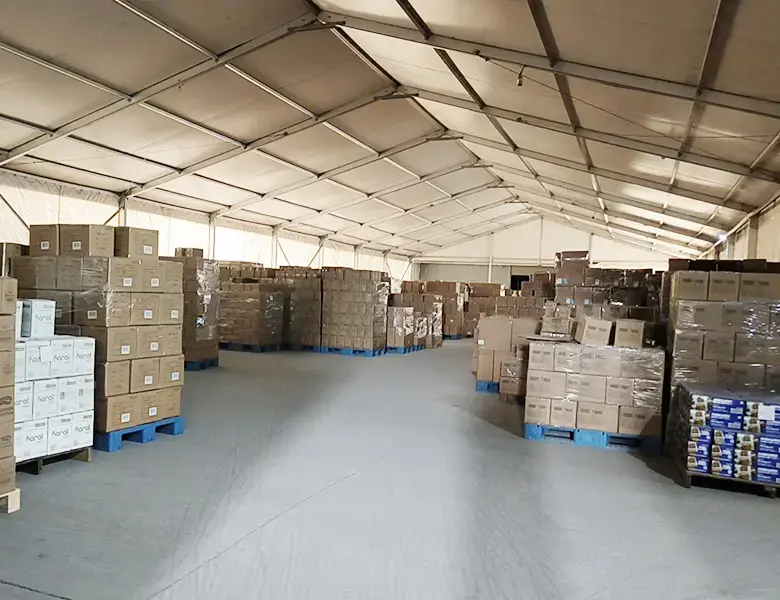
Overreliance on one material threatens business stability.
1. Changes in regulations and restrictions. In 2025, the U.S. FDA issued clear warnings about palm leaf dinnerware made from Areca catechu leaf sheaths. The agency stated such products may not be lawfully sold in the U.S. The FDA cited a lack of GRAS status and safety risks for food contact use. Import authorities may detain these products without physical inspection. This action shows that even natural materials can face sudden import barriers. Procurement teams cannot assume natural materials stay compliant long term.
2. Supply chains face disruption from crop issues, export limits, or logistics delays. Biodegradable tableware is typically made from plant-based materials, which are susceptible to fluctuations in weather and crop yields. If restrictions are imposed on such crops in a supplier’s region, this can disrupt the existing supply chain.
3. Raw material costs shift with seasonal or policy changes. At this point, the only options are to stockpile inventory or passively accept higher purchase prices.
4. Single material portfolios fail to meet diverse buyer needs. If you are a distributor, product diversity is the key to ensuring business revenue.
5. Certification loss or border rejection affects full product lines. For companies that rely on a single material and a single manufacturer, any issues during the transportation of tableware can disrupt subsequent production and business operations.

Material diversification in the context of food service refers to the strategic practice of integrating a broad range of sustainable substances into a single product portfolio. It avoids over-reliance on a single solution for tableware procurement. This approach spreads compliance and supply risks across different materials. It ensures the business can adapt to changing regulations and market demands. It supports stable operation even when one material faces restrictions or shortages.

1. Bagasse (pulp molding): Made from sugarcane fiber residues. It is biodegradable and compostable. It suits food service containers and disposable tableware. It meets most global eco-certification standards.
2. Wooden / Bamboo Tableware: Renewable and natural materials. They are suitable for single use or short term reuse. They comply with food contact safety rules in most regions. They have a low environmental impact.
3. PLA (Polylactic Acid): A biopolymer made from renewable resources such as corn starch. It is transparent and ideal for cold food applications such as salad bowls or clear cups.
4. CPLA (Heat-resistant PLA): This is a modified version of PLA that has undergone a crystallization process. This treatment allows the material to withstand much higher heat, making it suitable for hot coffee lids and soup spoons.
5. Paper + Coating Composite Materials: Paper base with food-safe coating. It enhances water and oil resistance. It is suitable for packaging and disposable tableware. It balances cost and eco-performance.
6. Reusable Materials: This category includes high grade substances like polypropylene (PP) that are designed for multiple uses. These are often used in closed loop systems where containers are collected, washed, and redistributed to reduce total waste.
A strategy might involve using bagasse for hot takeout meals, birch wood for cutlery, and paper for dry snacks. By matching the material to the specific functional need of the food, a business optimizes both the cost and the user experience. This approach transforms procurement from a repetitive task into a sophisticated risk management tool.

Diversification across materials reduces compliance risk. It supports stable operations.
When one material faces limits, alternatives maintain sales. Teams can switch quickly to match local rules. Dependency on the regulatory status of one material decreases. This reduces the risk of inventory loss and supply interruption.
A diversified tableware portfolio typically involves working with different suppliers and manufacturing facilities. This reduces reliance on a single source. As a result, the impact of policies, raw materials, and manufacturers on business operations is minimized. If one supply chain fails to deliver as expected, products from other supply chains can compensate for the shortfall.
Different countries and regions require different certifications and material types. Some support industrial compost. Others suit home compost environments. A broad portfolio serves retail, food service, and delivery channels. Furthermore, A diversified product range allows companies to meet local requirements without redesigning their entire portfolio. This supports expansion into new markets.
By sourcing tableware made from different materials, buyers can adjust their procurement strategies based on market conditions. If the price of PLA tableware rises, opting for tableware made from sugarcane bagasse can help reduce costs while meeting regulatory requirements. Diversification reduces emergency retooling and recertification. Fines, recalls, and border holds become less likely. Negotiation power with suppliers improves.
A fit-for-purpose material approach supports real circularity. It reduces greenwashing risks. Offering a range of earth-friendly tableware options demonstrates a commitment to sustainability and compliance. Customers can choose products that align with their ESG goals. This can enhance satisfaction and foster long-term relationships.

Different countries require different material combinations. Regulatory standards vary across regions. A single material cannot meet all local rules. Chains must adjust product selections based on national laws and certification requirements. Material diversification ensures stable operation in multiple markets. It prevents sales interruptions caused by regional restrictions. It helps brands maintain consistent service worldwide.
Businesses in this sector balance cost control and compliance. Disposable tableware forms a large part of the daily supply. High compliance risk must not lead to excessive cost increases. A diversified material structure supports stable pricing. It ensures products meet food contact standards and environmental rules. It supports large-scale use in daily delivery services. It reduces disruption from sudden policy changes.
Retail buyers prefer integrated solutions for packaging and tableware. Consumers expect consistent eco-friendly performance. Diversified materials support unified product series. They meet shelf display requirements and consumer expectations. Products must comply with retail packaging standards. A multi-material portfolio expands product categories. It improves competitiveness in retail markets.
Government and public event buyers enforce strict compliance requirements. Products must pass official certification and inspection. Any non-compliance leads to order rejection or legal risks. High reliability and full documentation are necessary. Material diversification reduces dependency on vulnerable supplies. It ensures procurement stability for large-scale activities. It lowers risks of supply shortage or policy barriers.

Classify materials by region, regulation and application. The matrix clarifies suitable materials for each market. It helps teams make quick and accurate decisions. It visualizes compliance risks and material advantages. It supports structured planning for tableware procurement.
Businesses should not depend on suppliers from a single country. They should avoid relying on one material provider. Multiple suppliers reduce supply chain disruption risks. It maintains stable production and delivery. It improves negotiation capacity. It ensures continuous supply even during export policy changes. Furthermore, a business should not rely on a vendor that only produces one type of item. Working with partners who have expertise in multiple material types provides a safety net if one specific raw material becomes unavailable or too expensive.
A formal compliance monitoring system is necessary. Regulations for disposable tableware update frequently. Teams must track new bans, certifications and import rules. Early warning helps adjust procurement plans in advance. It prevents unexpected losses from policy shifts.
Standardized designs improve flexibility in material replacement. Modular structures allow switching between materials without full product redesign. It shortens certification and testing cycles. It lowers development costs. It supports fast adaptation to new compliance demands.
Partnering with an experienced manufacturer provides access to deep industry knowledge and customized solutions. Professional suppliers often have their own compliance teams and can offer technical guidance on which materials best suit a particular market. For example, a supplier like Ancheng can help a business develop custom tableware that meets specific environmental certifications while maintaining performance standards. This collaborative approach enhances the overall security and efficiency of procurement.
Reasonable material diversification does not raise overall costs. It reduces the risks of supply shortages and price fluctuations. It avoids emergency expenses caused by policy bans or product recalls. Proper material matching helps control unit costs for different scenarios.
Companies should evaluate three main factors: regulatory requirements, product performance, and cost. Building a material matrix helps match materials to specific markets and applications. Working with experienced suppliers can also simplify this process.
Yes. Material diversification is suitable for businesses of all sizes. Smaller buyers can start with 2 basic material options. They can order small-batch combinations to test market adaptability. Flexible suppliers support customized small-batch multi-material procurement.
Managing multiple materials is significantly easier when working with a comprehensive manufacturer that specializes in several product lines. A professional partner can provide bamboo, wood, and bagasse products under a single logistics and quality control framework. This consolidation reduces the administrative burden on the procurement team while still providing the necessary material variety.
Regulations governing tableware vary by region and are constantly evolving. At the same time, supply chains and costs are subject to external pressures. As compliance becomes increasingly complex, relying on a single material is no longer a sustainable strategy.
Material diversification provides a practical solution. It reduces risk, improves flexibility, and supports long term business stability. It also enables companies to meet diverse customer and regulatory requirements.
For businesses involved in disposable tableware, adopting a diversified material approach is not only about sustainability. It is a necessary step toward operational resilience and compliance assurance.
If you’re looking for a comprehensive tableware manufacturer that offers high-performance, standard-compliant products, Ancheng is your top choice. Our products are made from renewable materials—ranging from birch wood, moso bamboo, and paper to sugarcane bagasse—to meet your diverse material combination requirements. Rigorous quality control and comprehensive international certifications form the solid foundation of our global reputation. From bamboo cutlery sets and wooden trays to sugarcane fiber bowls, our team customizes tableware and fulfills bulk orders for distributors, foodservice providers, and brands.
Contact us to receive your tableware solution proposal. Request certified tableware samples to verify quality.


Hello, I'm Sven Wang, the Manager of Ancheng. With extensive expertise in raw materials and production processes, I'm dedicated to advancing sustainable tableware and constantly improving eco-friendly options for the modern catering industry. You can trust that Ancheng is committed to providing the highest quality. Welcome!

Factory: Qian Renqiao Industrial Park, Shucheng County, Luan City, Anhui Province, China
Office: Building 11, Max Science Park, Shushan Dist, Hefei, Anhui, China
Copyright ©2026 Anhui Ancheng Bamboo and Wood Tableware Co., Ltd. Privacy Policy


 Index
Index Product
 Resources
 About
About