Earth Day 2026 carries the theme Our Power, Our Planet. It reminds every industry that individual and collective actions shape the Earth’s future. Among these sectors the food service industry holds a unique position. It is a major driver of economic activity and a primary source of convenience for millions of people. However it is also one of the largest contributors to the crisis of plastic pollution.
This article explores how the industry can leverage sustainable solutions to reduce plastic reliance, with a focus on practical, safe and scalable alternatives that align with both environmental goals and business needs.
Earth Day 2026’s theme Our Power, Our Planet emphasizes that every sector holds the power to drive positive environmental change. For the foodservice industry, this means addressing the plastic waste crisis head on. Statistics show that we use up to 190 million tons of single-use plastic annually. Much of this ends up in landfills, oceans, and natural habitats, where it can persist for centuries. In regions like Europe and North America, plastic tableware accounts for a significant portion of single-use plastic waste. Latin American markets are also seeing rising plastic consumption as foodservice expands, highlighting the need for urgent action.
The shift away from plastic is no longer just an environmental choice. It is a business imperative. Governments worldwide have implemented plastic reduction policies. The EU’s Single Use Plastics Directive bans certain plastic items, while countries like Mexico enforce strict environmental regulations through authorities like SEMARNAT. Consumers are increasingly choosing brands that prioritize sustainability. A growing number of diners actively seek out restaurants using eco friendly tableware. Brand ESG strategies now regularly include plastic reduction targets, as investors and stakeholders demand greater environmental accountability.
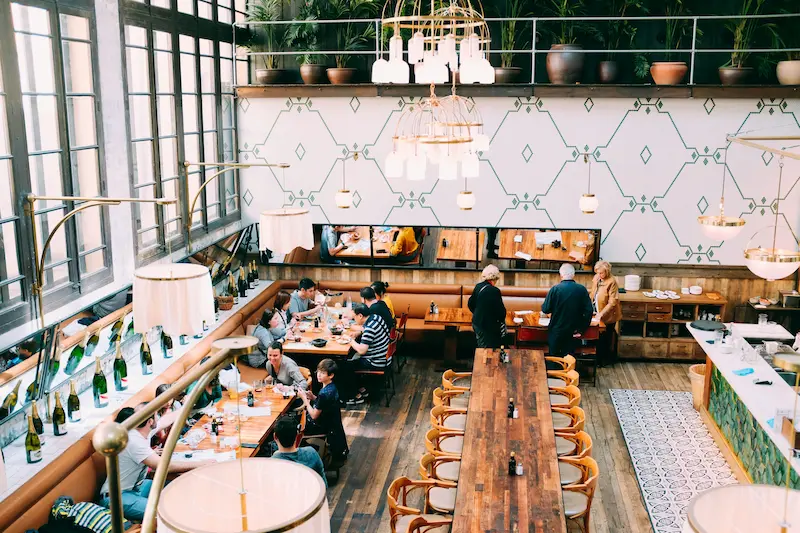
Catering businesses can take practical steps to achieve the goals of Earth Day 2026. The following guide provides specific strategies to eliminate plastic and adopt sustainable alternatives.
The most immediate change involves switching to items made from natural materials. Try plastic utensil alternatives below:
Efficient packaging reduces the total volume of waste generated by delivery services.
1) Reduce Excessive Packaging: Restaurants should implement an opt in policy for cutlery and napkins. Removing unnecessary layers of wrapping saves money and reduces waste.
2) Modular Packaging: Using containers that fit together precisely eliminates the need for extra bags and plastic fillers. This ensures the food remains secure during transport.
3) Compostable Materials: Selecting one type of material for the entire package simplifies disposal for the customer. This consistency improves the success rate of composting programs.
Moving toward a circular economy reduces the demand for new materials.
1) Coffee Cup Deposit Systems: Customers pay a small deposit for a reusable cup. They receive the money back when they return the cup to the store. This prevents thousands of single use cups from entering landfills.
2) Reusable Lunch Boxes: Encouraging customers to bring their own containers through small discounts is an effective strategy. This builds a sense of community around the theme Our Power Our Planet.
Proper disposal ensures that sustainable materials reach the correct facilities.
1) In-Store Sorting: Businesses must provide clearly labeled bins for organic waste and recyclables. Using visual icons helps customers sort their trash correctly.
2) Back End Processing Partnerships: Working with professional waste management companies ensures that compostable tableware is processed in industrial facilities. This guarantees the maximum environmental benefit from the material switch.
Reliable suppliers are essential for businesses that plan to reduce plastic consumption. Manufacturers that specialize in eco friendly tableware can provide a wide range of solutions tailored to different foodservice applications.
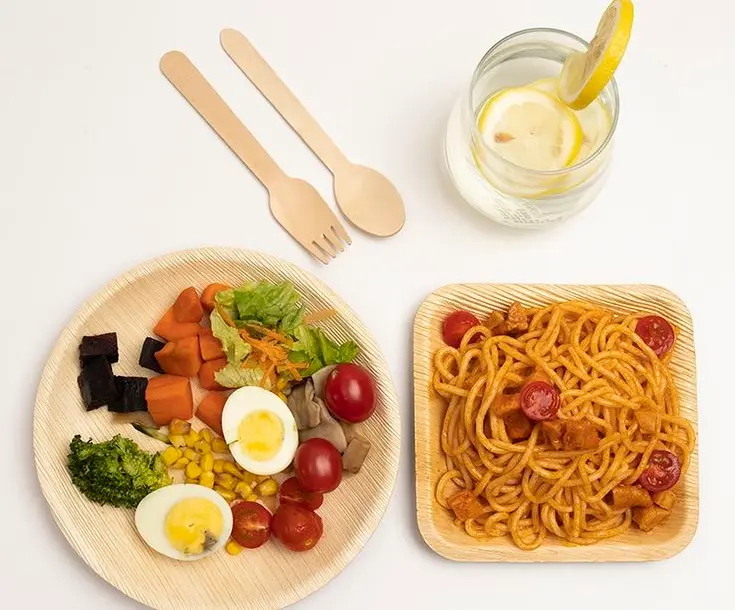
We offer four material options that balance environmental sustainability, practicality, and cost-effectiveness.
Bamboo is a fast growing, renewable resource that requires no pesticides or fertilizers. It offers natural heat resistance and tensile strength, making it suitable for a range of foodservice scenarios from barbecues to everyday dining. Bamboo products have a smooth texture and natural appearance that enhances the dining experience. Ancheng’s bamboo tableware line includes chopsticks, skewers, plates and cutlery sets, all sourced from sustainably managed forests.
Made from birch and poplar wood, wooden tableware is biodegradable and free from chemical additives. Birch wood is particularly well suited for decorative items like cocktail picks, as it does not impart flavor to food. Poplar wood is used for lightweight products such as sandwich picks. Wooden tableware performs well with both hot and cold foods, providing a sturdy and comfortable alternative to plastic.
Bagasse is the fibrous residue left after sugarcane juice extraction, making it a sustainable byproduct of the sugar industry. It is highly durable, moisture resistant and can hold hot foods without bending or leaking. Bagasse tableware is ideal for takeout and delivery services, as it maintains structural integrity during transportation. Ancheng’s bagasse product line includes plates, bowls and food containers designed specifically for foodservice needs.
PLA (polylactic acid) is a bioplastic derived from corn or cassava starch. CPLA (crystallized PLA) offers enhanced heat resistance, making it suitable for warmer foods and beverages. Both are compostable and free from gluten and harmful chemicals. PLA/CPLA tableware provides clarity similar to plastic, making it a popular choice for cold drinks and light meals.
Ancheng's sustainable tableware solutions are designed to address the specific challenges of the food service industry. The company offers products covering all the categories mentioned above. From cutlery sets and plates to specialized items like barbecue skewers and stirrers, Ancheng provides one stop shopping for foodservice operators.

Implementation: A Step-by-Step Guide for Businesses
Transitioning an entire food service operation away from plastic requires a clear strategy. It is not something that happens overnight but it is achievable with careful planning.
The first step is to conduct a thorough audit of all disposable items currently in use. This includes cutlery straws plates containers stirrers and even toothpicks. Businesses should identify which items are made of plastic and calculate the volume used on a monthly basis. This data provides a baseline for measuring progress.
Finding a manufacturer that specializes in sustainable products is crucial. Businesses should look for suppliers with recognized certifications such as those from the Forest Stewardship Council. A reliable partner ensures that the materials are sourced ethically and that the products meet safety standards for food contact. Working directly with a manufacturer often allows for better pricing and customization options.
Supply chain optimization can further enhance plastic reduction efforts. Bulk purchasing lowers unit costs and transportation energy consumption. Ancheng's long-term partnerships with major freight companies like MSK, COSCO, and DHL ensure flexible logistics options, including sea, air, and land transport. To meet market-specific compliance requirements, suppliers offer customized packaging and labeling services to prevent customs delays.
Businesses can convey the environmental value of sustainable tableware through menu annotations, in-store signage, and social media campaigns. Highlighting product safety and practicality alleviates consumer concerns about eco-friendly performance. Many customers actively support environmental initiatives, and transparent communication strengthens brand loyalty.
Businesses can track data on reduced plastic usage, cost changes, and customer feedback to continuously optimize sustainable tableware implementation plans. Ancheng's annual industry reports and new product recommendations help food service enterprises stay informed about market trends and technological innovations, maintaining a forward-looking approach to plastic reduction efforts.
In the economic landscape of 2026 sustainability is much more than a moral choice. It is a calculated financial strategy that yields significant returns for food service operators. Transitioning away from plastic provides three primary commercial advantages.
Modern diners are increasingly willing to pay a premium for ethical and eco friendly services. When a business uses a plastic tableware alternative it builds a strong emotional connection with its audience. This commitment leads to higher customer retention rates and valuable organic marketing. In a crowded market the reputation of being a green brand is a powerful tool for differentiation.
Governments worldwide are now enforcing strict bans on disposable plastic products. These regulations often come with heavy financial penalties for non compliance. By adopting compostable tableware today businesses avoid the risk of sudden fines and operational shutdowns. Proactive compliance is significantly cheaper than reactive changes made under the pressure of new laws.
The price gap between plastic and natural materials is narrowing rapidly. As more businesses switch to biodegradable utensils the resulting economies of scale drive down production costs. Furthermore many regions are introducing taxes on plastic waste which makes traditional materials more expensive over time. Investing in sustainable supply chains now ensures financial stability and protects against future price volatility in the plastic market.

As part of its "GOOD GOOD" movement launched in 2021, Starbucks eliminated single-use plastic cutlery across all mainland China stores, replacing them with biodegradable wooden flatware for takeout orders. For in-store dining, reusable stainless steel utensils became the standard. Prior to this, Starbucks had already phased out plastic straws globally by 2020, adopting strawless lids for most cold beverages and paper straws as a backup option. This shift alone reduced the production of over one billion plastic straws annually worldwide. Customer feedback has been overwhelmingly positive and appreciating the brand’s environmental commitment.
Global foodservice distributor Aramark launched an ambitious plastic reduction initiative. Starting in September 2025, the company began phasing out non-recyclable single-use plastics, including straws, cutlery and stirrers. Its strategy focuses on three core pillars: rolling out eco-friendly alternatives, expanding reusable container programs and educating customers through its "sip smarter" campaign. Aramark aims to cut plastic straw usage by 60 percent within two years. The initiative has already shown promising results in Canadian operations, where early adoption has led to significant plastic reduction across hundreds of facilities.
QDOBA Mexican Eats has integrated sustainability into its core operations by adopting a range of eco-friendly packaging solutions. The brand uses compostable bowls for its signature dishes, brown paper bags made from 100 percent recycled materials and 100 percent recyclable cutlery. It has also implemented strawless drink lids to minimize unnecessary plastic use. These changes align with the chain’s commitment to reducing its carbon footprint while maintaining the quality and convenience that customers expect. The transition has resonated with environmentally conscious diners, reinforcing QDOBA’s position as a responsible foodservice provider.
The theme of Earth Day 2026, Our Power, Our Planet, reminds us that every choice made in the food service industry matters for the future of our planet. The urgency of plastic pollution is increasingly evident, making plastic reduction no longer an option but an imperative for corporate survival and growth. Sustainable tableware technologies and markets have matured, offering viable pathways for industry transformation.
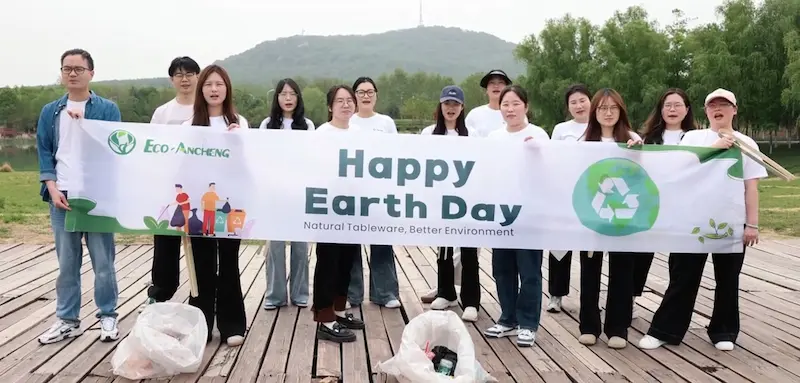
Since its establishment in 1998, Ancheng has focused on the production of disposable bamboo and wooden products, accumulating more than 20 years of industry experience. Adhering to the philosophy of "Natural Tableware, Better Environment", the company integrates sustainable development into the entire production process. From sustainable forestry sourcing to zero-waste production technologies, every link of Ancheng is committed to reducing environmental impact.
1. Strong production capacity provides a guarantee for large-scale plastic reduction.
The company has a workshop of over 10,000 square meters and more than 100 employees, with a monthly production capacity of over 2.5 billion pieces. This capacity can meet the bulk purchasing needs of large catering chains and food manufacturers.
2. Customized services meet the personalized needs of different enterprises.
Ancheng’s team of engineers and designers can quickly transform customers’ ideas into design drawings and molds, providing one-stop services from product design and sampling to packaging. Whether it is brand-customized packaging or product optimization for specific scenarios, adjustments can be completed in a short time until customers are satisfied.
On the occasion of Earth Day 2026, Ancheng launched a special support program. Customers can apply for free sample testing to experience product quality and applicability. A professional team provides personalized quotes and purchasing consulting services to help enterprises formulate plastic reduction plans that meet their own needs. Regardless of the size of the enterprise, Ancheng can provide flexible cooperation models to support the sustainable transformation of the foodservice industry.


Hello, I'm Sven Wang, the Manager of Ancheng. With extensive expertise in raw materials and production processes, I'm dedicated to advancing sustainable tableware and constantly improving eco-friendly options for the modern catering industry. You can trust that Ancheng is committed to providing the highest quality. Welcome!

Factory: Qian Renqiao Industrial Park, Shucheng County, Luan City, Anhui Province, China
Office: Building 11, Max Science Park, Shushan Dist, Hefei, Anhui, China
Copyright ©2026 Anhui Ancheng Bamboo and Wood Tableware Co., Ltd. Privacy Policy


 Index
Index Product
 Resources
 About
About