Key Takeaways: Long-term purchasing secures fixed unit cost, stable supply and lower transport emissions for biodegradable tableware, suiting businesses with stable demand and sufficient storage. Staggered ordering reduces upfront payment and inventory risk, fitting those with fluctuating demand and limited space. A hybrid model balances both advantages, aligning with cash flow, storage capacity and sustainability goals. Choosing reliable foodservice disposables suppliers further optimizes bulk ordering efficiency.
Foodservice disposables, including biodegradable tableware, takeout containers, cups, cutlery, and packaging, represent a significant recurring expense. Effective bulk ordering strategies directly impact cost control, supply chain stability, operational efficiency and even brand reputation, especially for businesses prioritizing sustainability. Many foodservice operators struggle to select the right bulk ordering approach, often weighing the pros and cons of long-term purchasing against staggered ordering.
This article breaks down both strategies, compares their key attributes, provides actionable guidance for decision making and references industry practices from Chinese disposable tableware manufacturers and trusted foodservice disposables suppliers. The goal is to help foodservice professionals make data-driven choices that align with their unique business needs.
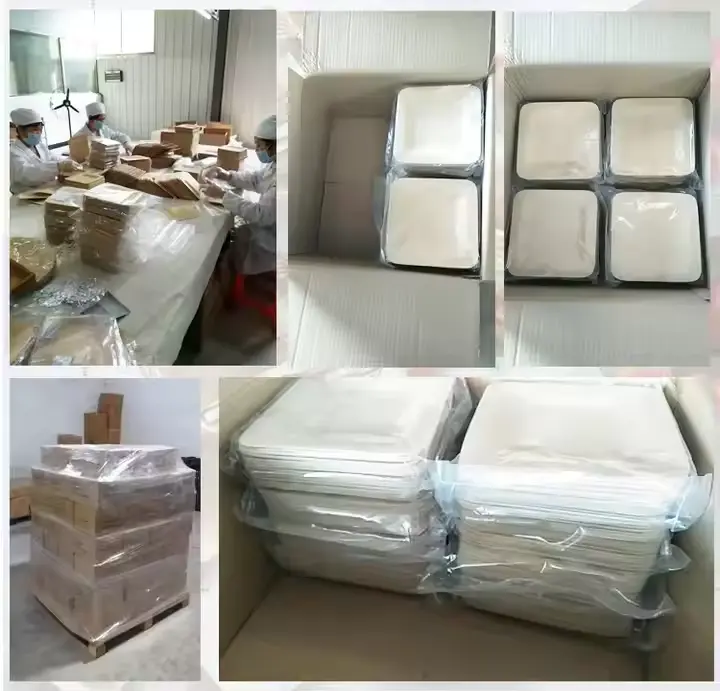
Bulk purchasing for foodservice disposables refers to buying large volumes of products that exceed immediate daily or weekly demand. This approach is designed to meet extended consumption needs, whether for a few months or a full year. It applies to all common types of foodservice disposables, from standard plastic cutlery to premium biodegradable tableware made from materials like bagasse, cornstarch, or bamboo.
The primary objectives of bulk purchasing are to lower unit costs, secure a consistent supply, and streamline logistics. For businesses that rely heavily on disposables, bulk purchasing is a foundational strategy to reduce operational friction and control expenses, especially when working with foodservice disposables wholesale suppliers.
Long-term purchasing is a type of bulk ordering that involves signing a fixed-term contract with a supplier. Contracts typically range from 3 to 12 months, though some extend longer for businesses with established, long-term needs. The contract outlines key terms, including the total volume of disposables to be purchased, fixed unit prices, delivery schedules, quality standards, and payment terms. By committing to a long-term agreement, buyers lock in pricing, ensuring protection against raw material price fluctuations that often affect the cost of foodservice disposables.
This model also guarantees priority delivery, as suppliers prioritize contract customers over one-off orders. Long-term purchasing is ideal for businesses with steady, predictable consumption patterns and a clear long-term operational plan, such as large restaurant chains or catering firms that use consistent volumes of biodegradable tableware or other disposables.
Staggered ordering is a flexible bulk purchasing approach that involves placing multiple small to medium-sized orders at regular intervals, rather than one large order. Unlike long-term purchasing, it does not require a binding contract. Instead, buyers adjust order frequency and volume based on short-term demand forecasts, seasonal changes, promotional activities, or shifts in business volume. Staggered ordering prioritizes adaptability, allowing businesses to respond quickly to changes in demand without being locked into a fixed commitment.
This model is particularly useful for businesses with variable consumption patterns or limited storage capacity.
Cut Costs on Your Foodservice Disposables
Find the best bulk ordering strategy for your budget.
This table summarizes the main differences between the various purchasing methods for disposable food service supplies:
Long-term purchasing typically offers lower unit prices due to volume discounts from suppliers. Additionally, fixed contract prices protect buyers from market volatility, such as increases in the cost of raw materials like paper, plastic or biodegradable materials. However, long-term purchasing requires a high upfront payment, as buyers often need to pay for a portion or all of the contracted volume upfront or in large installments.
Staggered ordering, by contrast, has higher unit costs because it does not qualify for the same volume discounts as long-term contracts. However, staggered ordering spreads out payment over time, reducing upfront capital pressure. This is particularly beneficial for small businesses or new entrants with limited cash flow.
Total cost extends beyond unit price, including order processing fees, transportation costs and storage costs. Long-term purchasing reduces transportation costs by minimizing delivery frequency—fewer deliveries mean lower fuel costs and fewer logistics fees. Staggered ordering, with more frequent deliveries, often results in higher total transportation costs, though this is offset by lower storage expenses.
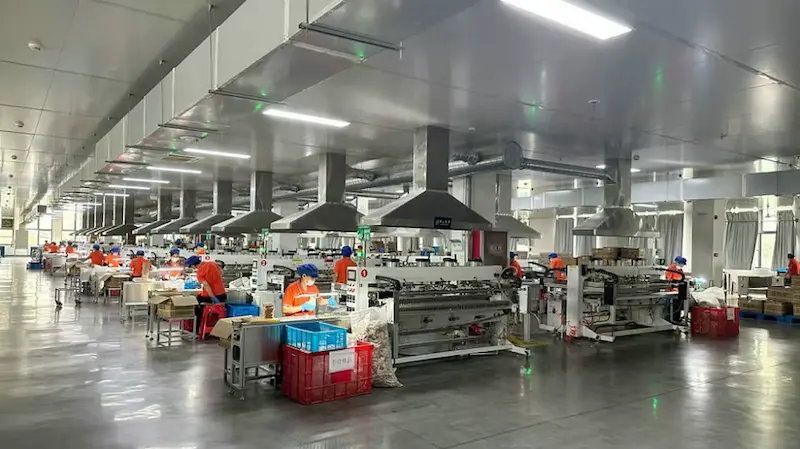
Supply stability is critical for foodservice businesses, as stockouts can disrupt operations, lead to customer dissatisfaction and lost revenue. Long-term purchasing provides high supply stability because contracts guarantee consistent delivery. Suppliers prioritize contract customers, especially during peak seasons or periods of high demand, such as holidays or catering events. However, long-term purchasing carries the risk of overstock if demand declines unexpectedly.
Staggered ordering avoids the risk of overstock by aligning orders with short term demand. Buyers can adjust order volumes based on real time sales data, ensuring they only purchase what they need. However, staggered ordering carries higher stockout risk, especially during peak periods or if suppliers face delays. To mitigate this risk, businesses using staggered ordering often work with multiple suppliers to ensure backup options.
Long-term purchasing requires significant warehouse space to store large volumes of disposables. Proper storage conditions are also critical, especially for eco friendly disposables like bagasse tableware, which can be damaged by moisture, heat or direct sunlight. This may require additional investments in storage equipment, such as shelving, climate control or waterproof packaging, increasing inventory management costs.
Staggered ordering requires minimal storage space, as businesses only need to store 1 to 2 batches of stock at a time. This is ideal for small businesses, pop-up restaurants or outlets with limited storage, such as cafes in urban areas with small backrooms. Businesses using staggered ordering also reduce the risk of product damage, as stock is turned over more quickly, minimizing the time items spend in storage.
Environmental sustainability is an increasingly important consideration for foodservice businesses. Long-term purchasing has a lower environmental impact in terms of transportation emissions. Fewer deliveries mean fewer vehicles on the road, reducing carbon emissions and fuel consumption. Additionally, long-term orders often use bulk packaging, which generates less waste than the multiple small packages required for staggered ordering.
However, staggered ordering minimizes waste from expired or obsolete products, as stock is used quickly and orders are adjusted to match demand. Working with Chinese disposable tableware manufacturers that prioritize eco-friendly production can further reduce environmental impact, regardless of the ordering strategy.
Operational flexibility is crucial for businesses that face changing market conditions, seasonal demand or evolving customer preferences. Long-term purchasing offers low flexibility, as contracts lock in volume, product type and price. Once a contract is signed, it is difficult to adjust the order volume or switch to a different product. This can be a disadvantage for businesses that need to adapt quickly, such as those launching new menu items that require different packaging or responding to changes in environmental regulations.
Staggered ordering offers high operational flexibility, allowing businesses to adjust order volume, product type or supplier at any time. For example, a cafe that introduces a new seasonal beverage can increase its orders of disposable cups for that period, then reduce the volume once the season ends. Staggered ordering also allows businesses to test new products, such as Eco Ancheng’s compostable tableware, without committing to a large bulk order. This flexibility is particularly valuable for small businesses, new entrants, or those operating in highly competitive markets.
Long-term purchasing fosters a stable, long-term partnership. Suppliers are more likely to invest in the relationship, offering better customer service, customized solutions and priority support. Long-term partnerships also provide buyers with access to exclusive deals or early access to new products, such as the latest eco-friendly disposables from Chinese disposable tableware manufacturers.
Staggered ordering is more transactional, with no long-term commitment between buyers and suppliers. This allows buyers to compare prices and services from multiple foodservice disposables suppliers. However, this transactional relationship means less personalized support—suppliers may not prioritize staggered ordering for customers during peak periods or offer customized solutions. Businesses using staggered ordering often need to invest more time in managing multiple suppliers to ensure consistent quality and delivery.
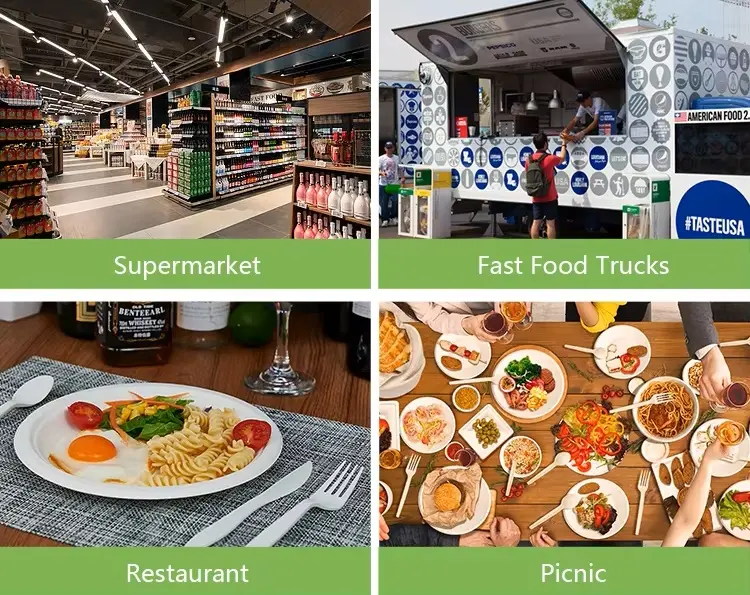
Once you understand the differences between the two, you’ll need to consider the following factors when making purchasing decisions for disposable catering supplies.
1. Demand Stability: Businesses with steady, predictable daily or monthly demand for disposables are well-suited for long-term purchasing. This includes large restaurant chains, hotels and catering companies that serve consistent customer volumes year-round. Businesses with fluctuating demand, such as seasonal cafes, pop-up events or businesses affected by tourism, are better served by staggered ordering, which allows them to adjust to changes in consumption.
2. Business Scale: Large scale foodservice businesses, such as multi location chains or major distributors, benefit from long-term purchasing. Their high volume consumption qualifies them for significant volume discounts, and they typically have sufficient storage space and cash flow to support upfront payments. Small scale businesses, such as independent cafes or small caterers, often prefer staggered ordering, as it reduces capital pressure and storage needs.
3. Cash Flow Status: Businesses with strong, stable cash flow can afford the upfront investment required for long-term purchasing. This allows them to take advantage of lower unit costs and fixed pricing. Businesses with tight cash flow or limited access to capital should opt for staggered ordering, which spreads out payments and reduces financial risk.
4. Storage Capacity: Businesses with access to large warehouse space can easily accommodate the stock required for long-term purchasing. This includes businesses with dedicated storage facilities or extra space in their operational premises. Businesses with limited storage—such as urban cafes or small food trucks—should choose staggered ordering to avoid overcrowding and product damage.
5. Sustainability Target: Businesses prioritizing lower carbon emissions should lean toward long-term purchasing, as fewer deliveries reduce transportation impact. Those focused on minimizing product waste should choose staggered ordering, as it avoids overstock and ensures quick turnover of disposables. For businesses prioritizing eco friendly products, working with foodservice disposables suppliers that offer biodegradable tableware can further align with sustainability goals.
6. Product Update Cycle: Businesses that frequently update their disposable products, such as those launching new menu items or adopting new eco-friendly materials, need the flexibility of staggered ordering. This allows them to test new products without committing to large bulk orders. Businesses with stable product lines, such as those using standard disposables or long-standing eco-friendly options like eco ancheng, can benefit from the cost savings of long-term purchasing.
The hybrid strategy combines the best aspects of long-term purchasing and staggered ordering, making it suitable for most medium and large foodservice businesses. To implement a hybrid strategy, businesses first classify their disposables into core and non core items. Core items are those with high, stable demand—such as daily use cups, plates or cutlery. Non core items are those with variable demand, such as seasonal packaging or specialty disposables.
This balance ensures cost savings for high volume items while maintaining flexibility for variable needs. Businesses can also negotiate with suppliers for hybrid contract terms, such as fixed pricing for core items with the option to add staggered orders for non core items.
Optimize Your Sourcing Strategy Today
Expert guidance on Sustainable Disposable Wholesale
1) Negotiate Clear Contract Terms: Before signing a long-term contract, carefully negotiate all key terms. Confirm the fixed unit price, total volume, delivery schedule, quality standards and payment terms. Include clauses for volume adjustments if demand changes, as well as penalty clauses for supplier delays or quality issues. This ensures both parties have clear expectations and reduces the risk of disputes.
2) Select Reliable Suppliers: Choose suppliers with a proven track record of quality and reliability. For businesses sourcing biodegradable tableware, look for Chinese disposable tableware manufacturers with relevant certifications, such as FDA or EU food contact safety certifications. Verify the supplier’s production capacity, lead times, and after-sales service to ensure they can meet the terms of the contract.
3) Optimize Inventory Management: Use inventory tracking tools to monitor stock levels and consumption rates. Set reorder points to ensure timely delivery and avoid stockouts. For biodegradable tableware, track shelf life to prevent waste. Regularly review inventory data to adjust future orders and ensure the contract volume aligns with actual demand.
4) Store Properly: Ensure disposables are stored in dry, cool and well ventilated conditions. Biodegradable tableware is particularly sensitive to moisture and heat, so avoid storing it near water sources or in direct sunlight. Use proper shelving and stacking techniques to prevent damage and maximize storage space.
1) Forecast Demand Accurately: Use historical sales data, seasonal trends and upcoming events to forecast short-term demand. For example, a cafe can analyze sales data from the previous year to predict demand for disposable cups during the summer months. This helps avoid underordering or overordering and ensures stock aligns with customer needs.
2) Build a Supplier Network: Cooperate with 2 to 3 reliable suppliers to ensure backup options. This reduces the risk of stockouts if one supplier faces delays or quality issues. When selecting suppliers, compare prices, delivery times and quality to ensure the best value.
3) Coordinate Delivery Timing: Work with suppliers to schedule deliveries at optimal times, such as before peak periods or when inventory levels are low. This reduces storage pressure and ensures stock is available when needed.
4) Check Product Shelf Life: For biodegradable tableware and other perishable disposables, check the shelf life before placing orders. Avoid ordering more than can be used within the shelf life to prevent waste. Staggered ordering’s quick stock turnover helps minimize this risk, but regular checks are still necessary.
Many businesses overlook the importance of proper storage, leading to product damage. Moisture can ruin paper or biodegradable disposables, while heat can warp plastic items. Invest in proper storage equipment and ensure staff follow storage guidelines to avoid costly waste.
While unit price is important, total cost includes transportation, storage, and waste. A low unit price from a distant supplier may be offset by high transportation costs or product damage during delivery. Calculate the total cost when comparing suppliers and strategies.
Blind bulk buying without demand analysis leads to overstock or stockouts. Take the time to analyze historical data, seasonal trends and market conditions to forecast demand accurately. This is particularly important for businesses with fluctuating consumption patterns.
Poor communication with suppliers can lead to delivery delays, quality issues or misaligned expectations. Regularly communicate with suppliers to update demand forecasts, discuss delivery schedules and address any concerns. This builds stronger relationships and ensures smooth operations.
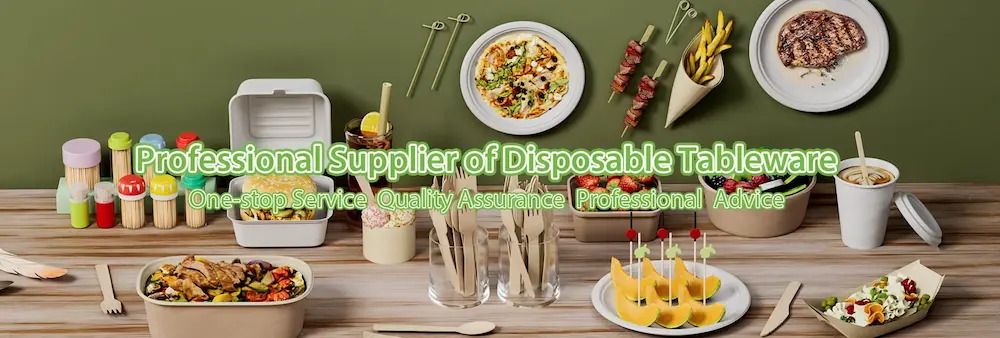
Choosing the right supplier is essential for effective purchasing.
Chinese disposable tableware manufacturers often provide competitive pricing and large scale production, like Eco Ancheng. Before entering into a long-term partnership, request product samples and verify the supplier’s track record with other foodservice businesses.
Yes. These products are widely used and have stable demand, which makes them suitable for long term purchasing.
Businesses should analyze at least twelve months of historical sales data. It is important to account for seasonal peaks, such as summer holidays or local festivals. Adding a buffer of ten percent to the average consumption helps ensure that the supply remains adequate even during unexpected busy periods.
Many large manufacturers offer warehousing solutions where you can purchase in bulk but receive the goods in smaller shipments. This is often referred to as a blanket order. It allows the customer to benefit from volume pricing without needing a large local warehouse.
There is no one-size-fits-all strategy for bulk ordering foodservice disposables. Businesses should assess their demand stability, cash flow, storage capacity and sustainability goals to choose the right approach. Working with reliable foodservice disposables suppliers further optimizes the process, ensuring consistent quality and delivery. By making data-driven choices, foodservice businesses can control costs, streamline operations and support long term growth.
Ancheng is here to provide the expertise and personalized guidance you need. We are a reliable Chinese manufacturer and supplier focused on sustainable solutions. Our dedicated team can create a customized sourcing plan to meet your specific budget and operational needs. We help you find the optimal balance. This includes securing the best long-term volume contracts for essentials and designing flexible, staggered ordering schedules for specialized items like paper cups or bamboo straws. Don't leave your supply chain to chance. Contact Ancheng today to discuss your requirements. Request a personalized quote and receive a comprehensive catalog of our premium biodegradable tableware.
Secure Your Sustainable Tableware Supply
Balance stability and flexibility in your ordering.

Hello, I'm Sven Wang, the Manager of Ancheng. With extensive expertise in raw materials and production processes, I'm dedicated to advancing sustainable tableware and constantly improving eco-friendly options for the modern catering industry. You can trust that Ancheng is committed to providing the highest quality. Welcome!

Factory: Qian Renqiao Industrial Park, Shucheng County, Luan City, Anhui Province, China
Office: Building 11, Max Science Park, Shushan Dist, Hefei, Anhui, China
Copyright ©2026 Anhui Ancheng Bamboo and Wood Tableware Co., Ltd. Privacy Policy


 Index
Index Product
 Resources
 About
About