The journey of plastic bags from being mere synthetic polymers to an indispensable part of our daily lives is nothing short of fascinating—yet their production tells a far less positive story: a fossil fuel-dependent process that creates irreversible environmental harm, microplastic pollution, and mounting regulatory and reputational risks for businesses worldwide.
For foodservice buyers, understanding how plastic bags are made can also help when comparing paper bags, compostable packaging and other alternatives for restaurants, supermarkets, catering suppliers and food brands.
This guide explains what plastic bags are made of, how they are manufactured, and what B2B buyers should check when reviewing paper-based or non-plastic packaging options.

Plastic bags are produced through a series of processes that include raw material extraction, polymerization, extrusion, and finishing and cutting techniques.
Plastic bag manufacturing begins with small plastic resin pellets. These pellets are usually made from polyethylene.
As a primary component of this process, the petrochemical industry plays a significant role in supplying essential resources.
However, the process of extracting these precious raw materials comes at a cost.
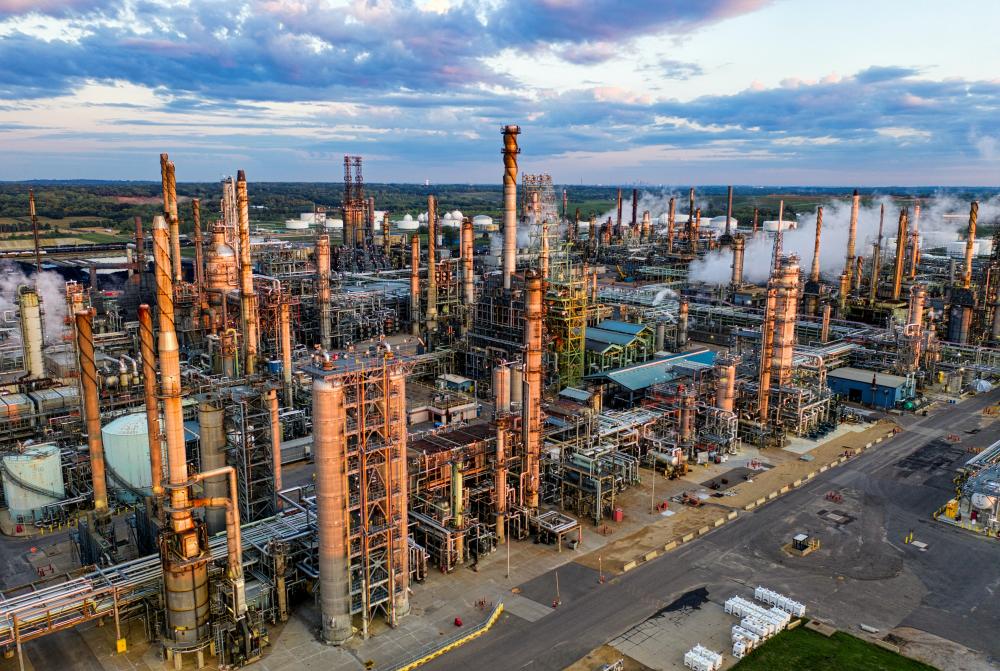
The environmental impact assessment reveals that crude oil extraction and natural gas exploitation contribute considerably to carbon footprint growth and other forms of pollution.
Additionally, practices within polymer manufacturing have been raising concerns about sustainable resource management as well as encouraging further exploration into biodegradable alternatives and circular economy initiatives. For businesses, this means even the production of plastic packaging is at odds with global sustainability goals and ESG commitments.
The polymerization process lies at the heart of plastic bag production, transforming small molecules called monomers into long chains known as polymers.
These polymers are synthesized from fossil fuels like oil and gas, which serve as the primary raw materials for making plastic bags. These polymers are the same materials used for single-use plastic cutlery, food wraps, and takeout containers, and their production releases toxic petrochemicals into the air and water, contributing to air pollution and water contamination.
For instance, the extrusion method involves pushing molten plastic through a die to create a consistent shape or film that is later cooled and cut into desired dimensions for final use.
In contrast, injection molding injects melted polymer into molds where it solidifies into various forms.
The blown film technique incorporates air during extrusion to create thin films found in grocery store bags.
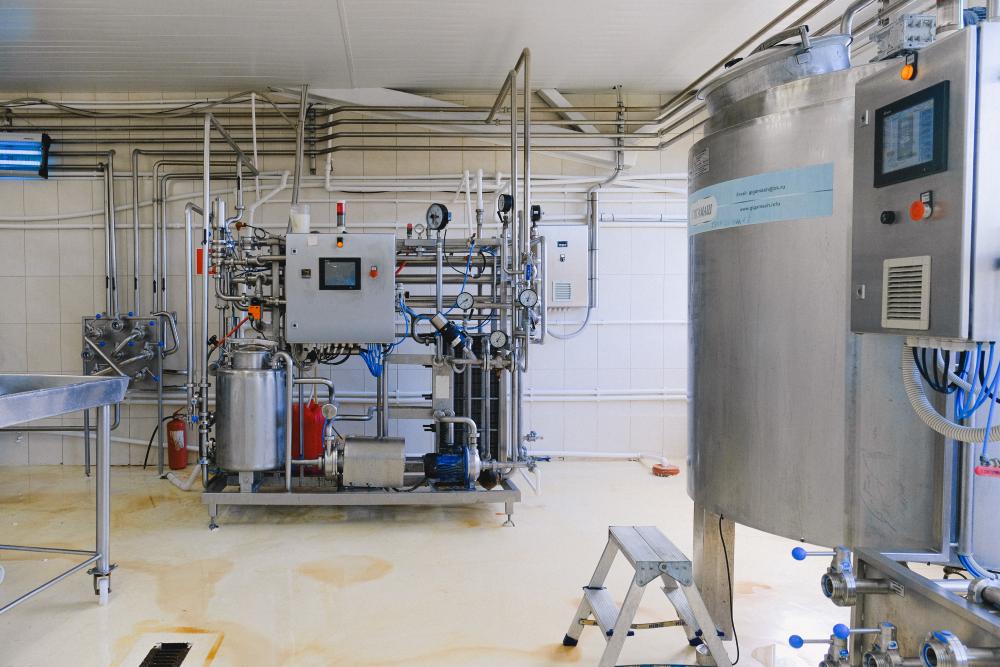
The extrusion process plays a crucial role in the production of plastic bags, transforming raw polyethylene material into thin, continuous films.
This innovative manufacturing technique involves heating and melting plastic resin pellets, which are then pushed through a circular die to create a long tube of film.
For example, employing blown-film extrusion allows manufacturers to produce lightweight and durable HDPE bags by inflating the molten plastic tube using pressurized air.
In contrast, cast-film extrusion is often used for LDPE bags due to its ability to create thicker films with better transparency.
The final stage of this fascinating procedure includes collapsing the film tube onto itself before being cut into individual sheets for printing and sealing – resulting in those versatile plastic bags we encounter daily in our lives.
After the extrusion process, the plastic film is stretched and cooled before being cut into individual bags. Cutting techniques vary depending on the type of bag being produced.
For example, some bags have a bottom seal while others have a side or double seal.
While manufacturers may reduce excess material to cut costs, the vast majority of plastic bag production waste is sent to landfills—and even "efficient" production can’t offset the fact that plastic bags are designed for single use, with a lifespan of mere minutes, and a decomposition time of centuries.
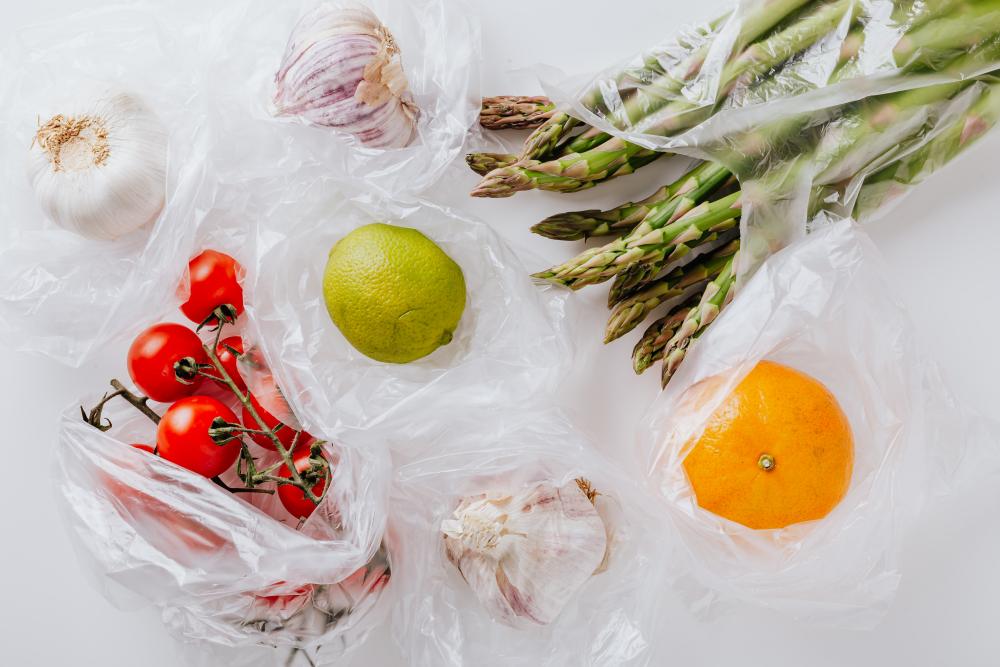
There are three main types of plastic bags: high-density polyethylene (HDPE) bags, low-density polyethylene (LDPE) bags, and biodegradable bags.
Each type has its unique characteristics and uses in daily life.
High-density polyethylene (HDPE) bags are one of the most common types of plastic bags used today.
They're known for their durability and strength, making them ideal for various applications such as grocery bags, shopping bags, and medical equipment.
One important factor to note about HDPE bags is that they have higher tensile strength compared to plastic films used for grocery bags.
This means that they can withstand greater stress before breaking or tearing apart.
However, HDPE degrades at high temperatures, leaching microplastics and chemicals into food and packaging, and it is banned or taxed in over 100 countries (EU, UK, Canada, Australia) due to its non-biodegradable nature. For retail and food businesses, HDPE bags pose immediate regulatory risks and consumer backlash.
LDPE bags are a type of plastic used in the production of thin films like food wraps, plastic bags, and clear food containers.
They are resilient and flexible, which makes them an ideal material for packaging and other applications where flexibility is a necessity.
While single-use plastic bags made from HDPE are a major contributor to ocean pollution, some environmentalists advocate for biodegradable plastics, including those made from LDPE.
Biodegradable plastics can reduce waste accumulation in landfills or litter on streets, but studies still show that they may not degrade entirely into eco-friendly components. LDPE plastic wrap and food bags are a major source of consumer plastic exposure, and brands using them risk being labeled as "environmentally irresponsible" by eco-conscious shoppers.
Another type of plastic bag that has gained popularity in recent years is the biodegradable bag. Some companies have even gotten creative with their biodegradable options by using materials like corn, soy, and fungi in their production process.
These bags are designed to break down more quickly than traditional plastic bags and are often marketed as a more eco-friendly alternative.
However, it's essential to note that the term "biodegradable" can be misleading. Most "biodegradable" plastic bags only break down in industrial composting facilities (which are rare in most regions), and in regular landfills or oceans, they decompose at the same rate as traditional plastic—while still releasing microplastics and toxic chemicals. For businesses, using these bags risks greenwashing allegations and reputational damage, as consumers catch on to false sustainability claims.
The Perfect Plastic-free Packaging
High-quality, durable paper bags for retail and catering wholesale
The environmental impact of plastic bags extends far beyond their littered presence on streets and in oceans—it begins at production and lasts for hundreds of years. For businesses, these impacts are not just an ecological concern: they are a business risk, as global regulations crack down on plastic production, and consumers demand brands take accountability for their environmental footprint.
Plastic bag production uses 12 million barrels of oil per year in the US alone to make 100 billion plastic bags—365 per person, per year. This reliance on fossil fuels drives climate change, and the entire production process releases massive amounts of greenhouse gases, putting businesses at odds with global carbon reduction targets. Ancheng’s paper bags, by contrast, are made from FSC-certified renewable plant fibers with a low-carbon production process, slashing your business’s carbon footprint.
Plastic bags take 400–1,000 years to fully decompose, and when they do, they break down into microplastics—tiny plastic particles that contaminate soil, water, and the food chain. Humans consume microplastics through food, water, and air, with linked risks of hormonal disruption, reproductive harm, and cancer. For food businesses, this means plastic packaging is a health risk for consumers—and a liability for brands. Ancheng’s paper bags leave no microplastics, breaking down safely and naturally in weeks.
Plastic bags are one of the deadliest forms of ocean pollution: wildlife (tortoises, sea birds, fish) mistake them for food, leading to choking, starvation, infection, and death. Entanglement in plastic bags also causes injury and mortality for land and sea animals, and these images of wildlife harm have become synonymous with plastic waste—brands associated with single-use plastics are now linked to this ecological destruction in consumer minds.
While plastic bags are technically "recyclable", less than 1% of plastic bags are actually recycled worldwide. Most end up in landfills, oceans, or incinerators (which release toxic fumes), and recycling plastic bags is costly and inefficient for municipalities. For businesses, this means plastic bag waste is a permanent environmental cost—with no viable way to offset it.
In light of these negative effects on our planet's health, many countries have taken steps toward reducing single-use plastic production and consumption by banning plastic bags altogether or implementing taxes on their usage.
Understanding the complex and resource-intensive manufacturing process of plastic bags makes one thing clear: the environmental cost far outweighs the temporary convenience. As global "plastic bans" tighten and consumer eco-consciousness rises, the transition to sustainable alternatives is no longer just an option—it is a business necessity.
At Ancheng, we help businesses bridge this gap by providing high-quality, biodegradable alternatives that match the functionality of plastic without the ecological footprint. Here is how our sustainable solutions compare to traditional plastic bags:
Feature |
Traditional Plastic Bags |
Ancheng Sustainable Paper Bags |
|---|---|---|
Core Raw Material |
Non-renewable Fossil Fuels (Petroleum) |
FSC-Certified Paper / Plant Fibers |
Manufacturing Impact |
High Carbon Emissions & Toxic Byproducts |
Low-carbon, Eco-optimized Production |
Degradation Period |
400 - 1,000 Years (Microplastic Risk) |
100% Compostable within weeks |
Brand Perception |
"Single-use" / Low-end Image |
Premium, Responsibility-driven Texture |
Regulatory Compliance |
Subject to Bans and Plastic Taxes |
Fully compliant with Global Green Policies |
Customization |
Standard Ink Printing |
High-definition, Eco-friendly Branding |
Our FSC-certified paper bags are engineered specifically as a drop-in replacement for plastic bags—matching their functionality, strength, and versatility, while delivering genuine sustainability for your business. Core B2B Advantages:
1. FSC-Certified Sustainable Sourcing: Made from renewable plant fibers, no deforestation, aligns with ESG goals.
2. Durable & Water-Resistant: Reinforced construction for heavy use, food-safe water-resistant coating (no soaking/tearing).
100% Compostable/Recyclable: Breaks down naturally, no microplastics, creates a circular economy.
3. B2B Custom Branding: High-definition printing, embossing, custom sizes—turn packaging into a brand-building tool.
4. Global Food Safety Certified: FDA/LFGB/EU 1935/2004 compliant—safe for all food packaging/takeout use.
Ready to implement sustainable Packaging?
Swap plastics for premium wholesale natural materials
If a buyer wants to replace plastic bags with paper bags, the decision should be based on product performance and market requirements.
Key points include:
Dry bakery items, sandwiches and lightweight takeaway products may work well in paper bags. Oily, wet or heavy food may require grease-resistant paper, coating or a different packaging structure.
Paper bags come in different paper weights. Thicker paper usually provides better strength, but it also affects cost, folding, packing and shipping volume.
Buyers should confirm:
Paper GSM
Bag size
Handle type
Carrying weight
Bottom structure
Carton packing
Some paper bags use coatings to improve grease or moisture resistance. Buyers should confirm what coating is used and whether it matches the target market and disposal claim.
A paper bag with coating may not have the same recyclability or compostability as uncoated paper.
Paper bags are often suitable for custom printing. Foodservice brands, cafes, bakeries and retail packaging buyers may use paper bags to improve brand presentation.
Custom options may include:
Logo printing
Kraft paper bags
White paper bags
Custom size
Handle bags
Flat bags
Window bags, if applicable
Barcode labels
Retail packaging design
If the paper bag directly contacts food, buyers may need food contact documents. Requirements vary by market and material.
Custom paper bags usually require MOQ, especially when printing, custom size or retail labels are involved. Buyers should confirm MOQ, sample timing, artwork requirements and carton packing before production.
Paper bags are not the only alternative to plastic bags, but they are useful in many foodservice packaging programs.
They can be used for:
Bakery packaging
Sandwich bags
Takeaway meal bags
Cafe packaging
Retail food packs
Snack packaging
Dry food packaging
Branded restaurant carry bags
For broader disposable foodservice needs, buyers may also review paper containers, bagasse containers, wooden food containers, bamboo cutlery, wooden cutlery and compostable plates.
The best packaging solution is often a combination of products, not a single material replacement.
Q1: What are the main materials used to make plastic bags?
A: Most plastic bags are made from Polyethylene (HDPE or LDPE), which is derived from non-renewable fossil fuels like crude oil and natural gas.
Q2: How long does the plastic bag manufacturing process take?
A: While the automated extrusion and cutting process is very fast, the environmental cost is long-term. In contrast, Ancheng’s sustainable paper bags offer a high-speed production solution with a significantly lower ecological footprint.
Q3: Is there a sustainable alternative to traditional plastic shopping bags?
A: Yes. Businesses are increasingly moving toward 100% biodegradable paper bags and reusable bamboo-fiber carriers, which provide the same convenience without the microplastic pollution.
Q4: Why is Ancheng’s paper bag the best direct replacement for plastic bags for my business?
A: Ancheng’s paper bags are engineered as a drop-in plastic bag replacement—matching plastic’s strength, versatility, and functional use cases (grocery, shopping, food takeout), while being 100% sustainable, compostable, and globally compliant with plastic bag bans. Unlike generic paper bags, our reinforced, water-resistant design eliminates the "soaking/tearing" pain point, and our B2B custom branding turns packaging into a brand-building tool—all with none of plastic’s environmental or regulatory risks.
Q5: Can Ancheng’s paper bags be customized for my business’s branding and size needs?
A: Absolutely. We offer full B2B custom solutions for our paper bags—including custom sizes (grocery, takeout, retail), high-definition eco-friendly printing, embossing, custom handles, and branded packaging. All branding is food-safe and compliant with FDA/LFGB/EU 1935/2004 standards, and our fast design-to-production process meets bulk B2B order timelines.
Q6: Can I source both paper bags and sustainable tableware from Ancheng?
A: Yes! Ancheng is a one-stop plastic-free solution provider for B2B businesses—we offer eco-friendly paper bags (direct plastic bag replacement) and bamboo/wood tableware (plastic cutlery/plate replacement), allowing you to source all your sustainable packaging and tableware needs from one trusted factory-direct supplier. This slashes logistical costs, streamlines your supply chain, and ensures consistent sustainability across your entire business.
Q7: How does Ancheng’s paper bag production align with my business’s ESG and sustainability goals?
A: Ancheng’s paper bags are made from FSC-certified renewable plant fibers (no deforestation), with a low-carbon, zero-toxic-byproduct production process. All production waste is recycled or repurposed, and the bags are 100% compostable/recyclable—creating a true circular economy. We provide full sustainability documentation for our paper bags, so you can track and report on your business’s plastic reduction and carbon footprint goals with complete transparency.
Plastic bags are the ultimate symbol of single-use plastic’s fatal flaw: temporary convenience at the cost of permanent environmental and business harm. Their production drains fossil fuels, their use creates immediate consumer health risks, and their disposal clogs landfills and oceans—and they are now banned or taxed in nearly every major market worldwide.
For forward-thinking businesses, sustainable or reusable shopping bags are the perfect alternative to plastic bags.
Ancheng is dedicated to providing eco-friendly solutions for businesses, with over 20 years of experience. Our products prioritize sustainability without compromising on functionality, crafted exclusively from plant-based materials such as bamboo, wood, paper, and sugarcane bagasse. We hold international certifications, including FSC, BRC, and LFGB, meeting import requirements for over 100 countries worldwide. Our product range includes paper bags, food packaging, tableware, and restaurant accessories.
Contact us today to request our latest product catalog or bulk pricing.
Switch to Ancheng Premium Paper Bags
Sustainable Paper Bag Solutions Tailored for Your Business Growth

Hello, I'm Sven Wang, the Manager of Ancheng. With extensive expertise in raw materials and production processes, I'm dedicated to advancing sustainable tableware and constantly improving eco-friendly options for the modern catering industry. You can trust that Ancheng is committed to providing the highest quality. Welcome!

Factory: Qian Renqiao Industrial Park, Shucheng County, Luan City, Anhui Province, China
Office: Building 11, Max Science Park, Shushan Dist, Hefei, Anhui, China
Copyright ©2026 Anhui Ancheng Bamboo and Wood Tableware Co., Ltd. Privacy Policy


 Index
Index Product
 Resources
 About
About