Starting January 1, 2026, a strict new law will fundamentally change how retail businesses and grocery stores handle checkout bags.
For business owners, store managers, and procurement officers, this deadline is approaching fast. This new regulation mandates a complete transition to recycled paper bags or significantly different reusable options.
This guide provides a comprehensive overview of the 2026 ban, the specific requirements for compliant bags, and how you can transition seamlessly with high-quality paper bag solutions.

California will enforce a comprehensive plastic bag ban starting January 1, 2026. This new law expands and tightens the state’s earlier 2014 restrictions, which prohibited many single use plastic carryout bags but still allowed thicker reusable plastic bags to remain in circulation.
Over the last decade, it became clear that this provision did not have the desired effect. Most consumers treated these thicker plastic bags as single-use items, discarding them just as frequently as the thin ones. In fact, the amount of plastic waste by weight actually increased in some sectors because the new bags were so much heavier.
The 2026 law addresses these gaps by prohibiting all plastic carryout bags regardless of thickness or reusable design. This includes any bag made entirely or partially from plastic that is offered to customers at checkout. The purpose is to reduce plastic pollution, encourage sustainable packaging, and transition retailers and restaurants toward recyclable, renewable materials.
This change marks a significant shift for businesses operating in California. Companies must now prepare for a full transition away from plastic grocery bags, retail plastic bags, and any plastic based checkout bags.
The scope of the 2026 ban is broad, impacting a wide range of retail and food service environments. If your business provides carryout bags to customers, you likely fall under these new rules.
The following entities must comply with the new restrictions:
1. Grocery Stores and Supermarkets: This includes all major chains and independent grocers that sell a full line of food products.
2. Convenience Stores and Food Marts: Smaller retail locations selling a limited line of groceries or prepared foods are included.
3. Pharmacies: Standalone drug stores and pharmacies located inside larger retail establishments must adhere to the ban.
4. Liquor Stores: Retailers primarily selling alcohol and packaged beverages are subject to the same carryout bag restrictions.
5. Retail Stores with Grocery Departments: Large format retailers or department stores that have a pharmacy or a grocery section are often covered by the regulations.
6. Restaurants and Catering Services: While the primary language of SB 1053 focuses heavily on grocery and retail checkout, many municipalities and the broader state definitions often sweep fast-casual and takeout establishments into similar compliance standards, especially regarding the prohibition of non-compostable plastic carryout bags.
7. Department stores
8. Apparel and specialty retailers
9. Home goods and hardware stores
10. Cafes and bakeries
11. Food delivery and takeout establishments
12. Farmers markets and produce retailers
13. Wholesale clubs that provide carryout bags
It is safer for all retail businesses to assume that plastic film bags of any thickness will no longer be a viable option at the point of sale. The focus is shifting entirely to paper and truly reusable durable containers.

Business owners need to be aware of the specific dates, prohibitions, and financial implications of the new law. This is not a gradual phase-out but a hard stop for plastic bags at checkout.
January 1, 2026
The law prohibits all plastic carryout bags provided at checkout. This includes:
Thin single use plastic bags
Thicker plastic bags previously classified as reusable
Plastic blend bags with paper or fibers
Compostable or biodegradable plastic bags
Any plastic film bag intended for customers to transport purchased goods
The following bag types may still be offered:
Paper grocery bags
Recycled content paper bags
Custom printed paper shopping bags
Reusable cloth and woven bags
Food grade specialty bags for fresh produce, raw meat, seafood, or prescription medications
These exceptions cover situations where food safety or contamination concerns require specific handling materials.
Enforcement is a serious component of the new legislation. The state has empowered the Attorney General, district attorneys, and city attorneys to enforce the ban.
First Violation: A fine of $1,000 per day.
Second Violation: A fine of $2,000 per day.
Subsequent Violations: Fines can reach up to $5,000 per day.
For a small business, these fines can be devastating. For larger chains, the reputational damage combined with the financial penalty presents a significant risk.
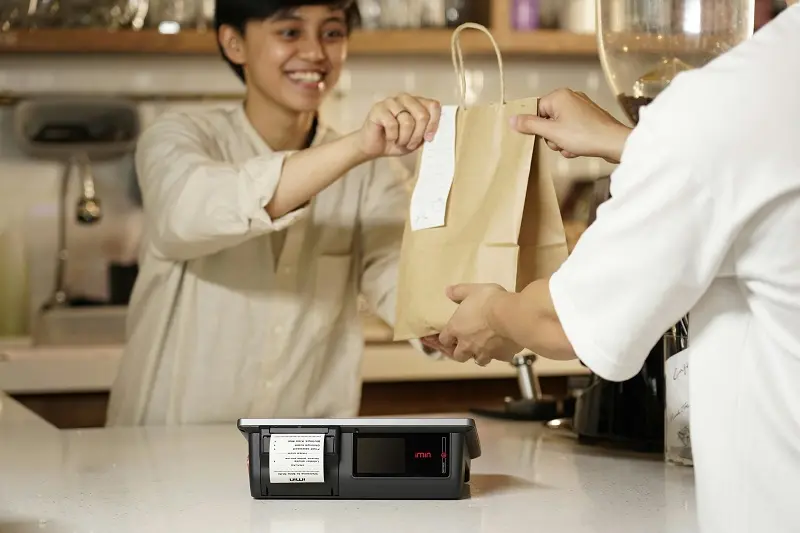
To comply with California regulations, paper bags and reusable bags must meet specific standards. Buyers, procurement departments, and distributors need to understand the following requirements.
Paper bags must:
Contain a minimum percentage of post consumer recycled content
Increase this recycled content to at least fifty percent beginning in 2028
Use materials that are recyclable in standard California recycling systems
Avoid the use of plastic laminations or plastic based coatings
Explore Compliant Paper Bags HERE!
Approved paper bags must clearly display:
Recycled content percentage
Manufacturer name and location
Certification or verification for recycled fiber use
The information must be printed in a visible area and remain legible throughout normal use.
Paper bags must meet strength and durability standards. Retailers should verify:
Weight capacity appropriate for daily use
Tear resistance
Bottom strength
Handle strength for paper bags with handles
The purpose is to ensure customers can reliably reuse the bags when possible.
Retailers and suppliers must maintain:
Recycled fiber certificates
Manufacturer compliance statements
Production batch information
Material test reports if required
Having proper documentation reduces inspection risks and ensures a smooth compliance audit.
The transition date of January 1, 2026, allows businesses a window of time to prepare. Taking action now can prevent supply chain disruptions and last-minute panic.
Companies should review:
Current annual bag consumption
Types of bags used across locations
Functional needs such as food safety or heavy load requirements
Branded or printed bag usage patterns
This assessment helps determine the paper bag specifications required.
Businesses should select replacement bags that meet legal standards. Options include:
Standard brown paper bags
Paper grocery bags
Custom printed paper bags with handles
Heavy duty kraft paper bags
Reusable cloth or non woven bags
Food delivery and catering paper bags
Demand for compliant bags will surge as 2026 approaches. Retailers should secure supply contracts early to avoid shortages and price increases.
Important supplier qualities include:
Capacity for high volume production
Compliance with recycled content rules
Ability to provide certifications
Customization options for brand marketing
Stable delivery timelines
Establish a relationship with a wholesale supplier like Ancheng that specializes in regulatory-compliant packaging. Long-term cooperation based on meeting bulk purchase requirements and product quality standards.
Employees will need training on:
Explaining the new law to customers
Managing paper bag usage efficiently
Applying bag charges when applicable
Encouraging customers to bring reusable bags
Businesses can prepare customers by:
Posting informational notices
Updating website FAQs
Sharing sustainability goals
Introducing incentives for reusable bag use

Paper bags are the most practical and compliant alternative under the new regulation. They help businesses transition smoothly while enhancing environmental responsibility.
Paper bags are widely recyclable in California. They are made from renewable resources and do not contribute to long term plastic pollution.
Modern paper bags support significant weight and can be designed with strong handles, reinforced bottoms, and special coatings for food service applications. This makes them suitable for groceries, retail goods, takeout meals, catering, and delivery services.
Studies consistently show that consumers prefer sustainable packaging. A sturdy kraft paper bag feels more premium than a flimsy plastic sack. It elevates the brand experience. For boutiques, bakeries, and high-end grocers, a paper bag aligns better with the quality of the products inside.
Paper bags serve as excellent mobile billboards. They offer a flat, smooth surface that is ideal for high-quality printing. You can print your logo, your sustainability message, or seasonal designs much more effectively on paper than on crinkled plastic. This turns a mandatory operational cost into a valuable marketing asset.
Paper bags fully satisfy California law when produced with the required recycled content and labeling. This makes compliance easier and reduces legal risk.
Explore Ancheng's Sustainable Bag Solutions!
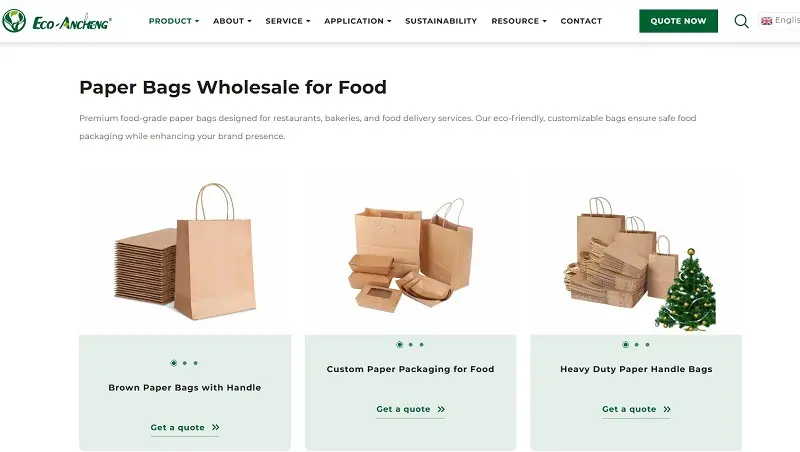
Finding a supplier that balances compliance, quality, and cost can be challenging. Ancheng stands out as a premier manufacturer of eco-friendly paper packaging solutions tailored for the changing regulatory landscape.
Ancheng specializes in wholesale paper bags, making them an ideal partner for businesses that need to order in bulk to keep costs down. Whether you need 50,000 bags or 500,000, their manufacturing capacity can handle high-volume demands ensuring you never run out of stock during critical sales periods.
All bags can be produced with the required recycled content and proper labeling. Ancheng's reusable paper bags comply with multiple stringent international standards, including ISO 9001.
Large scale manufacturing capacity allows stable supply for multi location retailers and distributors. Bulk orders and long term contracts are supported.
Competitive pricing is available for high volume purchasing. This helps businesses manage the cost increase associated with replacing plastic bags.
We provide custom printed paper bags, branded paper shopping bags, kraft paper bags with handles, catering bags, and food delivery bags. Logos, colors, and dimensions can be tailored to customer needs.
Options include paper grocery bags, brown paper bags, kraft paper bags, food packaging bags, eco friendly shopping bags, and printed paper bags with logo.
Ancheng can support companies through the full transition process from material selection to design and bulk production.
1. Are plastic grocery bags recyclable
Most plastic grocery bags are technically recyclable but they cannot be placed in standard curbside recycling systems. They require specialized drop off facilities. Low recycling rates and contamination issues are key reasons behind plastic bag bans.
2. What states have banned plastic bags?
Several states have enacted plastic bag restrictions. These include California, New York, New Jersey, Vermont, Oregon, Washington, and others with local or statewide regulations.
3. Can businesses still provide reusable bags?
Yes. Reusable cloth or non woven bags remain allowed, provided they contain no plastic components.
4. Can restaurants still use special food bags?
Restaurants may continue using bags required for food safety such as produce bags, meat bags, or small bags for sauces. Carryout bags at checkout must still follow the rules.
5. Can paper bags be customized for branding?
Yes. Paper bags support high quality printing and can be fully customized in size, color, handle type, and design.
California’s 2026 plastic bag ban introduces significant changes for retailers, food service providers, and other businesses that rely on checkout bags. The new regulations eliminate all plastic carryout bags and require companies to transition to compliant paper bags or reusable alternatives. Early preparation helps reduce cost, avoid penalties, and ensure a smooth transition. Paper bags are a reliable and sustainable replacement that meets regulatory requirements and supports long term environmental goals. Businesses can work with experienced suppliers such as Ancheng to secure compliant products, maintain brand quality, and achieve a fully lawful packaging strategy.

Hello, I'm Sven Wang, the Manager of Ancheng. With extensive expertise in raw materials and production processes, I'm dedicated to advancing sustainable tableware and constantly improving eco-friendly options for the modern catering industry. You can trust that Ancheng is committed to providing the highest quality. Welcome!

Factory: Qian Renqiao Industrial Park, Shucheng County, Luan City, Anhui Province, China
Office: Building 11, Max Science Park, Shushan Dist, Hefei, Anhui, China
Copyright ©2026 Anhui Ancheng Bamboo and Wood Tableware Co., Ltd. Privacy Policy


 Index
Index Product
 Resources
 About
About