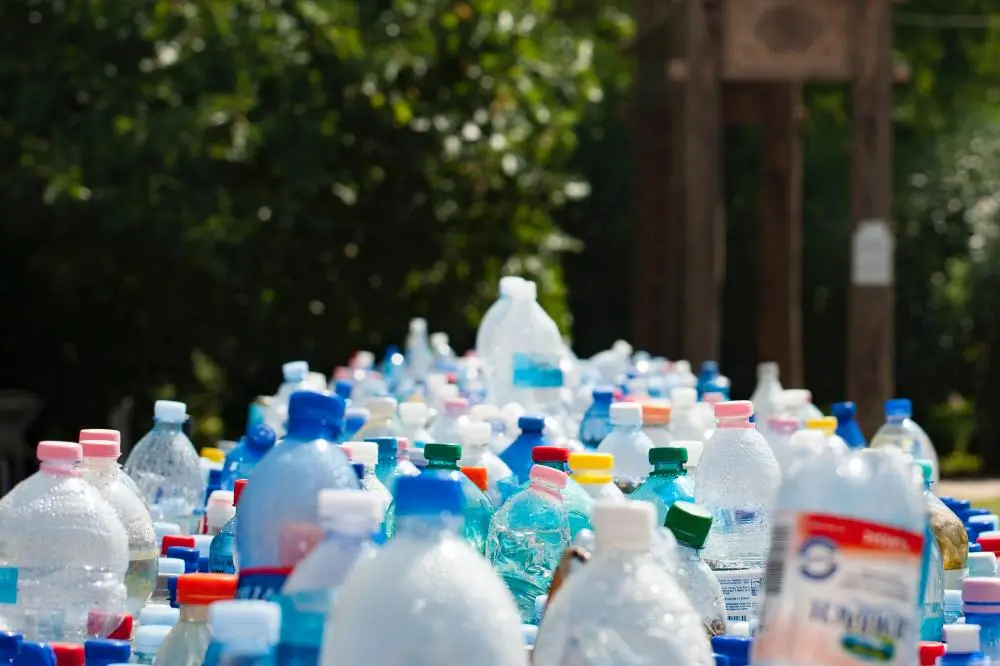
Have you ever wondered how a plastic bottle is made? Manufacturing plastic bottles is an intricate process, involving various strategies and parts.
In this blog post, we’ll break down the step-by-step production of plastic bottles, explore the materials used in their creation, and most importantly, examine the severe environmental and business risks of plastic packaging/tableware, and why food service, retail, and manufacturing businesses are switching to sustainable, biodegradable alternatives.
The primary material for making plastic bottles is polyethylene terephthalate (PET), which is a lightweight, durable, and recyclable material. Other common materials include:
These are selected based on their economic feasibility, malleability, and ability to resist chemicals.
These materials are the same as those used in single-use plastic cutlery, food containers, and packaging—all of which are now banned or restricted in over 100 countries and regions (EU, US, Australia, etc.) due to their non-biodegradable nature and microplastic release.
Polyethylene, especially high-density polyethylene (HDPE), is commonly used for milk jugs and detergent bottles due to its excellent moisture barrier properties.
HDPE also provides great chemical resistance, making it suitable for packaging household cleaning products or corrosive substances.
Like all plastics, it breaks down into microplastics over time, contaminating soil, water, and food supplies—and for food businesses, HDPE packaging carries the risk of chemical leaching into food, leading to consumer health concerns and brand reputational damage.

PP is a low-cost thermoplastic used for plastic cutlery, food containers, and bottles that require sterilization, as it can withstand higher temperatures than PET or PVC.
PP can withstand higher temperatures than PET or PVC without deforming or melting, making it suitable for producing containers that need to be sterilized before use.
While PP is marketed as "recyclable", only a small percentage of PP plastic is actually recycled—the rest ends up in landfills or oceans, and even food-grade PP releases microplastics when in contact with hot food or repeated use.
For food manufacturers, retailers, and catering businesses, this means plastic tableware/packaging is no longer just an environmental issue—it’s a regulatory risk (fines for plastic bans) and a consumer trust risk (78% of global consumers avoid brands that use single-use plastics, per 2024 industry data).
During bottle manufacturing, these materials are transformed into plastic bottles by various processes:
The first part of making a plastic bottle involves melting small resin pellets into liquid form at high temperatures.
This is done by using equipment like extruder machines or injection molding equipment.
The molten plastic is then further processed through blow molding or stretch blow molding depending on the desired shape and size of the final product.
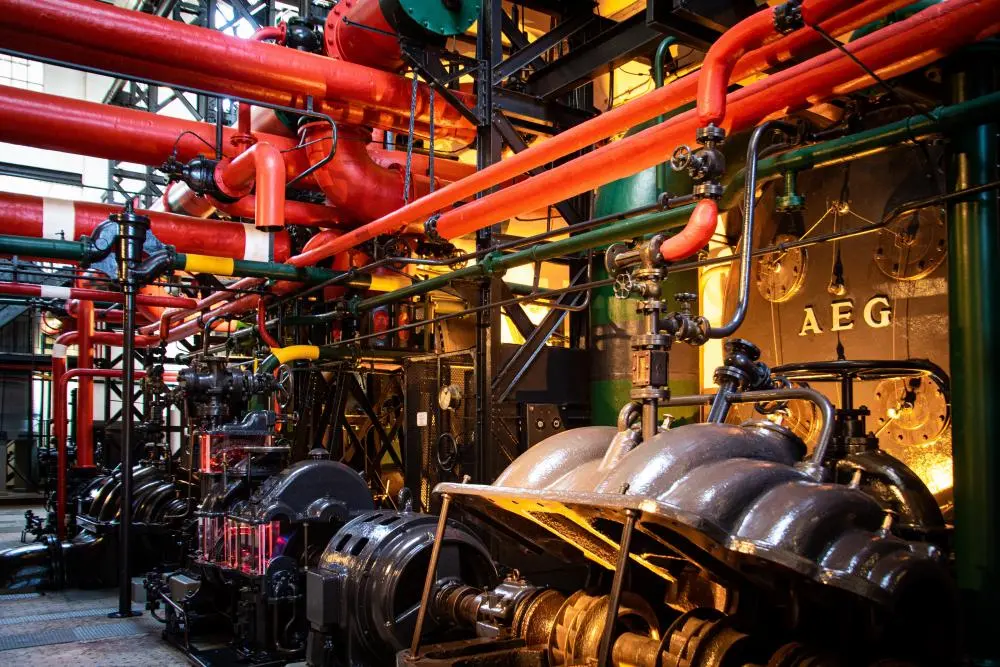
An extruder machine heats and mixes the resin pellets until they become viscous.
The heated plastic is then forced through a die to create a continuous profile that can be cut into specific lengths.
Extruders come in various sizes and configurations, making them suitable for producing different types of plastic bottles.
Here’s how injection molding equipment works:
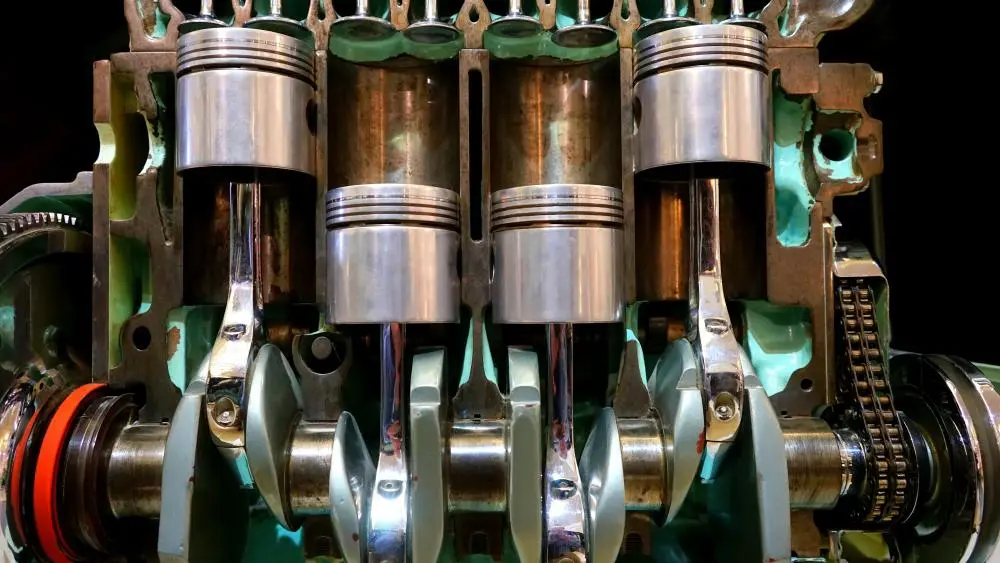
The blow molding technique is a popular way to create plastic bottles, particularly when producing larger volume containers such as gallon-sized milk jugs.
The process involves using compressed air to force hot molten plastic into a mold cavity, where it expands upon contact with cold surfaces.
The result is thin-walled hollow objects like beverage cans or fuel tanks.
To create large-volume containers through blow molding, manufacturers melt resin pellets at high temperatures with extruder machines.
The liquid plastic is then injected into a mold cavity and exposed to compressed air. As it expands, it takes on its final shape before cooling and solidifying.

Stretch blow molding is the most common method for making PET water bottles, plastic soda bottles, and thin-walled plastic food containers—the same process used for single-use plastic takeout boxes. It involves reheating preformed plastic tubes (preforms) and stretching them vertically and horizontally with compressed air, creating a lightweight, clear bottle with enhanced strength.
This process involves reheating preforms (short tubes made from previously injected molded PET) inside molds shaped according to designs.
These customizations can include neck finishes compatible with caps/closure systems used in many industries.
During stretch blow molding, preforms are heated in an oven or infrared heater until they reach their optimal stretching temperature.
Once the preform’s been adequately heated, it’s transferred into a mold cavity where two key processes happen:
The versatility of stretch blow molding allows manufacturers to create highly customized designs for their clients.
Stretch blow molding allows bottles to be made in various shapes, sizes, and colors to suit specific product and branding needs.
This process also allows the manufacturer to incorporate features like tamper-evident seals or child-resistant closures.
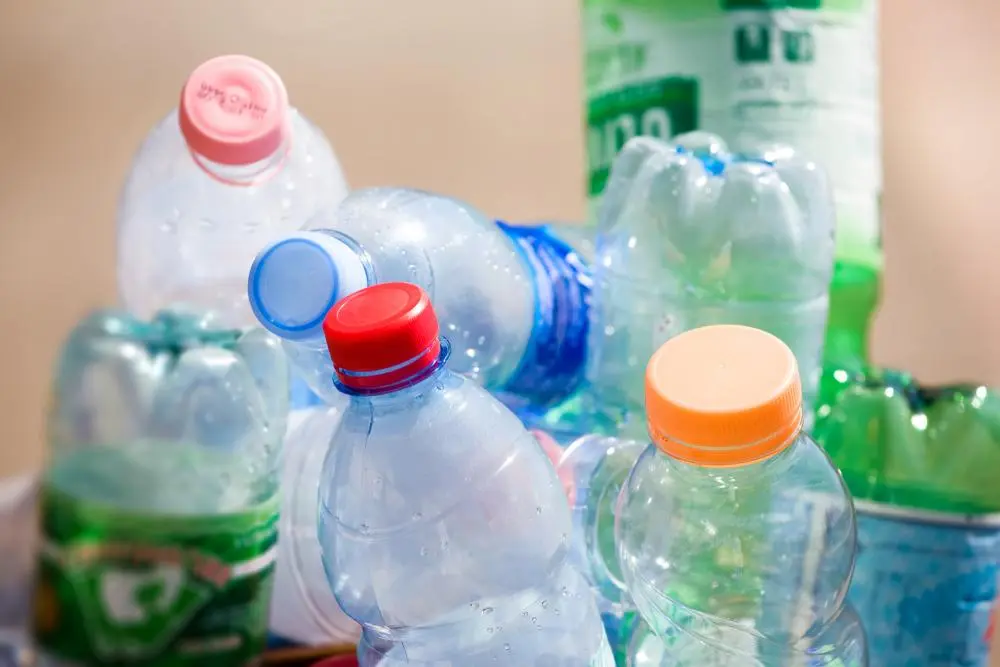
Stretch blow molding also supports sustainability initiatives by using recycled PET (rPET) materials.
This helps reduce waste generation rates worldwide and contributes positively towards environmental conservation efforts targeting post-consumer packaging materials like single-use plastics.
The cooling process is essential in maintaining the desired bottle shape while ensuring its structural integrity.
Molds must be cooled relatively quickly by using pressurized air or carbon dioxide directly applied to mold surfaces and hot plastic material in cavities.
This lets them solidify properly before being ejected from the molding machines and onto conveyor belts for the next steps.
It’s important to keep the optimal cooling rate. If the rate is too slow, the bottle may lose its intended shape and become distorted or warped.
On the other hand, if it cools too fast, internal stresses can develop, leading to cracks or breaks later on.
To optimize the delicate balance between rapid and gradual cooling rates during production with thermoplastic polymers like PET containers, manufacturers often use pressurized air systems or direct applications with carbon dioxide gas:
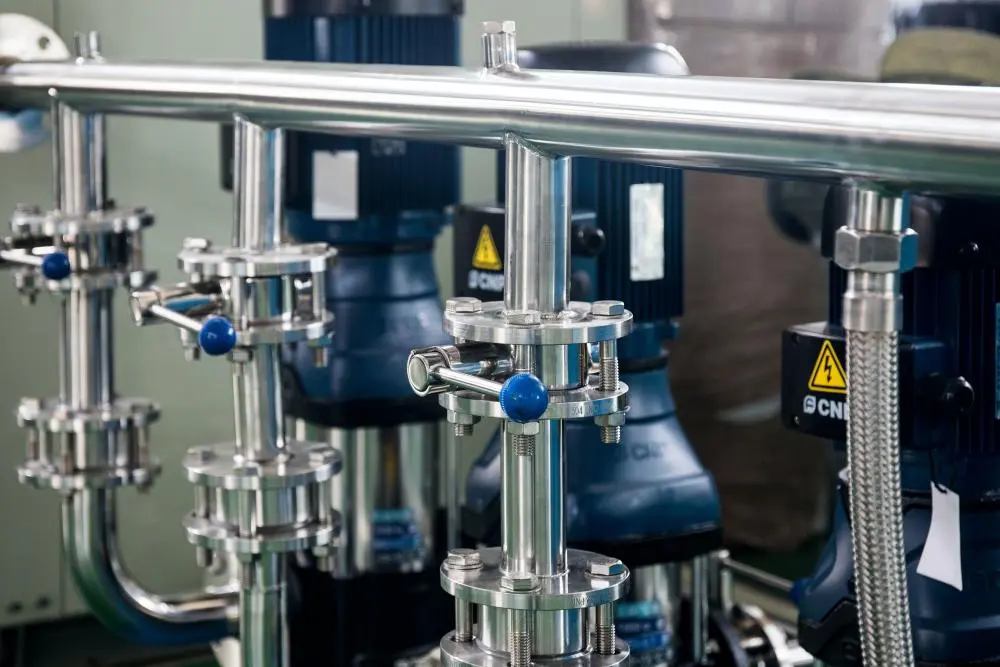
During plastic bottle manufacturing, it’s important to have strict quality control measures to ensure that only high-quality products reach consumers.
This guarantees customer satisfaction. It also contributes positively to environmental sustainability by reducing waste generation through recycling initiatives targeting post-consumer packaging materials.
To maintain high standards in plastic bottle manufacturing, manufacturers use various procedures to check for dimensional accuracy and overall product quality.
Common methods include:
Manufacturers need to promote environmental sustainability by encouraging recycling. Using recycled PET (rPET) has become popular due to its economic and environmental benefits.
While the manufacturing process is highly efficient, it carries hidden costs that modern wholesalers and distributors can no longer ignore:
1. Carbon Footprint: The production of a single 500ml plastic bottle can emit up to 82.8g of CO2.
2. Chemical Leaching: Under high temperatures, plastic containers can release microplastics and chemicals into the food.
3. Recycling Limitations: Despite being "recyclable," less than 10% of global plastic is actually recycled, with the rest ending up in landfills or oceans.
For companies operating in food service, hospitality, or retail packaging, this means: investing in plastic tableware/packaging is an investment in short-term cost savings, but long-term regulatory fines, reputational damage, and lost customers. These concerns are increasingly relevant in brand positioning and ESG reporting.
As global plastic bans tighten, consumer demand for eco-friendly options surges, and businesses face mounting regulatory and reputational risks, the search for sustainable, functional alternatives to single-use plastics has become a business imperative—not just an environmental one.
Sustainable alternatives focus on:
Renewable raw materials
Biodegradability or compostability
Reduced carbon footprint
Improved brand perception
This is particularly important in the food service and takeaway sectors, where disposable products are unavoidable but material choice matters.
In addition to plastic bottles, other single-use packaging and food contact products can be replaced with more sustainable alternatives.
Common alternatives include:
PLA is a bioplastic made from renewable resources like corn starch or sugarcane. It is compostable in industrial facilities and often used for cutlery, cups, and food containers.
Bagasse is a byproduct of sugarcane processing, pressed into plates, bowls, and takeout containers. It is 100% biodegradable and compostable.
Paper-based products (paper plates, cups, straws) are a classic plastic alternative, made from wood pulp or recycled paper.
Bamboo and sustainably harvested birch wood are the most versatile, practical, and business-friendly alternatives to single-use plastic—and the gold standard for eco-friendly tableware in the global food service industry. Sourced from fast-growing, renewable forests, these materials address every shortcoming of other alternatives while delivering unique benefits for B2B clients.
Comparing Plastic and Sustainable Materials
| Factor | Traditional Plastic | Wood / Bamboo Alternatives |
|---|---|---|
| Raw Material | Petroleum-based | Renewable natural resource |
| Biodegradability | Very slow | Naturally degradable |
| Recycling Rate | Limited in many regions | Compostable or biodegradable |
| ESG Alignment | Increasingly regulated | Supports sustainability goals |
| Brand Image | Neutral or negative | Eco-friendly positioning |
For businesses seeking plastic-reduction strategies, replacing disposable plastic tableware is often one of the easiest first steps.
When evaluating alternatives to plastic products, businesses should assess:
Food contact safety certifications
Material origin and traceability
Production capacity and supply stability
Custom branding and OEM capabilities
Regional regulatory compliance
Choosing the right supplier ensures not only environmental responsibility but also consistent product quality and scalability.
Here are some common questions people ask:
Plastic bottles are made by melting resin pellets in an extruder, using blow molding or stretch blow molding techniques, and cooling.
The molten plastic is shaped with a blow molder for large-volume containers or a stretch blow molder for thin-walled objects. The bottles are rapidly cooled to keep their shape and structure.
The first plastic bottles were made with celluloid in the late 19th century but evolved when new materials -like polyethylene terephthalate (PET)- were invented in 1941.
Modern manufacturing processes involve melting resin pellets and shaping them into desired forms via injection or blow-molding techniques before rapidly cooling to retain their shape.
Chemically, making a plastic bottle involves polymerizing monomers derived from petroleum products into long chains called polymers.
This process results in solid granules called resin pellets that are then melted down during manufacturing to make the final bottle shape.
Many regions, including the EU, North America, and parts of Asia, are implementing strict Single-Use Plastic (SUP) bans. Relying on plastic-heavy supply chains now poses a significant regulatory risk. Transitioning to certified compostable alternatives now ensures your business stays ahead of compliance curves and meets the growing consumer demand for "zero-plastic" dining.
The most reliable, cost-effective, and widely accepted alternatives are natural fiber-based products such as:
Bamboo tableware
Birch wood cutlery, plates, and stirrers
Bagasse (sugarcane pulp) containers
Among these, bamboo and wood tableware offer the best balance of durability, food safety, heat resistance, and compostability for commercial use.
Absolutely. More consumers and business partners actively prefer brands that reduce plastic waste. Using eco-friendly, biodegradable tableware strengthens your brand’s sustainability image, supports ESG goals, and can even be used for marketing and customer loyalty.
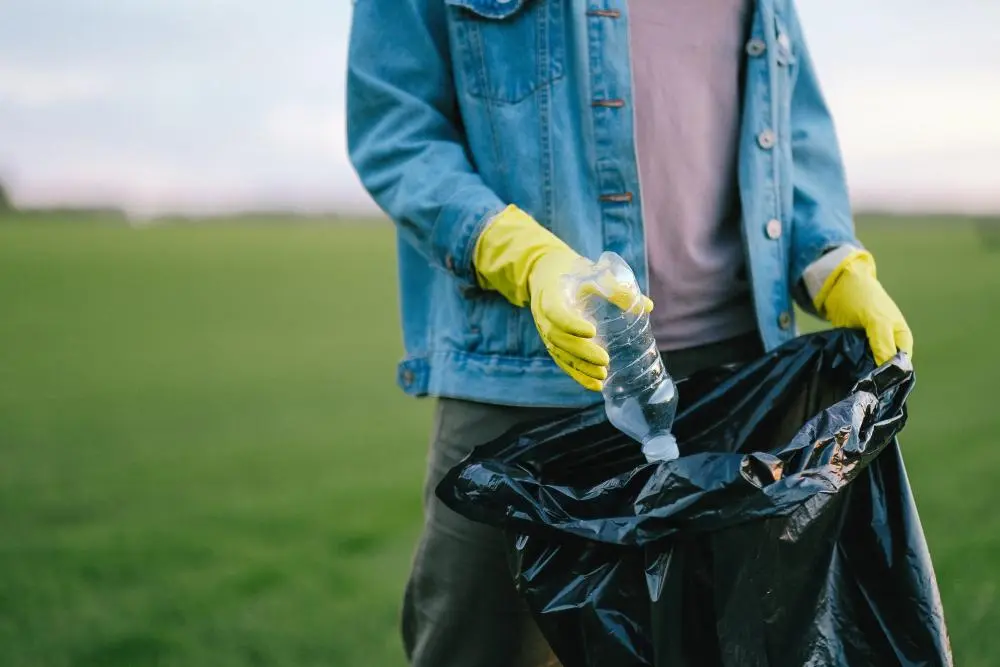
Making a plastic bottle is complicated and involves several steps:
Polyethylene and polypropylene are low-cost thermoplastics used in plastic bottle production.
However, plastic bottles have a negative impact on the environment due to their non-biodegradable nature. In order to adapt to the growing environmental trend, it is necessary to use sustainable plastic alternatives.
Due to the characteristics of plastics, more and more countries and regions ban single-use plastic products. Ancheng is a professional environmental specialist and we offer disposable tableware made from bamboo and wood to ensure that our products are in line with circular economy and sustainability goals. Whether you are a restaurant operator or a distributor, we welcome you to contact our experts to customize your products and set out together for a sustainable future.

Hello, I'm Sven Wang, the Manager of Ancheng. With extensive expertise in raw materials and production processes, I'm dedicated to advancing sustainable tableware and constantly improving eco-friendly options for the modern catering industry. You can trust that Ancheng is committed to providing the highest quality. Welcome!

Factory: Qian Renqiao Industrial Park, Shucheng County, Luan City, Anhui Province, China
Office: Building 11, Max Science Park, Shushan Dist, Hefei, Anhui, China
Copyright ©2026 Anhui Ancheng Bamboo and Wood Tableware Co., Ltd. Privacy Policy



 Index
Index Product
 Resources
 About
About