The European dining landscape has undergone a radical transformation. Traditional plastic plates and cutlery, once the staples of outdoor events and quick service restaurants, have vanished from shelves and tables. In their place, a natural revolution has taken root. Bamboo and wooden tableware have emerged as the dominant sustainable alternatives, capturing the hearts of conscious consumers and the portfolios of major retailers.
This shift raises critical questions regarding why these specific materials succeeded, why Europe became the primary catalyst for this change, and how this niche market evolved into a multi billion dollar industry so rapidly.
The most significant catalyst for the rise of bamboo and wooden tableware is the regulatory environment within the European Union. The Single Use Plastics Directive, which became effective in 2021, fundamentally prohibited several plastic items including cutlery, plates, and stirrers. This was not merely a suggestion but a legal mandate that forced the entire food service industry to find immediate replacements.
Furthermore, the broader European Green Deal and the transition toward a circular economy have placed immense pressure on corporations to adopt materials with lower carbon footprints.
Companies are now evaluated under strict Environmental, Social, and Governance (ESG) frameworks, making the shift to renewable resources like wood and bamboo a strategic necessity rather than an aesthetic choice.
European consumers are among the most environmentally conscious in the world. There is a deep rooted cultural value placed on sustainability and ethical consumption. The prevailing philosophy of Buy Less, Buy Better has shifted the market away from cheap, disposable items toward products that offer longevity or responsible end of life cycles. Consumers actively seek out products with transparent supply chains and are willing to pay a premium for items that do not contribute to the global plastic crisis. This demographic does not just want a plate; they want a story of ecological preservation.
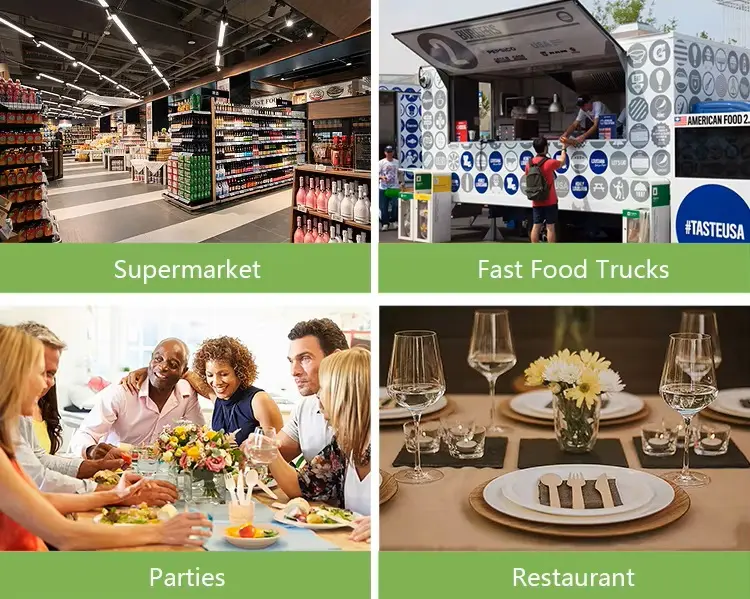
The transition is highly visible in the private sector. Major coffee chains, fast casual dining outlets, and online delivery platforms across Europe have replaced plastic kits with wooden or bamboo alternatives. Retail giants have also played a role by introducing private label eco friendly home goods. Supermarkets like Lidl, Aldi, and Carrefour now dedicate entire aisles to sustainable living, where bamboo salad bowls and wooden serving boards are presented as premium lifestyle upgrades rather than just functional kitchenware.
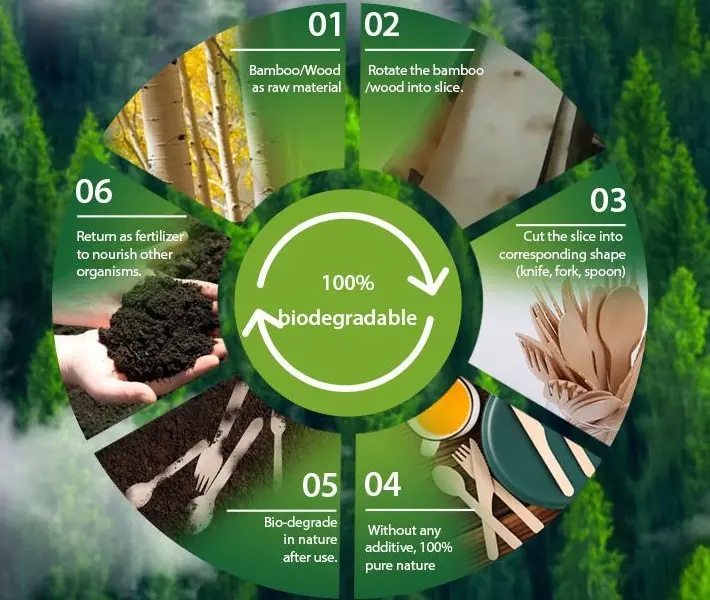
The inherent properties of bamboo and wood make them uniquely suited for the European market.
1) Bamboo: Known as the fastest growing plant on Earth, bamboo is technically a grass. It reaches maturity in just 3 to 5 years, requiring no pesticides and minimal water. Its ability to sequester carbon dioxide is significantly higher than most tree species, making it a climate positive resource.
2) Wood: Timber offers a sense of permanence and durability. It is naturally antibacterial, biodegradable, and can be recycled into wood chips or composted at the end of its life. The tactile warmth of wood provides a psychological connection to nature that synthetic materials cannot replicate.
While paper is a common alternative, it often fails in functional categories where bamboo and wood excel.
The visual appeal of bamboo and wood aligns perfectly with the Scandinavian Style and Minimalism that dominate European interior design. The neutral tones and organic textures fit the "Hygge" concept of coziness and natural warmth. Unlike the sterile look of plastic or the disposable look of paper, bamboo and wooden items are viewed as decorative pieces that enhance the dining experience.
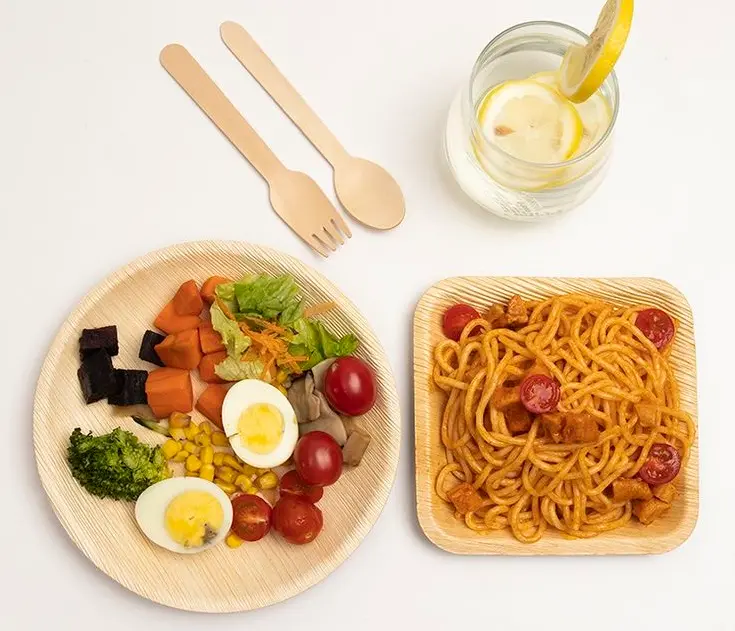
The product landscape has evolved from basic functional items into a sophisticated catalog catering to both the high volume food service industry and the premium home decor market. It satisfies consumers' demand for convenient disposability with the desire for long term durability.
1) Professional Catering Supplies: This includes everything from cocktail picks and bamboo steamers to heavy duty wooden boat plates used at food festivals and high end events.
2) Reusable Sets: High quality bamboo cutlery sets designed for people to carry in their bags.
3) Home Goods: Large salad bowls, intricate serving platters, and durable cheese boards.
4) Children’s Tableware: Bamboo fiber plates for kids are popular because they are perceived as safer and more natural than plastic.
5) Outdoor and Camping Gear: Lightweight yet unbreakable wooden plates for the growing European "Van Life" and camping community.
They have become versatile staples that meet the diverse needs of European consumers, whether they are looking for a quick takeaway solution or a permanent addition to their kitchen.
Modern manufacturing has solved many of the early complaints regarding natural tableware. Ergonomic handles, smooth finishes achieved through advanced sanding, and specialized organic coatings make these products more comfortable to use. Innovations in surface treatments have led to products that are more resistant to cracks and mold, and some high end bamboo composites are now advertised as dishwasher safe, removing one of the biggest barriers to daily use.
European safety standards for food contact materials are the strictest in the world. Successful products in this market use non toxic, water based glues and natural oils for finishing. By ensuring that products are free from formaldehyde and other harmful chemicals, manufacturers have gained the trust of health conscious European parents and chefs.
Entering the European market requires more than just a good product; it requires verified proof of sustainability and ethics.
1) FSC (Forest Stewardship Council): This is the gold standard. It proves that the wood or bamboo was harvested from responsibly managed forests that provide environmental, social, and economic benefits.
2) LFGB and EU Food Contact Regulation: These certifications ensure the product does not transfer harmful substances to food.
3) BSCI and Sedex: These focus on social responsibility, ensuring that the workers in the factories are treated fairly and work in safe conditions.
For a European distributor or retailer, these certificates are risk management tools. They protect the brand from "greenwashing" accusations and legal liabilities. A product without an FSC logo is often a non starter for major European retail chains.
China remains the primary supplier for the European market. These regions have developed sophisticated industrial clusters dedicated to bamboo and wood processing. The advantage lies in the combination of raw material proximity and advanced machining technology. This allows for massive scale and highly flexible OEM and ODM services, enabling European brands to create unique, proprietary designs. Leading tableware manufacturers like Ancheng can produce the most sustainable products tailored to market demands at competitive factory prices.
Modern factories have integrated eco friendly practices such as using wood offcuts to fuel factory boilers or converting bamboo dust into pellets for heating. This holistic approach to waste management appeals to European buyers who audit the entire lifecycle of the product.
European buyers prioritize consistency. The ability to deliver thousands of units with identical moisture content and finish quality is what separates successful manufacturers from the rest. Professional quality control ensures that items do not warp or split during the long sea voyage from Asia to European ports.
The furniture giant has almost entirely phased out plastic disposable tableware, replacing it with the OSTBIT and BLANDA series made of bamboo and wood. They chose bamboo specifically for its rapid renewability and aesthetic versatility. By ensuring all their bamboo and wood products are FSC certified, IKEA provides a transparent sustainability narrative that resonates with cost conscious yet environmentally aware consumers. Their global reach has normalized bamboo as a household staple.
Elevating ESG Through Natural Materials The Nordic based Scandic Hotels group serves as a prime example of how the hospitality sector uses bamboo and wood to meet strict ESG (Environmental, Social, and Governance) targets. They have replaced traditional plastic items with bamboo and wooden alternatives across their breakfast buffets and conference facilities. These materials are used for everything from serving tongs to elegant display boards and even branded wooden cutlery kits for corporate events. This transition helps the brand fulfill its sustainability reporting requirements while providing a warm, tactile experience that aligns with the high standards of European travelers.
When the European plastic ban took effect, the popular restaurant chain Wagamama faced a challenge: finding a replacement that maintained its high standards for customer experience. While many competitors turned to paper, Wagamama recognized that paper utensils often failed the "user experience" test by becoming soggy or altering the taste of the food. They opted for high quality wooden and bamboo cutlery for their extensive takeaway and delivery operations. This choice was rooted in the material’s superior durability and the "natural" look that matches their brand’s clean, health focused image. The feedback from customers was overwhelmingly positive, proving that bamboo and wood offer the best balance between environmental responsibility and high performance functionality in a high volume commercial setting.

While the growth of natural tableware is undeniable, the industry faces specific hurdles that both manufacturers and European buyers must navigate.
Bamboo and wooden products require more intensive harvesting and processing than petroleum based plastics. Although the initial unit cost is higher, the implementation of plastic taxes and the legal mandates of the EU ban have made this "green premium" a necessary cost of doing business in Europe. Moreover, as market trends continue to grow, this price disparity is gradually diminishing. Wholesale plant-based tableware will further reduce procurement costs.
Reusable bamboo items require specific care, such as avoiding prolonged soaking, to prevent warping. In the disposable sector, some consumers initially feared that wooden cutlery would be flimsy or prone to splintering. Leading suppliers like Ancheng have solved this through advanced polishing and thickening techniques, ensuring that disposable wooden forks and bamboo spoons offer a sturdy, high performance experience.
The rapid surge in demand has flooded the market with low quality alternatives. This saturation makes it difficult for buyers to identify reliable partners. For European businesses, the challenge lies in distinguishing between generic suppliers and professional manufacturers who hold valid FSC and BSCI certifications to ensure ethical and safe production.
As organic materials, wood and bamboo are sensitive to humidity and temperature fluctuations during long distance sea freight. Without proper kiln drying and moisture proof packaging, products can be at risk of mold or deformation. Professional exporters mitigate this by maintaining strict moisture content standards and using reinforced packaging designed for the European climate.
As transparency becomes a legal and consumer requirement, digital labels or laser engraved QR codes will become common. This allows customers to verify the FSC origin and carbon footprint of their disposable plate or reusable bowl in real time.
The European market is becoming increasingly specialized. We are moving away from one size fits all solutions toward niche products designed for specific industries. This includes specialized disposable kits for high end airline catering, heavy duty bamboo tools for the outdoor hospitality industry, and designer led wooden collections for luxury retail. As European regulations continue to tighten, focusing not just on being plastic free but also on being PFAS free and ethically manufactured, the advantage will shift toward manufacturers who prioritize certified safety and high quality standards.
While reusables have their place, the demand for high quality disposable bamboo and wooden products will continue to dominate the food service and takeaway sectors. The focus will shift toward "Premium Disposables" that offer a superior tactile experience. Brands like Ancheng are leading this move by refining the manufacturing process to eliminate natural odors and ensure a perfectly smooth finish. This ensures that even a single use item feels like a high quality tool, reinforcing the brand value of the restaurant or retailer using it. The future of the European market lies in these high performance, nature based solutions that leave no trace behind.
The European market will continue to lead as regulations tighten. We expect to see more strict rules regarding the chemicals used in bamboo composites. Companies that have invested in genuine sustainability and high quality manufacturing will thrive, while those relying on "greenwashing" will be pushed out by both regulators and savvy consumers.
Bamboo and wooden tableware have won over the European market by offering a perfect harmony of functionality, regulatory compliance, and aesthetic soul. This shift represents a broader movement toward a more respectful relationship with our natural resources. As manufacturing techniques continue to improve and consumer demand for plastic alternatives grows, these ancient materials will remain at the forefront of the modern European dining experience, proving that the future of design is rooted in the wisdom of nature.
Are you ready to elevate your brand with high quality bamboo and wooden solutions that meet the strictest European standards? Whether you are looking for premium disposable cutlery for a restaurant chain or FSC certified reusable sets for retail, Ancheng provides the manufacturing expertise and stable supply chain you need to succeed. Our team specializes in OEM and ODM services, ensuring your products are safe, compliant, and beautifully designed. Contact Ancheng today to request a sample or discuss how we can help you lead the sustainable revolution in your market.

Hello, I'm Sven Wang, the Manager of Ancheng. With extensive expertise in raw materials and production processes, I'm dedicated to advancing sustainable tableware and constantly improving eco-friendly options for the modern catering industry. You can trust that Ancheng is committed to providing the highest quality. Welcome!

Factory: Qian Renqiao Industrial Park, Shucheng County, Luan City, Anhui Province, China
Office: Building 11, Max Science Park, Shushan Dist, Hefei, Anhui, China
Copyright ©2026 Anhui Ancheng Bamboo and Wood Tableware Co., Ltd. Privacy Policy


 Index
Index Product
 Resources
 About
About