Yes! Wheat straw plates are generally safe to use.
Wheat straw tableware has become a mainstream eco tableware option for retail households and small catering businesses. However, there is widespread market confusion between two totally different wheat straw products: reusable PP composite wheat straw tableware for home use, and cheap disposable wheat straw plates coated with PFAS grease barrier for takeaway.
Wheat straw plates can be safe when they are made with food-contact approved materials and used according to the manufacturer's instructions. But buyers should understand one important point: many wheat straw plates are not made from wheat straw alone. They are often composite products, meaning wheat straw fiber is blended with a resin such as PP or PLA to create a stronger plate or bowl.
This guide explains what wheat straw plates are made of, what safety questions buyers should ask, and how wheat straw compares with bamboo, wooden and bagasse plates for foodservice sourcing.
Wheat straw dinnerware is made by mixing natural wheat straw fibers with traditional plastic resin. It would be more appropriate to call such dinnerware wheat straw-reinforced or wheat straw composites. When paired with a bioplastic like PLA, wheat straw dinnerware becomes completely biodegradable.
The wheat straw fibers are strong, but they lack shape. So they are mixed with a plastic matrix, which acts like a glue holding the fibers together. This results in dinner plates that are twice as durable as regular plastic or melamine plates.
After the wheat harvest, the plant stems (called straws) are burned to clear the fields. Stubble burning produces smoke and greenhouse gases into the environment, which is particularly dangerous for nearby residents.
By utilizing these wheat byproducts for dinnerware manufacturing, we reduce environmental damage and create longer-lasting dinnerware.
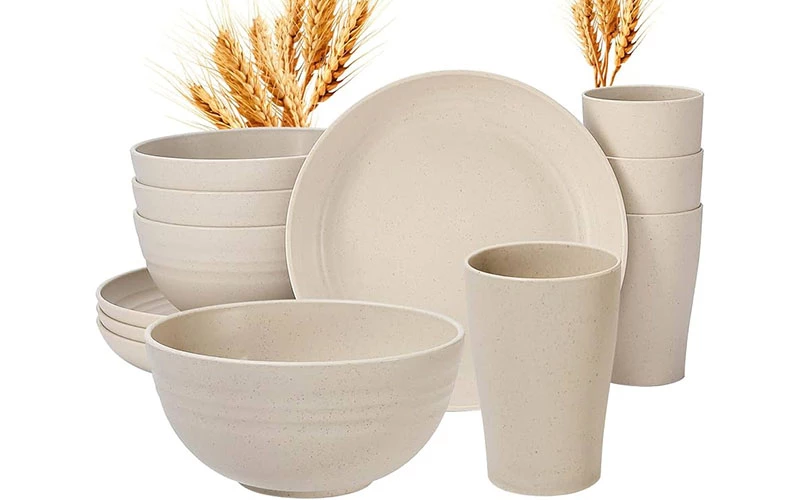
You might be shocked to hear that wheat straw dinnerware still contains plastic. Especially since most manufacturers fail to highlight the composition of their wheat straw products. Setting misleading marketing aside, wheat straw plates, bowls, and spoons are an overall net positive.
A paper by the US Forest Service shows the impact of mixing wheat straws with polypropylene plastic. A standard wheat straw dinnerware set has a 30/70 blend of straw fibers and plastic. So, compared to melamine dinner sets, you are using 30% less plastic.
But the benefits don’t stop there. Since wheat straw dinner plates are more durable, they will last longer. An increased lifespan means fewer replacements over its lifetime, which results in less plastic being produced.
Polypropylene is the most commonly used plastic matrix. However, some manufacturers are switching over to PLA, a biodegradable and eco-friendly alternative to traditional plastic.
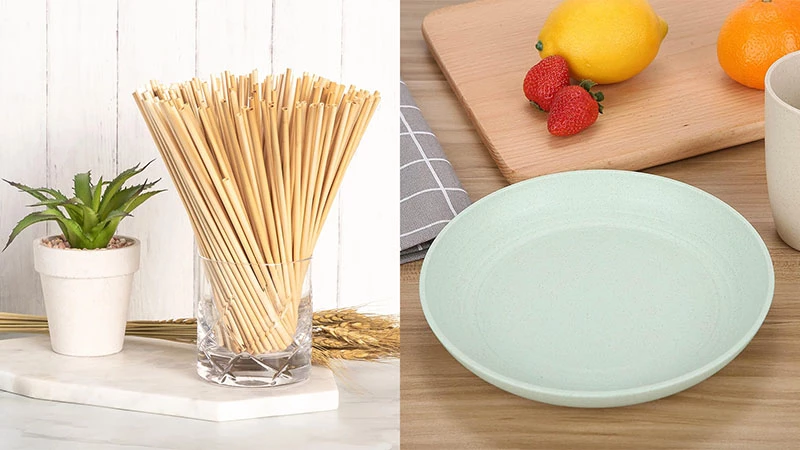
Something we have yet to discuss is the confusing naming of wheat-based dinnerware.
Wheat straw refers to the base of the wheat plant. It's a long, pipe-like stem that is generally discarded after harvest. Recently, entrepreneurs have started upcycling these plant stems into eco-friendly drinking straws. They are often marketed as disposable, natural and plastic-free.
Manufacturers take advantage of this confusing naming scheme to market their wheat straw dinnerware as a natural plastic alternative. While in reality, they contain 70% plastic. Wheat straw plates, bowls and dinnerware are usually molded composite products. To achieve strength, shape stability and repeated use, many are blended with PP, PLA or other materials.
Table 1 - Wheat Drinking Straws vs Wheat Straw Tableware
To sum it all up. Wheat drinking straws are natural, but wheat straw plates are mostly plastic. Don't let marketing and buzzwords confuse you. Wheat straw plates are better than plastic options. However, their environmental impact is still higher than that of traditional ceramic dinnerware.
Need Safer Disposable Plate Options for Bulk Orders?
Swap plastics for premium wholesale natural tableware
So far, the discussion around wheat straw plates has been unclear. Let’s get definitive answers to some important safety questions.
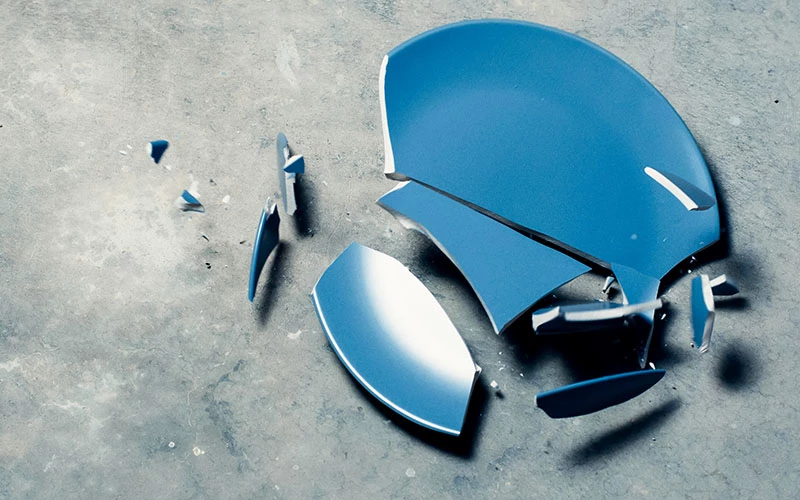
Yes. This is the biggest advantage of wheat straw plates. The additional strength from those straw fibers makes these plates borderline indestructible. Because of that higher durability, wheat straw dinnerware is sold as a child-safe option.
Here is a quick comparison showing the advantage wheat straw dishes have over other materials.
1) Ceramic Plates: Easy to Chip & Shatter
2) Glass Plates: Easy to Shatter
3) Melamine Plates: Can Chip
4) Plastic Plates: Can Warp & Shatter
Metal and wooden plates are more durable than wheat straw plates. However, metal is highly conductive and not suited for hot foods. Wood plates are clearly the best option, but come with a hefty price tag.
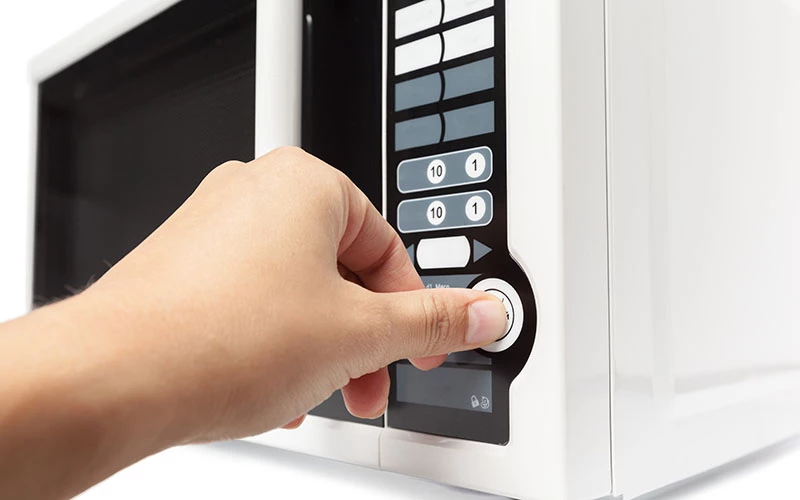
Yes. Wheat straw dishes made from polypropylene (PP) are microwave safe. Remember, PLA-based wheat straw plates have a lower melting point and are not recommended for microwave use.
It's important to know that most microwave safety tags talk about the plate's safety and not yours. PP wheat straw plates are microwave safe because they don't melt or warp. But it doesn't say anything about human safety.
Research shows that overheating plastic containers increases the risk of microplastics leaching into your food. This isn't a wheat straw plastic issue; it's a plastic issue.
The US Food and Drug Administration (FDA) recognizes microplastic contamination. But currently, the organization doesn't consider microplastics as a health risk. Still, reducing microwave time to 2-3 minutes will significantly reduce the risk of microplastics in your food.
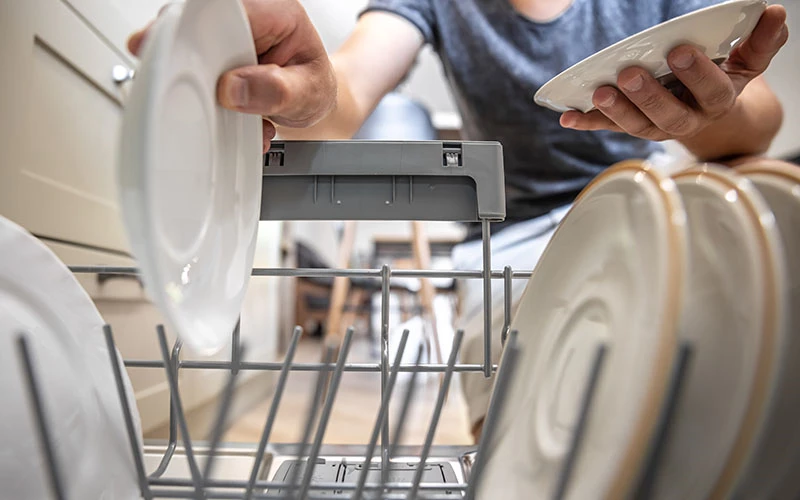
Yes. Your wheat straw dinner set is completely dishwasher safe. Whether it's a PLA or a PP base. The internal temperature of dishwashers isn’t high enough to do any damage. Similarly, the lower heat means there is less risk of microplastic leaching during the wash.
Just to be on the safe side, always look for the dishwasher-safe symbol on your wheat straw dinnerware. Lower-quality plates are more likely to warp, especially when placed at the bottom of the dishwasher.
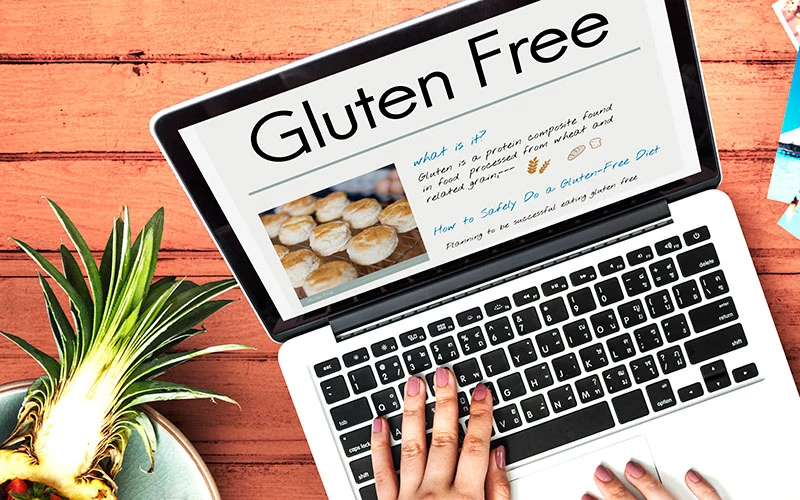
Yes. Despite the wheat in the name, wheat straw plates are gluten-free. During the manufacturing process, the wheat straws are superheated, chopped, and dried until the cellulose is separated.
So by the time wheat straw is pressed into a plate, the gluten has been removed. Look for the gluten-free tag on the packaging or the manufacturer’s website for double confirmation.
Wheat straw plates are non-toxic and always BPA-free. However, some may contain PFAS.
BPA (Bisphenol A) is a common ingredient in polycarbonate manufacturing. So, it's not present in the PLA or PP used for wheat straw plastics.
Whereas, PFAS (Per- and polyfluoroalkyl substances) are a broad range of fluorine-based chemicals used in modern manufacturing. PLA is completely PFAS-free. PFAS are optional for PP manufacturing, so it's not all bad news.
PFAS "forever chemicals" are fully banned for food contact products in California, EU, UK and Canada. Cheap disposable wheat straw takeaway plates rely on PFAS coating to block grease and soup. Import shipments without official SGS total fluorine test reports will be detained or destroyed at customs. Look for a PFAS-free certification on your wheat straw dinner plates. Alternatively, you can stick with PLA-based platers. They are non-toxic and biodegradable, but not microwave safe.
Wheat straw plates, cups, and containers are better for the environment than regular plastic. However, there is a catch. Better doesn't mean safe. Plastic is still plastic, and without proper disposal, the risk of environmental damage remains high.
Although wheat straw dinnerware lasts a very long time, it is eventually going to be thrown away.
1) Ceramic, glass, and metal dishes will last a lifetime with the proper care.
2) Wood, bagasse, and paper dishes have a shorter lifespan, but they are safe for the environment.
3) Wheat straw plates need local recyclers or biodegradation sites to be truly eco-friendly.
You can further reduce the environmental impact of wheat straw dishes by using them for as long as possible.
Let’s combine everything we’ve learned so far and examine the pros and cons of using wheat straw plates. We’ll plot all the benefits of wheat straw plates and see if they actually hold up to scrutiny.
Table 2 - Detailing the pros and cons of wheat straw plates.
The biggest takeaway here is that wheat straw dinnerware isn’t as amazing as some might claim. It is undoubtedly one of the safest dinnerware options. However, there are several caveats. You have to treat it with care, like you do with other plastic utensils.
Plastic still holds a weird place in our society. The cost and performance of plastic-based cutlery and dinnerware are still far superior to ceramics and wood.
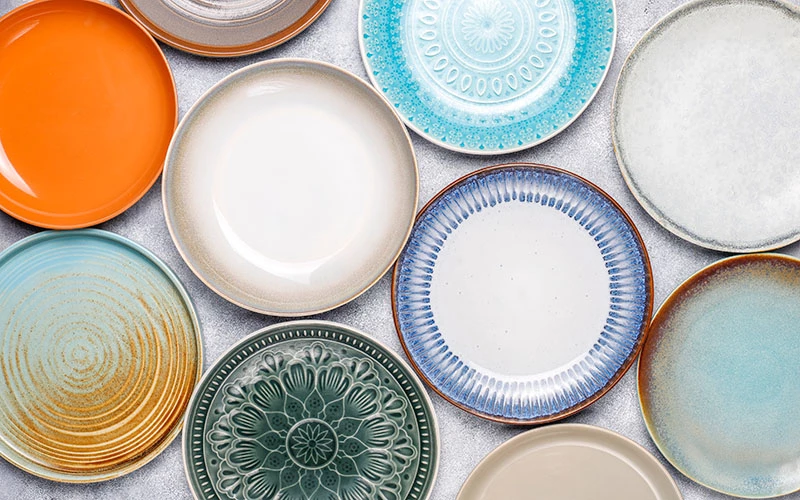
Let's take a quick look at some other plate materials and see how they compare to wheat straw dishes.
Melamine is a chemical used in the manufacturing of plastic products. Melamine plates have high durability and excellent heat resistance. They are affordable, reliable, and dishwasher safe.
Compared to wheat straw plates, you can get melamine dishes in several attractive designs and finishes. In terms of daily use, melamine is probably the best option for consumers on a budget.
However, melamine isn’t all safe. Melamine, the chemical, is very dangerous and linked to several health issues. Kidney failure in particular is a well-known side effect of melamine ingestion.
The FDA guidelines state that food should not be heated in melamine tableware. There is very little risk of melamine leaching into your food. But that doesn't make it safe. Therefore, wheat straw plates are much safer than melamine plates.
Pure plastic is generally used for disposable single-use tableware. However, some manufacturers make reusable plastic plates out of high-density polyethylene (HDPE) and polypropylene (PP). These plates are lightweight, flexible, and available in different colors.
Unlike melamine, plastic dinner plates are microwave-safe. Their only drawback is price. HDPE is a much stronger material, but it's also expensive. So, many manufacturers don't bother using it.
PP is a more affordable option, but lacks the durability and premium feel. Regular use also results in deep scratches and a rough texture.
Wheat straw plates are the same as PP plastic plates. Except they have a higher shatter resistance. For long-term use, wheat straw plates are the better choice.
Bamboo is an extraordinary plant. It grows quickly and requires less water and fertilizers than full-grown trees. In recent years, demand for bamboo-based tableware has skyrocketed.
The best part is that bamboo is incredibly affordable. Often coming in at less than half the price of melamine and wheat straw plates. For that all-natural construction and lower price, bamboo makes a lot of sacrifices.
1) Real bamboo plates typically feature a default light wood grain.
2) They are less durable than melamine and wheat straw plates.
3) You cannot use them in the microwave or dishwasher.
There is an alternative that uses bamboo composites (bamboo fibers encased in a plastic matrix). These plates forego eco-friendliness for more durability and microwave compatibility.
PFAS-Free Disposable Bamboo Plates: Made of pure moso bamboo veneer without any plastic binder. Zero PFAS, fully industrial compostable, heat & oil resistant for hot oily takeaway. Fully compliant with US FDA and EU LFGB standards, the top choice for cross-border catering importers.
Wood is the best of both worlds. It has all the environmental benefits of bamboo but with the durability to match wheat straw. The best part is that there is no plastic involved anywhere.
However, the best don’t come cheap. Even at their lowest, wooden plates are more expensive than other options, with more premium dinner sets being even more expensive.
Wooden plates aren’t dishwasher or microwave-safe. But wait, that’s not the full story. The heat from microwaves can warp and harsh dishwasher cycles can crack wooden plates.
However, it doesn't mean they are unsafe. We don't recommend microwaving wooden plates. But even if you do, all it will do is warp the wood. That's better than toxins leaking into your food, right?
Table 3 - Wheat Straw vs Melamine vs Plastic vs Bamboo vs Wood Plates
The biggest shocker here is the lack of microwave compatibility. Melamine is clearly not microwave-compatible. Yet many people still heat food in melamine plates. The environmentally friendly options like bamboo and wood are great. Except they are also inconvenient.
FAQ
Wheat straw fiber is plant-based, but wheat straw plates may contain resin. If the product contains PP, it should not be treated as fully compostable. If it contains PLA, compostability may depend on industrial composting conditions and certification.
It depends on the use. Wheat straw composite plates may work for reusable-style tableware, while bagasse plates are often preferred for disposable foodservice packaging, takeaway meals and prepared food.
PFAS-free bamboo and sugarcane bagasse plates with zero plastic binders, fully aligned with global plastic and chemical ban policies.
20,000 pieces per single specification; flexible smaller bulk orders available for long-term cooperative brands.
Wheat straw plates and dinnerware sets are incredible. They use less plastic and offer a more durable product. However, they are still made from plastic and share many of its environmental and safety concerns. Ceramic dishes remain the gold standard for premium dining sets. But for regular day-to-day use, wheat straw plates make a compelling option.
Ancheng is a leader in the eco-friendly and biodegradable dinnerware space. For over 20 years, we have specialized in bamboo and wooden tableware. Additionally, we manufacture products from wheat straw, sugarcane bagasse, and paper. We can meet the diverse material requirements for tableware across various industries. You can obtain competitive pricing directly from our factory, helping you reduce operational costs. Contact us now to learn more about our products and procurement details.
20-Yr Factory PFAS-Free Disposable Plates
Stable mass production with flexible MOQ

Hello, I'm Sven Wang, the Manager of Ancheng. With extensive expertise in raw materials and production processes, I'm dedicated to advancing sustainable tableware and constantly improving eco-friendly options for the modern catering industry. You can trust that Ancheng is committed to providing the highest quality. Welcome!

Factory: Qian Renqiao Industrial Park, Shucheng County, Luan City, Anhui Province, China
Office: Building 11, Max Science Park, Shushan Dist, Hefei, Anhui, China
Copyright ©2026 Anhui Ancheng Bamboo and Wood Tableware Co., Ltd. Privacy Policy


 Index
Index Product
 Resources
 About
About