Walk into any eco-conscious café today, and you will likely sip your tea or latte from a cup that looks and feels like plastic. Here is the surprise: it is probably not plastic, but rather, PLA.
Yes, we know the last thing you need is another clever abbreviation. So, let’s break that down, shall we? PLA is a plant-based material that businesses are increasingly turning to as they seek healthier, more eco-friendly food packaging and tableware solutions.
Of course, that is only a summative headline. Come along as we dive deeper in this guide and highlight how PLA is made, its benefits, applications, and the proper ways to dispose of PLA products.
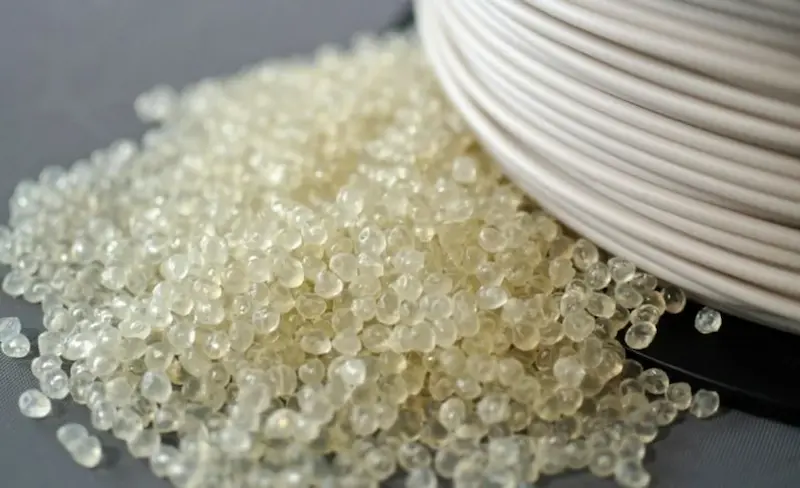
PLA is an abbreviation for polylactic acid, also known as polylactide. It is a biodegradable polymer material obtained from renewable resources instead of petroleum.
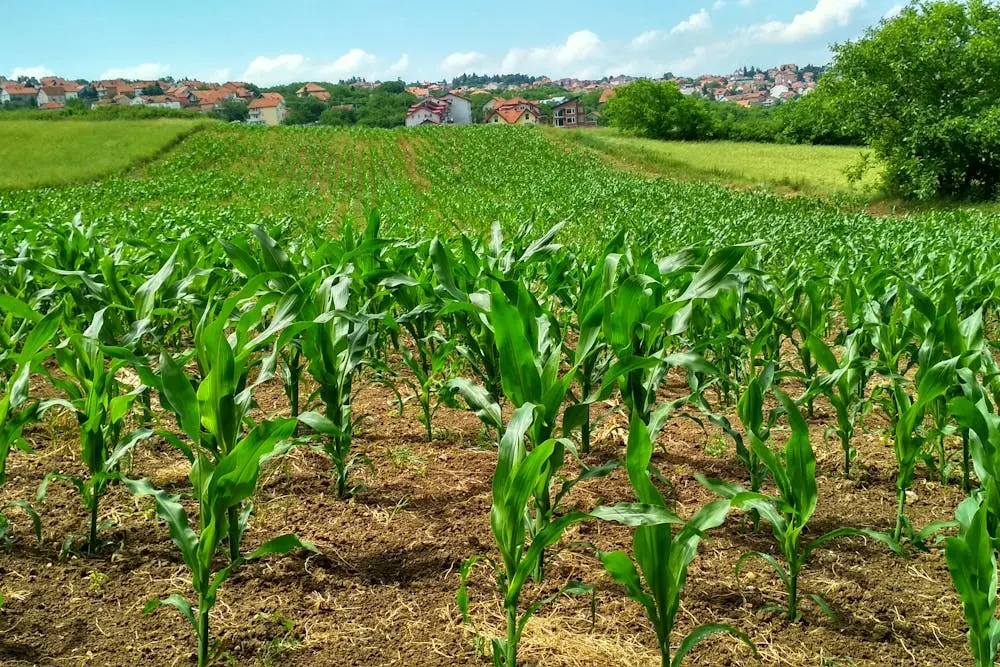
So, is PLA plastic? Technically, yes, but with a significant difference; traditional plastics are a by-product of non-renewable fossil fuels (like petroleum), but PLA is plant-based. It is primarily produced from fermented plant starches, most commonly corn, but it can also be manufactured from sugarcane, cassava, or other starch-rich crops.
PLA makes for a good alternative material because it belongs to the polyester family and shares many characteristics with traditional plastics, such as PET (polyethylene terephthalate). It can be manufactured to be as clear or rigid as they are, and it is also just as versatile.
However, what sets PLA apart is that it is sustainable and can break down into natural components under specific conditions, making it an advantageous option for single-use applications where environmental impact is a concern.
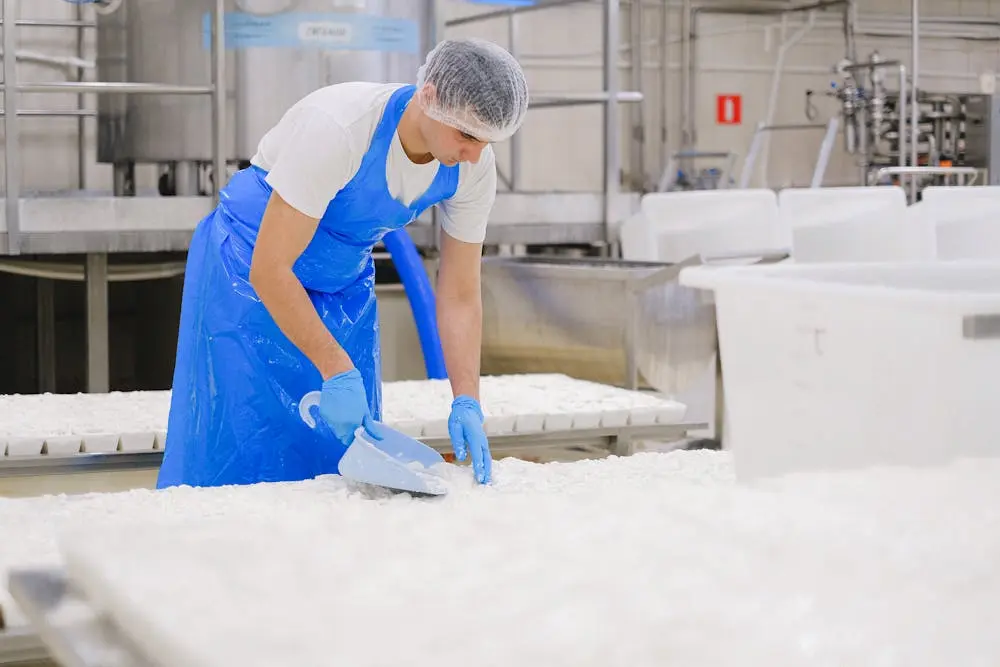
Understanding how PLA makes it easier to appreciate its eco-friendly qualities and benefits. Here is a rundown of the manufacturing process.
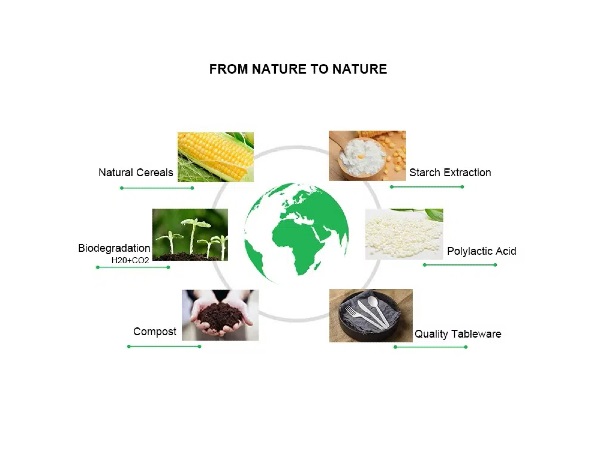
The process begins with extracting starch from crops like corn, cassava, sugarcane, or similar alternatives. Their kernels are soaked in and milled/ground to isolate the starch content, which serves as the raw material for PLA production.
The extracted starch undergoes a fermentation process, similar to brewing beer or making yogurt. During this biological process, enzymes or microorganisms convert the starch into simple sugars, which are then transformed into lactic acid. This is the crucial step that gives polylactic acid its name.
The lactic acid molecules are then chemically linked together through a process called polymerization. This creates long chains of molecules, forming the PLA polymer. There are two main polymerization methods: direct condensation polymerization and ring-opening polymerization.
The ring-opening polymerization method is preferred as the better approach, as it yields better quality PLA material. It entails first converting lactic acid into lactide molecules, which are ring-shaped, and then using a catalyst to create strong bonds between them. The bonded lactide molecules form long and strong polymer chains, which make up the PLA material.
Once the PLA polymer is created, it can be processed into different items, such as pellets for injection molding, sheets for thermoforming, or filaments for 3D printing. The material can be melted and molded into any shape, making it highly versatile for manufacturing.
An example of further PLA processing is CPLA material. It is manufactured by heat-treating PLA in high-pressure conditions until it crystallizes. This produces a stronger, more heat-resistant material known as CPLA, suitable for serving hot foods and beverages up to about 185°F (85°C), compared to standard PLA’s limit of around 110°F (43°C).
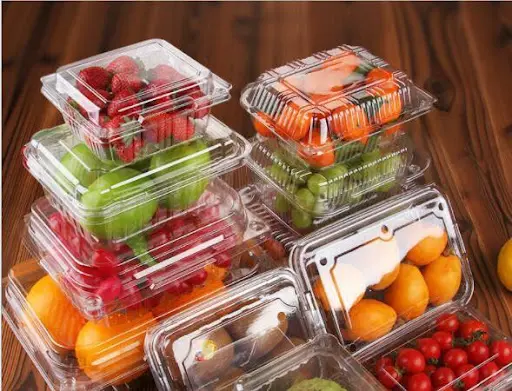
PLA’s versatility has led to its adoption across numerous industries. Here are the most common PLA products you may encounter in everyday scenarios:
This is perhaps the most visible application of PLA material, as the food service industry extensively uses PLA:
1) Disposable utensils: Forks, spoons, and knives made from PLA or CPLA (crystallized PLA, which offers better heat resistance)
2) Drinking straws: A popular alternative to traditional plastic straws
3) Cups and lids: For both cold and warm beverages
4) Food containers: Clamshells, bowls, and takeout boxes
5) Paper products: Coffee cups and food containers with PLA lining that provides a moisture barrier without the environmental impact of traditional plastic coating
PLA is a highly popular 3D printing material among both hobbyists and professionals. It is easy to print with, does not require a heated print bed, produces minimal warping, and is available in a wide variety of colors.
PLA fibers are used in the production of clothing, upholstery, and other textile applications. The material is naturally moisture-wicking and has low flammability, thereby making it suitable for activewear and home furnishings.
PLA is biocompatible. This means that the human body can safely absorb PLA over time, eliminating the need for removal surgeries. It is thus used to manufacture medical implants, sutures, and drug delivery systems.
PLA offers several compelling advantages that explain its growing popularity:
Unlike petroleum-based plastics that rely on limited fossil fuel sources, PLA is made from renewable crops that can be replanted season after season. This reduces dependence on oil and contributes to a more sustainable material economy.
According to a study, PLA production generates approximately 65% fewer greenhouse gas emissions compared to traditional plastic manufacturing. The plants used to create PLA also absorb carbon dioxide as they grow, partially offsetting production emissions.
Recent studies have shown that microplastics and BPA can have harmful effects on human health. Therefore, when considering PLA as an alternative material, a common question arises: Is PLA toxic?
Fortunately, no, it is not. The material does not contain harmful chemicals like BPA or phthalates, which are commonly found in some traditional plastics. It is thus safer for both consumers and the environment.
Is PLA biodegradable? Yes, under the right conditions. In commercial composting facilities with controlled temperature and humidity, PLA products break down into water, carbon dioxide, and organic matter within 90-180 days. This is much faster compared to traditional plastics, which can remain unyielding for hundreds of years.
PLA products can be manufactured using existing plastic processing equipment, making it easier for manufacturers to adopt. Moreover, the material can be chemically engineered or extruded to make it transparent, opaque, rigid, or flexible. It also blends well with colorants.
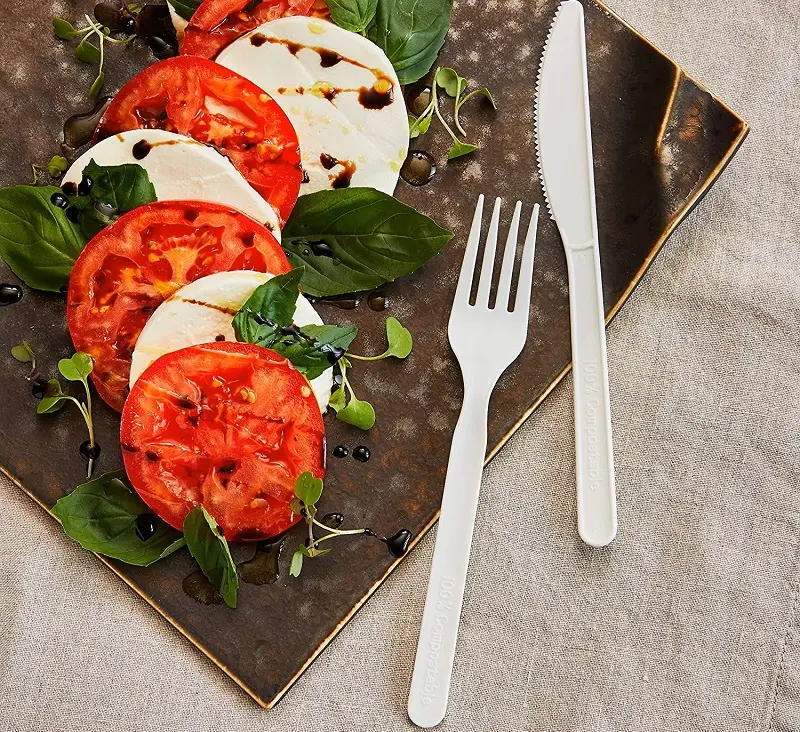
It is crucial to question the safety of materials used for food-related applications. But the due diligence should not stop there; it is vital to verify safety details through scientific testing to ensure that you are making the right material choice. With that in mind, let us look into common safety concerns regarding PLA as a product material.
PLA is food safe when properly manufactured. It does not transfer harmful chemicals into food or beverages under normal use conditions. Subsequently, it has been approved by regulatory agencies, including the U.S. Food and Drug Administration (FDA), and meets the standards of the European Food Safety Authority.
That said, 3D-printed objects present a unique challenge. The layer-by-layer printing process creates tiny crevices that can trap food and harbor bacteria, making them difficult to clean. As a result, 3D-printed PLA items are not recommended for repeated contact with food unless their surfaces are sealed with a food-safe coating.
Research indicates that PLA is non-toxic and biocompatible. The material does not release dangerous fumes during normal use, making it safe for food packaging, tableware, and even medical applications.
PLA does have temperature constraints that affect its safety and functionality. Standard PLA begins to soften around 110-130°F (43-54°C), which means:
1) It is not suitable for tableware for hot foods or liquids, unless it is processed into CPLA
2) PLA products should not be used in microwaves or left in hot cars or direct sunlight for extended periods
3) PLA tableware may not be dishwasher-safe
The eco-friendly benefits of PLA are only fully achievable if PLA products are disposed of correctly. Here are the right ways to handle the disposal process.
Is PLA biodegradable in any environment? Not quite. PLA requires specific conditions to break down effectively:
Temperature: 140-160°F (60-71°C)
Humidity: High moisture levels
Microbial activity: Presence of specific microorganisms
Time: 90-180 days for complete breakdown
These conditions are typically only found in commercial composting facilities. If you have local access to industrial composting that accepts PLA products, this is the most environmentally friendly disposal method.
Unfortunately, most home compost bins can not provide the sustained high temperatures required for PLA material to break down. PLA products may take several years to decompose in home composting conditions, or may not break down at all. Making this approach less optimal.
To maximize the environmental benefits of PLA products:
1) Check local facilities: Determine if your community has commercial composting that accepts PLA
2) Look for certifications: Prioritize products certified as "compostable" by organizations like BPI (Biodegradable Products Institute), as they are tested to ensure they can break down in composting conditions
3) Separate properly: Do not mix PLA with traditional plastic recycling
4) Choose appropriately: Use PLA for single-use items only when reusable alternatives are not a viable option
Q1: Can I put PLA products in my backyard compost bin?
Home composting bins do not heat up enough to provide the optimal temperatures for PLA to break down. It is, therefore, best to look for products specifically labeled as "home compostable" if that is your intended method of disposal or if there are no commercial PLA composting sites in your area.
Q2: Is PLA recyclable?
PLA (Polylactic Acid) is technically recyclable, but not through regular curbside recycling programs. Most municipal recycling systems cannot process PLA because it melts at a lower temperature and can contaminate traditional plastic recycling streams like PET.
Q3. Can I put PLA cups or containers in the microwave?
No. Standard PLA products are not microwave-safe. They will warp or melt at temperatures around 140°F (60 °C). Only products made from CPLA (Crystallized PLA) are designed for higher temperatures, but always check the manufacturer's instructions.
Q4. Is PLA more expensive than traditional plastic?
Yes, PLA is currently more expensive than plastics like PET or PP because its production process is more complex. However, as technology evolves and production increases, the cost of bioplastics will likely become more affordable. Sourcing PLA products, such as tableware, from efficient manufacturers who enjoy economies of scale can also provide access to better-priced options.
Q5: Are PLA products durable?
Yes. They have a stable shelf-life as long as you store them in cool, dry conditions. PLA excels in applications requiring water resistance and durability, while CPLA performs impressively in handling hot beverages or foods.
PLA represents a laudable step in the innovation of sustainable materials. It unshackles multiple industries from relying on depletable fossil fuels, while also providing a healthier alternative to traditional plastics. Add to that the environmental benefits, and it becomes undeniable that this type of material is a worthy solution. More so in the culinary industry, where the usage of disposable products is remarkably high, and health concerns regarding plastics are now a well-founded concern.
Admittedly, issues like costs and effective compostability can pose some challenges, but the long-term benefits of PLA far outweigh the negative impacts of using conventional plastics.
Ready to elevate to eco-friendly food service products? At Ancheng, we specialize in manufacturing biodegradable and compostable tableware, including high-quality CPLA utensils, as well as a comprehensive range of sustainable food packaging solutions.
We offer comprehensive design and customization services. All our products undergo extensive in-house quality testing, and we also submit them for independent testing and certification to ascertain that they meet international standards.
We partner with businesses of all sizes globally. You can count on us to offer seamless customer service and communicate effectively throughout your order process. Anxious about prices and logistics? We offer customer-friendly factory prices, accessible MOQs, and reliable global shipping support. Why wait? Contact us now for a personalized quote or for inquiries.

Hello, I'm Sven Wang, the Manager of Ancheng. With extensive expertise in raw materials and production processes, I'm dedicated to advancing sustainable tableware and constantly improving eco-friendly options for the modern catering industry. You can trust that Ancheng is committed to providing the highest quality. Welcome!

Factory: Qian Renqiao Industrial Park, Shucheng County, Luan City, Anhui Province, China
Office: Building 11, Max Science Park, Shushan Dist, Hefei, Anhui, China
Copyright ©2026 Anhui Ancheng Bamboo and Wood Tableware Co., Ltd. Privacy Policy


 Index
Index Product
 Resources
 About
About