The global shift toward sustainability is no longer a peripheral concern for businesses but a core operational requirement. For decision makers in the food service, hospitality, and retail sectors, the transition from traditional plastics to eco-friendly disposables presents a complex challenge. The primary concern often centers on the financial implications. There is a common perception that "green" necessarily means "expensive." However, by understanding the material science, supply chain dynamics, and long-term value propositions, organizations can implement sustainable solutions that are both environmentally responsible and cost-effective.

Selecting the right material is the first step in balancing ecological impact with budgetary constraints. Each material offers distinct functional properties and price points.
Sugarcane bagasse is a fibrous byproduct left over after juice extraction. As an agricultural waste product, it does not require dedicated land for cultivation. Bagasse is highly versatile and naturally grease-resistant. It is particularly effective for heavy-duty food containers because it can withstand high temperatures and is microwave-safe. From a cost perspective, bagasse is increasingly competitive because it utilizes a waste stream that would otherwise be discarded or burned.
PLA is a bioplastic derived from fermented plant starch, usually corn or sugarcane. It is suitable for cold food packaging, cups, lids, and certain utensils. It is the most common alternative for clear packaging, such as cold drink cups and salad bowls. PLA offers the transparency and rigidity of traditional PET plastic but is industrially compostable. While PLA currently carries a price premium due to its specialized manufacturing process, its physical similarity to plastic makes it an easy operational substitute for businesses looking to maintain a specific aesthetic.
Bamboo and birchwood are the primary materials for eco-friendly cutlery and stirrers. Bamboo grows at an incredible rate without the need for pesticides or heavy irrigation, making it a highly renewable resource. Wooden disposables are valued for their structural integrity and natural appeal. These materials are often preferred for high-end catering where the tactile experience of the cutlery reflects the quality of the brand.
Paper remains a staple in the disposable industry, especially for cups, straws, and light packaging. The focus today is on FSC-certified paper, which ensures the fiber comes from responsibly managed forests. Modern aqueous coatings have replaced traditional plastic linings in many paper products, making them easier to recycle or compost while maintaining liquid resistance.
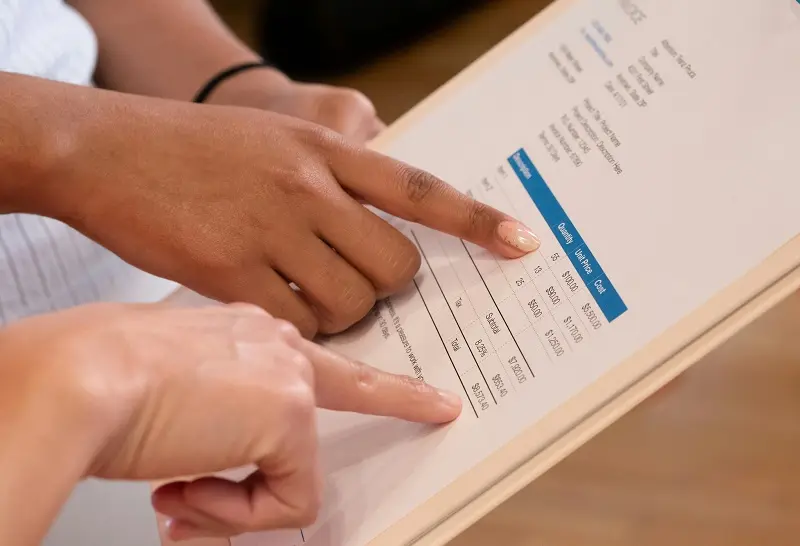
To manage expenses effectively, B2B buyers must understand why eco-friendly products are priced differently from traditional plastics.
Traditional plastics are derived from petroleum, meaning their price fluctuates with oil markets. Eco-friendly materials are tied to agricultural cycles. The price of PLA, for instance, is influenced by corn yields and the demand for bio-fuels. As the global infrastructure for bio-resins expands, the volatility of these materials is stabilizing, narrowing the price gap with conventional resins.
The plastic industry has benefited from decades of optimized mass production. Eco-friendly manufacturing is still scaling up. Specialized molding machines for bagasse or the controlled fermentation required for PLA involve significant capital expenditure. However, as production volumes increase at facilities like Ancheng, the economies of scale begin to lower the unit cost for the end user.
Authentic eco-friendly products undergo rigorous testing to receive certifications like BPI (Biodegradable Products Institute) or OK Compost. These certifications provide the necessary proof for B2B clients to make legal claims about compostability. While the testing process adds to the initial product development cost, it protects the buyer from "greenwashing" allegations and legal penalties.
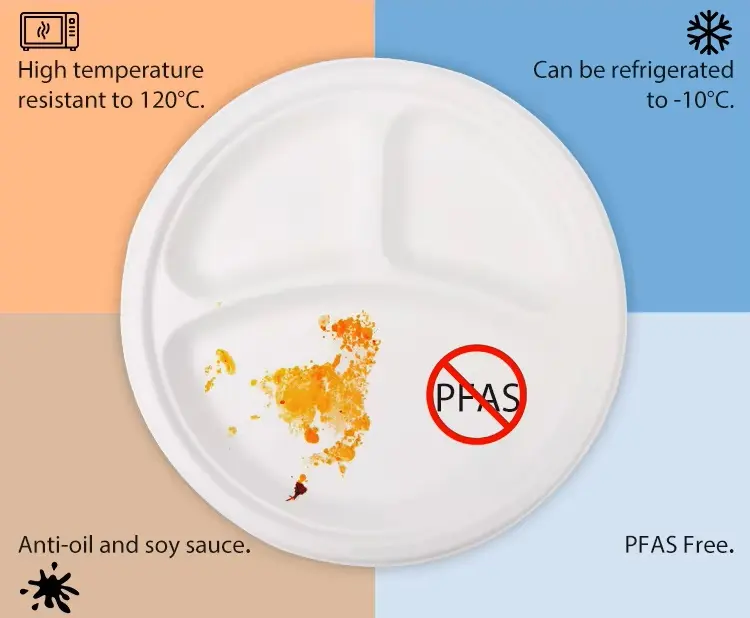
Beyond the environmental impact, sustainable disposables offer functional advantages that can reduce operational risks.
Traditional plastics, particularly when heated, can leach chemicals like Bisphenol A (BPA) or phthalates into food. Many legacy plastics also contain PFAS for grease resistance. Modern eco-friendly materials, especially bagasse and natural wood, are inherently free of these toxins. For buyers in the healthcare or education sectors, this safety profile is a critical non-financial benefit that protects the health of the end consumer.
Eco-friendly does not mean fragile. Sugarcane bagasse is often superior to thin plastic for hot foods because it does not soften or deform under heat. Similarly, wooden cutlery provides a higher tensile strength than cheap plastic forks, which frequently snap during use. High-performance disposables reduce waste caused by product failure, ensuring that customers do not need to use multiple items to finish a single meal.
In the modern market, a business's environmental footprint is a key part of its brand identity. Consumers are increasingly willing to pay a premium for brands that demonstrate environmental stewardship. For a B2B client, providing eco-friendly packaging is a marketing tool. It transforms a functional necessity into a statement of values, which can drive higher foot traffic and long-term customer retention.
A direct price-per-unit comparison rarely tells the whole story. A comprehensive cost-benefit analysis must include secondary factors.
On a pure unit-price basis, traditional plastic remains the cheapest option. However, the margin is shrinking. Sugarcane bagasse and paper products are now within a 10% to 20% price range of their plastic counterparts in many regions. PLA remains more expensive, often 30% to 50% higher than PET, due to the complexity of the polymer production. Bamboo and wood cutlery are generally more expensive than plastic but offer a significant upgrade in perceived value.
Many municipalities are increasing taxes on plastic waste or offering subsidies for compostable waste. Businesses that switch to compostable disposables can often reduce their waste disposal fees by diverting organic waste from landfills to composting facilities. In some jurisdictions, extended producer responsibility (EPR) laws may soon make plastic users financially responsible for the cleanup of their packaging, further tilting the economic scale toward eco-friendly alternatives.
The ROI of sustainable disposables is found in brand differentiation. For a restaurant, the "cost" of a bagasse bowl is offset by the ability to market a "Zero Waste" dining experience. This attracts a demographic of environmentally conscious consumers who are less price-sensitive. When viewed as a marketing expense rather than just a supply cost, the transition to eco-friendly products often yields a positive return.
B2B buyers can use several strategic levers to minimize the cost of going green.
The most effective way to lower unit costs is through volume. By consolidating orders and entering into long-term supply agreements, businesses can provide manufacturers with the stability needed to offer discounted rates. Centralizing procurement across multiple locations further enhances this bargaining power.
Working with manufacturers to optimize product design can lead to significant savings. Lightweighting involves using advanced molding techniques to create products that use less raw material while maintaining structural integrity. For example, a bagasse plate can be engineered with ribbing for strength, allowing for a thinner overall profile and a lower cost per unit.
Many businesses carry too many types of disposables. By selecting versatile products, such as a single size of bagasse container that fits multiple menu items, companies can reduce inventory complexity. Fewer SKUs mean higher volumes per item, which triggers better price breaks from suppliers.
Eliminating intermediaries is vital for cost-sensitive B2B operations. By partnering directly with manufacturers like Ancheng, buyers can avoid the markups added by distributors and wholesalers. Direct partnerships also allow for better quality control and the ability to customize products to specific operational needs.

The shift toward eco-friendly disposables manifests differently across various sectors, focusing on specific functional requirements.
This industry focuses on durability and insulation. The primary transition is from polystyrene (Styrofoam) to sugarcane bagasse. Bagasse clamshell box provides better breathability, preventing fried foods from becoming soggy, which improves the customer experience. The cost-efficiency here is found in the reduction of food quality complaints and the ability to use a single container for both hot and cold items.
In the hospitality sector, aesthetics are paramount. Hotels are replacing plastic stirrers and cutlery with polished wood or bamboo options. The focus is on "premiumization." By choosing high-quality natural materials, hotels can justify higher room rates or service fees, effectively turning a supply cost into a luxury feature.
Safety and hygiene are the top priorities for healthcare facilities. Hospitals are moving away from plastic trays and towards compostable paper pulp and bagasse. Because these materials are non-toxic and biodegradable, they align with the health-focused mission of the institution. Cost savings in this sector are often realized through streamlined waste streams and improved compliance with strict health regulations.
Corporate entities use eco-friendly disposables as a tangible demonstration of their ESG (Environmental, Social, and Governance) commitments. Offices often prioritize compostable coffee cups and PLA-lined paper products. The cost-benefit here is measured in employee satisfaction and the fulfillment of corporate sustainability targets required by investors and stakeholders.
Transitioning to sustainable disposables should be a phased process to ensure operational stability and financial control.
The first step is to analyze current usage patterns. Identify which plastic items are the easiest to replace and which will have the most significant environmental impact. Focus on high-volume items first, as these offer the greatest potential for bulk-pricing discounts.
Before a full-scale rollout, conduct pilot tests in a controlled environment. Evaluate how bagasse containers hold up under the heat of the specific food items on the menu. Ensure that wooden cutlery meets the ergonomic needs of the customers. This step prevents costly mistakes associated with ordering large quantities of unsuitable materials.
Choose a partner that offers more than just a product. A reliable manufacturer should provide full transparency regarding their material sourcing and certifications. Evaluate their capacity to scale with your business and their ability to provide custom solutions that can further drive down costs.
The transition to eco-friendly disposables is a story worth telling. Train staff to explain the benefits of the new materials to customers. Clear signage regarding how to dispose of the items (compost vs. recycle) ensures that the environmental benefits are actually realized and increases the perceived value of the change.
Achieving a balance between eco-friendliness and cost-effectiveness is an attainable goal for modern businesses. While the initial unit cost of sustainable materials like bagasse, PLA, and bamboo may be higher than traditional plastics, the gap is closing. When accounting for brand equity, regulatory compliance, and operational efficiencies, the total cost of ownership often favors the sustainable choice.
For B2B decision makers, the key lies in strategic sourcing. By partnering with experienced manufacturers and optimizing product selection, organizations can lead the way in environmental responsibility without compromising their bottom line. The transition to eco-friendly disposables is not just an ethical mandate but a savvy business strategy for the future.
Navigating the shift to eco-friendly disposables does not have to be a choice between your values and your bottom line. At Ancheng, we specialize in providing high-quality, certified sustainable tableware and food packaging solutions that meet the rigorous demands of B2B operations. By partnering directly with us, you eliminate unnecessary markups and gain access to a reliable supply chain of sugarcane bagasse, wood, and bamboo products designed for performance and cost-efficiency.
Whether you are looking to audit your current packaging or scale your sustainable procurement, our team is ready to provide the expertise and factory-direct pricing you need to succeed.
Contact Ancheng Today to Request a Custom Quote and Product Samples!

Hello, I'm Sven Wang, the Manager of Ancheng. With extensive expertise in raw materials and production processes, I'm dedicated to advancing sustainable tableware and constantly improving eco-friendly options for the modern catering industry. You can trust that Ancheng is committed to providing the highest quality. Welcome!

Factory: Qian Renqiao Industrial Park, Shucheng County, Luan City, Anhui Province, China
Office: Building 11, Max Science Park, Shushan Dist, Hefei, Anhui, China
Copyright ©2026 Anhui Ancheng Bamboo and Wood Tableware Co., Ltd. Privacy Policy


 Index
Index Product
 Resources
 About
About