Key Takeaways: CFCs and smog fall under air/atmospheric pollution: CFCs cause ozone depletion, smog stems from industrial/combustion emissions. Single-use plastic tableware contributes indirectly to both via petrochemical production and incineration. Ancheng’s compostable tableware offers a renewable, non-toxic alternative to reduce this pollution.

Which type of pollution includes CFCs and smog? The short answer is that both fall primarily under air pollution and atmospheric environmental degradation.
CFCs (Chlorofluorocarbons): These are synthetic organic compounds once widely used in aerosol sprays, refrigerants, and the production of certain foam packaging. Their primary danger lies in ozone depletion, which allows harmful UV radiation to reach the Earth's surface.
Smog: A contraction of "smoke" and "fog," smog is a type of intense air pollution. It is typically composed of nitrogen oxides, sulfur oxides, and volatile organic compounds (VOCs) that react with sunlight to form ground-level ozone.
What many businesses and consumers do not realize, however, is that the life cycle of single-use plastic products is closely connected to both CFC-related chemical manufacturing and smog-producing waste incineration. For the foodservice industry, disposable plastic tableware has become a significant contributor to these forms of pollution, making sustainable alternatives like compostable tableware more important than ever.
CFCs have adverse effects on the Earth's ozone layer, which serves as a protective shield against harmful ultraviolet (UV) radiation.
When released into the atmosphere, CFC molecules eventually make their way to the stratosphere, where they are exposed to UV radiation.
This radiation causes CFC molecules to break down into their constituent elements, including chlorine atoms.
The Chlorine atoms react with ozone (O3) molecules, breaking them apart and leading to the depletion of the ozone layer.
The depletion of the ozone layer poses significant health and environmental risks. As the ozone layer thins, more UV radiation reaches the Earth's surface, which can lead to:
* Increased risk of skin cancer: Prolonged exposure to UV radiation is a major risk factor for skin cancer, including melanoma, the deadliest form of skin cancer.
* Eye damage: Exposure to UV radiation can cause cataracts and other eye disorders.
* Harm to the immune system: UV radiation may suppress immune system functioning, making individuals more susceptible to diseases.

Moreover, increased UV radiation can negatively impact the environment and ecosystems, leading to:
* Crop damage: Elevated UV levels can harm sensitive plants and reduce crop yields.
* Disruptions in aquatic ecosystems: Increased UV penetration into the water can impact aquatic organisms, including plankton, which form the base of the food chain and influence nutrient cycling.
* Material degradation: Prolonged exposure to UV radiation can damage plastics, paints, and other materials, reducing their lifespan and functionality.
1. Health Hazards
Smog can have significant negative impacts on human health. Prolonged exposure to polluted air can lead to respiratory issues, cardiovascular problems, and other illnesses.

The severity of these health issues varies depending on the length of exposure, as well as the types and concentrations of pollutants present.
By 2030, it is projected that EPA air quality emissions standards for vehicles will have helped prevent:
* 40,000 premature deaths
* 34,000 avoided hospitalizations
Air pollution, including smog, also causes damage to the environment and ecosystems. Haze, which is similar to smog, obscures shapes and colors and can even muffle sounds.
This reduction in air quality can affect the growth and survival of plants, as well as the health and behavior of animals.
As a result, entire ecosystems can suffer negative consequences due to smog and other forms of air pollution.
Additionally, the release of greenhouse gases like sulfur oxides contributes to global warming, exacerbating the overall impact on our planet.

Traditional plastic cutlery, plates, bowls, and packaging come from petrochemical production processes that rely on synthetic chemicals. Historically, similar chemical compounds have been linked to ozone-depleting substances like CFCs. Although modern manufacturing has reduced direct CFC use, the broader plastic supply chain still generates greenhouse gases and air pollutants that worsen the atmospheric imbalance.
1. Chemical Byproducts: The production of many petroleum-based plastics releases VOCs and other greenhouse gases that are precursors to smog.
2. Energy Intensity: The high-heat, high-chemical nature of plastic manufacturing contributes significantly to industrial air pollution.
3. End-of-Life Disposal: The problem intensifies at the end of a product’s life cycle. When plastic tableware is improperly discarded or burned, it releases harmful fumes that directly contribute to smog formation. These emissions not only reduce air quality but also add to the cumulative pressure on planetary health.
In this way, plastic waste acts as a bridge between industrial chemical pollution and the smog we see in urban and industrial areas.
For businesses in catering, takeaway, retail, and event management, switching away from plastic is one of the most practical ways to reduce indirect contributions to air pollution, including the types of pollution associated with CFCs and smog.
Ready to implement sustainable dining?
Swap plastics for premium wholesale natural tableware
Governments have implemented various regulations and policies to mitigate the harmful effects of CFCs and smog-related pollution.

These measures include the Montreal Protocol, an international agreement designed to protect the ozone layer by phasing out the production and consumption of CFCs.
Besides, air quality standards and guidelines have been established to limit the concentration of pollutants in the atmosphere, reducing smog and improving public health.
Individuals and communities play a vital role in preventing and mitigating pollution caused by CFCs and smog. Some practical actions to consider include:
* Reduce energy consumption: By using energy-efficient appliances, LED lighting, and properly insulating homes, individuals can conserve energy, reducing greenhouse gas emissions and smog-forming pollutants.
* Use public transportation or carpooling: By opting for public transportation, cycling, or carpooling, individuals can help limit vehicle emissions, thereby reducing air pollution and smog.
* Reduce the use of plastic products: e.g., switch to reusable or biodegradable tableware instead of single-use plastic tableware.
* Maintain vehicles: Regular vehicle maintenance, including timely oil changes and keeping tires inflated, can improve fuel efficiency and reduce emissions.
* Proper disposal of CFC-containing products: Ensuring the proper disposal of CFC-containing products, such as refrigerants and aerosol cans, is essential for reducing CFC emissions.
* Support clean-energy initiatives: Encouraging the use of renewable energy sources, like solar and wind power, can help reduce the reliance on fossil fuels, ultimately diminishing smog and CFC-related pollution.
By taking these actions, both governments and individuals can contribute to the prevention and mitigation of pollution caused by CFCs and smog, ensuring a cleaner and healthier environment for future generations.
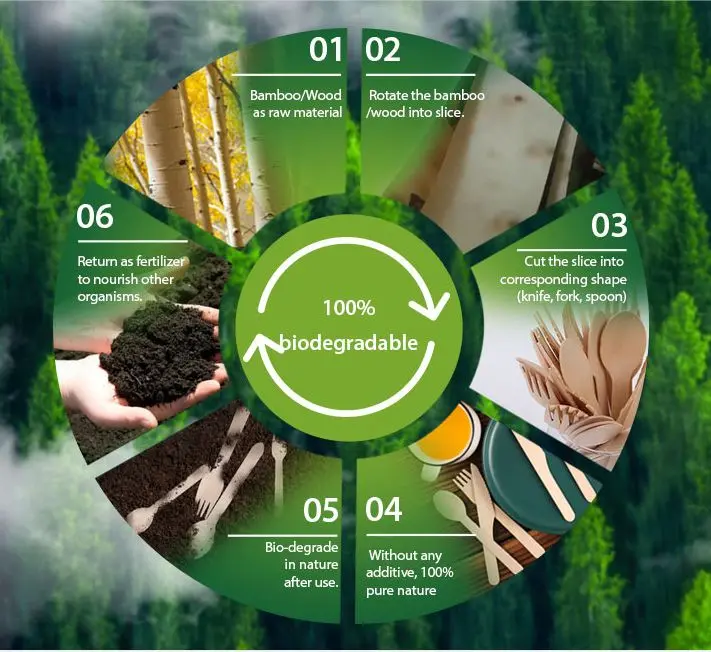
Compostable tableware offers a clear solution by breaking the pollution cycle at every stage.
1. First, compostable products—made from renewable materials such as bagasse, bamboo, wood fiber, and cornstarch—do not depend on the same petrochemical processes used in plastic production. They avoid the synthetic chemical footprint linked to ozone-depleting substances and air pollutants.
2. Second, compostable tableware does not require incineration. It naturally decomposes through industrial or home composting, eliminating the toxic fumes and particulate matter that create smog. This reduces air pollution and supports a more balanced carbon cycle.
3. Third, by using compostable tableware, businesses lower their overall environmental footprint, align with global sustainability goals, and actively participate in reducing the types of pollution that include CFCs and smog.
Ready to implement sustainable dining?
Swap plastics for premium wholesale natural tableware
As a professional manufacturer of eco-friendly disposable tableware, Ancheng provides a full range of compostable products designed to replace plastic without compromising performance.
1. Natural Fibers: We specialize in 100% natural fibers, including wood fiber, bamboo fiber, and sugarcane bagasse. Tableware made from these renewable materials offers superior durability and a lower carbon footprint during production.
2. Carbon Sequestration: Bamboo and timber actually absorb CO2 during growth, acting as a "carbon sink." This helps offset the carbon emissions that lead to global warming and smog.
3. Zero Toxic Emissions: Our sustainable catering supplies are produced through physical processing rather than complex chemical synthesis, ensuring that no harmful CFC compounds are released into the environment.
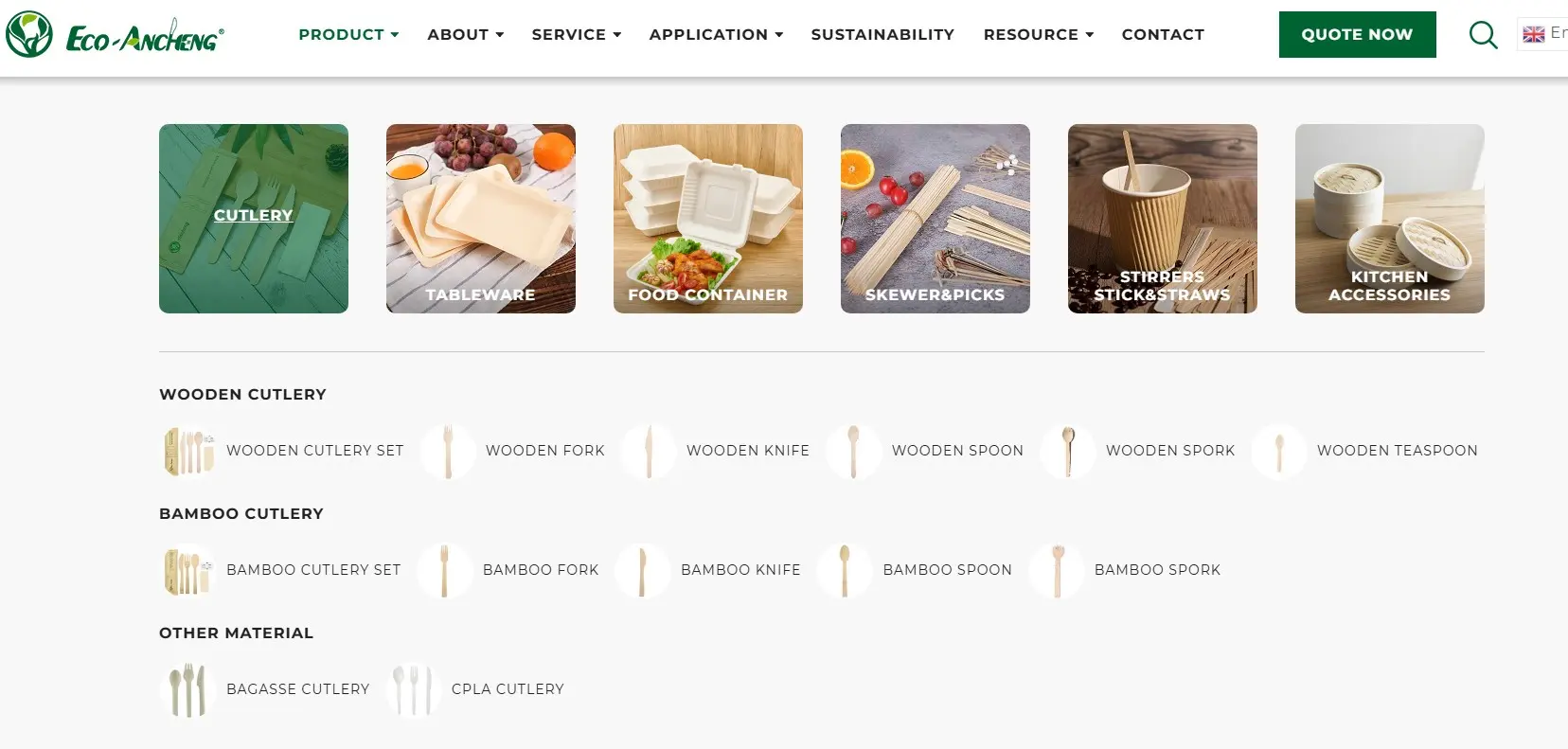
Our product line includes:
- Compostable cutlery: knives, forks, spoons, and sporks
- Bagasse plates, bowls, and food trays
- Paper straws, wooden stirrers, and eco-friendly servingware
- Customizable tableware for restaurants, catering, and retail
All Ancheng products are made from renewable resources, certified compostable, food-safe, and suitable for high-volume bulk orders. By choosing our solutions, businesses not only improve their brand image but also take real action against air pollution, plastic waste, and the broader environmental harm connected to CFCs and smog.
Both CFCs and smog are classified as air/atmospheric pollution. CFCs cause ozone depletion, while smog is a form of toxic air pollution from emissions and combustion.
Plastic production relies on petrochemicals (linked to CFC-related compounds), and plastic incineration releases fumes that contribute to smog.
Yes. It avoids petrochemical manufacturing (reducing CFC-related chemical footprints) and eliminates incineration (cutting smog-causing fumes).
Ancheng’s products use renewable materials: bagasse, bamboo, wood fiber, and cornstarch—all non-toxic and compostable.
Absolutely. We offer bulk supply, customizable designs, and certified products ideal for restaurants, catering, and takeaway businesses.
CFCs and smog are air pollutants linked to human activity, with plastic tableware as an indirect contributor. Ancheng’s compostable tableware provides a renewable, degradable alternative, cutting petrochemical use and incineration fumes to reduce this harm, supporting a cleaner planet.
As a socially responsible company, Ancheng has always aimed to be sustainable and environmentally friendly. Our products are made entirely from compostable materials, covering tableware and takeaway needs.
Customization options for sizes and packaging are also available, allowing your business to impress your customers in an environmentally friendly way.
Contact us now for more information and wholesale pricing on eco-friendly products!
Your Trusted Partner for Sustainable Tableware
Wholesale of safety-certified tableware with comprehensive international certifications

Hello, I'm Sven Wang, the Manager of Ancheng. With extensive expertise in raw materials and production processes, I'm dedicated to advancing sustainable tableware and constantly improving eco-friendly options for the modern catering industry. You can trust that Ancheng is committed to providing the highest quality. Welcome!

Factory: Qian Renqiao Industrial Park, Shucheng County, Luan City, Anhui Province, China
Office: Building 11, Max Science Park, Shushan Dist, Hefei, Anhui, China
Copyright ©2026 Anhui Ancheng Bamboo and Wood Tableware Co., Ltd. Privacy Policy


 Index
Index Product
 Resources
 About
About