Discover 12 renewable materials that promote sustainability. Explore their benefits and how they can transform your eco-friendly initiatives today.
The global economy is at a critical inflection point, driven by consumer demand and regulatory pressures toward environmental stewardship. For manufacturers, distributors, and brands, the future isn’t just about making products—it’s about choosing the right inputs.
In this article, we will explore 12 types of renewable materials, including their properties and applications. Finally, we discuss how to choose and integrate renewable packaging materials and sustainable materials for packaging in a business context.
A renewable material is any substance derived from a living organism or a natural process that can be replenished relatively quickly, often within decades, sometimes in a matter of months. This stands in sharp contrast to finite, fossil-based resources.
Choosing these materials allows companies to participate actively in the circular economy. By using sustainable resources examples like plant fibers and agricultural byproducts, we minimize reliance on virgin fossil fuels, reduce waste, and actively lower the overall carbon footprint of products. The result is a better product, a stronger brand reputation, and genuine progress toward a more sustainable world.
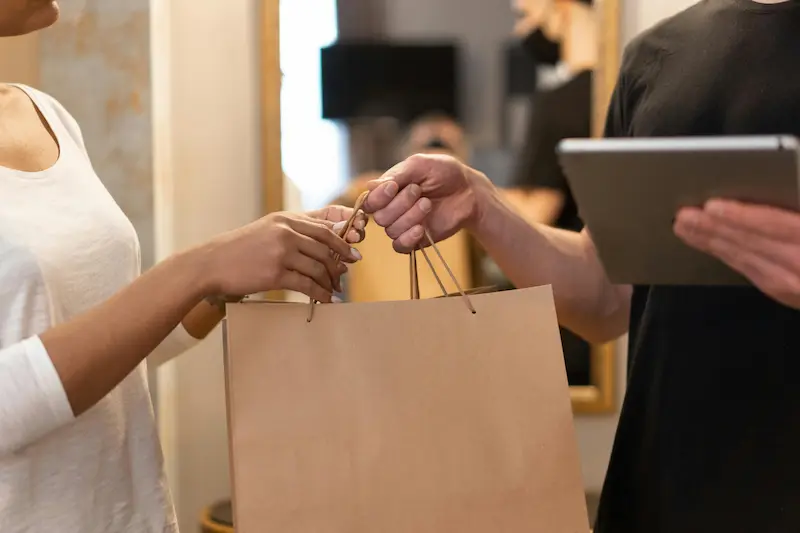
Paper and cardboard remain the dominant renewable fiber materials in the packaging world. When sourced from sustainably managed forests (often certified by organizations like FSC), wood pulp provides a fully recyclable, biodegradable, and highly versatile material.
Key Benefits: Excellent for custom branding, widely accepted in recycling programs, and offers versatility as corrugated cardboard and paperboard. Using recycled content further reduces the environmental impact.
Applications: Shipping boxes, retail cartons, moulded pulp trays (a strong, protective alternative to polystyrene).

Bamboo is arguably the fastest-growing plant on Earth, classifying it as a premier rapidly renewable material. It matures and can be harvested in 3–7 years, compared to 20–50 years for most timber. This speed, combined with its extraordinary tensile strength (rivaling steel), makes it a versatile input for durable goods, high-quality flooring, and molded packaging that provides excellent protection without the plastic footprint. Furthermore, its root system helps stabilize soil, contributing positively to the ecosystem.
Key Benefits: High strength-to-weight ratio, naturally antimicrobial, sequesters more CO2 than many tree species, and requires no pesticides or replanting after harvest.
Applications: Durable textiles, sturdy product casings, disposable cutlery and moulded fibre packaging.
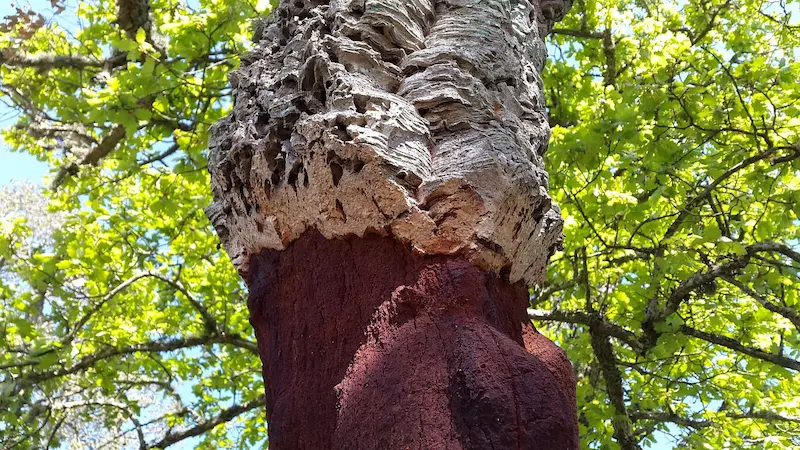
The process of harvesting cork, the bark of the cork oak tree, is unique: it does not require cutting down the tree. Tapping the bark every decade actually stimulates the tree's health and increases its CO2 absorption. Cork’s resulting properties, like lightness, elasticity, and excellent insulation, make it highly valued in packaging inserts, flooring, and lightweight product design.
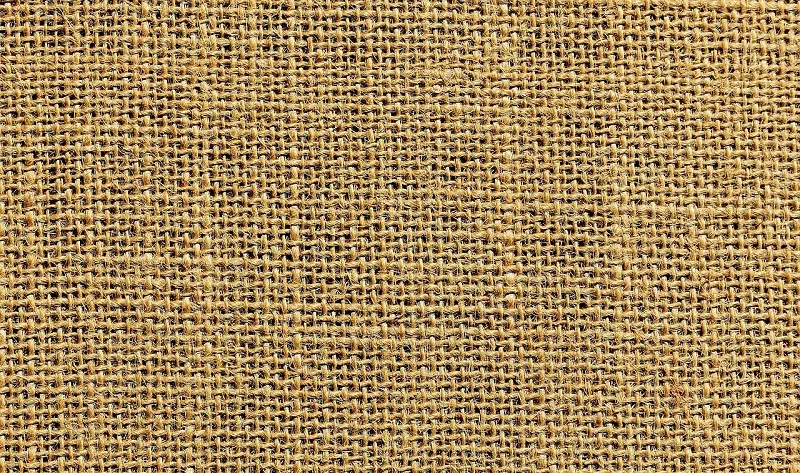
Hemp is an agricultural powerhouse. It requires minimal water, needs no pesticides, and naturally enriches the soil it grows in. The fiber derived from the stalk is exceptionally strong, making it perfect for replacing synthetic fibers in composites and textiles. Its use as a renewable raw material reduces farming costs and provides a carbon-negative solution when incorporated into bio-composites like "Hempcrete" for structural applications.
Composite panels using hemp fibers are used in automotive interiors. In packaging, hemp fibers may reinforce biodegradable packaging or form biocomposites.

Bio-plastics are a vast category of polymers derived from renewable resources examples like corn starch, sugarcane, potatoes, or vegetable oils, rather than fossil fuels.
PLA (Polylactic Acid): Derived from corn starch or sugarcane, PLA is widely used in films, trays, bottles, food containers, cutlery, and more. It is compostable in industrial facilities.
PHA (Polyhydroxyalkanoates): Considered the next generation, PHA is produced by microorganisms and is often fully marine biodegradable, making it a breakthrough for true sustainable packaging solutions.
Benefits
Reduces reliance on finite fossil fuels
Often compostable under industrial composting conditions
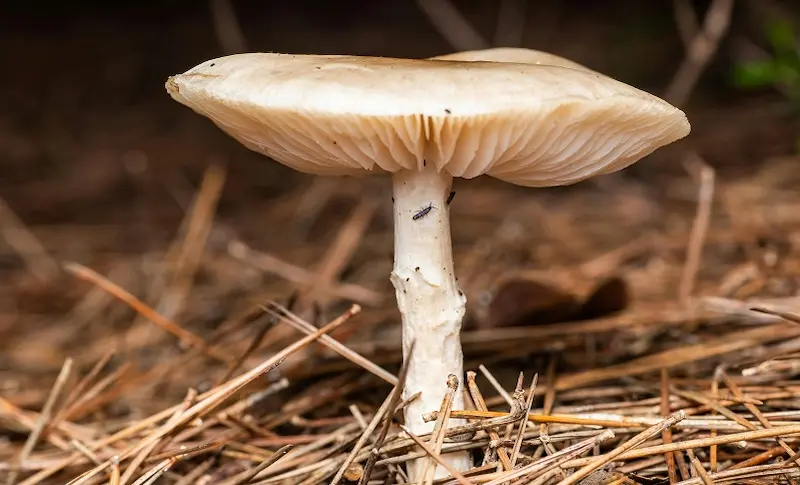
Mycelium packaging is literally grown, not manufactured. By combining agricultural waste with fungal root structures and placing the mixture in a mold, the mycelium binds the material into a rigid, insulating form. The process is low-energy and creates a material that is completely biodegradable and home-compostable, positioning it as the ultimate foam replacement for shipping sensitive electronics or fragile goods.
Benefits
Fully compostable and biodegradable
Low energy growth process
Uses waste biomass as feedstock
Custom molding capability (shapes, sizes)
A perfect non-toxic replacement for polystyrene foam (Styrofoam)
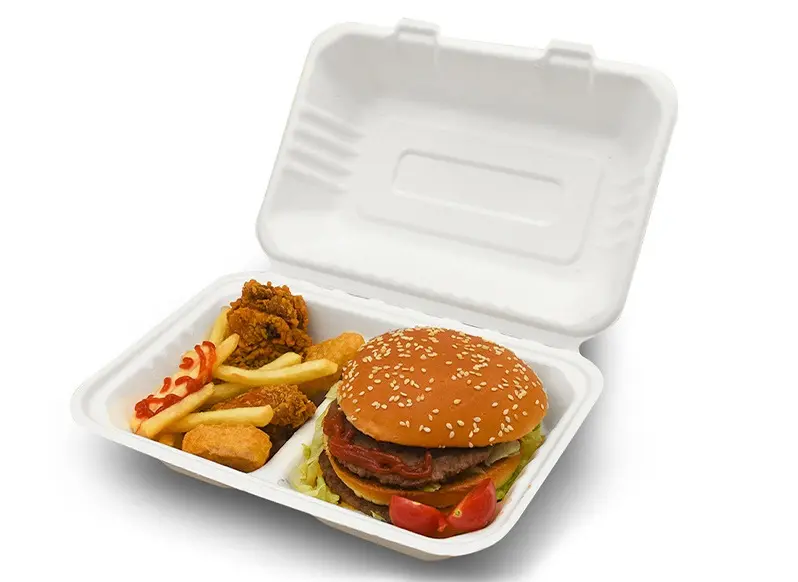
Bagasse exemplifies how circular thinking transforms waste. This fibrous byproduct of the sugarcane industry is abundant and previously often burned. Now, it is moulded under high heat and pressure into stiff, oil-resistant containers. As a sustainable food packaging solutions material, it is fully biodegradable and compostable, making it an ideal choice for the quick-service food industry seeking to eliminate foam and virgin plastic waste.
Benefits
Uses an agricultural byproduct, so it adds value to waste
Compostable (often in industrial or home compost)
Good heat and moisture resistance relative to plain paperboard
Typically food-contact safe
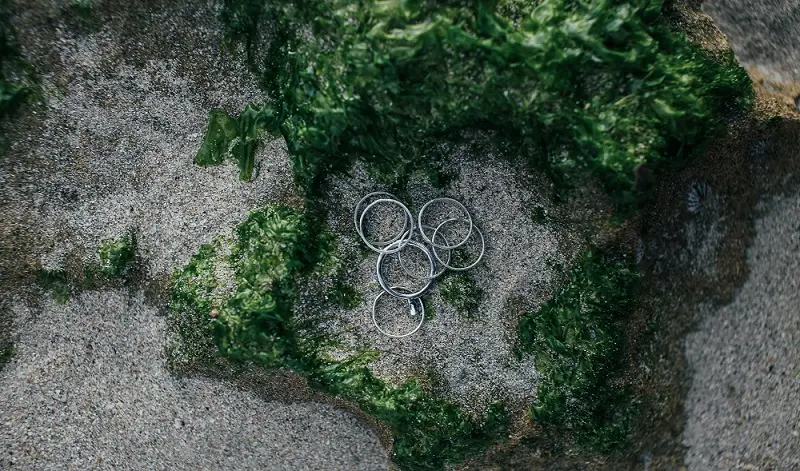
The marine world is providing solutions that eliminate the land-use conflict often associated with plant-based alternatives. Algae and seaweed are rapidly renewable materials that grow without fresh water or fertilizers. They can be formulated into flexible, often edible films (solving the single-use sachet issue) or rigid plastics, providing a true sustainable material that rapidly returns to the earth without toxicity.
Benefits
No competition for agricultural land
Rapid growth, low inputs
Potentially edible, compostable
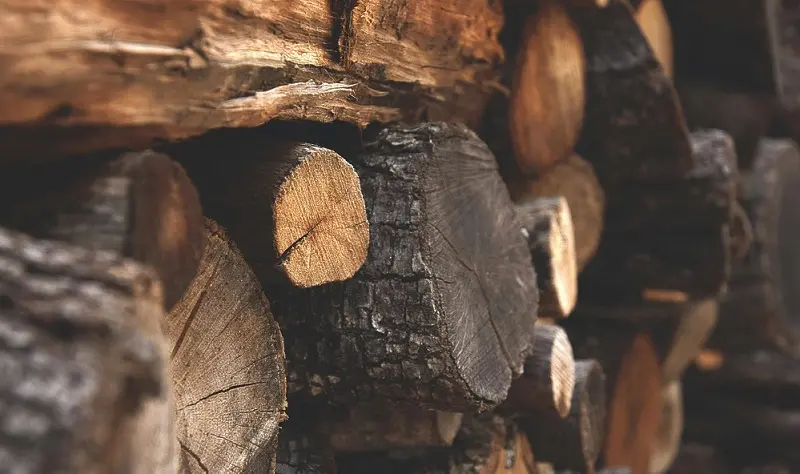
While wood is traditional, its sustainability is defined by responsible forestry practices. Choosing certified wood (such as FSC-certified) ensures the material comes from forests that are managed to protect biodiversity, prevent clear-cutting, and replant what is harvested.
Key Benefits: Naturally durable, excellent structural strength, and acts as a significant carbon sink during its service life.
Applications: Durable Goods and Furniture, Structural Components, Food packaging
Natural rubber is derived from the latex of rubber trees through a tapping process that, like cork, does not damage the tree. This renewable raw material is elastic, durable, and highly versatile, maintaining its position as a superior input for seals, tubing, and certain elastic components over petroleum-based synthetic rubbers.
It finds uses in flexible packaging, gloves, foam cores, etc.
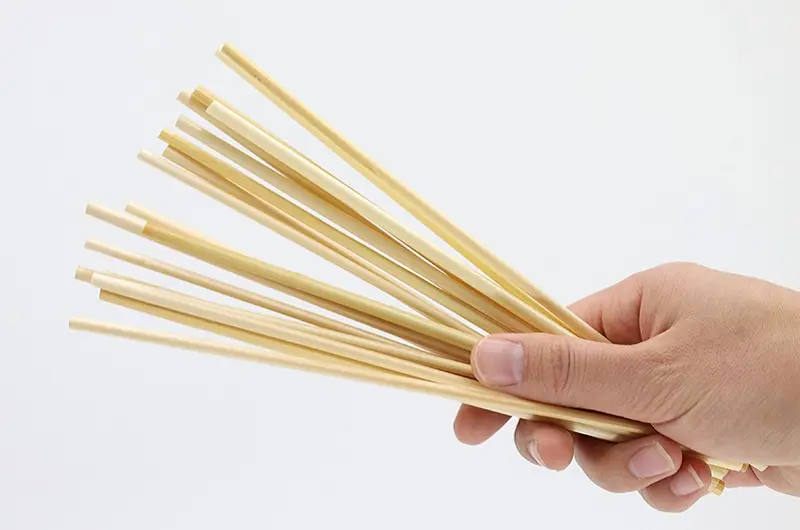
The utilization of these common cereal crop byproducts represents the democratization of sustainable materials. By taking waste from food production, manufacturers create molded fiber packaging, bio-fillers for composites, and pulp for paper alternatives. This process reduces air pollution from field burning while simultaneously generating high-quality renewable materials that are highly compostable and cost-effective.
Wool is a natural, annually renewable fiber material often underutilized in packaging and construction. It is a byproduct of the sheep farming industry.
Key Benefits: Exceptional natural thermal and acoustic insulation properties, naturally fire-resistant, biodegradable, and lightweight for shipping.
Applications: Insulating liners for meal kits and pharmaceutical packaging (replacing polystyrene), protective padding, and architectural insulation.
The choice of sustainable materials for packaging and products is more than a compliance box to tick; it’s a pathway to market leadership.
In a crowded marketplace, sustainability acts as a powerful differentiator. Brands that transparently communicate their use of renewable packaging materials build deep trust with environmentally conscious consumers. This translates directly to increased brand value and premium pricing potential.
Relying on volatile, finite resources creates long-term risk. By shifting to rapidly renewable materials like bamboo, hemp, and agricultural byproducts, companies stabilize their supply chains and insulate themselves from price spikes in oil-derived materials. Furthermore, anticipating and exceeding future environmental regulations (such as those targeting single-use plastics) ensures business continuity.
While the initial material cost for some new renewable raw materials may be higher than conventional alternatives, the shift often generates significant operational savings downstream.
Lower Disposal Costs: Designing with highly compostable materials or widely recyclable renewable fiber materials reduces waste volumes and lowers the fees associated with landfill disposal.
Energy Savings: Processes that rely on recycled content often consume significantly less energy than manufacturing virgin, fossil-based materials, further reducing operational expenditure.
At Ancheng, we provide you with one-stop sustainable solutions. Our products utilize eco-friendly renewable materials such as bamboo, wood, sugarcane bagasse, kraft paper, and more. Whether you need to source tableware, lunch boxes, or disposable paper cups, we can meet your requirements. Trust us as your reliable partner in transitioning toward sustainable development goals. Contact our staff now to get samples!

Hello, I'm Sven Wang, the Manager of Ancheng. With extensive expertise in raw materials and production processes, I'm dedicated to advancing sustainable tableware and constantly improving eco-friendly options for the modern catering industry. You can trust that Ancheng is committed to providing the highest quality. Welcome!

Factory: Qian Renqiao Industrial Park, Shucheng County, Luan City, Anhui Province, China
Office: Building 11, Max Science Park, Shushan Dist, Hefei, Anhui, China
Copyright ©2026 Anhui Ancheng Bamboo and Wood Tableware Co., Ltd. Privacy Policy


 Index
Index Product
 Resources
 About
About