The global food service landscape is currently undergoing a massive transformation. As plastic pollution reaches a critical point, the transition toward sustainable alternatives is no longer a luxury for the few but a legal and ethical mandate for the many. For entrepreneurs and established distributors, this represents one of the most significant commercial opportunities of the decade. This guide provides a detailed roadmap for launching and scaling a successful venture in the sustainable tableware market.
The surge in demand for green alternatives is driven by a perfect storm of policy, consumer behavior, and market economics.
Governments worldwide are implementing aggressive bans on single use plastics. The European Union’s Single Use Plastics Directive has already set a high bar, and many states in the US and provinces in Canada are following suit. In Asia, initiatives like the "Action Plan for Replacing Plastic with Bamboo" are transforming manufacturing landscapes. These regulations create a mandatory market where businesses must switch or face heavy fines.
Modern consumers, particularly Millennials and Generation Z, are voting with their wallets. They actively seek out dining establishments that align with their environmental values. A restaurant that uses natural birchwood cutlery or bamboo skewers communicates a commitment to the planet that resonates deeply with its audience.
The biodegradable tableware market is projected to reach nearly 24 billion dollars by 2030. This growth is not just a trend but a fundamental shift in the global supply chain. Entering the market now allows you to establish brand authority before the sector reaches full saturation.
In addition, the sector includes multiple growing segments. These include household tableware, food delivery and takeout, hospitality, corporate catering, and festival or event services. Entering the market does not require that you supply everything. You can begin with a focused niche, validate demand, and scale with experience.
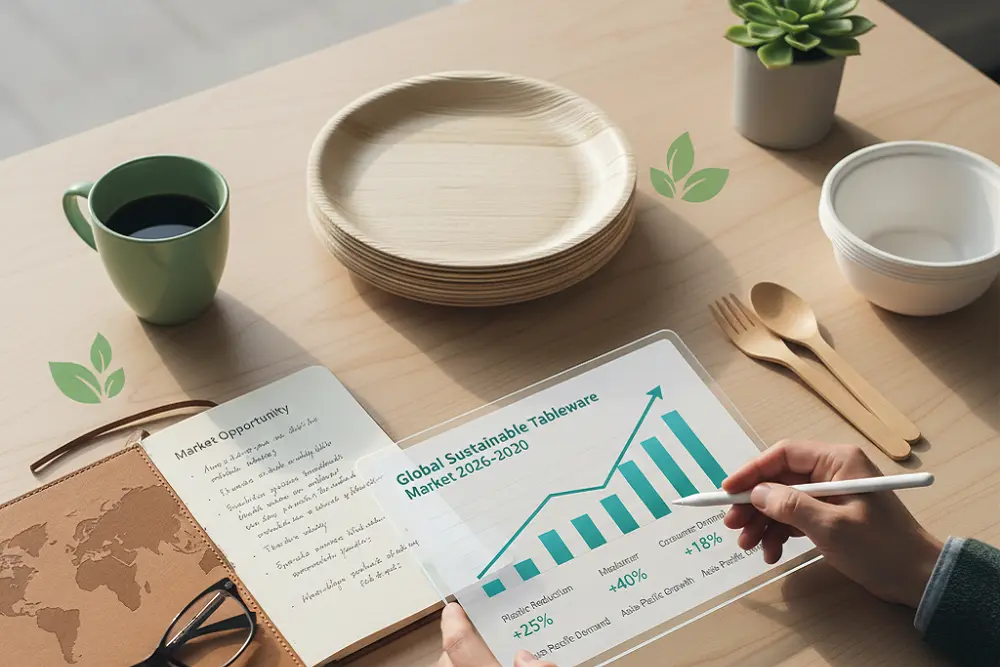
Before ordering eco friendly products or building a brand, the first priority is research. Sound research reduces risk and prevents inventory mistakes.
Identify regulations regarding single use plastic, compostable products, and waste management. Some markets require specific labels or certifications, while others emphasize price competitiveness or durability.
In developed markets like Western Europe and North America, the focus is on high level certifications and premium aesthetics. In emerging markets, the focus is often on cost effectiveness and functional replacement of plastic. You must identify which region offers the best entry point for your specific capital level.
Look at their product ranges, presentation, price points, and marketing messages. Notice which materials and categories appear often. Those likely represent high demand areas.
Restaurant owners, store managers, procurement teams, and end users can all explain what currently frustrates them. Many will say that quality, supply consistency, and certification clarity are more important than simply labeling something biodegradable.
Collect insights from reports, industry associations, and environmental agencies. These insights will guide decisions on which sustainable materials and segments to prioritize.
Eco friendly tableware can be sold through several working models. Each has strengths and challenges.
1. Wholesale and distribution are popular. You purchase eco tableware in bulk from manufacturers, stock inventory, and supply retailers or businesses. Profit depends on negotiation, logistics planning, and long term relationships.
2. Private label and customization models focus on branding for customers. You provide design assistance, logo printing, packaging services, and coordinated sets. This usually results in higher margins because branding adds perceived value.
3. Direct to Channel Partnerships: Working directly with large restaurant chains or hotel groups to provide long term supply solutions.
4. Direct to consumer e commerce enables you to sell online. It requires marketing talent, storytelling, and strong logistics, but it allows full control over brand identity.
5. Hybrid models are common. Many companies maintain wholesale relationships while simultaneously running e commerce stores and business to business channels.
Selecting your model should depend on your existing strengths. If you already work with retailers and restaurants, expanding as a distributor may be natural. If you have strong branding and marketing skills, building a consumer brand may create long term differentiation.

Your product strategy determines how easily customers understand your offer and how simple your operations remain. Start with clear, manageable product lines. Many new entrants make the mistake of listing hundreds of items but struggling to manage inventory or provide consistent quality.
Plates, bowls, cups, trays, cutlery, takeaway containers, and food packaging are logical starting points. Consider building starter collections for specific customer segments, such as event planners, cafes, or home use.
Bamboo products are strong, renewable, and visually appealing, especially for premium eco friendly lines. Sugarcane bagasse is affordable and performs well for hot foods. Plant based polymers may provide compostable functionality under specific conditions. Each material has technical characteristics that influence durability, temperature tolerance, and end-of-life disposal.
Customers increasingly require proof of safety for food contact, compostability testing, and certification from recognized authorities. Being clear about certification builds trust.
For many businesses, customization creates the greatest differentiation. Branded sleeves, printed boxes, or engraved bamboo cutlery can turn simple tableware into memorable brand assets. Custom projects require coordination, but they often produce repeat customers and higher profitability.
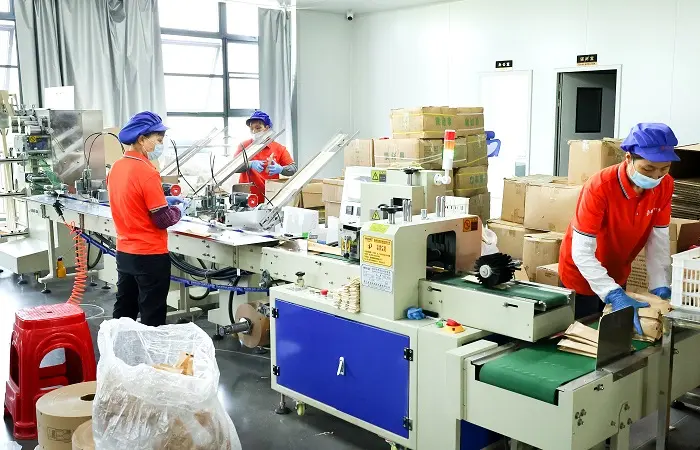
Selecting manufacturing partners is one of the most important decisions in this business. Reliable partners reduce risk, protect your reputation, and allow you to scale.
1. Evaluate factories based on product quality, raw material sourcing, experience with export processes, production capacity, and communication clarity. Request samples, conduct quality inspections, and learn how they test their products.
2. Verify whether suppliers hold certifications relevant to your market. Certifications related to compostability, food contact safety, and environmental management demonstrate professionalism.
3. Discuss realistic minimum order quantities and lead times. Understanding production schedules helps you plan inventory levels and avoid stock outages. Good suppliers will work with you to balance cost and flexibility.
4. Packaging and logistics planning also matter. Eco friendly packaging solutions reduce overall environmental impact and appeal to conscious buyers. Work with suppliers who understand protective packaging requirements while minimizing waste.
Ancheng, as an example, focuses on responsible bamboo and wood sourcing and long term supply assurance. Working with suppliers who care about both environmental standards and commercial practicality creates long lasting partnerships.
For many wholesalers and distributors, the most practical way to enter the eco friendly tableware market is to import products from regions that already have mature production capacity. China is one of the most experienced manufacturing centers for bamboo, wood, molded pulp, and plant based tableware. Importing can be efficient and profitable, but it requires a clear understanding of logistics, customs, and duties.
1. Begin with clarity on product classification. Every product is assigned a Harmonized System code. Customs authorities use this code to identify the product category and calculate duty rates. Always confirm the correct HS code with your supplier and also verify with your customs broker. Incorrect coding can cause delays, extra inspections, or penalties.
2. It is important to understand the typical shipping terms used in international trade. If you purchase under FOB, the supplier delivers the goods to the port of departure, and then you take responsibility from that point forward. Under CIF, the supplier arranges freight and insurance to the destination port, while you handle customs clearance on arrival. Clarifying responsibilities early prevents surprise costs and confusion. Ancheng provides reliable shipping services and can offer all pricing terms to help you receive your complete shipment quickly.
3. Before goods depart, prepare all essential documents. These usually include the commercial invoice, packing list, bill of lading, and any required certificates for food contact or environmental compliance. Some countries also request country of origin statements or proof that materials meet compostability standards. When documents are accurate and complete, customs processes usually run smoothly.
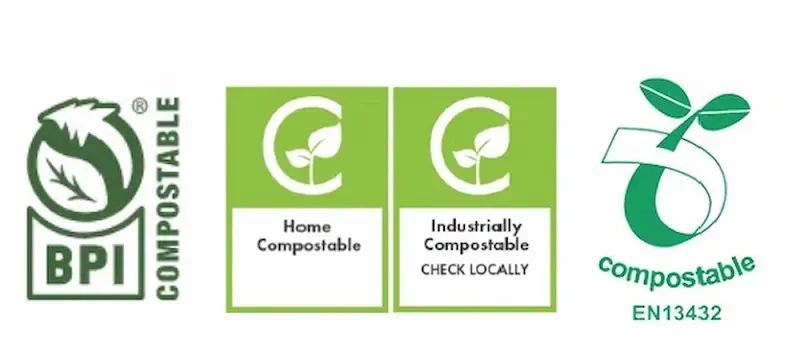
Eco friendly does not always mean legally compliant. Each market contains rules regarding labeling, testing, and environmental claims.
1. Learn the technical requirements for food contact safety. Many regions require proof that materials do not transfer harmful substances when exposed to heat, liquids, or oils.
2. Understand certifications associated with compostability and biodegradation, such as OK Compost, EN13432, or approvals recognized in specific regions. These certificates clarify which conditions are necessary for breakdown and protect customers from misleading claims.
3. Study packaging, language, and labeling requirements. Some governments regulate how companies can describe sustainability attributes, and inaccurate statements may lead to penalties.
Keeping documentation organized will simplify customs clearance, audits, and negotiations with large corporate buyers.
Eco friendly tableware is more than a commodity purchase. Buyers want confidence, guidance, and narrative. Marketing should therefore combine education, credibility, and clear benefit.
1. For business-to-business customers, such as restaurant chains and wholesalers, emphasize reliability, cost structure, quality control, and compliance. Provide comparison charts that show how eco friendly options perform relative to plastic alternatives. Offer sample kits and pilot programs to reduce their perceived risk.
2. For consumer markets, storytelling plays a bigger role. Share the origin of biodegradable materials, the environmental impact of switching products, and real uses in everyday life. Lifestyle photography and tutorials can inspire customers to adopt greener habits.
3. Digital channels should not be overlooked. A professional website acts as a catalog, a credibility builder, and a customer service center. Search engine content, case studies, and educational blog posts can attract organic traffic. 4. Customer relationship management tools help you maintain communication, track quotes, and follow up effectively.
4. Trade shows, food industry expos, and sustainability fairs are also useful. They allow face-to-face meetings with buyers, distributors, and institutional customers who prefer seeing products before committing to orders.
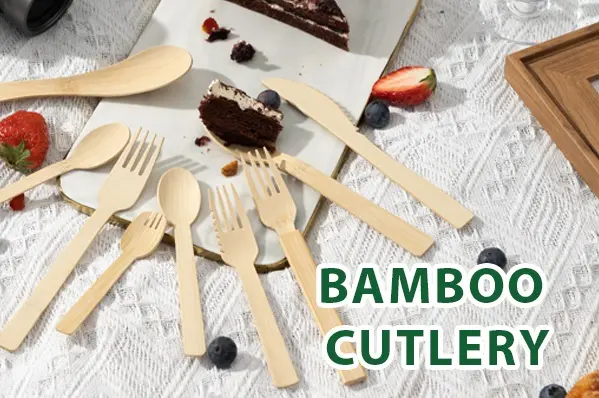
If you already run a tableware distribution business, adding eco friendly products can be one of the fastest paths to growth.
1. Begin by identifying which product categories are easiest to replace. Add a dedicated "Green Section" to your existing product catalog. For example, customers can select bamboo cutlery instead of plastic cutlery while maintaining a similar price structure for bulk orders.
2. Educate your sales teams. They should understand why eco-friendly products matter, what certifications prove, and how to answer typical objections such as cost or durability concerns.
3. Create bundle options where customers purchase mixed cases that include several sustainable alternatives. This encourages testing and gradually changes buying behavior.
4. Use sustainability as a value driver in negotiations. Many retailers and restaurants must report on environmental performance. When you provide eco-friendly lines, you help them meet those commitments.
5. Finally, keep inventory coordinated. Eco-friendly lines should complement your traditional products rather than duplicate them unnecessarily. Analyze sales data regularly to refine your catalog.
You must have a clear understanding of your numbers to ensure long term viability.
1. Start-up Costs: Include product procurement, shipping, customs duties, and initial marketing.
2. Landed Cost Calculation: Always calculate the total cost of the product after it arrives at your warehouse, not just the factory price.
3. Cash Flow Management: Sustainable products often require bulk purchasing to get the best price. Ensure you have enough working capital to cover your inventory cycles.
4. Government Grants: Many regions offer subsidies or "green loans" for businesses that promote environmental sustainability.
Every business has risks. Being prepared allows you to navigate them successfully.
Negotiating fair long term contracts helps protect your margins. Raw material costs for wood and bamboo can fluctuate. Building a strong relationship with a stable manufacturer like Ancheng helps mitigate these risks.
Ensure every environmental claim you make is backed by a valid certificate. Transparency is your best defense. To help you avoid these common procurement pitfalls, we've prepared a dedicated article specifically for this purpose.
Keep a close eye on local laws. A change in a "compostable" definition could impact your inventory.
Before you launch, ensure you have completed these steps:
1. Market Research: Identify your top three competitors and their pricing.
2. Study regulations and certification needs in your region.
3. Product Selection: Choose your initial five "hero" products.
4. Supplier Vetting: Verify the FSC and FDA certificates of your manufacturer.
5. Design packaging and branding that communicates clearly.
6. Logistics Plan: Get three quotes for ocean freight and customs clearance.
7. Marketing Assets: Create a high quality digital catalog and sample kits.
1. What material is best for hot food?
Birchwood and bamboo are excellent for hot food because they do not melt or release toxins. Sugarcane bagasse is also great for hot meals as it is oven safe and grease-resistant.
2. How do I know if a supplier is reliable?
Check for their production capacity, years in business, and international certifications. A reliable supplier like Ancheng will be transparent about their factory processes and quality control.
3. Do wooden utensils have a woody aftertaste or rough edges?
Quality is determined by the manufacturing process. Professional factories use high-speed automated polishing and sensory testing to ensure a smooth finish without splinters or residual odors. This level of quality control is essential for maintaining customer satisfaction in the B2B sector.
4. How long is the production and shipping lead time?
For large-scale manufacturing, lead times typically range from 30 to 60 days depending on customization requirements. It is recommended to maintain at least two months of safety stock to account for international shipping fluctuations and seasonal demand spikes.
Can small businesses start with limited quantities?
Yes. Many manufacturers support trial orders and gradual scaling. Beginning with focused product lines allows you to test demand and refine your strategy before committing to larger volumes.
How can wholesalers integrate eco friendly products without disrupting current business?
Introduce sustainable alternatives alongside existing lines, educate sales teams, offer mixed sample packs, and gradually shift customers toward greener options. This approach protects relationships while opening new growth channels.
The window of opportunity to enter the eco friendly tableware market is wide open. The global shift away from plastic is a permanent change in how we consume and do business. By choosing high quality materials, securing a reliable supply chain, and building a brand based on transparency and trust, you can create a business that is both profitable and beneficial for the planet.
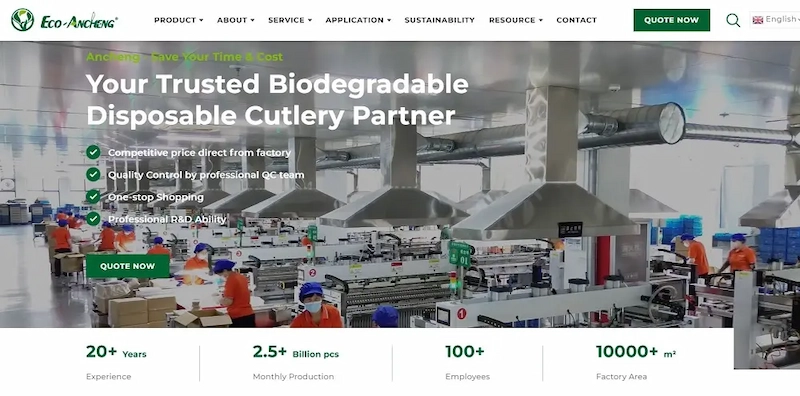
As you embark on your journey to launch an eco friendly brand, choosing the right production partner is the most critical decision you will make. Ancheng stands as a premier manufacturer in the industry with over 20 years of specialized experience in wooden and bamboo tableware production. We provide a comprehensive suite of services designed to help wholesalers and distributors scale their businesses with confidence.
Our manufacturing excellence is built on three pillars of quality and reliability:
1) Massive Production Capacity: We operate high volume automated production lines capable of delivering 2.5 billion pieces per month, ensuring we can meet the demands of even the largest global retail and fast food chains.
2) Uncompromising Quality Control: We utilize advanced sensory testing and fully automated polishing processes to ensure every fork, spoon, and skewer is smooth, splinter free, and food safe.
3) Global Compliance and Trust: Ancheng is fully certified with FSC, FDA, BPI, and LFGB standards, providing you with the necessary legal and safety documentation to sell in any international market.
We offer a diverse catalog of natural products that cater to various sectors of the dining industry:
1) Birchwood Cutlery: Robust, heat resistant, and naturally biodegradable knives, forks, and spoons made from high quality birch.
2) Bamboo Solutions: Premium skewers, toothpicks, and ultra thin stirrers that leverage the natural strength and antimicrobial properties of bamboo.
3) Eco Friendly Packaging: Sugarcane bagasse plates and bowls that offer excellent grease and water resistance for catering services.
At Ancheng, we do more than just supply products; we help you build a brand. Our professional customization services include high precision laser engraving for logos and custom designed kraft paper or cardboard packaging. These OEM and ODM capabilities allow you to offer a unique, branded experience that commands higher margins and builds long term customer loyalty.
Ready to transform the industry with high quality sustainable solutions? Contact the Ancheng expert team today to request a free sample kit or a personalized quote for your first wholesale order. Let us help you bridge the gap between environmental responsibility and business profitability.

Hello, I'm Sven Wang, the Manager of Ancheng. With extensive expertise in raw materials and production processes, I'm dedicated to advancing sustainable tableware and constantly improving eco-friendly options for the modern catering industry. You can trust that Ancheng is committed to providing the highest quality. Welcome!

Factory: Qian Renqiao Industrial Park, Shucheng County, Luan City, Anhui Province, China
Office: Building 11, Max Science Park, Shushan Dist, Hefei, Anhui, China
Copyright ©2026 Anhui Ancheng Bamboo and Wood Tableware Co., Ltd. Privacy Policy


 Index
Index Product
 Resources
 About
About