Key Takeaways: Bamboo skewers are not simply cut from bamboo and packed into cartons. A reliable bamboo skewer manufacturing process starts with Mao bamboo selection, then moves through cutting, splitting, slicing, shaping, drying, polishing, sharpening, sorting and packing. For B2B buyers, each step affects real purchasing concerns: surface smoothness, diameter consistency, moisture control, breakage risk, tip shape, retail pack presentation and export readiness. Ancheng produces bamboo skewers and picks for BBQ, catering, foodservice, cocktail, burger, event and retail applications, with custom size, shape, logo and packaging options. Ancheng's bamboo skewers and picks comply with FSC requirements, and Ancheng also provides PPWR-compliant packaging supported by relevant reports for buyers serving European markets.
Disposable bamboo skewers have become a popular product in the foodservice industry due to their versatility, biodegradability, and cost-effectiveness. They are suitable for use in barbecues, restaurants, cocktail service, burger joints, food processing plants, and retail packaging, among other applications. If you’re interested in purchasing bamboo skewers in bulk, understanding the basic production process before visiting the factory will be very helpful for the factory audit.
As a manufacturer with over 20 years of extensive experience in bamboo and wood foodservice products, we will walk you through the manufacturing process of bamboo skewers via video and detailed explanations.
The first step is selecting suitable bamboo material. Not every bamboo section is suitable for making skewers. The material needs to be strong enough for processing, consistent enough for slicing and clean enough for food-contact applications after manufacturing and packing.
When it comes to bamboo skewers, moso bamboo is sturdier and more consistent in quality than varieties such as red bamboo and yellow bamboo. Ancheng’s barbecue skewers are made from carefully selected moso bamboo that is 4–6 years old. The selected bamboo is prepared for further processing by removing unsuitable sections and keeping material that can produce stable strips.
This step is important for buyers because raw material quality affects the final product's strength and appearance. A lower unit price is not useful if the finished bamboo skewers create high defect rates, customer complaints or retail returns.

After material selection, bamboo is cut into shorter sections that can be handled by production equipment. This makes the bamboo easier to split and process into strips.
For B2B buyers, this step connects to consistency. Bamboo BBQ skewers, cocktail picks and burger sticks may have different final lengths, but all of them start from controlled raw sections. Better preparation at the beginning supports more stable output at the end.
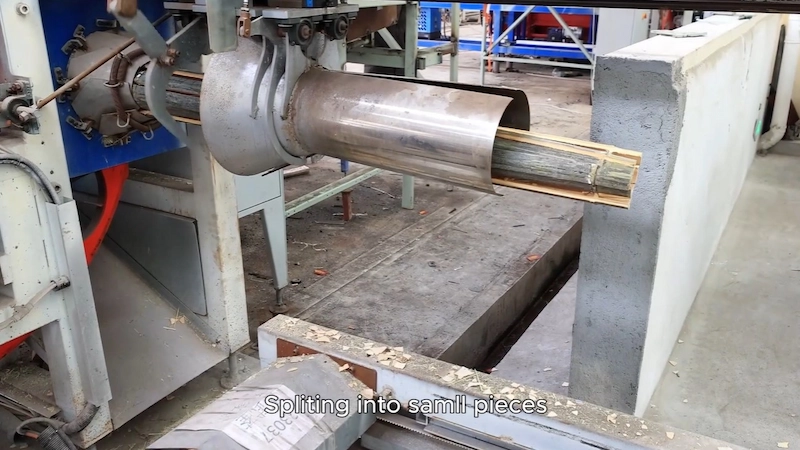
Once the bamboo is cut into sections, it is split into strips. These strips are then sliced or reduced into smaller pieces that can be shaped into skewers or picks.
This stage has a direct effect on thickness and product style. Round skewers, flat skewers, paddle picks, gushi-gun skewers, ring picks, loop picks and decorative party picks all require different shaping logic. Even if the raw material is the same, the way it is split and sliced changes the final product.
Ancheng supplies a range of bamboo skewers and party picks, including knot skewers, heart skewers, ring skewers, loop skewers, gushi-gun skewers, paddle skewers, fruit picks, BBQ skewers, flat skewers and double skewers. The right style depends on the buyer's food application, market channel and packaging plan.
After splitting and slicing, bamboo strips are shaped into the required product form. Some items become round bamboo skewers. Some become flat bamboo skewers. Others become decorative picks used for cocktails, appetizers, burgers, sandwiches or events.
This is where product type matters. A bamboo skewer for BBQ is usually designed to pierce and hold food during grilling. A cocktail pick is usually shorter and more decorative. A burger stick or teppo-style pick may be used to hold sandwiches, burgers or stacked foods in place. A flag pick may be designed for brand display, event themes or food presentation.
For example, a foodservice distributor may need standard bamboo BBQ skewers in bulk. A hotel supplier may need decorative bamboo picks for fruit, desserts or appetizers. A burger chain may need bamboo gushi-gun skewers with logo marking. A retail buyer may need mixed-size bamboo skewers in private label packaging.
Need Bamboo BBQ Skewers?
Choose size, style and packaging for bulk orders
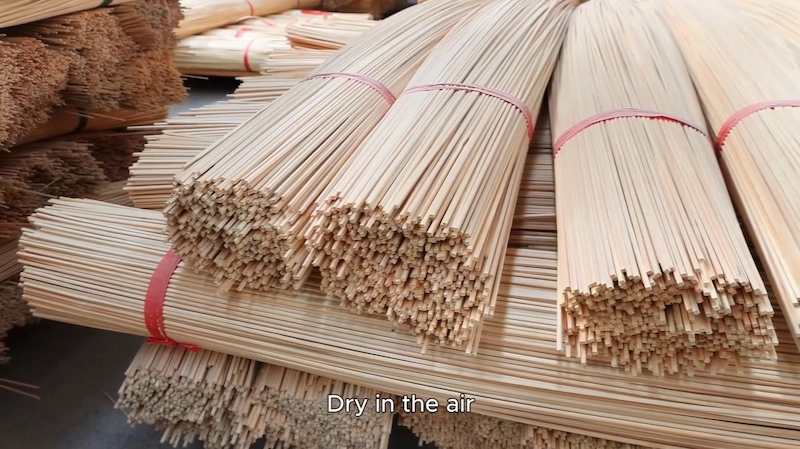
Drying is one of the most important steps in bamboo skewer production. Bamboo is a natural material, so moisture management affects storage, stability, and shipping performance.
If moisture is not controlled properly, bamboo skewers may be more vulnerable to warping, cracking, mildew risk, or quality changes during long-distance shipment and warehouse storage.
For bamboo skewers and picks, Ancheng focuses on drying, polishing, moisture control and export packaging. This is more relevant to skewer quality than decorative carbonization. Buyers should be careful when comparing suppliers that use broad process claims without explaining how moisture and surface quality are managed.
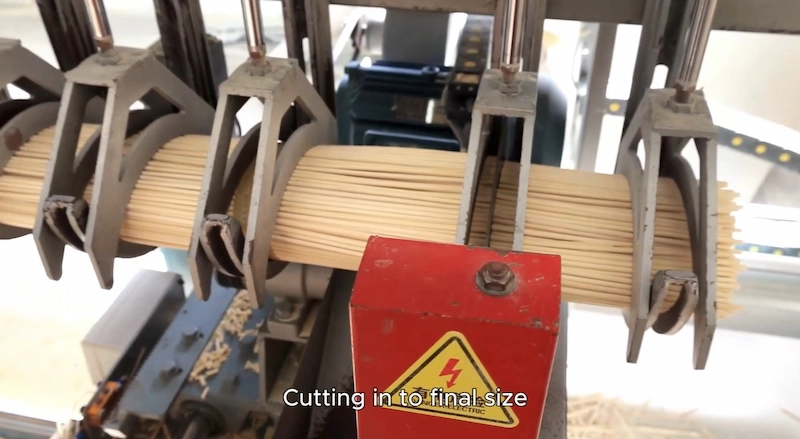
After the bamboo has been shaped and dried, it can be cut to the required length. Different skewer and pick products have different length requirements.
Shorter bamboo picks are suitable for appetizers, cocktails, fruit, desserts, burger decoration and party foods. Medium lengths may be used for catering, sandwiches, food display and retail packs. Longer bamboo skewers are more common for BBQ, grilling, kebab, satay and foodservice preparation.
This article does not need a full size table because it focuses on production. However, size still matters. A 9 cm cocktail pick and a 30 cm BBQ skewer are both bamboo products, but they serve very different purposes.
Ancheng can provide different lengths and styles depending on the product type and order requirements. For accurate recommendations, buyers should share the food application, packaging method and target sales channel.

Polishing improves the surface of bamboo skewers and picks. During earlier processing, bamboo fibers may remain on the surface or edges. Polishing helps reduce roughness and makes the product more suitable for foodservice handling.
For buyers, polishing affects the user experience directly. A smooth skewer is easier to handle, easier to insert into food and more acceptable for restaurants, hotels, catering companies and retail customers. Rough pieces can create complaints even if the product is technically usable.
Instead of judging samples only by appearance, buyers can touch the surface, inspect the edges and test the skewer with real food. This is especially useful for BBQ skewers, cocktail picks and burger sticks that will be handled directly by staff or consumers.
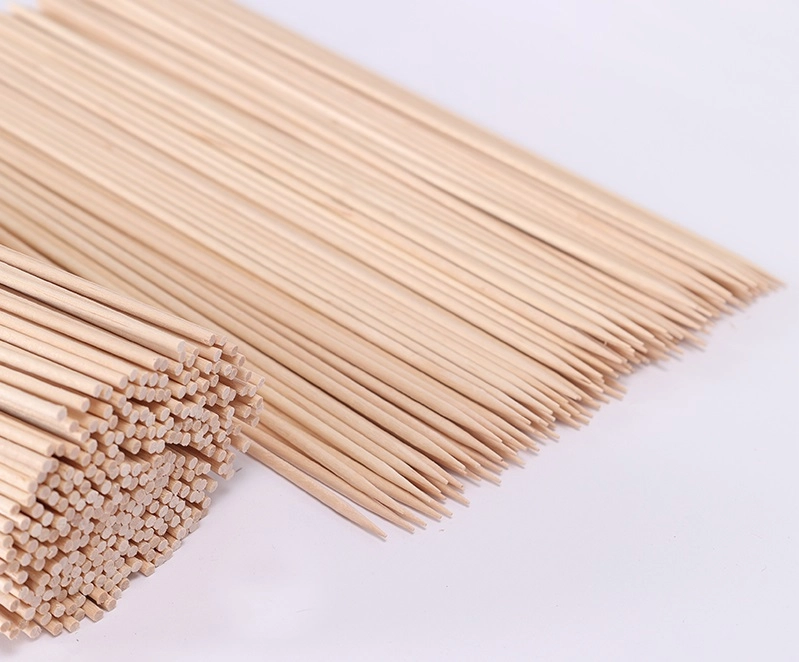
Many bamboo skewers require a pointed tip so they can pierce meat, vegetables, fruit or bakery items. Other bamboo picks may require a rounded, flat, paddle, loop, ring or decorative end depending on the design.
Ancheng supports different bamboo skewer and pick styles for BBQ, cocktail, burger, appetizer, event and retail applications. For buyers, the best choice depends on how the product will be used:
| Application | Suitable Product Direction | Buyer Focus |
|---|---|---|
| BBQ and grilling | Standard round or flat bamboo skewers | Length, diameter, tip sharpness and strength |
| Cocktails and appetizers | Decorative bamboo picks | Appearance, smoothness and presentation |
| Burgers and sandwiches | Gushi-gun skewers, burger sticks or flag picks | Holding power, top shape and branding |
| Retail packs | Standard bamboo skewers or mixed pick styles | Pack count, size consistency and shelf presentation |
| Events and catering | Party picks, loop picks, heart picks or ring picks | Visual style, color options and packaging |
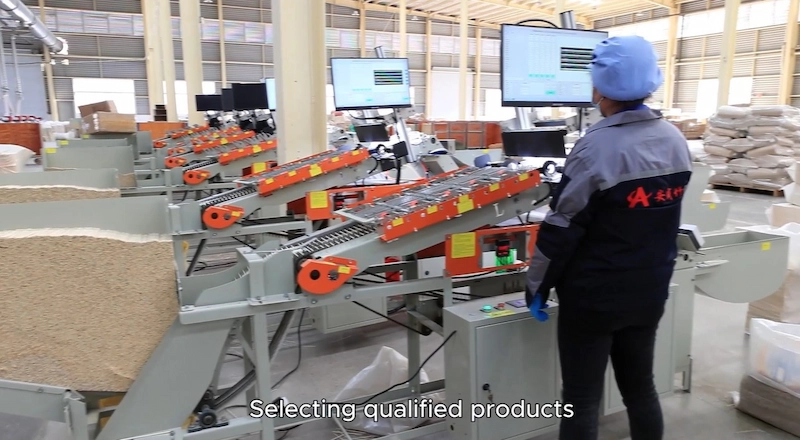
After shaping, cutting, polishing and sharpening, bamboo skewers and picks need to be sorted. Defective pieces may include broken sticks, crooked pieces, rough surfaces, poor tips or inconsistent shapes.
For distributors and importers, quality inspection should focus on practical points:
1. Are the skewers straight enough for the intended use?
2. Is the surface smooth enough for foodservice handling?
3. Are the tips suitable for the menu?
4. Are the lengths and diameters consistent?
5. Is the product style consistent within the same pack?
6. Are broken or rough pieces removed before packing?
For retail buyers, visual consistency is also important. If the product is sold in transparent bags, hanging packs, boxes or private label packaging, the customer can see inconsistency immediately.
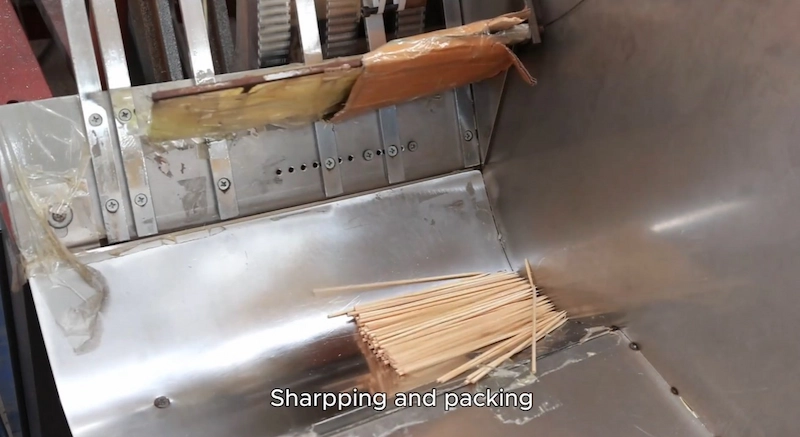
The final step is counting and packing. Bamboo skewers may be packed in bulk bags, inner packs, paper boxes, retail packs, private label packaging or other formats depending on the buyer's channel.
Bulk packaging is often suitable for distributors, foodservice suppliers and catering buyers. Retail packaging is better for supermarkets, online sellers, BBQ accessory brands and private label tableware lines.
Ancheng supports packaging customization according to buyer needs. For European buyers, Ancheng provides PPWR-compliant packaging supported by relevant reports, helping importers prepare for packaging-related market and retail requirements. The European Commission states that the PPWR covers packaging placed on the EU market regardless of material or origin and generally applies from 12 August 2026, so packaging information is becoming more important for EU-facing orders.
Ancheng's bamboo skewers and picks comply with FSC requirements. For buyers serving retail, foodservice or sustainability-oriented channels, this can support supplier evaluation and documentation review.
Source Shish Kebab Skewers Directly
From BBQ sticks to food picks and retail packs
The same bamboo material can become many different products, but production choices should match the final use. BBQ skewers need practical strength, length and tip shaping. Cocktail picks need appearance and smooth finishing for fruit, garnishes and appetizers. Burger sticks and gushi-gun skewers need holding power and presentation, and logo marking may be useful for food brands or event catering. Flag picks focus on brand display, printed artwork, color matching and single-side or double-side printing. Retail bamboo skewers need packing consistency, because pack count, barcode label, header card, carton marks and shelf appearance matter as much as the single skewer.
A clear bamboo skewer inquiry helps the factory recommend the right product faster. Instead of sending only "Please quote bamboo skewers," buyers should provide the application and order details.
| Inquiry Detail | Example |
|---|---|
| Product type | BBQ skewer, cocktail pick, flag pick, burger stick, knot pick, ring pick or paddle skewer |
| Material | Mao bamboo |
| Size | Length, diameter, thickness or sample reference |
| Food application | BBQ, appetizers, cocktails, burgers, desserts, catering or retail |
| Quantity | MOQ reference: bamboo skewers 500,000 pcs, bamboo picks 300,000 pcs |
| Packaging | Bulk bag, inner pack, paper box, retail pack, private label or custom carton |
| Custom needs | Logo, flag printing, color option, barcode, label or carton mark |
| Documents | FSC, PPWR packaging report or other buyer-requested files |
Sample testing is also important. A skewer used for marshmallows may not need the same strength as a BBQ meat skewer, while a pick used for cocktails may need a better decorative appearance than a bulk grilling skewer.
Ancheng's MOQ is generally 500,000 pcs for bamboo skewers and 300,000 pcs for bamboo picks. The final MOQ can depend on product style, packaging method, customization and order requirements.
Yes. Ancheng supports custom packaging for bamboo skewers and picks, including retail pack, private label, barcode, label and carton mark requirements.
Yes. Ancheng uses Mao bamboo for bamboo skewer and pick production. Mao bamboo is suitable for making different skewer and pick styles, including BBQ skewers, cocktail picks, burger sticks and decorative party picks.
Yes. Ancheng's bamboo skewers and picks comply with FSC requirements.
Yes. Ancheng provides PPWR-compliant packaging supported by relevant reports. This is useful for buyers serving the European market, especially when bamboo skewers are supplied in retail packs, printed packaging or private label cartons.
Bamboo skewer production is a step-by-step process that turns Mao bamboo into practical BBQ skewers, cocktail picks, burger sticks, food picks and retail-ready products. For B2B buyers, the key is not only the material, but also drying, polishing, tip shaping, sorting and packaging. Ancheng supports bamboo skewer and pick bulk orders with custom styles, packaging options, FSC compliance and PPWR-compliant packaging reports.
Ready to buy sturdy bamboo skewers in bulk?
Match applications, packaging and MOQ with Ancheng

Hello, I'm Sven Wang, the Manager of Ancheng. With extensive expertise in raw materials and production processes, I'm dedicated to advancing sustainable tableware and constantly improving eco-friendly options for the modern catering industry. You can trust that Ancheng is committed to providing the highest quality. Welcome!

Factory: Qian Renqiao Industrial Park, Shucheng County, Luan City, Anhui Province, China
Office: Building 11, Max Science Park, Shushan Dist, Hefei, Anhui, China
Copyright ©2026 Anhui Ancheng Bamboo and Wood Tableware Co., Ltd. Privacy Policy


 Index
Index Product
 Resources
 About
About