Learn about the benefits of eco-friendly disposable wooden spoons and explore the top suppliers to make a sustainable choice for your business.
Amidst the ubiquitous array of disposable utensils, a discerning preference gravitates towards the innate allure of the wooden variant. Delving into the intricacies of this choice, the ensuing discourse endeavors to furnish merchants seeking wholesale acquisition of disposable wooden spoons with a discerning guide on supplier selection.
The ascent of disposable wooden spoons to a position of burgeoning prominence is intricately tied to the heightened consciousness surrounding environmental issues.
At the heart of this phenomenon lies a collective awareness of the environmental impact associated with conventional disposable utensils. Plastic, once the stalwart of single-use cutlery, has faced vehement criticism for its persistent presence in landfills and oceans, contributing significantly to pollution.
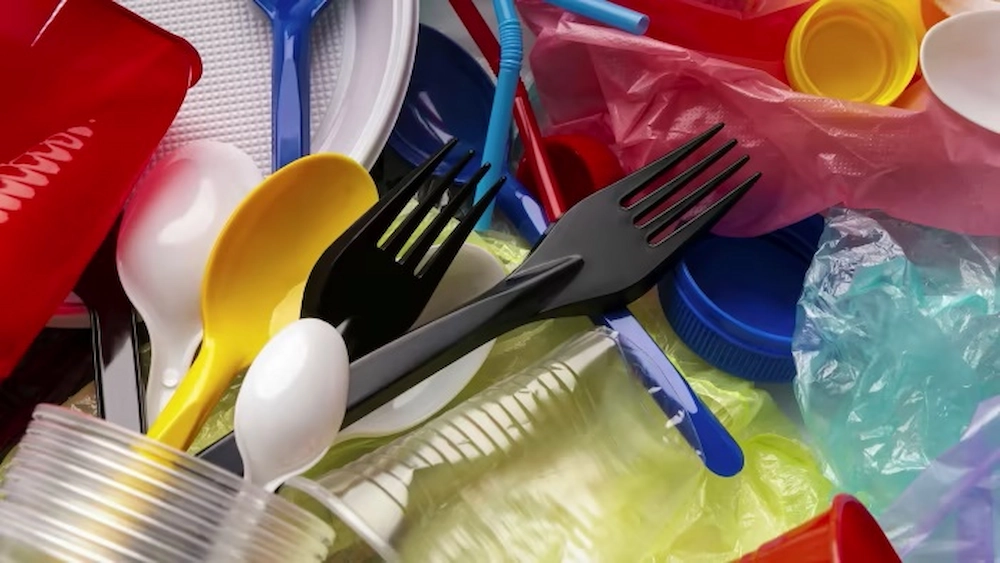
Furthermore, the rise of disposable wooden spoons is intricately tied to a broader cultural shift toward conscious consumerism. In an era where environmental awareness is a defining attribute of consumer choices, individuals are making deliberate efforts to align their purchasing decisions with values that prioritize sustainability.
In the ever-evolving landscape of consumer preferences, the resonance of sustainability has emerged as a resounding chord, shaping not just purchasing patterns but the very ethos of markets.
The dire repercussions of climate change and resource depletion have instigated a profound commitment to sustainable living. Consumers, now eco-warriors in their own right, demand products that echo their environmental concerns and contribute to a greener future.
The age of information has ushered in an era where consumers crave transparency. The veil over supply chains is lifting, and consumers, armed with information, scrutinize the journey of products from inception to consumption. Sustainable products, with their traceable and ethical origins, satisfy the modern consumer's hunger for authenticity and accountability.

Consumers, fueled by compassion and social responsibility, seek products aligned with fair labor practices, humane treatment of animals, and a commitment to social justice. Sustainable products, often synonymous with ethical production, resonate deeply with this conscientious consumerism.
The allure of regenerative agriculture has cast its spell on consumers. Beyond merely sustaining ecosystems, there is a growing demand for products that actively contribute to regenerating the environment.
The linear model of take, make, and dispose of is losing favor among consumers. The circular economy, characterized by recycling, upcycling, and minimal waste, aligns with the aspirations of sustainability-conscious consumers. Products designed for longevity, reparability, and recyclability find favor in a market yearning for a departure from the throwaway culture.
Consumers, now attuned to the environmental impact of materials, favor products crafted from eco-friendly alternatives. From biodegradable plastics to plant-based packaging, the market responds to the demand for products that minimize ecological footprints.
Disposable wooden spoons elegantly fulfill their primary culinary duty – facilitating the enjoyment of delectable dishes. From soups and stews to desserts and appetizers, these spoons are the trusted companions of gastronomic indulgence.
Wooden spoons, with their sturdy yet lightweight structure, become the ideal vessels for indulging in frozen delights. Whether it's scooping into a velvety ice cream tub or enjoying a refreshing sorbet, these spoons provide the perfect balance of functionality and eco-consciousness.

In educational settings, disposable wooden spoons become valuable tools for hands-on learning. Whether used for stirring concoctions in science experiments or as a tactile aid for counting and sorting, these spoons bridge the gap between utility and education.
Their compact size and disposable nature make them ideal for serving small portions, allowing patrons to explore an array of flavors without the ecological footprint associated with traditional utensils.
Disposable wooden spoons are typically made from natural, biodegradable materials such as wood or bamboo. These materials are rich in carbon and provide a food source for microorganisms.
Once the wooden spoon is discarded and exposed to the environment, microorganisms start breaking down its structure. Bacteria and fungi are the primary decomposers in this process.
Biodegradation is facilitated by the presence of moisture and oxygen. These conditions allow microorganisms to thrive and accelerate the decomposition process.
Microorganisms produce enzymes that help break down complex organic compounds in the wood into simpler molecules. This enzymatic action is a key aspect of biodegradation.
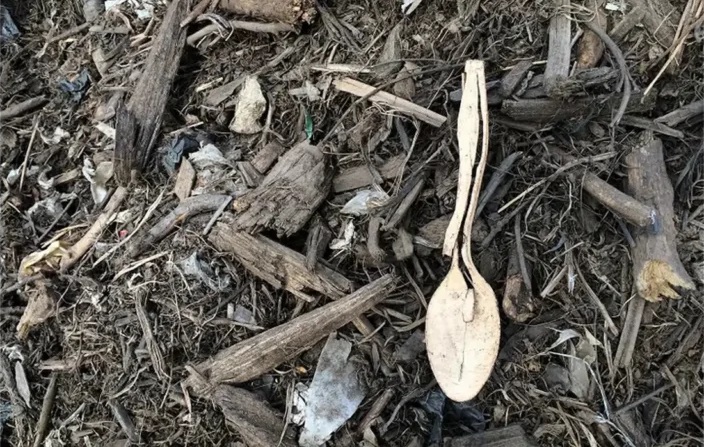
As the wood breaks down, it transforms into organic matter known as humus. Humus is a dark, nutrient-rich substance that enhances soil fertility.
Ultimately, the wooden spoon decomposes into natural components, and the resulting humus becomes part of the soil. This return to nature completes the cycle, as the nutrients from the decomposed wood contribute to the health of the soil.
It's important to note that the speed of decomposition can vary depending on environmental conditions, such as temperature, humidity, and the presence of microorganisms. In ideal conditions, disposable wooden spoons can decompose relatively quickly compared to non-biodegradable alternatives, reducing their environmental impact. In addition, single-use wooden spoons will decompose faster under industrial composting conditions than home composting.
When seeking earth-friendly certifications in disposable wooden spoon manufacturing, various labels indicate adherence to environmental and sustainability standards. Some widely recognized certifications relevant to eco-friendly practices in disposable wooden spoon production include:
1. Forest Stewardship Council (FSC): Ensures wood used is from responsibly managed forests, promoting sustainable practices with consideration for environmental, social, and economic aspects.
2. Program for the Endorsement of Forest Certification (PEFC): Similar to FSC, it verifies wood products come from responsibly managed forests on an international scale.
3. Biodegradable Products Institute (BPI): Specific to biodegradable and compostable products, certifying that materials break down into natural elements in a composting environment.
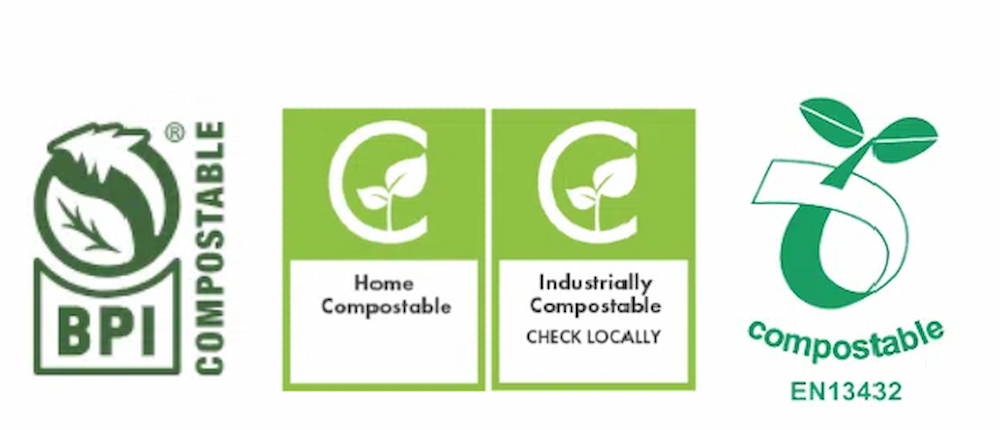
4. USDA Certified Biobased Product: Indicates the percentage of biobased content, emphasizing the use of renewable resources. Managed by the United States Department of Agriculture (USDA).
5. Rainforest Alliance Certified: Focuses on promoting sustainable agricultural and forestry practices, considering environmental conservation, social equity, and economic viability.
6. ISO 14001 (Environmental Management System): Not wooden spoon-specific, but indicates adherence to an internationally recognized environmental management system, demonstrating a commitment to environmental responsibility.
7. Carbon Footprint Certification: Assesses and labels products based on their carbon footprint, indicating efforts to reduce greenhouse gas emissions associated with manufacturing.
8. Ecolabels: Look for regional or international ecolabels certifying products with reduced environmental impact, such as the EU Ecolabel or the Blue Angel in Germany.
Before purchasing disposable wooden spoons, check product packaging or the manufacturer's website for these certifications. It's important to be aware that certifications may vary by region, so consider standards and labels relevant to your location. Some manufacturers may also provide detailed information on sustainability practices even without formal certifications.
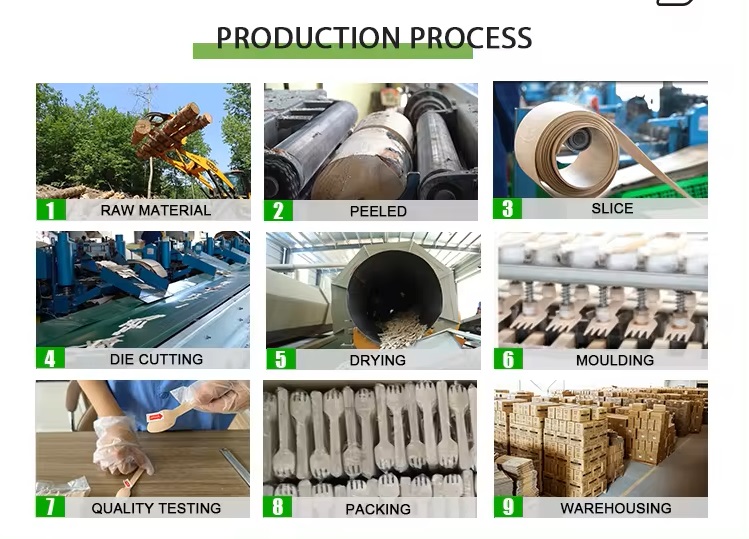
Tracing the supply chain of eco-conscious disposable wooden spoons involves understanding the various stages and processes involved in their production. Here's a general overview of the supply chain for eco-conscious disposable wooden spoons:
Responsibly Managed Forests: Suppliers source wood from forests certified by organizations like the Forest Stewardship Council (FSC) or the Program for the Endorsement of Forest Certification (PEFC). These certifications ensure sustainable and ethical forestry practices.
Wood Processing: The raw wood is processed into the desired shape for disposable spoons. Eco-conscious manufacturers aim to minimize waste during this stage.
Adherence to Environmental Standards: Manufacturers follow eco-friendly practices and may have certifications like ISO 14001, emphasizing their commitment to environmental responsibility.
BPI Certification: If the disposable spoons are designed to be biodegradable and compostable, manufacturers may obtain certification from the Biodegradable Products Institute (BPI).
USDA-Certified Biobased Product: Manufacturers may ensure that their products meet the criteria for a certain percentage of biobased content, as certified by the United States Department of Agriculture (USDA).
Eco-Friendly Packaging: The packaging materials used for the disposable spoons should also align with eco-conscious principles. This may involve using recycled materials or materials that are easily recyclable.
Efficient Logistics: Eco-conscious manufacturers may prioritize efficient transportation to reduce the carbon footprint associated with distribution.
Labeling and Information: Products are labeled with relevant certifications and information about their eco-friendly attributes. Consumers are educated on proper disposal methods, especially if the spoons are biodegradable or compostable.
Composting Facilities: If the spoons are certified as biodegradable and compostable, consumers can dispose of them in composting facilities where they will break down naturally.
Recycling: If the spoons are made from recyclable materials, consumers may have the option to recycle them through appropriate channels.
For the difference between recycling and composting, we have provided an article for you to understand.
Disposable wooden spoons exude a rustic charm and natural aesthetic that harmonizes seamlessly with the ethos of eco-conscious living. This aesthetic appeal can elevate the overall presentation and branding of the merchant's offerings.
By embracing disposable wooden spoons, merchants can seek certifications such as those from the Biodegradable Products Institute (BPI). Such certifications not only fortify the merchant's commitment to eco-friendliness but also serve as beacons of credibility in the eyes of environmentally conscious consumers.
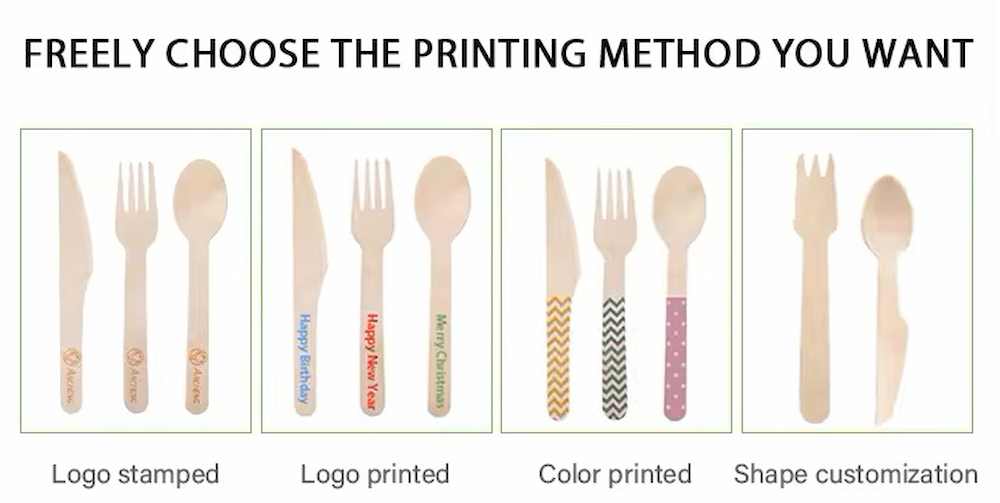
Modern consumers, discerning and environmentally aware, actively seek out establishments that align with their values. Offering disposable wooden spoons signals a merchant's responsiveness to consumer preferences, fostering loyalty among those who prioritize sustainable practices.
Disposable wooden spoons gracefully adapt to a spectrum of culinary delights. From soups and stews to frozen treats, their versatility makes them an ideal choice for a myriad of food offerings, appealing to a broad customer base.
Birchwood, with its pale hue and fine grain, stands as a stalwart choice for disposable spoon artisans. Renowned for its uniform texture and lack of distinct taste, birchwood provides a neutral canvas, allowing the culinary masterpiece to take center stage.
Its malleability during manufacturing ensures the creation of intricate designs, contributing to the elegance of the dining experience.
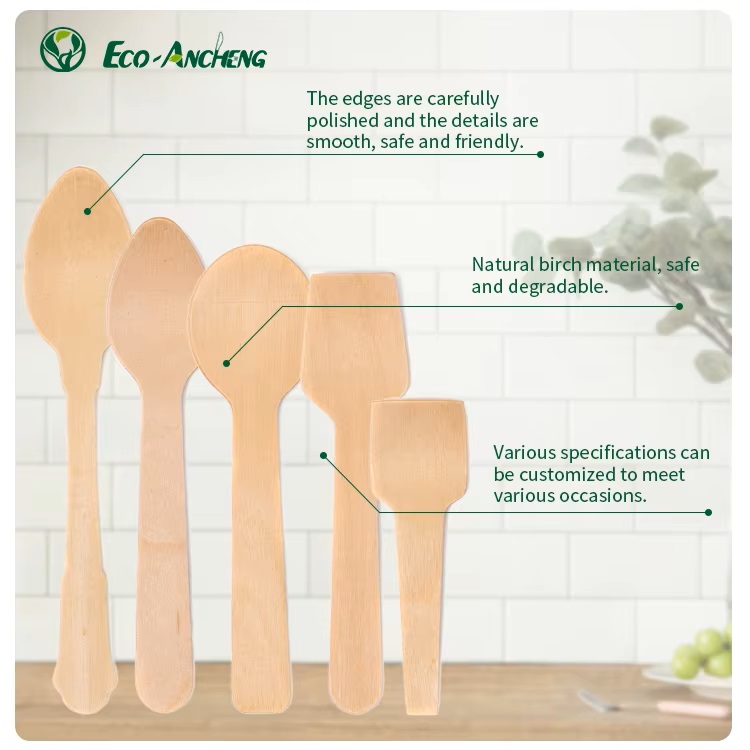
Bamboo, a grass with the strength of giants, has become an icon of eco-friendly utensils. Its rapid growth and regenerative nature align seamlessly with sustainability principles.
Bamboo spoons boast a robust structure and resistance to moisture, making them ideal for diverse culinary applications.
Known for its resilience and durability, maple wood imparts a touch of enduring elegance to disposable spoons. Its tight grain structure and pale hue provide a classic canvas for culinary presentations.
Maple's dense composition ensures a sturdiness that withstands the rigors of stirring, scooping, and serving, making it a reliable choice for disposable utensils.
Pine, with its light color and subtle grain pattern, infuses a touch of rustic charm into disposable spoon craftsmanship. Its softer composition lends itself to intricate carving and shaping, offering artisans the opportunity to create unique designs.
Pine disposable spoons evoke a sense of simplicity and understated beauty, making them an appealing choice for various culinary occasions.
Poplar, with its pale and often white color, emerges as a canvas for those seeking a minimalist aesthetic in disposable spoons. Poplar's lightweight nature contributes to the overall user experience, ensuring effortless handling during dining.
Cedar, redolent with a distinct fragrance, offers a sensory dimension to disposable spoon crafting. Beyond its aromatic allure, cedar boasts natural antimicrobial properties, adding a layer of functionality to its charm.
The above are some insights about disposable wooden spoons and reliable suppliers, I hope it can help you. Ancheng is a supplier specializing in biodegradable tableware, providing high-quality products.
In conclusion, switching to earth-friendly disposable wooden spoons is not just an eco-conscious choice, but a smart and practical one for your business. These sustainable utensils offer a simple solution to reducing plastic waste while providing versatility and aesthetic appeal to your dining experience. By selecting quality suppliers and promoting your commitment to sustainability, you not only contribute to the well-being of our planet but also attract environmentally aware consumers.
Ready to make a sustainable switch? Explore our wide range of earth-friendly wooden utensils at Ancheng, where quality meets sustainability. Whether you're running a cafe, catering service, or planning an event, our disposable wooden spoons offer the perfect blend of practicality and eco-friendliness.
Join the movement towards a cleaner planet! Browse our extensive collection and discover how our products can elevate your business while reducing your carbon footprint.
Contact us to receive exclusive offers. Follow our blog for more updates on sustainable dining solutions. Together, let’s spoon our way to a greener future!

Hello, I'm Sven Wang, the Manager of Ancheng. With extensive expertise in raw materials and production processes, I'm dedicated to advancing sustainable tableware and constantly improving eco-friendly options for the modern catering industry. You can trust that Ancheng is committed to providing the highest quality. Welcome!

Factory: Qian Renqiao Industrial Park, Shucheng County, Luan City, Anhui Province, China
Office: Building 11, Max Science Park, Shushan Dist, Hefei, Anhui, China
Copyright ©2026 Anhui Ancheng Bamboo and Wood Tableware Co., Ltd. Privacy Policy


 Index
Index Product
 Resources
 About
About