In the quest for a more sustainable kitchen, bamboo has emerged as a superstar material. It is rapidly renewable, aesthetically pleasing, and durable. From cutting boards to dinnerware, bamboo products are replacing plastic at an impressive rate. However, as we switch to these eco-friendly alternatives, we often carry over our old habits—specifically, the convenience of the microwave.
This leads to a very common and critical question: Can you microwave bamboo plates?
The short answer is generally no. However, the reasoning behind this is nuanced and depends heavily on the specific type of bamboo plate you are holding. This guide will dive deep into the composition of bamboo dinnerware, the science of why it reacts poorly to microwaves, the potential health risks, and the best ways to heat your food while still enjoying your eco-friendly tableware.
To understand why bamboo reacts the way it does in a microwave, we first need to distinguish between the different types of bamboo plates available on the market. Not all "bamboo" plates are created equal; the manufacturing process radically changes their heat resistance.
These plates are crafted directly from the bamboo stalk. They are essentially pieces of wood that have been cut, shaped, sanded, and polished.
Composition: 100% natural bamboo fiber, often finished with a food-safe oil or a light natural lacquer.
Characteristics: They retain the natural grain of the bamboo. They act similarly to wooden cutting boards. They contain a specific level of natural moisture within the fibers to maintain their structural integrity.
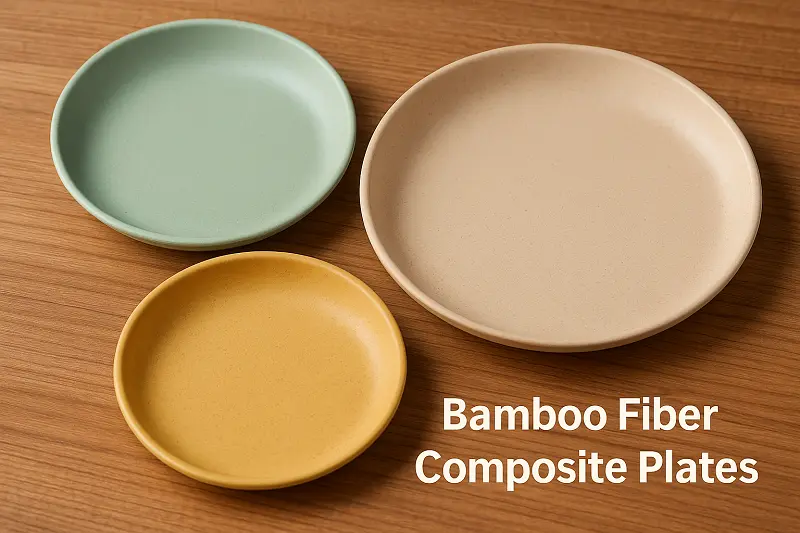
These are the hard, reusable plates that often look and feel like sturdy plastic or matte ceramic. Bamboo Melamine comes in various colors and patterns.
Composition: This is a critical distinction. These plates are made by grinding bamboo into a powder and mixing it with a binder to mold it into a shape. The most common binder is melamine-formaldehyde resin.
1) 40–80% bamboo powder
2) 20–60% melamine resin or PLA (bioplastic)
3) Sometimes calcium carbonate fillers
Characteristics: They are durable and dishwasher safe (usually), but they are technically a plastic composite reinforced with bamboo filler.
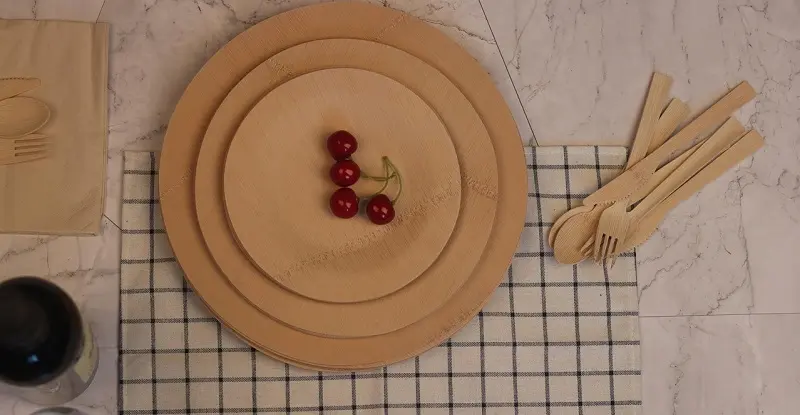
Disposable bamboo plates are the single-use eco-friendly alternatives to paper or Styrofoam plates.
Composition: Made from bamboo pulp (similar to how paper is made from wood pulp) and pressed into shape using high heat and pressure. They are usually 100% biodegradable and compostable.
Characteristics: They have a texture similar to heavy-duty paper plates but are generally stronger. They do not contain the synthetic resins found in reusable composite plates.
Now that we have identified the materials, let’s answer the question based on the type of plate.
Do not microwave. Because pure bamboo is a natural wood material, it contains water molecules within its cellular structure. Microwaves work by exciting water molecules to generate heat. When you microwave pure bamboo, the moisture inside the wood heats up rapidly and evaporates. This causes the bamboo to dry out instantly, leading to warping, cracking, or splitting. In extreme cases, if the bamboo becomes too dry, it can char or catch fire.
Absolutely do not microwave. This is a major health and safety hazard. The melamine resin used to bind the bamboo powder is not microwave-safe. When melamine is heated to high temperatures (which happens quickly in a microwave), it can leach chemicals into your food. Furthermore, the plate itself can blister, crack, or explode under thermal stress.
Use with extreme caution (or avoid). While these do not contain dangerous melamine, they are organic materials. Like paper plates, they can handle very short bursts (e.g., 10-20 seconds) to warm something up, but they are not designed for cooking. Prolonged exposure can cause them to become soggy from hot food steam or scorch if they are dry.
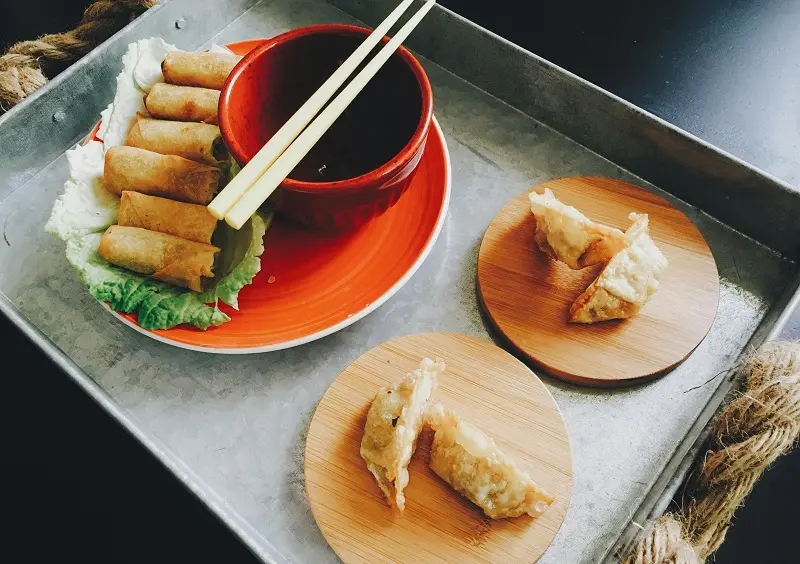
If you ignore the warnings and microwave bamboo plates, you expose yourself and your home to several categories of risk. We can categorize these into structural risks and health risks.
This applies primarily to pure bamboo and disposable pulp plates.
Warping and Cracking: Wood requires a balance of moisture. The intense dielectric heating of a microwave evaporates this moisture unevenly. You might put a flat plate in and take out a wobbling, cracked piece of wood that is no longer usable.
Hot Spots: Bamboo is not a uniform conductor of heat. Microwaves can create "hot spots" on the plate where the temperature exceeds the combustion point of the dry fiber.
Fire Risk: It is rare, but possible. If a bamboo plate is repeatedly microwaved or microwaved for a long duration, it becomes "bone dry." At this point, it acts like kindling. A spark from the magnetron or intense localized heat can ignite the plate.
This applies to bamboo fiber composite plates.
Formaldehyde Release: The German Federal Institute for Risk Assessment (BfR) and other food safety agencies have conducted studies on bamboo-melamine ware. They found that when these plates are heated above 70°C (158°F)—a temperature easily exceeded in a microwave—the degradation of the plastic resin releases melamine and formaldehyde into the food.
Health Impact: Ingesting melamine and formaldehyde can damage the kidneys and is potentially carcinogenic over long periods of exposure. This is why many countries have strict labeling laws or bans on bamboo-melamine composites being labeled simply as "natural."
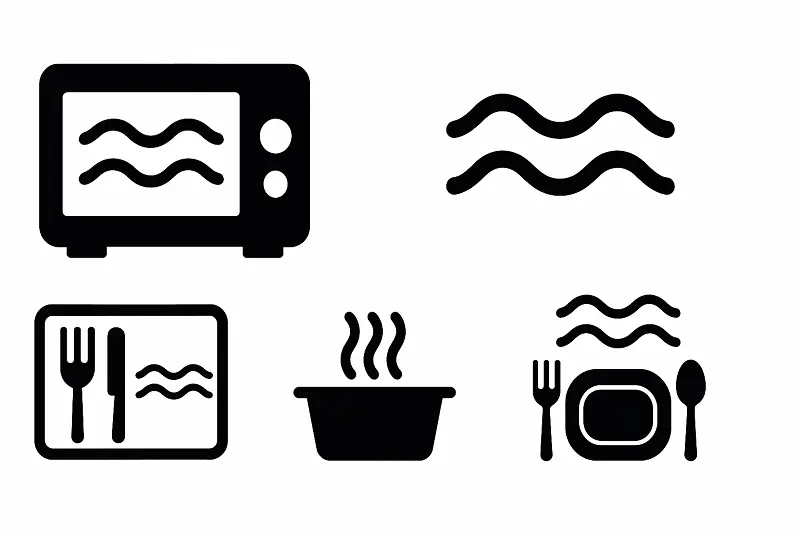
If you are unsure what kind of plate you have, you need to know how to identify its safety features. Never assume a product is microwave-safe just because it looks sturdy.
The most reliable method is to flip the plate over. Manufacturers are required to label their goods.
Look for: A symbol of a microwave with wavy lines inside, or the words "Microwave Safe."
Look for warnings: "Do Not Microwave," "Hand Wash Only," or "Melamine."
The universal symbol for microwave safety is usually a square with three wavy lines in the center. If you see a symbol of a microwave with a large "X" through it, keep it out of the appliance.
Does it look like real wood grain? (Pure Bamboo) -> Not Safe.
Does it feel like hard, smooth plastic? (Bamboo Composite) -> Not Safe.
Does it feel like textured paper/cardboard? (Bamboo Pulp) -> Technically possible for seconds, but not recommended.
Do not confuse "Heat Resistant" with "Microwave Safe." A bamboo plate might be heat resistant (meaning it can hold hot food without melting), but that does not mean it can withstand the electromagnetic radiation and internal molecular friction of a microwave.
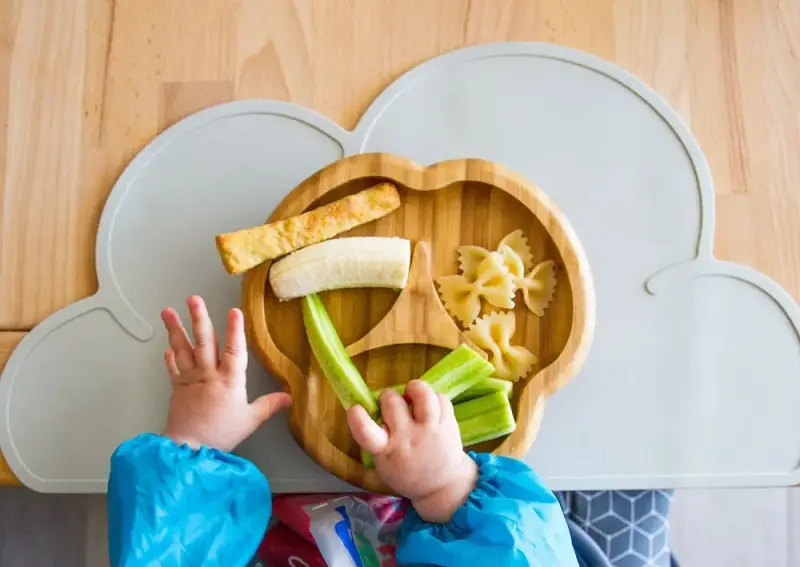
If you love the aesthetic of bamboo, you simply need to adjust your workflow in the kitchen. Bamboo plates are designed for serving, not for cooking or reheating.
Here is the correct protocol for enjoying a hot meal on a bamboo plate:
Take your leftovers or cold food and place them in a microwave-safe vessel.
Glass containers (Pyrex)
Ceramic bowls
Stoneware
Microwave the food in the safe container until it reaches your desired temperature.
Once the food is hot, carefully transfer it onto your bamboo plate. Bamboo is an excellent insulator, meaning the plate will not get scorching hot in your hands even if the food is warm. This actually makes bamboo safer for children to hold than hot ceramic plates.
Serve immediately. This method preserves the life of your bamboo tableware, prevents chemical leaching, and ensures your food is heated evenly.
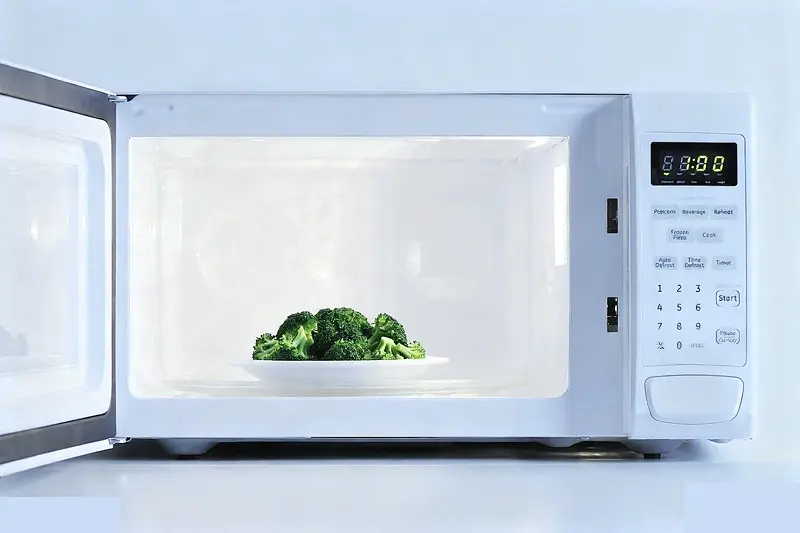
If you are looking for eco-friendly or non-plastic alternatives that can go in the microwave, consider stocking your kitchen with these materials alongside your bamboo serving ware.
Glass is the gold standard for microwaving. It is inert, non-porous, and does not leach chemicals. Brands like Pyrex are designed to withstand thermal shock.
Most ceramics are microwave-safe. However, always check for the label. Avoid ceramics with metallic rims (gold or silver leaf), as the metal will spark and ruin the microwave.
High-quality silicone containers are becoming popular. They are flexible, unbreakable, and generally microwave-safe. They are great for reheating lunches, though they lack the rigidity of a plate.
If you need disposables that must be microwaved, look for paper plates specifically labeled "Microwave Safe." These are usually coated with a microwave-safe polymer to prevent them from soaking through.
Q: Are bamboo plates dishwasher safe?
A: Pure bamboo plates are not dishwasher safe (the water and heat will crack them). Bamboo fiber (composite) plates are usually dishwasher safe, but putting them in the dishwasher can degrade the binder faster over time, making them more susceptible to leaching later. Disposable plates are single-use only.
Q: Do bamboo plates contain chemicals?
A: Pure bamboo contains natural cellulose and lignin. Composite bamboo plates may contain melamine, urea-formaldehyde resin, or bioplastic binders.
Q: Is bamboo fiber safe for health?
A: It is safe for serving cold or warm foods (up to 70°C). It becomes potentially unsafe when heated to high temperatures (like in a microwave or oven) or when used with highly acidic foods for long periods, as this encourages melamine migration.
Q: Can I put bamboo plates in the oven?
A: No. Bamboo is organic material and will burn. It cannot withstand oven temperatures.
Q: Why did my bamboo plate crack?
A: It likely cracked due to "thermal shock" (rapid temperature change) or dehydration (drying out). This happens if it was microwaved, put in a dishwasher, or left soaking in water for too long.
Bamboo plates are a fantastic addition to a sustainable lifestyle. They are biodegradable, stylish, and reduce our reliance on single-use petrochemical plastics. However, they are not a "do-it-all" kitchen tool. The unique properties of bamboo make it incompatible with microwave technology.
To maximize the lifespan of your bamboo dinnerware and ensure the safety of your family, treat bamboo as a serving vessel. Keep the cooking and reheating to glass or ceramic, and let the bamboo plates do what they do best: present your food beautifully and sustainably. By respecting the material, you can enjoy the benefits of bamboo without the risks.
Are you looking for the perfect combination of elegance and sustainability for your next event, wedding, or catering service?
At Ancheng, we specialize in high-quality, eco-friendly tableware solutions that leave a lasting impression on your guests. Our disposable bamboo plates offer the sturdy feel of wood with the convenience of single-use cleanup, making them the superior alternative to flimsy paper or harmful plastic.
Whether you are hosting a backyard BBQ or a formal gala, our products provide the natural aesthetic you desire.
Make the switch to Ancheng today and serve your food with a clear conscience.

Hello, I'm Sven Wang, the Manager of Ancheng. With extensive expertise in raw materials and production processes, I'm dedicated to advancing sustainable tableware and constantly improving eco-friendly options for the modern catering industry. You can trust that Ancheng is committed to providing the highest quality. Welcome!

Factory: Qian Renqiao Industrial Park, Shucheng County, Luan City, Anhui Province, China
Office: Building 11, Max Science Park, Shushan Dist, Hefei, Anhui, China
Copyright ©2026 Anhui Ancheng Bamboo and Wood Tableware Co., Ltd. Privacy Policy


 Index
Index Product
 Resources
 About
About