The global movement toward sustainability has profoundly impacted the food service sector. Driven by escalating consumer awareness and stringent regulatory measures, the demand for alternatives to traditional petroleum-based single-use plastics is surging. This analysis provides an in-depth, data-driven comparison of four key plant-based materials leading this transformation: bamboo, wood, paper, and sugarcane bagasse.
This regulatory pressure and environmental crisis have fueled the growth of the sustainable packaging market. FMI Report indicates the market's journey from USD 12.6 billion in 2025 to USD 22.8 billion by 2035, emphasizing the rapid commercial adoption of materials like bagasse and compostable paper. The transition is not merely a trend; it is a fundamental shift in supply chain sourcing aimed at reducing the environmental footprint from "cradle-to-grave."
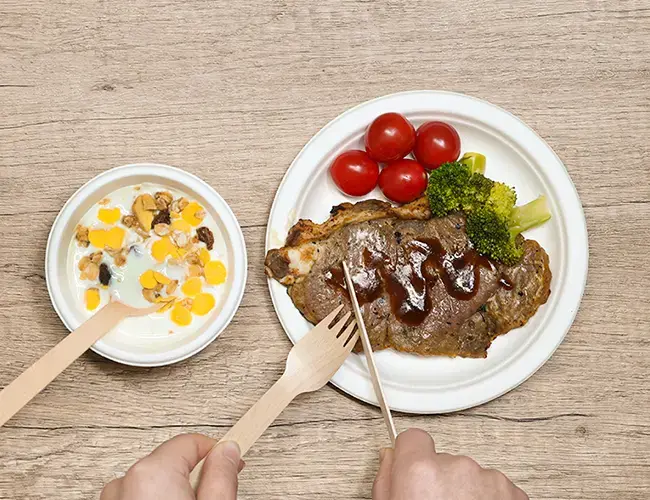
Bamboo is botanically classified as a grass, known for its exceptional growth rate, often reaching maturity in just three to five years. This rapid renewal capability makes it a highly sustainable raw material. The primary sources are vast bamboo forests, often specifically cultivated in Asia.
Products: Bamboo serves two distinct markets: reusable items and disposable tableware. Bamboo plates, bowls, cutlery, trays, and straws.
The wood used for disposable tableware is typically sourced from fast-growing, readily available tree species such as birch, poplar, and pine. Sustainability here is critically linked to responsible forestry practices.
Products: Wood is predominantly used for simple, low-cost disposable items like cutlery (forks, spoons, knives), coffee stirrers, and serving boards. The material is appreciated for its natural, untreated feel.
Paper tableware is derived from cellulose fibers extracted from wood pulp, which can be either virgin or recycled. The final properties depend significantly on the thickness (density) of the paperboard.
Products: The material forms the base for common single-use items such as cups, plates, and takeout boxes. Due to the paper's inherent lack of water resistance, these products always require a crucial lining or coating, historically Polyethylene (PE) or, more recently, compostable alternatives like Polylactic Acid (PLA) or water-based coatings.
Sugarcane bagasse is an exemplary model of resource utilization. It is the dry fibrous residue left over after the juice has been extracted from sugarcane stalks during sugar production. Since it is a byproduct that would otherwise be treated as waste (often incinerated or landfilled), its use turns a pollutant into a valuable resource.
Products: Bagasse is used to create highly rigid and robust disposable tableware, including plates, bowls, clamshell containers, and custom-molded items.
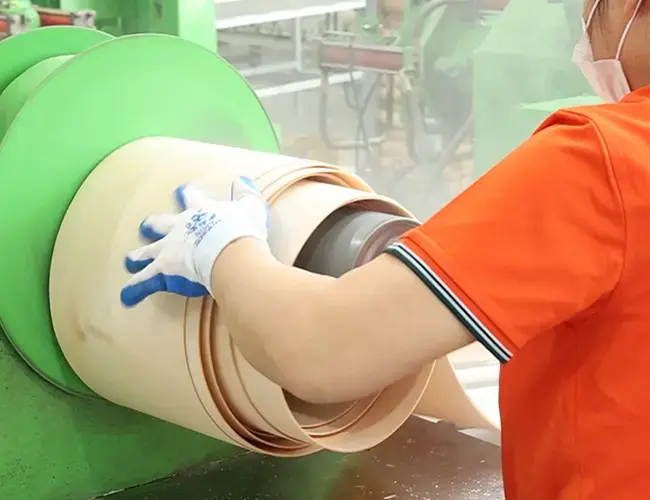
The complexity and energy use vary significantly across the four materials:
Take disposable bamboo products as an example:
1) Preparation: The tough bamboo stalks are chopped, then chemically or mechanically pulped (breaking down the lignin and cellulose fibers).
2) Molding: The pulp is mixed with water and transferred to specialized molds.
3) Hot Pressing: The molded items are subjected to high heat and pressure, which removes water, binds the fibers, and sets the final shape, resulting in a dense, rigid product.
4) Polishing: The product undergoes surface treatment to ensure smooth edges that will not scratch customers or shed debris.
1) Preparation: Logs are debarked and cut into planks.
2) Shaping and Stamping: Precision machinery (die-cutting or stamping) rapidly cuts the planks into the specific shapes of cutlery or stirrers.
3) Finishing: Products are tumbled or sanded to remove splinters and ensure a smooth, food-safe finish. Many manufacturers apply heat treatment for sterilization without using chemicals.
1) Pulping and Board Formation: Wood pulp is processed into flat sheets of paperboard.
2) Coating: This is the defining stage. The paperboard is coated with a liquid-resistant material (PE, PLA, or water-based coating) to prevent leaks and structural failure when exposed to liquids or grease.
3) Forming: The coated paperboard is die-cut and then folded, rolled, or glued (using food-grade adhesive) into final shapes like cups or boxes.
1) Pulping (Wet Processing): Dried bagasse is cleaned, soaked, and refined into a pulp slurry.
2) Vacuum Molding: The pulp is poured into specialized metal molds, and a vacuum draws the pulp against the mold shape.
3) High-Heat Thermoforming: The partially formed product is subjected to extreme heat (up to 200℃) and pressure. This crucial step vaporizes excess moisture, compresses the product to achieve high rigidity, and effectively sterilizes the final item. This process is key to bagasse's superior strength compared to other molded fiber products.
Explore the Production Process at Our Factory!
To help you quickly grasp the differences between these four types of sustainable tableware materials, we've created this summary table:
The ecological credentials of these materials are determined by their sourcing, processing impact, and end-of-life options.
1. Sugarcane Bagasse leads the pack in resource sustainability. Its status as an agricultural byproduct means its production does not require dedicated land or result in deforestation. By diverting this residue from being burned or landfilled, it offers a dual environmental benefit: resource efficiency and waste reduction. Furthermore, it is universally recognized as fully compostable.
2. Bamboo is highly sustainable due to its exceptional growth rate and minimal land disruption during harvesting. Disposable bamboo fiber products are generally compostable, provided they are not mixed with non-biodegradable binders.
3. Wood is a naturally biodegradable option with a low processing footprint for simple items like cutlery. Its sustainability hinges entirely on adherence to international certification standards like FSC (Forest Stewardship Council), which ensures the material is sourced from responsibly managed forests.
4. The paper presents a complex environmental profile. While the raw wood pulp is renewable, the manufacturing process (pulping and drying) is water and energy-intensive. The primary environmental obstacle is the waterproof coating. If coated with traditional PE, the product is extremely difficult to recycle and is not compostable. Only paper products with PLA or water-based coatings qualify for industrial composting.
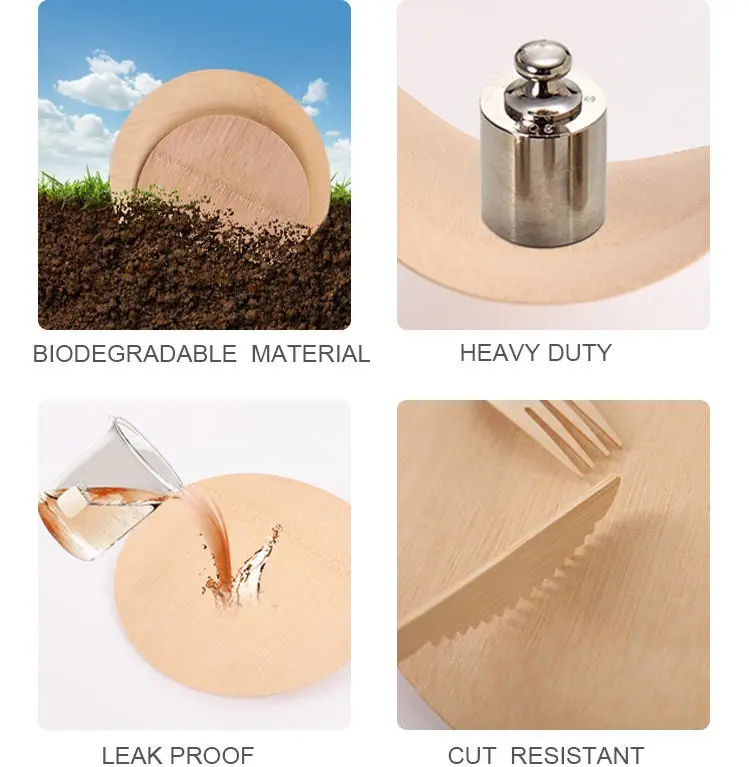
Performance is measured by a material's ability to withstand food contact without structural failure or contamination.
Bagasse exhibits outstanding rigidity, resisting sagging or bending even when holding heavy, wet food. Its molded structure provides superior structural integrity comparable to some plastics.
Paper products that are insufficiently thick or lack a coating are prone to warping in humid conditions.
Bamboo fiber products offer the best strength, resisting deformation or breakage when holding heavy portions of food or cutting tough steaks.
Wooden utensils are generally sturdy, but ensure your products come from reliable suppliers. Otherwise, inferior raw materials may splinter under pressure, especially when cutting harder foods.
Sugarcane Bagasse naturally resists moisture and oil thanks to the high fiber density achieved during thermoforming. It is reliable for hot soups, greasy takeout, and is generally safe for microwave and freezer use.
Wood is moderately resistant. However, the type of wood determines whether it can withstand prolonged exposure to liquids.
Paper's resistance is entirely dependent on its coating. While PLA coatings offer resistance up to around 80℃ to 90℃, prolonged exposure to hot liquids can still compromise the seal or structure.
Bamboo disposables generally perform well but may require specific treatments to ensure high-level water resistance.
High quality bamboo, wood, paper, and sugarcane bagasse tableware products are designed to be food contact safe. However, safety performance depends heavily on coating, additives, and manufacturing standards.
1. Chemical and Contaminant Concerns: The main health concern across all materials, particularly paper and bamboo, is the potential presence of harmful chemicals, specifically PFAS (Per- and Polyfluoroalkyl Substances), which were historically used in coatings to enhance grease resistance. Reputable manufacturers now actively use PFAS-free water-based or alternative coatings. Sugarcane bagasse often requires minimal to no chemical treatment, making it a generally cleaner option.
2. Regulation Compliance: Products must be certified to meet standards such as the U.S. FDA Food Contact Materials, the EU Regulation $10/2011$, and the German LFGB to ensure no harmful substances migrate into food under normal and heated conditions.
3. High-Temperature Safety: Bagasse and wood are thermally stable and safe for hot foods. Coated paper must be checked: if the coating is PE, it may soften or melt slightly, which is unsafe; if it is certified compostable PLA, it is safer but still has lower heat tolerance than bagasse.
We provide a detailed guide to purchasing non-toxic tableware.
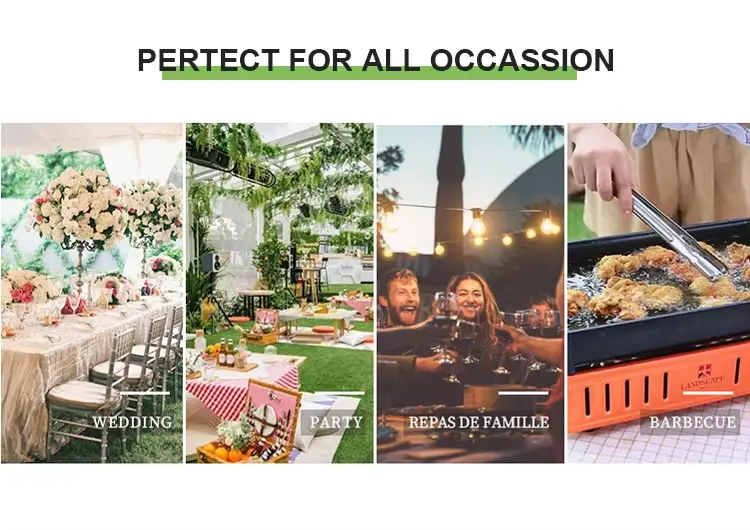
The choice of material should be tailored to the specific food and service environment:
1) Wood: Wood is common in fast food cutlery, coffee stirrers, and dessert utensils.Best suited for dry, simple applications like coffee service (stirring sticks), light desserts, or sampling. Its low cost makes it ideal for high-volume, basic needs in fast-casual settings or large events.
2) Paper: Dominates the beverage market and is widely used for dry or semi-dry foods like pastries and fries. Its ability to be easily printed makes it popular for branding and marketing.
3) Bamboo: Due to its premium feel, disposable bamboo fiber plates are popular in eco premium dining, catering events, hotel service, and sustainable branding projects where an elevated, natural aesthetic is desired. Durable, reusable bamboo products are common in household kitchens and environmentally conscious offices.
4) Sugarcane Bagasse: The material of choice for heavy-duty takeout, meal delivery, airline catering, and central kitchens. Its rigidity and excellent resistance to liquids and heat ensure that hot, saucy, or greasy foods maintain their temperature and do not cause the container to collapse during transport.
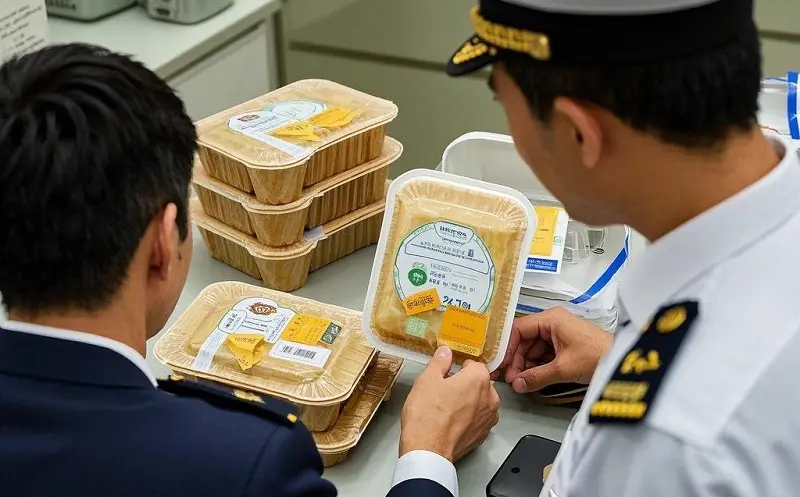
The most significant regulatory hurdle for sustainable tableware is proving its end-of-life viability.
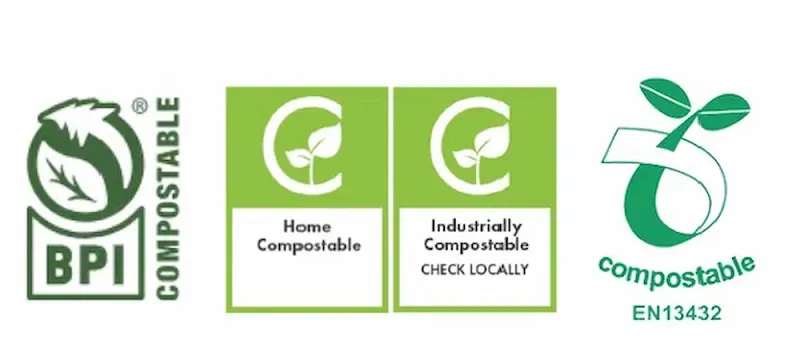
Compostability Certification: This is the gold standard for bagasse, compostable paper, and bamboo disposables. Certification bodies like the BPI (Biodegradable Products Institute) in North America and TÜV Austria (OK Compost) in Europe certify compliance with key international standards (ASTM D6400 and EN 13432). This certification is critical for businesses operating in areas with mandatory commercial composting programs.
Single-Use Plastic Bans: These legislative actions, such as the EU Directive and various state/city bans, are the primary market drivers, making wood and bagasse a necessity for compliance in many regions. California recently enacted stricter restrictions on plastic bags, which will take effect on January 1, 2026.
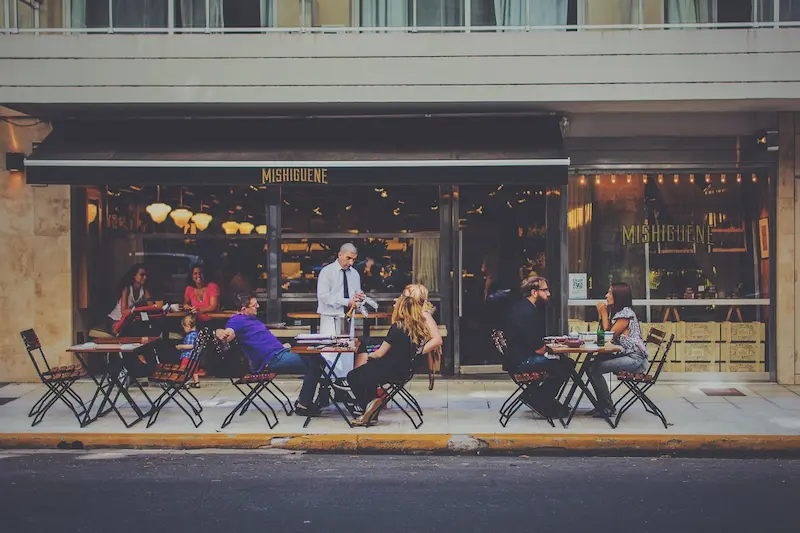
Selecting the ideal eco-friendly material requires balancing the product's intended use, the company's sustainability goals, regional regulations, and budget. The key consideration factors are:
The primary factor is what the tableware will hold.
For hot, wet, or greasy foods (e.g., soup, curry, large takeout meals), Sugarcane Bagasse is strongly recommended due to its superior rigidity, heat stability, and natural resistance to liquids and oils.
For dry or semi-dry foods (e.g., sandwiches, pastries), or basic stirring needs, Wood and Paper are adequate and often more cost-effective.
If utilizing an industrial waste stream is the priority, Sugarcane Bagasse is the leading choice as it uses a byproduct of the sugar industry.
If rapid resource renewal and durability are key, Bamboo (especially reusable products) is an excellent option.
If responsible forestry is the main focus, look for Wood and Paper products certified by the Forest Stewardship Council (FSC).
Confirm the local waste infrastructure. If the region has reliable commercial composting facilities, select materials with BPI or TÜV Austria (EN 13432) certification (most commonly bagasse and PLA-coated paper/bamboo fiber).
Ensure compliance with local Single-Use Plastic Bans, which often necessitate the use of wood cutlery or fiber containers (bagasse).
For the lowest cost single-use items, Wood cutlery and basic Paper products are typically the most economical.
For a premium look and feel, Sugarcane Bagasse offers excellent value, providing high performance and a substantial, clean aesthetic, while Bamboo provides a unique, natural grain texture.
For takeaway and hot food, sugarcane bagasse is the most balanced option. For beverages, paper remains the most practical solution. For premium branding and hospitality, bamboo and wood deliver stronger visual appeal.
Bamboo, wood, paper, and sugarcane bagasse each provide unique advantages in eco-friendly tableware applications. Sugarcane bagasse stands out for its sustainability, heat resistance, and suitability for food delivery. Paper remains essential for beverages and lightweight packaging. Wood offers cost-effective disposable cutlery, while bamboo supports premium eco-branding. There is no single best material for all uses. The optimal choice depends on application, performance requirements, cost, and environmental goals.
Ancheng specializes in sugarcane bagasse, bamboo, wood, and paper tableware, offering integrated design, production, and quality control services for global food service brands.
Our product range encompasses disposable cutlery, plates, various takeout containers, and bamboo skewers, meeting the comprehensive dining needs of the food service industry. Multiple international certifications ensure our products comply with global regulatory standards.
Our capabilities include customized product development, OEM and ODM support, certified food contact safe materials, and scalable production for large volume orders. Whether you are building a new product line, upgrading to more sustainable packaging, or seeking to streamline procurement, our team provides technical guidance and responsive service from concept to delivery.
Connect with our specialists to discuss your project needs.

Hello, I'm Sven Wang, the Manager of Ancheng. With extensive expertise in raw materials and production processes, I'm dedicated to advancing sustainable tableware and constantly improving eco-friendly options for the modern catering industry. You can trust that Ancheng is committed to providing the highest quality. Welcome!

Factory: Qian Renqiao Industrial Park, Shucheng County, Luan City, Anhui Province, China
Office: Building 11, Max Science Park, Shushan Dist, Hefei, Anhui, China
Copyright ©2026 Anhui Ancheng Bamboo and Wood Tableware Co., Ltd. Privacy Policy


 Index
Index Product
 Resources
 About
About