Did you know that packaging is the primary source of 40% of the plastic waste in the world? On the one hand, this is shocking, but it is also jolting proof that we urgently need to adopt sustainable packaging solutions if we are to mitigate the negative effects of plastic waste.
Herein lies the magic and importance of bamboo. It is biodegradable, making it safe for the environment, and sustainable as it grows remarkably fast and in abundance. Moreover, bamboo material is highly versatile and can be processed to produce different types of quality packaging.
In today’s blog, we discuss all things bamboo packaging, including its sustainability, how it is made, why it is a worthy choice for the future of packaging, and much more. Read on.
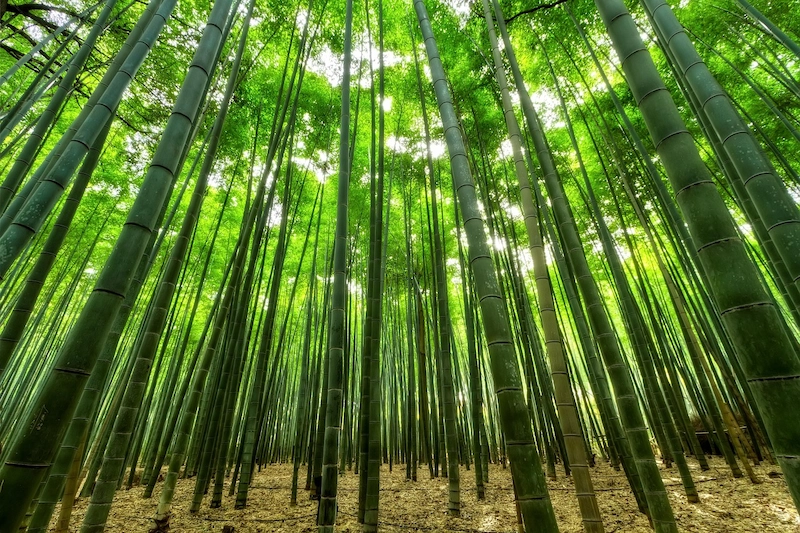
Bamboo packaging refers to containers and product wrapping materials made primarily from bamboo fibers or pulp. The bamboo fibers and pulp are sourced from bamboo plants, which are scientifically classified as a type of grass, not trees, as many often assume.
Notably, just like most grass species, bamboo grows quickly and matures in just 3 to 5 years. It is, therefore, a highly renewable and sustainable resource, compared to alternatives such as hardwood trees, which can take 30 or more years to mature.
In terms of variety, bamboo can be processed into:
1. Rigid containers
2. Flexible films
3. Pulp-based boxes
4. Molded fiber products
Each of these products is inherently biodegradable, but also resilient enough to package products safely and presentably. They, additionally, take on labels and other decorative effects quite well, without fading, ink bleeding, or any other flaws.
A sustainable packaging material has to be more than just biodegradable. Its production process should also be sustainable both environmentally and cost-wise. So, let’s explore how bamboo packaging is made and see whether it passes these tests, shall we?
The harvesting process entails the cutting of mature bamboo stalks that are about 3 to 5 years old. Farmers cut them above ground level, leaving the root system intact to allow for the regeneration of new shoots.
As a result, the same bamboo grove produces harvestable material every single year without replanting, irrigation, or pesticides. This is a key advantage of using bamboo compared to tree-based paper, which requires decades between harvests and intensive agricultural inputs.
1) Mechanical Processing: For solid bamboo products, like lunch box packaging, bowls, and containers, bamboo is mechanically shaped using cutting, pressing, and molding techniques. It may also be steamed to make it pliable, then formed into the desired shapes.
2) Pulping Technology: The pulping approach is ideal for manufacturing biodegradable packaging solutions, such as boxes and molded containers. It works well because bamboo breaks down into fibers more easily than wood, and the fibers require fewer chemicals and less energy to be processed into paper, film, or carton material. This efficiency makes large-scale bamboo packaging production economically viable.
3) Fiber Extraction: In this processing method, bamboo fibers are extracted and woven, pressed, or combined with natural binding agents to produce flexible packaging materials.
Bamboo packaging may undergo treatments to enhance its properties, including heat treatment for increased water resistance, natural coatings for moisture barriers, or compression to increase density and strength. Most eco-friendly packaging manufacturers avoid chemical treatments that could compromise biodegradability or food safety.
Bamboo packaging has both strengths and limitations. It is important for manufacturers to understand them and make informed packaging decisions for various products and plan their packaging process accordingly.
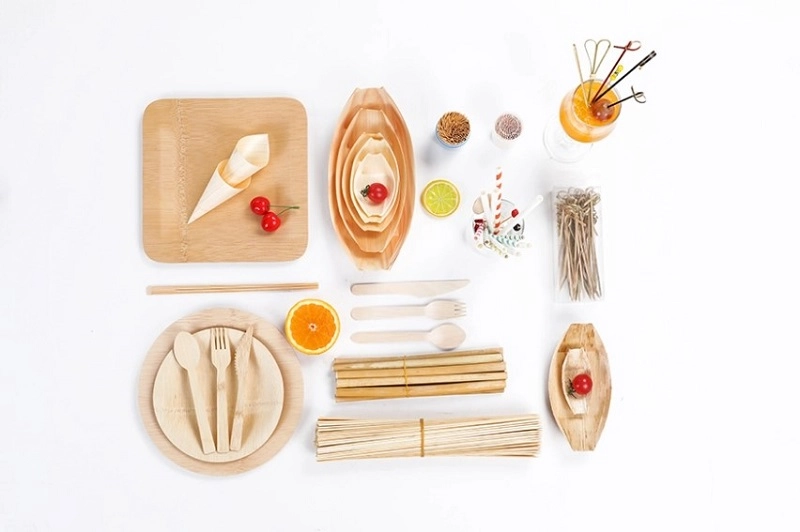
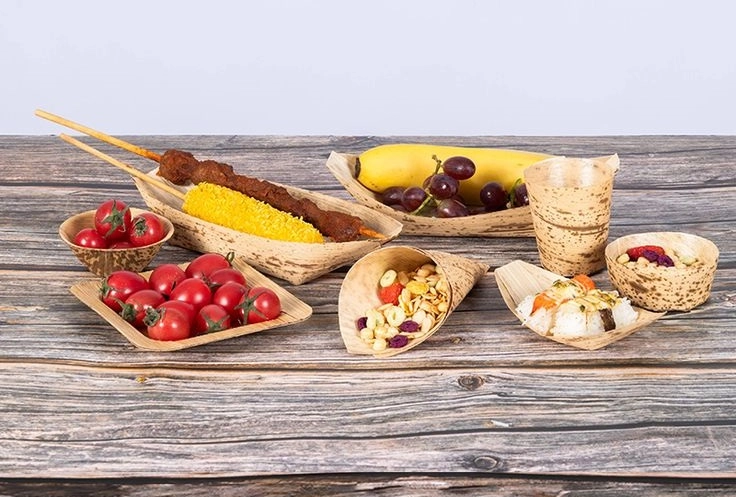
Bamboo's versatility makes it suitable for a remarkable range of food packaging and serving applications.
Safety is a key consideration when selecting packaging solutions. There are, however, multiple safety aspects. We explore each of them below and examine how bamboo measures up to them.
Is bamboo food safe? Yes, bamboo packaging, which is free from toxic chemicals and manufactured to FDA and EFSA standards, is food-safe. It has no properties or naturally occurring substances that leach into food, nor does it react with products. Manufacturers that adhere to these standards should be able to provide the necessary certifications to prove the quality of their packaging.
Bamboo's inherent antimicrobial properties actually enhance food safety. The natural "bamboo kun" substance helps inhibit bacterial growth on the packaging surface, potentially extending the freshness of the food. This makes bamboo particularly suitable for organic food packaging, where avoiding chemical preservatives is a priority.
Quality bamboo products maintain their integrity across normal food service temperature ranges. However, bamboo packaging is not recommended for direct flame exposure, prolonged heating above 300°F (150°C), or microwave use unless specifically designed for it. Bamboo is stable when exposed to normal food acids, oils, and other common food components.
The safety of bamboo products depends significantly on manufacturing standards. Therefore, when sourcing for bamboo packaging or products, look for:
1) Certifications from recognized food safety authorities
2) Clear documentation of materials and processing methods
3) Bamboo products from established food packaging manufacturers with quality control systems.
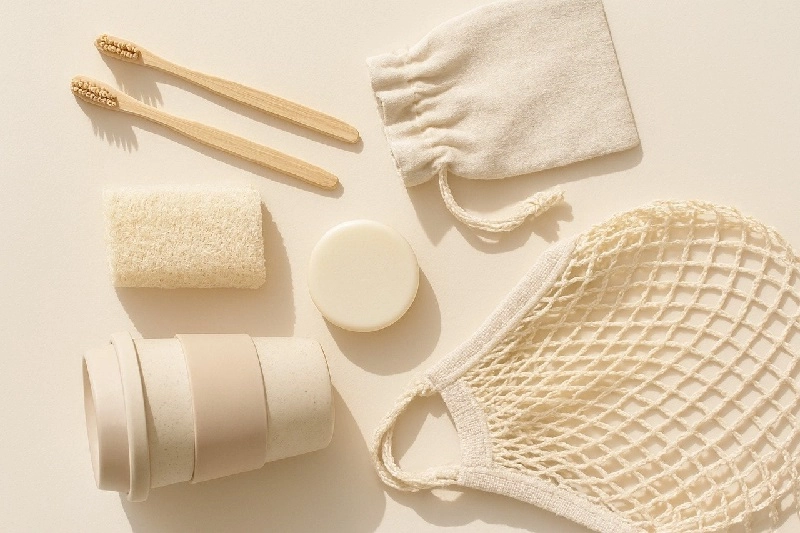
Beyond food packaging, bamboo's remarkable properties have made it a popular material choice for a variety of applications, including:
Bamboo pulp is used to create strong shipping and transport packaging for fragile items. It offers ample cushioning, similar to that of styrofoam, without the adverse environmental impact. Premium bamboo boxes and bags make for elegant gift packaging. Beauty brands are also increasingly adopting bamboo packaging for cosmetic containers and applicators.
Other examples of top bamboo products beyond packaging include:
1. Textiles for clothing and linens,
2. Personal care items like toothbrushes and razors
3. Home goods, such as furniture and cutting boards
4. Paper products, e.g., toilet paper, writing paper, and construction materials like scaffolding and fencing
Upgrading to eco-friendly packaging materials is undoubtedly beneficial. However, while it is quite straightforward, it takes both strategic and financial planning. Here are some ideas to guide you as you make the leap.
Start by evaluating your existing packaging, i.e:
1) The types of packaging you currently use
2) Performance requirements, such as moisture resistance, insulation, and strength
3) Volume/size requirements
4) Your budget range
Rather than overhauling everything at once, start with items that have the most significant environmental or marketing impact. They may include:
1) Highest volume items
2) Customer-facing packaging that showcases sustainability commitment
3) Products where bamboo offers clear performance advantages,
4) Items where the cost difference is minimal
Look for certified bamboo packaging manufacturers that offer quality products and have a transparent and reliable supply chain. Other benefits like customization capabilities, innovation, and a genuine commitment to eco-friendly packaging are equally vital.
Your bamboo transition can be a competitive advantage if you communicate it effectively. Inform customers about it through signage, social media, labels on packaging itself, and website updates. Many of them will likely appreciate the environmental leadership and may accept slight price increases when they understand the positive impact of your transition.
After implementation, gather customer feedback, monitor product performance, track costs, identify operational challenges, and make adjustments where necessary. Remember, the transition to sustainable packaging is a process. In fact, most businesses refine their approach over several months.
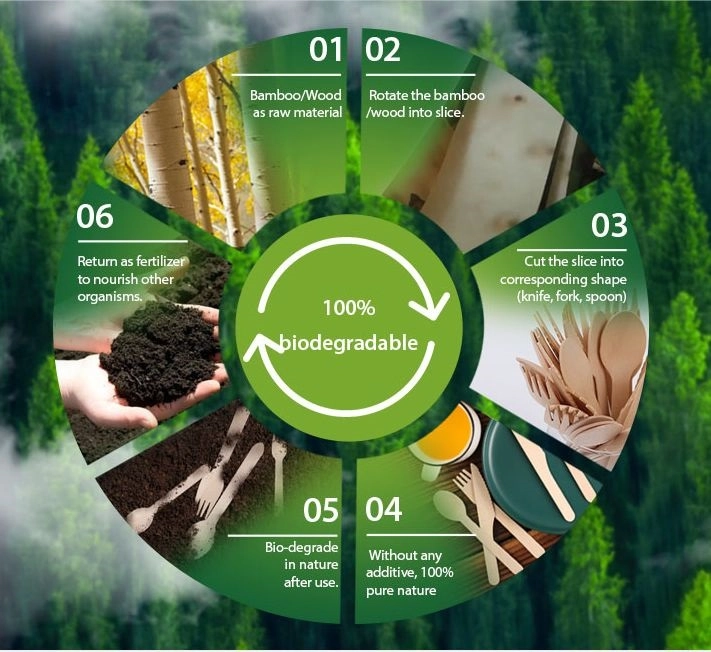
Bamboo's environmental benefits can only be a reality if bamboo products and packaging are disposed of properly. Here is how:
Is bamboo compostable? Yes, bamboo is fully compostable and breaks down into nutrient-rich soil amendment.
How long does it take for bamboo to decompose? In commercial composting facilities with optimized conditions (i.e, 140-160°F temperatures, controlled moisture, active microbial communities), bamboo packaging breaks down in 4 to 6 months. In backyard compost bins with lower temperatures, bamboo may take 1 to 2 years to decompose fully.
To accelerate composting:
1) Break larger items into smaller pieces
2) Maintain proper moisture and aeration
3) Mix bamboo with nitrogen-rich materials like food scraps
4) Ensure adequate compost temperatures.
Is bamboo recyclable? This depends on the product type. Pulp-based bamboo fiber packaging, similar to cardboard, is often recyclable through paper recycling streams.
In contrast, solid bamboo products, such as plates and utensils, are typically not accepted in standard recycling programs and are better suited for composting.
Further, if bamboo has non-biodegradable coatings or is combined with other materials, it may not be recyclable or compostable.
Many bamboo products are durable enough for multiple uses; washing and reusing extends their life and maximizes environmental benefit. Additionally, bamboo packaging can be repurposed for crafts, gardening projects, or organizational purposes before they are finally disposed of.
Businesses can also play a role in this by:
1) Providing clear disposal guidelines: label products with composting symbols and instructions
2) Partnering with local composting facilities, if possible
3) Educating customers about biodegradable packaging materials and their benefits
Q: Can bamboo packaging handle the same applications as plastic?
Bamboo already matches the performance of plastic in most food packaging applications and exceeds it in some (antimicrobial properties, temperature tolerance, premium aesthetics). It only lags in a few areas, such as complete transparency and hermetic sealing, but these are challenges that innovation is already beginning to resolve.
Q: Can bamboo packaging handle greasy or oily foods?
Yes, bamboo's natural density and optional food-safe coatings make it suitable for greasy foods. Bamboo fiber containers resist grease penetration better than standard paper products. For a higher grade of protection, you can also opt for bamboo packaging with natural, biodegradable coatings that maintain compostability while enhancing its resistance against moisture and oil.
Q: Is bamboo packaging more expensive than traditional options?
Currently, bamboo packaging typically costs more than conventional plastic or paper alternatives, though prices vary by product type and order volume. However, the cost gap is narrowing as production scales increase. It is also worth noting that most businesses find customers willing to accept modest price increases for sustainable packaging.
Bamboo packaging represents one of the most promising solutions in the shift toward sustainable food packaging. Its rapid renewability, biodegradability, and versatile applications make it an ideal alternative to plastic and traditional paper products for many uses.
So, the question is no longer whether bamboo will transform the packaging industry, but rather whether your business will lead the transformation or have to catch up after others have done so.
However, as you make the transition, be sure to choose quality products from reputable suppliers, use them appropriately, and ensure proper disposal through composting when possible.
Ready to transition to sustainable packaging? Ancheng specializes in manufacturing high-quality bamboo food packaging and tableware that meets the highest standards of performance and environmental responsibility.
We offer top-notch manufacturing, backed by international food safety certifications, and our bamboo is sustainably sourced from high quality bamboo forests. Our services are seamless and curated to cater to every need. We provide turnkey customization services to help you showcase your brand and keep our products accessible through competitive factory pricing. Our streamlined lead times and reliable global shipping services also ensure we deliver your orders on time and in pristine condition.
Contact Ancheng today for a personalized consultation and quote. Let's work together to create sustainable food packaging optimized for your business and the environmental gains.

Hello, I'm Sven Wang, the Manager of Ancheng. With extensive expertise in raw materials and production processes, I'm dedicated to advancing sustainable tableware and constantly improving eco-friendly options for the modern catering industry. You can trust that Ancheng is committed to providing the highest quality. Welcome!

Factory: Qian Renqiao Industrial Park, Shucheng County, Luan City, Anhui Province, China
Office: Building 11, Max Science Park, Shushan Dist, Hefei, Anhui, China
Copyright ©2026 Anhui Ancheng Bamboo and Wood Tableware Co., Ltd. Privacy Policy


 Index
Index Product
 Resources
 About
About