Bagasse plates, made from sugarcane fiber, outperform paper plates in sustainability, food safety, durability, and regulatory compliance. Unlike most paper plates, which rely on plastic or chemical coatings to resist oil and moisture, bagasse plates are naturally grease resistant, compostable, and plastic free. They handle hot, wet, oily foods without collapsing and are microwave and freezer safe. While the unit price of bagasse plates is often slightly higher, their lower failure rate, stronger consumer appeal, and reduced regulatory risk result in a lower total cost of ownership for foodservice operators and brands. As governments in Europe and North America tighten restrictions on plastic coatings and PFAS chemicals, bagasse products provide a future proof solution. For most modern foodservice, takeout, and eco conscious brands, bagasse plates are the smarter long term choice.
| Bagasse Plates | Paper Plates | |
|---|---|---|
| Raw material | Sugarcane bagasse, an agricultural byproduct | Wood pulp from trees |
| Plastic content | Naturally plastic free | Usually plastic coated or wax coated |
| Compostability | Compostable and biodegradable | Only uncoated paper is compostable |
| Microwave safety | Yes, stable under -20°C to 120°C heat | Limited, often warps or leaks |
| Oil and grease resistance | Naturally grease resistant | Depends on chemical coating |
| Structural strength | Rigid and sturdy | Depending on thickness, the standard type is softer. |
| Food safety compliance | FDA and LFGB compliant | Compliance depends on coatings |
| Regulatory risk | Low, aligns with new regulations | High due to plastic and PFAS bans |
| Unit price | Slightly higher | Slightly lower |
| Total cost of ownership | Lower due to fewer failures and better brand value | Higher due to waste and compliance risks |
| Best use cases | Takeout, catering, hot meals, eco brands | Dry food, short events, low budget uses |
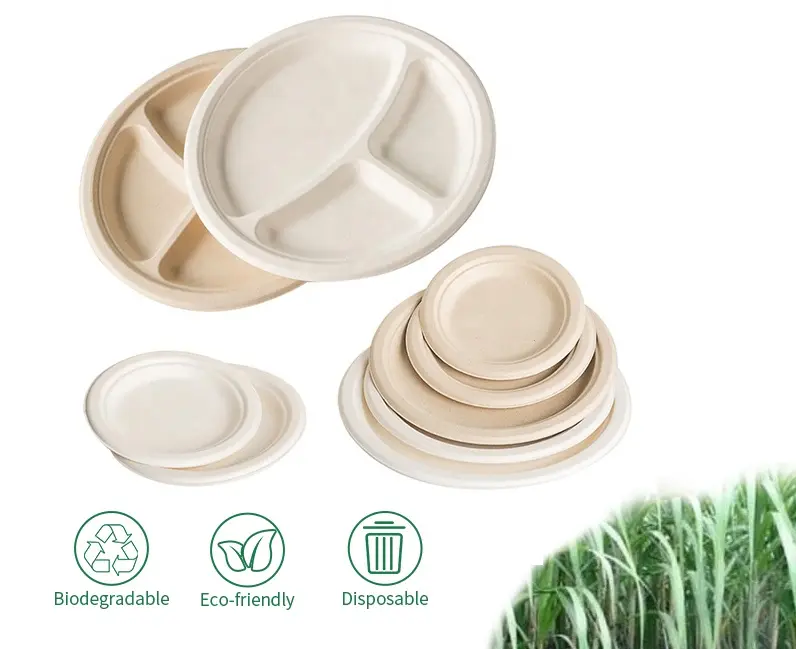
Bagasse plates are made from sugarcane bagasse, which is the fibrous residue left after sugar juice is extracted from sugarcane stalks. Instead of being discarded or burned, this agricultural byproduct is collected and turned into molded fiber tableware.
The production of sugarcane bagasse products involves several steps. First, the raw fiber is cleaned and mechanically processed into a pulp. This pulp is mixed with water and refined to achieve the desired consistency. Unlike paper, which requires heavy chemical bleaching, bagasse undergoes a more natural cleaning process. The wet pulp is then fed into high pressure molding machines. Under intense heat and pressure, the fibers bond together to form the shape of the plate. This process creates a dense, sturdy material without the need for additional chemical binders or plastic liners.
Bagasse is naturally breathable yet resistant to moisture. The resulting products have a distinct, slightly textured feel that communicates a premium organic quality. They are inherently biodegradable and can withstand significant temperature fluctuations without losing their shape.
Looking for compostable bagasse plates?
Eco-friendly alternative for plastic & paper plates
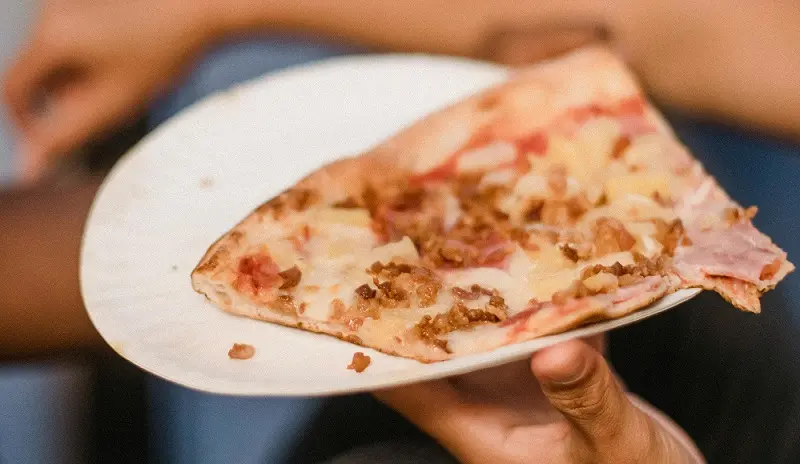
Paper plates are the legacy choice for disposable dinnerware. They have been the industry standard for decades due to their widespread availability and low cost of production. We split paper plates into three distinct categories for clear procurement reference:
1) Uncoated paper plates: Low cost, highly absorbent, only fit dry snacks
2) PE-coated paper plates: Light water resistance, non-compostable due plastic liner
3) PFAS-treated paper plates: Grease-proof but banned in many regions for toxic forever chemicals
Paper plates are typically derived from wood pulp sourced from timber forests.
1) The wood is chemically treated to break down lignin, creating paper sheets.
2) Waterproof coating (PE/PFAS) is laminated onto base paper as needed
3) Die-cut machinery stamps sheets into round or compartment plate shapes
Uncoated paper plates are lightweight and inexpensive but very absorbent. They are prone to soaking through when in contact with liquids. Coated paper plates are more durable but introduce synthetic materials into the product, which complicates the end of life disposal process. While paper is a renewable resource, the heavy reliance on wood pulp contributes to deforestation concerns unless the material is strictly certified by organizations like the FSC.
When a catering business or a restaurant chooses disposable plates, performance is the most critical factor. A plate that fails under the weight of food leads to a poor customer experience and potential safety hazards.
Bagasse plates are significantly more rigid than standard paper plates. Because they are molded under high pressure, they possess a three dimensional strength that resists bending. A single bagasse plate can easily support a heavy steak or a pile of pasta without sagging. In contrast, many users find they need to stack two or three paper plates to achieve the same level of stability, which effectively doubles the cost and waste.
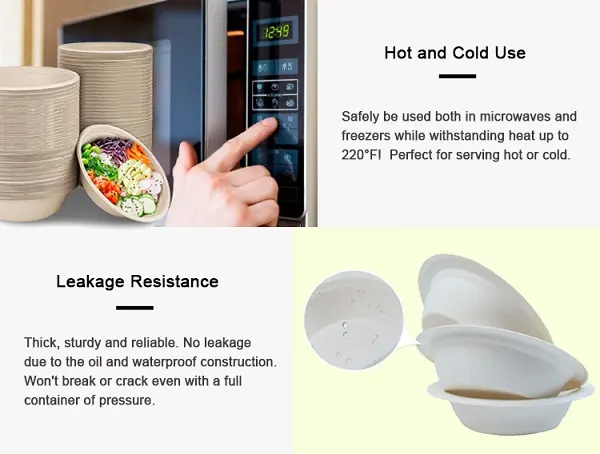
Bagasse is naturally heat-resistant. These microwave safe plates can typically handle temperatures up to 120 degrees Celsius. They do not leach chemicals or lose their shape when placed in a microwave or oven for short periods. Furthermore, they are freezer safe, making them ideal for meal prep businesses. Paper plates, particularly those with plastic coatings, can melt or release toxic fumes when overheated. Uncoated paper can become brittle or even catch fire if used improperly in high heat settings.
This is where sugarcane bagasse products truly shine. The dense fiber structure provides a natural barrier. Even without a plastic liner, bagasse plates can hold hot oil and liquid for extended periods without leaking. Paper plates require a synthetic coating to achieve this. If the coating on a paper plate is compromised, the paper quickly absorbs moisture, leading to a "soggy plate" that falls apart during the meal.
Ready to implement sustainable dining?
Swap plastics for premium wholesale natural tableware
In 2026, sustainability is no longer a niche preference; it is a corporate mandate.
Bagasse has a significantly lower carbon footprint than wood pulp paper. Sugarcane is a rapidly renewable crop, harvested annually, whereas trees take decades to grow. Since bagasse is a byproduct of an existing industry (sugar production), it requires no additional land or water to grow. Utilizing this waste prevents it from being burned, which would otherwise release CO2 into the atmosphere.
Bagasse plates are 100 percent compostable in industrial facilities, often breaking down completely within 60 to 90 days. Most paper plates are technically biodegradable, but the plastic coatings (PE) used on them are not. These coatings break down into microplastics that persist in the environment for centuries. Even PLA (polylactic acid) coated paper plates require very specific industrial conditions to degrade, which are not available in all regions.
Bagasse fits well into a circular economy model. Agricultural waste becomes useful tableware and then returns to the soil as compost. Paper plates with plastic coatings break that cycle.
For buyers seeking eco-friendly plates and sustainable tableware, bagasse products provide a much cleaner environmental story.
The regulatory landscape for food packaging is shifting rapidly. Governments are increasingly targeting "forever chemicals" and hidden plastics.
PFAS (per- and polyfluoroalkyl substances) have historically been used in both paper and bagasse products to enhance grease resistance. However, new health studies have led to strict bans. Modern, leading bagasse manufacturers like Eco Ancheng now offer PFAS-free options that meet the rigorous standards of the FDA and the European LFGB. For brand owners, choosing a certified PFAS-free bagasse plate is a vital step in future proofing their supply chain against upcoming legislation like California Bill AB 1200.
Many regions are now implementing "single use plastic" bans. Many coated paper plates fall under these bans because the thin plastic film is inseparable from the paper fiber. Bagasse plates are inherently plastic-free. By switching to bagasse, catering clients can confidently market their service as 100 percent plastic free, avoiding the risk of fines and negative publicity.
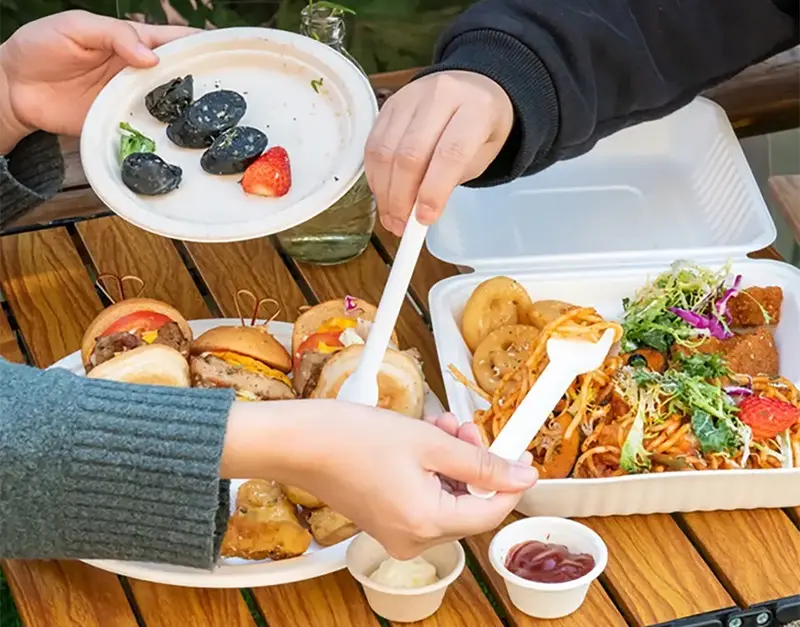
Consumer perception has shifted the value proposition of disposable dinnerware.
Major global players like Starbucks, McDonald’s, and Amazon are aggressively moving away from plastic coated paper in favor of molded fiber solutions. This trend is driven by both regulatory pressure and the desire to meet corporate social responsibility goals. In the European Union, the Single Use Plastics Directive (SUPD) has already made many traditional coated paper products obsolete or subject to heavy taxes.
Market research indicates that consumers perceive "sugarcane plates" or "bamboo plates" as premium, high end, and eco friendly. Traditional "paper plates" are often associated with being cheap, flimsy, and environmentally damaging. For a restaurant or a brand, the aesthetic of a bagasse plate—with its natural white or unbleached tan color and sturdy feel—adds perceived value to the food being served. It signals that the business cares about quality and the planet.
At first glance, paper plates often appear cheaper. However, procurement decisions should consider total cost, not just unit price.
On a per unit basis, a basic paper plate is often 10 percent to 15 percent cheaper than a bagasse plate. However, this does not account for the "double plating" phenomenon. Because paper is weaker, servers often use two plates for heavy meals. This immediately makes the paper option more expensive than a single, sturdy bagasse plate.
1) Policy Risk: As plastic taxes increase, the cost of coated paper plates will rise. Bagasse, being a bio based waste product, often qualifies for tax incentives or exemptions.
2) Brand Reputation: The cost of a "bad review" due to a collapsed plate or a soggy meal is far higher than the few cents saved on the packaging.
3) Waste Management: In regions where composting is mandated, or cheaper than landfilling, compostable bagasse can lower waste disposal fees for large-scale catering operations.
When all costs are considered, bagasse plates often deliver a lower total cost of ownership.

Your business serves hot, oily soups, fried food, pasta or steak takeaway
You operate in regions with strict PFAS and single-use plastic bans (EU, California, Canada)
Your brand builds marketing positioning around eco-friendly, premium dining
You need microwave/freezer-safe packaging for pre-packaged retail meals
You supply hotels, high-end catering, chain food delivery brands
You solely serve dry light snacks such as cake, crackers and bread with zero oil or liquid
You host short-term low-budget pop-up events with no long-term repeat orders
Custom full-color graphic printing is your top priority and heat exposure is minimal
Disposable tableware is only used for temporary craft or light refreshment stations
No. High quality sugarcane bagasse products are processed to be odorless and tasteless. They do not affect the flavor profile of the food.
Yes, they are freezer safe and do not become brittle when frozen, unlike some plastic alternatives.
Not all, but many leading manufacturers now offer PFAS free versions. Always ask your supplier for FDA or LFGB compliance certificates specifically mentioning PFAS content.
Standard MOQ: 50,000 pieces per single size; flexible lower volumes available for long-term cooperative brands.
Custom outer carton printing and inner packaging sleeve branding are fully supported for bulk wholesale orders.
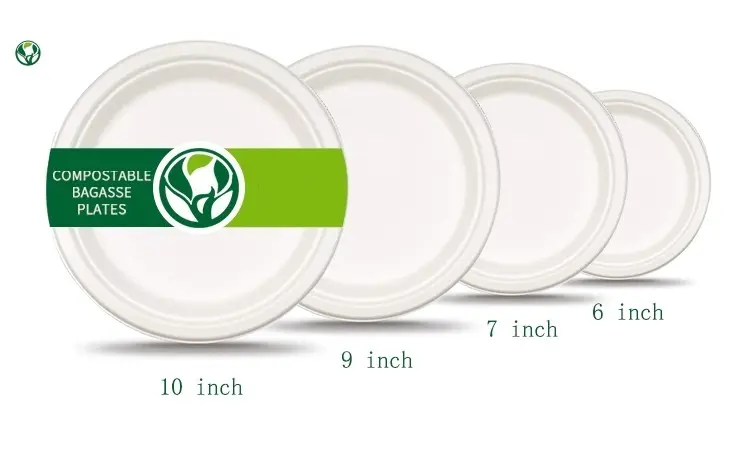
6”,7”,9”,10” round plates and 3-compartment divided trays are in permanent stock; custom sizes for large OEM projects are negotiable.
35–45 working days after deposit and sample confirmation; rush production schedules available upon request.
Choosing between bagasse plates and paper plates depends on your specific operational needs. Bagasse products offer superior strength and environmental benefits for heavy or hot meals. However, paper plates remain a practical and cost effective choice for serving light snacks or dry items in high volume settings. While bagasse is the premium choice for sustainability and performance, paper plates still hold value for budget conscious events. By understanding the unique advantages of both materials, brand owners can make a strategic decision that balances functionality, cost, and ecological responsibility.
Looking to upgrade your disposable tableware with reliable, eco friendly solutions? Ancheng specializes in high quality bagasse plates, sugarcane disposable plates, and other sustainable tableware designed for modern foodservice, retail, and wholesale markets. Whether you need durable microwave safe plates for takeout, certified compostable plates for events, or custom branded packaging for your business, Ancheng delivers consistent quality, competitive pricing, and global compliance support.
1. Full set of international certifications: FDA, LFGB, BPI, FSC, SGS PFAS-free audit reports
2. Mass monthly production capacity to support continuous large-volume bulk shipments
3. Full OEM support: custom packaging, branded cartons, mixed-size container loading
4. Strict full-process quality control to eliminate deformed, leaking products
5. Professional export team to handle customs documents and global logistics
6. Free pre-production samples for quality testing before formal bulk orders
Contact Ancheng today to discover how our compostable products can help your brand reduce environmental impact, meet regulatory requirements, and stand out in a rapidly changing market.
Looking for a Long-term Tableware Partner?
Perfect for Brands, Catering & Wholesalers

Hello, I'm Sven Wang, the Manager of Ancheng. With extensive expertise in raw materials and production processes, I'm dedicated to advancing sustainable tableware and constantly improving eco-friendly options for the modern catering industry. You can trust that Ancheng is committed to providing the highest quality. Welcome!

Factory: Qian Renqiao Industrial Park, Shucheng County, Luan City, Anhui Province, China
Office: Building 11, Max Science Park, Shushan Dist, Hefei, Anhui, China
Copyright ©2026 Anhui Ancheng Bamboo and Wood Tableware Co., Ltd. Privacy Policy


 Index
Index Product
 Resources
 About
About