Kitchenware experts say that wooden cutlery sets are winning over their plastic siblings. You will see more and more companies investing in compostable utensil bulk purchases.
If you are a brand owner, importer, distributor, caterer, or procurement manager looking for a reliable wooden cutlery manufacturer in China, you need a clear, professional ranking based on real export capacity, food safety certifications, quality control, customization, and supply stability.
This guide lists the top 12 disposable wooden cutlery manufacturers in China with professional evaluation standards for international buyers. More importantly, we show you how to screen and select the best factory to avoid risks and ensure a stable bulk supply.
Many different suppliers are cutting into the market of compostable utensils by designing the most hygienic wooden cutlery items. Wooden cutlery means disposable utensils that come from sustainable timber sources like birch or bamboo. You get biodegradable utensils in the form of knives, spoons, forks, stirrers, etc. These pieces undergo precise milling & polishing to offer your consumers splinter-free contact, decomposing naturally after disposal.
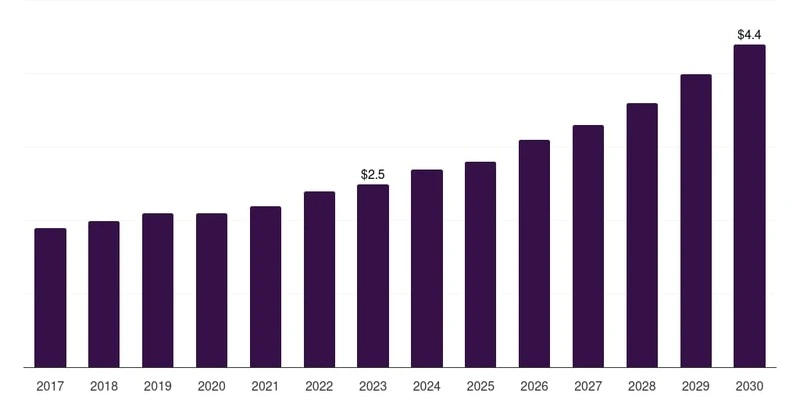
Grand View Research shows that China's biodegradable cutlery market earned 2.5 million USD in 2023. It may be worth $4.4 million by 2030. The Chinese market for eco-friendly utensils has been growing since 2024 at a CAGR of 8.3% (this growth will continue until 2030). China also accounted for 6% of the global biodegradable cutlery market in 2023. So, what does this market mean?
The shift to wooden utensils made in China means that the world is finally addressing plastic pollution concerns. We can see trends like mango wood kitchenware taking domestic dining spaces by storm! Disposable wooden cutlery reduces landfill waste by up to 90%. You can use these wooden items for your catering business or in retail packaging. They also boast a sturdy design that prevents breakage during use and maintains their natural aesthetics.
China remains the premier global hub for manufacturing eco-friendly tableware. Sourcing from this region offers distinct advantages that can significantly boost your profit margins and supply chain stability.
China possesses vast resources of fast-growing timber and bamboo, particularly in the northern and southern provinces. This local abundance ensures a steady supply of birch, poplar, and bamboo needed for high-volume production without relying on expensive imports.
The combination of advanced manufacturing technology and an efficient labor force allows Chinese factories to offer competitive pricing. You can access high-quality products at a lower unit cost compared to other regions. This pricing structure allows distributors and retailers to maintain healthy profit margins.
The industrial ecosystem in China is highly developed. From logging and processing to packaging and logistics, every step of the production line is integrated. This maturity results in consistent quality control and the ability to handle massive orders for global brands.
This table outlines the top wooden cutlery manufacturers in China. We ranked each wooden cutlery manufacturer by production scale, product diversity, export reach, estimated capacity, and certification strength. The table above will tell you where each manufacturer is located & when the company was formed. How many people work there? You will find detailed profiles for each manufacturer below. So, choose your disposable cutlery maker wisely!
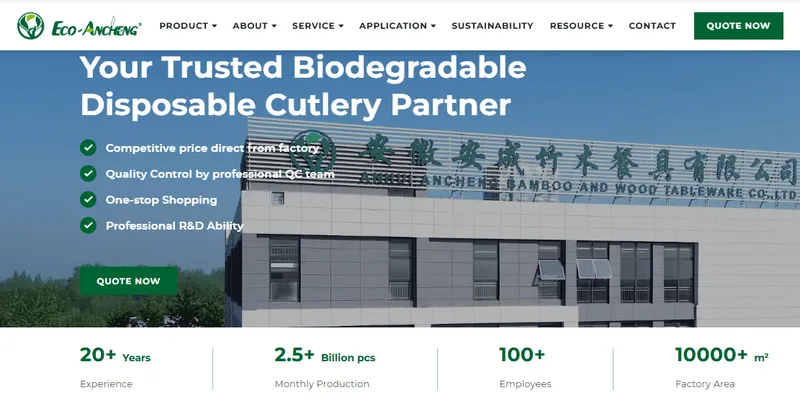
If you are looking for a company that leads the world in wooden cutlery wholesale, go with Ancheng, established at the end of the 20th century in Shucheng, Anhui. They can provide you with disposable wooden cutlery. They have hundreds of employees. Their annual output exceeds 30 million USD. Ancheng is a B2B specialist who designs birch wood spoons, forks, knives, sporks, teaspoons, and complete cutlery sets from FSC-certified sustainable sources.
They use boiling, sterilization, slicing, stamping, drying, polishing, and automated packaging to offer you splinter-free, compostable results. They serve wooden items in 100+ countries.
Website: https://www.anchenggy.com/
Pros
20+ years of expertise
200+ staff for reliable large-volume supply
Full certifications (FSC, BRC, FDA)
Custom branding and shapes
Ready to implement sustainable dining?
Swap plastics for premium wholesale natural tableware
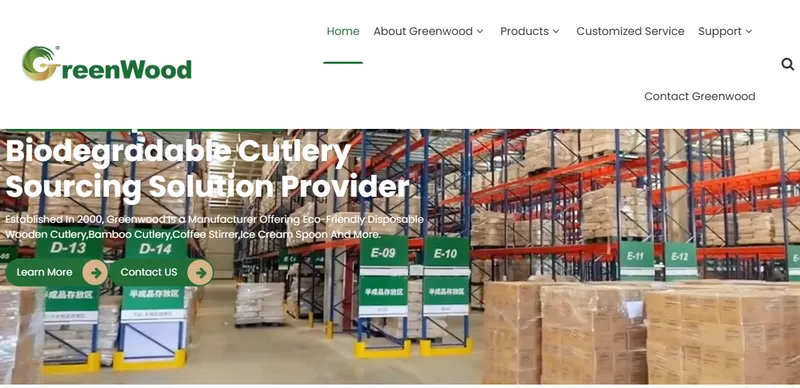
Greenwood (Dalian) is another major player in China’s bulk disposable cutlery market. It has been operating since 2000. Greenwood keeps five production plants across China, Ukraine, Slovakia, and Bangladesh. They make 6 billion pieces annually in more than 10 categories & 116+ styles. Greenwood also has an R&D crew that does all the necessary research work.
This manufacturer creates FSC-certified birch wood forks, spoons, knives, sporks, ice cream spoons (140 to 185mm), coffee stirrers (90 to 190mm), plates, boats, cones, toothpicks, ice cream sticks, fruit forks, BBQ skewers, and straws. You can also get bamboo products.
Pros
Massive 6B pcs/year capacity across global plants for bulk reliability
116 styles (creating FSC/BRC/LFGB-certified products)
Comprehensive customization and diverse wooden/bamboo/paper lines
Cons
Multi-country operations may complicate single-site logistics
A broader focus beyond cutlery could dilute specialization
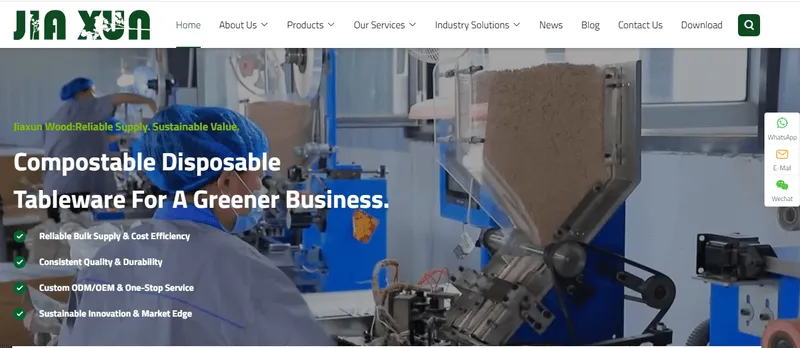
You can also get biodegradable utensils from Jiaxun (BioJX Cutlery). This brand specializes in premium disposable birch wood cutlery. They deliver compostable spoons, forks, knives, & sporks for eco-conscious B2B clients throughout the world. They source their products from 100% natural, chemical-free birch. Their kitchenware will give you smooth edges and a sturdy construction. These products have no splinters or taste transfer.
Pros
Pure birch wood with full certifications for global markets
Strong OEM customization for branding and shapes
Splinter-free, heat-resistant designs for reliable use
Cons
Narrower product range focused mainly on core cutlery
Less emphasis on bamboo or accessory items
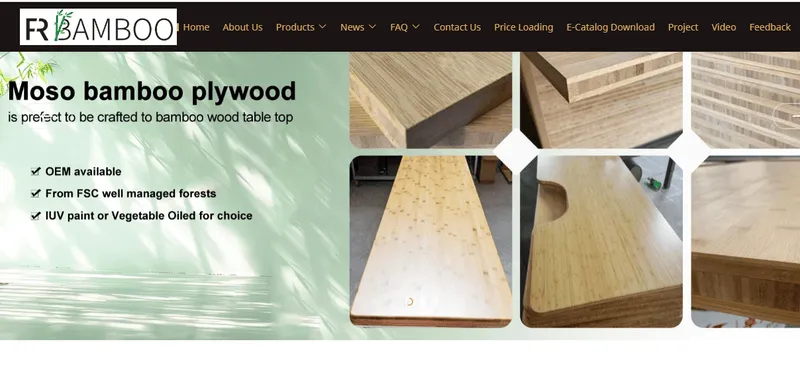
This brand’s name is Forever Rise Bamboo, shortened as FR Bamboo. They deliver natural monso bamboo kitchenware items as durable, eco-friendly alternatives for professional food preparation. They specialize in solid spatulas (single-hole, slotted, leakage style), spoons (3 slots or forks), tea/coffee stirrers, sushi shovels, pan shovels, ice tongs, and much more.
Their compostable cutlery is coated in plant oils for safety & strength. The size of their items ranges from 10cm to 30cm. You can ask for options like carbonized finishes, laser carving, or color-painted handles. So, FR Bamboo will customize cutlery products for your brand.
Pros
100% natural moso bamboo, plant-oiled for food safety and durability
Extensive customization (laser, color, sizes) for branded kitchen lines
Hygienic, lightweight designs with a 2-year lifespan under care
Cons
Primarily reusable kitchen tools over disposable cutlery focus
Higher maintenance needs (avoid prolonged soaking) vs. disposables
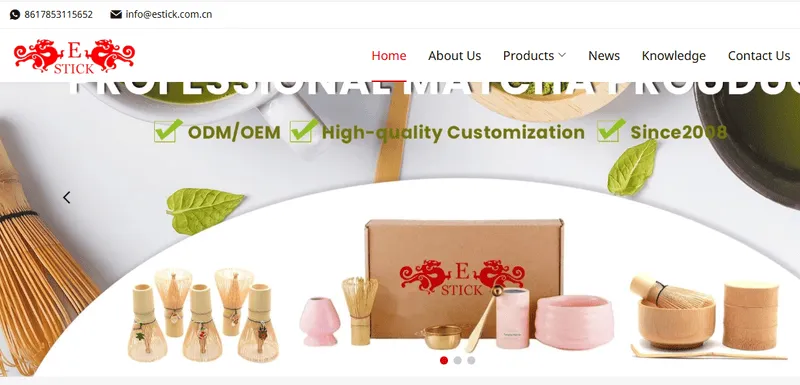
You may also contact Yantai Estick Bamboo for eco-friendly, disposable tableware options. If you want premium bamboo & birch wood products (that are ideal for catering and events), it is better to trust this company. They have been working since 2017, and have 20,000 acres of owned bamboo bases that ensure the supply of high-quality raw materials. You can get all sorts of spoons, forks, knives, chopsticks, skewers, food tongs, and whisks from here.
Pros
Own bamboo forests for a stable, high-quality supply
Diverse tableware, including skewers and tongs
9+ years of Alibaba presence with strong ratings
Cons
Newer entrant (2017) vs. decades-old competitors
A heavier bamboo focus may limit the pure wood variety

Suzhou Quanhua leads the world in sustainable disposable cutlery. This company has a site named “Nature Cutlery.” They have almost two decades of experience & expertise. They are operating a 27,000㎡ facility for global B2B supply. They also specialize in bamboo cutlery, alongside PLA/CPLA lines. They make knives, forks, spoons, sports, and everything else in 6-7 inch sizes for heat-resistant (up to 185°F) food service in plastic-ban markets. Also:
They have 126 employees
They operate 55 injection machines
They give you 22 packaging lines
Pros
19+ years, massive scale (hundreds of millions units/year) for reliability
Broad certifications, including BRC/BPI for strict markets
Bamboo + PLA integration with custom packaging options
Cons
Primary focus on PLA/CPLA may overshadow pure wood specialization
Newer bamboo line vs. established wooden-only competitors
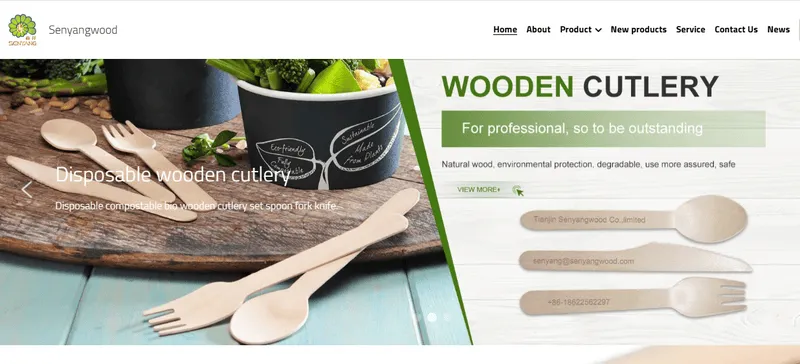
If you need a wooden cutlery set, contact Tianjin Senyangwood. They can provide you with precision-engineered disposable wooden cutlery from their Tianjin facility. They have many decades of expertise in birch wood processing. They can manufacture spoons (70-200mm, slim/wide/round/sharp), forks, knives, sporks (140-200mm, including grip-handle variants), plus sushi boats, pine cones, trays, chopsticks, and cake containers.
Pros
36-year history, BRCS A+/FSC for top certifications
Intelligent no-touch lines ensure hygiene/quality
Diverse sizes/packaging with full traceability
Cons
Broader wood products may spread the cutlery focus
Less global plant network than multi-country rivals
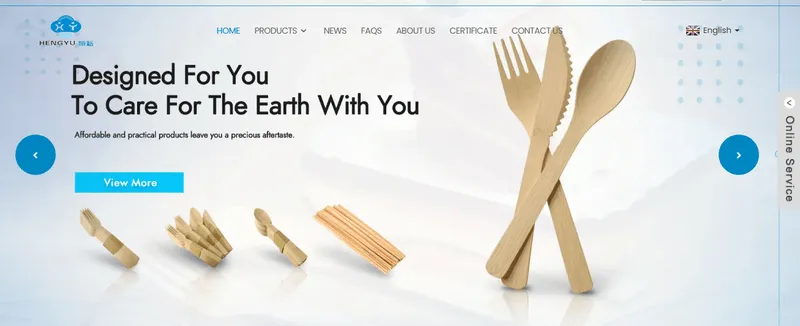
The name of Huaihua Hengyu reigns supreme in the world of compostable utensils. They’re the largest exporter of disposable bamboo tableware in China. They have a 90,000㎡ facility in Huaihua (also a dust-free workshop and 122 million pieces annual capacity). They create knives, forks, spoons, chopsticks, skewers for fast food, aviation, high-speed rail, hotels, and catering. This company trades with 100+ countries around the world.
Pros
Top exporter status, 122M pcs/year for massive scale
BSCI/FSC/LFGB/FDA full certifications
120 workers/equipment for reliable global delivery
Cons
Bamboo-heavy focus limits pure wooden options
Regional Hunan base vs. multi-plant networks
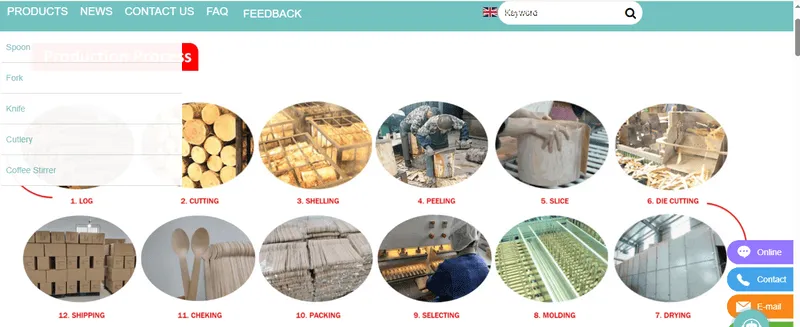
Here comes another bamboo wooden cutlery set manufacturer based in Dalian. This brand specializes in disposable wooden cutlery. They have been working since the turn of the 21st century. They have a 3,000㎡ facility in Dalian’s Jinzhou District, running a website that just reads “wooden cutlery.” They have 10+ production lines that yield 150 million pieces a year. They use birch/poplar logs to manufacture knives, forks, spoons, and sporks.
Pros
20+ years, FSC/BRC/Sedex for premium compliance
High output (150M+ pcs/year) with custom designs
Dalian location aids efficient birch sourcing
Cons
Smaller 3,000㎡ facility vs. mega-factories
Includes medical products, diluting cutlery focus
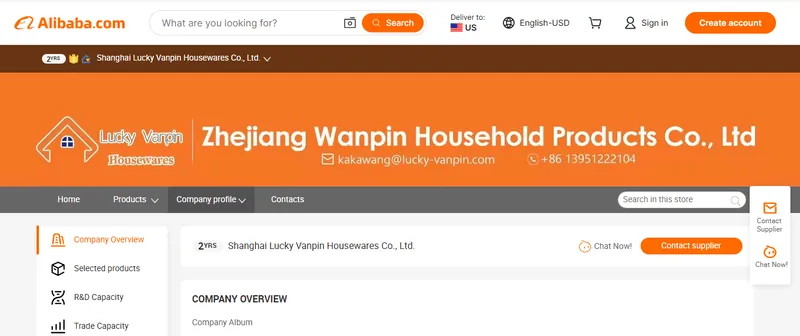
We also have this Shanghai-based company that actually operates as a trading company. They have production bases in Mudanjiang, Zhucheng (Shandong), and Yongtai (Fujian). They supply disposable eco-friendly wooden & bamboo tableware that includes cutlery & coffee sticks, along with toothpicks and sushi boats. This company has an annual revenue of $2.5 to $4 million. They can create customized solutions for your brand.
Pros
Multi-base production for wood/bamboo diversity
Recent entrant with a modern tech focus
Active exporter (354+ shipments recorded)
Cons
Newer company (2+ years) lacks a long-term track record
The trading model vs. direct manufacturing may limit control
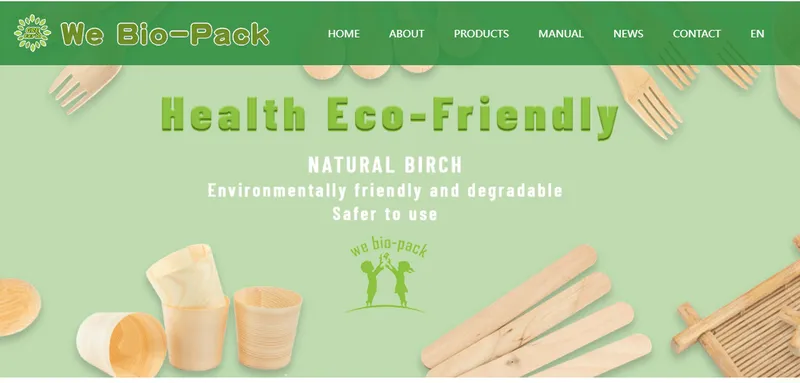
Dongyang Gurui Commodity (We Bio-Pack) focuses on sustainable disposable wooden cutlery. They also make bamboo products, coffee stirrers, paper straws, trays, cups, and plates from their Dongyang base. Natural wood knives, forks, spoons, and sets emphasize eco-healthy single-use for catering, with OEM printing or customization options supporting global B2B sustainability goals.
Pros
Broad eco-portfolio (wood/bamboo/paper) for one-stop supply
Sustainability-driven with printing/OEM flexibility
Cons
Basic website limits detailed specs/certifications
Commodity branding vs. specialized cutlery leaders
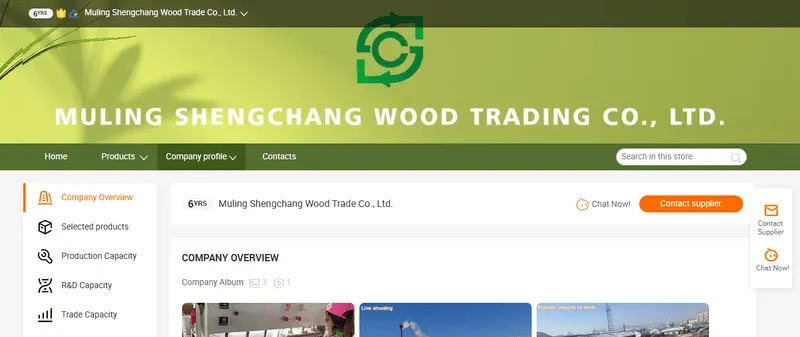
Lastly, we have Muling Shengchang, which creates wooden utensils. This company is fairly young, established in 2020 in Heilongjiang's Muling City. It manufactures disposable wooden cutlery with a 5,000-10,000㎡ unit facility. This facility has 4 production lines. It specializes in all sorts of kitchenware, such as knives, forks, spoons (3 lines, 30 operators), chopsticks (3 lines), coffee stirrers (2 lines), and ice cream sticks (2 lines).
Pros
Dedicated cutlery lines (3 for KFS) with OEM flexibility
Strong export record (151 shipments, $1M+ value)
Multi-product wood expertise (chopsticks/stirrers)
Cons
Smaller scale vs. mega-factories (10,000㎡ max)
The Northern China location may raise logistics costs
For international buyers, selecting the right partner is not just about price. Factors like distance, limited information, difficulty in on-site inspections, and lengthy shipping times can create significant information gaps. To mitigate risks, you should evaluate potential suppliers based on the following criteria.
Geographical distance often leads to communication delays. You need a manufacturer with a dedicated export team that speaks fluent English and responds promptly. Test their responsiveness during the initial inquiry stage. If they take days to reply to a simple email, they might not be reliable during a crisis. Look for Chinese suppliers who use video conferencing tools to bridge the physical gap and provide real-time updates.
Online profiles can be misleading. A professional website does not always guarantee a legitimate factory. You must verify their business licenses and export credentials. Request their registration number and check it against Chinese government databases or use third-party verification services. Ask for their track record and references from other international clients to ensure they have experience in your specific market.
Flying to China for a factory audit is expensive and time-consuming. However, skipping this step is risky. You can solve this by hiring third-party inspection agencies like SGS or Intertek to visit the factory on your behalf. Alternatively, ask the manufacturer for a live virtual tour of their facility. A transparent manufacturer will happily show you their production lines, warehouse, and quality control labs via video call.
Shipping from China to Europe or North America can take weeks. This long lead time requires excellent logistics management. Evaluate whether the manufacturer has established relationships with reliable freight forwarders. They should be able to offer various shipping terms, such as FOB, CIF, or DDP, to suit your needs. An experienced supplier will also help you plan production schedules in advance to avoid stockouts during peak seasons.
Compare the ranking table with your procurement needs. Focus on scale, certifications, and customization. That’s how you can choose the best Chinese wooden cutlery manufacturer in 2026. Each offers you distinct advantages, from Greenwood's global plants to Ancheng's 20 years of B2B expertise. Prioritize partners aligning with your volume, markets, and eco-goals for reliable supply.
Finding a balance between quality, price, and reliability is challenging. Ancheng stands out among the competition by addressing the specific pain points of international procurement professionals.
Ancheng simplifies your supply chain by offering a complete range of eco-friendly tableware. Instead of managing multiple vendors for spoons, plates, and containers, you can source everything from a single reliable partner. We handle design, production, packaging, and logistics. This integrated approach saves you time and reduces administrative costs.
Compliance is non-negotiable in the food packaging industry. Ancheng holds all major international certifications, including FSC, BRC, BSCI, LFGB, and FDA compliance. These certifications prove that our products meet strict safety and environmental standards. You can import and sell our products in Europe, North America, and Australia with total confidence.
With over 20 years of experience, we understand the nuances of wood and bamboo processing. Our expertise ensures that every fork, knife, and spoon is smooth, durable, and free from splinters. We combine traditional craftsmanship with modern technology to deliver consistent quality that protects your brand reputation.
If you'd like to explore Ancheng further, contact us now to request samples and verify our quality.
Looking for a reliable wooden cutlery manufacturer in China?
Swap plastics for premium wholesale natural tableware

Hello, I'm Sven Wang, the Manager of Ancheng. With extensive expertise in raw materials and production processes, I'm dedicated to advancing sustainable tableware and constantly improving eco-friendly options for the modern catering industry. You can trust that Ancheng is committed to providing the highest quality. Welcome!

Factory: Qian Renqiao Industrial Park, Shucheng County, Luan City, Anhui Province, China
Office: Building 11, Max Science Park, Shushan Dist, Hefei, Anhui, China
Copyright ©2026 Anhui Ancheng Bamboo and Wood Tableware Co., Ltd. Privacy Policy


 Index
Index Product
 Resources
 About
About