Finding the right compostable straw supplier involves more than comparing prices. Materials marketed as compostable can differ significantly in beverage performance, disposal requirements, certification, shelf life and local regulatory acceptance.
This article provides an insightful brief on the top 10 compostable straw manufacturers. You'll discover their comparative innovation, quality, and environmental impact in the green packaging industry.
A compostable straw is designed to break down into carbon dioxide, water and biomass under defined composting conditions without leaving unacceptable levels of toxic residue. The main categories include:
Paper straws are made by winding multiple layers of food-contact paper into a tube. Their performance and compostability depend on the paper, adhesive, ink, coating and finished-product construction.
PLA is a plant-derived bioplastic commonly made using sugars obtained from crops such as corn or sugarcane. It can offer a drinking experience similar to conventional plastic but usually requires controlled industrial composting conditions.
PHA is a family of biopolymers produced through microbial processes. Depending on the formulation and finished-product certification, PHA straws may qualify for industrial or home composting.
Natural stem straws are formed from naturally hollow plant sections rather than extruded into a plastic-like tube. Bamboo, wheat and reed straws may offer a more natural appearance and a different drinking experience from paper or bioplastic alternatives.
Sugarcane fiber, coffee grounds, rice, starch and other plant ingredients may be used alone or in composite formulations. Their environmental performance depends on the complete recipe, including binders, coatings and additives.
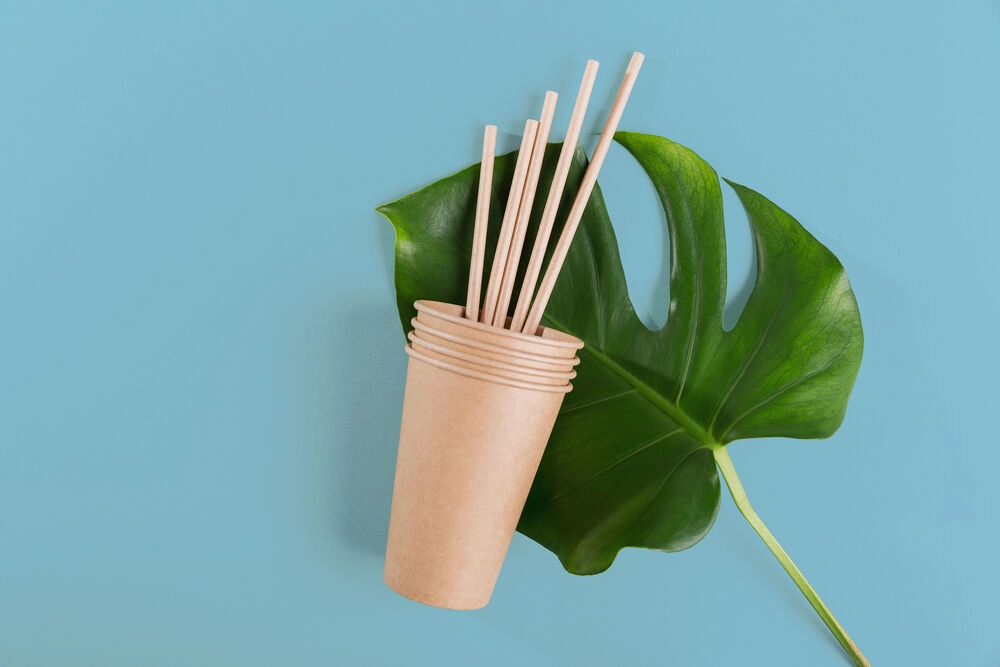
Partnering with the right compostable straw manufacturer ensures product quality, sustainability, and long-term value. Considering several key criteria can help you make the right decision.
Prioritize manufacturers with food-safe compostable straws that meet international standards. The products should meet ASTM D6400, EN 13432, and FDA approval for biodegradability, compostability, and consumer safety.
Reliable production volume and operational scalability are mandatory for meeting bulk orders as well as seasonal demands. Elaborately assess a manufacturer's factory size, automation level, and global distribution capabilities.
Top manufacturers invest in R&D to develop advanced materials like PLA, PHA, and paper blends. The goal is to enhance performance and compostability. Innovation also includes water resistance, shelf life, and design flexibility.
Always evaluate each company's commitment to eco-friendly sourcing, carbon footprint reduction, and circular economy principles. Such measures may include renewable energy use, waste management, and sustainable packaging.
Top-tier manufacturers should offer private labeling, custom sizes, colors, and packaging options. They can support brand differentiation and market-specific needs.
Timely communication, technical support, and transparent pricing should come from the manufacturer by default. A well-capable company should have multilingual teams and responsive service channels.
Thanks to the persistent growth, the number of compostable straw manufacturers is surging globally.
You already know what factors to keep in mind to find your partner. And we've enlisted the 10 best compostable straw makers based on those criteria.
| Company | Main Region | Main Straw Types | Business Role | Best Suited For |
|---|---|---|---|---|
| Eco-Ancheng | China | Paper, bamboo, wheat and reed | Manufacturer and exporter | Private label, natural materials and bulk sourcing |
| Aardvark / Hoffmaster | United States | Paper | Manufacturer and foodservice brand | North American foodservice programs |
| BioPak | Australia | Paper and selected plant-based options | Packaging supplier and brand | Hospitality and foodservice distribution |
| WinCup / phade | United States | PHA | Manufacturer and brand | Buyers seeking certified PHA performance |
| Vegware | United Kingdom | Paper and compostable foodservice products | Packaging brand and supplier | Managed foodservice and composting programs |
| Eco-Products | United States | Paper and PLA | Foodservice packaging supplier | Institutional and high-volume foodservice |
| Huhtamaki | Finland/global | Paper | Global packaging manufacturer | Multinational and large-volume programs |
| Good Start Packaging | United States | Paper and PLA | Compostable foodservice packaging supplier | Small and mid-sized US foodservice buyers |
| Torise Biomaterials | China | Compostable biopolymers and straws | Material and finished-product manufacturer | OEM and material-led sourcing |
| Sulapac | Finland | Bio-based composite material | Material technology company | Premium straw and material applications |
Website: https://www.anchenggy.com/
The leading Chinese manufacturer specializes in eco-friendly disposable tableware. It places a strong emphasis on bamboo and wooden products. Founded in 1998 and headquartered in Hefei, Anhui, Ancheng has 20+ years of experience in sustainable manufacturing. It operates a large factory to enable scalable production and global distribution.
Their compostable straws are made from bamboo, wheat stem, reed, bagasse, and paper as per international standards. It serves clients across North America, Europe, and Asia, with a strong presence in catering, hospitality, and retail sectors.
MOQ of eco straw: 100,000pcs
Advantages
Many biodegradable products.
Strong OEM and customization.
Competitive pricing from the factory.
Certified compostable materials.
Global export experience.
Best suited for:
- Importers and foodservice distributors
- Restaurant and hotel supply programs
- Natural straw product lines
- Retail and private-label packaging
- Buyers sourcing several straw materials from one supplier
Sourcing Compostable Straws for Your Business?
Ancheng can recommend straw options for sampling and quotation.
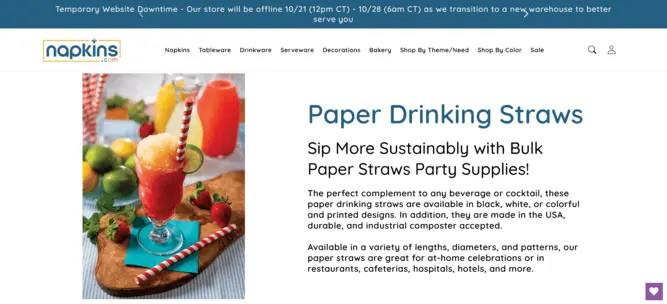
Website: https://www.napkins.com/collections/paper-drinking-straws
Founded in 1888, it's headquartered in Fort Wayne, Indiana, USA. Aardvark Straws is widely recognized as the original inventor of the modern paper straw. With over a century of experience, it has become a trusted name in sustainable straw manufacturing in North America. Aardvark's straws are made from sustainably sourced paper.
They are the only American paper straws using FDA-compliant materials and food-grade adhesives and inks. The products are marine-degradable, BPA-free, and meet the ASTM D6400 and EN 13432 standards for compostability. The company offers many paper straw options, including standard, jumbo, cocktail, and custom-printed straws.
Pros
100% made in the USA with FDA-compliant materials.
Custom printing and branding options.
Strong reputation and long-standing industry presence.
Marine-degradable and compostable certifications.
Cons
Sole focus on paper.
Higher price points.
Applications
Quick-service restaurants and cafés.
Bars and cocktail lounges.
Theme parks and entertainment venues.
Eco-conscious retail packaging.
Corporate and branded events.
Website: https://www.biopak.com/
The Australian company specializes in sustainable foodservice packaging, including compostable straws. Founded in 2006 and headquartered in Sydney, BioPak has become a global brand with branches across New Zealand, the UK, and Singapore. It offers carbon-neutral products and supports circular economy initiatives.
BioPak's compostable straws are made from PLA (polylactic acid) and FSC-certified paper. The straws are designed to be commercially compostable by meeting EN 13432 and ASTM D6400. Available product lineups include straight, flexible, cocktail, and jumbo straws, available in both paper and bioplastic formats.
Benefits
Carbon-neutral certified operations.
Wide range of compostable straw formats.
Strong sustainability partnerships and infrastructure support.
Global distribution and multilingual customer service.
Transparent labeling and educational outreach.
Limitations
Not suitable for home compost.
Premium pricing over generics.
Applications
Restaurants and cafés.
Corporate catering and events.
Retail food packaging.
Airports, stadiums, and public venues.
Eco-conscious hospitality chains.
Location: United States
Website: www.phadeproducts.com
Main straw material: PHA
WinCup supplies phade straws made from PHA, a bio-based polymer designed to provide performance closer to a conventional plastic straw without using conventional petroleum-based plastic.
The phade range is positioned for cold beverages and high-volume foodservice applications where paper straw softness is a concern. Available information includes multiple straw sizes and wrapped options for commercial service.
Selected phade straws are listed as BPI-certified for commercial composting and certified under additional compostability programs.
This combination makes phade relevant to buyers who want a plastic-like drinking experience supported by third-party certification. Buyers must still determine whether the product complies with local single-use plastic rules because some jurisdictions regulate bio-based polymers as plastic.
Best suited for:
- Quick-service restaurants
- National foodservice programs
- Beverage and concession operators
- Buyers seeking certified PHA straws
- Applications requiring longer resistance to softening
Website: https://www.vegware.com/uk-en/
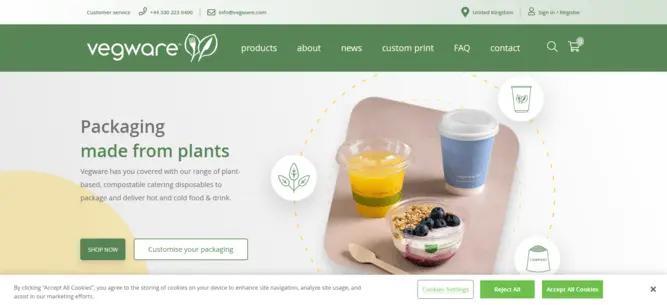
The UK-based pioneer in compostable foodservice packaging was founded in 2006 and is headquartered in Edinburgh, Scotland. Vegware has built a global reputation for producing certified compostable products made from plant-based materials. Their straws are made from PLA (polylactic acid) and CPLA (crystalized PLA).
Vegware's straws are part of a broader portfolio that includes cutlery, cups, containers, and napkins. It holds certifications such as EN 13432 and ASTM D6400, ensuring compliance with international standards. The products are preferably used across education, healthcare, hospitality, and corporate sectors.
Advantages
Certified compostable straws for hot and cold drinks.
Strong sustainability partnerships and waste consultancy.
Clear labeling and consumer education.
Global distribution and multilingual support.
Trusted by institutions and large-scale caterers.
Disadvantages
Industrial composting needs.
Limited customization options.
Applications
Universities and schools.
Hospitals and healthcare facilities.
Corporate catering and events.
Sustainable hospitality and foodservice chains.
Government and nonprofit sustainability programs.
Website: https://ecoproducts.com/
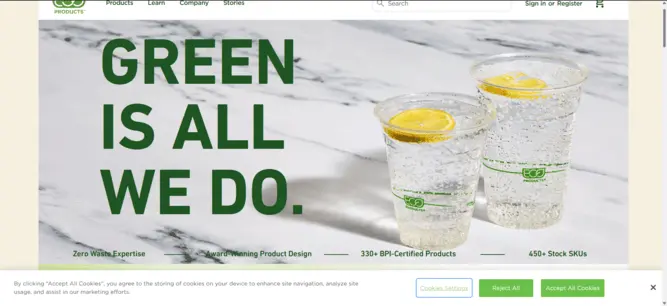
Founded in 1990 and headquartered in Boulder, Colorado, USA, Eco-Products is a leading provider of environmentally responsible foodservice packaging. It has built a strong reputation for compostable, recyclable, and post-consumer recycled products to help reduce the carbon footprint.
The compostable straws are made primarily from PLA (polylactic acid). PLA straws can provide greater resistance to softening than conventional paper straws but generally require commercial composting. Eco-Products offers a variety of straw formats, including wrapped, unwrapped, jumbo, and cocktail sizes, catering to restaurants, cafés, stadiums, and corporate foodservice.
Pros
Wide range of compostable straw formats.
Strong sustainability credentials and third-party certifications.
Educational resources and composting support.
US-based manufacturing and distribution.
Trusted by large-scale foodservice providers.
Cons
Not for backyard composting.
Limited customization options.
Applications
Quick-service and fast-casual restaurants.
Corporate cafeterias and campuses.
Stadiums and entertainment venues.
Sustainable hospitality and catering.
Schools and universities with composting programs.
Website: https://www.huhtamaki.com/
It's a global leader in sustainable packaging solutions, headquartered in Espoo, Finland. Founded in 1920, the company operates in more than 35 countries. Huhtamaki is renowned for its innovation in fiber-based and paper packaging, serving major foodservice brands, retailers, and institutions.
Huhtamaki offers high-quality paper straws designed for durability and environmental safety. Huhtamaki is especially suitable for large buyers that need a broad packaging portfolio, international supply support and established quality-management systems. Smaller buyers or highly specialized private-label projects may find its procurement model less flexible than that of a dedicated OEM straw factory.
Benefits
Global manufacturing and distribution network.
Certified compostable paper straws with strong durability.
Advanced R&D and material innovation.
Trusted by multinational foodservice and retail brands.
Strong sustainability reporting and ESG commitments.
Limitations
Focus on paper-based straws.
Less customization flexibility.
Website: https://www.goodstartpackaging.com/
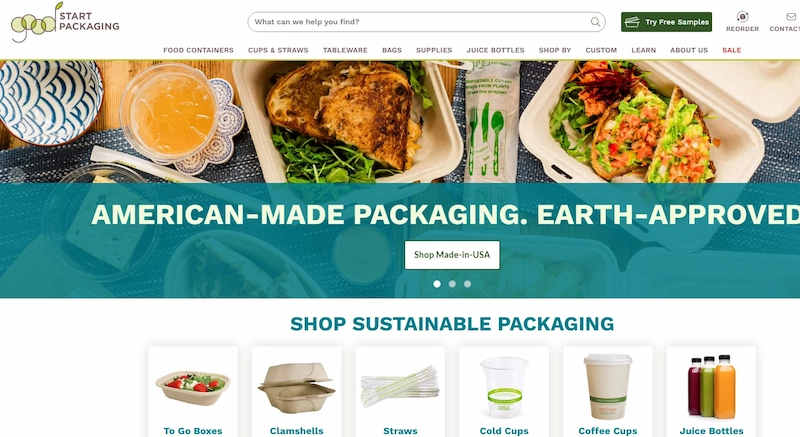
Founded in 2009 and headquartered in Bedford, New Hampshire, USA, it's a mission-driven supplier of compostable foodservice packaging. The company focuses on helping small and medium-sized businesses transition to sustainable packaging solutions. Good Start Packaging offers a curated selection of certified products like straws, cups, containers, and utensils.
Their compostable straws are made from PLA (polylactic acid) and FSC-certified paper. The straws meet ASTM D6400 and EN 13432 standards and are BPI-certified for commercial composting. Good Start Packaging offers wrapped and unwrapped options, along with bulk and branded packaging formats.
Advantages
Tailored support for small and mid-sized businesses.
BPI-certified compostable straws in PLA and paper.
Educational resources and composting guides.
Easy online ordering and fast US shipping.
Custom branding and private label options.
Disadvantages
Limited int’l distribution.
Smaller product catalog.
Applications
Independent cafés and juice bars.
Farm-to-table restaurants.
Sustainable catering and events.
Eco-conscious retail packaging.
Schools and nonprofits promoting zero-waste.
Website: https://www.torisegroup.com/
Toris Biomaterials is an emerging manufacturer based in Zhenjiang City, China. It's focused on delivering affordable and scalable compostable packaging solutions. Founded in 2010, the company has quickly gained recognition for its commitment to replacing single-use plastics with biodegradable alternatives.
The product line includes compostable straws, bags, containers, and cutlery made from PLA (polylactic acid), corn starch, and others. Those compostable straws meet standards such as EN 13432 and ASTM D6400. These straws are free from toxic additives, coming from cost-effective production.
Positives
Affordable compostable straws for emerging markets.
Certified biodegradable materials (PLA, corn starch).
Scalable production and bulk export capabilities.
Private labeling and OEM services.
Rapid growth and expanding global footprint.
Negatives
Limited product diversity.
Less visibility in markets.
Applications
Foodservice and catering in emerging economies.
Retail packaging for eco-conscious brands.
Hospitality and tourism sectors.
Government and NGO sustainability programs.
Website: https://www.sulapac.com/
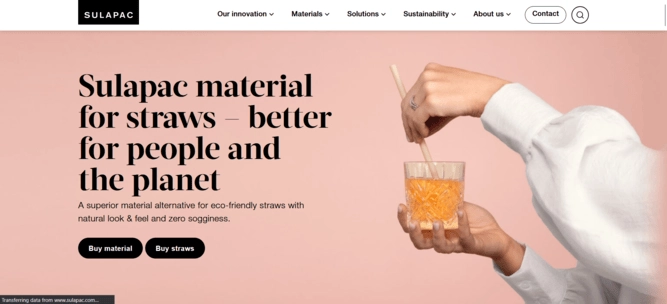
Founded in 2016 and headquartered in Helsinki, Finland, it's a materials innovation company revolutionizing sustainable packaging. Sulapac develops bio-based, microplastic-free materials that combine the functionality of plastic with the biodegradability of natural ingredients.
Sulapac's compostable straws are made from wood chips and natural binders. These straws are durable, non-toxic, and break down without leaving microplastics while serving a premium look. Sulapac's materials meet international standards and are compatible with existing plastic manufacturing infrastructure. This solution is more likely to suit premium, technical or brand-led projects than buyers looking for the lowest-cost standard straw.
Upsides
Patented bio-based material with no microplastic residue.
Premium aesthetics and durability.
Compatible with existing plastic production lines.
Strong brand partnerships and global presence.
Certified compostable and non-toxic.
Downsides
Higher cost due to premium material.
Focus on B2B and luxury segments.
Applications
High-end hospitality and foodservice.
Sustainable retail packaging.
Cosmetics and personal care.
Corporate gifting and branded events.
Eco-conscious product launches.
Ancheng’s MOQ is 100,000 pieces for paper, bamboo, wheat and reed straw orders. Final packaging and customization requirements should be confirmed when requesting a quotation.
Yes. Product samples are available free of charge, while the buyer is responsible for courier or shipping costs.
Yes. Available options may include bulk packaging, foodservice boxes, individual wrapping and private-label retail packaging. Feasibility depends on the selected material, order quantity and design.
Provide the preferred material, length, diameter, quantity, wrapped or unwrapped format, packaging requirements, printing design, destination country and expected delivery schedule.
The transition toward compostable straws is slow but certain. It's movement driven by innovation, responsibility, and commitment to a cleaner planet. Each manufacturer on this list plays a vital role in shaping the future of sustainable foodservice packaging.
Choosing the right supplier means aligning your values with performance, scalability, and environmental impact. The top manufacturers offer more than products; they deliver purpose-driven solutions backed by certifications, customer support, and worldwide reach.
Partnering with the best possible manufacturer should be one of your top business priorities. A suitable choice can significantly alter the way you plan to run your eco-conscious initiatives. At Ancheng, we’re committed to delivering high-quality compostable straws that align with your sustainability goals and brand standards. With extensive experience in manufacturing durable, food-safe, customizable straw solutions, plus global shipping and factory-direct pricing, you can count on us for both performance and reliability.
1. Wide material options: wheat, bamboo, reed, paper — all fully compostable and certified.
2. Custom branding and packaging to match your business identity.
3. Free sampling available so you can test quality before committing.
Therefore, contact us today for insightful suggestions from industry experts on your possible actions.
Find the Right Straw for Your Market
We'll help you choose products and prepare samples for evaluation.
Last Updated: 2026.10

Hello, I'm Sven Wang, the Manager of Ancheng. With extensive expertise in raw materials and production processes, I'm dedicated to advancing sustainable tableware and constantly improving eco-friendly options for the modern catering industry. You can trust that Ancheng is committed to providing the highest quality. Welcome!

Factory: Qian Renqiao Industrial Park, Shucheng County, Luan City, Anhui Province, China
Office: Building 11, Max Science Park, Shushan Dist, Hefei, Anhui, China
Copyright ©2026 Anhui Ancheng Bamboo and Wood Tableware Co., Ltd. Privacy Policy


 Index
 Product
 Resources
 About