In recent years, countries around the world have taken steps to reduce plastic waste due to its environmental impact. The country of Georgia is implementing a significant regulation that will affect businesses, supply chains, and consumers. Starting January 1, 2026, Georgia will ban the production, import, sale, and use of a wide range of single-use plastic items that come into direct contact with food.
This article examines the details of the regulation, explores the impacts on industries, outlines sustainable alternatives, and provides guidance for compliance. It concludes with a practical overview of how Ancheng can support businesses with sustainable solutions that meet the new requirements.
Georgia’s legal framework for banning single-use plastics focuses on plastic items designed for food contact. The regulation is established through amendments to the country’s technical regulation on plastic materials intended to come into contact with food. These amendments were adopted by the Government of Georgia and the Ministry of Environmental Protection and Agriculture.
Beginning January 1, 2026, multiple categories of single-use plastic items will be prohibited in the Georgian market. The ban specifically targets common disposable plastic products including:
1) Plastic forks, knives, spoons, and chopsticks
2) Plastic plates
3) Plastic straws and beverage stirrers
4) Single-use food containers
5) Plastic cups and lids made from expanded polystyrene (EPS)
6) Other similar plastic food contact products used in catering and food service contexts
The aim of the regulation is to reduce the environmental and public health harm associated with plastic waste while transitioning both government and private sectors toward sustainable materials.
The ban is set to take effect on January 1, 2026. This start date applies to production, import, and market placement (sale) of the listed single-use plastic items designed for food contact.
The regulation includes transitional arrangements to support businesses in adapting to the new requirements:
1) Plastic products already on the market before January 1 may remain available for up to 3 months.
2) Public catering establishments may continue to use existing inventories of prohibited items for up to 6 months after the ban’s start date.
3) Other categories of single-use plastic food contact materials already in circulation are allowed to remain for up to 1 year.
The ban does not apply to single-use plastic packaging for pre-packaged foods. Additionally, production of items that would otherwise be prohibited is permitted if they are manufactured for export, provided that the manufacturer notifies the relevant Georgian authorities in writing with production and shipment details.
Georgia’s 2026 plastic ban will have wide-ranging effects on several sectors, particularly those reliant on single-use disposable plastics. The most affected industries include food service, hospitality, catering, delivery services, and packaging producers.
Restaurants, cafes, canteens, street food vendors, and other public catering providers frequently use single-use plastics for convenience and hygiene. Under the new regulation:
1) Businesses can no longer use or distribute plastic cutlery, plates, cups, and food containers made from traditional plastics.
2) Menu items that were packaged or served using banned plastics must be replaced with compliant alternatives.
3) Daily operations, especially for takeaways and food delivery, may require significant logistical adjustments.
These changes directly affect inventory management, procurement planning, and staff training. Many establishments may experience initial cost increases as they switch from low-cost plastics to sustainable materials that are often priced higher.
Suppliers and importers of plastic food contact products will need to diversify their product offerings. Traditional plastic products will no longer be sellable in the Georgian market, requiring suppliers to source or manufacture sustainable alternatives. This shift affects:
1) Procurement contracts and pricing negotiations
2) Inventory forecasting and storage
3) Supplier relationships and quality assurance processes
Many smaller businesses may lack immediate access to alternative materials, creating potential supply disruptions unless strategic planning begins well before the ban takes effect.
Sustainable alternatives such as bamboo, wood, bagasse, paper, and compostable materials often have higher unit costs than conventional plastics. According to local reports, the transition could raise delivery and service costs by 5–10% in certain segments of the food industry.
Higher costs are likely to be passed on to customers, especially in price-sensitive markets. For smaller enterprises, absorbing these costs without affecting profitability will require operational adjustments and possible value optimization strategies.
After the transition period, enforcement of the ban will take place through Georgian authorities. Non-compliant businesses risk fines, penalties, and reputational harm. Compliance complexity increases for businesses that operate in multiple regions, especially those with cross-border supply chains.
To address the challenges posed by the plastic ban, businesses can adopt a range of sustainable alternatives to replace prohibited plastic products. These alternatives deliver similar functionalities while supporting environmental goals.
Biodegradable and compostable products are derived from renewable sources and can break down naturally over time without releasing harmful microplastics. Common materials include wood, bamboo, bagasse (sugarcane fiber), and paper.
Benefits of biodegradable alternatives:
a. Reduced environmental impact
b. Compliance with regulatory requirements in Georgia and other emerging plastic-free markets
c. Enhanced brand reputation among eco-conscious consumers
Below are key alternatives businesses should consider:
1) Wooden and Bamboo Cutlery
Products made from sustainably sourced wood and bamboo offer excellent durability and heat resistance. These materials are biodegradable and compostable, making them compliant with plastic bans.
Bamboo cutlery sets
These alternatives are suitable for sit-down service, catering events, and takeaway operations.
2) Bagasse Food Containers
Bagasse containers are produced from sugarcane fiber, a by-product of sugar manufacturing. These containers are strong, leak-resistant, microwave-safe, and fully compostable — ideal for hot, greasy, and saucy foods.
Examples include:
Bowls and trays
Plates and takeaway boxes
3) Paper and Kraft Packaging
Paper and kraft materials provide lightweight, renewable alternatives for cups, lids, and packaging. These materials are easier to recycle and integrate into existing recycling streams.
Paper bags and wrap
Kraft pouch bags

Business leaders and operational teams need to proactively prepare for the 2026 ban to avoid supply disruptions, unplanned cost increases, and compliance risks. Key steps include:
Identify all single-use plastic products currently in use
Classify items that will be banned under the new regulation
Quantify inventory levels to plan conversion timelines
Consult with existing vendors about their sustainable product offerings
Identify backup suppliers for biodegradable tableware and packaging
Secure pricing and delivery commitments ahead of peak demand
Test different materials (e.g., bamboo, bagasse, paper) for durability and user experience
Pilot alternative products in select locations to gather feedback
Adjust procurement policies to favor sustainable, compliant products
Define quality standards for biodegradable and compostable items
Set internal guidelines for stock rotation and inventory transition
Educate team members on the new materials and proper use
Communicate the transition to customers, highlighting sustainability goals
Keep abreast of updated guidelines from Georgian authorities
Watch global trends in sustainable packaging to remain competitive
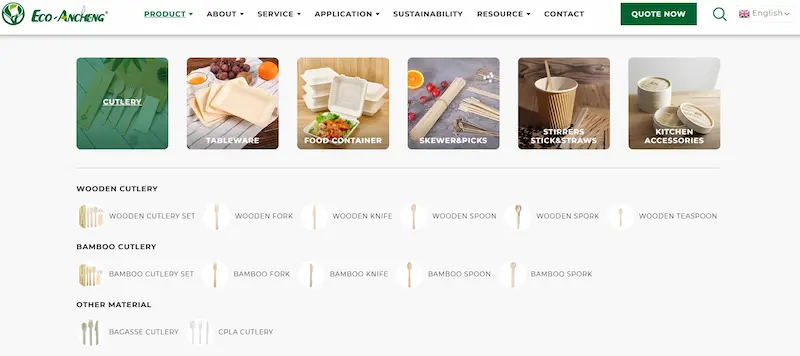
Ancheng is a leading provider of sustainable tableware and packaging solutions designed to help businesses comply with evolving regulations like Georgia’s 2026 plastic ban. With over 20 years of experience, Ancheng offers a wide range of biodegradable, compostable, and FSC/FDA/EU-certified products.
Kraft Paper Pouch Bags – Kraft paper pouch bags are suitable for packaging eco-friendly cutlery and utensils.
Wooden Forks, Knives, and Spoons – Durable, biodegradable cutlery options made from sustainably harvested wood.
Bamboo Cutlery Sets – Lightweight, natural-fiber alternatives ideal for restaurant and takeaway use.
Ancheng’s wooden and bamboo cutlery provides a direct replacement for single-use plastic utensils, ensuring compliance while enhancing brand sustainability.
Carton Box - T Series: Durable, Eco-Friendly Packaging Solut – Eco-friendly carton box solutions for packaged food.
Bagasse Clamshells, Bowls, Plates – Compostable sugarcane fiber containers that meet food service needs without plastic.
Bagasse Cups and Lids – Strong, biodegradable alternatives for drinks and takeaway meals.
These products are suitable for food businesses transitioning away from polystyrene and traditional plastic containers.
Kraft Paper Tape Eco-Friendly Packaging Tape – Adhesive kraft tape for sealing paper packaging.
Paper Cups and Lids – Renewable materials designed for hot and cold beverages.
Paper Bags and Custom Packaging – Custom kraft packaging that aligns with brand identity and sustainability goals.
Paper-based options offer versatile packaging solutions that support eco-friendly operational practices.
Ancheng also provides OEM/ODM customization services that allow businesses to:
Brand sustainable products with custom logos
Design bespoke packaging formats
Create unique product offerings that differentiate brands in competitive markets
Georgia’s 2026 plastic ban represents a significant regulatory shift that will shape the future of single-use products in the food and beverage sector. Businesses must take early action to adapt procurement, operations, and compliance strategies ahead of the ban’s implementation. Investing in sustainable alternatives such as bamboo, wood, bagasse, and paper products can not only ensure compliance but also strengthen brand positioning among increasingly eco-aware consumers.
With comprehensive solutions from Ancheng, companies can access certified, customizable, and scalable sustainable packaging and tableware that replace banned plastic items while supporting long-term operational resilience and environmental responsibility.

Hello, I'm Sven Wang, the Manager of Ancheng. With extensive expertise in raw materials and production processes, I'm dedicated to advancing sustainable tableware and constantly improving eco-friendly options for the modern catering industry. You can trust that Ancheng is committed to providing the highest quality. Welcome!

Factory: Qian Renqiao Industrial Park, Shucheng County, Luan City, Anhui Province, China
Office: Building 11, Max Science Park, Shushan Dist, Hefei, Anhui, China
Copyright ©2026 Anhui Ancheng Bamboo and Wood Tableware Co., Ltd. Privacy Policy


 Index
Index Product
 Resources
 About
About