Dive into our blog on compostable cocktail straws! Uncover their benefits, compatibility with alcohol, and design insights for eco-friendly sipping.
In recent years, the hospitality industry has witnessed a significant shift toward sustainability, with eco-friendly alternatives to single-use plastic becoming increasingly popular. Among these alternatives, compostable straws have emerged as a game-changer for bars and restaurants looking to reduce their environmental footprint while still providing an excellent customer experience. This comprehensive guide explores the world of compostable cocktail straws, their various types, benefits, challenges, and much more.
The market for eco straws has expanded dramatically, offering various sustainable alternatives to traditional plastic straws. Here's an exploration of the most popular compostable straw options available today:
Paper straws were among the first plastic straw alternatives to gain widespread adoption. Made from food-grade paper and adhesives, these biodegradable straws come in various colors, including popular pink straws, and designs to match any bar aesthetic.
Pros:
Fully biodegradable and compostable
Available in various sizes and designs
Relatively affordable compared to other eco-friendly options
BPI certified straw options are available
Cons:
Limited durability (can become soggy in drinks)
Not ideal for thick beverages like smoothies
May alter the taste of beverages slightly
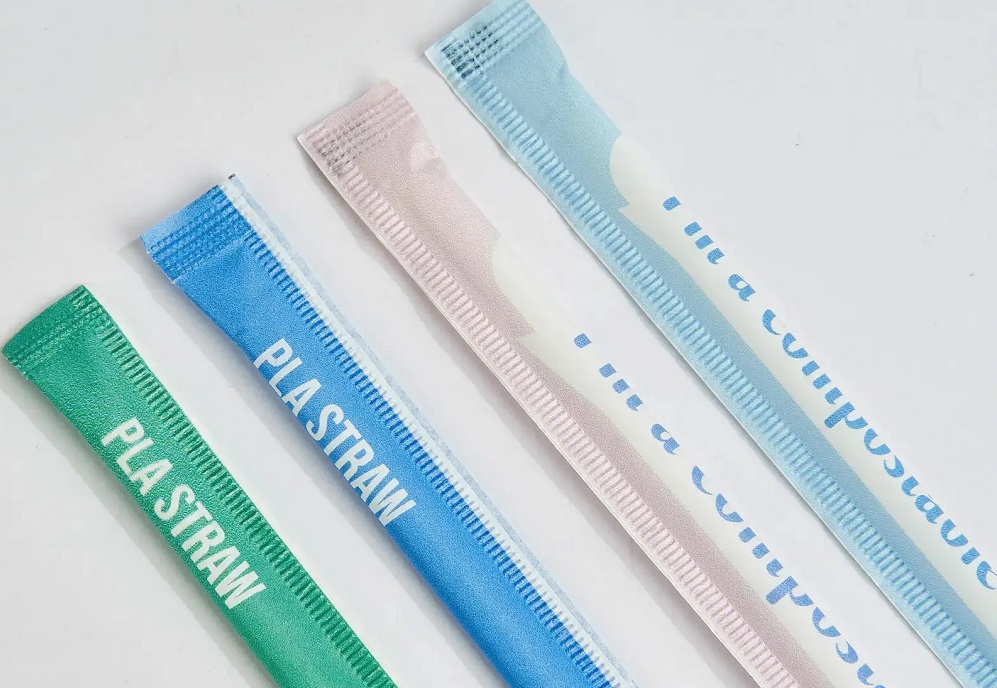
PLA straws are made from plant-based materials, typically corn starch. These biodegradable straws closely resemble plastic in appearance and feel but are fully compostable under industrial composting conditions.
Pros:
Look and feel similar to plastic straws
Good durability for cocktails
Available as flexible straws
Transparent or colored options
Suitable straw diameter for most drinks
Cons:
Require industrial composting facilities
Not suitable for hot beverages (above 40°C)
It can take longer to break down than other options
Made from the fibrous residue of sugarcane after juice extraction, sugarcane straws are sturdy, biodegradable, and compostable. They are often called sugar straws or sugarcane straws and are excellent for thicker drinks like smoothies or cocktails with ice chips due to their durability
Pros:
Naturally strong and durable
Heat-resistant up to 100°C
No taste transfer to drinks
Fully compostable in home composting systems
Excellent for both cocktails and smoothies
Cons:
Limited availability in some regions
Typically only available in natural color
Can be slightly more expensive than paper alternatives
Perhaps you would like to know the difference between bagasse straws and paper straws.
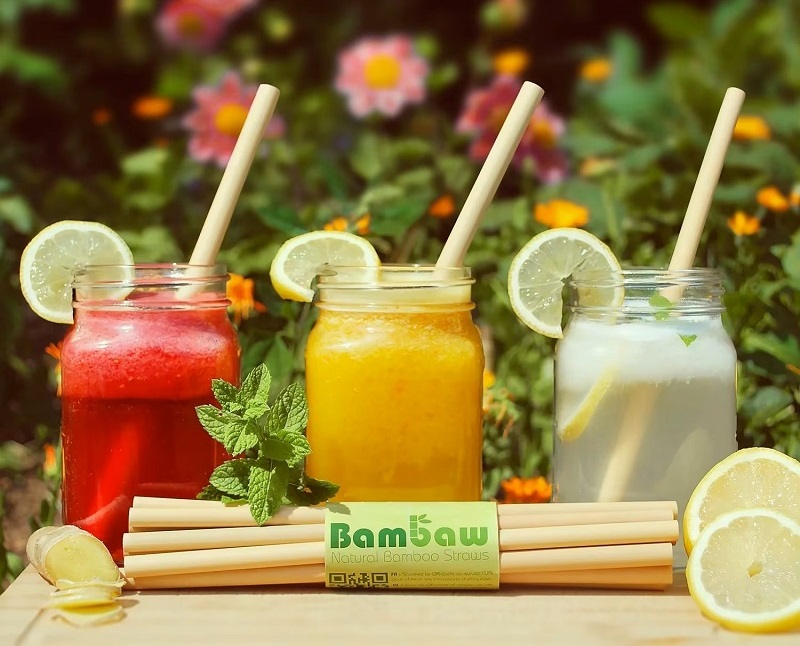
Bamboo is a fast-growing, renewable resource. Bamboo straws are reusable, durable, and naturally compostable. They have a neutral taste that does not interfere with drink flavors, making them ideal as bar straws or tiki straws. Bamboo fiber straws biodegrade quickly but require proper cleaning and drying to avoid mold.
Pros:
Extremely durable and long-lasting
Natural aesthetic that pairs well with tiki drinks
Completely biodegradable
Heat resistant
No taste transfer
Cons:
More expensive than other single-use options
Require cleaning between uses if used as reusable straws
Natural variations in straw sizes
Less flexible than other options
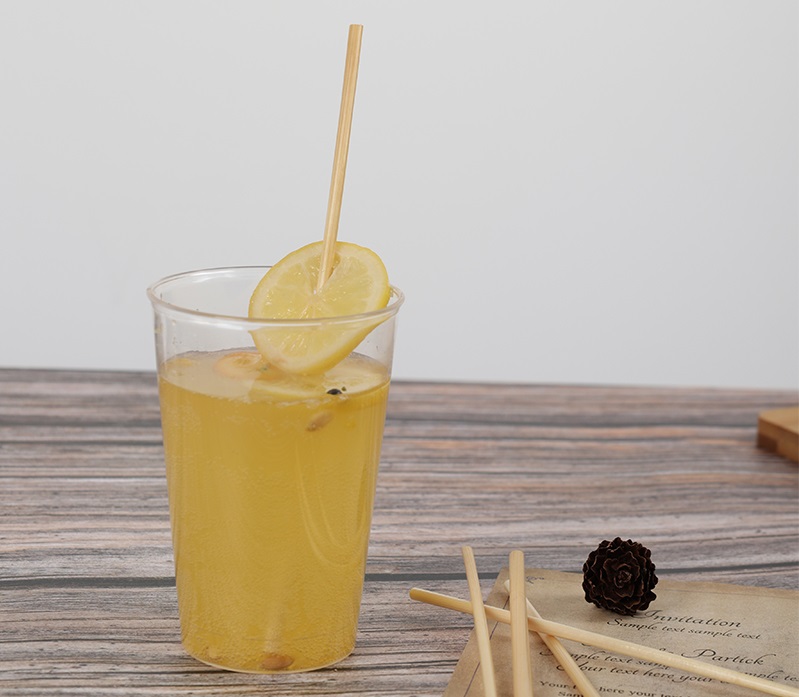
Wheat straws are made from the leftover stalks of harvested wheat plants, repurposing agricultural byproducts that would otherwise be discarded or burned. Wheat straws are sturdy and resistant to becoming soggy, making them suitable for both hot and cold beverages, including water, lemonades, sodas, gin tonics, and cocktails. Their diameter typically ranges from 3 to 6 mm, accommodating a variety of drink types.
Coconut straws are a newer innovation made from repurposed coconut byproducts. These unique disposable straws add a tropical flair to any cocktail.
Pros:
A distinctive look that enhances the drink presentation
Entirely natural material
Fully compostable
Good durability in most beverages
Natural fit for tropical and tiki straws
Cons:
Limited availability
More expensive than most alternatives
Can impart a subtle coconut flavor to drinks
Sugar straws and other edible options are gaining popularity as fun straws for specialty cocktails. Made from sugar, rice flour, or other food-grade materials, these drinking straws can be consumed after use.
Pros:
Zero waste (can be eaten)
Available in various flavors to complement drinks
Novelty factor enhances customer experience
No disposal concerns
Cons:
Limited durability (dissolves in drinks over time)
Higher cost than non-edible alternatives
It may not be suitable for all beverage types
The most obvious benefit of switching to biodegradable straws is the positive environmental impact. Unlike traditional plastic straws that can take up to 200 years to decompose, compostable alternatives break down within months under the right conditions. This significant reduction in environmental persistence helps reduce plastic pollution in oceans and landfills. Reducing people's dependence on petroleum-based products reduces their carbon footprint and supports the principles of a circular economy.
Compostable cocktail straws can elevate the visual presentation of drinks, becoming part of the overall sensory experience. Customizing the straws to match the bar's theme or seasonal promotions can boost brand recall.
Today's eco-conscious consumers actively seek out sustainable options. Offering eco friendly straws can improve customer satisfaction and foster brand loyalty. According to Inc., 73% of millennials are willing to pay more for sustainable products.
Demonstrating a company's commitment to sustainability through practical behaviors, such as using plastic-free products, will continue to increase customer loyalty.
As regulatory pressure mounts against single-use plastics worldwide, forward-thinking businesses gain an advantage by proactively adopting alternatives. This transition period allows for finding optimal sustainable solutions rather than making hasty changes under regulatory pressure. Some establishments have successfully incorporated the marginally higher cost of eco-friendly straws into premium pricing strategies. Additionally, businesses may find unexpected benefits in reduced waste management costs and potential tax incentives available in some jurisdictions for sustainable practices. The competitive differentiation achieved through visible sustainability initiatives can become a significant market advantage in crowded hospitality sectors.
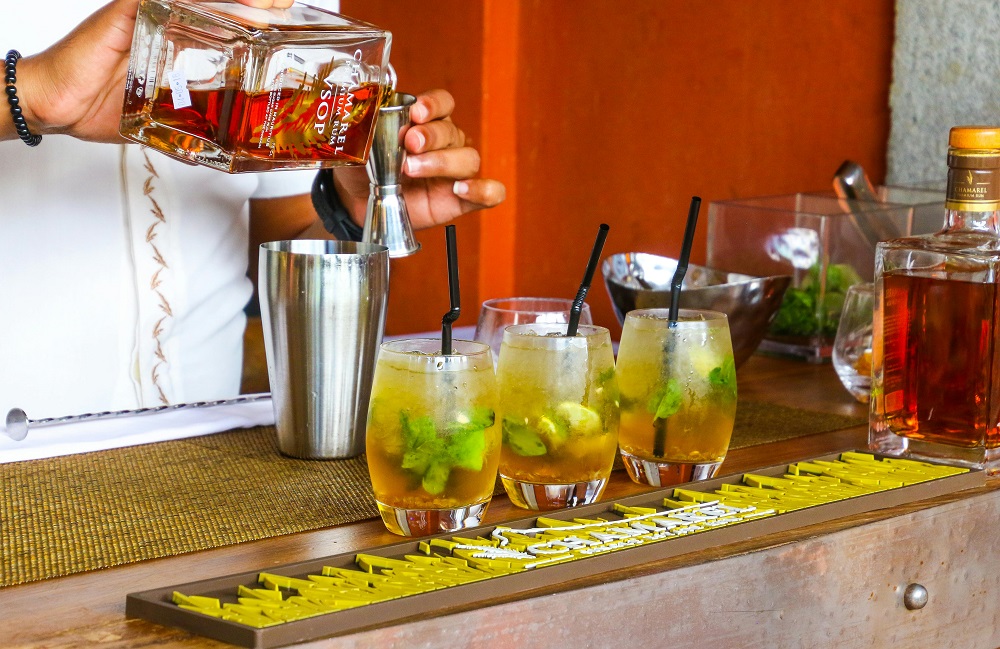
Not all compostable materials are created equal when it comes to durability in alcoholic beverages.
a. Paper Straws: While basic paper straws can deteriorate quickly in alcohol, premium versions with better coatings can last through a typical cocktail. They work best with drinks consumed relatively quickly and aren't ideal for high-proof spirits served neat.
b. PLA Straws: These biodegradable straws handle alcoholic beverages exceptionally well, with resistance similar to plastic. They maintain structural integrity in most cocktails regardless of alcohol content.
c. Sugarcane Straws: With excellent alcohol resistance, sugarcane bagasse straws won't break down during normal use in any cocktail, including acidic drinks with citrus juices.
d. Bamboo Straws: Natural bamboo is impervious to alcohol and can be used with any spirit or cocktail without degradation concerns.
e. Coconut Straws: These handle alcohol well but may impart subtle flavor notes that bartenders should consider when pairing with delicate drinks.
f. Edible Sugar Straws: While these will eventually dissolve in liquid, they generally hold up better in alcoholic drinks than in water-based beverages, making them suitable for quick-consumption cocktails.
Beyond cocktails, considerations for other common bar offerings include:
A. Smoothies and Thick Drinks: Require sturdy options with wider straw diameters, such as PLA, sugarcane, or bamboo. Paper straws typically fail with these viscous beverages.
B. Hot Cocktails: Only bamboo, sugarcane, and certain specialized paper straws can withstand hot temperatures without warping or deterioration.
C. Frozen Drinks: The intense cold of frozen cocktails can make some biodegradable straws brittle. PLA straws may become less flexible, while paper performs better in cold than hot environments.
One of the primary barriers to widespread adoption remains the price differential:
Compostable cocktail straws typically cost 2-5 times more than conventional plastic straws
PLA straws average $0.02-0.04 each, compared to $0.005-0.01 for plastic
Premium options like bamboo can cost up to $0.10 per straw
Bulk straw purchases can reduce costs by 15-30%
However, these costs can often be offset by, for example, reduced waste disposal costs and the marketing value of sustainable practices.
Many eco-friendly straws require attention to their compostability or they may not meet the conditions required for composting. For example, PLA products need to be at the temperature of an industrial composting facility to decompose effectively. Therefore, the configuration of composting facilities in different regions can affect the final disposal of biodegradable products.
Customer experience remains paramount in the hospitality industry, and the performance of compostable straws plays a critical role in shaping that experience. When a straw deteriorates too quickly—becoming soggy or collapsing—it can lead to dissatisfaction and a diminished perception of the overall service. Different types of compostable straws may also require tailored design considerations, such as specific bent straw shapes or thicknesses, to function optimally with various drinks.
Striking the right balance between durability and compostability is no easy task, as more sustainable materials often sacrifice longevity. Educating customers about why these plastic straw alternatives may behave differently is essential to fostering understanding and acceptance of more eco-friendly options.
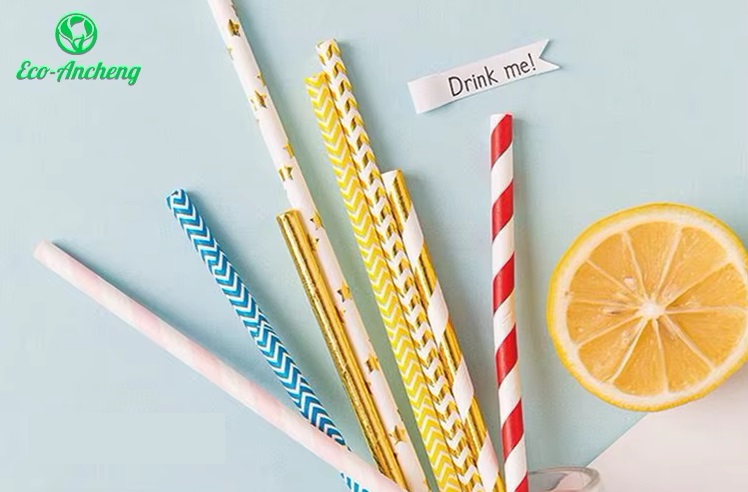
Customizing eco straws isn’t just about aesthetics—it’s about branding. From logo printing to color matching, here’s how you can tailor your bar straws:
a. Branding: Adding logos, slogans, and brand colors to straw wraps or printing directly on straws helps increase brand visibility and recall.
b. Colors and Shapes: Choosing colors like pink straws or fun straws with unique shapes (e.g., bent straws, flexible straws, tiki straws) can match the venue’s theme and improve customer engagement.
c. Sizes and Diameters: Selecting appropriate straw sizes and straw diameters ensures compatibility with different cocktails, smoothies, and juices, enhancing functionality.
d. Packaging: Individually wrapped eco straws ensure hygiene while still being sustainable.
When planning to offer custom eco-friendly straws, collaborating directly with manufacturers can provide several key advantages. Typically, minimum order quantities begin at around 10,000 to 25,000 units, which allows for economies of scale while meeting business needs. Lead times can vary significantly, usually ranging from 4 to 12 weeks depending on the complexity and level of customization required. It’s important to verify relevant certifications, such as BPI compostable, to ensure compliance with sustainability standards. Additionally, testing samples with your actual beverage menu is a crucial step to confirm performance and compatibility before committing to large-scale production.
Compostable cocktail straws provide environmental benefits by reducing plastic pollution and microplastics, improve consumer experience with natural and customizable options, and boost business image through eco-friendly branding. While challenges like cost and composting infrastructure remain, the growing demand for eco straws and the ability to customize them make compostable cocktail straws a smart choice for bars and beverage businesses committed to sustainability and innovation.
By choosing the best biodegradable straws suited to your product and customizing them effectively, your company can lead the market in providing high-quality, eco-friendly drink straws that meet the needs of modern consumers and protect the planet.
With over 20 years of experience in sustainable food service supplies, Ancheng offers a wide range of high quality, eco-friendly products. Our straws include both disposable and reusable, and are made from materials such as bamboo, wheat straw, paper, reed, and PLA. Equipping you with a team of professional designers to help increase your brand awareness at a low cost. Contact us to send your requirements and get free samples.

Hello, I'm Sven Wang, the Manager of Ancheng. With extensive expertise in raw materials and production processes, I'm dedicated to advancing sustainable tableware and constantly improving eco-friendly options for the modern catering industry. You can trust that Ancheng is committed to providing the highest quality. Welcome!

Factory: Qian Renqiao Industrial Park, Shucheng County, Luan City, Anhui Province, China
Office: Building 11, Max Science Park, Shushan Dist, Hefei, Anhui, China
Copyright ©2026 Anhui Ancheng Bamboo and Wood Tableware Co., Ltd. Privacy Policy


 Index
Index Product
 Resources
 About
About