Master the art of cleaning and caring for bamboo steamers with our comprehensive guide. Keep your kitchen tools in top shape for perfect steaming results.
As culinary trends lean into healthier cooking, the traditional bamboo steamer is experiencing a modern renaissance. Chefs are increasingly choosing steaming to preserve the nutrients and flavors often lost in frying or boiling. The bamboo steamer, a staple in Asian cuisine, is becoming an indispensable tool in professional kitchens worldwide, prized for its sustainable qualities and natural cooking benefits.
This guide is tailored for the fast-paced environment of restaurant and commercial kitchens. We'll explore the advantages of using a bamboo steamer, offer detailed cleaning and maintenance protocols, and provide tips to maximize its lifespan, ensuring it remains a trusted instrument in your culinary toolkit.
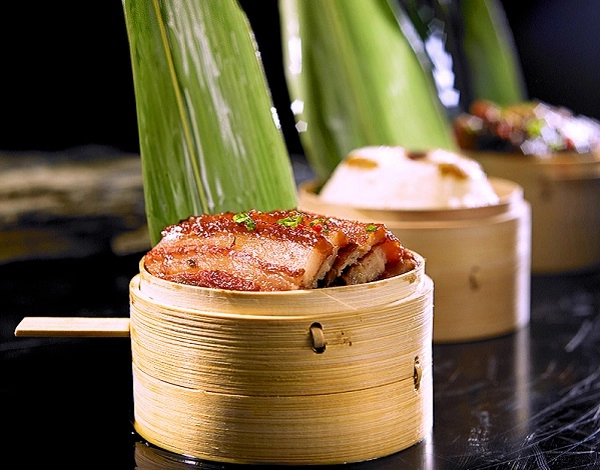
The bamboo steamer, often called a dumpling steamer, offers a compelling range of benefits that make it a smart addition to any professional kitchen.
1. Promotes Healthier Cooking: Steaming requires no oil, preserving the natural vitamins, minerals, texture, and flavor of food. The porous nature of the bamboo also absorbs excess condensation, preventing food from becoming soggy.
2. Eco-Friendly and Sustainable: Bamboo is a fast-growing, renewable grass that requires no pesticides and is biodegradable, making the bamboo steamer basket an environmentally responsible choice over plastic or metal alternatives.
3. Naturally Antimicrobial: Bamboo contains a natural bio-agent known as "bamboo kun," which has antimicrobial properties. This inherent quality helps resist the growth of bacteria and odors, offering an added layer of hygiene crucial in any food service environment.
4. Enhances Flavor: Unlike metal or plastic, bamboo imparts a subtle, aromatic flavor to the food, enhancing the overall taste profile of your dishes, from bao buns to delicate fish.
5. Unmatched Versatility: This single tool can handle an incredible variety of bamboo steamer recipes. It's perfect for cooking everything from dim sum and vegetables to seafood, poultry, and even desserts, making it a true kitchen steamer workhorse.
6. Efficient and Scalable: The stackable design of a large bamboo steamer is a major advantage in a commercial setting. It allows chefs to cook different foods simultaneously in tiered baskets, saving valuable time, energy, and cooktop space.
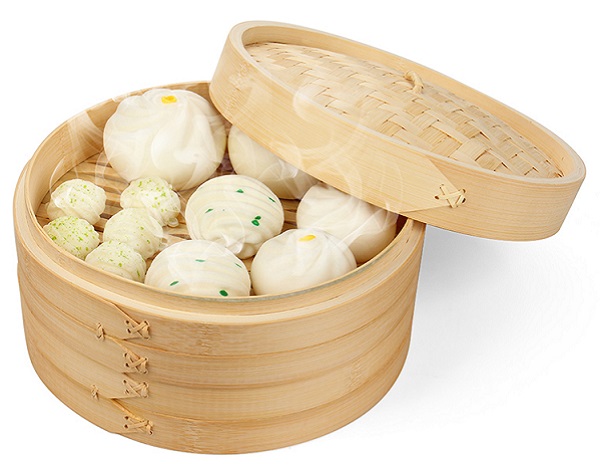
In a high-turnover commercial kitchen, rigorous hygiene standards are non-negotiable. Establishing a consistent cleaning schedule for your bamboo steamer is essential for food safety and the longevity of the equipment.
Knowing how to clean a bamboo steamer correctly is the most important skill for maintaining it. The process is straightforward but requires gentle handling. Avoid harsh detergents and abrasive scouring pads, which will damage the delicate bamboo fibers of your dumpling basket.
Before using a bamboo steamer for the first time, it needs to be seasoned. This initial step cleanses the steamer of any dust from production and storage and prevents the food from taking on a harsh "woody" flavor.
Step 1: Quick Rinse: Gently rinse the lid and all baskets of the bamboo steamer under warm water. Avoid using soap.
Step 2: Initial Soak (Optional): For a brand new, dry steamer, you can submerge it in warm water for about 15-20 minutes. This helps to hydrate the bamboo.
Step 3: Seasoning Steam: Fill a wok or a large pot (bamboo steamer pot) with about two inches of water and bring it to a rolling boil. If you need to know how to use a bamboo steamer without a wok, simply choose a pot that is wider than the steamer's base, allowing the basket to rest on the rim. Assemble the empty steamer bamboo baskets and lid, place them over the boiling water, and let them steam for 30 minutes.
Step 4: Air Dry: After steaming, carefully remove the hot steamer and allow it to air dry completely in a well-ventilated area before its first use.
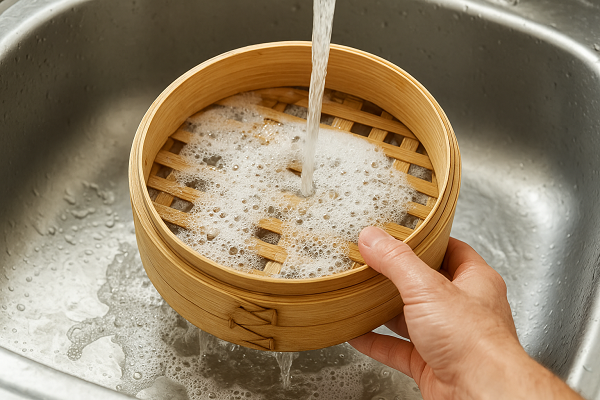
This is the most common cleaning routine. The key is to act quickly after you finish cooking with a bamboo steamer.
Step 1: Remove Liners and Debris: Discard any bamboo steamer liners (like parchment or cabbage leaves) and scrape off any large food particles.
Step 2: Hot Water Rinse: Immediately rinse the steamer with hot water. This will dislodge most of the food residue before it has a chance to dry and stick.
Step 3: Gentle Scrub: Use a soft-bristled brush to scrub the interior of the baskets and lid, paying special attention to the slatted bottom where food is most likely to get trapped. Move the brush in the direction of the bamboo grain. For most messes from steaming vegetables or bamboo steamer dumplings, hot water and a brush are all you need.
Step 4: Tackle Grease: If you've steamed oily or greasy foods, you can use a small amount of mild, diluted dish soap. However, use it sparingly as the porous bamboo can absorb the soap's scent. Another effective method is to use half a lemon as a sponge, scrubbing the greasy areas before rinsing.
Step 5: Final Rinse: Thoroughly rinse the steamer under hot running water to wash away all debris and any soap residue.
Step 6: Dry Completely: This is the most critical step. Shake out excess water and place the steamer baskets and lid separately in a well-ventilated spot to air dry completely.
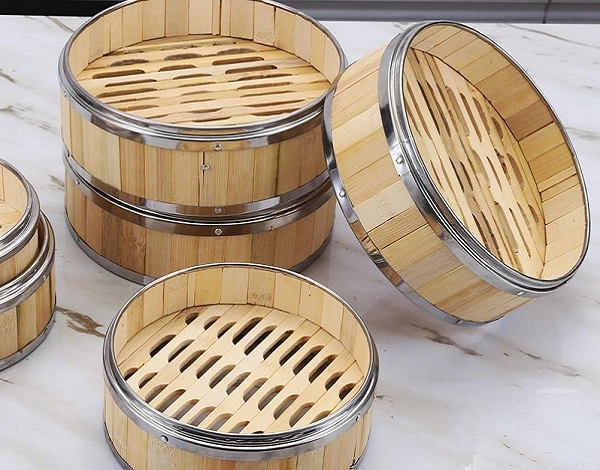
Even with regular cleaning, a busy asian steamer can develop stains or retain strong odors from fish or spices. A weekly or bi-weekly deep clean will sanitize and refresh it.
1. For Lingering Odors (Lemon or Tea Method):
Lemon Scrub: Cut a lemon in half and rub it vigorously all over the inside of the baskets. Let it sit for 15 minutes to allow the citric acid to work, then rinse thoroughly.
Tea Treatment: Don't throw away used black tea bags. While still warm, use them to scrub the inside of the steamer. The tannins in the tea neutralize odors effectively. Rinse afterward.
2. For Stains (Baking Soda Method):
Create a paste with baking soda and a small amount of water.
Apply the paste to the stained areas of the wooden steamer.
Let it sit for 10-15 minutes, then gently scrub with a soft brush and rinse clean.
3. For Sanitizing or Mildew (Vinegar Method):
If you notice the beginnings of mildew or simply want to sanitize the steamer, use a vinegar solution. Prepare diluted white vinegar in a spray bottle, using a 1:2 ratio of white vinegar to water.
Lightly spray the entire surface of the steamer. Let it sit for 10 minutes (do not let it soak).
Rinse the steamer thoroughly with hot water to remove the vinegar smell. As an optional final step, you can steam the empty baskets for 5-10 minutes to ensure any vinegar taste dissipates completely.
Proper care goes beyond cleaning. Following these maintenance rules will dramatically extend the lifespan of your best bamboo steamer, even with the heavy demands of a commercial kitchen.
This is the cardinal rule of how to wash bamboo steamer baskets. Never put your bamboo dumpling steamer in a commercial or residential dishwasher. The intense heat, high pressure, and harsh detergents will cause the bamboo to swell, splinter, warp, and fall apart, destroying the glue and bamboo strips. Hand washing is the only safe method.
Moisture is the enemy of a bamboo steamer as it leads to mold and mildew.
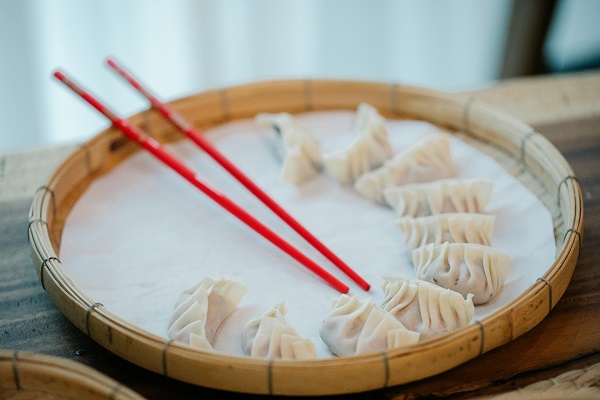
Using bamboo steamer liners is the single best preventative care tip. Liners make cleanup incredibly easy and protect the bamboo from direct contact with oils, sauces, and sticky foods like sticky rice bamboo steamer.
By implementing these detailed cleaning and care procedures, you can ensure your bamboo basket steamer remains a hygienic, efficient, and durable cornerstone of your kitchen for years to come, consistently producing delicious, healthy, and beautifully steamed food.
The bamboo steamer is an investment in healthy, flavorful, and sustainable cuisine. For any commercial kitchen, its value is preserved through proper care. By adhering to the simple yet critical rules—prompt cleaning after each use, ensuring complete dryness before storage, and strictly avoiding the dishwasher—you safeguard this essential tool. This commitment to maintenance ensures the highest food safety standards and guarantees your steamer will remain a reliable part of your culinary toolkit for years to come.
At Ancheng, we are dedicated to providing professional kitchens with the highest quality equipment, and our bamboo steamers are no exception.
Handcrafted from natural, sustainable bamboo and reinforced with durable stainless steel rings, our steamers are built to withstand the rigors of a commercial kitchen. Available in a wide range of sizes, from individual mini bamboo steamers to large-capacity 24-inch baskets, we have the perfect solution for every culinary need.
1. Certified Quality: All our bamboo steamers are LFGB and FDA certified, ensuring they meet the strictest international food-grade safety standards.
2. Superior Durability: We use premium materials and expert craftsmanship to create splinter-free, tightly woven baskets that ensure even cooking and exceptional longevity.
3. Customization for Your Brand: Elevate your restaurant's presentation with our comprehensive OEM solutions. We offer custom shapes, sizes, logo printing, and unique packaging to perfectly match your brand identity.
Don't settle for anything less than the best. Explore our collection of professional-grade bamboo steamers and Request a Quote Today to equip your kitchen with the authentic, durable tools it deserves.

Hello, I'm Sven Wang, the Manager of Ancheng. With extensive expertise in raw materials and production processes, I'm dedicated to advancing sustainable tableware and constantly improving eco-friendly options for the modern catering industry. You can trust that Ancheng is committed to providing the highest quality. Welcome!

Factory: Qian Renqiao Industrial Park, Shucheng County, Luan City, Anhui Province, China
Office: Building 11, Max Science Park, Shushan Dist, Hefei, Anhui, China
Copyright ©2026 Anhui Ancheng Bamboo and Wood Tableware Co., Ltd. Privacy Policy


 Index
Index Product
 Resources
 About
About