Do you know how many plates you need for an event? Walk through this blog post and explore how to choose the right number of plates for every occasion.
Different occasions have different requirements regarding preparation. Choosing the right number of plates is vital for organizing a successful event. However, many people ignore its significance. You might end up running out of plates during the event. In the other case, you might have excessive plates that add unnecessary costs and storage challenges.
In this blog post, you’ll learn how to choose the right number for every occasion. We’ll also help you explore different types of plates and materials for organizing an event. So, let’s get into it.
Various meals require different types of plates. Understanding them ensures you serve your guests with style and functionality. It makes your event well-organized. The following are various types of party plates you should know about:
Dinner plates are the main utensil for serving a meal. They are essential for serving main courses. These plates measure around 10 to 12 inches across. You can find round as well as square dinner plates. They have a large size with a flat surface and sleek rims. This design helps you hold large portions of food. These are versatile plates and come in various materials and designs. It enables you to choose the design that matches your theme. They upscale your dining experience by adding sophistication and elegance to the table setting.
Salad plates are smaller than dinner plates. They are around 7 to 8 inches across. They are utilized to serve smaller portions of food, like salads or starters, before the main course. These plates have a slightly curved rim that contains different salad toppings and dressings. Salad plates also feature sleek patterns and decorative rims. They add style to your table setting and elevate the food presentation.
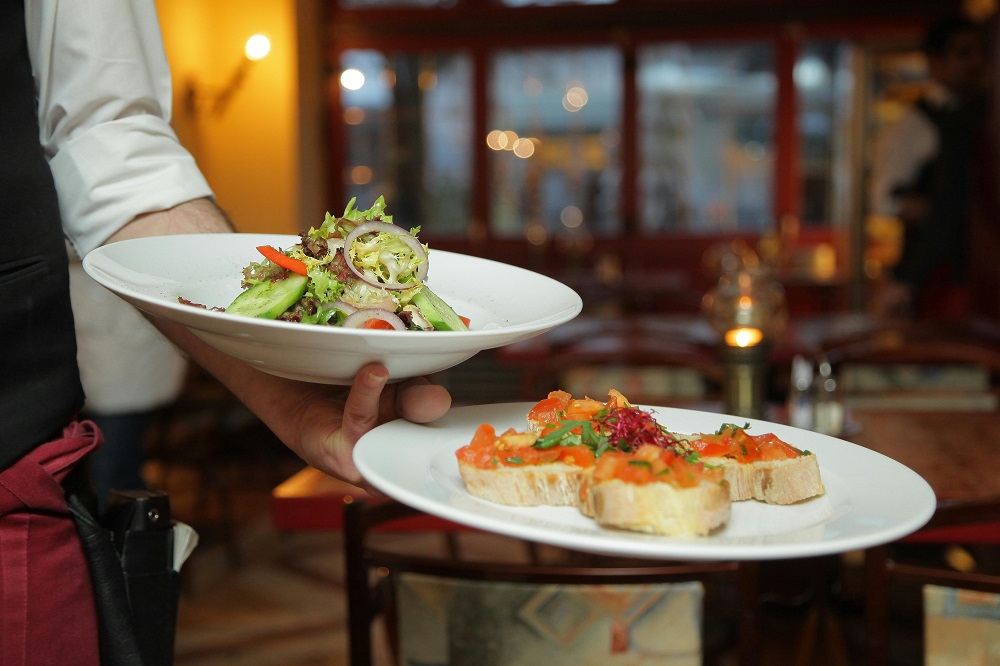
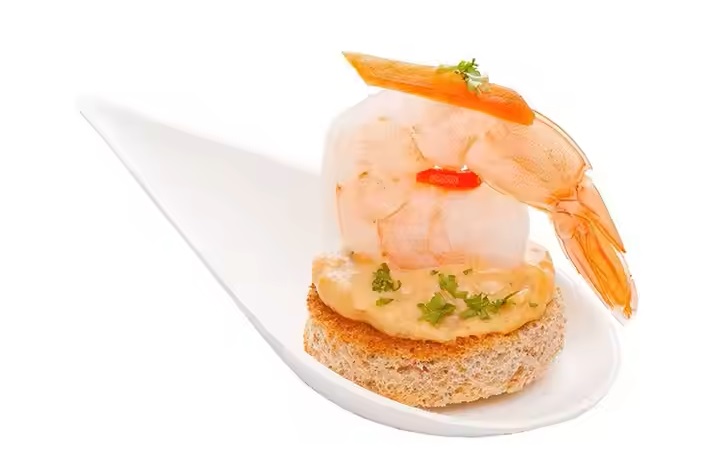
Appetizer plates are designed for serving hors d'oeuvres, finger foods, or tapas. They are smaller than salad plates and are 6 inches in diameter, which makes them best for serving small bites. Depending on the event, you can opt for appetizer plates made of glass, ceramic, or disposable materials. Their petite size allows guests to mingle while enjoying appetizers.
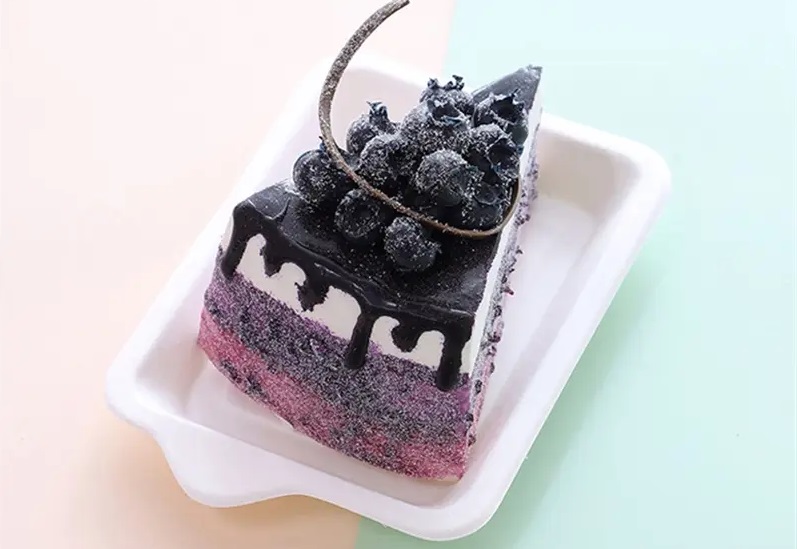
Dessert plates are a must-have for serving sweet treats like cakes, pies, and pastries. Their size is larger than appetizer plates. However, they are smaller than salad plates. They have a size ranging from 6 to 7 inches in diameter.
Dessert plates are usually provided to guests along with disposable wooden spoons.
Bread and butter plates are a staple in formal dining settings. These are the smallest plates with a size ranging from 5 to 6 inches in diameter. You can serve bread, rolls, or small snacks in them. They have a compact, flat surface with raised edges. Their unique design prevents crumbs or butter from spilling onto the table.
Choosing the right plate material is necessary to elevate the vibe of an occasion. The following are some common plate materials you can opt for:
Ceramic plates are a broad category that includes porcelain, stoneware, or earthenware. These plates are known for their durability and aesthetic appeal. Their glazed surface makes them resistant to scratches, stains, and food odors. Their smooth texture ensures long-lasting usability. You can get intricate and colorful plates. The availability of a huge variety makes them a versatile choice for any setting.
Advantages
a. Ceramic plates are dishwasher-safe, and you can clean them conveniently.
b. They are heat-resistant and microwave-safe.
c. They offer a refined appearance that elevates the dining experience.
Disadvantages
These plates require careful handling. They are fragile and can break if dropped.
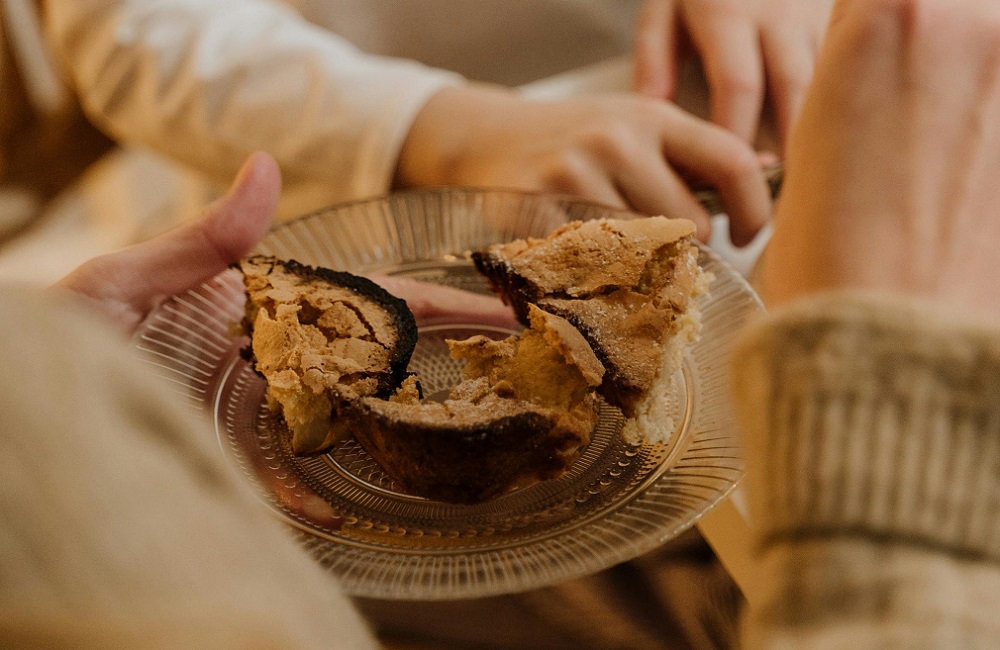
Glass plates bring a sleek and modern touch to dining. They are available in various forms, including transparent, frosted, and colored designs. The addition of colored patterns makes them more elegant. Their smooth texture makes them resistant to stains and odor.
Advantages
a. Glass plates add an elegant appearance to your meal.
b. They are non-reactive and keep your food odor-free.
c. They are heat-resistant and can be used to heat up food in the microwave.
Disadvantages
These are breakable and not suitable for heavy-duty use.
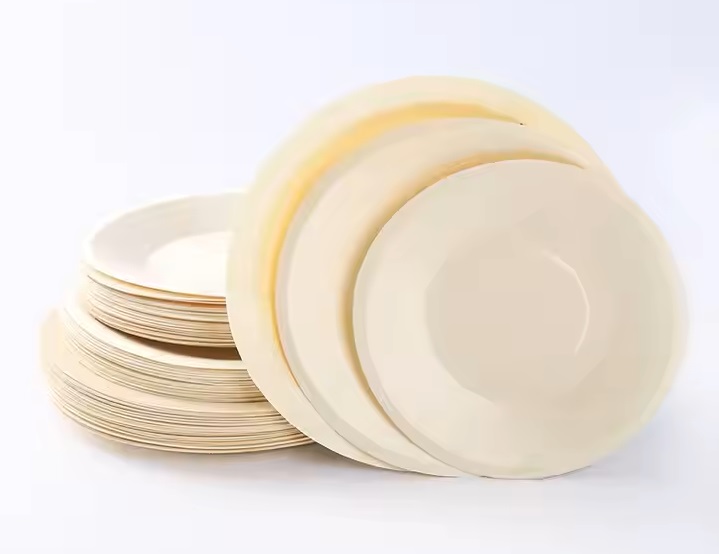
Wooden plates add a rustic aesthetics to your table. They are an eco-friendly choice as they are sourced from natural wood. These are bio-degradable and decompose in a short time. Its components become a part of natural cycles without leaving any toxic chemicals. They are a sustainable choice for organizing a party for eco-conscious guests. These features contribute to an increase in the market size of wooden tableware. The market size of wooden tableware is estimated to be $0.17 Billion in 2024. The market is projected to reach a value of $1.09 billion by 2031.
Advantages
a. Wooden plates are biodegradable and environmentally friendly.
b. Its antibacterial properties keep your food free of microbes.
c. Its natural appearance adds visual appeal to your table.
Disadvantages
a. Some wooden plates alter the food odor.
b. They require special care to maintain them.
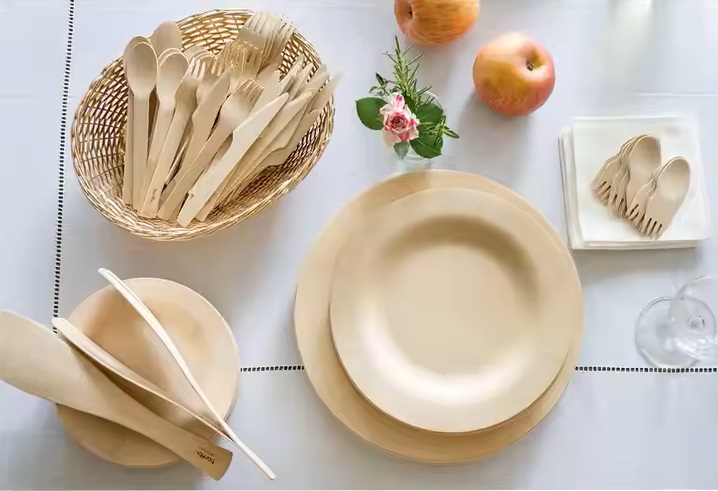
Bamboo plates are lightweight and durable. These features make them perfect for casual gatherings or outdoor events. You can go with disposable and reusable bamboo plates, depending on your event. These organic plates are a suitable choice if you want to use fancy disposable dinnerware sets for your party. Their sustainability is increasing their usage. The bamboo plate market has experienced notable growth in the past few years.
Advantages
a. Bamboo plates are reusable and eco-friendly.
b. They decompose easily without contributing to pollution.
Disadvantages
Bamboo plates are more costly than plastic or paper plates.
Plastic plates are lightweight and affordable. They have variable sturdiness. They range from thin, disposable plates to durable, reusable ones. Their versatility makes them a practical solution for for casual events, outdoor picnics, or large gatherings. However, plastic tableware is not eco-friendly. They contribute to land and marine pollution. An estimate shows that one to two million tones of plastic is dumped in oceans every year.
Advantages
a. Modern plastic plates mimic the look of higher-end materials.
b. These plates are suitable for various events.
Disadvantages
a. They are not biodegradable and require hundreds of years to decompose.
b. Exposure to high temperatures can warp or melt them.
Many times we have the need to heat up food, then you can find out if different plates are safe in the microwave to avoid risks.
Different occasions have different requirements. You need to estimate the right number of plates for every event to prevent mismanagement. Here is an overview of the number of plates you need for various occasions:
For daily operations in a restaurant and hotel, you need to consider the scale of service and the menu structure to estimate the required number of plates. Generally, you need three plates of each type per guest to serve anything. In high-turnover establishments, you need enough plates to cover multiple seating rotations. The reason is that plates require time for washing and drying between uses. You can’t serve your guest on wet plates as it ruins their dining experience.
Hotels need more plates as they have a higher demand. They have diverse dining options, including room service, breakfast buffets, and event catering. You need at least twice the diverse dining options, including room service.

Durable materials like porcelain or melamine are a suitable choice for serving food in restaurants and hotels. High-end materials enhance the dining experience. In addition, they can withstand frequent washing and long-term use in these places.
The number of plates needed for gatherings varies based on the type of event. For casual events, one plate per guest is sufficient. Besides, you need an additional 20% for spares in case of accidents or extra use. Disposable plates made of plastic or biodegradable materials work well for these events.
Formal gatherings require multiple plates per person to serve different courses. You need separate plates for starters, mains, and desserts. You should have 2 to 3 plates per person. You should go with reusable plates made of ceramic or glass to enhance the dining experience.
A wedding is a memorable occasion that requires thoughtful organization. You need to ensure enough plates are available for every guest. For a full-course seated dinner, you need three to five plates for every guest. The plates are used to serve appetizers, soup or salad, entrees, and desserts
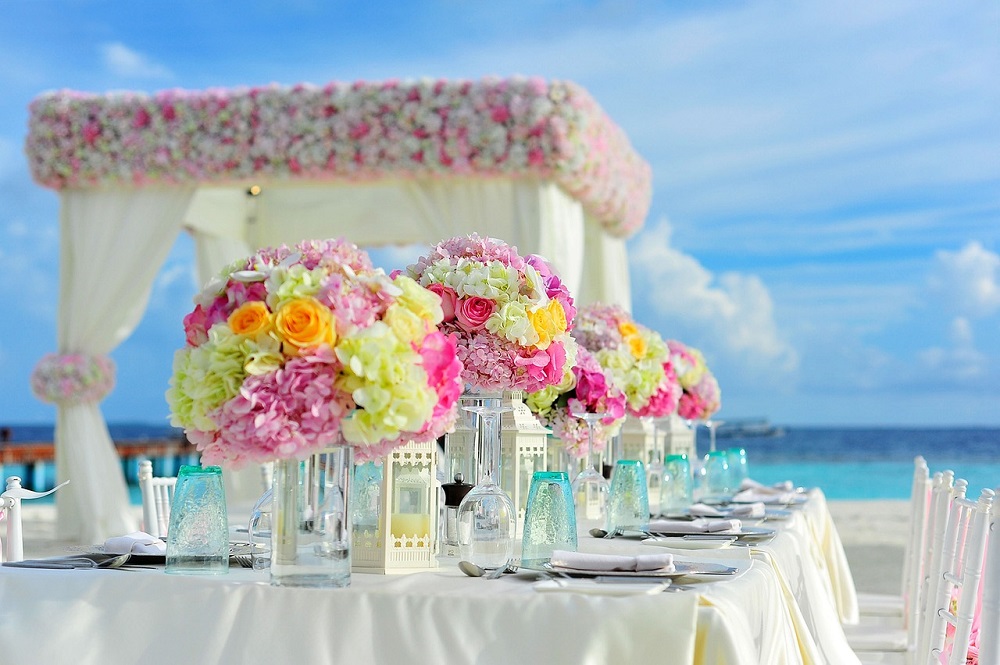
If you are having a buffet-style wedding, you may only require 1-2 plates per guest. Extras are also essential to cover seconds and unforeseen needs. You should select fine china or ceramic plates to reflect the event's elegance. You can also choose eco-friendly, non-toxic dinnerware.
You need multiple tableware and accessories to organize an event. The following is a list of essential items you need for a party:
Plates are a staple for hosting any party. You need dinner, salad, appetizer, and dessert plates depending on the menu. Dinner plates are essential to serve the main course. For starters or light snacks, you need appetizer or salad plates. Desert plates are necessary for serving sweets or fruits. You need to maintain the right number of plates to cover all courses. You should also have extras to meet unexpected demands.
Drinkware is crucial for offering hydration and beverages to your guests. Water glass is a must-have for any gathering. Besides, you may need wine glasses, champagne flutes, or cocktail glasses. For hot beverages, you need cups or mugs with stirring sticks. You can provide straws with cold beverages, especially for kids, or themed drinks.
For a selection of cups at different temperatures, check out the HOT COUP vs. COLD COUP guide.
Skewers and picks are versatile accessories. They are functional and add decorative elements to your event. Bamboo skewers are best for serving kebabs, fruit, or appetizers. Picks add an elegant touch to finger foods and garnished drinks. These accessories make it convenient for guests to handle smaller portions of food.
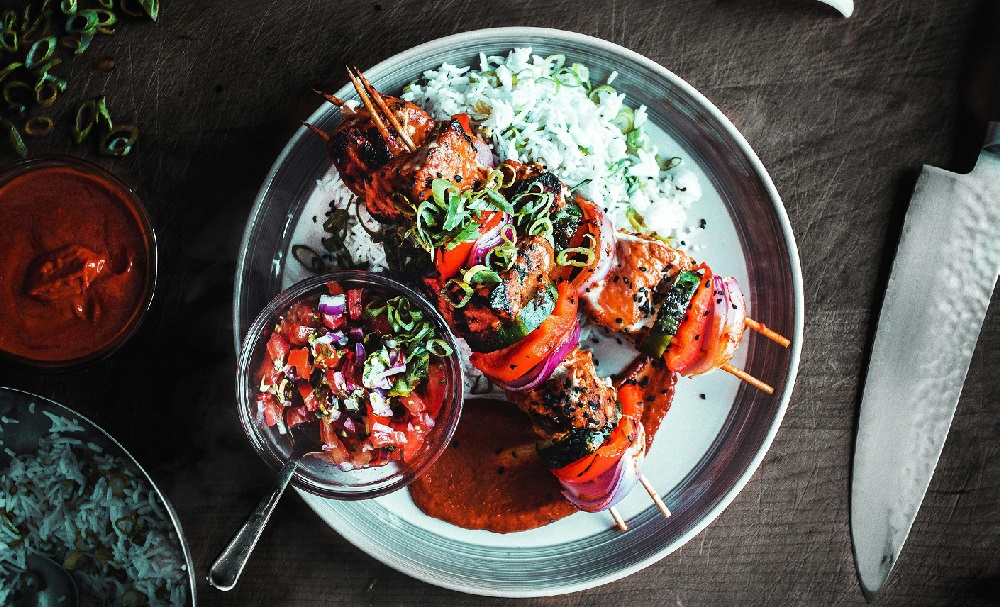
Cutlery is a must-have for your party. You should have a complete set of cutlery to ensure your guests can comfortably enjoy their meal. Your cutlery set should contain standard knives, forks, and spoons. In addition, it should also have dessert spoons or soup spoons depending on the menu.
Here are some factors that can help you pick the right dinner plates for your guest:
a. The purpose and type of event is a major factor in selecting dinner plates. Opt for durable plates for casual parties. For formal gatherings, elegant options like porcelain or fine china are the best choice.
b. The size of your dinner plates depends on the type of meal being served. A dinner plate range from 10 to 12 inches across. Suppose you are serving multiple dishes. For appetizers and small portions, choose salad or appetizer plates.
c. You need to consider the type of event to pick the right material for the dinner table. For formal events, high-end porcelain and ceramic plates are best. Plastic or bamboo plates are great for casual or outdoor events.
1. Which plates are best for daily use?
Durable and stain-resistant materials are best for daily use. You can use bone china, ceramics, and melamine plates. They are sturdy, easy to clean, and offer good value for everyday dining.
2. How do I choose a plate?
You need to consider several factors, including the plate's material, size, style, and durability. Choose the plate based on the type of meals you serve, the occasion, and the ease of maintenance.
3. How many plates for 100 guests?
You need 3 plates per guest for any occasion. For 100 guests, you’ll need at least 300 plates.
Selecting the right number and type of plates is crucial for ensuring a memorable event. Understand different types of plates and the materials used to serve food on various occasions. From dinner plates to dessert plates, drinkware, and cutlery, every tableware is necessary for a particular event. By careful planning and considering guest count and menu you can satisfy your guests. So, get the right number of plates to elevate your dining experience.
High-end, eco-friendly plates are crucial for any event. Ancheng is a leading manufacturer of wooden and bamboo tableware. You can get customized designs and plate sizes for different occasions. Contact us today and elevate your dining experience with sustainable plates.

Hello, I'm Sven Wang, the Manager of Ancheng. With extensive expertise in raw materials and production processes, I'm dedicated to advancing sustainable tableware and constantly improving eco-friendly options for the modern catering industry. You can trust that Ancheng is committed to providing the highest quality. Welcome!

Factory: Qian Renqiao Industrial Park, Shucheng County, Luan City, Anhui Province, China
Office: Building 11, Max Science Park, Shushan Dist, Hefei, Anhui, China
Copyright ©2026 Anhui Ancheng Bamboo and Wood Tableware Co., Ltd. Privacy Policy


 Index
Index Product
 Resources
 About
About